Hollywood did not simply film classic cars; it transformed them into cultural symbols, consumer aspirations, and lasting markers of identity. When people talk about classic car culture today, they usually mean more than restoration, auctions, or weekend cruises. They mean the stories attached to specific models, the emotions triggered by a V8 soundtrack, and the visual shorthand that instantly links a 1955 Chevrolet Bel Air, a 1968 Ford Mustang GT fastback, or a chopped Mercury coupe to freedom, rebellion, romance, or danger. Movies and media created much of that shorthand. Over decades of studio filmmaking, television syndication, magazine publishing, advertising campaigns, and now streaming and social video, Hollywood gave classic cars character roles that extended far beyond transportation.
Classic car culture refers to the community, values, aesthetics, and marketplace built around older automobiles considered historically significant, collectible, or emotionally iconic. In practice, that includes preservation, restoration, modification, cruising, club membership, memorabilia, and media consumption. Within that world, movies and media matter because they influence what enthusiasts value, what newcomers recognize, and what the broader public is willing to pay for. I have seen this firsthand at auctions, dealer lots, and weekend shows: a car with a cinematic association draws a crowd before anyone asks about compression numbers, trim codes, or matching VIN stamps. Screen exposure changes demand. It also changes memory.
Hollywood’s influence is especially powerful because film combines image, sound, plot, and star power. A magazine ad can sell style, but a movie can make a car part of a character arc. Steve McQueen’s Highland Green Mustang in Bullitt was not important only because it looked good. It mattered because the chase sequence used realistic driving, urban geography, and mechanical grit to make the Mustang feel authentic and competent. James Dean’s association with performance cars turned youthful speed into a modern myth. Later, American Graffiti linked hot rods and cruising strips to nostalgia and coming-of-age, helping preserve 1950s car culture at a moment when emissions controls, insurance rates, and changing tastes threatened to flatten it. To understand classic car culture and lifestyle, you have to understand how media made machines memorable.
The Silver Screen Turned Cars Into Characters
The most important thing Hollywood did was assign narrative meaning to automobiles. In strong car-centered films, the vehicle is not a prop sitting in the background of a set. It functions like a supporting actor with a distinct personality. That shift gave certain classics long lives in public imagination. The 1932 Ford coupe became the archetypal hot rod because generations saw it represented as stripped-down, youthful, and mechanically direct. The 1949 Mercury gained outlaw cool through custom culture and crime imagery. The 1957 Chevrolet became shorthand for postwar optimism and chrome-heavy prosperity. A car on screen could communicate class, era, and attitude before a line of dialogue was spoken.
Studios learned that recognizable cars also improved visual storytelling. Long hoods, tailfins, grilles, and body lines read clearly on camera, especially in Technicolor and widescreen formats. Directors used convertibles for romance, coupes for speed, and imposing sedans for authority or menace. By the 1960s and 1970s, chase scenes elevated this further. Cars needed to move in ways audiences could feel physically. That is why practical stunts, tire noise, body roll, and visible suspension travel mattered. The result was a visual language where the car itself signaled emotion: instability, power, glamour, or rebellion.
This storytelling effect persists because audiences often remember the vehicle more clearly than plot details. Ask enthusiasts about Dirty Mary, Crazy Larry, Vanishing Point, or Gone in 60 Seconds, and discussion quickly shifts to the Dodge Charger, the white Challenger, or Eleanor. Those cars became reference points for generations who may not have seen the films during their original runs. That is the hallmark of cultural shaping: the object outlasts the release window and enters common vocabulary.
Defining Eras Through Genre, Stars, and Speed
Different Hollywood eras promoted different branches of classic car culture. In the 1950s, youth-oriented films and drive-in programming fed fascination with hot rods, customs, and drag racing. The visual message was simple: modified cars represented independence from adult conformity. In the 1960s, spy thrillers, European influences, and improving camera technology made sleek grand tourers, sports cars, and muscle machines more desirable. By the late 1960s and early 1970s, a more cynical tone emerged. Cars became tools of antiheroes, loners, and fugitives, matching broader social distrust after Vietnam and Watergate.
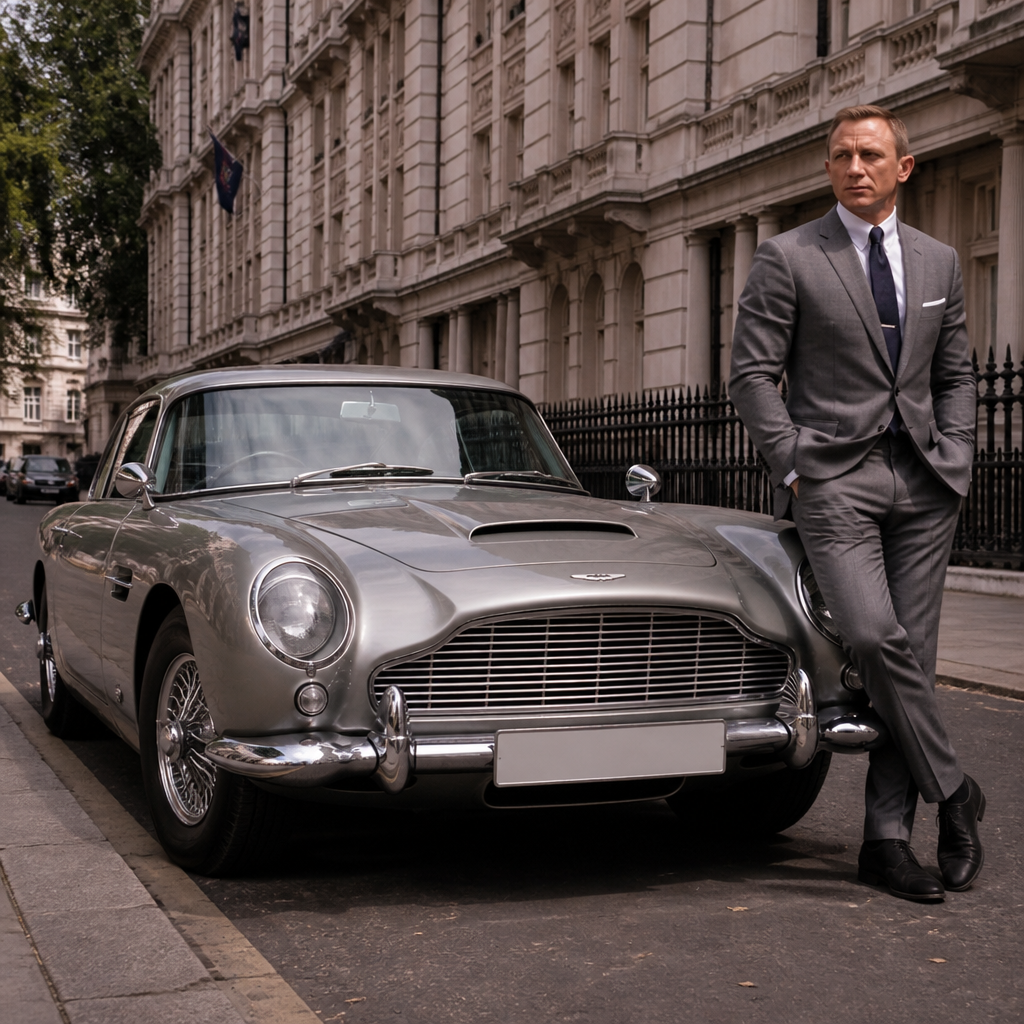
Star associations amplified these trends. Steve McQueen validated performance credibility because he raced competitively and understood vehicle dynamics. Paul Newman brought similar seriousness to motorsport culture. James Garner, Burt Reynolds, and Clint Eastwood each attached specific car types to masculine screen identities. Female stars shaped car desirability too, though Hollywood often underused that influence. When a convertible or luxury coupe became linked to elegance, wit, or danger through a leading actress, consumer perception shifted. The effect was not limited to one gender; it affected aspirational buying across the board.
Genre mattered just as much. Crime films favored big sedans and getaway coupes. Teen comedies favored affordable customs and cruisers. Road movies celebrated endurance, space, and the romance of long-distance travel. Racing films gave legitimacy to technical language, making audiences more comfortable with terms like horsepower, suspension setup, oversteer, and gear ratio. As media repeated those patterns, enthusiasts organized themselves around them. One club leaned toward factory-correct muscle restoration, another toward chopped leadsleds, another toward road-race-inspired builds. Hollywood did not invent every niche, but it accelerated the sorting process and gave each niche symbols people could immediately recognize.
Iconic Films That Rewrote the Market
Some movies had direct, measurable effects on collector demand. American Graffiti is one of the clearest examples. Released in 1973, it romanticized early-1960s cruising culture just as many original cars from that period were still cheap used vehicles. The film helped elevate interest in Deuce coupes, chopped customs, and period-correct street machines. It also inspired diners, themed events, soundtrack compilations, and local cruise nights that continue decades later. In practical terms, it preserved a social ritual by making it marketable again.
Bullitt did something slightly different. It turned the 1968 Mustang GT fastback into a benchmark for cool, not merely a fast car. Auction houses and dealers still use the word “Bullitt” as shorthand for desirable specification and cinematic pedigree. Smokey and the Bandit gave the 1977 Pontiac Trans Am a sales boost while it was still in production, proving Hollywood influence could affect new-car showrooms as well as future collectibles. The Dukes of Hazzard made the 1969 Dodge Charger one of the most recognized muscle cars in America, although the show also consumed many cars in stunt work, which later tightened surviving supply.
The pattern is easiest to see when screen fame intersects with scarcity, recognizable styling, and enthusiast nostalgia.
| Film or Series | Car | Cultural Effect |
|---|---|---|
| Bullitt | 1968 Ford Mustang GT fastback | Defined realistic chase-car cool and elevated collector demand |
| American Graffiti | 1932 Ford hot rod and period customs | Revived cruising nostalgia and strengthened hot rod identity |
| Smokey and the Bandit | 1977 Pontiac Trans Am | Boosted showroom desirability and outlaw-image branding |
| The Dukes of Hazzard | 1969 Dodge Charger | Turned one model into a television icon with broad mainstream recognition |
| Gone in 60 Seconds | Shelby-inspired Mustang “Eleanor” | Normalized tribute builds and media-driven replica demand |
Not every influence was positive. Media attention can distort values, encourage inaccurate replicas, and make lesser-known but historically important cars harder to appreciate. Still, the market evidence is clear: cars with strong screen identities enjoy a pricing premium, more merchandise, and deeper public awareness than equally competent models without that exposure.
Television, Magazines, and Advertising Built Daily Exposure
Film created legends, but television and print made them routine. Weekly series put distinctive cars into households repeatedly, allowing emotional attachment to build over years rather than two hours. That repetition mattered. A child who saw a Charger jump on Friday nights or a customized roadster in reruns developed recognition long before understanding carburetion or collector insurance. Daily or weekly exposure made car enthusiasm accessible to people with no family connection to the hobby.
Magazines then converted fascination into action. Publications such as Hot Rod, Car Craft, and Road & Track explained the machines, offered parts sources, and translated cinematic desire into garage projects. Enthusiasts could watch a screen car, then learn what rear axle ratio, cam profile, or body modification produced a similar effect. That bridge between entertainment and technical instruction was crucial. In my experience, many lifelong restorers started with imagery first and specifications second. Media gave them both.
Advertising further blurred the line between Hollywood fantasy and consumer behavior. Automakers placed cars with stars, used cinematic framing in commercials, and borrowed themes of escape, youth, and sophistication from film culture. Agencies understood that buyers rarely purchased only transportation; they purchased identity. A full-size convertible could promise romance. A muscle coupe could promise confidence. A station wagon could promise family competence. Once those images circulated widely, they influenced the classic market later, because nostalgia follows original branding. Collectors often chase the feeling first and the spreadsheet second.
How Media Shaped Restoration, Customization, and Community
Hollywood also affected what people did with classic cars after buying them. Screen-accurate restoration became a distinct motivation. Some owners want factory-correct authenticity verified by broadcast sheets, date codes, and trim tags. Others want a movie-spec tribute that captures the visual and emotional identity they remember. That distinction matters because it shapes paint choices, wheel selection, interior materials, and drivetrain swaps. A genuine period-correct Mustang restoration and a Bullitt-inspired build may start with similar sheet metal yet end as very different projects.
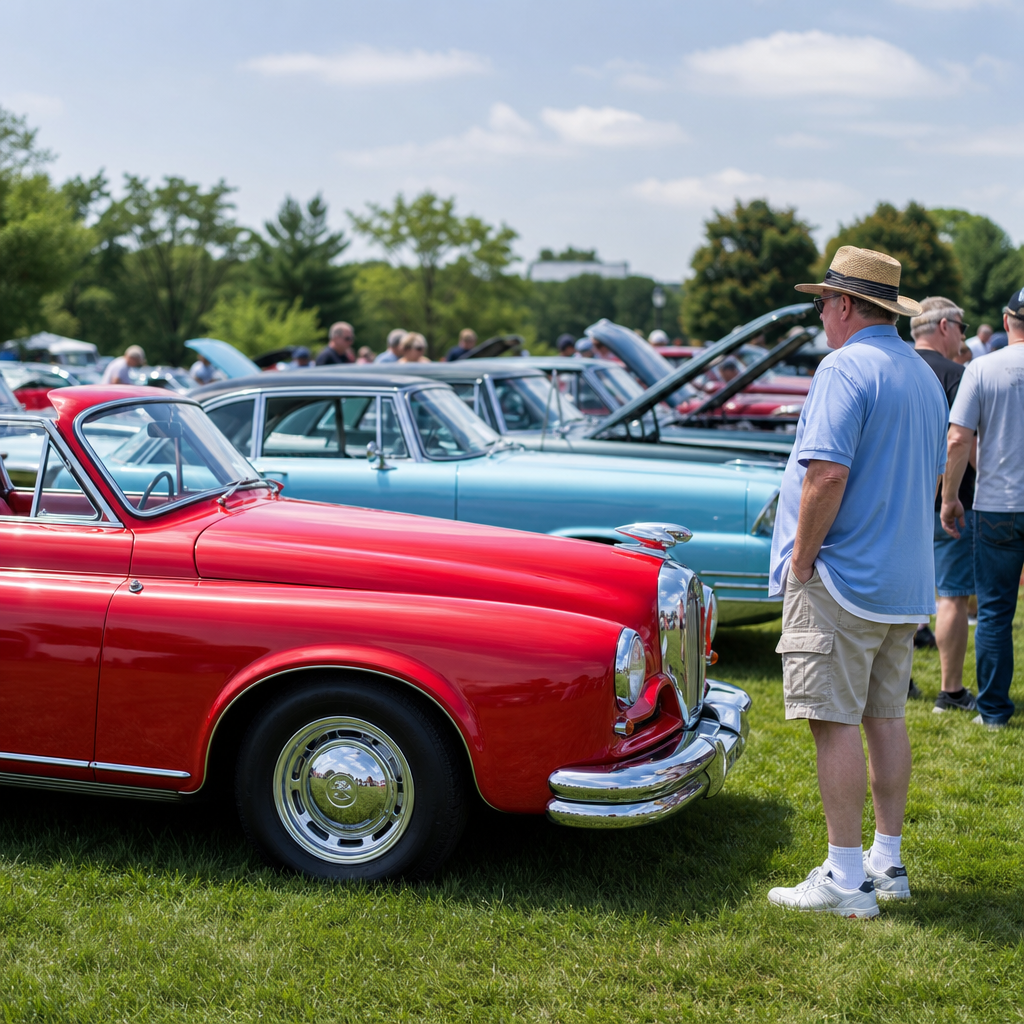
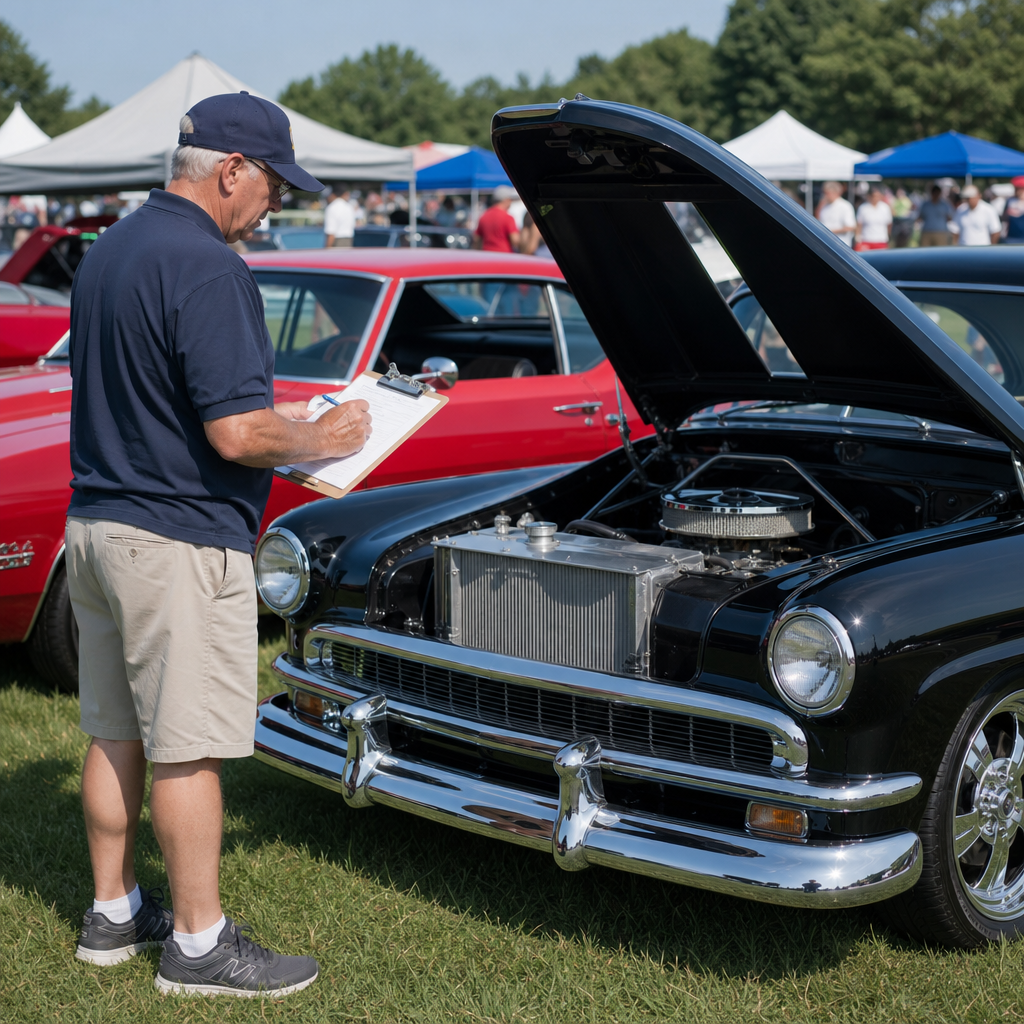
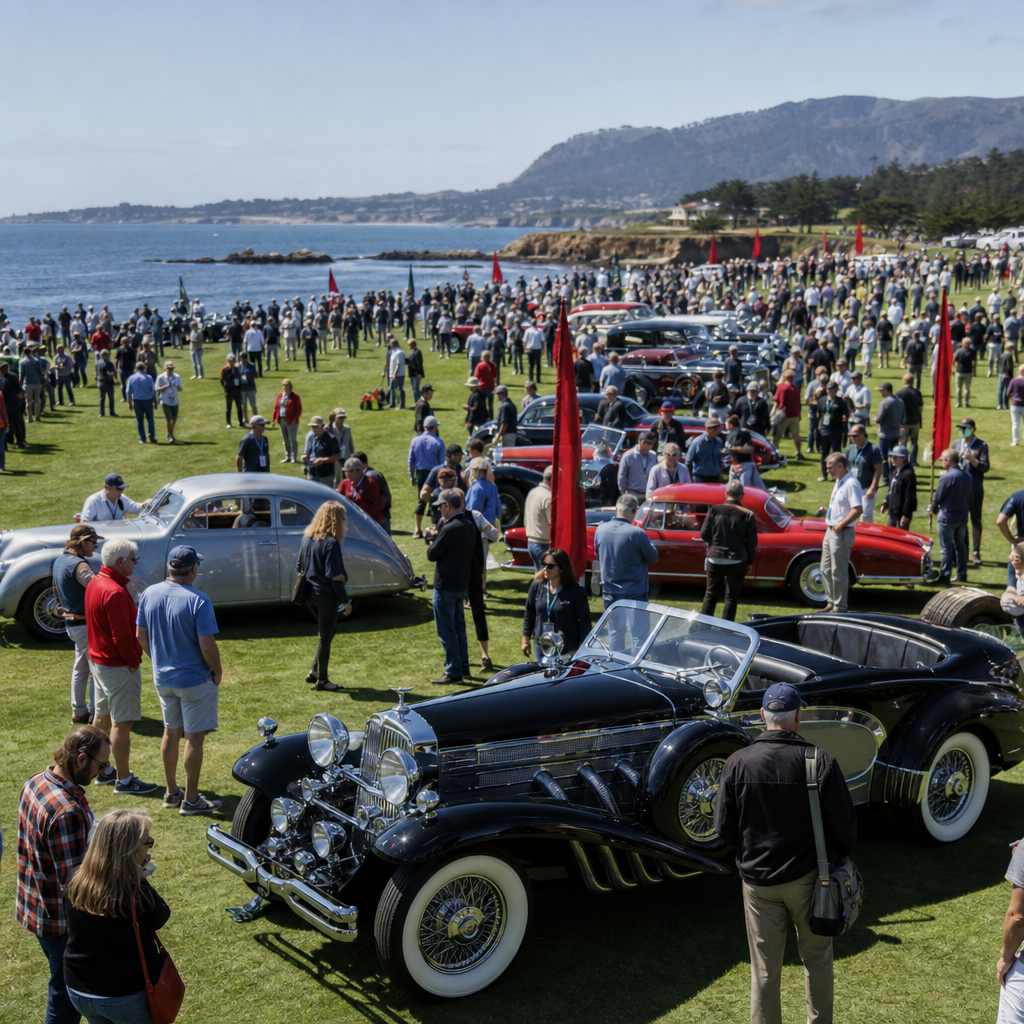
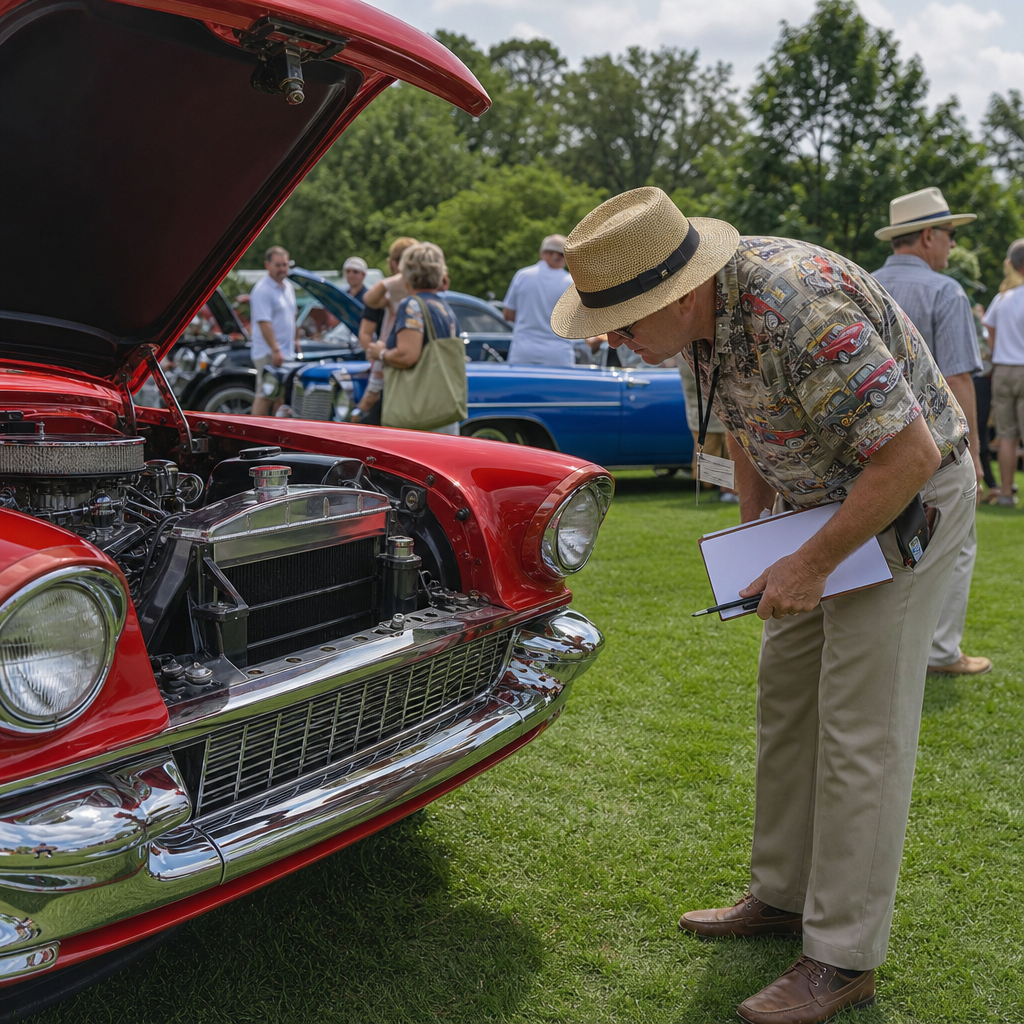
Custom culture owes part of its persistence to media visibility. Chopped tops, frenched headlights, lake pipes, and candy paint remained desirable because movies, album covers, magazines, and later music videos kept them visible. The same is true for lowriders, gassers, pro touring builds, and vintage off-road trucks. Once a media format validates a style, the aftermarket responds with parts, templates, and specialist labor. Communities form around shared references. Local shows create classes for movie cars and tributes. Online forums debate screen accuracy. Auction listings emphasize provenance, celebrity ownership, or resemblance to famous examples.
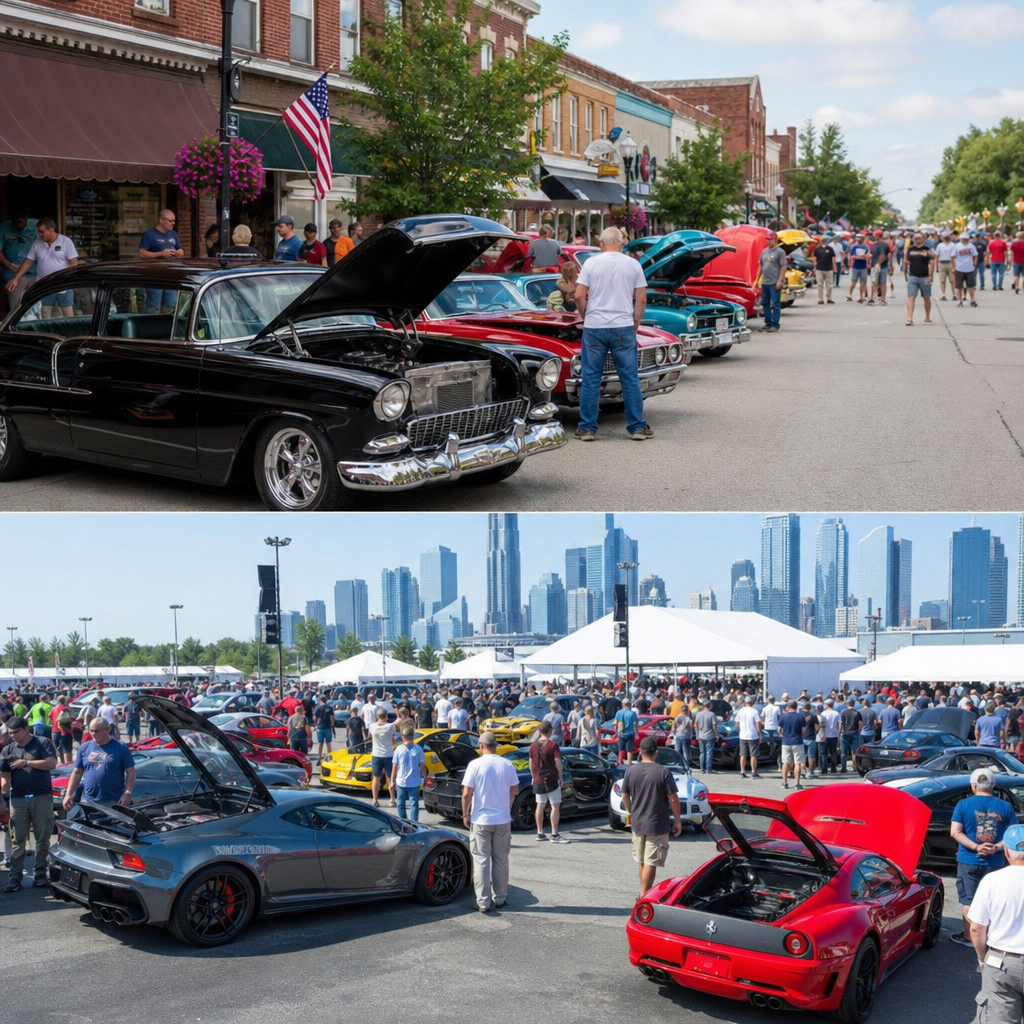
This community effect extends to lifestyle. Cruise nights, costume events, memorabilia collections, and retro diners all draw energy from media-shaped nostalgia. People are not just preserving metal. They are preserving a scene, often one they first encountered through a theater screen or television broadcast. That is why classic car culture feels social even when centered on objects. Hollywood supplied common reference points that make strangers talk like old friends.
The Modern Legacy of Streaming, Social Media, and Auctions
Hollywood’s role has evolved, but it has not faded. Streaming platforms keep older films in circulation, exposing younger audiences to cars from eras far outside their lived experience. A teenager can discover Bullitt on a tablet, then watch restoration breakdowns on YouTube, browse auction results on Bring a Trailer, and order reproduction parts online within an hour. Discovery, education, and purchase now happen in one media ecosystem. That has widened the classic-car audience while making tastes more fragmented and global.
Social platforms reinforce iconic imagery by clipping chase scenes, startup sounds, and walkaround footage into endlessly repeatable short-form content. Auction houses such as Mecum and Barrett-Jackson benefit because bidders arrive already primed by screen memory. Sellers know this, so listings foreground celebrity ties, production history, or visual similarity to a famous car. The premium can be justified when provenance is documented, but buyers should separate genuine historical significance from marketing theater.
The enduring lesson is simple: Hollywood shaped classic car culture by turning machinery into mythology, then giving that mythology channels to spread and survive. It influenced which models became icons, how enthusiasts organized communities, what restorations looked like, and why certain cars command emotional and financial premiums. If you want to understand classic car culture and lifestyle, start with movies and media. Then follow the connections outward to television, magazines, auctions, clubs, and your own local cruise night. The cars people treasure most are rarely just mechanical objects. They are stories on wheels, and Hollywood wrote many of the stories that still drive the hobby today.
Frequently Asked Questions
How did Hollywood turn classic cars into cultural icons rather than just vehicles?
Hollywood gave classic cars something no showroom brochure could fully create: mythology. On screen, a car was rarely just transportation. It became an extension of a character’s personality, social status, rebellion, confidence, or longing for freedom. When audiences saw a sleek coupe pull into frame, heard the rumble of a V8 before a dramatic entrance, or watched a hero outrun danger in a fastback Mustang, the vehicle absorbed emotional meaning. That meaning stayed with viewers long after the credits rolled. Over time, certain models stopped being known only for their engineering or production numbers and became recognizable symbols of American identity, youth culture, cool, and independence.
Film also amplified visual memory. A 1955 Chevrolet Bel Air, a chopped Mercury, or a late-1960s muscle car might have been one of many desirable vehicles in its own era, but Hollywood singled out specific shapes, paint finishes, and sounds and turned them into instantly legible shorthand. The camera lingered on chrome, tailfins, hood scoops, and interiors in ways that made the cars feel aspirational. Repetition across movies and television reinforced that effect. As these cars appeared again and again in stories about romance, danger, status, or escape, audiences began to associate the cars with emotion as much as machinery. That is a major reason classic car culture today is rooted not only in restoration and collecting, but in storytelling, nostalgia, and identity.
Why are certain classic car models so closely tied to specific movie moments?
Some classic cars became inseparable from specific movie scenes because Hollywood excels at linking objects to emotion. A car featured in a memorable chase, a coming-of-age moment, or a character-defining entrance does more than support the plot; it becomes part of the scene’s emotional architecture. Viewers do not just remember what happened. They remember how it felt, and the car is embedded in that feeling. A 1968 Ford Mustang GT fastback, for example, is not simply admired for its design or performance when tied to a famous cinematic pursuit. It is remembered as tension, speed, attitude, and controlled chaos. The model becomes a visual and emotional trigger.
Another reason is that classic cars often possess strong silhouettes and distinctive sound profiles, making them ideal for film language. Directors and cinematographers understand that a recognizable car can communicate time period, personality, and social meaning in seconds. Instead of explaining who a character is, they can show the vehicle. A polished Bel Air might suggest aspiration or nostalgia. A rough custom Mercury coupe can imply outlaw cool or postwar hot rod culture. Because these cars carry such immediate visual impact, they stay attached to the scenes that made them famous. This bond then influences collectors, enthusiasts, and casual fans, who often seek the model not only because it is historically important, but because it connects them to a powerful shared cultural memory.
Did Hollywood influence the popularity and market value of classic cars?
Yes, Hollywood has had a significant influence on both popularity and market value, although the effect is often more cultural than purely transactional at first. When a car gains exposure in a successful film or television series, it often receives a second life in the public imagination. People who may never have paid attention to that model suddenly begin to notice it, discuss it, and desire it. That attention can lead to increased demand for surviving examples, reproduction parts, tribute builds, and memorabilia connected to the car’s screen history. In many cases, interest extends well beyond serious collectors and reaches general audiences who want a piece of the story, even if that means posters, die-cast models, or replicas rather than original vehicles.
Over time, cultural demand can affect the market in measurable ways. Cars associated with iconic on-screen appearances often enjoy stronger enthusiast communities, better documentation, and more sustained visibility at auctions and shows. Buyers are not always paying only for horsepower, rarity, or restoration quality; they are also paying for narrative power. A model that represents cinematic rebellion, glamour, or Americana often carries broader appeal than an equally capable but less mythologized counterpart. Hollywood did not single-handedly create every value increase in the classic car market, but it absolutely helped shape which vehicles became legendary, which generations remained interested in them, and which models developed enduring cross-generational demand.
How did Hollywood help connect classic cars with ideas like freedom, rebellion, and identity?
Hollywood repeatedly used cars as symbols of personal agency, especially in stories centered on youth, outsiders, drifters, racers, and antiheroes. In those narratives, the car often represented control over one’s own direction in life. Open roads, night drives, desert highways, city streets, and roadside encounters all reinforced the idea that mobility was not just practical but existential. The car became a vessel for escape, self-invention, and defiance. When audiences saw a protagonist behind the wheel of a powerful or stylish machine, that image suggested more than ownership. It suggested autonomy, danger, masculinity, glamour, or emotional restlessness, depending on the context.
This symbolic framing had a lasting effect on classic car culture. Enthusiasts today are often drawn to what a vehicle says as much as what it does. A muscle car may evoke raw confidence and rebellion. A 1950s cruiser may represent optimism, romance, and postwar aspiration. A custom hot rod may signal creativity, individuality, and anti-establishment style. Hollywood helped teach audiences to read cars this way. It transformed body lines, engine notes, and custom touches into forms of self-expression. That is why classic car culture remains so emotionally charged: people are not merely preserving machines, they are preserving identities and ideals that film and television helped popularize.
Why does Hollywood’s influence still matter in classic car culture today?
Hollywood’s influence still matters because it continues to shape how people discover, interpret, and emotionally connect with classic cars. Many enthusiasts first encounter iconic models not at a concours event or restoration shop, but through movies, streaming series, reruns, and digital clips. The screen remains a powerful gateway. Even younger audiences who did not grow up in the original eras of these vehicles can instantly understand their appeal through cinematic storytelling. A few seconds of a camera tracking a gleaming fender, the sound of a carbureted V8 firing up, or a dramatic highway scene can create fascination that leads to deeper interest in automotive history.
Just as importantly, Hollywood helped establish the narrative framework that still defines much of classic car culture. People talk about these vehicles in terms of character, mood, memory, and meaning. They discuss what a car represents, what era it belongs to emotionally, and what kind of person it symbolizes. That way of thinking did not emerge solely from garages and auction houses; it was reinforced by decades of film and television. As a result, the legacy of Hollywood lives on in restoration trends, tribute builds, collector preferences, car show themes, and the enduring public fascination with a handful of instantly recognizable models. In the modern era, classic cars remain compelling not only because they are beautiful machines, but because Hollywood helped turn them into lasting cultural stories.