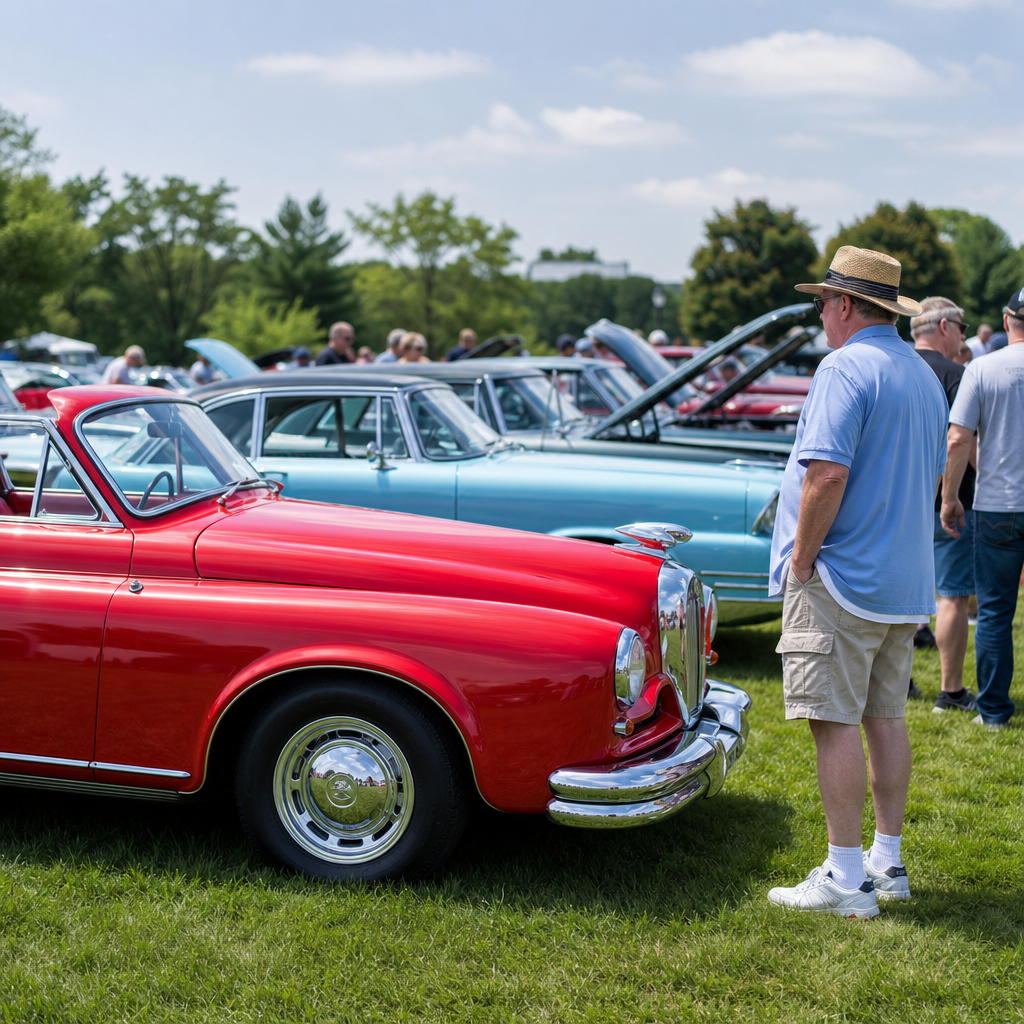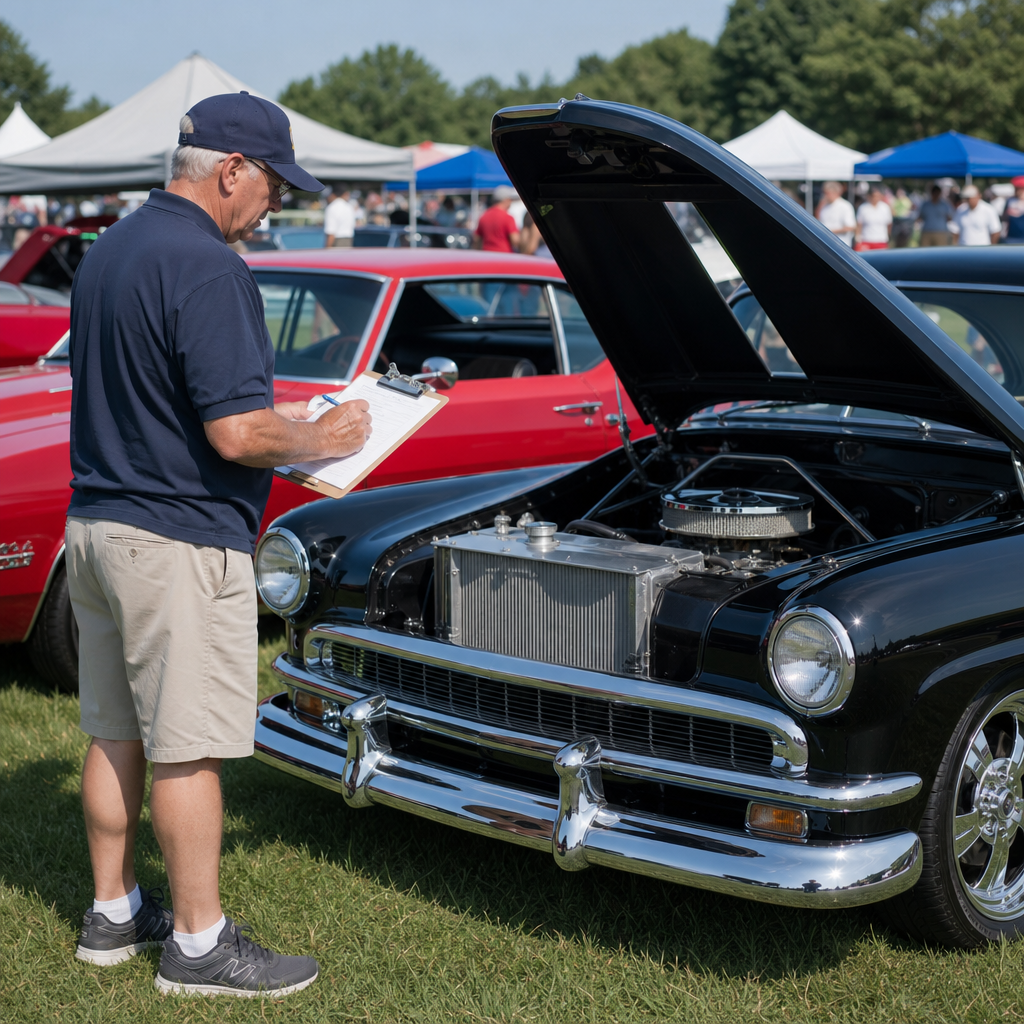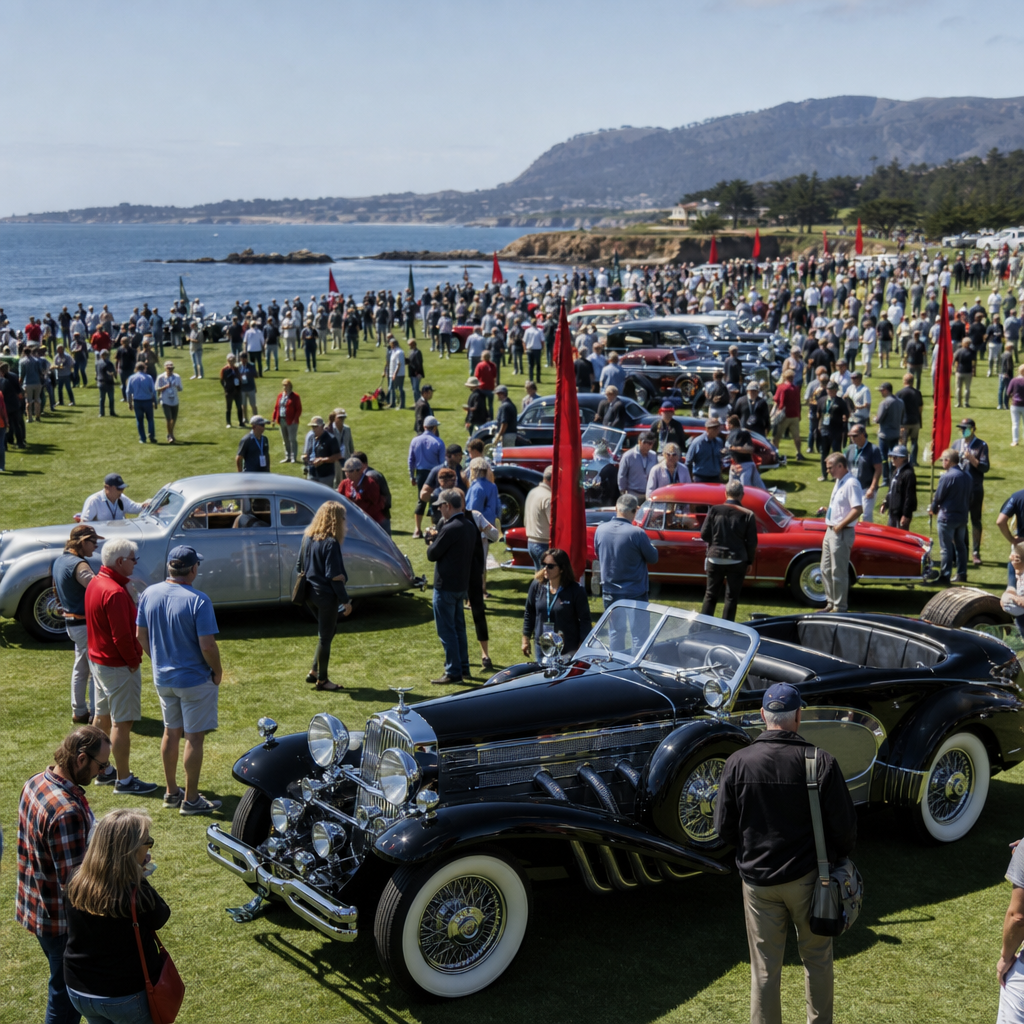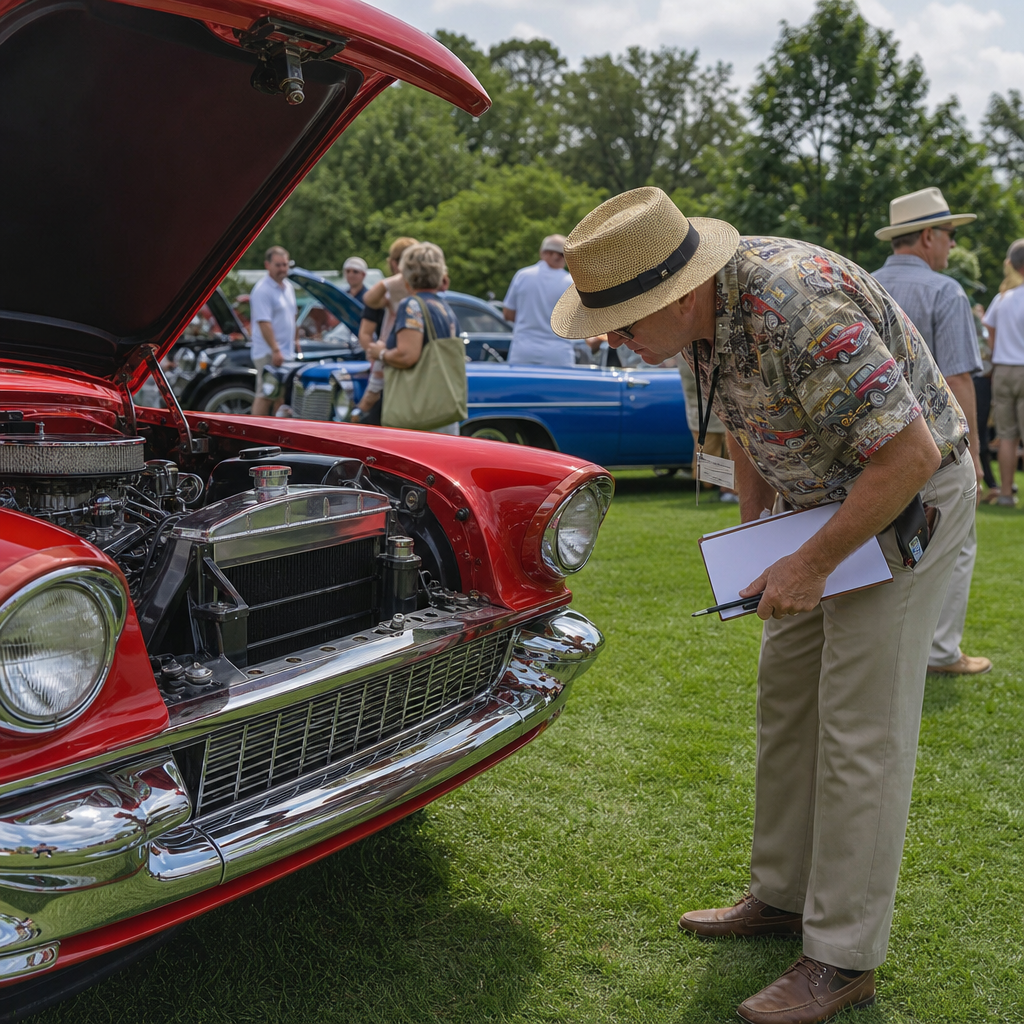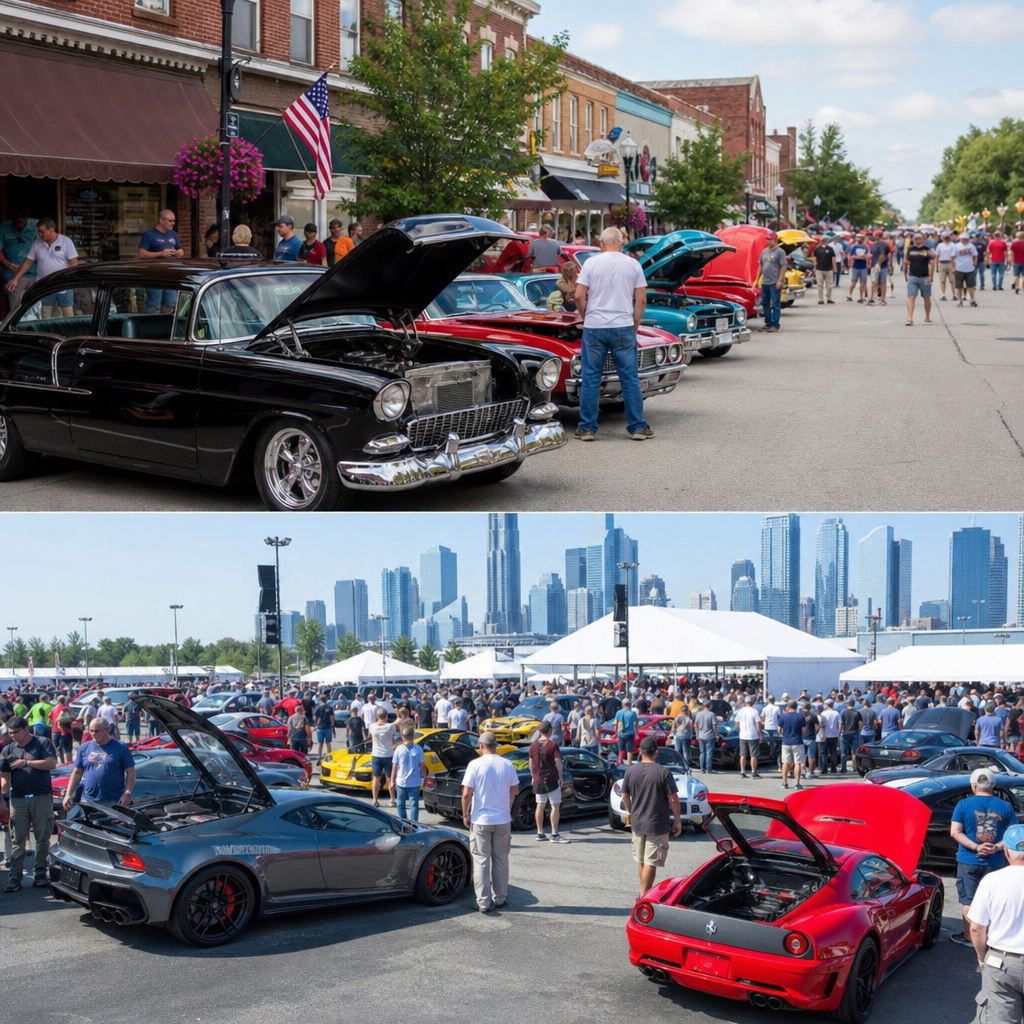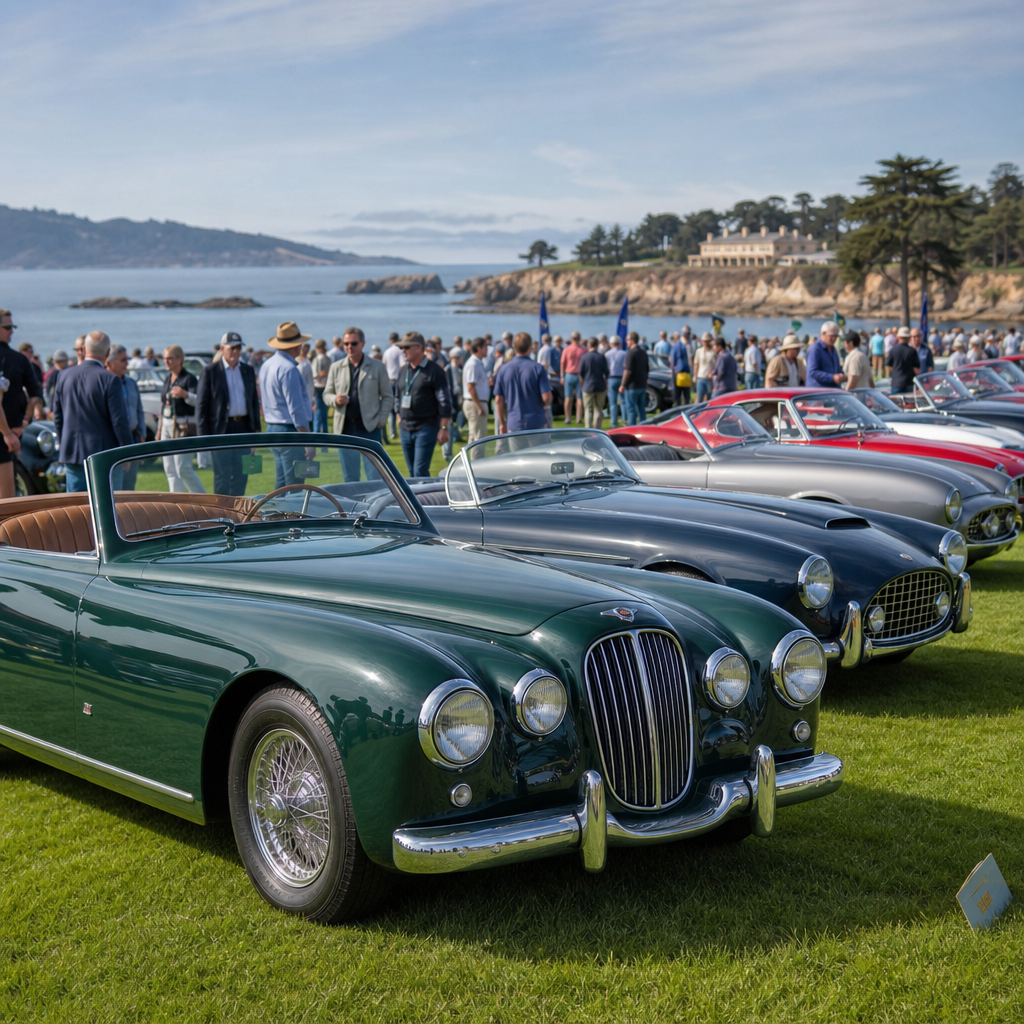
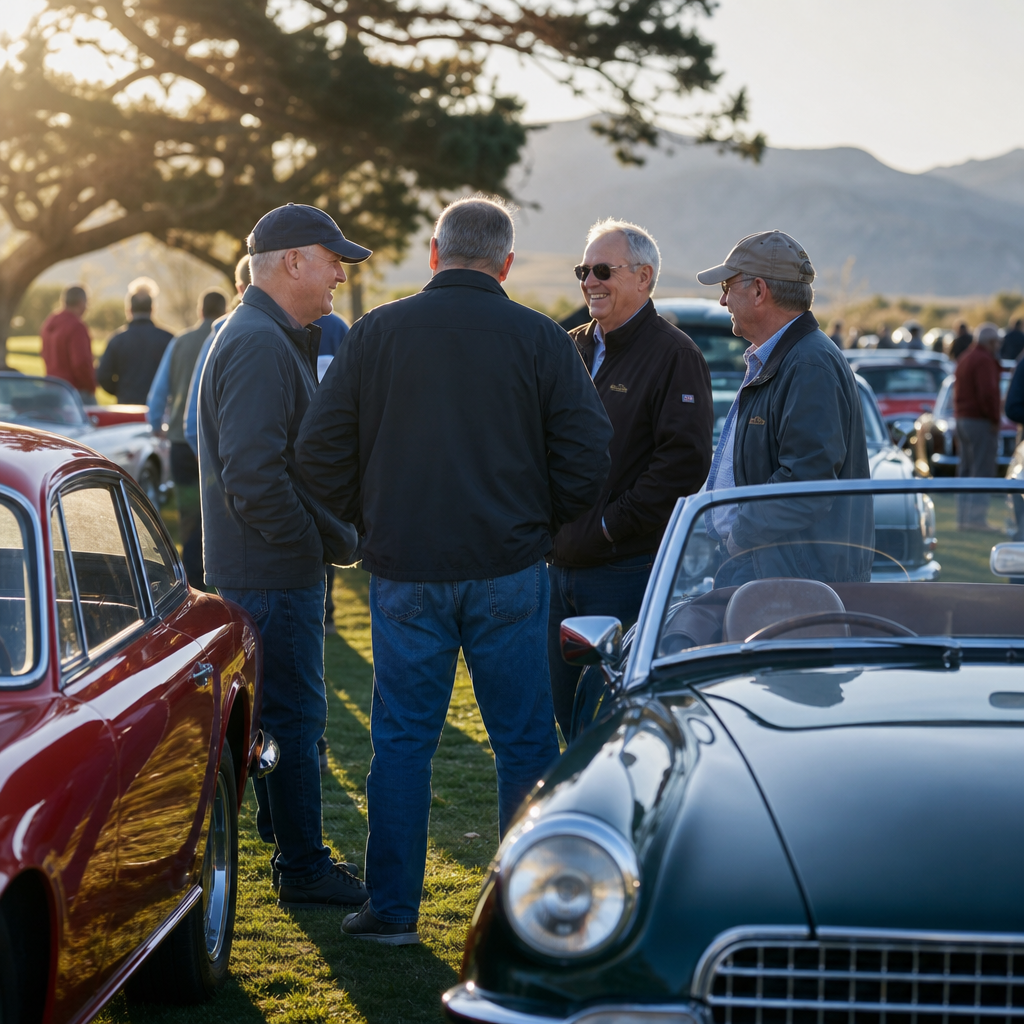
Classic car clubs are where automotive history becomes a living community, turning individual ownership into a shared social experience built around preservation, knowledge, and friendship. In the broad world of classic car culture, a club is more than a membership roster or a monthly meet in a parking lot. It is an organized group of enthusiasts who gather around a marque, an era, a body style, a region, or a broader passion for vintage vehicles. Some clubs focus tightly on one manufacturer, such as Porsche, Jaguar, or Chevrolet. Others welcome every kind of prewar sedan, postwar truck, muscle car, British roadster, or air-cooled oddity. What connects them is the social side: people trading expertise, swapping parts leads, planning drives, mentoring first-time owners, and keeping machines on the road through collective effort.
I have spent enough time around local and national clubs to know that the strongest ones are not defined by trophies. They are defined by the conversations before the show starts, the emergency tool kit offered on the shoulder of a back road, and the willingness to help a newcomer understand carburetor tuning, registration rules, or paint codes without making them feel out of place. That social fabric matters because classic car ownership can be isolating without it. Older vehicles require specialized knowledge, rare parts, patient troubleshooting, and context that does not come from a generic repair manual alone. Clubs shorten the learning curve and make the hobby more rewarding.
This matters for the future of the hobby as much as for present enjoyment. Many classic vehicles survive because communities support them. A well-run club helps owners document provenance, identify correct components, source trustworthy restorers, and pass down maintenance practices that are disappearing from mainstream repair shops. It also shapes the lifestyle around the cars. Club picnics, tours, museum visits, charity runs, concours events, and workshop days create rituals that keep members engaged between restorations. For anyone researching classic car clubs, the essential question is not just what a club does. It is why belonging changes the entire experience of owning, driving, and preserving a classic car.
What Classic Car Clubs Actually Do
At a practical level, classic car clubs organize the hobby. Most clubs provide a calendar of recurring activities, often including monthly meetings, cruise-ins, technical sessions, judged shows, swap meets, and group drives. National organizations may add newsletters, registries, insurance partnerships, and archival resources. Local chapters usually handle the face-to-face side: coffee meets, garage crawls, road rallies, and help sessions when a member is deep into a brake rebuild or electrical fault. This structure turns scattered enthusiasts into a functioning network.
The best clubs also serve as knowledge banks. In many cases, long-time members know which reproduction parts fit poorly, which suppliers still stock old inventory, and which machine shops understand flathead engines, SU carburetors, or early automatic transmissions. That guidance saves money and frustration. It also protects originality where originality matters. For example, owners pursuing concours correctness may need exact hose clamps, upholstery patterns, or chassis stamp interpretations, while owners building reliable drivers may want discreet upgrades such as electronic ignition, radial tires, or improved cooling. A good club can discuss both approaches without forcing one philosophy on everyone.
Administrative support is another overlooked benefit. Registration laws, emissions exemptions, antique plates, agreed-value insurance, and transport logistics vary by state and country. Club officers and seasoned members often know the paperwork path because they have completed it themselves. That local experience is difficult to replace with generic internet advice. It is one reason hub pages about classic car clubs should treat clubs as practical institutions, not just social gatherings.
Why the Social Side Matters More Than the Cars Alone
The social side of classic car clubs matters because people stay in the hobby when they feel connected, useful, and welcome. Mechanical interest may bring someone to a first event, but belonging keeps them involved. Owners often describe the same pattern: they attend to look at cars, then return because they enjoyed the people. That is especially true for younger enthusiasts, couples entering the hobby together, and retirees seeking regular community after leaving the workplace.
Clubs create low-pressure environments where experience levels can mix. A first-time owner of a 1967 Mustang may park next to someone who has restored six of them, yet the interaction feels collaborative rather than competitive when the culture is healthy. Members compare notes on sourcing sheet metal, decoding VIN tags, rebuilding C4 transmissions, or choosing between factory-spec paint and a period-correct custom finish. These exchanges carry emotional value as well as technical value. They give owners confidence to ask basic questions and motivation to keep moving when a project stalls.
Friendship also changes how cars are used. An owner who rarely drives alone may happily join a sixty-mile breakfast run, a charity parade, or a weekend tour because there is safety in numbers and shared purpose. Social accountability helps neglected projects get finished too. When a member knows the club’s spring rally is approaching, that deadline can push a dormant car back into running condition. In that sense, clubs do not just reflect enthusiasm. They actively produce it.
The Main Types of Classic Car Clubs
Not all classic car clubs operate the same way, and understanding the main categories helps enthusiasts find the right fit. Marque clubs center on a single manufacturer, such as Ford, Mercedes-Benz, MG, or Cadillac. Their strength is technical depth. If you need model-specific parts data, factory literature, or restoration standards, marque clubs are usually unmatched. Model-specific clubs go even deeper, focusing on one line like the Corvette, Beetle, 911, or Mini, where details about trim-year changes and production quirks become central.
General interest clubs cast a wider net. These groups might welcome all antique, classic, or collector cars and often build stronger local social communities because members are united by geography rather than brand loyalty. They are ideal for owners who enjoy variety or have multiple vehicles from different eras. Era-based clubs, such as brass-era or muscle car groups, connect people through historical context. Their events often include educational talks about design, motorsport, or manufacturing history.
There are also purpose-driven clubs. Some emphasize touring over showing, some focus on concours authenticity, and others revolve around customs, hot rods, or preservation-class survivors. Online-first clubs have become important too, especially for rare vehicles with small owner populations. The strongest communities often blend digital communication with in-person events.
| Club type | Best for | Typical strengths |
|---|---|---|
| Marque club | Owners loyal to one manufacturer | Factory knowledge, parts sources, archives |
| Model-specific club | Detailed restoration or judging needs | Exact specifications, trim-year expertise |
| General local club | Social driving and broad community | Frequent meets, local contacts, mixed events |
| Era-based club | Enthusiasts of a historical period | Context, themed events, education |
| Touring-focused club | People who want to drive regularly | Route planning, reliability tips, trip support |
How Clubs Build Knowledge, Skills, and Confidence
One of the most valuable functions of classic car clubs is informal education. In my experience, the most useful lessons rarely happen during formal presentations alone. They happen when someone points out why a vacuum advance is connected incorrectly, demonstrates how to set dwell with a meter, or explains why a certain reproduction weatherstrip creates door-alignment problems. These details are hard to search for unless you already know the right question.
Technical sessions, garage visits, and restoration walkthroughs allow members to see processes in real conditions. A club member rebuilding drum brakes can explain not only the manual procedure but also the practical pitfalls: frozen bleeders, mismatched wheel cylinders, poor-quality springs in some kits, or the need to arc shoes correctly on older applications. Someone restoring wood trim in a 1940s sedan can discuss grain matching, varnish schedules, and what modern products do poorly compared with traditional methods. This is applied knowledge, and it is how confidence spreads through a club.
Clubs also help members evaluate professional services. New owners often struggle to choose body shops, engine builders, chrome platers, trim upholsterers, or transport companies. Peer recommendations are powerful because they come with direct accountability. When three long-time members say a particular machine shop measures carefully, documents clearances, and stands behind its work, that advice carries weight. Just as importantly, clubs warn members away from poor operators, unrealistic restoration quotes, and vague claims about originality.
Events, Rituals, and the Lifestyle Around Membership
The lifestyle element of classic car clubs is what turns a technical hobby into a lasting routine. Most clubs rely on recurring events that create rhythm across the year. Spring often brings shake-down drives and season-opening breakfasts. Summer centers on cruise nights, local shows, and longer scenic tours. Fall may include harvest rallies, museum trips, and swap meets. Winter shifts toward banquets, planning meetings, restoration seminars, and indoor social gatherings. This cadence keeps members engaged even when weather or project status limits driving.
Different events serve different social functions. Car shows allow public display and outreach, but tours and drives usually build stronger bonds because members spend more time together and solve small challenges as a group. A roadside vapor-lock problem on a warm day can become an impromptu lesson for five people. Charity events broaden the club’s public image and often attract members who are motivated by community service as much as by automotive nostalgia. Family-friendly events matter too. Spouses, partners, children, and friends are more likely to support the hobby when the club feels inclusive rather than insular.
Rituals give clubs identity. That might be an annual jacket, a signature route, a holiday toy drive, or a best-story award at the year-end dinner. These traditions matter because they create continuity across generations of members. The cars are the visible center, but shared rituals are what make people say they belong somewhere.
Inclusivity, Generational Change, and Common Club Challenges
Classic car clubs face real challenges, and the social side determines whether they adapt or decline. The first challenge is generational turnover. Many established clubs were built by members who joined decades ago, and younger enthusiasts do not always want the same meeting format, judging standards, or communication style. A club that relies only on mailed newsletters and formal business meetings may struggle to attract people who expect online event calendars, group chats, and flexible participation. Modernization does not require abandoning tradition, but it does require listening.
Inclusivity is another issue. The strongest clubs actively welcome women, younger members, diverse backgrounds, and people with different budgets or restoration philosophies. If a newcomer with a driver-grade car feels dismissed beside high-end restorations, that club is weakening its future. The same applies when technical jargon becomes gatekeeping rather than teaching. Healthy clubs respect originality, customs, survivors, and restomods while being clear about the purpose of each event. A judged concours can have strict authenticity standards without treating every member interaction like a score sheet.
Cost is a practical barrier as well. Vehicle prices, storage, transport, labor, and parts have all risen. Clubs can respond by offering value beyond the annual dues: bulk tool-sharing, classified listings, mentorship, workshop space access, and honest advice about buying within budget. The clubs that remain relevant are the ones that treat stewardship as a community responsibility.
How to Choose the Right Classic Car Club
Choosing the right classic car club starts with clarity about what you want from the hobby. If your main goal is factory-correct restoration, a marque or model-specific club is usually the best first step. If you want regular drives, social events, and broader automotive variety, a local all-makes club may be a better fit. If you care about touring reliability, ask how many actual road events the club runs each year, not just how many car shows it attends. If you want to learn, look for evidence of mentorship: technical sessions, active forums, buyer guides, and members who answer questions generously.
Attend before committing when possible. Watch how members talk to one another, how new people are greeted, and whether the cars overshadow the community or support it. Ask practical questions: Are dues annual? Is there a printed or digital newsletter? Does the club have liability coverage for events? Are family members included? Are there partnerships with insurers such as Hagerty or with valuation guides and archives? How are tours organized, and what standards of roadworthiness are expected?
Finally, remember that one club does not have to meet every need. Many enthusiasts belong to a local social club and a national marque club at the same time. That combination often works best, giving members both neighborhood friendships and deep technical support.
The social side of classic car clubs is the real engine behind long-term enjoyment in the hobby. Cars may be the shared interest, but community is what sustains ownership, preserves knowledge, and keeps events meaningful year after year. The best clubs help members solve problems, build skills, find trustworthy services, and create memories that extend far beyond a polished hood or a show-field ribbon. They connect generations, translate obscure technical knowledge into practical help, and turn solitary projects into shared progress.
For anyone exploring classic car clubs as part of a broader classic car culture and lifestyle journey, the key takeaway is simple: the right club will improve how you own, drive, maintain, and understand your vehicle. It will also introduce you to people who make the hobby more approachable and more durable. Whether you own a fully restored show car, a weathered survivor, or a project still on jack stands, there is a club structure that can fit your goals and your budget.
If you are ready to go deeper into classic car clubs, attend a local meet, join a marque organization, and start asking questions. The social network around the cars is where the hobby truly comes alive.
Frequently Asked Questions
What makes classic car clubs more social than simply owning a vintage vehicle on your own?
Owning a classic car can be deeply rewarding, but joining a classic car club transforms that private enjoyment into a shared social experience. Clubs give owners a place to connect with people who understand the time, effort, and emotion involved in preserving older vehicles. Instead of working in isolation, members become part of a community built around mutual appreciation, practical advice, and regular interaction. That social dimension often becomes just as important as the cars themselves.
In many clubs, the relationship extends far beyond showing up with a polished vehicle at a weekend event. Members swap restoration stories, recommend trusted parts sources, help troubleshoot mechanical issues, and celebrate each other’s progress. Over time, those repeated interactions build familiarity and trust. A new member might join because of a specific model or era, but they often stay because of the people they meet and the friendships that develop around shared projects and experiences.
Classic car clubs also create a rhythm of community through cruise-ins, tours, technical workshops, charity events, swap meets, and social dinners. These gatherings encourage participation from owners, family members, and even people who do not yet own a classic car but want to learn. That variety makes clubs welcoming and multi-generational. In practice, the social side of a club is what turns automotive history into a living, ongoing culture rather than a collection of parked machines.
How do classic car clubs help members build friendships and long-term connections?
Classic car clubs help friendships form naturally because they bring together people with a highly specific shared interest. Members already have common ground, whether it is a devotion to a single marque, fascination with prewar engineering, love of mid-century design, or appreciation for a certain regional car culture. That shared enthusiasm makes conversations easy and meaningful from the start, and it often leads to connections that go far beyond the hobby itself.
Long-term friendships are strengthened through repeated participation. Club members see one another at monthly meetings, weekend drives, car shows, fundraising events, restoration sessions, and local outreach activities. These recurring touchpoints create consistency, and consistency is what turns casual acquaintances into lasting social bonds. People begin to rely on one another not only for automotive advice but also for encouragement, collaboration, and companionship.
There is also a strong element of generosity in many classic car communities. Experienced members often mentor newcomers, helping them learn the basics of ownership, maintenance, originality, and club etiquette. That exchange of knowledge creates respect and trust. Members may lend tools, share spare parts, help inspect a possible purchase, or spend a Saturday assisting with a repair. Those acts of support can become the foundation of genuine friendship. In many cases, club relationships evolve into family friendships, travel partnerships, and decades-long social networks centered on a common passion.
Are classic car clubs only for experts and serious collectors, or can beginners join too?
Classic car clubs are not just for experts, and many of the strongest clubs actively welcome beginners. While some groups are highly specialized and include deeply knowledgeable restorers or collectors, most understand that the future of the hobby depends on making room for new enthusiasts. A person does not always need a concours-level vehicle, a rare model, or years of technical experience to participate meaningfully. Enthusiasm, curiosity, and a willingness to engage with the community are often far more important than expertise.
For beginners, clubs can be one of the best entry points into classic car culture. They offer access to real-world knowledge that is difficult to get from manuals or internet forums alone. New members can learn how to identify reputable mechanics, source correct parts, understand maintenance schedules, evaluate originality, and avoid common mistakes in buying or restoring an older vehicle. That guidance can save money, time, and frustration while making the ownership experience more enjoyable and sustainable.
Socially, clubs also help beginners feel less intimidated. Instead of trying to navigate the hobby alone, they meet people who have been through the same learning curve. A welcoming club can turn uncertainty into confidence by inviting participation in drives, discussions, and hands-on activities. Even those who are still shopping for their first classic often find that joining a club gives them a stronger foundation and a clearer sense of where they fit within the broader community.
What kinds of social activities do classic car clubs usually organize?
Classic car clubs typically organize a wide range of activities designed to bring members together in both automotive and non-automotive settings. The most visible events are often car shows, meetups, cruises, and scenic drives, where members can display their vehicles, compare notes, and enjoy the experience of driving in a group. These events allow owners to share their cars with the public while also reinforcing a sense of camaraderie within the club.
Many clubs expand beyond public-facing events and create a fuller social calendar. Technical workshops, garage tours, restoration demonstrations, and judging seminars help members deepen their knowledge while spending time together in a collaborative environment. Swap meets and parts exchanges add a practical element, but they also become social gathering points where conversation and storytelling are just as important as the items being traded.
Clubs frequently include dinners, holiday parties, picnics, banquets, award nights, and spouse- or family-friendly gatherings. Some participate in parades, museum visits, road rallies, and overnight touring events that give members more time to connect. Others support charitable causes through benefit shows or fundraising drives, which strengthens the social identity of the club by giving members a shared purpose. Taken together, these activities show that classic car clubs are not only about preserving vehicles. They are also about creating a lively, welcoming community where people can spend meaningful time together.
Why do classic car clubs matter for preserving automotive history and community culture?
Classic car clubs play an important role in preserving automotive history because they keep knowledge alive in a social, accessible way. A vintage vehicle is more than a machine; it reflects the design trends, engineering standards, craftsmanship, and cultural values of its time. Clubs help ensure that this history is not lost by connecting people who know how these cars were built, how they were used, and why they still matter. Through discussion, documentation, restoration guidance, and public events, clubs turn specialized knowledge into a shared resource.
The social structure of a club is what makes that preservation sustainable. Information passes from one generation to the next through conversations, demonstrations, mentorship, and hands-on experience. Members learn not only technical details but also the stories behind specific models, dealerships, races, road trips, and family histories associated with the cars. That human context gives automotive preservation emotional depth and keeps the hobby rooted in community rather than mere ownership.
Clubs also matter because they create visibility for classic car culture in the wider public. When they organize shows, educational displays, and charitable events, they invite non-members to appreciate vintage vehicles as part of a broader cultural legacy. This outreach helps attract younger enthusiasts, supports local relationships, and reinforces the idea that preserving old cars is not just a private pastime. It is a collective effort to maintain living connections to the past through craftsmanship, storytelling, and shared social experience.