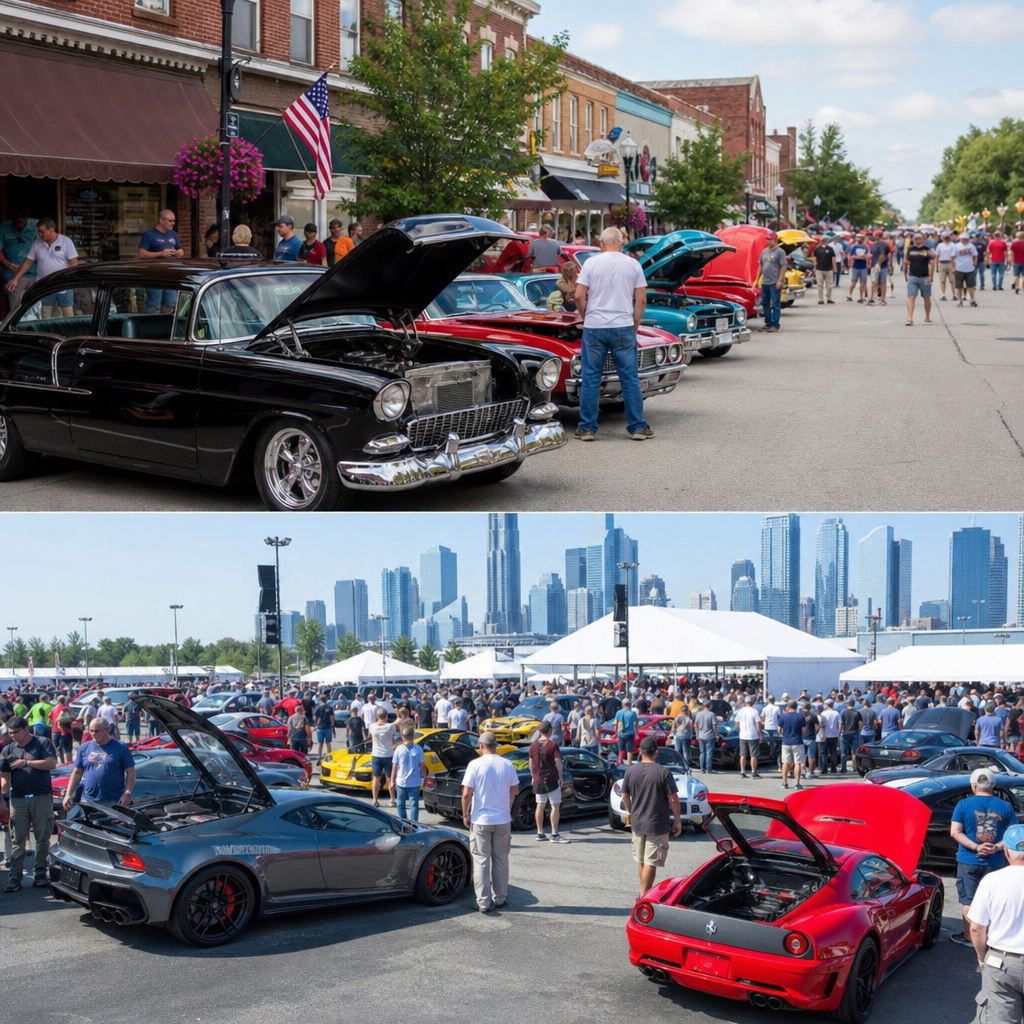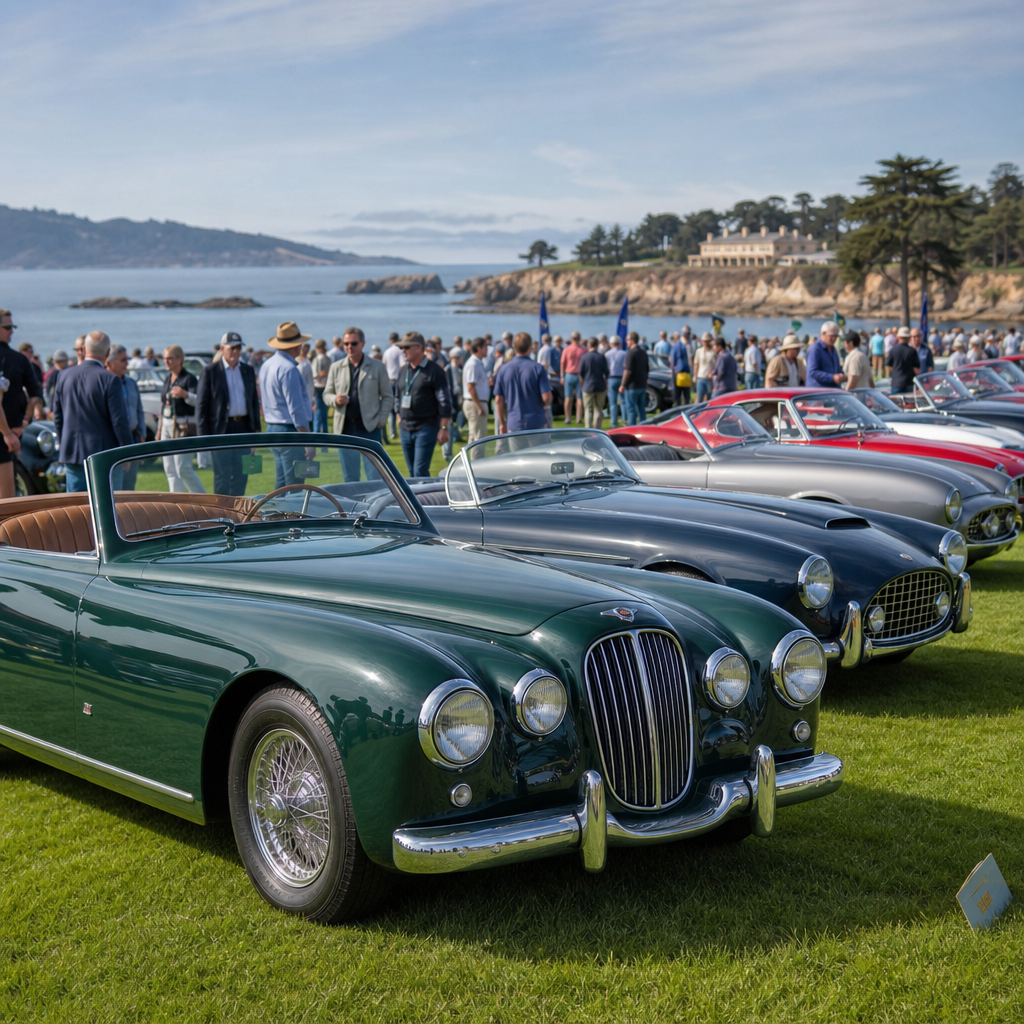

Car clubs can be absolutely worth it, but the value depends on what you drive, how often you use it, and whether you want community, technical help, lower costs, or simply more reasons to enjoy the car. In classic car culture, clubs are more than social groups. They are knowledge networks, parts sources, event organizers, advocacy bodies, and often the fastest way for an owner to move from isolated enthusiasm to confident, informed ownership. For anyone asking whether classic car clubs are worth joining, the right answer starts with understanding what a club actually does, what it costs, and how membership changes the day-to-day experience of owning an older vehicle.
A classic car club is usually an organized community built around a marque, a model family, an era, or a broader interest such as preservation, touring, restoration, or motorsport history. Some clubs focus tightly on one manufacturer, like Porsche, MG, or Mercedes-Benz. Others gather owners of muscle cars, prewar vehicles, British roadsters, or local mixed-marque classics. In practice, I have seen the strongest clubs combine three things well: consistent events, reliable technical support, and a culture that welcomes both newcomers and experienced restorers. When those pieces are in place, membership delivers practical value that extends far beyond the annual dues.
This matters because classic car ownership can be expensive, time-consuming, and surprisingly complex. Older vehicles need specialist maintenance, accurate documentation, hard-to-find parts, and shops that understand period-correct systems from SU carburetors to Bosch mechanical fuel injection. Insurance can be nuanced, storage matters, and resale values often hinge on service history and originality. A good car club helps owners avoid bad purchases, poor repairs, and unnecessary spending. It also makes the hobby more enjoyable by creating shared experiences through drives, concours events, track days, swap meets, and informal meetups. For many people, the club becomes the infrastructure that supports the entire hobby.
As a hub topic within classic car culture and lifestyle, classic car clubs sit at the intersection of restoration, preservation, social identity, event participation, and ownership economics. They connect naturally to buying guides, maintenance planning, valuation, event calendars, storage best practices, detailing, and historic motorsport. If you are building a long-term life around classic cars rather than making a one-time purchase, clubs are often the most efficient entry point. The real question is not whether clubs have value in general. It is whether a specific club matches your car, your goals, your budget, and the way you want to participate in the hobby.
What Classic Car Clubs Actually Offer Members
The best classic car clubs provide a mix of tangible and intangible benefits. Tangible benefits include magazines or newsletters, technical archives, forums, classified listings, valuation guidance, discount programs, vetted repair shops, event access, and negotiated insurance relationships. Intangible benefits include credibility, confidence, mentorship, camaraderie, and access to decades of lived experience. When I have joined clubs around particular marques, the fastest payoff usually came from technical knowledge and referrals. A ten-minute conversation with a club registrar or long-time mechanic can save hundreds or thousands of dollars in mistaken parts orders or incorrect restoration work.
Most clubs also create structure for participation. Instead of owning a classic car that leaves the garage only a few times a year, members get a calendar of reasons to use it. Breakfast meets, evening runs, regional tours, hill climb visits, concours weekends, museum trips, and winter technical seminars turn ownership into an active routine. This is one of the least discussed benefits, yet it is crucial. Cars stay healthier when exercised properly, and owners stay committed when they have destinations and peers. A club effectively lowers the friction of using an older car by organizing routes, schedules, and social expectations.
Technical support remains one of the strongest membership drivers. Marque clubs frequently maintain buyers’ guides, originality registers, production data, workshop recommendations, paint code records, and common fault checklists. If you own a Jaguar E-Type, an Alfa Romeo Spider, or an air-cooled 911, club members often know which reproduction parts fit correctly, which suppliers have quality problems, and which modifications improve reliability without harming value. Forums and Facebook groups can be useful, but well-run clubs tend to preserve higher-quality information because experienced members curate it over time and because advice is tied to reputations in a real community.
Some clubs also advocate for owners on regulatory and policy issues. Historic vehicle registration rules, emissions exemptions, event permits, and fuel compatibility concerns can affect ownership directly. National organizations and larger regional clubs often represent enthusiasts in discussions with government bodies or insurers. Owners may never see that work day to day, but it can have a meaningful impact on road access, taxation, and preservation rights. That kind of organized representation is difficult to replicate alone.
The Real Costs: Membership Fees, Time, and Expectations
Car club membership is rarely free in practice, even when annual dues look modest. Most local classic car clubs charge somewhere from about $25 to $100 per year, while national marque organizations may run higher, especially if they include printed publications, judged events, and access to registries. Some clubs require local and national membership simultaneously. Event entries, meals, hotel nights, and travel can quickly exceed the core fee. That does not make clubs poor value, but it does mean the true cost should be evaluated honestly. The cheapest club can become expensive if participation depends on constant long-distance travel.
Time is the second cost. Enthusiasts often imagine that club life means casual attendance, but active communities run on volunteer labor and reciprocal engagement. If you want the strongest benefits, you usually need to show up, ask good questions, contribute information, and build relationships. Owners who never attend events or interact with members may still benefit from publications and classifieds, yet they will not unlock the most valuable layer of the club: trusted personal connections. In my experience, a single relationship with a knowledgeable restorer or registrar can outweigh several years of dues, but those relationships are built through participation.
There are also cultural expectations. Some clubs are highly welcoming and broad-minded about originality, modifications, and age of members. Others can feel rigid, hierarchical, or dismissive of newcomers. A preservation-focused group may value factory correctness above drivability upgrades. A touring club may care more about reliability and road use than concours detail. Neither approach is inherently wrong, but the mismatch can make membership disappointing. Before joining, it helps to assess whether the club celebrates the kind of ownership you actually want. If your restomod Mustang will be judged harshly by a stock-only club, the benefits may not justify the friction.
| Club Type | Typical Strengths | Possible Drawbacks | Best For |
|---|---|---|---|
| Local mixed-marque club | Frequent meetups, broad friendships, low pressure | Less specialized technical knowledge | New owners and social drivers |
| National marque club | Deep archives, model expertise, registries, publications | Higher dues, more formal structure | Serious owners and restorers |
| Model-specific club | Precise parts advice, originality guidance, buyer support | Narrow focus, smaller local reach | Owners of rare or complex classics |
| Touring-focused club | Drive calendars, route planning, road support culture | Less interest in concours or authenticity | People who want to use their cars regularly |
How Clubs Save Money and Reduce Expensive Mistakes
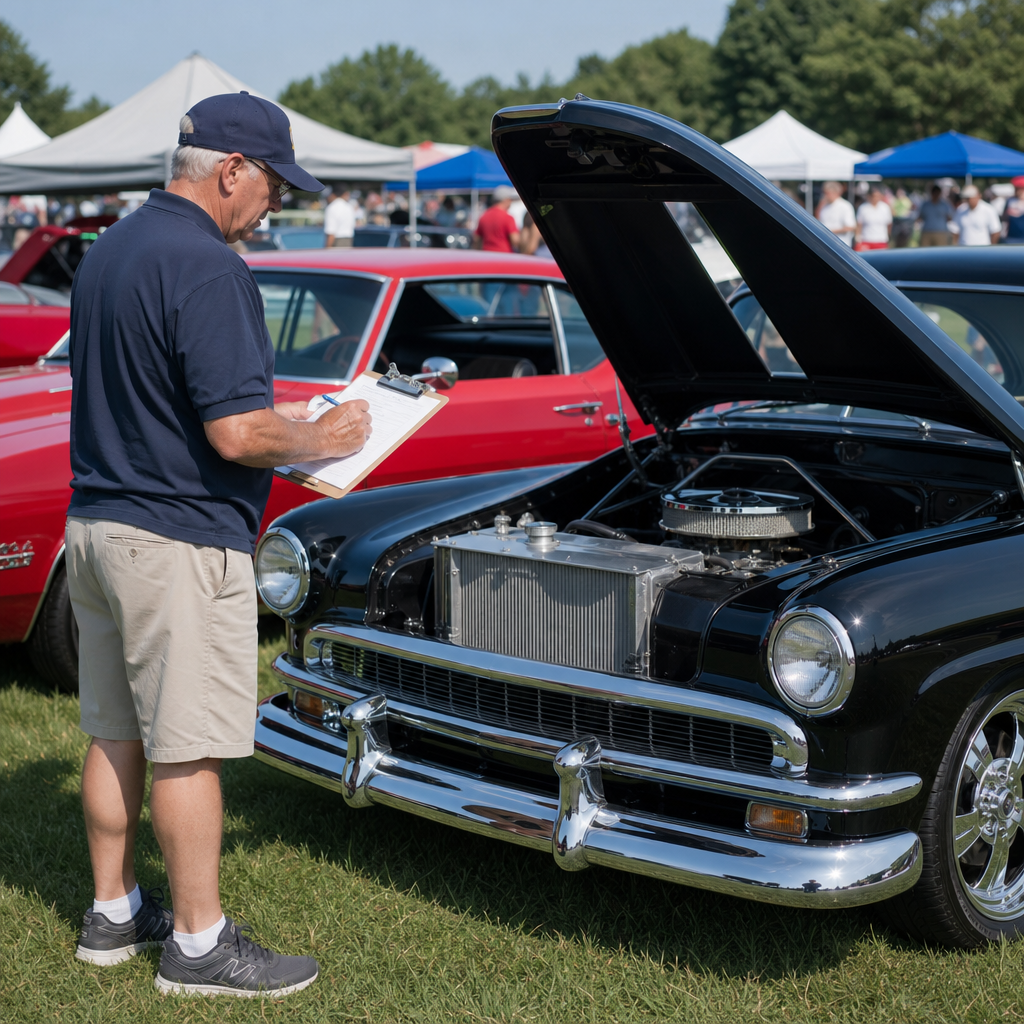
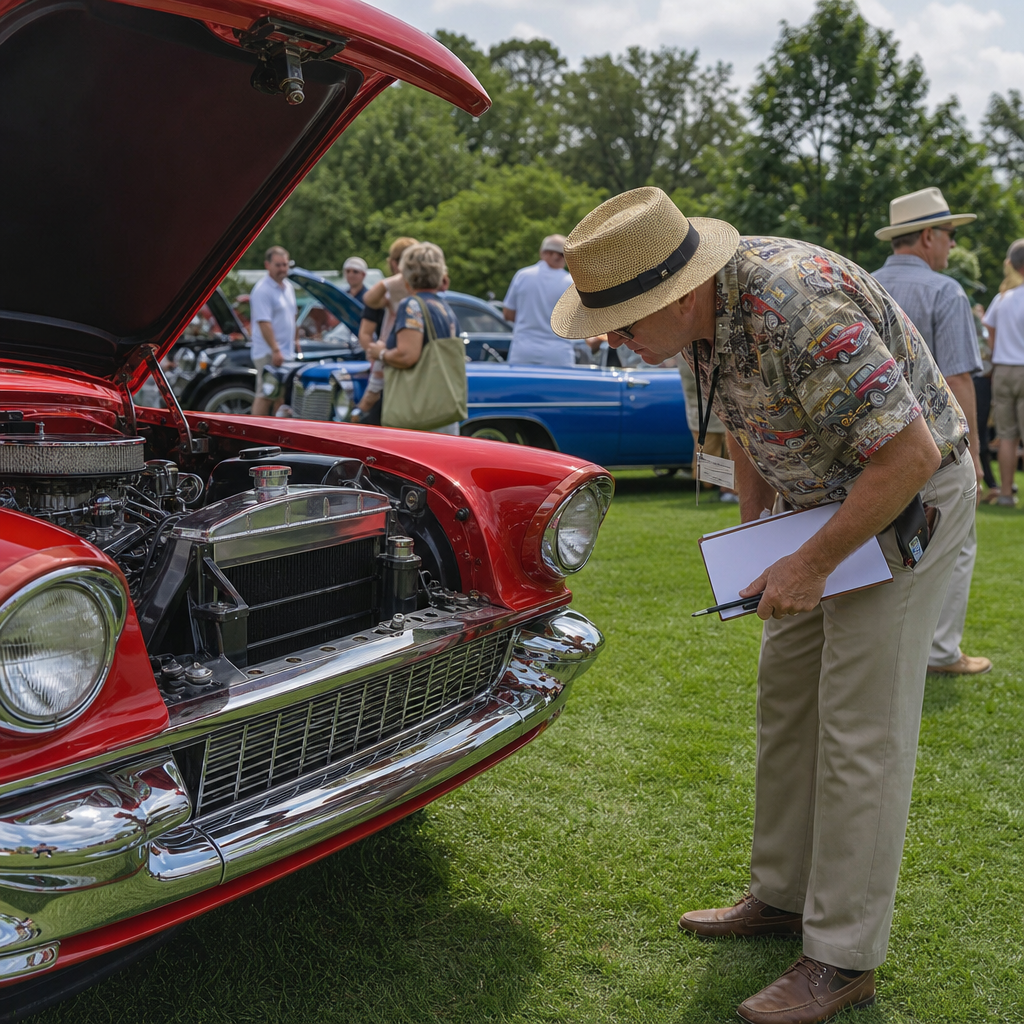
One of the strongest arguments for joining a classic car club is financial risk reduction. Older cars are full of hidden costs: rust in structural areas, poor past repairs, mismatched numbers, incorrect trim, unavailable parts, and cosmetic restorations masking mechanical neglect. Clubs help members spot these issues before money changes hands. Many offer pre-purchase inspection checklists or can refer you to experienced inspectors. In the classic market, avoiding one bad purchase can justify decades of membership fees. I have watched buyers save five figures simply because a club member recognized non-original panels, suspect chassis history, or a known engine weakness.
Parts sourcing is another major savings area. New owners often buy from the first visible online supplier, only to receive poor-fitting reproductions or components that are technically correct but wrong for a specific production month. Clubs shorten that learning curve. Members know which vendors supply OE-quality rubber seals, who rebuilds Smiths gauges properly, which trim shops understand period vinyl grain, and where to locate used original parts when reproductions are inadequate. For cars from small production runs, these supplier recommendations are often the difference between a smooth restoration and a stalled project.
Insurance and valuation can also improve through club membership. Specialist insurers such as Hagerty in the United States or Footman James in the United Kingdom commonly recognize club involvement as a positive signal because active enthusiasts generally maintain and store vehicles more carefully. Some clubs have formal partnerships, while others simply help members document mileage limits, agreed value policies, and storage requirements. A club may also provide access to market knowledge that keeps owners from underinsuring a rising model or overpaying for one that has peaked. That information is especially useful in volatile segments such as air-cooled sports cars and 1980s homologation models.
Finally, clubs reduce maintenance mistakes by connecting owners with the right specialists. General repair shops may be excellent with modern diagnostics yet unfamiliar with points ignition, mechanical injection, drum brake adjustment, or period electrical systems. The wrong workshop can create repeat failures and unnecessary replacement. Club referrals usually point toward mechanics who know model-specific quirks and factory tolerances. That expertise matters because old cars are not just old versions of new cars. They often require different diagnostic logic, different tooling, and a stronger grasp of original engineering compromises.
Community, Events, and the Lifestyle Side of Ownership
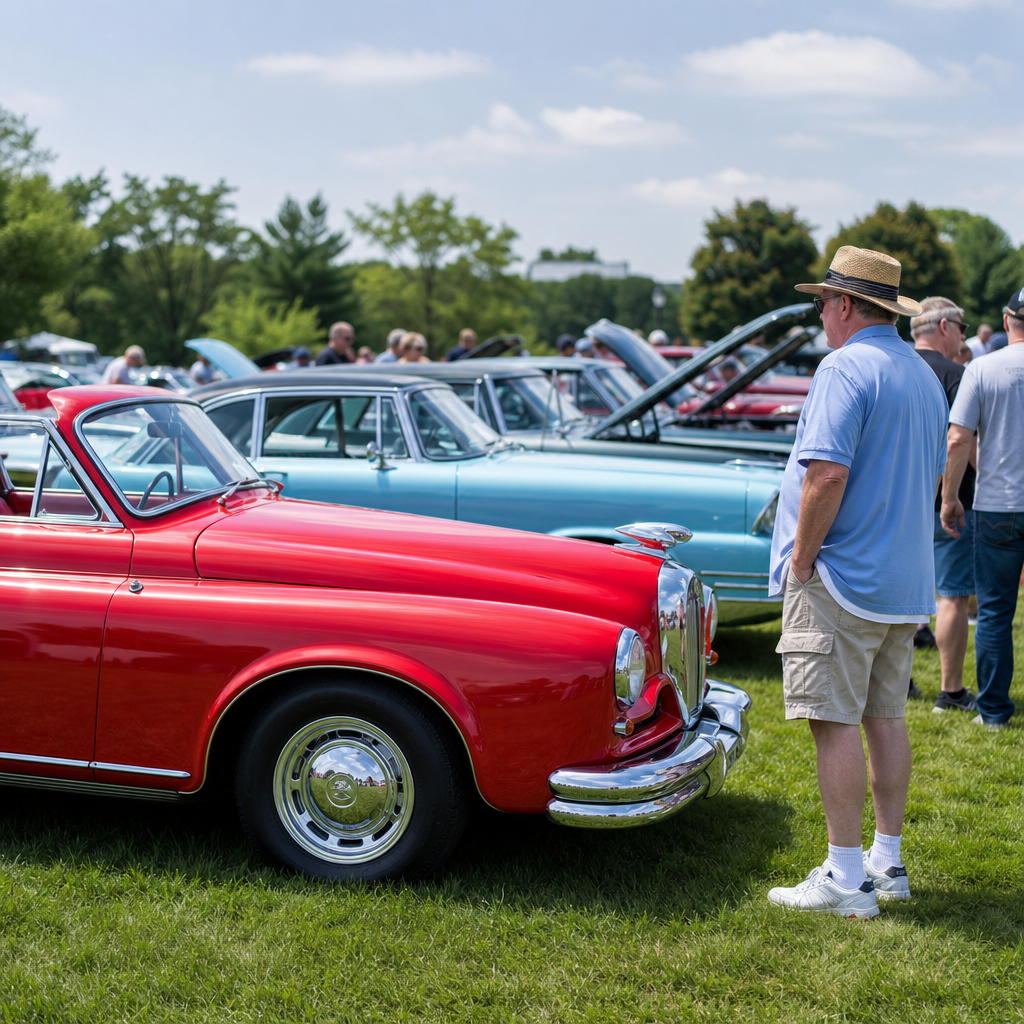
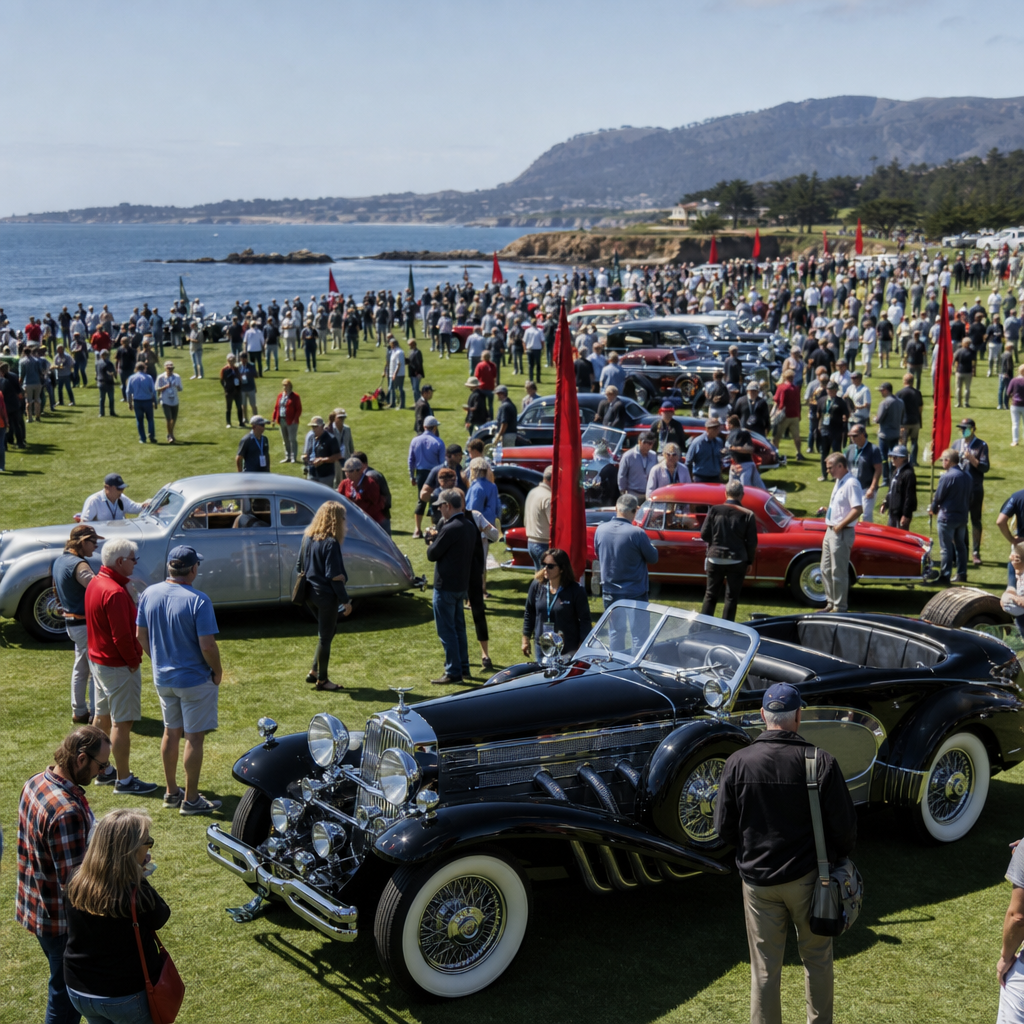
Classic car clubs are worth it for many owners simply because they make the hobby richer. The car itself matters, but the experiences around it are what sustain long-term enthusiasm. Club drives teach road etiquette in older vehicles, build confidence on longer trips, and expose members to routes they would never find alone. Shows and concours events sharpen the eye by letting owners compare details across many examples. Swap meets turn obscure parts into obtainable solutions. Charity runs and open-garage days bring purpose and continuity to the calendar. A well-run club gives ownership rhythm.
This social layer matters even more for new entrants and younger enthusiasts. Classic car culture can look intimidating from the outside, especially when people assume the hobby is expensive, older, or closed off. Good clubs lower those barriers by pairing first-time owners with mentors, organizing technical workshops, and treating curiosity as an asset rather than a flaw. I have seen clubs revive interest in overlooked models by welcoming students, families, and people with project cars that are far from perfect. That openness keeps the hobby alive because every future restorer, judge, historian, and event volunteer starts as a beginner.
Clubs also preserve history in practical ways. They collect oral knowledge, maintain vehicle registries, archive brochures and service bulletins, and document changes in production. That work becomes crucial as factory records disappear and experienced tradespeople retire. If you care about authenticity, provenance, or keeping rare cars on the road, clubs are often the institutions doing that preservation work at ground level. Even owners who are not deeply social can benefit from belonging to a group that protects the information ecosystem around their cars.
How to Decide If a Car Club Is Worth It for You
The best way to judge value is to match the club to a specific ownership goal. If you want technical help for a complex model, choose the most knowledgeable marque or model-specific organization you can find. If you mostly want drives and friendships, start local. If you are shopping for your first classic, join before you buy so you can use the club’s buyer knowledge. If you already own a car and need parts, restorers, or valuation guidance, ask whether the club has active regional members and a current directory. A dormant organization with a great name is less useful than a smaller club that actually answers messages and runs events.
Before paying, attend a meet as a guest if possible. Read a recent newsletter, scan the event calendar, and ask how often members use their cars. Look for signs of real activity: technical sessions, classifieds that move, knowledgeable registrars, and members across age groups. Ask direct questions about dues, event frequency, judging standards, and how modified cars are treated. The right club will answer clearly. In most cases, classic car clubs are worth it when they help you use the car more, spend money more wisely, and feel less alone in ownership. Start with one club that matches your priorities, participate for a season, and measure the results for yourself.
Frequently Asked Questions
Are car clubs actually worth joining for most classic car owners?
Yes, for many classic car owners, a good car club is absolutely worth joining, because the benefits usually go far beyond the membership fee. A strong club gives you access to practical knowledge that can save you time, money, and frustration, especially if you are still learning the quirks of a particular make, model, or era of car. Instead of trying to solve every issue alone through trial and error, you can tap into the experience of people who have already restored, maintained, driven, and sourced parts for the same kind of vehicle. That kind of insight is hard to price, particularly when one good recommendation can help you avoid buying the wrong part, using the wrong specialist, or following poor advice online.
Clubs are also valuable because they create a sense of momentum around ownership. Many enthusiasts buy a classic car with big intentions, only to find that the car sits unused because ownership feels isolating or overwhelming. A club changes that. It gives you events to attend, people to meet, technical discussions to join, and a reason to keep the car active rather than static. In that sense, a club helps owners get more enjoyment from a vehicle they already have. If your goal is to make ownership easier, more social, and more informed, then joining a well-run car club is often one of the best value decisions you can make.
What are the main benefits of joining a classic car club?
The biggest benefit is access to shared expertise. Classic cars often come with model-specific issues, outdated service information, and parts challenges that are difficult to navigate without help. In a club, you are much more likely to find owners who know the best suppliers, the common faults, the worthwhile upgrades, and the correct way to keep the car reliable without compromising its character. That level of targeted advice is usually far more useful than generic motoring forums or broad social media groups, because it is grounded in real-world experience with the exact type of car you own or want to own.
Beyond technical support, clubs often provide practical savings and opportunities. Many organize parts exchanges, recommended trader lists, restoration guidance, workshops, and discounted entry to shows or events. Some even negotiate insurance or service-related benefits for members. On top of that, there is the social side, which should not be underestimated. A classic car is more enjoyable when it connects you to a community of people who understand why the car matters. Club runs, local meets, national gatherings, and informal conversations all help transform ownership from a solitary hobby into a richer experience. For many members, that combination of advice, access, savings, and camaraderie is exactly what makes a club worthwhile.
Can joining a car club save money, or is it mainly a social expense?
It can absolutely save money, and in some cases it saves far more than the annual subscription costs. One of the easiest ways owners waste money is by buying incorrect parts, choosing unsuitable repair methods, or paying general garages to learn on the job. Car clubs help reduce those mistakes. Experienced members can point you toward trusted suppliers, help you identify which parts are original, reproduction, interchangeable, or best avoided, and recommend specialists who know the vehicle properly. Even one accurate piece of advice can offset the cost of membership if it prevents a poor purchase or an unnecessary repair.
There can also be more direct financial advantages. Some clubs offer access to member-only classifieds, harder-to-find used parts, technical publications, valuation support, and discounts through affiliated businesses. In the classic car world, information itself has value, and clubs are often one of the best sources of it. That said, the financial return depends on how engaged you are. If you never attend events, never ask questions, and never use club resources, the value may feel limited. But for an owner who actively participates, especially one maintaining or restoring an older vehicle, a good club can be both a social benefit and a financially sensible investment.
Are car clubs still useful now that so much information is available online?
Yes, because online information and club knowledge are not the same thing. The internet is full of advice, but not all of it is accurate, relevant, or specific to your car’s exact specification, production year, or ownership goals. A car club usually offers something more reliable and more focused: a network of people with long-term, hands-on experience. That includes owners who have seen recurring issues over decades, restorers who know what works in practice, and members who understand which solutions preserve authenticity and which simply create new problems later. In other words, clubs help you filter noise from genuinely useful guidance.
Car clubs also provide something the internet often cannot: real relationships and direct access to trusted people. Being able to speak to someone at a meet, inspect another owner’s car in person, compare restoration standards, or get introduced to a reputable specialist adds a level of confidence that digital research alone rarely provides. Online forums and videos are useful starting points, but clubs often turn scattered information into dependable knowledge. For classic car owners especially, where originality, parts compatibility, and craftsmanship matter, that difference is significant. The best approach is usually not club versus internet, but club plus internet, with the club acting as the smarter filter.
How do you know if a particular car club is right for you?
The right club depends on what you want from ownership. If you mainly want technical help, look for a club with active members, strong model knowledge, a useful magazine or knowledge base, and a reputation for helping newer owners. If you are more interested in driving and social enjoyment, pay attention to the event calendar, local meet structure, tours, and the overall tone of the community. Some clubs are highly concours-focused, some are very restoration-oriented, and others are relaxed, inclusive, and built around using the cars regularly. None of those approaches is automatically better than another, but one may fit your interests much more naturally.
It is also worth looking at how welcoming and active the club really is. A low membership fee means little if the club has limited communication, few events, or a closed inner circle that makes new people feel like outsiders. Before joining, check the website, browse recent activity, read member testimonials if available, and attend a meeting or event as a guest if the club allows it. A worthwhile club should make ownership easier, more enjoyable, and more connected. If it offers genuine expertise, an active calendar, and a community you actually want to spend time with, then it is probably worth joining. If not, you may be better served by another group, even if it is smaller or more specialized.