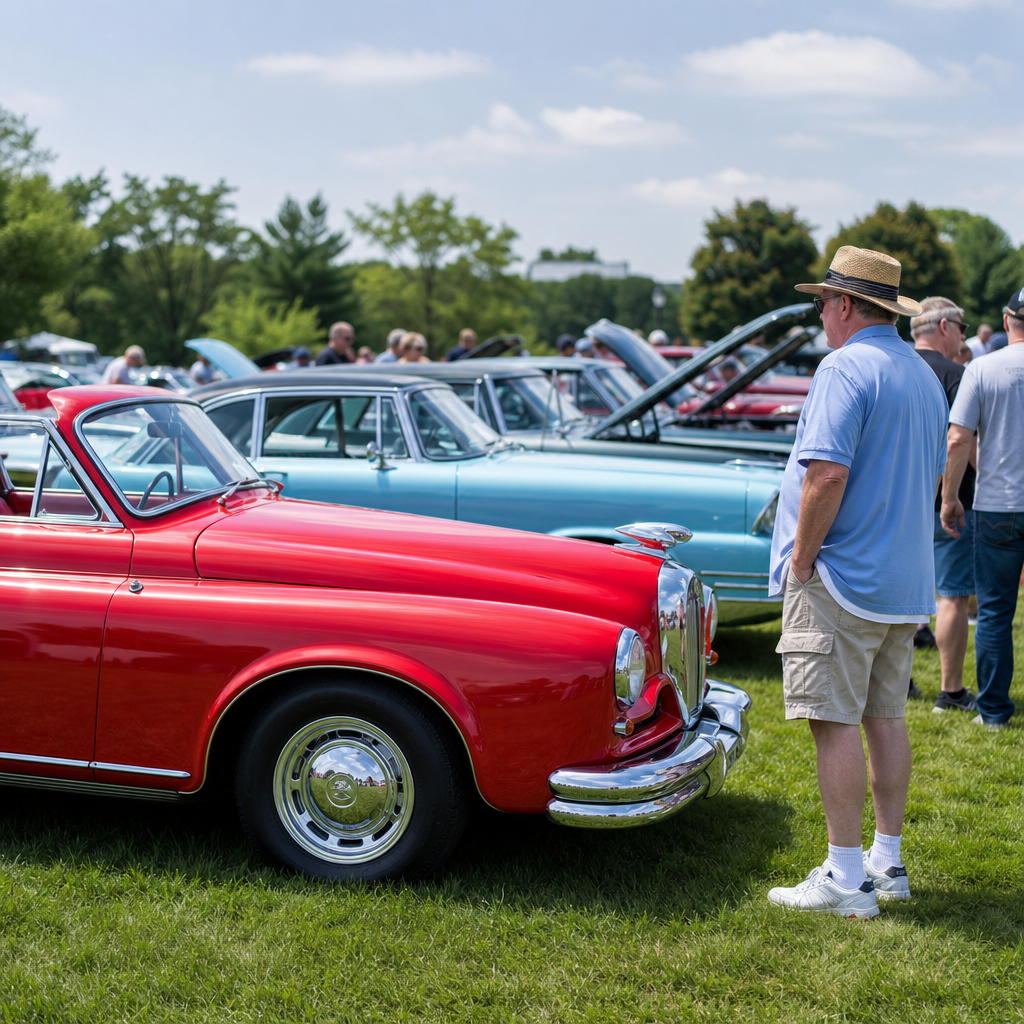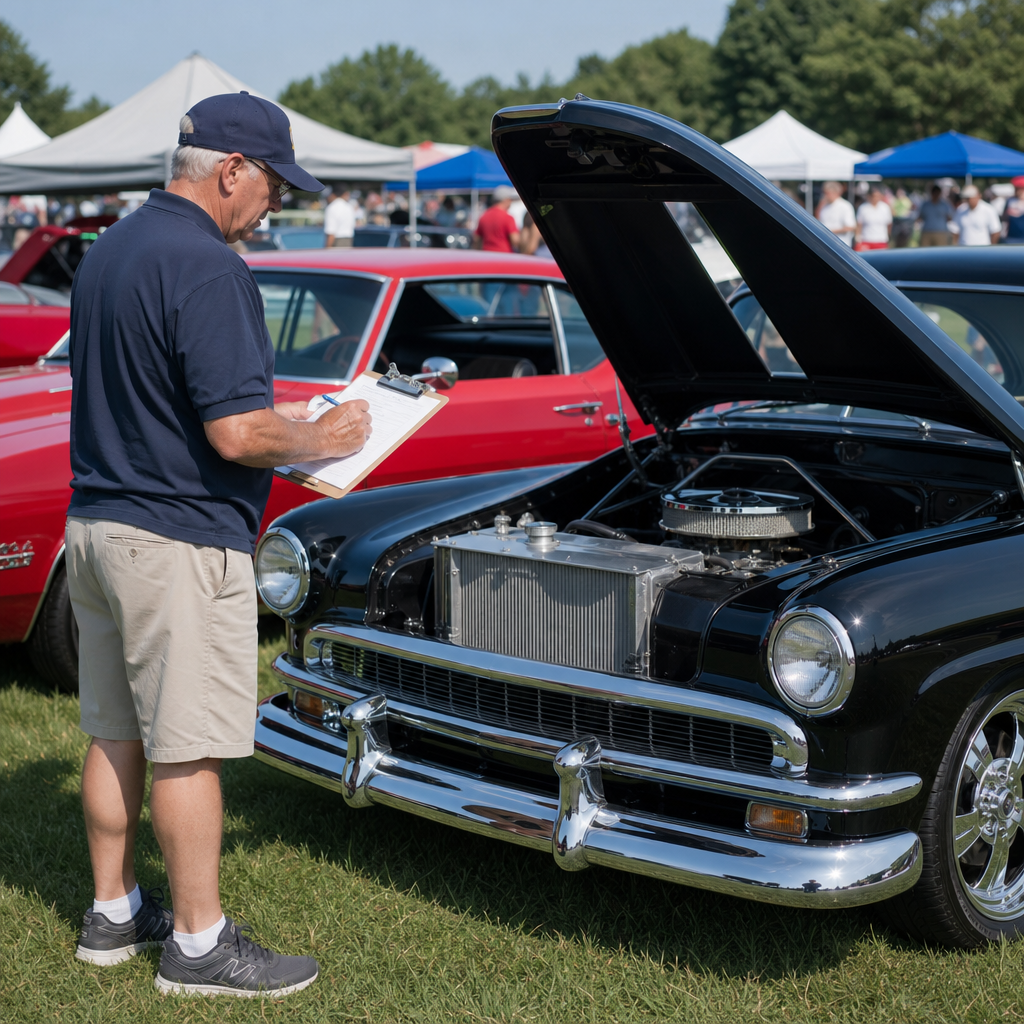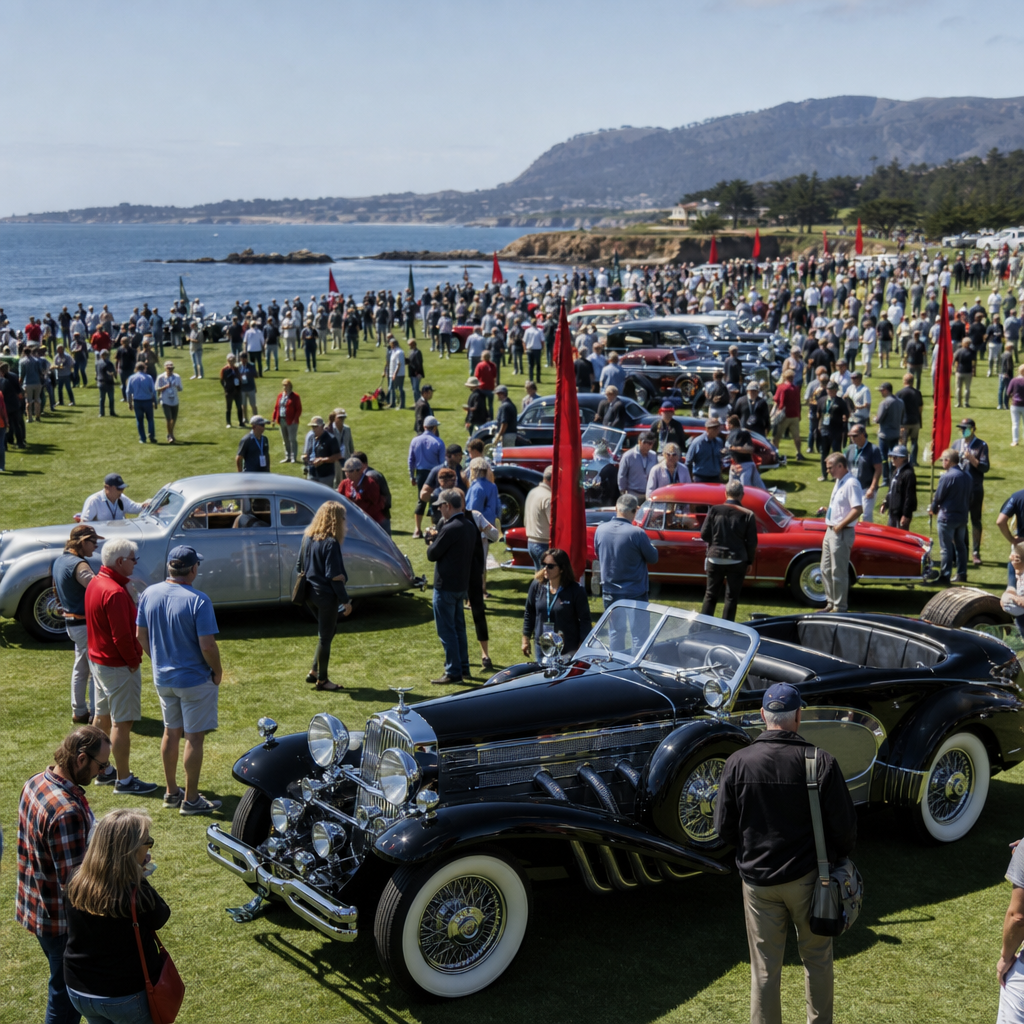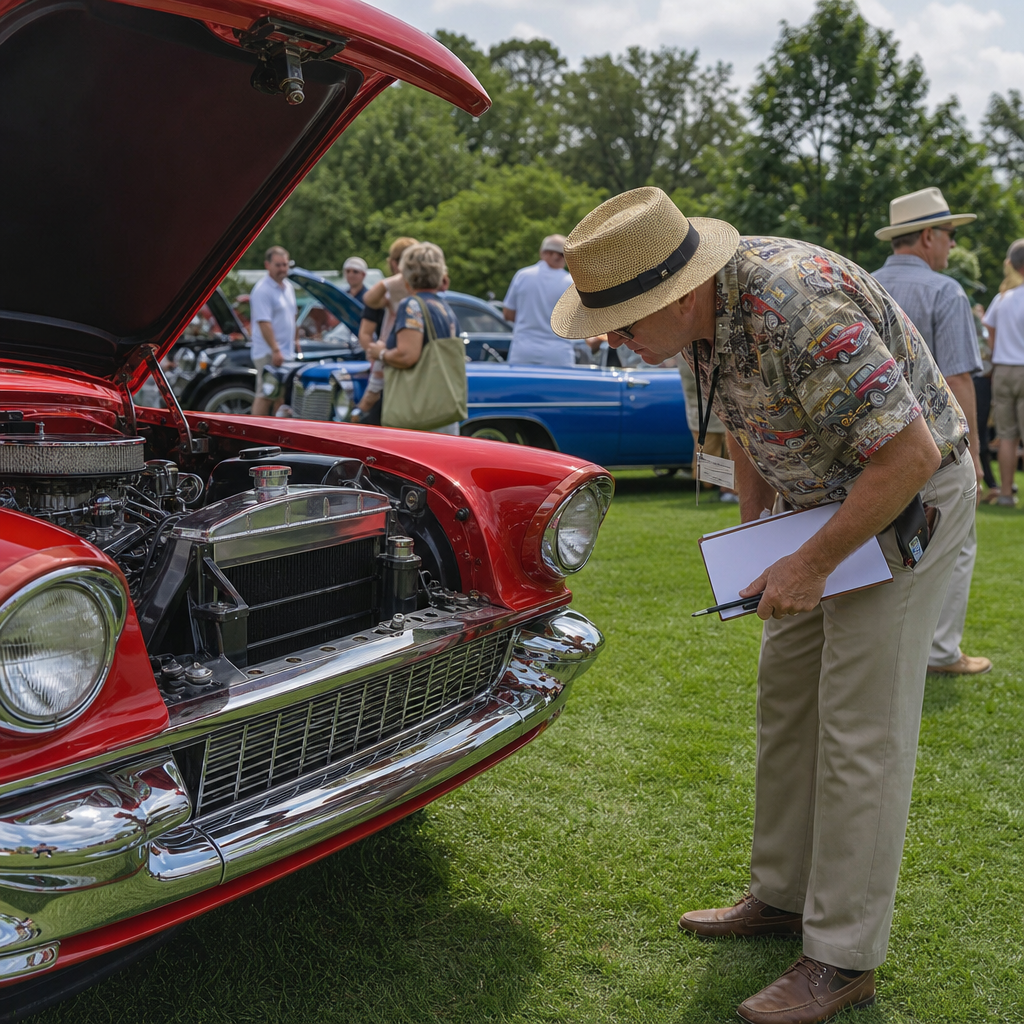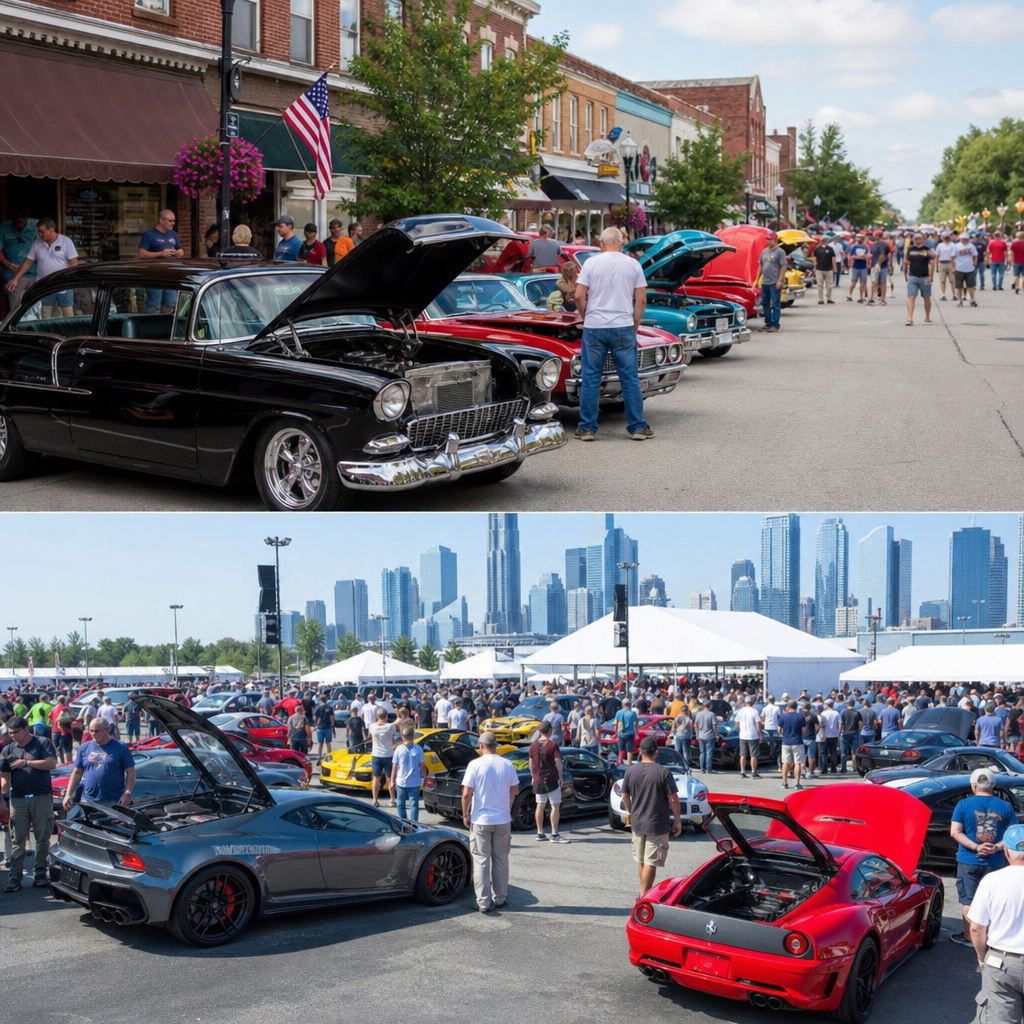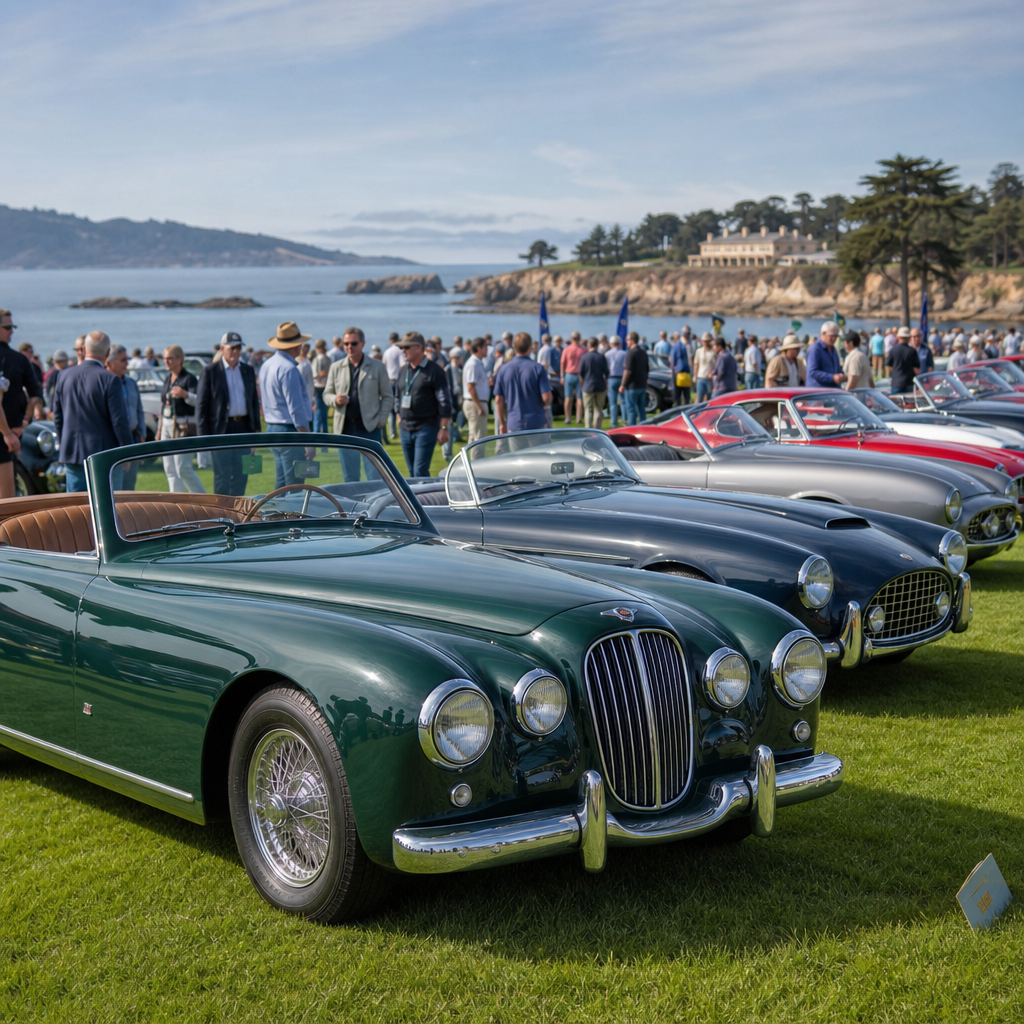
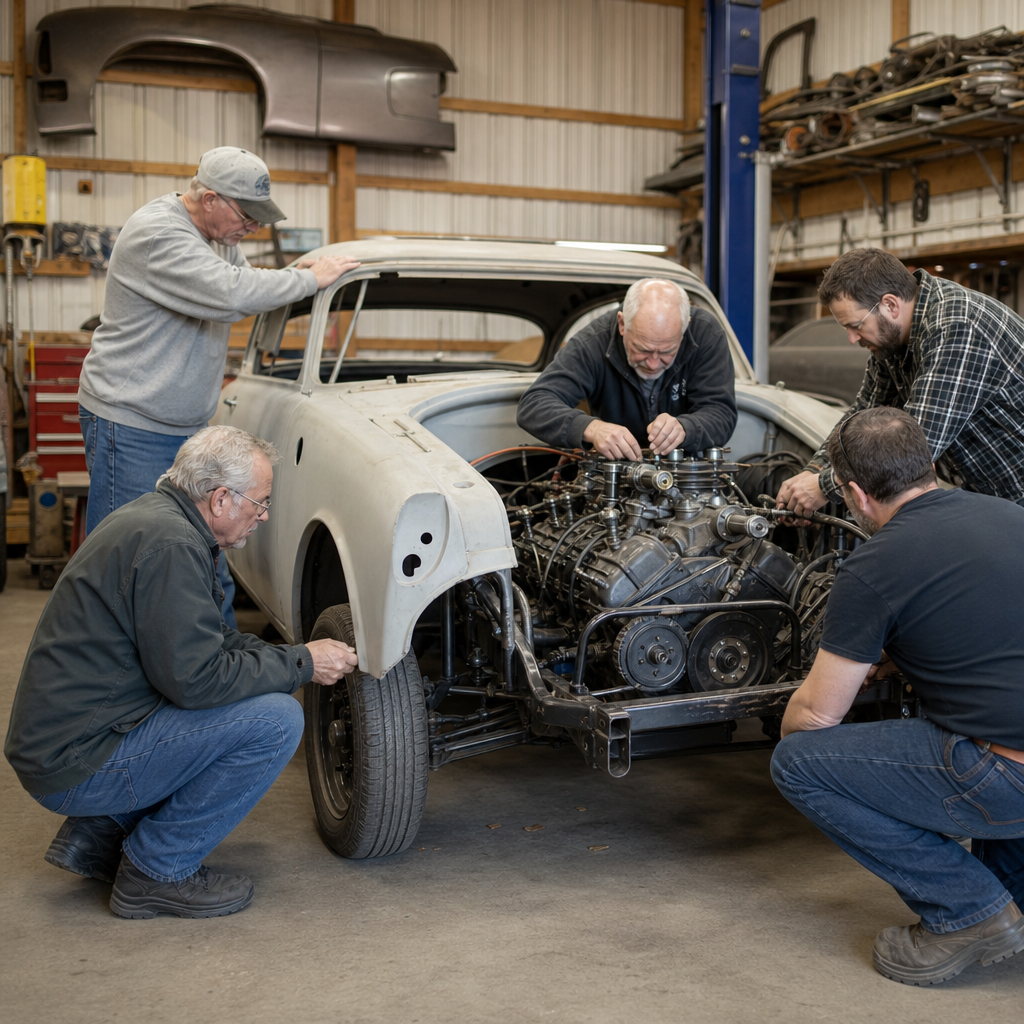
Classic car clubs do far more than organize weekend drives. They create the practical network that keeps restoration projects moving when parts are scarce, specifications are unclear, and motivation fades halfway through a multi-year rebuild. For anyone exploring classic car clubs as part of classic car culture and lifestyle, it helps to define the term clearly: a car club is an organized community built around a marque, model family, era, body style, or local enthusiast scene. Some operate informally through social media groups, while others are structured associations with officers, dues, archives, events, and technical committees. In my experience working with owners restoring British roadsters, American muscle cars, and postwar European sedans, the most effective clubs act like a blend of library, workshop, marketplace, and support group.
Restoration itself also needs a clear definition because the word covers several levels of work. A preservation-focused restoration aims to stabilize and retain as much original material as possible. A factory-correct restoration returns a car to period specifications using original or exact replacement components. A restomod combines classic styling with upgraded drivetrains, brakes, wiring, or suspension. Car clubs support all three approaches, though the type of guidance differs. A concours-oriented marque club may emphasize paint codes, casting numbers, and trim fastener finishes, while a local mixed-make club may be more useful for finding a trustworthy machine shop or paint specialist.
This matters because classic vehicle restoration is rarely a solo achievement. Even highly skilled owners run into missing documentation, discontinued parts, hidden rust, title questions, budget overruns, and project fatigue. Clubs reduce those risks by pooling institutional knowledge across hundreds or thousands of members. They connect first-time owners with judges, former dealership technicians, parts hoarders, body specialists, upholsterers, historians, and sellers who know where rare components still exist. For readers researching classic car clubs, the central truth is simple: clubs turn isolated restoration problems into shared, solvable tasks, and that support often determines whether a project is finished properly, stalled indefinitely, or abandoned altogether.
Technical knowledge and factory-correct guidance
The first way car clubs support restoration projects is through technical knowledge that is hard to find anywhere else. Workshop manuals and parts books are essential, but they rarely answer every real-world question. A manual may list a torque specification without explaining the production change that altered the fastener size midyear. It may show exploded diagrams yet ignore common failure points caused by age, corrosion, or poor prior repairs. Established clubs fill those gaps through technical advisors, model registrars, restoration guides, judging manuals, and archived newsletters. In several clubs I have worked with, members maintain handwritten service bulletins, dealer memos, and period accessory catalogs that never made it into mainstream databases.
This shared knowledge is especially valuable when authenticity matters. Marque-specific clubs often document paint formulations, trim grain, seat patterns, chalk marks, underhood decals, plating finishes, and date-code ranges. For example, Corvette, Porsche, Jaguar, and Mercedes-Benz clubs have long histories of documenting production details that affect both restoration accuracy and vehicle value. A restorer trying to determine whether a 1960s engine bay should use black phosphate bolts, cadmium plating, or body-color brackets can often get a direct answer from a club expert in one email. That saves money, prevents rework, and helps the owner decide whether to pursue a driver-level rebuild or concours standards.
Clubs also help restorers avoid expensive mistakes caused by bad assumptions. I have seen owners install incorrect wiring harnesses because an online seller grouped several years together, even though connector styles changed during production. A knowledgeable club member immediately recognized the mismatch from one photo. That kind of diagnosis is common inside strong club communities. The best clubs do not simply hand out opinions; they compare chassis numbers, consult factory literature, and explain why one interpretation is more accurate than another. For anyone using classic car clubs as a restoration resource, this ability to validate information is one of the strongest reasons to join.
Parts sourcing, vendor networks, and shared marketplaces
Finding parts is where many restorations either accelerate or stop. Car clubs make sourcing dramatically easier because they organize fragmented supply chains. Members know which reproduction parts fit properly, which vendors mislabel stock, and which salvage yards still have usable inventory. In practice, that intelligence is more useful than a generic web search. A club member who has installed three different floor pan stampings can tell you which one aligns with factory seat mounts and which requires fabrication around rocker panels. That saves labor hours that often cost more than the part itself.
Most active clubs support parts sourcing through classified ads, swap meets, online forums, printed magazines, and regional events. Large national organizations often maintain advertiser relationships with specialist suppliers, trim shops, instrument restorers, carburetor rebuilders, and chrome platers. Smaller clubs can be equally effective because local members know who actually delivers quality work. When a restoration depends on niche services such as woodgraining dashboards, rebuilding lever-arm dampers, calibrating Smiths gauges, or matching obsolete vinyl grain, a trusted recommendation from a club is far more valuable than anonymous reviews.
Clubs also preserve parts circulation within the enthusiast ecosystem. Many rare components never reach public marketplaces because members trade them privately. A long-stored hood latch assembly, original radio blanking plate, or correct date-coded wheel may surface only after a newsletter post or a conversation at a monthly meet. This informal exchange is especially important for low-production cars where surviving parts stock is thin.
| Club resource | How it helps restorations | Typical example |
|---|---|---|
| Classified ads | Connects buyers to member-owned parts with known history | Original grille found through club magazine listing |
| Swap meets | Allows in-person inspection before purchase | Matching trim pieces compared side by side for fit and finish |
| Vendor directories | Highlights specialists with proven results | Recommended shop for rebuilding SU carburetors |
| Online forums | Rapid identification of interchangeable components | Members confirm axle parts shared across model years |
| Regional contacts | Locates hidden inventory and service providers nearby | Retired dealer technician with new-old-stock seals |
Another advantage is collective buying power. Some clubs negotiate member discounts or coordinate batch production of parts that are otherwise unavailable. If enough owners need a rubber seal, lens gasket, or interior trim clip, a club can justify commissioning a small manufacturing run. That is one of the clearest examples of how classic car clubs actively shape restoration outcomes rather than merely commenting on them.
Hands-on mentorship, workshops, and practical problem solving
Not every restoration challenge is solved with a manual or a parts order. Many are solved in garages, club workshops, and parking lots where experienced owners show newer members how to do the work correctly. This hands-on mentoring is one of the most underrated functions of classic car clubs. Technical competence in restoration often depends on tactile judgment: how to read plug color, how to align a door before tightening hinges, how to shape patch panels to preserve body lines, or how to set carburetor mixtures by ear and instrument rather than guesswork.
Good clubs create environments where that knowledge is transferred efficiently. Some host tech days focused on brake bleeding, ignition timing, valve adjustment, paint correction, electrical troubleshooting, or winterization. Others organize formal seminars with subject-matter experts such as upholstery trimmers, metallurgists, body repair instructors, and appraisers. I have seen novice owners gain months of progress after one afternoon with a member who understood Lucas wiring diagrams or Rochester carburetor tuning. That kind of practical coaching reduces errors and builds confidence.
Mentorship also matters because restoration decisions involve tradeoffs. Should you repair the original panel or replace it with reproduction steel? Is powder coating appropriate for a suspension component that was painted from the factory? Should a cracked original steering wheel be restored, replaced, or preserved as-is? Club veterans can explain the consequences for authenticity, durability, cost, and resale. They often know where modern upgrades make sense too. Converting to electronic ignition, adding relays to protect aging switches, or using ethanol-resistant fuel components can improve reliability without undermining the car’s character. Clubs help owners make those calls with context instead of impulse.
Documentation, provenance, and value protection
One of the least glamorous but most important ways car clubs support restoration projects is through documentation. Provenance affects value, insurance, authenticity, and buyer confidence. Clubs often maintain production registers, ownership databases, event records, and historical archives that help verify a vehicle’s identity and history. For rare or high-value classics, this can be critical. Matching a chassis number to original engine specifications, confirming a color combination, or tracing previous ownership can influence both restoration strategy and market pricing.
Marque clubs frequently provide dating certificates, build information support, or guidance on obtaining records from manufacturers and heritage archives. Examples include BMIHT certificates for many British classics, Porsche production records, and Mercedes-Benz Classic documentation. Even when clubs do not issue formal certificates, they often know how to interpret the records correctly. That matters because factory paperwork can be cryptic, and production practices were not always consistent across plants or markets.
Documentation support also protects owners from fraud and accidental misrepresentation. A club registrar may notice that a supposedly rare performance variant lacks the correct identification features or carries swapped tags from another shell. Catching that before investing in restoration can prevent massive financial loss. On completed builds, club guidance helps owners assemble photo records, receipts, decoding sheets, and restoration summaries that strengthen appraisals and insurance applications. In the current market, where well-documented cars consistently outperform poorly documented equivalents, that administrative discipline adds real value.
Community motivation, events, and long-term project success
Restoration is as much a psychological challenge as a mechanical one. Projects stall because life changes, budgets tighten, or owners lose momentum after discovering rust, wiring damage, or a seized engine. Car clubs counter that attrition through accountability, encouragement, and visible progress benchmarks. Monthly meetings, show deadlines, driving tours, and restoration spotlights give owners reasons to keep moving. A member who promises to bring a freshly trimmed interior to the spring meet is more likely to finish it than someone working entirely alone.
Events also expose owners to finished cars, partial builds, and honest stories about setbacks. That realism is healthy. Strong clubs do not pretend every restoration must become a concours car. They normalize phased progress: making a car safe first, then reliable, then cosmetically correct. For many owners, that approach keeps a project financially manageable and emotionally sustainable. A local club may help a member get a car roadworthy for a tour while bodywork continues later. That creates enjoyment early, which often keeps the project alive.
Finally, clubs connect restorations to the broader classic car culture and lifestyle. They turn a private build into a shared narrative of preservation, learning, and use. If you are restoring a classic vehicle, join the club most aligned with your marque, project goals, and local scene. Use its archives, ask specific questions, attend tech sessions, and contribute back when you can. The best restoration support system is not a catalog or a video playlist. It is a knowledgeable community that helps you finish the car, understand it, and enjoy it for years.
Frequently Asked Questions
How do car clubs actually help with a restoration project beyond social events?
Car clubs help restorations in practical, measurable ways that go far beyond meetups and weekend drives. A well-run club acts like a knowledge network, a sourcing network, and a support system all at once. When an owner is trying to identify the correct trim piece, confirm a factory paint code, understand a model-year change, or locate a hard-to-find mechanical component, club members often have first-hand experience that saves time and money. Many members have already solved the same problems, so they can point a restorer toward reliable vendors, reproduction parts suppliers, salvage leads, or specialist machine shops that understand older vehicles.
Clubs also reduce the guesswork that slows down long-term projects. Instead of relying only on scattered forum posts or inconsistent online listings, restorers can compare notes with people who own the same vehicle or have restored one to a high standard. That can be especially valuable when factory documentation is incomplete or when previous owners have modified the car over the decades. On top of that, car clubs often keep motivation alive. Multi-year rebuilds can stall when costs rise or progress feels invisible, and regular interaction with fellow enthusiasts helps owners stay focused, inspired, and accountable. In short, clubs provide the collective experience that turns a difficult solo project into a far more manageable process.
What kinds of information can club members provide during a classic car restoration?
Club members can provide the kind of detailed, model-specific information that is often hard to find in generic repair manuals. This includes production differences between model years, correct fasteners and finishes, factory option combinations, original upholstery patterns, wiring routing, carburetor or ignition specifications, badge placement, and sourcing advice for both original and reproduction parts. In many cases, longtime members have accumulated service bulletins, sales literature, parts books, judging guides, and restoration photos that clarify details a new owner might otherwise miss.
Just as important, experienced members can explain what matters most for the type of restoration being pursued. For example, someone building a concours-level car needs different guidance than someone restoring a driver-quality vehicle for touring and weekend use. Club contacts can help a restorer decide where originality matters, where modern upgrades are accepted, and which mistakes commonly hurt value or authenticity. They may also identify incorrect parts installed by previous owners, warn against low-quality reproductions, and suggest period-correct alternatives when original parts are no longer available. This kind of information is especially useful because it is grounded in real ownership experience rather than theory alone.
Can joining a car club make it easier to find rare parts and trustworthy specialists?
Yes, and this is one of the strongest reasons restorers join clubs in the first place. Rare parts often do not appear through standard retail channels, especially for low-production models, obscure trim levels, or vehicles with short-lived factory configurations. Club members frequently know where hidden inventories exist, which collectors are willing to sell, and which parts cars are being broken for spares. Some clubs even maintain classified listings, swap meets, member directories, or informal parts registries that make hard-to-find items easier to track down.
Clubs are equally valuable when it comes to locating reputable specialists. Restoration quality often depends on machine shops, upholstery experts, chrome platers, body technicians, instrument rebuilders, and marque-specific mechanics who understand the quirks of older vehicles. A club can steer members toward professionals with proven results and away from vendors with poor workmanship or weak communication. That kind of referral network can prevent expensive delays and rework. In many cases, the right introduction from a club member is more useful than hours of online searching, because it is based on direct experience with pricing, turnaround time, quality, and reliability.
Are car clubs useful for beginners who are new to classic car ownership and restoration?
Absolutely. In fact, beginners often benefit the most from joining a car club early. Starting a restoration without guidance can be overwhelming because new owners may not yet know what parts are original, what work should be prioritized, how to budget realistically, or which repairs require specialist help. A club gives newcomers access to people who can explain the basics in plain language and help them avoid common mistakes, such as disassembling too much too soon, throwing away reusable parts, buying incorrect replacements, or underestimating the cost of paint, trim, and interior work.
Car clubs also help beginners set realistic goals. Not every project needs to become a show car, and experienced members can help a new owner choose an approach that fits the vehicle, the budget, and the intended use. Some clubs are very hands-on and may offer technical sessions, garage visits, restoration workshops, or mentoring from senior members. That kind of environment builds confidence quickly. Instead of learning only through trial and error, a beginner can move forward with clearer expectations and better decisions. For many new enthusiasts, a club becomes the bridge between owning a classic car and truly understanding how to restore and maintain one successfully.
How do car clubs keep long restoration projects on track over time?
Long restorations often stall for reasons that have nothing to do with mechanical skill. Costs rise, parts searches drag on, family and work obligations interrupt progress, and the owner can lose momentum when the car is spread across the garage in pieces. Car clubs help counter that by creating consistency, encouragement, and perspective. Regular meetings, project updates, and conversations with other restorers remind owners that setbacks are normal and that progress often comes in phases rather than in a straight line. Seeing other members complete difficult projects can also be a powerful source of motivation.
Beyond morale, clubs can help owners make smarter strategic decisions that keep a build moving. Members may recommend tackling the car in a logical order, documenting parts before disassembly, creating phased budgets, or deciding when to outsource specialized work instead of letting the project sit indefinitely. Some clubs also create a sense of positive accountability: when fellow enthusiasts ask how the car is coming along, owners are more likely to stay engaged and keep making incremental progress. Over the course of a multi-year rebuild, that steady reinforcement can be just as important as technical advice. It helps turn restoration from an isolated challenge into a shared journey supported by people who understand exactly what the process demands.