
Your first car club meeting can feel like stepping into a new garage full of unfamiliar faces, specialized jargon, and deeply personal machines, but the experience is usually far more welcoming and practical than newcomers expect. In the classic car world, a car club is an organized group built around shared enthusiasm for specific vehicles, eras, brands, driving styles, or restoration interests. Some clubs focus tightly on one marque, such as Mustang, MG, or Porsche. Others are broader regional groups that welcome anything from prewar sedans to square-body trucks. A first meeting matters because it is often the gateway to technical knowledge, local event access, parts leads, and friendships that can shape your ownership experience for years.
I have attended meetings in hotel conference rooms, diners, dealership showrooms, museum annexes, and members’ workshops, and the pattern is consistent: people come for the cars, but they stay for the community and the reliable exchange of experience. For a newcomer, understanding how classic car clubs work removes much of the anxiety. You do not need a concours restoration, a rare model, or decades of mechanical skill to participate well. You do need curiosity, respect, and a basic sense of how meetings are structured. This hub explains what happens at a first car club meeting, what to bring, how to introduce yourself, what club culture looks like, and how to judge whether a club is worth joining long term.
What a classic car club meeting usually looks like
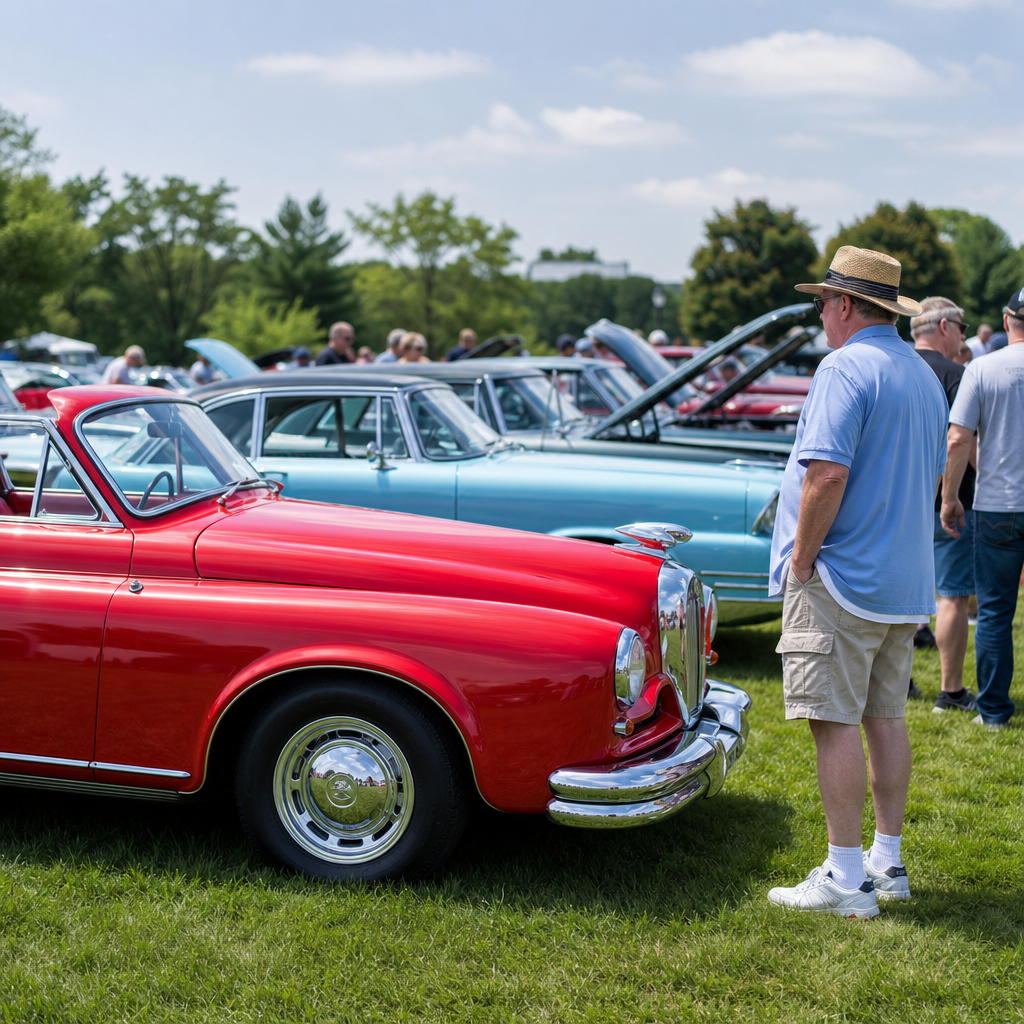
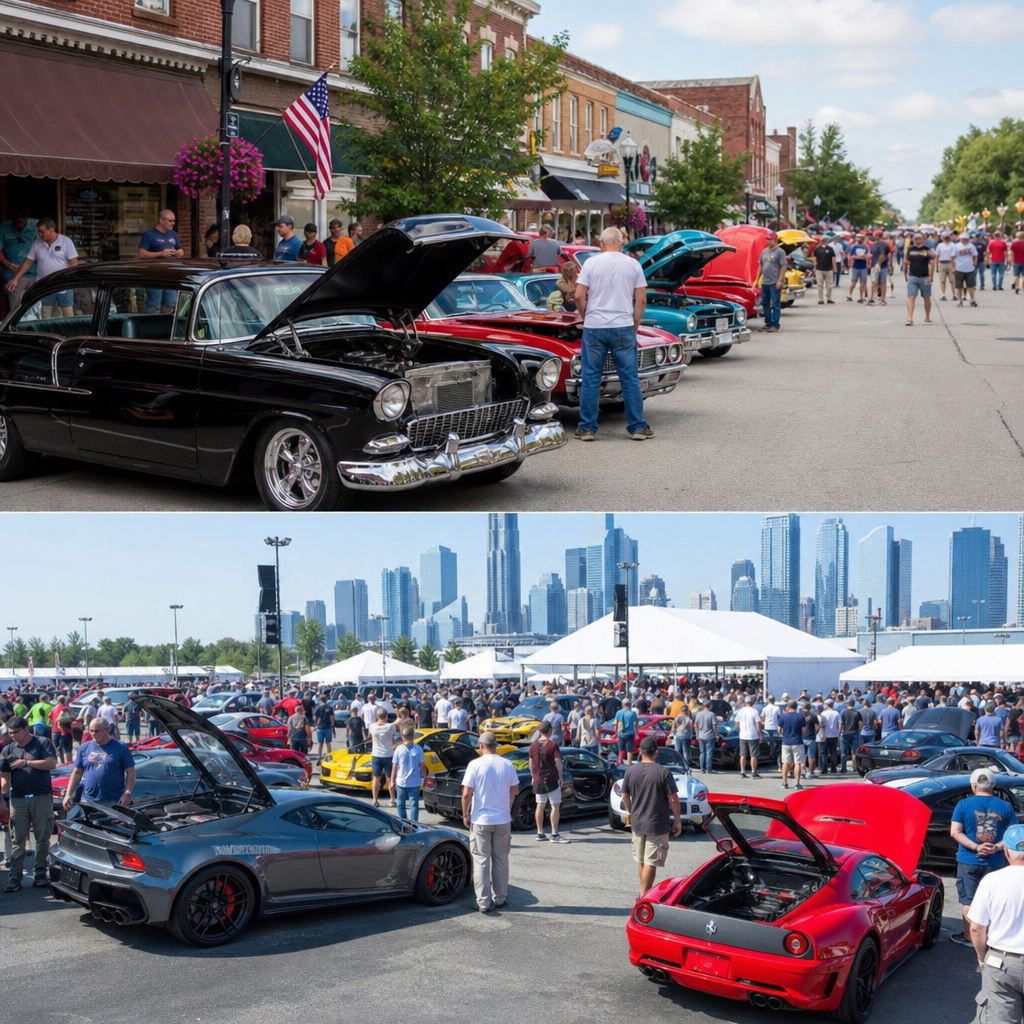
Most classic car club meetings follow a simple format. Members arrive early, gather in the parking lot, look over each other’s cars, and start informal conversations before any formal agenda begins. If the meeting is indoors, the social time may happen around coffee, merchandise tables, raffle prizes, or sign-in sheets. Then comes a short business session. Officers may review upcoming cruises, swap meets, charity shows, technical workshops, and dues. There is often a treasurer’s report, event recap, and discussion of future activities. In marque-specific clubs, technical problems and parts sourcing can take up a large part of the room’s attention because members have likely solved the same issues before.
Expect the pace to be more relaxed than a corporate meeting. Even well-run clubs tend to drift naturally into stories about breakdowns, restorations, auction results, or recent purchases. New members are often invited to introduce themselves and describe their car, project, or interest. If you do not own a vehicle yet, say so plainly. Many clubs welcome enthusiasts who are researching a first purchase, and those members often benefit the most because they can avoid expensive mistakes. In my experience, a room full of long-time owners will gladly tell you which trim pieces are impossible to find, which engines overheat in traffic, and which reproduction parts are not worth the box they come in.
Clubs vary by purpose. Some are heavily social and revolve around monthly dinners, scenic drives, and local shows. Others are highly technical, with members exchanging factory service bulletins, decoding VIN tags, and debating correct finishes for hardware. A few function almost like preservation societies, documenting production changes and collecting archival material. Knowing this range helps set expectations. Your first car club meeting is not just about attending one evening; it is about discovering the club’s personality, standards, and usefulness within the larger classic car culture and lifestyle community.
How to prepare before you go
Preparation is simple, but it makes your first meeting smoother. Start by reading the club’s website or social page carefully. Look for membership rules, guest policies, meeting times, and whether the club is open to all classic cars or only certain makes and years. Some clubs define “classic” loosely, while others are strict about production dates or originality. If the club lists past events, scan the photos. You can tell a lot from them. A parking lot full of survivor cars, modified street machines, or trailer-borne concours restorations signals what the group values. That context helps you choose your talking points and wardrobe. Clean casual clothes are nearly always right; overdressing is unnecessary.
If you are bringing your car, make it presentable, not perfect. A wash, tire check, fluid glance, and tidy interior are enough. No serious club expects a first-time visitor to arrive with a detailed show car. If your vehicle is mid-restoration or cosmetically rough, that is fine too, especially if you can explain what stage you are in. Bring basic information: year, model, engine, transmission, and any unusual history. Photos are useful if the car is off the road. Keep a few questions ready, especially about parts sources, local repair shops, insurance, storage, and event recommendations. People respond well when they can give practical help instead of vague encouragement.
It is also smart to understand club etiquette before attending. Ask whether guests can sit in on meetings for free, whether there is a sign-in process, and whether food is available. If the meeting includes a cruise or parking display, arrive early enough to park without rushing. Bring cash in case there is a raffle, merchandise table, or optional meal contribution. If the club is affiliated with larger organizations such as the Antique Automobile Club of America or the Classic Car Club of America, review those organizations briefly. Knowing the difference between a local social club and a nationally structured organization helps you ask sharper questions about benefits and expectations.
What to expect when you arrive and meet members
The first few minutes shape the entire evening. At arrival, you will probably be greeted by someone near the entrance, sign-in desk, or parking area. Introduce yourself with your name, where you are from, and your connection to the hobby. A concise opener works well: “I’m looking for my first 1960s coupe,” or “I’ve owned a 1972 C10 for three years and want to learn more about local events.” This gives members an easy way to connect you with the right people. In healthy clubs, one or two long-time members naturally take on the role of welcoming newcomers and making introductions across age groups and vehicle interests.
Do not worry if some conversations sound highly technical. Classic car clubs accumulate specialists. One member may know carburetor calibration, another may rebuild Hydramatic transmissions, and another may be the local expert on judging standards. Listen first, then ask direct questions. Good examples include: Which events are best for beginners? Are members comfortable with modified cars? How active is the club between meetings? What local shop do members trust for alignment or upholstery? Practical questions reveal whether the club delivers real value. They also help you distinguish a club that only talks about cars from one that actively supports ownership, driving, and preservation.
Some first-time visitors fear being judged for inexperience, budget limitations, or non-original modifications. That can happen in rare cases, especially in rigid preservation circles, but it is not the norm. Most established enthusiasts remember how much they learned from mentors. The better clubs balance standards with generosity. They may prefer factory-correct restorations while still helping a member who simply wants a reliable weekend driver. Watch how members speak to younger enthusiasts and owners of unfinished projects. That is one of the clearest indicators of a club’s culture.
| What happens | What it means for a newcomer | How to respond |
|---|---|---|
| Parking lot walkaround | Informal social time and easiest place to start conversations | Ask about a car’s history, restoration timeline, or engine setup |
| Sign-in or guest sheet | Club tracks attendance and may follow up about membership | Leave accurate contact details if you want future event notices |
| Officer announcements | Reveals how organized and active the club is | Note recurring events, volunteer needs, and dues structure |
| Member introduction | Chance to state your interests and attract useful advice | Keep it short, specific, and honest about your experience level |
| Technical side conversations | Shows the club’s knowledge depth and practical value | Listen, ask follow-up questions, and write down recommendations |
Common topics, etiquette, and unspoken rules
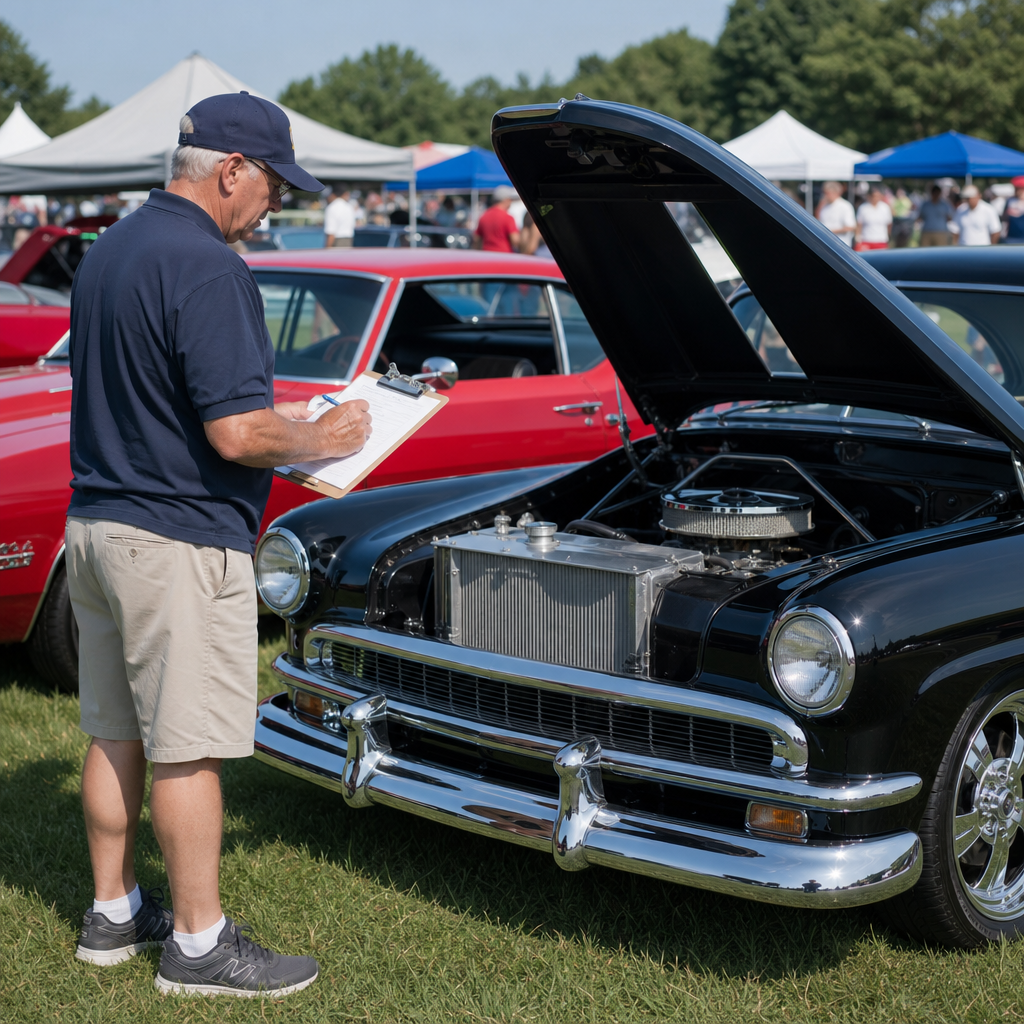
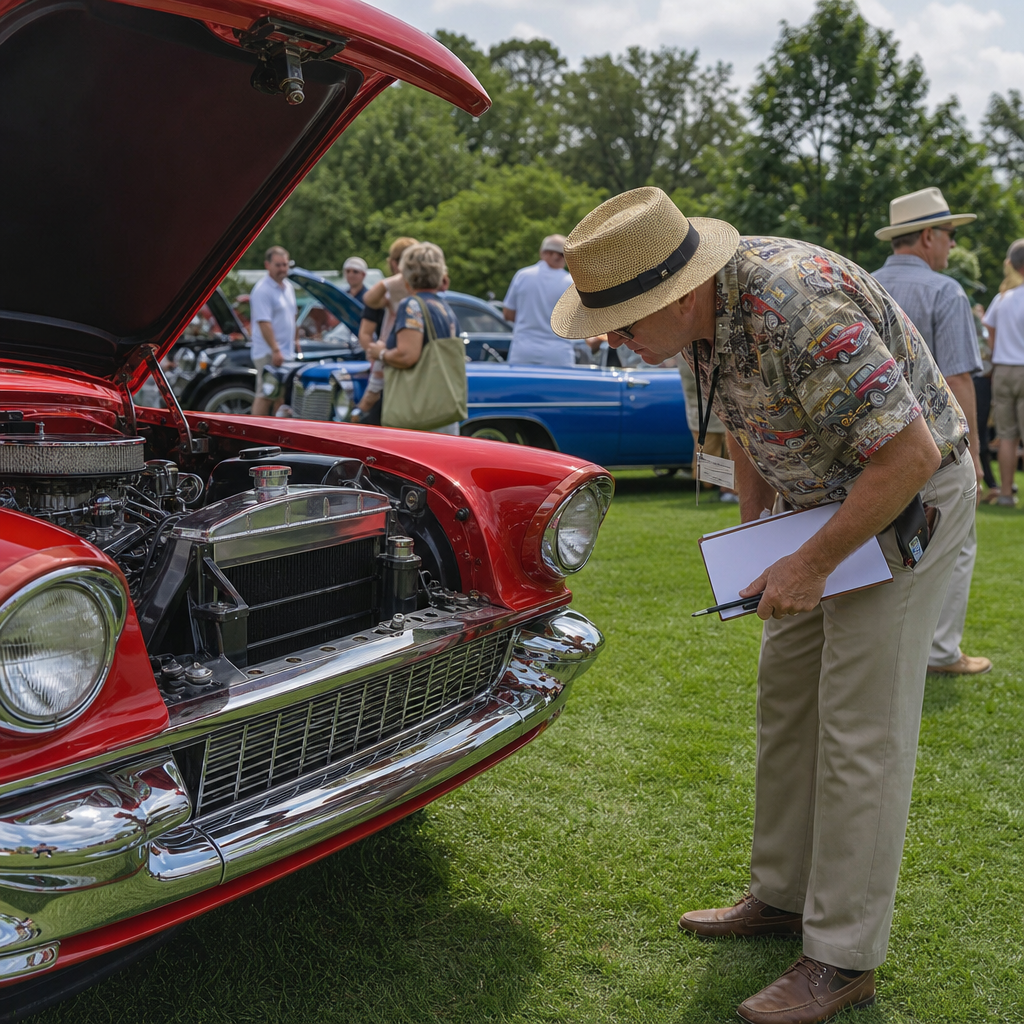
Classic car clubs have their own rhythm, and most expectations are intuitive once you see them in action. Respect the cars, the people, and the stories attached to both. Ask before touching a vehicle, leaning into an interior, opening a hood, or taking detailed photos. Many owners are happy to share, but the invitation should come first. When complimenting a car, be specific. Instead of saying “nice car,” mention the paint match, period wheels, interior preservation, or engine bay cleanliness. Specific observations signal genuine interest and often lead to better conversations.
Money is another area where tact matters. It is normal to ask broad questions about restoration challenges, parts availability, or market trends, but avoid bluntly asking what someone paid unless they volunteer the topic. The same goes for resale value. Many owners have emotional as well as financial investment in their vehicles. Club meetings are also not the place to dominate every discussion with auction headlines or internet myths. If you quote values, use credible references such as Hagerty Price Guide, auction comparables from Mecum or Barrett-Jackson, and actual condition differences. Serious enthusiasts appreciate grounded information, not speculation.
Politics and criticism can also derail a first impression. Some clubs raise money for charities, support local museums, or work with municipalities on show permits, so members may discuss civic matters, but keep your focus on the hobby. If you dislike a modification style or prefer another marque, frame opinions carefully. The healthiest classic car clubs make room for stock restorations, restomods, customs, and survivors without turning every preference into a debate. Finally, follow through. If someone recommends a shop, a book, or an upcoming event, write it down and mention it next time. That small act shows respect for the advice and helps relationships develop.
How to decide whether the club is right for you
Not every club will fit your goals, and that is normal. The best way to judge a classic car club is to compare its real behavior with your reasons for joining. If you want technical help, did members offer practical guidance grounded in firsthand experience? If you want driving opportunities, does the calendar include road tours, breakfast runs, and destination events rather than only static meetings? If you want family involvement, were spouses, partners, and younger attendees visibly included? A strong club has a clear identity, consistent activity, and room for newcomers to participate without years of seniority.
Look closely at organization. Healthy clubs publish schedules, communicate changes, collect dues transparently, and manage events safely. They often have named officers, volunteer committees, and written rules for judging, cruises, or charitable activities. That structure matters because classic car ownership already comes with uncertainty: repairs, parts delays, and weather disruptions. Your club should reduce friction, not add to it. I have found that the most durable clubs combine dependable administration with low-pressure camaraderie. Members know who is handling logistics, yet the atmosphere still feels personal rather than bureaucratic.
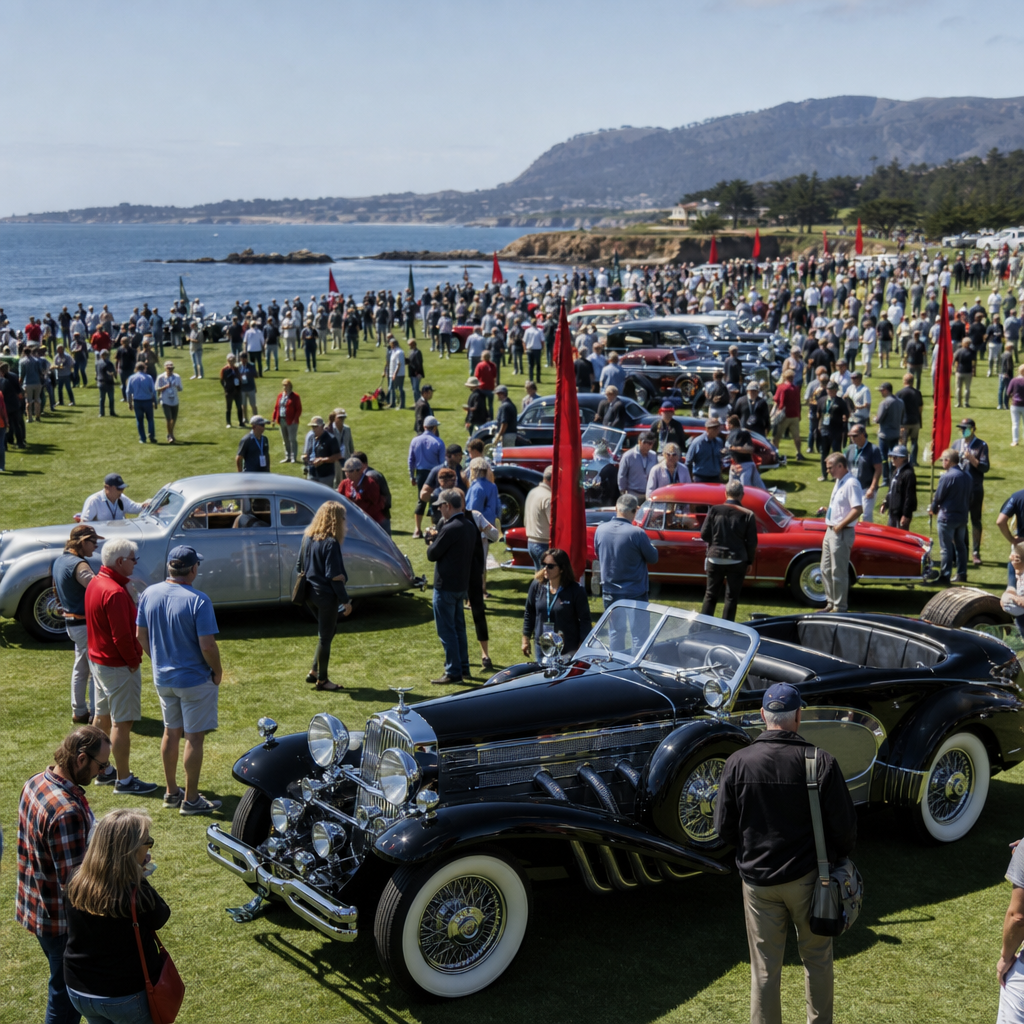
Also consider the club’s place within the larger hobby. A useful hub club does more than host monthly meetings. It connects members to regional shows, marque registries, driving schools, restoration resources, historical archives, and advocacy around fuel policy, emissions exemptions, or antique registration rules when relevant. That broader network becomes especially valuable when you need a rare part, an appraisal, transport advice, or model-specific documentation. If your first meeting leaves you with names, dates, resources, and a sense of belonging, the club is probably worth a second visit and possibly your membership dues.
Your first car club meeting should leave you better informed, more connected, and more confident about participating in classic car culture. The meeting itself is usually straightforward: arrive, introduce yourself, listen, ask practical questions, and pay attention to how members treat one another. What matters most is not whether your car is finished, rare, or expensive. What matters is whether the club helps you enjoy ownership, learn faster, avoid costly errors, and take part in events that keep the hobby alive. A good club turns isolated enthusiasm into shared momentum.
As a hub for classic car clubs, this topic reaches beyond one evening in a parking lot or meeting hall. Clubs are where restoration knowledge is transferred, local traditions are preserved, and new enthusiasts find direction. They can help you source parts, choose insurance, understand judging standards, discover scenic drives, and connect with specialists who have solved the exact problems you face. They also reveal the variety inside the hobby, from preservation-focused organizations to relaxed cruise-night groups. That variety is a strength because it gives nearly every enthusiast a place to belong if they choose carefully.
If you are considering attending your first meeting, do the simple things well. Research the club, arrive on time, bring honest questions, and stay open to conversation. Watch the culture as much as the cars. The right classic car club will make the hobby easier to navigate and more rewarding to share. Find a local meeting, attend as a guest, and take the first step into the community.
Frequently Asked Questions
What usually happens at a first car club meeting?
Your first car club meeting is typically much more relaxed and structured than many newcomers imagine. Most meetings begin with informal social time, where members gather in the parking lot, around their cars, or inside a meeting space to introduce themselves and catch up. This is often followed by a brief welcome from a club officer or organizer, especially if guests or first-time attendees are present. In many clubs, there is a short business portion covering upcoming cruises, car shows, swap meets, restoration projects, charity events, or member needs such as parts sourcing and technical advice.
Depending on the club, the event may also include a guest speaker, a tech session, a workshop demonstration, or a group drive. Some meetings are highly social and centered around conversation and showing cars, while others are more formal and agenda-driven. If the club is focused on classic cars, expect plenty of discussion about maintenance, originality, restoration choices, and the stories behind members’ vehicles. The overall atmosphere is usually welcoming, and most clubs understand that first-time visitors may not know anyone yet. You are rarely expected to do more than introduce yourself, listen, ask questions, and enjoy the experience.
Do I need to own a classic car before attending a car club meeting?
No, in many cases you do not need to own a classic car to attend your first meeting. A large number of clubs welcome enthusiasts who are still researching a purchase, beginning a restoration, helping a family member with a project, or simply interested in learning more about a specific make, model, or era of vehicles. In fact, attending before you buy can be one of the smartest things you do, because club members often provide practical insight you will not get from listings, social media posts, or casual conversations.
Experienced members can explain which models are easier to maintain, what parts are difficult to find, how much certain restorations really cost, and which vehicles are best suited for driving versus collecting. They can also help you avoid common beginner mistakes, such as buying a car with hidden rust, incomplete paperwork, or expensive missing components. If you do already own a vehicle, bring it if you feel comfortable, but if you do not, do not let that stop you from attending. Enthusiasm, curiosity, and respect for the hobby matter far more at a first meeting than arriving in a show-ready car.
What should I talk about if I do not know the jargon or the people yet?
The easiest approach is to keep the conversation simple, honest, and genuine. You do not need to know every technical term or historical detail to have a good first interaction. Start by introducing yourself, mentioning what brought you to the meeting, and sharing what kinds of cars interest you. You might say you are new to the hobby, considering a certain model, working on a project, or hoping to learn more about restoration, maintenance, or local events. Most club members enjoy helping newcomers, and those straightforward openings often lead naturally into longer conversations.
If you are standing near a member’s car, ask approachable questions such as how long they have owned it, what work they have done, where they found it, or what they enjoy most about driving it. These questions let members tell the story of the car, which is often the part they are happiest to share. If unfamiliar terms come up, it is perfectly acceptable to ask what they mean. Car clubs are full of specialized language, but learning that vocabulary takes time, and most people remember what it was like to start out. A respectful interest in the cars and the people behind them will carry you much further than trying to sound like an expert.
Is there any etiquette I should follow at a car club meeting?
Yes, but the etiquette is straightforward and mostly comes down to respect, attention, and common sense. One of the most important rules is never to touch someone’s car without permission. Classic and enthusiast vehicles are often deeply personal projects, and even well-meaning admiration can cross a line if you lean on a fender, open a door, or handle a part without asking. It is also a good idea to be mindful when taking photos, especially if you plan to post them publicly. Some owners are proud to share everything, while others prefer a bit more privacy.
Beyond the cars themselves, good etiquette includes listening during announcements, avoiding one-upmanship, and showing interest in other members’ experiences even if their tastes differ from yours. Not every club member will have the same budget, standards of originality, or goals for their vehicle. Some are focused on concours restoration, some on weekend driving, and some on preserving family history. Respecting those differences helps you fit in quickly. If food, dues, raffles, or event sign-ups are part of the meeting, follow the lead of existing members and ask questions if you are unsure. Clubs generally appreciate newcomers who are polite, engaged, and willing to learn.
How can I tell if a car club is the right fit for me?
The best way to evaluate a car club is to pay attention to the culture as much as the cars. A good fit usually feels welcoming, organized, and aligned with your interests. Notice whether members are open to conversation, whether newcomers are acknowledged, and whether the tone of the meeting matches what you want from the hobby. Some clubs are highly technical and restoration-focused, while others lean toward social gatherings, weekend drives, charity work, or show participation. Neither approach is better than the other, but one may suit your goals more naturally.
You should also consider practical factors such as location, membership costs, meeting frequency, event calendar, and the range of vehicles represented. If you are interested in driving your car regularly, a club with frequent cruises and road events may be ideal. If you want help with a project, a club known for technical knowledge and hands-on support may be more valuable. It is perfectly reasonable to visit more than one meeting, or even more than one club, before deciding. Many enthusiasts ultimately join the group where they feel most comfortable asking questions, sharing progress, and building long-term relationships. The right car club should make the hobby more enjoyable, more informative, and more connected from the very beginning.