Classic car ownership is often described in terms of horsepower, rarity, and auction values, but the deeper truth is emotional. People keep a 1967 Mustang fastback, a Jaguar E-Type, or a split-window Corvette for reasons that go far beyond transportation. They preserve family history, relive formative years, honor people they loved, and join communities that understand why an old machine can feel almost alive. In the collector world, stories are not a side note; they are the substance of ownership.
When discussing the emotional side of classic car ownership, it helps to define a few terms clearly. A classic car generally refers to an older vehicle valued for historical interest, design, engineering, cultural relevance, or rarity, though clubs and insurers use different age thresholds. A collector story is the personal narrative attached to buying, restoring, driving, inheriting, or letting go of that car. Provenance is the documented history of ownership, maintenance, and notable events. Sentimental value is the meaning a vehicle carries for one person or family, regardless of market price. Together, these elements explain why one owner will spend years sourcing original trim while another treasures faded paint because it was touched by a late parent.
I have spent enough time around restoration shops, marque clubs, estate sales, and weekend shows to know that the most memorable conversations rarely begin with technical specifications. They begin with phrases like “my grandfather bought it new,” “I saw one just like it when I was fourteen,” or “this was the first car my wife and I road-tripped in.” Those stories influence purchasing decisions, restoration standards, insurance choices, and even whether an owner drives the car regularly or keeps it under a cover. That emotional layer matters because it shapes the behavior of collectors and the culture surrounding classic vehicles.
This hub article covers collector stories as the heart of classic car culture and lifestyle. It explains why emotional attachment forms, how personal history affects restoration and preservation, what communities provide, why memories can add or complicate value, and how owners navigate grief, identity, and legacy through cars. It also serves as a foundation for related articles on inherited classics, first-car reunions, survivor cars, restoration decisions, and collecting across generations. If you want to understand classic car ownership fully, you have to understand the feelings that keep these machines in garages, family albums, and conversations for decades.
Why Classic Cars Become Emotional Anchors
A classic car becomes an emotional anchor when it connects a physical object to a meaningful period, relationship, or aspiration. Psychologists sometimes describe this as autobiographical memory being triggered by sensory cues. In practice, that means the smell of old vinyl, the mechanical clatter of solid lifters, or the thin steering wheel of a 1950s sedan can instantly return someone to a specific time in life. Modern cars are often more comfortable and more reliable, but they do not always create the same sharp sensory imprint.
Nostalgia is one of the most common forces in collector stories, but it is not simple sentimentality. For many owners, a car represents independence, adulthood, courtship, military leave, family travel, or recovery after hardship. A baby boomer may pursue a Tri-Five Chevrolet because it symbolizes postwar optimism and family identity. A Gen X collector may search for a Fox-body Mustang or a Buick Grand National because it captures a youth shaped by posters, drag strips, and cable television. The emotional bond starts long before ownership. In many cases, the collector has been carrying the story for thirty or forty years before buying the vehicle.
There is also the attraction of permanence. In a world of disposable products and software-driven experiences, a classic car offers visible continuity. You can touch the metal, read the factory stampings, and follow the lineage of repairs. Owners often tell me this tangibility is calming. The car asks for skill, patience, and attention, then rewards those efforts with mechanical honesty. That relationship can become deeply personal, especially when the owner learns to tune carburetors, adjust drum brakes, or chase an electrical fault with a wiring diagram and a test light.
Collector Stories: The Narratives Behind the Metal
Collector stories usually fall into recognizable patterns, and each pattern reveals something different about emotional ownership. The reunion story involves finding the exact model once owned in youth. The inheritance story centers on a family vehicle passed down after a death or retirement. The rescue story focuses on saving a neglected car from decay. The pilgrimage story follows a collector who spends years locating a rare specification, such as a numbers-matching Porsche 356 in an uncommon color or a documented big-block Mopar with original broadcast sheets. These stories give shape to the ownership journey and influence what the car means once it arrives.
A reunion story often carries the strongest emotional charge because it merges memory with recovery. I have seen owners search state registrations, old photographs, and club newsletters hoping to trace a long-lost first car. Sometimes they succeed, and the result is more than a purchase. It is the restoration of a personal timeline. Even when the exact car is gone, buying the same year, trim, and color can provide a powerful sense of completion. That explains why seemingly ordinary cars, such as a base 1966 Ford Falcon or a 1978 Chevrolet C10, can matter more than objectively rarer models.
Inheritance stories raise harder questions. Does the new owner preserve the car exactly as a parent left it, or restore it to showroom condition? Is the faded bench seat a flaw or evidence of family life? These decisions are emotional before they are financial. Rescue stories work differently. They tend to express stewardship. The owner sees rusted sheet metal, seized engines, missing badges, and impossible parts searches not as burdens but as obligations. Saving the car becomes a form of advocacy for history, craftsmanship, and memory.
| Collector story type | Typical motivation | Common ownership choice | Emotional challenge |
|---|---|---|---|
| Reunion | Reconnect with youth or a life milestone | Buy the closest possible match to the remembered car | Balancing memory with present reality |
| Inheritance | Honor family history | Preserve original details and documents | Managing grief and responsibility |
| Rescue | Save a vehicle from neglect or scrapping | Long-term restoration with patience | Time, cost, and uncertainty |
| Pilgrimage | Complete a long-held collecting goal | Prioritize authenticity and provenance | Avoiding overpayment or compromise |
Restoration, Preservation, and the Meaning of Authenticity
One of the most emotional decisions in classic car ownership is whether to restore, preserve, or sympathetically recommission a vehicle. On paper, this sounds like a technical choice. In reality, it is usually a moral one. A full restoration may erase visible wear that tells a family story. Preservation may protect originality but leave rust, fragile upholstery, or mechanical weaknesses unresolved. Recommissioning, which focuses on making the car safe and usable while disturbing as little as possible, often becomes the middle path for owners who value authenticity but still want to drive.
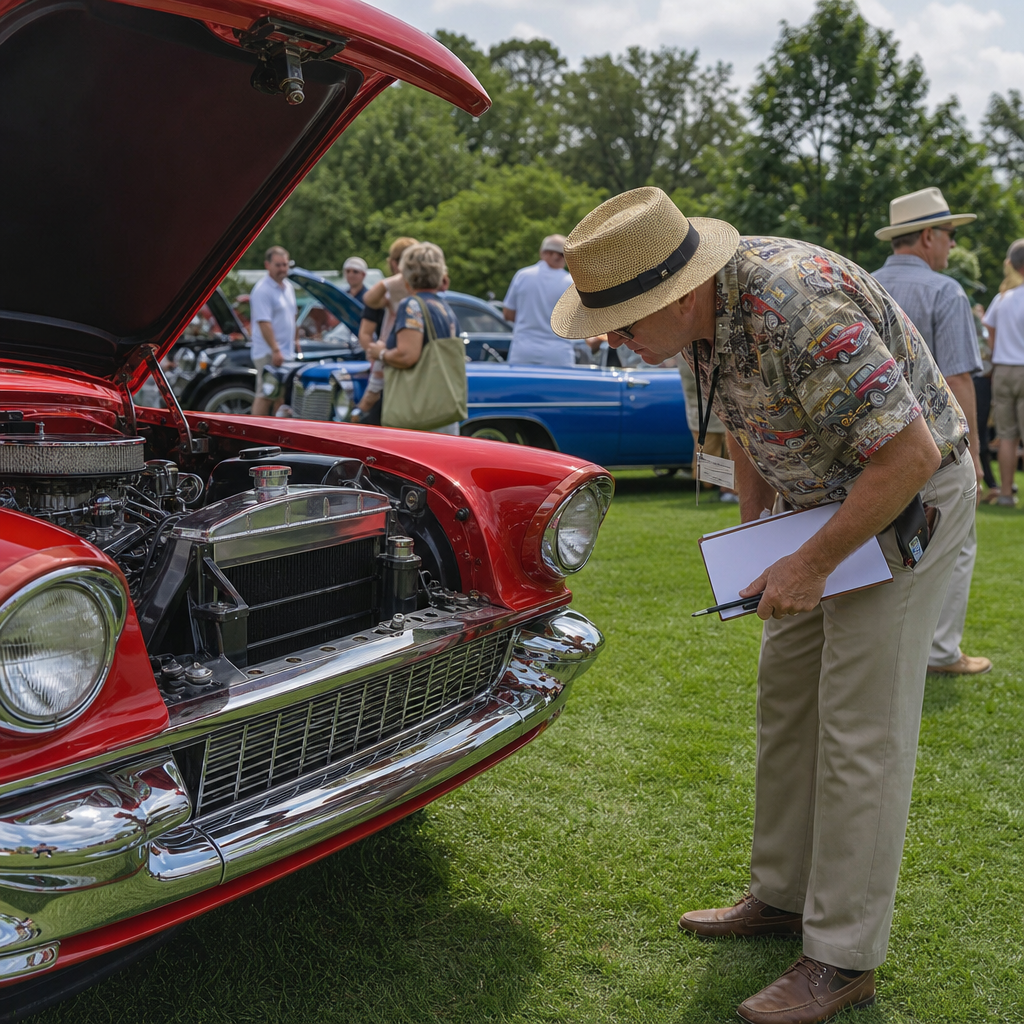
Authenticity means different things to different collectors. In concours judging, it often refers to factory-correct finishes, components, date codes, and assembly details. In family ownership, authenticity may mean preserving handwritten service notes, a dealer badge, or a cigarette burn in the seat left by the original owner. I have watched owners reject perfect reproduction parts because the worn original carried emotional authority. That choice can be irrational in pure market terms, but entirely rational in human terms.
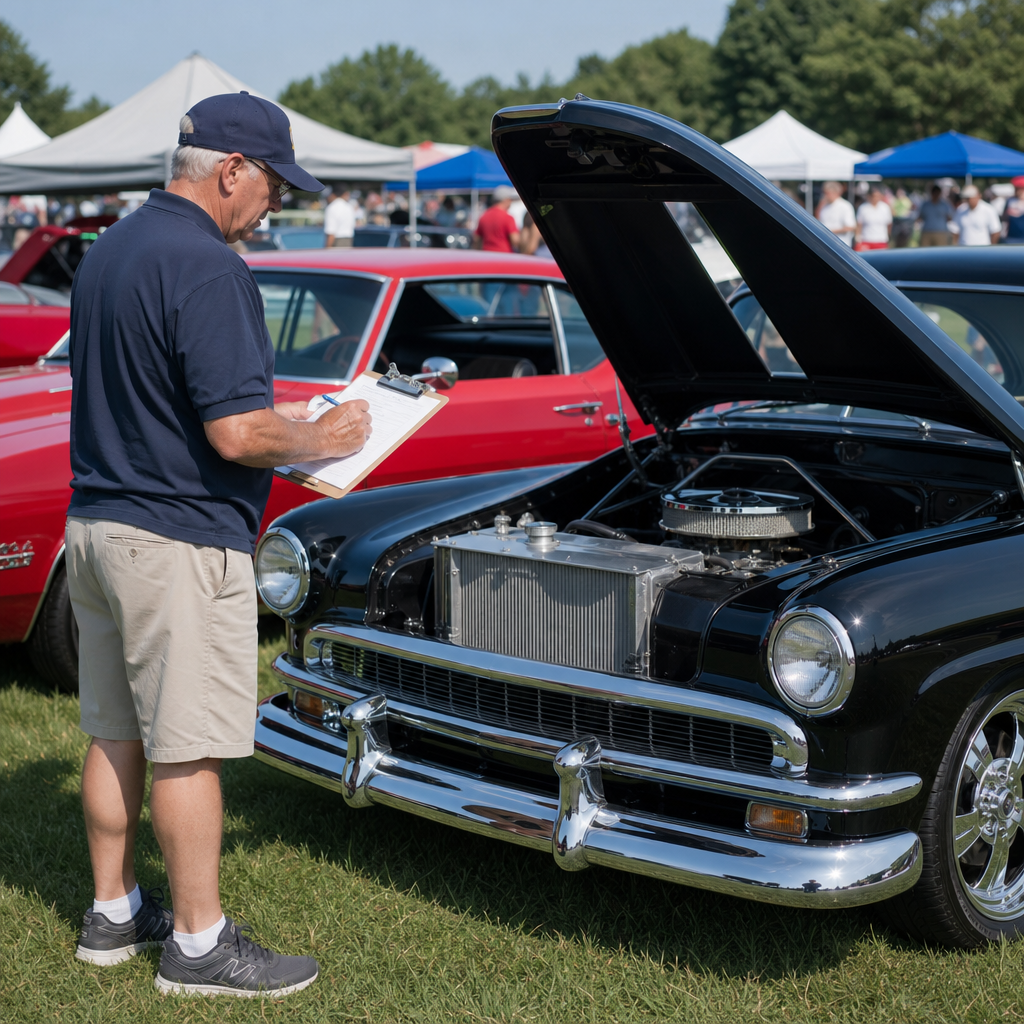
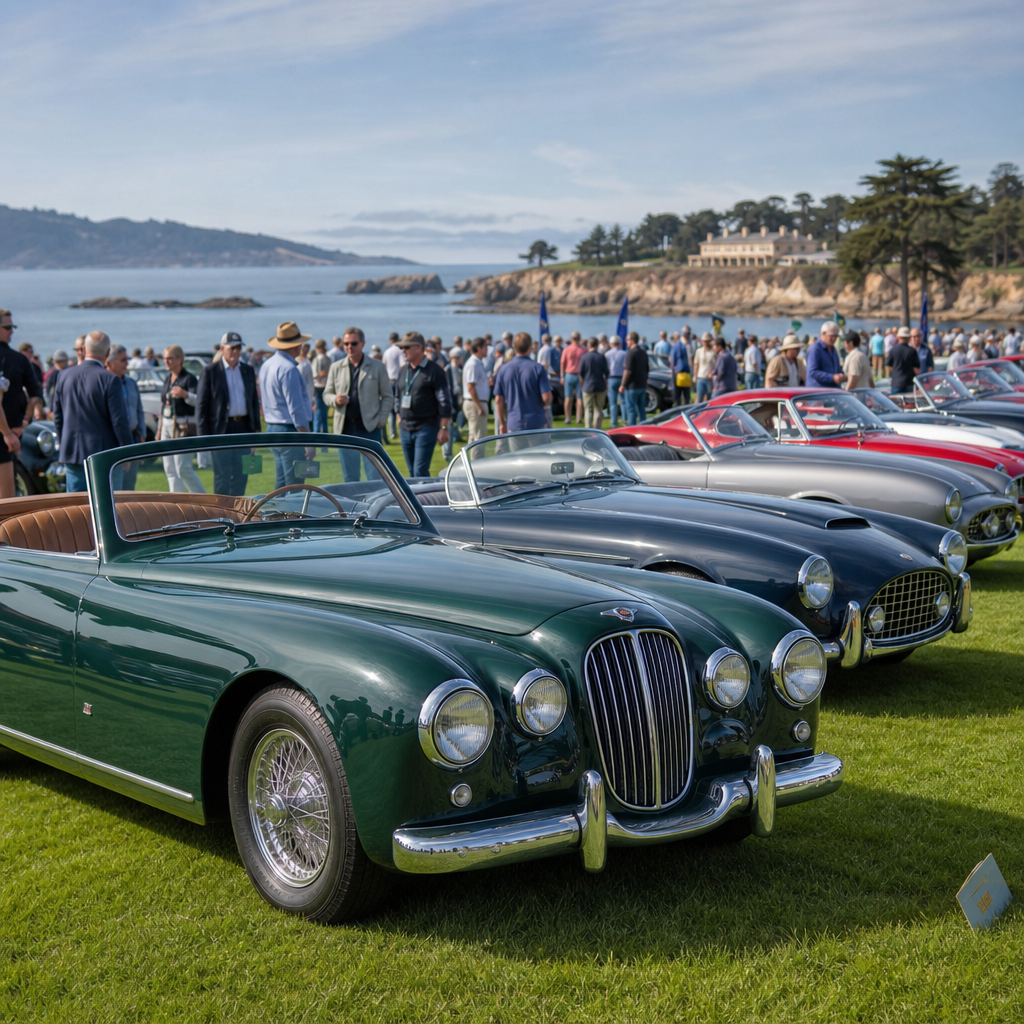
Recognized standards help owners make disciplined decisions. Groups such as the Antique Automobile Club of America, Bloomington Gold, the Porsche Club of America, and marque-specific registries have established expectations around originality and documentation. Professional tools like paint-depth gauges, trim tag decoders, build sheets, and factory service manuals bring evidence into the process. Yet the final decision often comes down to purpose. If the car exists to win judged events, restoration may be appropriate. If it exists to preserve a family artifact, less intervention may be wiser. Emotional intelligence is as important here as technical knowledge.
Community, Identity, and Shared Memory
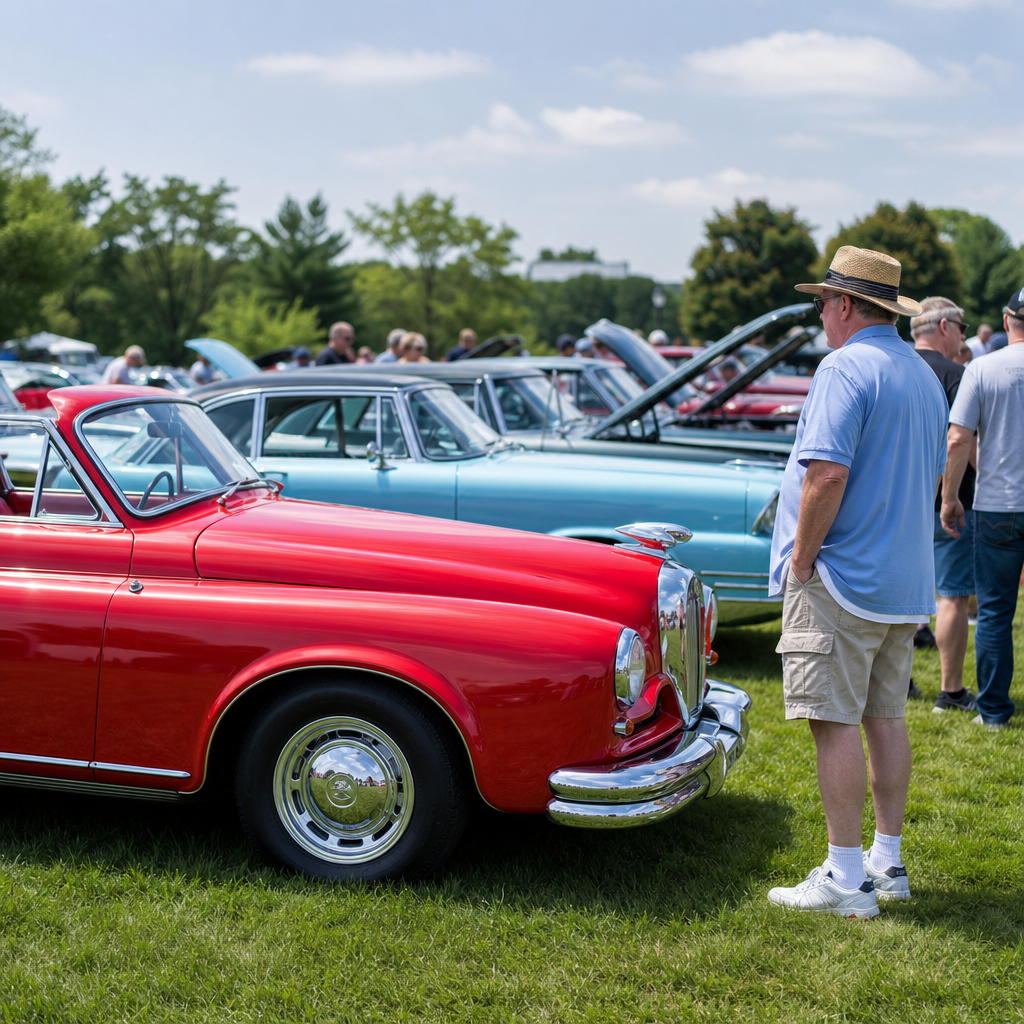
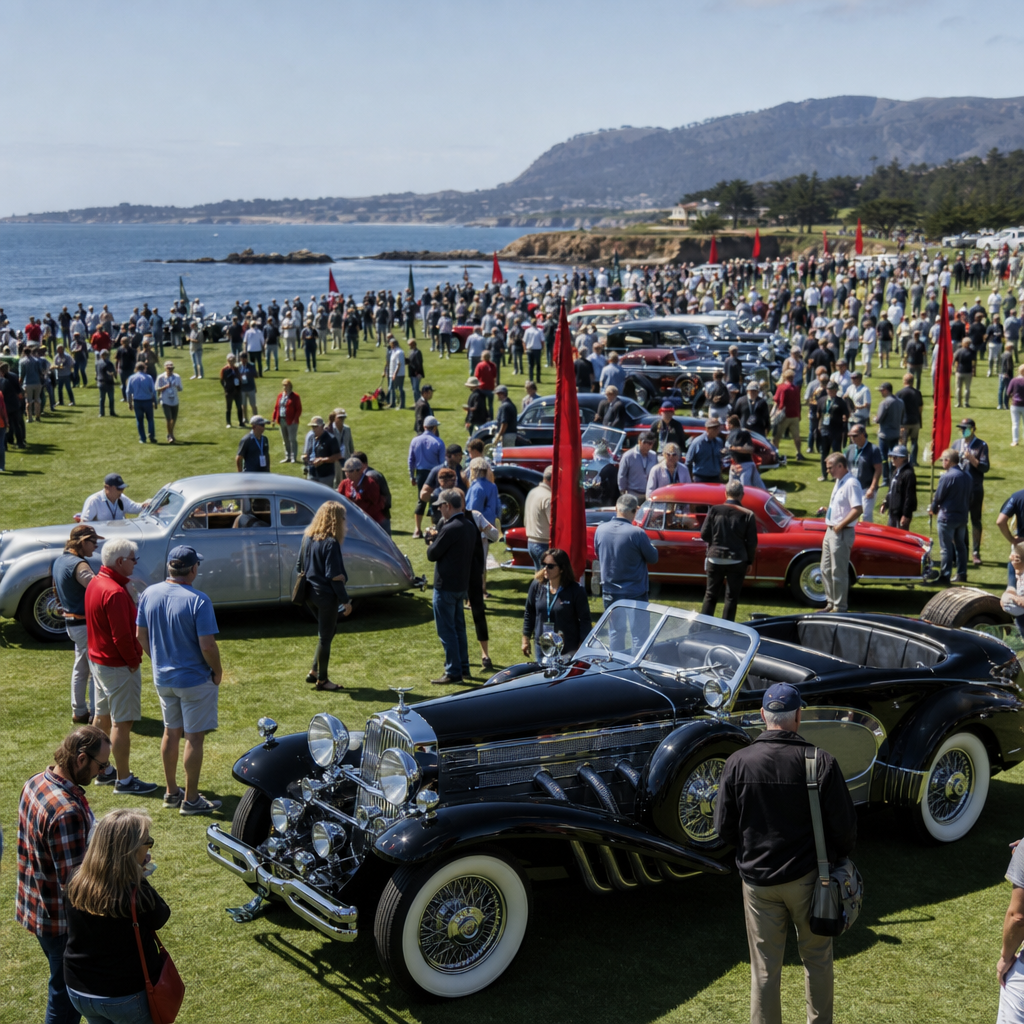
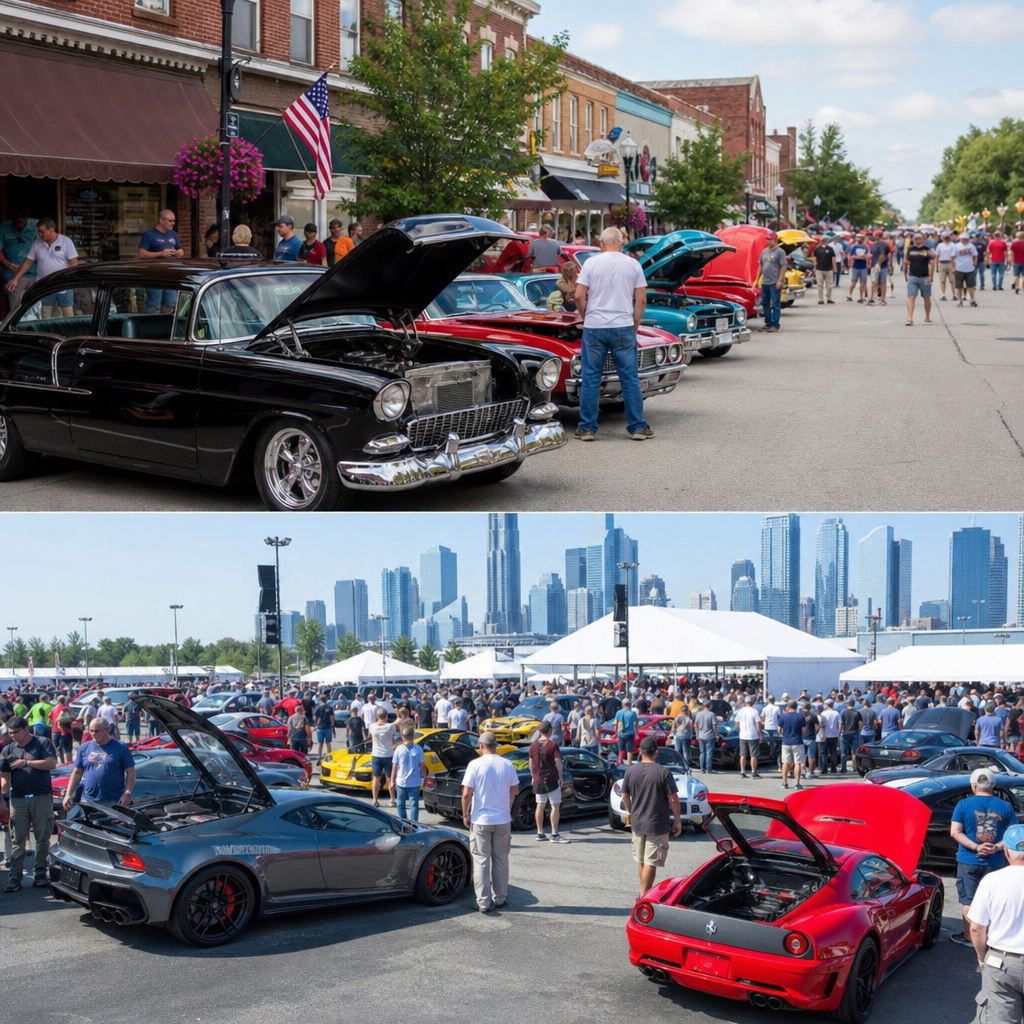
Classic car ownership is rarely solitary for long. Owners join local clubs, regional meets, online forums, and national organizations because stories gain meaning when they are shared. The emotional side of ownership grows stronger through community validation. When a stranger at a Cars and Coffee event recognizes your Studebaker Lark because their aunt drove one, your personal memory becomes part of a wider social memory. That is one reason the hobby remains resilient even as demographics shift.
Identity plays a major role. People do not just own old cars; they often become “a Corvette person,” “an air-cooled Porsche person,” or “a British roadster person.” These identities signal taste, mechanical philosophy, and social affiliation. A vintage Land Rover owner may value rugged utility and expedition history. A Cadillac collector may gravitate toward design, comfort, and American prestige. Those identities are reinforced by rituals: club newsletters, swap meets, restoration diaries, tool preferences, and annual drives on familiar roads.
Digital platforms have widened this culture. Forums, YouTube restoration channels, Bring a Trailer comment threads, and marque-specific Facebook groups allow collector stories to circulate far beyond local garages. That has practical benefits. Owners can locate unobtainable parts, decode serial numbers, and verify period-correct details. It also has emotional benefits. Someone inheriting a 1949 Packard can find advice from people who understand the burden and privilege of being the next caretaker. In that sense, community reduces isolation and helps owners translate private attachment into informed action.
Value Beyond Price: Sentiment, Provenance, and Market Reality
Collectors often say a classic car is priceless, but that is only partly true. Every vehicle has some market value, and insurers, appraisers, heirs, and buyers eventually need a number. The emotional complexity comes from the fact that sentimental value and market value rarely align. A six-cylinder sedan with modest demand may mean everything to one family, while a high-dollar homologation special may leave another owner emotionally cold. Understanding that gap is essential for rational decision-making.
Provenance can bridge emotion and value when the story is documented. Original window stickers, registrations, photographs, dealer invoices, and maintenance logs strengthen both credibility and market appeal. A car ordered new by a known figure, kept in one family, or preserved with complete documentation will usually command more interest than an identical car without history. Auction houses such as RM Sotheby’s, Gooding Christie’s, and Mecum routinely demonstrate that narrative matters. Buyers do not just bid on specifications; they bid on confidence, continuity, and significance.
Still, emotional stories can distort judgment. Owners sometimes overspend on restorations because the car symbolizes unfinished business or family loyalty. Others refuse realistic insurance valuations because they cannot separate memory from replacement cost. Agreed-value policies from specialty insurers like Hagerty are useful precisely because they force a disciplined conversation before a loss occurs. The healthiest approach is to respect emotional worth while also documenting condition, tracking expenses, and planning for succession. Love for the car should not prevent sound stewardship.
Grief, Legacy, and Letting Go
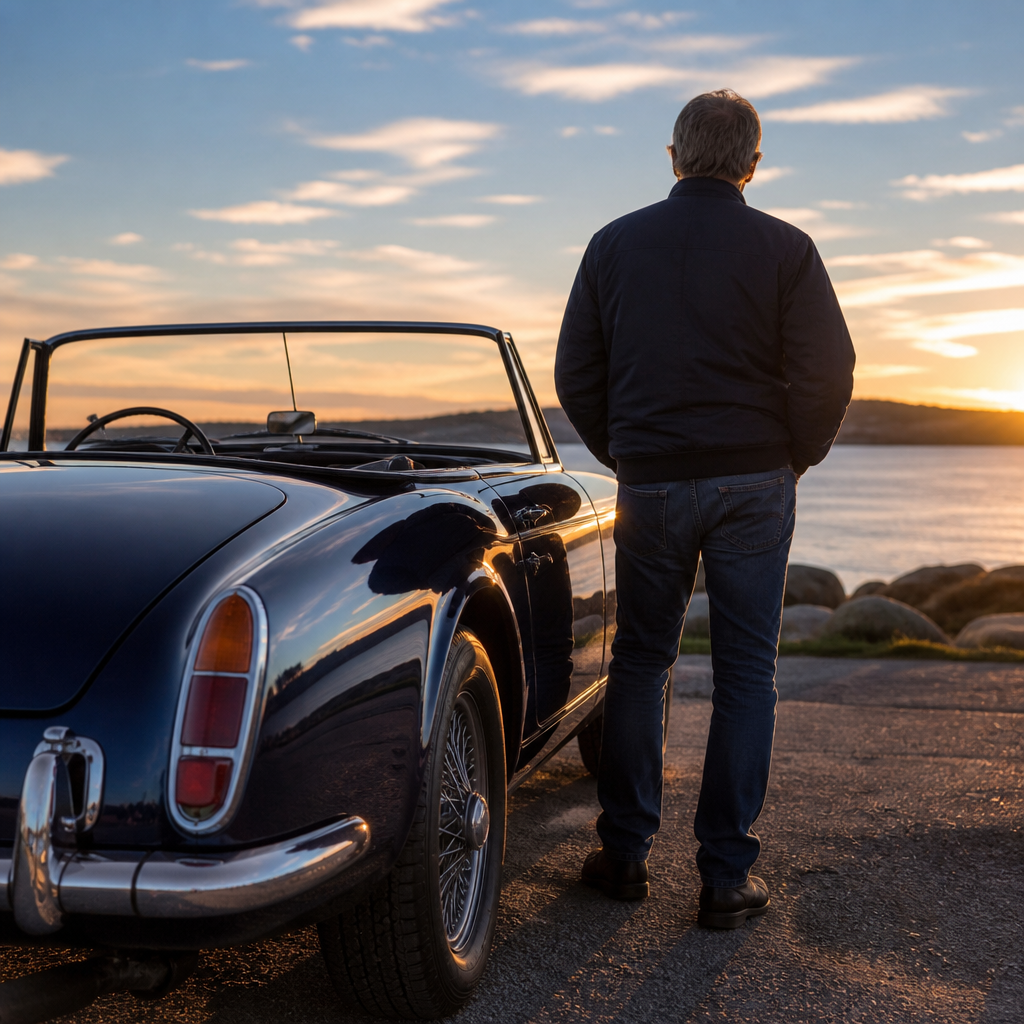
Some of the most powerful collector stories are about grief. A car can become a vessel for mourning after the death of a spouse, parent, sibling, or friend. Driving it may feel comforting, but it can also reopen loss. Owners in this situation often oscillate between intense preservation and total avoidance. I have seen garages left untouched for years because every tool mark felt personal. I have also seen families restore a car together as a structured way to process absence. Both reactions are understandable.
Legacy planning matters because classic cars are not simple assets. They require knowledge, storage, maintenance, legal paperwork, and emotional readiness. If an owner wants the car to stay in the family, that intention should be supported by titles, appraisals, parts inventories, passwords for digital records, and a clear explanation of what makes the vehicle significant. Without that guidance, heirs may face confusion, conflict, or predatory offers. The kindest thing an owner can do is pair the story with the documentation needed to continue it responsibly.
Letting go can be emotional even without bereavement. Some owners sell because health changes, storage becomes impractical, or the market is favorable. Others discover that the dream was really the chase, not the long-term ownership experience. Selling does not invalidate attachment. In many cases, placing a car with the right next caretaker is itself an act of respect. The best collector stories do not always end with permanent possession. Sometimes they end with a careful handoff that keeps the narrative alive.
The emotional side of classic car ownership explains why collector stories sit at the center of classic car culture and lifestyle. These vehicles serve as memory triggers, family heirlooms, identity markers, restoration projects, and community passports. Their meaning is shaped not only by make, model, rarity, and condition, but by who drove them, who repaired them, what life stage they represent, and what memories they preserve. That is why a humble survivor can matter more than an exotic showpiece, and why documentation, authenticity, and personal history often carry equal weight.
For anyone exploring collector stories, the key takeaway is simple: understand the human narrative before judging the car. Ask why it was kept, what it commemorates, how original details matter, and what the owner hopes the next chapter will be. Those questions reveal the real value of ownership and lead to smarter choices about restoration, insurance, preservation, and estate planning. They also help newcomers appreciate that the hobby is built as much on emotion as engineering.
If you own a classic car, record its story now. Save the photos, label the parts, write down the memories, and talk with family about what the vehicle means. If you are entering the hobby, seek out these stories and let them guide your next read, your next event, and perhaps your next purchase.
Frequently Asked Questions
Why do people become so emotionally attached to classic cars?
People form strong emotional bonds with classic cars because these vehicles often represent much more than design, performance, or market value. A classic car can serve as a living connection to a specific time in someone’s life, such as childhood memories of riding with a parent, the excitement of early adulthood, or admiration for an era that shaped their identity. Unlike modern vehicles, which are often designed to be seamless and disposable in feel, classic cars demand attention, participation, and care. Owners hear the engine’s personality, feel the quirks in steering and shifting, and learn the machine’s habits over time. That hands-on relationship can make the car feel less like an object and more like a companion with a history of its own.
There is also a powerful storytelling element involved. A 1967 Mustang fastback, a Jaguar E-Type, or a split-window Corvette may remind someone of a dream they carried for decades, a loved one who once owned a similar model, or a chapter of life they never want to forget. In many cases, the emotional attachment is built through restoration, maintenance, and shared experiences on the road. Every repair, road trip, and conversation at a car show adds meaning. That is why owners often speak about their vehicles in deeply personal terms. The emotional side of classic car ownership comes from memory, identity, effort, and the sense that the car preserves something valuable that cannot be measured by horsepower or auction results alone.
How do classic cars help preserve family history and personal memories?
Classic cars often become physical archives of family history. When a vehicle has been passed down through generations, it can hold layers of memory that no photograph or heirloom can fully capture. A grandfather’s pickup, a father’s first muscle car, or a mother’s cherished convertible may carry stories about where a family lived, how they spent weekends, what milestones they celebrated, and what values they held. The smell of the interior, the sound of the engine, and even the wear on the seats can trigger vivid memories that make the past feel present again. For many owners, preserving the car means preserving the people and experiences connected to it.
Even when a classic car is not a direct family inheritance, it can still serve as a bridge to personal memory. Someone may buy the same model their parents once drove, or the car they admired as a teenager, as a way of reconnecting with a formative period of life. That emotional pull is especially strong because classic cars are sensory objects. They do not just remind owners of the past intellectually; they recreate it physically through sound, movement, and atmosphere. In that way, classic car ownership becomes an act of remembrance. Maintaining the vehicle is not simply mechanical upkeep. It is a way of honoring family traditions, reliving meaningful experiences, and ensuring that stories continue to be told in a form that future generations can actually see, touch, and understand.
Why do owners say a classic car feels almost alive?
Owners often describe classic cars as feeling almost alive because these vehicles communicate in ways modern cars rarely do. A classic car has distinct sounds, vibrations, smells, and behaviors that require interpretation. It may start differently on a cold morning, idle with a unique rhythm, or respond to the road with a kind of raw mechanical honesty. Over time, owners become attuned to these details. They learn what a certain rattle means, when the engine is happiest, and how the car likes to be driven. That familiarity creates a relationship built on observation and response, which can make the car seem to have moods, preferences, and personality.
This feeling is also rooted in the amount of involvement classic ownership requires. Modern vehicles often isolate drivers from the machine, but classic cars ask owners to participate. They may need tuning, careful warm-ups, periodic repairs, and a greater degree of patience. That effort creates intimacy. When someone spends years restoring a car, sourcing hard-to-find parts, and keeping it on the road through skill and commitment, the bond becomes deeply personal. The car comes to represent resilience, continuity, and shared history. Saying a classic car feels alive is not mere nostalgia or exaggeration. It reflects the way these machines engage the senses, reward attention, and become woven into the owner’s emotional life through repeated care and experience.
How does the classic car community contribute to the emotional experience of ownership?
The classic car community plays a major role in deepening the emotional experience of ownership because it gives people a place where their attachment is understood and valued. Enthusiasts often find that friends, neighbors, or coworkers may appreciate a classic car on the surface, but fellow owners understand what it means to spend years searching for the right model, tracking down original parts, or preserving a vehicle tied to family memory. That shared understanding creates a strong sense of belonging. Car shows, club events, online forums, and informal meetups become spaces where owners exchange stories, advice, encouragement, and validation. In many cases, the community becomes just as meaningful as the car itself.
This social dimension matters because classic car ownership can be highly emotional and deeply personal. Owners are not simply discussing paint codes or engine specs; they are often sharing pieces of their life story. One person may be restoring a car in memory of a parent, while another may be reliving the dream they had as a teenager. The community provides a framework for these stories to be heard, appreciated, and passed on. It also creates intergenerational connections, with older enthusiasts sharing knowledge and younger owners bringing renewed energy and interest. That sense of continuity reinforces the idea that classic cars are cultural and emotional artifacts, not just collectible machines. In practical terms, community support helps owners keep cars running. In emotional terms, it reminds them that they are part of something larger than themselves.
Is the emotional value of a classic car more important than its financial value?
For many owners, the emotional value of a classic car far outweighs its financial value, even when the vehicle is rare or highly sought after. Market prices can rise and fall, and auction results may attract attention, but those figures often fail to capture why a person truly keeps a car. If the vehicle represents a parent’s legacy, a lifelong ambition, a marriage, a recovery after hardship, or a cherished period of youth, its real worth becomes intensely personal. In those cases, the car is not just an asset. It is a vessel for memory, identity, and meaning. Owners may turn down profitable offers because selling would feel like giving up a part of their own story.
That said, financial value and emotional value are not always in conflict. Sometimes a car’s rarity, originality, or historical significance adds to the owner’s sense of responsibility and pride. But in the emotional world of classic ownership, price is rarely the whole story. A modest family sedan with little collector prestige may mean more to someone than a six-figure show car because of what it represents. This is one of the defining truths of the hobby: ownership is often driven less by investment logic than by attachment, remembrance, and personal fulfillment. The emotional side of classic car ownership explains why people devote time, money, and energy to preserving vehicles that matter to them on a level no appraisal can fully define.