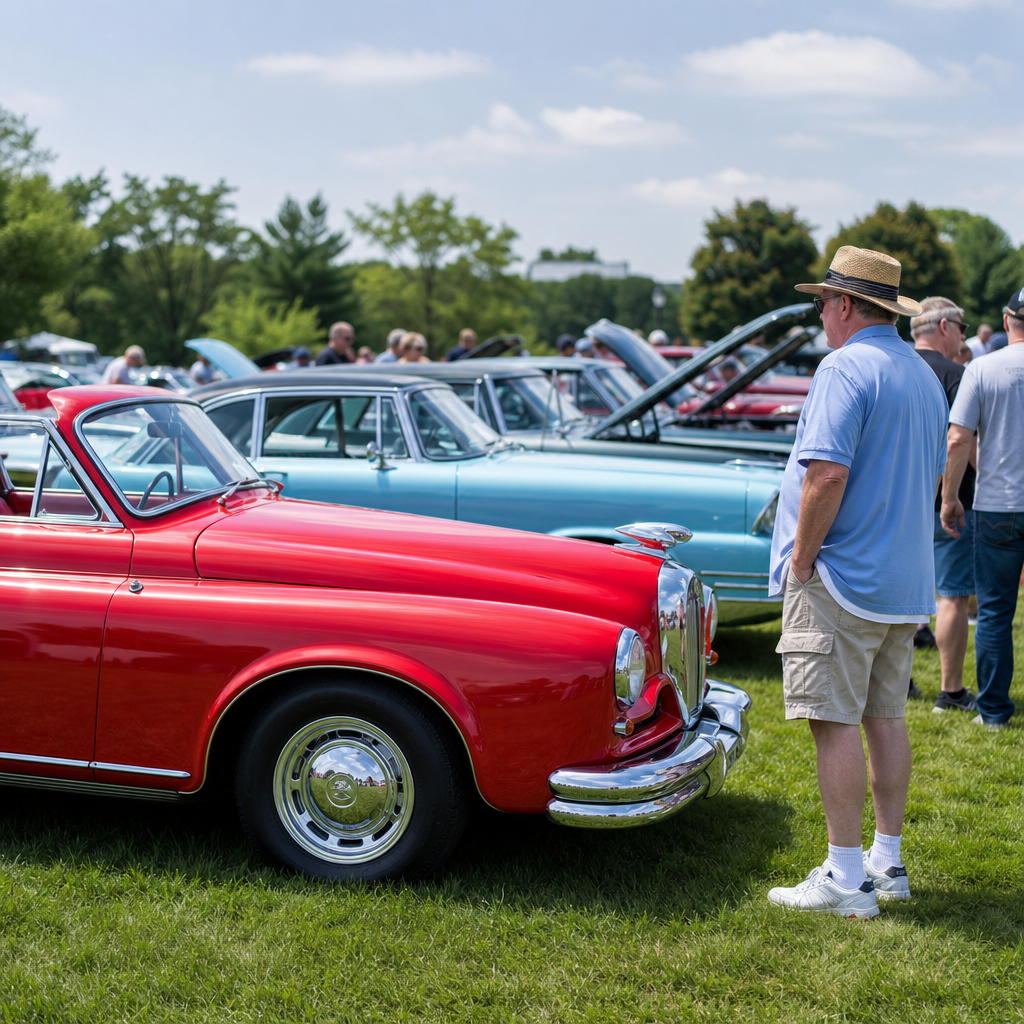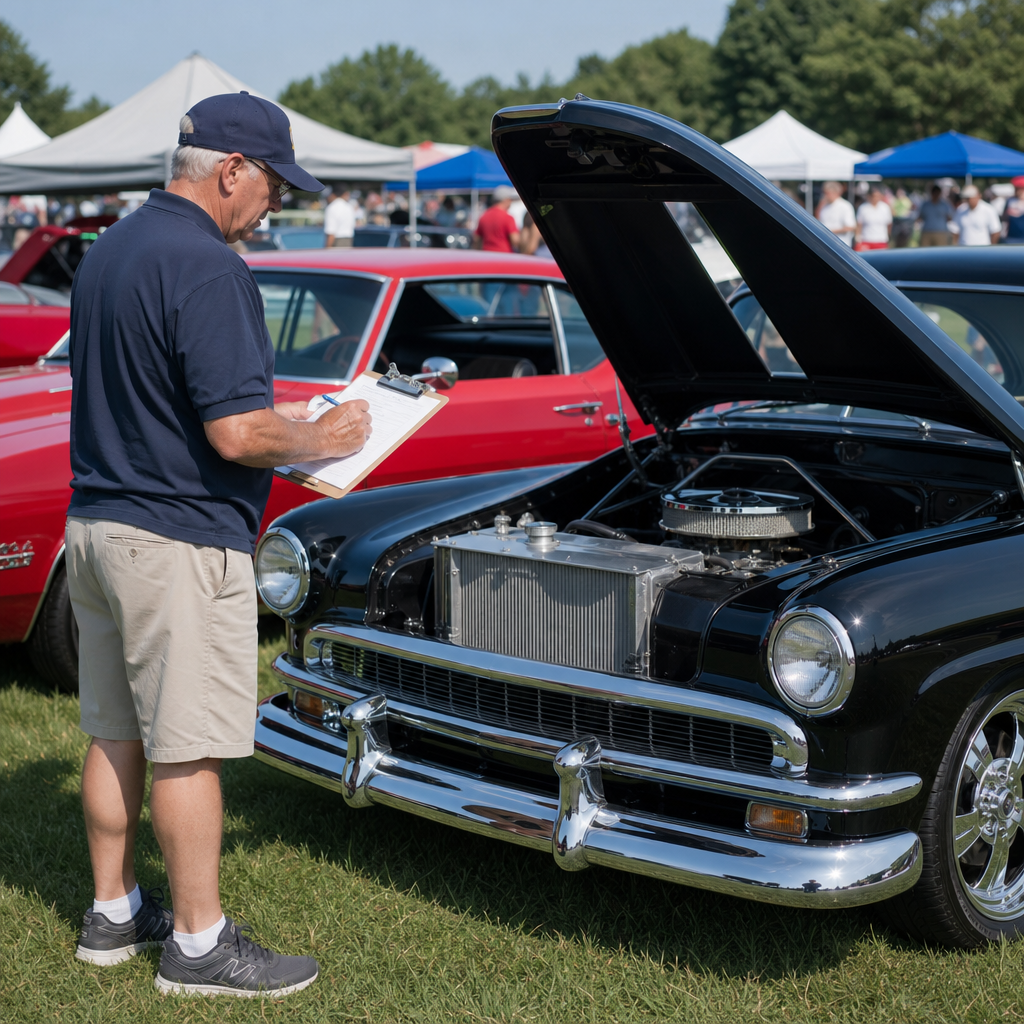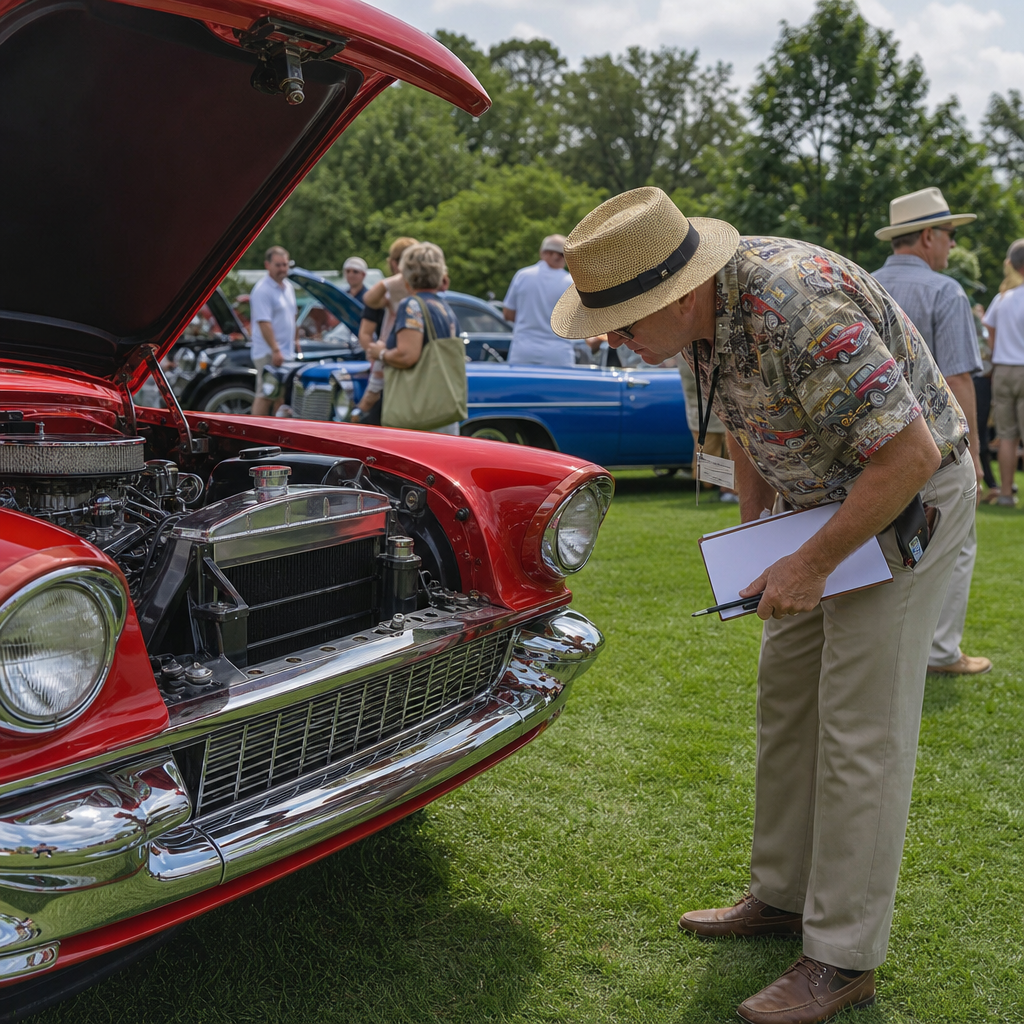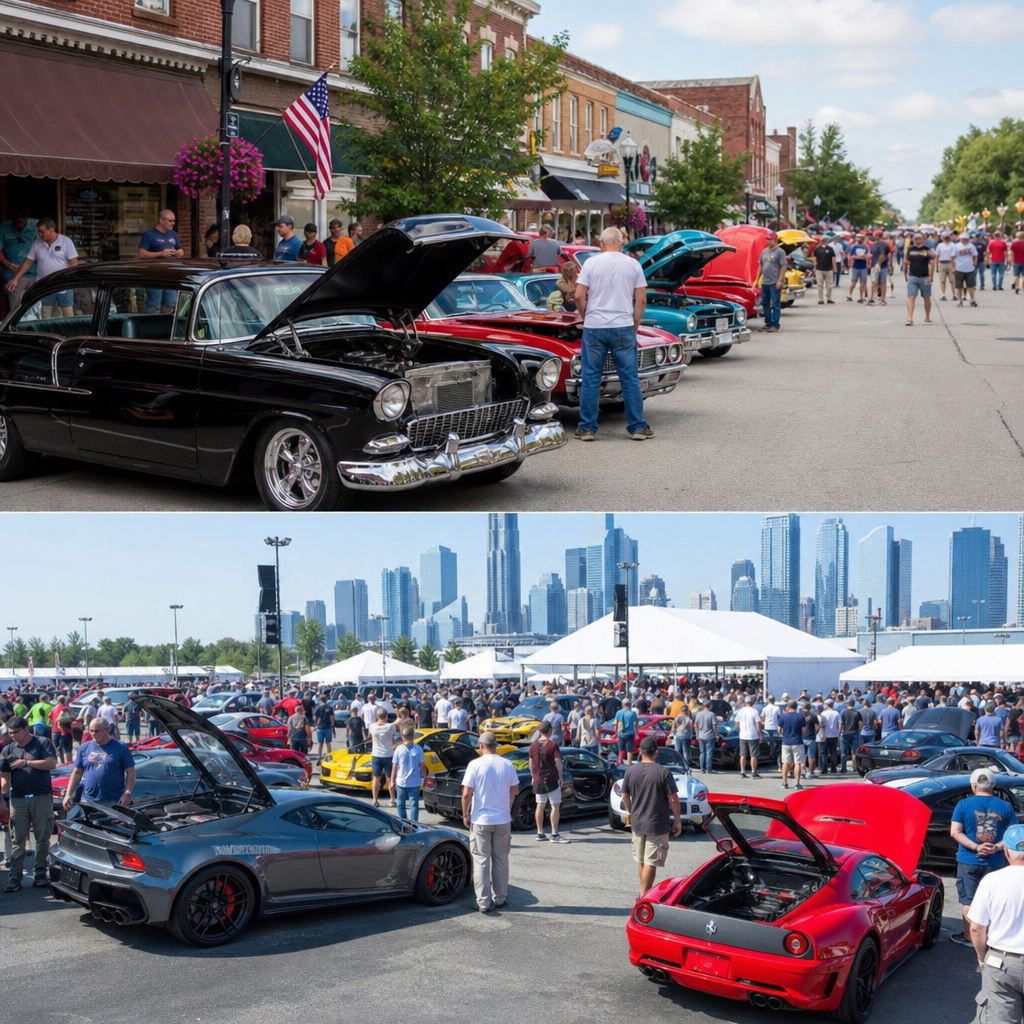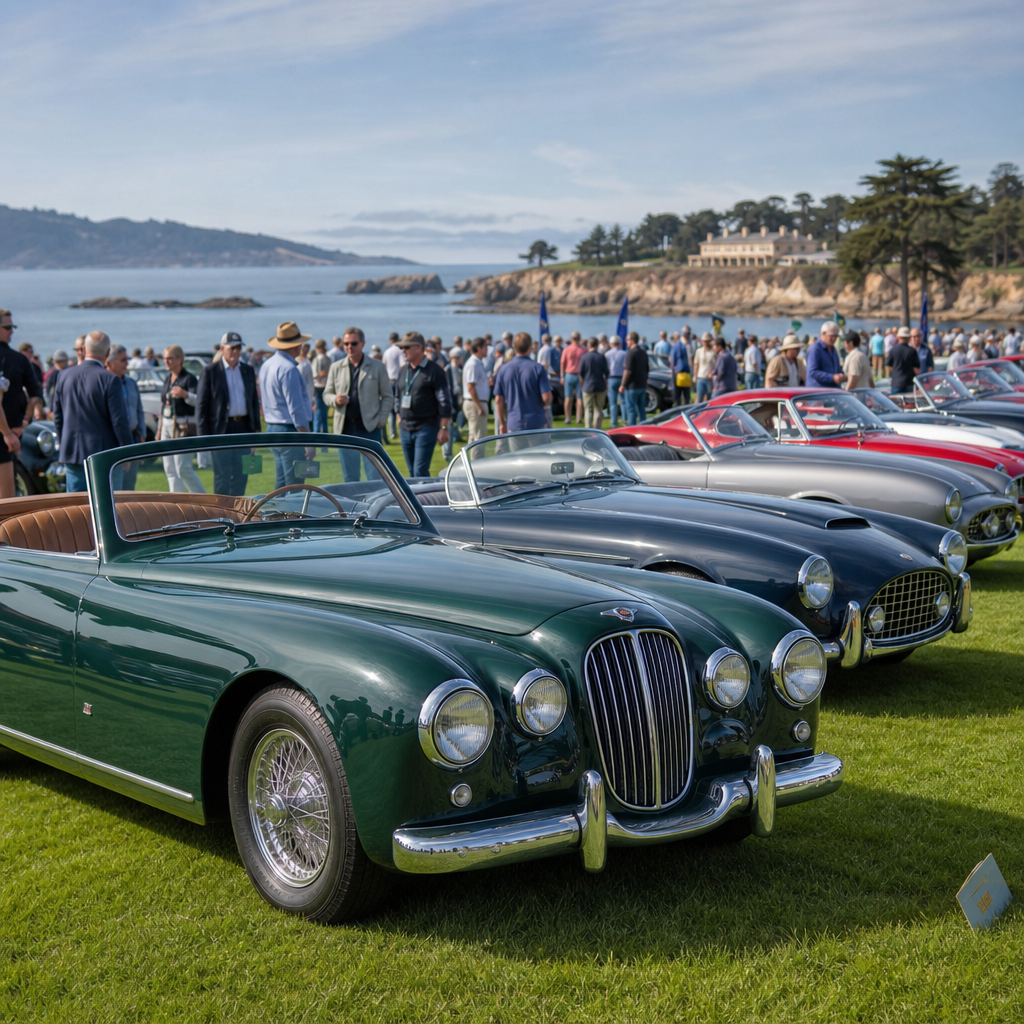
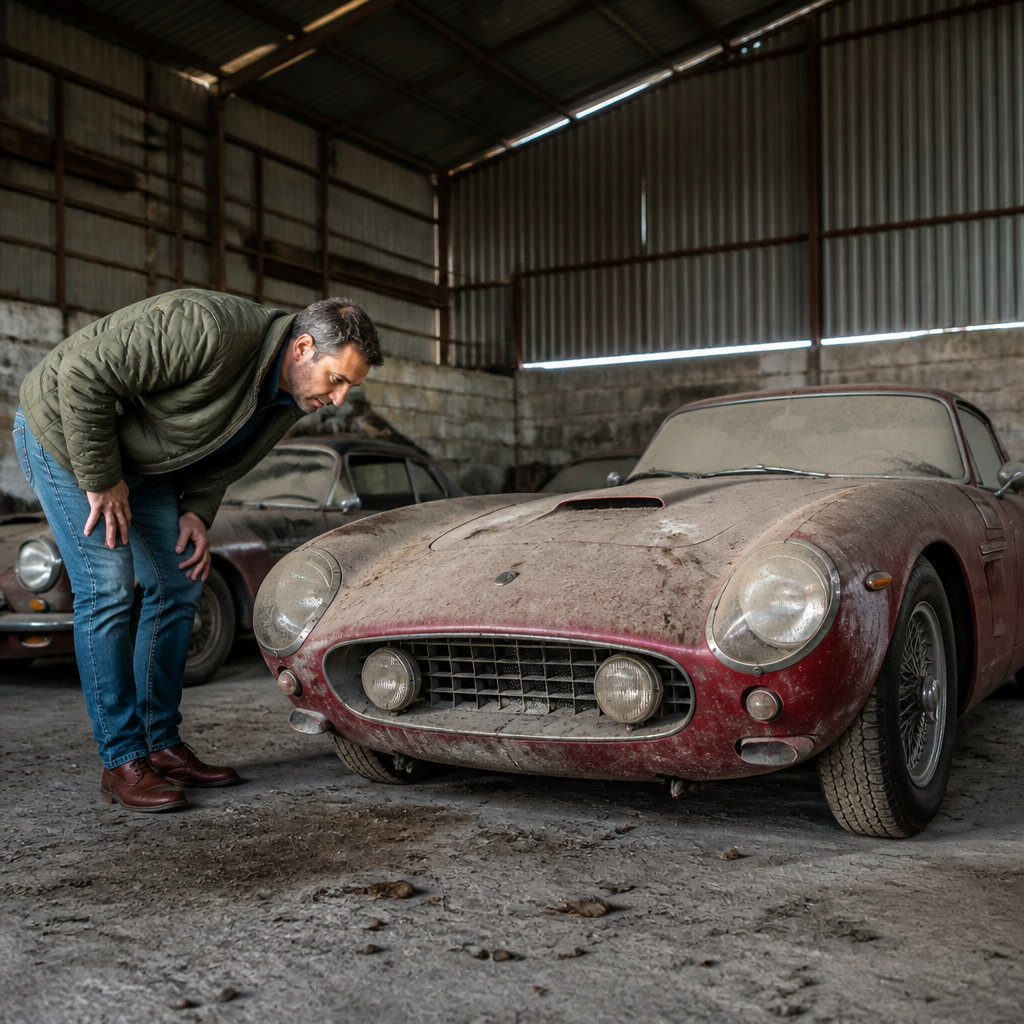
Rare car collecting looks glamorous from the outside, but the real work happens long before a winning bid, a magazine feature, or a concours lawn appearance. Collectors find rare cars through a disciplined mix of research, relationships, verification, timing, and persistence. In the world of classic car culture and lifestyle, “rare” does not simply mean old or expensive. A rare car may be a low-production homologation model, a coachbuilt one-off, an unusually original survivor, a race car with documented history, or a humble model ordered in an uncommon specification. “Collector stories” are the human side of that search: how people learn a niche, miss opportunities, follow leads for years, and eventually uncover cars that matter.
This topic matters because the market rewards knowledge more than luck. Two cars can look nearly identical online yet differ radically in value because of matching-numbers drivetrains, ownership provenance, competition history, factory options, restoration quality, or even an obscure color code. I have watched collectors overpay for shiny but compromised examples and seen patient buyers secure exceptional cars by asking better questions and building stronger networks. As a hub for collector stories, this article explains where rare cars surface, how serious collectors evaluate them, and why the search itself often becomes the most meaningful part of ownership. Whether someone wants an air-cooled Porsche, a Hemi Mopar, a Group B homologation special, or a preserved Japanese sports coupe, the process follows recognizable patterns.
What Makes a Car Rare to Collectors
Collectors define rarity with more precision than casual enthusiasts. Production volume is the starting point, not the finish line. A 1963 split-window Corvette is desirable because of a one-year body style, but rarity becomes more significant when paired with the right engine, transmission, documentation, and condition. A Mercedes-Benz 300SL Gullwing is rare in raw numbers, yet a factory alloy-bodied car sits in a different category because only a small handful were built. Likewise, a Porsche 911 Carrera RS 2.7 Touring differs meaningfully from a Lightweight, even though both are celebrated.
Stories often begin when a collector narrows a target from broad interest to exact specification. Instead of saying, “I want an early Mustang,” experienced buyers say, “I am looking for a K-code fastback with original fender stampings and a known ownership chain.” That specificity shapes where they search and what they ignore. It also protects them from buying a car that is merely scarce rather than truly important. Rare cars are usually defined by a combination of factors: limited production, historical significance, originality, period competition use, unusual options, or a place within a model’s evolution. The best collector stories are rooted in that distinction.
Where Rare Cars Actually Surface
Public auctions get attention, but many meaningful cars trade quietly. Major auction houses such as RM Sotheby’s, Gooding Christie’s, Bonhams, Mecum, and Broad Arrow create transparent venues where exceptional cars can be discovered, but the best cars are often known within specialist circles before the catalog goes live. Dealers focused on single marques, such as Aston Martin, Ferrari, or Porsche specialists, maintain private client lists and hear about estates, dormant collections, and long-stored cars months in advance. Enthusiast forums, club newsletters, registry websites, and marque historians remain surprisingly effective because owners of significant cars frequently prefer informed buyers over maximum publicity.
I have seen overlooked cars emerge from estate sales, closed repair shops, barns, climate-controlled storage units, and family garages where a vehicle had not moved in decades. One common pattern is the “known but unavailable” car: a collector hears about a specific chassis through a registry, learns that the owner is not selling, keeps respectful contact, and receives a call years later when circumstances change. Another pattern involves international sourcing. Japanese domestic market performance cars, for example, often enter American collections through exporters who know local auctions, dealer networks, and inspection agents. European homologation specials may surface through country-specific classifieds or club connections long before they appear on global listing sites.
How Networks Drive the Best Finds
The strongest advantage a collector can build is not cash but credibility. Rare cars move toward buyers who are known to act decisively, respect history, and complete transactions cleanly. Mechanics, restorers, appraisers, transport brokers, registry keepers, auction specialists, and marque club officers all become part of an information network. When an owner starts considering a sale, these people often hear about it first. Collectors who waste time, make unserious offers, or chase gossip quickly stop receiving calls.
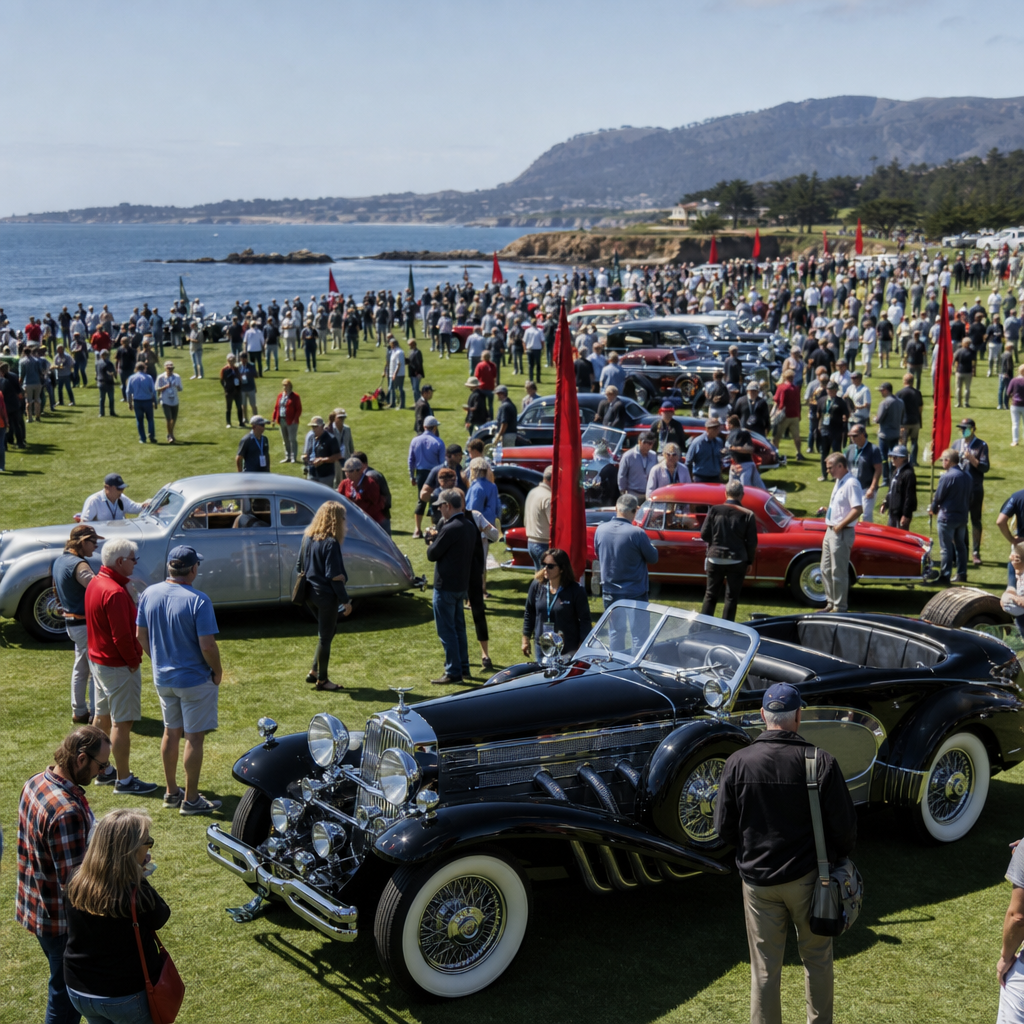
Collector stories repeatedly prove that community involvement pays. Joining the Porsche Club of America, the Antique Automobile Club of America, Ferrari Club of America, the Rolls-Royce Owners’ Club, or model-specific groups creates access to conversations that never reach public marketplaces. Attendance matters too. Pebble Beach Car Week, the Amelia, Retromobile, Techno-Classica Essen, and marque reunions are not just social events; they are intelligence hubs. At these gatherings, collectors compare chassis notes, discuss recent sales, and quietly mention cars that may be available. A buyer searching for a rare BMW M1 or Shelby Cobra is far more likely to advance by speaking with specialists in person than by refreshing listing aggregators all day.
| Source | What Collectors Gain | Main Risk | Best Use Case |
|---|---|---|---|
| Auction houses | Wide exposure, documented cataloging, market pricing | Competitive bidding can inflate prices | Buying benchmark-quality cars with clear paper trails |
| Specialist dealers | Curated inventory, expertise, pre-sale inspection access | Higher retail premiums | Finding rare models with reduced search time |
| Clubs and registries | Insider leads, history verification, owner introductions | Information may circulate slowly | Tracking known cars over the long term |
| Private referrals | Off-market opportunities, less public competition | Uneven documentation and pricing expectations | Securing cars before they reach the open market |
| International brokers | Access to regional inventory and export support | Variable inspection quality and compliance issues | Sourcing market-specific or hard-to-find import models |
How Collectors Verify Authenticity and Provenance
Finding a rare car is only half the task; proving what it is matters just as much. Authenticity starts with identity markers: vehicle identification numbers, chassis stampings, body tags, engine and transmission numbers, casting dates, and factory option codes. Different brands require different forms of evidence. Porsche collectors may order a Certificate of Authenticity or rely on build records and Kardex-era research for earlier cars. Ferrari buyers often consult Marcel Massini reports. American muscle collectors study broadcast sheets, fender tags, Protect-O-Plate records, and marque registries. British car enthusiasts may consult heritage certificates from the British Motor Industry Heritage Trust.
Provenance is broader than identity. It includes service records, ownership history, period photographs, race entries, restoration invoices, dealer paperwork, and correspondence that ties the car to people and events. In my experience, provenance gaps do not always kill a deal, but they always change value and negotiating posture. A documented race-prepared Alfa Romeo with verifiable period entries commands stronger interest than a similar car supported only by oral history. Serious collectors hire independent inspectors, paint-meter technicians, and marque experts because reproduction stampings, rebody claims, replacement engines, and fabricated stories are real risks. The more expensive the car, the more essential third-party verification becomes.
How Patience, Timing, and Strategy Shape the Search
Most successful searches are measured in months or years, not weekends. Collectors usually maintain a target list, monitor comparables, study restoration costs, and wait for a car that clears a minimum threshold for originality and documentation. Patience prevents costly compromise. I have watched buyers chase a deadline, buy the wrong example, then spend far more correcting issues than they would have spent on a better car at the start. Timing also matters at the macro level. Interest rates, currency shifts, import law changes, and demographic trends affect supply and demand. When the United States 25-year import rule opens eligibility for a new wave of Japanese or European performance cars, collectors move quickly because the market reprices almost immediately.
Strategy differs by segment. For prewar Full Classics, relationships with estates, museums, and long-established clubs may matter most. For analog supercars from the 1980s and 1990s, service history and originality often drive the decision. For muscle cars, factory paperwork and drivetrain authenticity can outweigh cosmetic perfection. Smart collectors define non-negotiables before shopping. They also know when to walk away. If the seller resists a pre-purchase inspection, cannot explain altered stampings, or presents inconsistent history, the right move is usually to leave. The stories collectors remember proudly are rarely the hasty purchases; they are the disciplined saves from expensive mistakes.
Collector Stories That Reveal the Real Process
Across classic car culture, the most instructive stories are specific. One collector spent six years pursuing a Lancia Delta Integrale Evoluzione in a rare factory color, rejecting imported cars with corrosion and poor underbody repairs until a club member introduced him to a single-family-owned example in northern Italy. Another buyer searching for a 1973 Carrera RS followed a registry note, wrote letters instead of cold offers, and eventually bought the car from the original owner’s estate with decades of maintenance records intact. A muscle-car collector I know found a genuine LS6 Chevelle only after comparing partial VINs, trim tags, and owner memories against assembly plant data and old insurance cards.
These stories highlight a larger truth: rare-car collecting rewards depth of knowledge and emotional control. The best collectors ask narrow questions, document everything, and maintain a long memory. They know which restorer understands Borrani wire wheels, which transport company handles low-clearance cars safely, which auction specialist can verify consignor background, and which historian has seen a suspect chassis before. This hub article should send readers deeper into model histories, auction strategy, restoration economics, provenance research, and owner interviews, because every successful find sits at the intersection of those subjects. If you want to find a rare car, start by choosing a niche, joining its community, learning its records, and following leads with patience. That is how collector stories begin, and that is how the best ones end well.
Frequently Asked Questions
What actually makes a car “rare” to serious collectors?
In serious collector circles, rarity is much more specific than age, price, or general desirability. A car can be old and still not be rare, and it can be expensive without being especially significant. Collectors usually define rarity through a combination of production numbers, historical importance, originality, documentation, and market visibility. A low-production homologation special, a coachbuilt example from a noted design house, a one-year-only specification, or a car with a direct competition history can all qualify as genuinely rare. In some cases, rarity comes from survival rather than initial build count, especially if very few examples remain intact, unmodified, and well documented.
Condition and provenance also matter. An unusually original survivor with matching numbers, factory records, known ownership history, and period-correct components may be far rarer in practical terms than a restored example of the same model. Likewise, a race car with a documented chassis identity and period results may stand apart from superficially similar cars that lack traceable history. Serious collectors look at the full picture: how many were built, how many still exist, how many are known to the market, and how confidently a specific car’s story can be verified. That is why rare car collecting begins with understanding significance, not just shopping for something obscure.
How do collectors usually find rare cars before they hit the open market?
Most truly important cars are found through networks long before they appear in public listings. Established collectors spend years building relationships with marque specialists, restorers, auction experts, historians, dealers, brokers, and other owners. These relationships matter because many rare cars change hands privately and quietly. Owners of significant vehicles often prefer discretion, and they are more likely to respond to a trusted introduction than to a cold inquiry. That means the collector who consistently shows expertise, seriousness, and respect for the car’s history often hears about opportunities first.
Research supports those relationships. Collectors follow registries, club rosters, period race records, concours results, estate sales, museum deaccessions, specialist newsletters, and auction archives to track where notable cars may be located. They may identify a specific chassis, model range, or original owner chain and then patiently work through leads over months or years. In many cases, finding the car is less about a dramatic discovery and more about disciplined long-term tracking. A collector may know a car exists, know roughly who owns it, and wait for the right moment when circumstances change. That timing, combined with credibility and persistence, is often what brings a rare car into reach before the wider market ever sees it.
Why is verification so important when buying a rare car?
Verification is essential because the rarer and more valuable the car, the greater the consequences of getting the details wrong. A rare car’s value is tied not just to appearance, but to identity. Collectors need to confirm chassis numbers, engine and gearbox stampings, body tags, factory build records, ownership history, restoration evidence, and any competition or celebrity associations claimed for the vehicle. Even small discrepancies can materially affect authenticity, market value, and long-term collectibility. In the high-end market, originality and documented provenance are not side issues; they are often the main event.
Verification also protects buyers from tribute cars, re-bodied examples, overstated histories, and incomplete restorations presented as fully correct. The best collectors use specialists who know the marque in depth and can inspect castings, welds, stampings, trim details, and period-specific components that a casual buyer might miss. They compare the car against factory records, period photos, registry data, and known chassis histories. This process can feel painstaking, but it is what separates informed acquisition from expensive guesswork. A beautiful car can still be the wrong car, and in rare car collecting, buying the wrong identity can be far costlier than walking away from a tempting deal.
Do auctions play a big role in how collectors find rare cars?
Auctions are important, but they are only one part of the rare car ecosystem. Public sales can bring exceptional cars into view, especially when estates are settled, major collections are restructured, or a notable owner decides to sell. Auctions also create valuable transparency because they reveal market appetite, cataloged provenance, specialist commentary, and comparable pricing. For collectors who are still refining their knowledge, major auction events can serve as live classrooms where they study condition, originality, presentation, and buyer behavior across a wide range of cars.
That said, the best opportunities are not always found under the auction tent. Public sales attract attention, competition, and emotion, which can push prices beyond rational levels. Experienced collectors treat auctions as both buying venues and intelligence sources. They read catalogs carefully, review previous sale histories, inspect cars in person, and separate polished presentation from true quality. Just as importantly, they use auctions to meet specialists, reconnect with owners, and uncover future private opportunities. In practice, many rare cars that surface at auction have already been discussed privately among knowledgeable buyers. So while auctions can absolutely be part of how collectors find rare cars, the sharpest participants are often doing their real work before bidding ever starts.
What habits help collectors consistently uncover rare cars over time?
The most successful collectors are rarely the luckiest; they are usually the most disciplined. They study specific marques or niches deeply enough to recognize significance quickly and to avoid distractions that look interesting but lack long-term importance. They maintain organized records on cars they have tracked, including chassis details, old listings, prior owners, restoration notes, and registry references. They stay visible in the community by attending shows, races, club events, restoration shops, and specialist gatherings where trusted conversations happen. Over time, this steady involvement builds a reputation, and reputation is often what causes the next lead to come their way.
Patience and persistence are just as important as knowledge. Rare cars do not always become available on a convenient schedule, and the first answer is often no. Serious collectors understand that timing can change because of family transitions, estate planning, market cycles, storage concerns, or a shift in an owner’s priorities. Rather than pushing too hard, they stay respectful, keep in touch, and remain ready to act when the opportunity finally appears. They also know when not to buy. Walking away from a car with unresolved questions is a sign of strength, not hesitation. In the long run, collectors who combine expertise, relationships, verification, timing, and restraint are the ones most likely to find truly rare cars and buy them well.