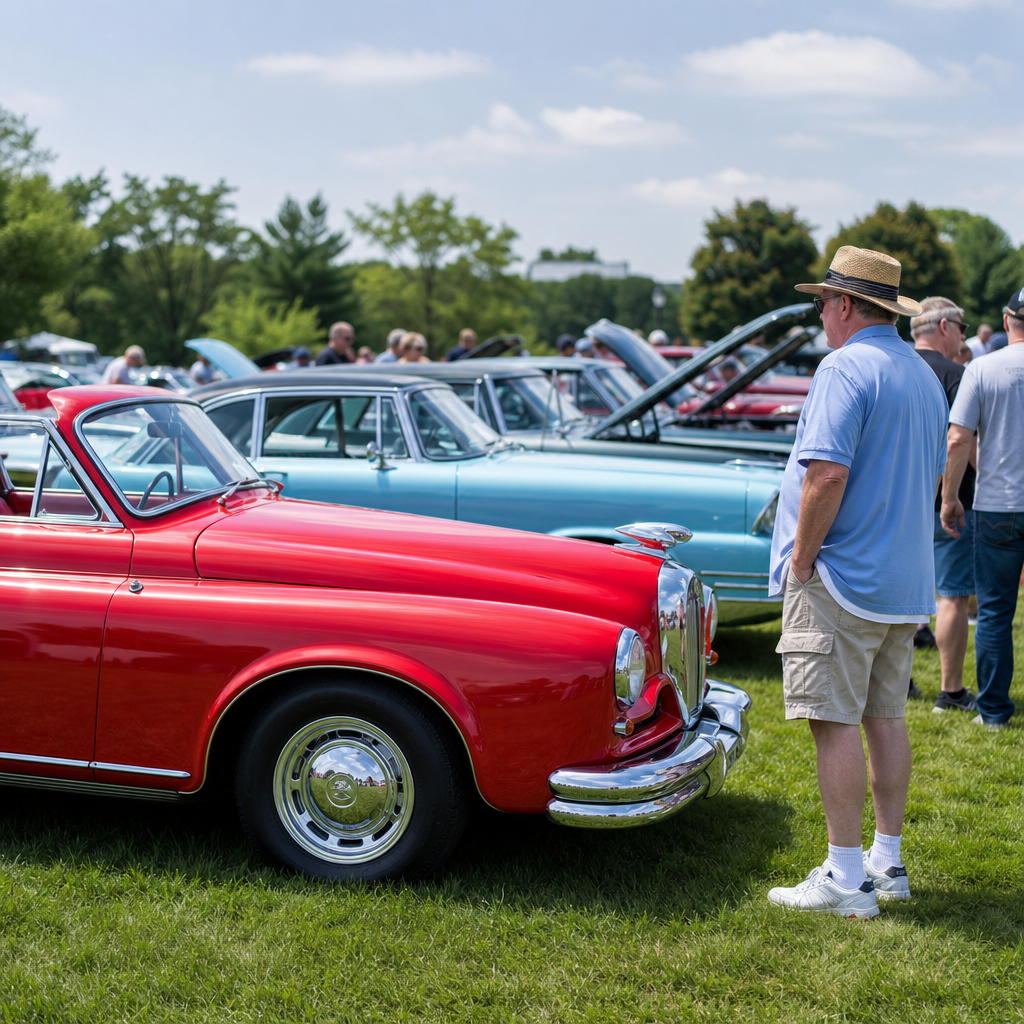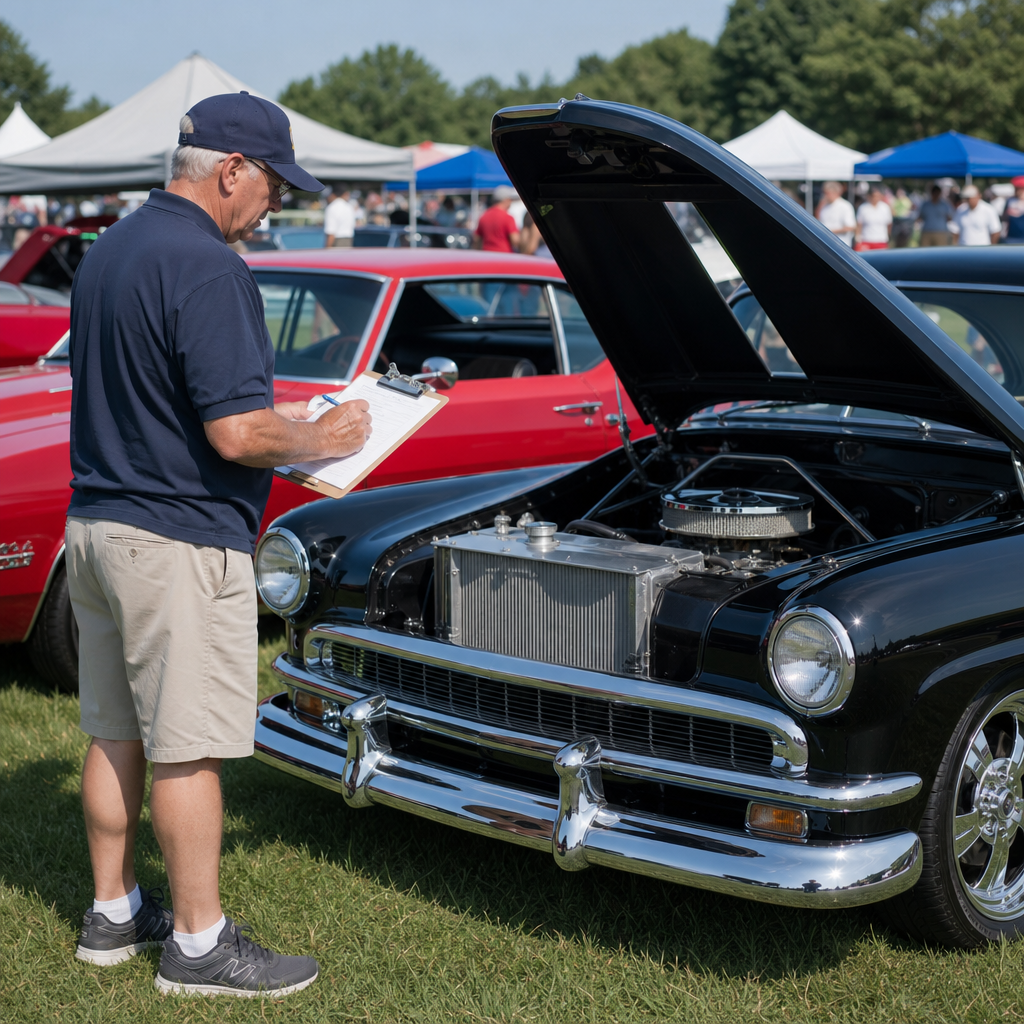

Classic car collections are rarely just rows of polished metal. They are personal archives built from memory, engineering admiration, competition history, and the urge to preserve machines that shaped modern car culture. In the world of collector stories, the cars matter, but the people behind the collections matter just as much. A famous classic car collection usually reflects a collector’s background, taste, budget, and philosophy: one owner pursues prewar elegance, another chases homologation specials, and a third rescues overlooked drivers before the market notices them.
As someone who has spent years around auctions, restoration shops, private garages, and museum archives, I have learned that no serious collection is assembled by accident. Every respected collection has a pattern. Some are built around a marque such as Ferrari, Porsche, or Mercedes-Benz. Others focus on a period, like brass-era motoring, postwar American performance, or 1960s endurance racing. The best-known collections become influential because they do more than store cars. They document provenance, finance restorations correctly, loan vehicles to concours events, and sometimes reshape market values for entire segments.
This makes stories behind famous classic car collections important for anyone interested in classic car culture and lifestyle. They explain why certain models become icons, how rarity and provenance are verified, what restoration quality really looks like, and how collectors balance passion with stewardship. For readers exploring collector stories, this hub article maps the territory: the motives behind collecting, the different styles of major collections, the role of restoration and documentation, and the lessons new enthusiasts can take from established names. Understanding the stories behind famous classic car collections helps you read the market more intelligently and appreciate the human decisions that turn old cars into cultural history.
Why Great Collections Begin With a Point of View
Every memorable collection starts with a clear point of view. That does not always mean a written plan, but it does mean discipline. The strongest collectors I have met can explain in one sentence what belongs in their garage and what does not. That clarity is why the most famous classic car collections feel coherent instead of random. A collection centered on coachbuilt European grand tourers tells a different story than one focused on Trans Am racers, early Land Rovers, or air-cooled Porsches.
Consider the difference between broad and deep collecting. Broad collectors buy across many categories, often aiming for representative examples of major milestones: a Ford Model T, a Duesenberg, a Jaguar E-Type, a Mercedes-Benz 300SL Gullwing, a Ferrari 250-series car, and an early Lamborghini Miura. Deep collectors go further into one niche, such as assembling multiple Shelby variants or tracing the development of Alfa Romeo competition cars across a decade. Both approaches can produce famous collections, but the story changes. Broad collections educate. Deep collections make arguments.
That point of view often comes from biography. A collector who grew up around American dealerships may pursue Hemi Mopars, fuel-injected Corvettes, and COPO Camaros because those cars connect to family history. Someone trained as an engineer may favor technically significant machines such as the Citroen DS, Porsche 959, or Bugatti Type 57 because innovation matters more than chrome or celebrity ownership. In practice, this is why collector stories are useful: they show that value is not only financial. Meaning creates staying power, and staying power is what turns a private garage into a notable classic car collection.
What Famous Collectors Actually Collect
The phrase famous classic car collections can describe several different models of collecting, and each has its own logic. Some collections are museum-grade institutions open to the public. Others are private holdings known through concours appearances, auction catalogs, or occasional media access. The cars may be worth millions, but the structure behind the collection often matters more than the headline number.
Ralph Lauren’s collection is one of the best-known examples of design-driven collecting. It is admired not because it tries to own every famous car, but because it emphasizes sculptural significance and benchmark performance. Cars such as the Bugatti Type 57SC Atlantic, Ferrari 250 GTO, McLaren F1, and Mercedes-Benz SSK form a visual and historical narrative about speed, craftsmanship, and proportion. The collection demonstrates that curation, not accumulation, is what creates authority.
The Mullin collection, developed by the late Peter Mullin, showed another path: cultural specialization. Its focus on French art deco and coachbuilt marques including Delahaye, Talbot-Lago, Bugatti, and Hispano-Suiza gave the collection a scholarly identity. It was not just a set of expensive classics. It was an interpretation of a design movement, supported by archives, exhibitions, and careful restoration standards. That is how a collection becomes a reference point.
American collections often reveal a different emphasis. The collection at the Indianapolis Motor Speedway Museum, for example, has long connected vehicles to competition history, technological development, and the mythology of American racing. A collector or institution working in that space is preserving more than transportation. It is preserving sporting memory. Similarly, collections built around muscle cars or drag racing tell stories about regional identity, dealership culture, and postwar consumer aspiration.
| Collection Style | Main Focus | Typical Example | What Story It Tells |
|---|---|---|---|
| Design-led | Coachwork, aesthetics, landmark models | Bugatti Type 57SC, Ferrari 250 GTO | How form and prestige shaped automotive history |
| Competition-led | Race provenance, technical evolution | Indy cars, Le Mans cars, touring car racers | How motorsport drove innovation and mythology |
| Marque-led | One manufacturer across eras | Porsche, Ferrari, Jaguar collections | How a brand developed its identity over time |
| Era-led | Specific historical period | Prewar luxury, 1950s sports cars | How social and industrial trends shaped vehicles |
| Personal-memory-led | Cars tied to family or youth | Muscle cars, local dealership favorites | How private nostalgia becomes public heritage |
The Hidden Work Behind a Respected Collection
People often imagine collecting as buying, but the real work starts after purchase. A respected classic car collection depends on research, conservation planning, storage, transport, maintenance schedules, and documentation. If a collector acquires a 1967 Ferrari 275 GTB/4, the transaction is only the beginning. The owner must verify chassis authenticity, confirm matching-numbers status where relevant, review period race or ownership history, assess restoration quality, and establish a maintenance regime that protects both drivability and originality.
Provenance is central. Auction houses such as RM Sotheby’s, Gooding Christie’s, Bonhams Cars, and Broad Arrow now invest heavily in catalog research because serious buyers expect more than elegant photography. They want chassis histories, factory records, restoration invoices, class awards, and expert inspection notes. In many segments, especially Ferrari, Mercedes-Benz, Porsche, and significant American performance cars, poor documentation can materially reduce value. I have seen cars with attractive paint and weak paperwork stall because advanced collectors recognized unresolved questions immediately.
Storage standards matter too. Climate control is not a luxury for a top collection; it is basic risk management. Leather, wood, magnesium, rubber seals, and period finishes all age differently. Battery tenders, fluid cycling, tire management, and regular heat cycles keep cars healthier than static display does. Owners with major collections usually rotate vehicles, exercise them periodically, and maintain service logs much like a museum registrar would. When that discipline is absent, cars deteriorate quietly even in beautiful garages.
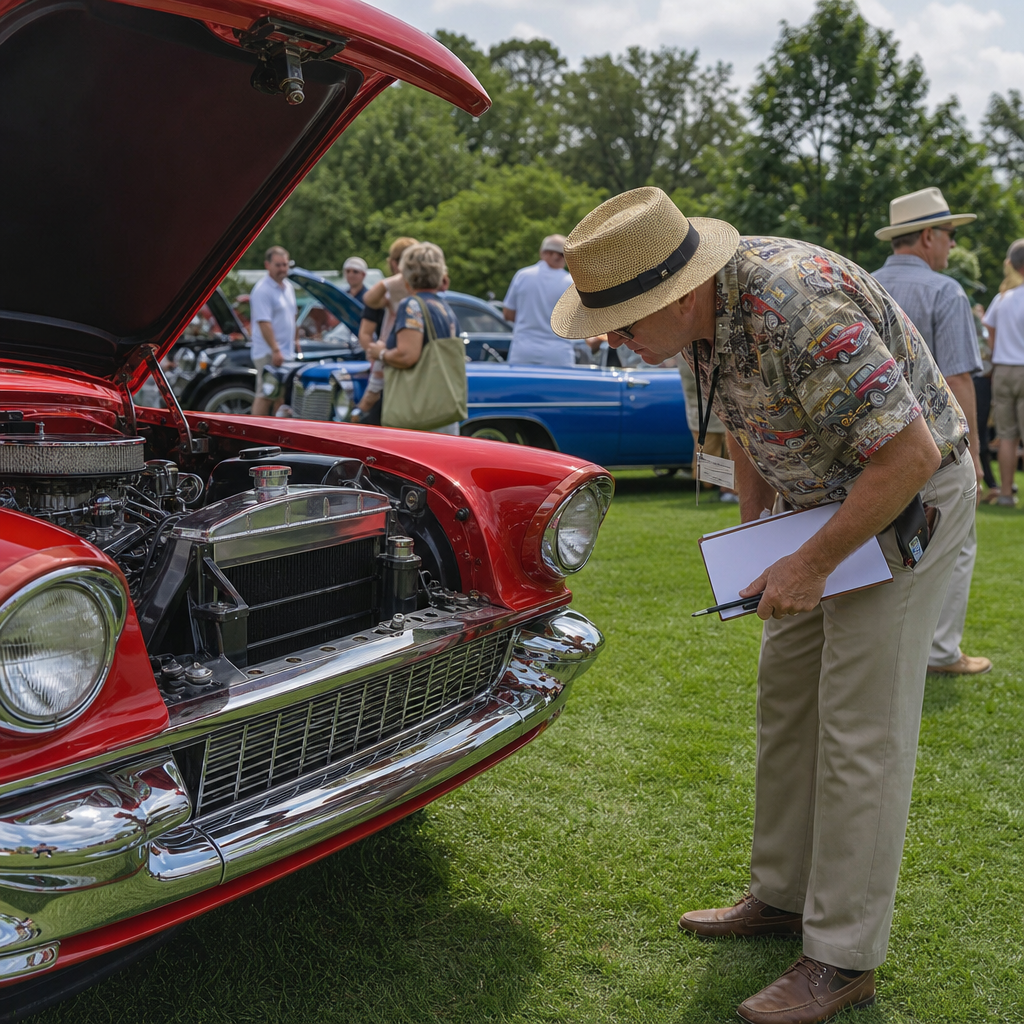
Restoration introduces another layer of complexity. Not every important car should be restored to a glittering concours finish. Preservation-class judging at events such as Pebble Beach Concours d’Elegance and Salon Privé has reinforced the value of original finishes, factory markings, and honest patina. The best collectors understand the difference between restoration and conservation. They also know when mechanical recommissioning is essential for safety, even if cosmetic work should remain minimal. Those judgment calls are where experience shows.
How Collector Stories Shape the Market
Collector stories do not stay private. They influence pricing, trends, and public taste. When a respected collector builds around a neglected category, the market often follows. Air-cooled Porsche values, for instance, did not rise only because of scarcity. They rose because collectors, specialists, media outlets, and event organizers collectively framed certain cars as central to the driving experience and engineering history. The same pattern has appeared with early Broncos, analog supercars, Group B road cars, and Japanese performance icons.
Single-owner sales can be especially powerful. When a famous or highly disciplined collection comes to auction, buyers assume a baseline of quality and curation. The sale becomes a referendum on the category. The effect is strongest when the collection has a clear theme and long holding period. A row of freshly sourced speculative purchases rarely carries the same authority as cars assembled over twenty years with consistent standards. Market confidence comes from story plus evidence.
This dynamic also explains why celebrity collections do not all perform equally. Fame alone does not create collector credibility. The market distinguishes between owners who merely possessed cars and owners who selected historically important examples, maintained them properly, and documented them carefully. In practical terms, a collection built with knowledgeable advisors, marque historians, and first-rate restoration shops usually leaves a stronger legacy than one built for social media visibility.
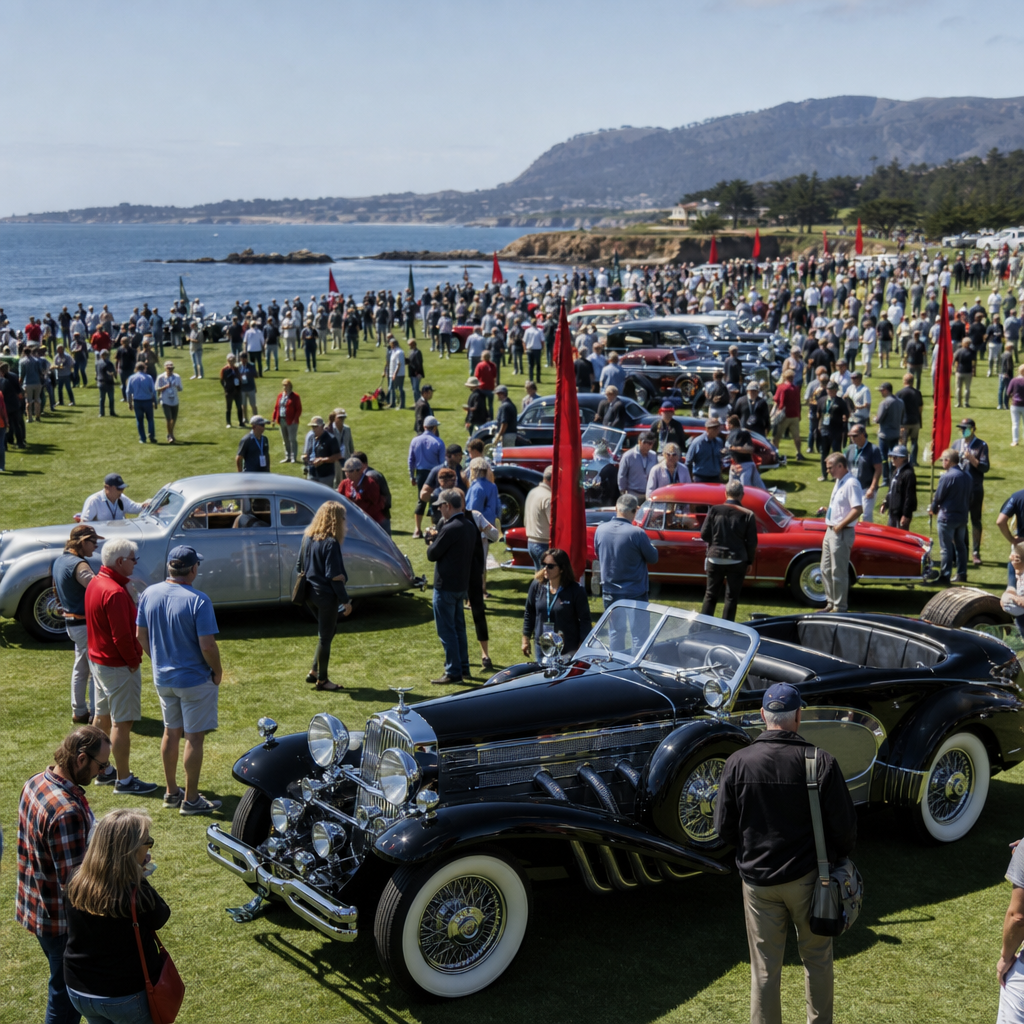
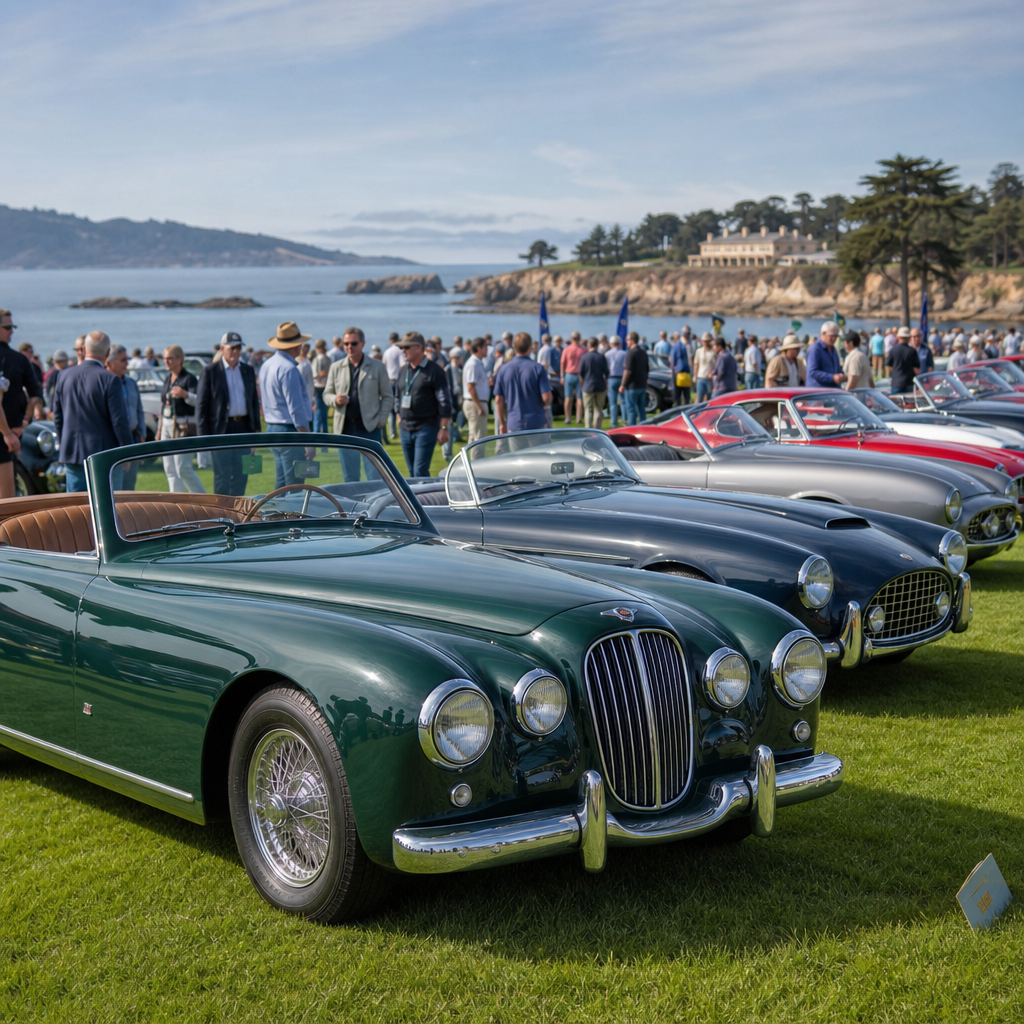
Concours participation adds another layer of market influence. Cars shown at Pebble Beach, Villa d’Este, Amelia, or major marque gatherings gain visibility that affects demand. Awards are not everything, but they provide third-party validation of condition, authenticity, and significance. Famous classic car collections often become famous because they circulate through these events, where experts compare details openly and the public sees the collection’s thesis expressed in metal, leather, and history.
Lessons New Collectors Can Learn From Established Names
The most useful lesson from famous collections is not to copy them exactly. It is to copy their discipline. Start with a collecting thesis. Decide whether your interest is era, country, marque, body style, motorsport, or personal history. Then learn the standards of that niche before buying. Join the relevant club, read period literature, study auction archives, and talk to restorers who know the weak points of specific models. The gap between a good car and a problematic car is often hidden in trim fit, stampings, corrosion, or undocumented mechanical substitutions.
Budgeting is another area where famous collectors quietly teach good habits. Purchase price is only one line item. Proper storage, insurance, transport, service, tires, fluids, detailing, and specialist labor can turn an affordable classic into an expensive obligation. A Jaguar XK120, Mercedes-Benz Pagoda, or first-generation Ford Mustang may seem accessible compared with blue-chip Ferraris, but each still demands informed upkeep. A smart collector buys slightly below budget to leave room for the first year of sorting.
New enthusiasts should also understand that not every collection needs trophy cars. Some of the most enjoyable and intellectually satisfying collections I have visited featured modest vehicles assembled around a strong narrative: British roadsters under 2.0 liters, postwar utility vehicles, or one example from each generation of BMW M3. Those collections worked because they were intentional. The same principle drives the best high-end garages.
Finally, share the cars. Collections gain cultural value when they are driven, exhibited, loaned, written about, and discussed honestly. The stories behind famous classic car collections endure because the owners, families, or institutions eventually let others learn from them. If you are building your own collector story, document it carefully, maintain the cars to a high standard, and contribute to the wider classic car culture and lifestyle community. That is how a private passion becomes part of the public record.
Famous classic car collections are important because they show how automotive history is preserved in practice. They reveal that collecting is not simple consumption. It is curation, research, maintenance, judgment, and long-term responsibility. The strongest collections begin with a clear point of view, grow through patient selection, and earn respect through documentation, restoration discipline, and public engagement. Whether the focus is French art deco, American muscle, Italian exotics, or historic racing, the collection tells a story about what its owner believes is worth saving.
For anyone exploring collector stories, the biggest takeaway is that meaning and method matter more than scale. A world-famous collection and a small home garage succeed for the same reason: both are coherent, informed, and cared for properly. Learn the niche, verify provenance, protect originality where possible, and think like a steward rather than a shopper. That approach leads to better purchases, deeper enjoyment, and a stronger connection to classic car culture and lifestyle.
Use this hub as your starting point for the broader collector stories topic, then go deeper into marque-specific guides, restoration case studies, auction analysis, and profiles of influential collectors. The more you understand the stories behind famous classic car collections, the better you will understand the cars themselves.
Frequently Asked Questions
What makes a famous classic car collection interesting beyond the cars themselves?
A famous classic car collection becomes truly compelling when it reveals the personality, values, and life story of the person who built it. While rare body styles, low production numbers, and high auction values attract attention, the deeper appeal usually comes from the human narrative behind the garage doors. Many important collections are shaped by childhood memories, family influence, motorsport obsession, technical curiosity, or a desire to preserve a disappearing chapter of automotive history. In that sense, a collection is less like a showroom and more like a personal archive assembled over decades.
That is why two collections with equally valuable cars can feel completely different. One collector may focus on prewar luxury marques because they admire coachbuilding, craftsmanship, and the social history of early motoring. Another may build a garage around homologation specials, rally legends, and competition-bred machines because their interest is rooted in performance engineering and racing culture. The story behind the selection gives the collection meaning. Each acquisition becomes evidence of a collector’s philosophy: whether they prioritize originality, historical significance, mechanical innovation, rarity, or emotional connection.
Collectors also shape the legacy of the cars through how they restore, document, display, and drive them. Some preserve patina and provenance above all else, while others invest in concours-level restorations that return vehicles to exact factory condition. Some place cars in museums, lend them to exhibitions, and open them to the public; others keep them private but maintain extensive records that help researchers and future owners. The most memorable collections often tell a coherent story, not simply because the cars are famous, but because the owner’s choices create a recognizable identity that links machine, era, and human ambition.
Why do many classic car collections seem to reflect a collector’s background and personal taste so strongly?
Classic car collections are highly personal because collecting at a serious level requires long-term commitment, specialized knowledge, and a clear sense of purpose. Unlike casual ownership, building a respected collection involves years of searching, studying marque histories, consulting experts, evaluating provenance, and making expensive restoration and storage decisions. That kind of effort usually follows a collector’s deeper interests rather than market trends alone. As a result, the final collection often mirrors the owner’s professional background, cultural influences, and emotional history.
For example, an engineer may be drawn to cars that represent technical breakthroughs, such as advanced suspension systems, innovative engines, or landmark racing designs. A former racer may collect competition cars with documented track histories, valuing mechanical authenticity and period-correct setup over cosmetic perfection. Someone with family roots in Europe may pursue coachbuilt grand tourers from Italy, Britain, or France because those cars connect to a broader heritage of design and travel. Others focus on American muscle, early sports cars, or postwar icons because those vehicles represent youth, freedom, or a specific automotive era that shaped their imagination.
Taste also determines how collectors define significance. One person might consider elegance and craftsmanship the highest goals, while another values scarcity, motorsport pedigree, or cultural impact. This is why one famous collection may emphasize prewar luxury and another may center on homologation specials, endurance racers, or historically important road cars. The choices are rarely random. They reflect what the collector believes deserves preservation. Over time, these decisions create a collection with its own voice, and that voice is often the clearest clue to the story of the individual behind it.
How do famous collectors decide which classic cars deserve a place in their collection?
Most respected collectors do not buy cars simply because they are expensive or fashionable. They usually work from a framework, whether explicit or intuitive, that helps them decide which vehicles fit the larger narrative of the collection. That framework can include historical importance, engineering innovation, rarity, design excellence, competition success, originality, documented ownership history, and personal resonance. The strongest collections tend to be curated rather than accumulated, meaning each car contributes to a broader theme or purpose.
Historical importance often carries major weight. A collector may prioritize a model that introduced new technology, dominated a racing series, defined an era of design, or influenced future production cars. Provenance is another key factor. A vehicle with known factory records, matching numbers, period documentation, and a traceable chain of ownership is generally more desirable because its authenticity can be confidently established. In many high-end collections, authenticity matters as much as appearance, if not more. A beautifully restored car with unclear history may lose out to a more imperfect but better documented example.
Collectors also consider practical and philosophical questions. Can the car be maintained properly? Are the parts and expertise available? Does it deserve preservation in original condition, or is restoration justified? Does it fit the collection’s time period, regional focus, or motorsport theme? Some collectors intentionally pursue landmark examples from multiple decades to show automotive evolution, while others go deep into a single marque to demonstrate total commitment and scholarship. In the end, the decision usually combines intellect and emotion. The best collectors know the market, but they also respond to the feeling that a particular car completes or sharpens the story they want their collection to tell.
What role does preservation play in the story behind a classic car collection?
Preservation is central to nearly every meaningful classic car collection because collectors are often acting as temporary custodians of machines that may outlast them. These vehicles are not just luxury objects; they are artifacts of engineering, design, industry, motorsport, and social history. When a collector chooses to acquire and care for an important classic car, they are often making a statement about what should survive for future generations. That is why preservation is not limited to keeping paint shiny or engines running. It includes documenting history, protecting originality, sourcing correct components, and making thoughtful decisions about restoration versus conservation.
In many famous collections, the owner’s preservation philosophy becomes part of the collection’s identity. Some collectors favor preservation-class cars with original finishes, factory details, and visible age because those features preserve authenticity and reveal how the car actually lived through time. Others focus on meticulous restorations that return a vehicle to exact period-correct condition, often after extensive research into trim, hardware, finishes, and production records. Neither approach is automatically superior; what matters is whether the work respects the car’s historical integrity.
Preservation also extends to education and public access. Important collectors often lend cars to concours events, museums, marque gatherings, and historical exhibitions, allowing enthusiasts and researchers to see rare vehicles that might otherwise remain hidden. Some publish catalogs or maintain archives that record serial numbers, ownership histories, and restoration details. These efforts help the wider collector community understand what survives and why it matters. In that sense, preservation gives a collection significance beyond private ownership. It transforms the collection into a resource that protects automotive culture, supports scholarship, and keeps the stories behind iconic machines alive.
Are famous classic car collections built mainly for investment, or is passion usually the bigger force?
Public attention often focuses on the financial side of famous classic car collections, but passion is usually the stronger and more durable force behind the most respected examples. Values matter, especially when individual vehicles can represent substantial sums, yet purely investment-driven collecting rarely produces the most admired collections. The collections that earn long-term respect tend to show knowledge, patience, and a genuine emotional connection to the subject. They are built around curiosity and conviction, not just price appreciation.
That said, investment and passion are not mutually exclusive. Serious collectors are often very aware of market trends, insurance requirements, restoration costs, and the financial implications of ownership. They know that provenance, rarity, originality, and historical importance affect value. However, if investment were the only goal, many of the choices that define great collections would make less sense. Restoring difficult cars, preserving obscure but important models, funding research, maintaining climate-controlled storage, and keeping specialist mechanics on hand are expensive commitments that typically reflect stewardship more than speculation.
Passion is especially visible in how collectors talk about their cars. They often remember where they found a vehicle, why a specific chassis mattered, which race history drew them in, or how a model connects to their youth or professional life. Those details reveal that the collection is not merely a portfolio of assets. It is a narrative built through pursuit, memory, and expertise. Financial value may follow, and in many cases it does, but the collections people remember most are usually the ones shaped by a clear point of view. They endure because they preserve more than metal and money; they preserve stories, identities, and the emotional meaning of the automobile itself.