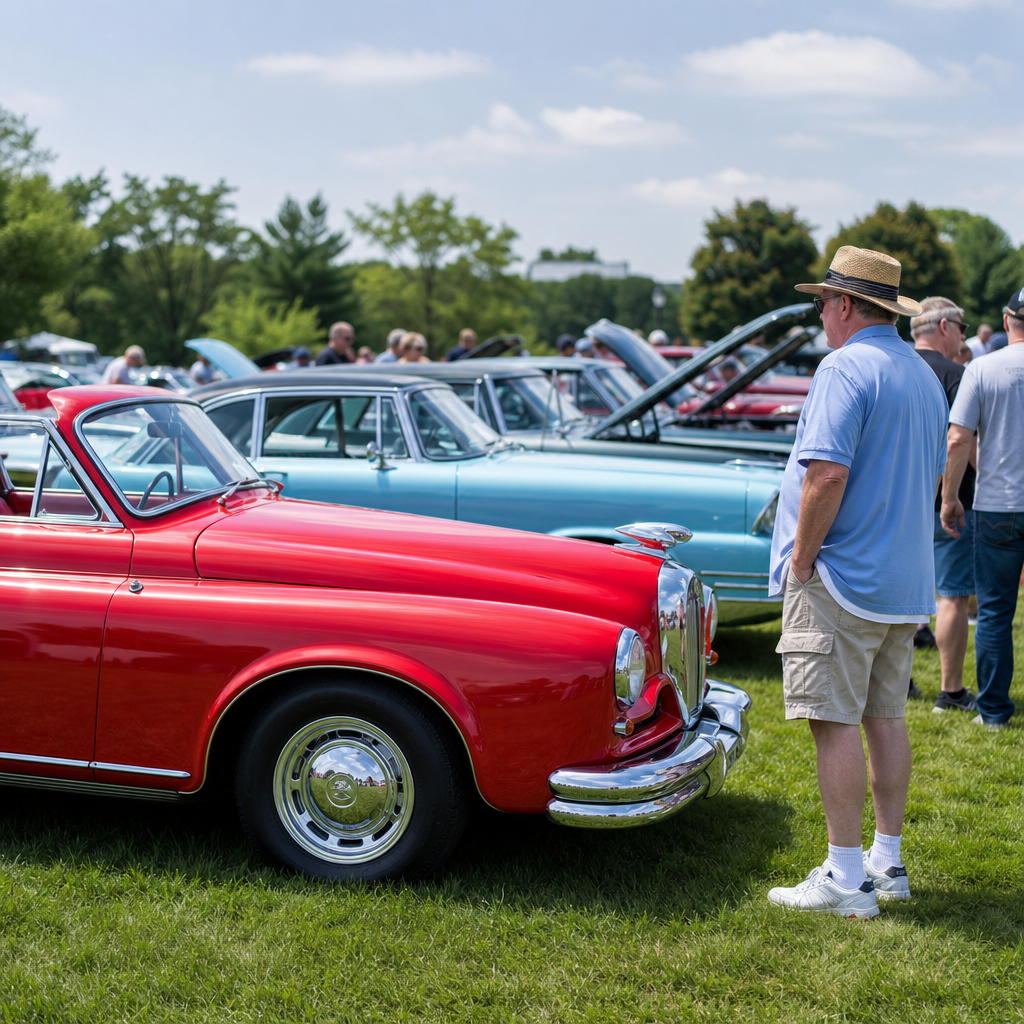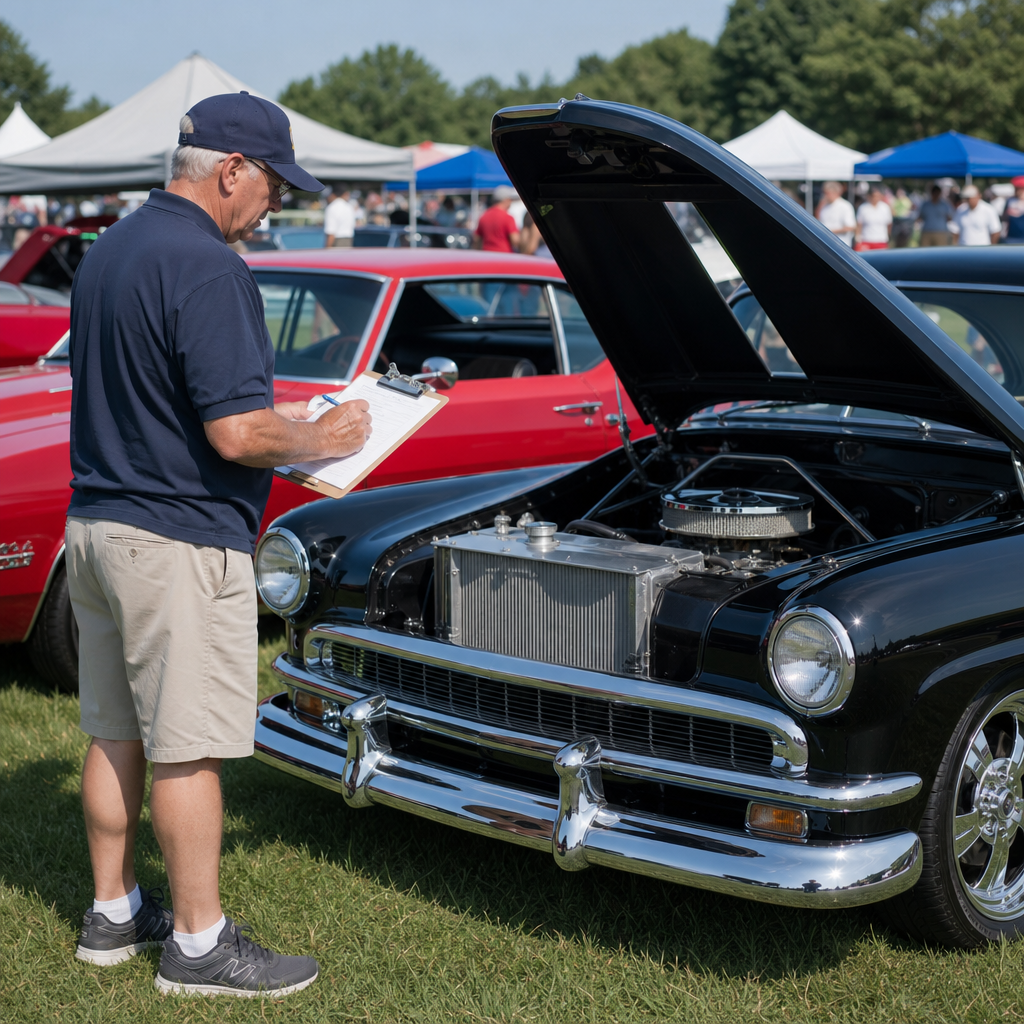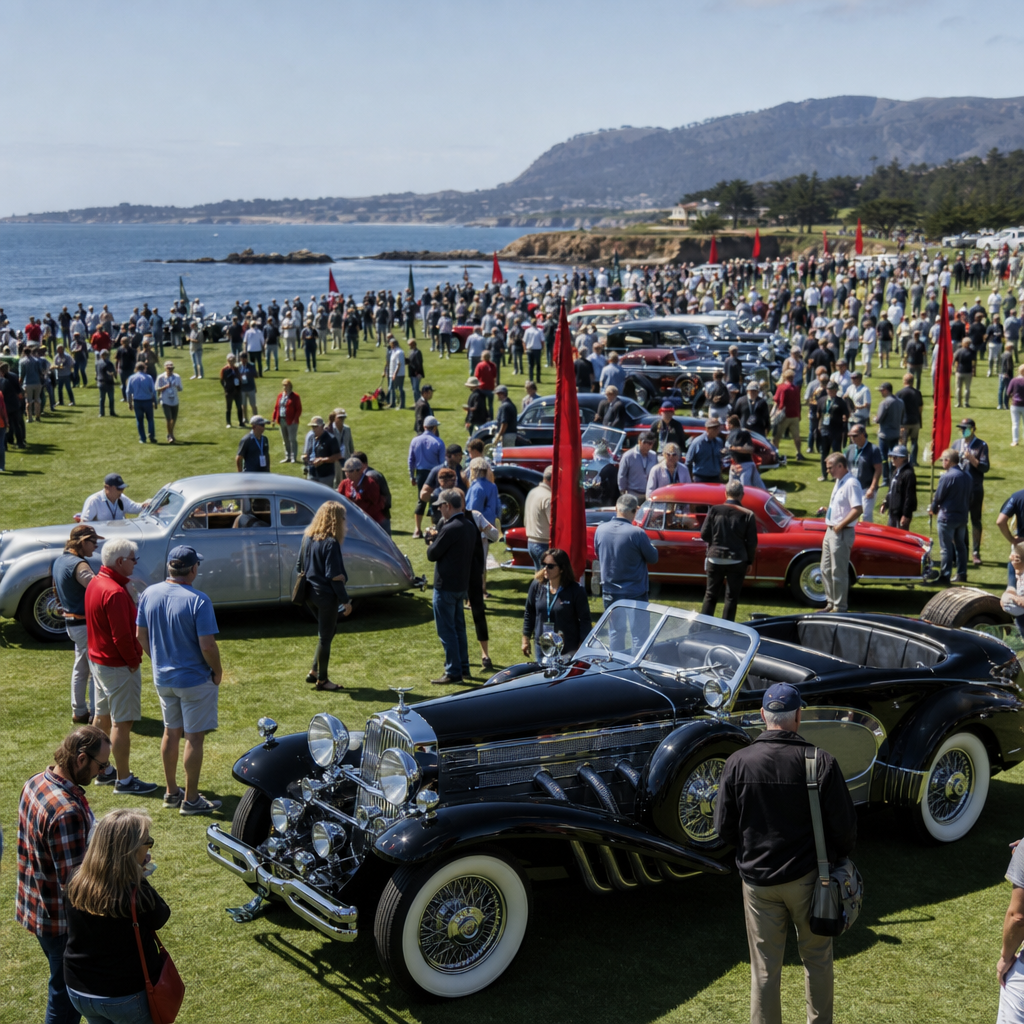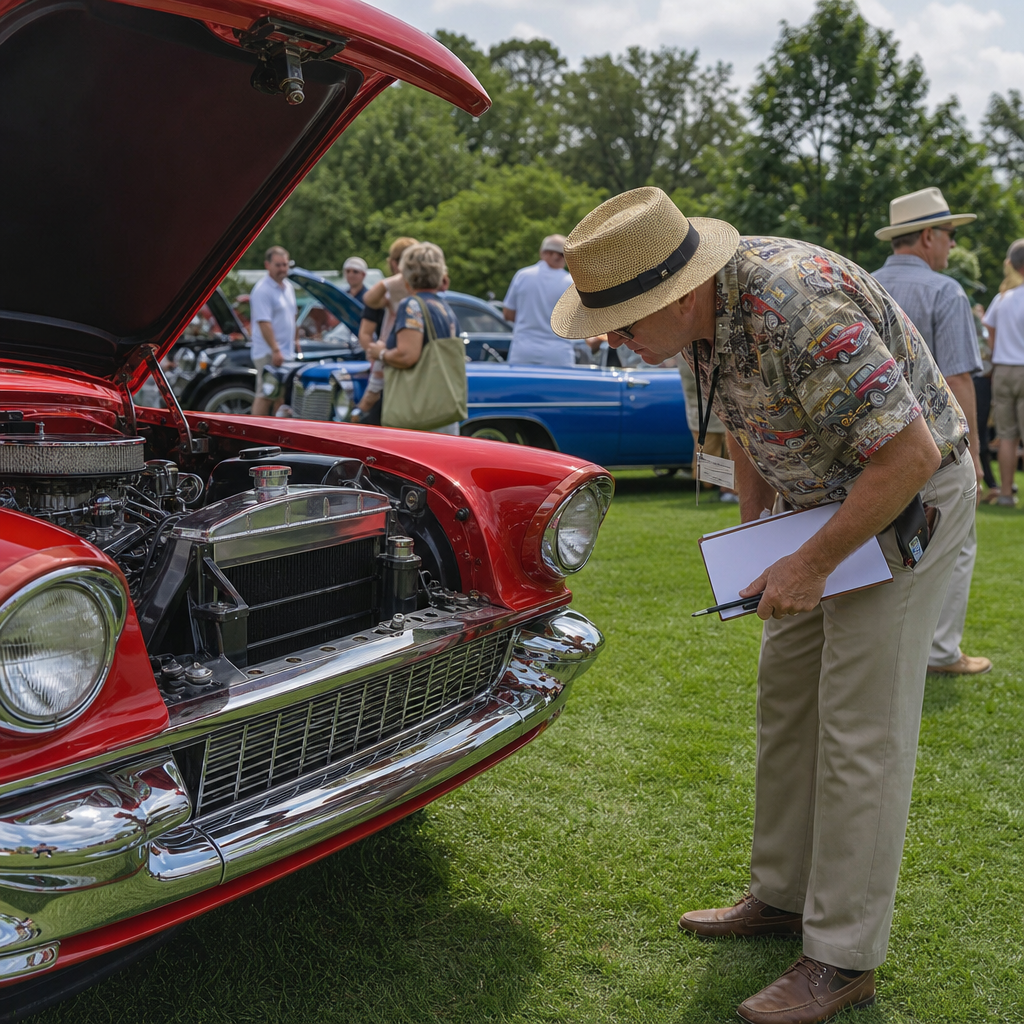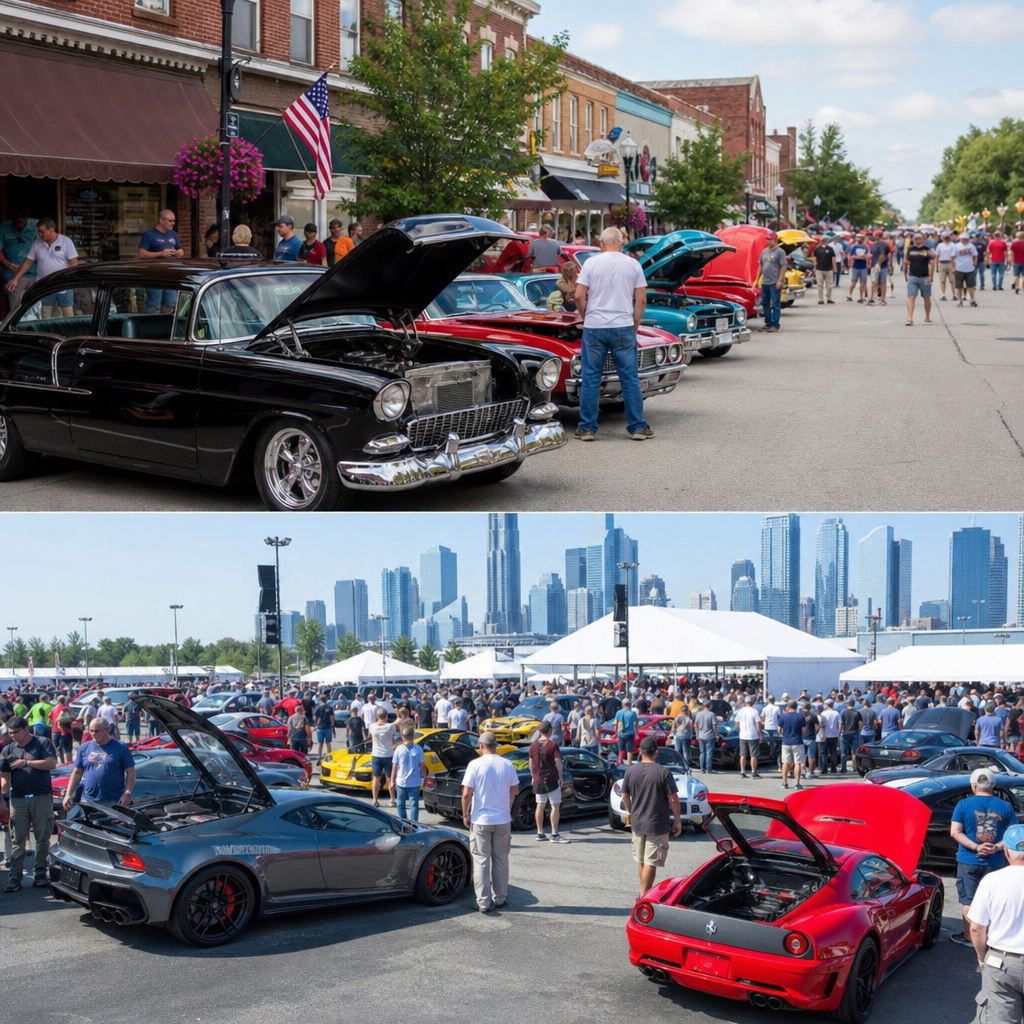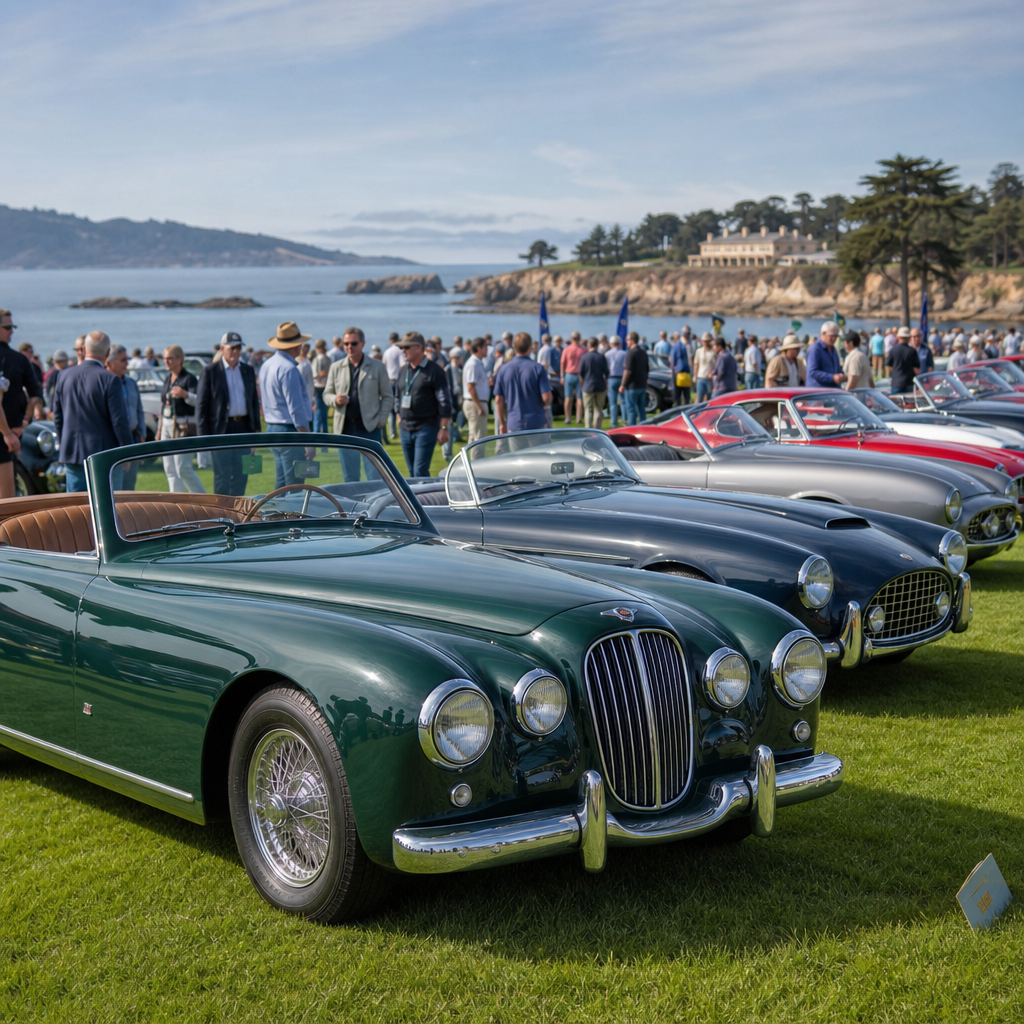
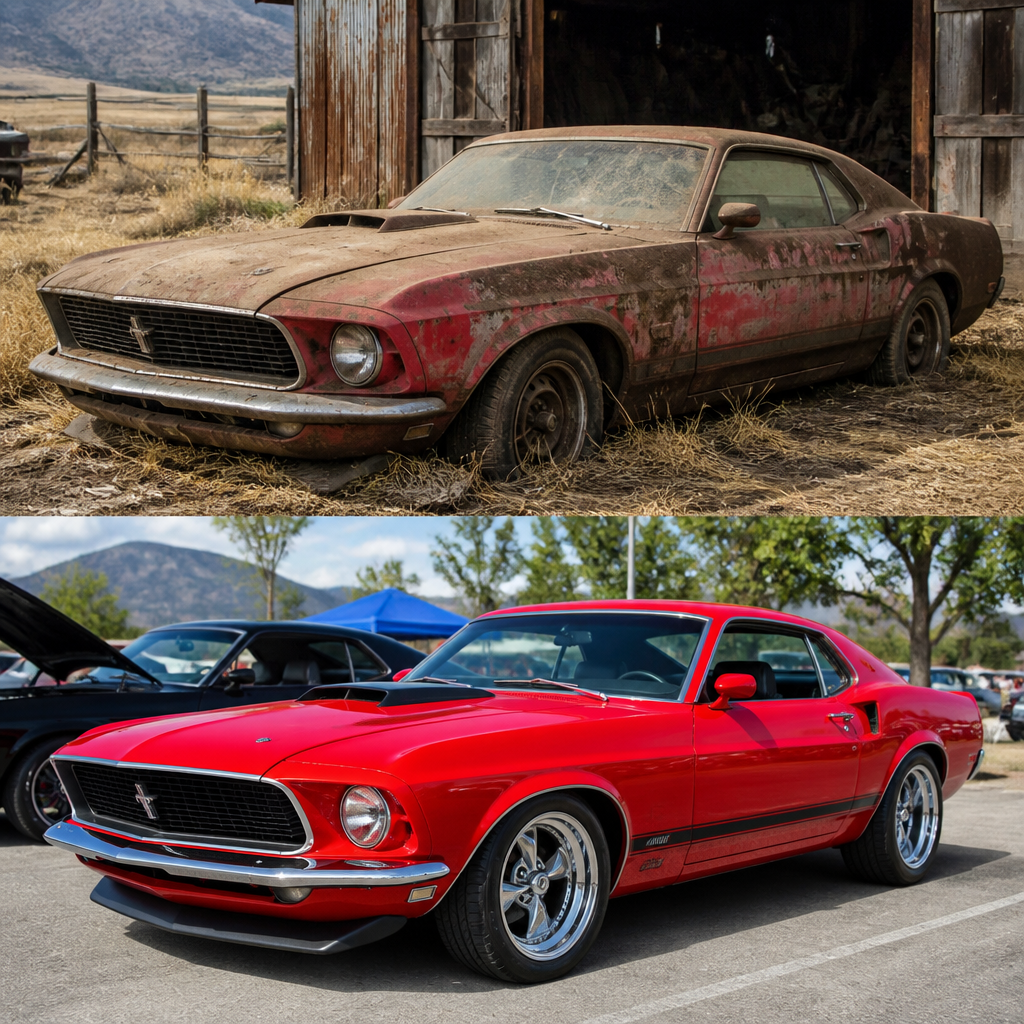
Every collector story begins with a moment of recognition, and few are more compelling than the journey from barn find to show car. In classic car culture, a barn find is a vehicle discovered after long-term storage, usually dusty, incomplete, and mechanically dormant, yet still carrying enough originality or historical significance to justify a rescue. A show car, by contrast, is a vehicle restored or preserved to a standard suitable for judged events, marque gatherings, concours lawns, or high-level local exhibitions. Between those two points lies the real substance of collector stories: research, negotiation, transport, documentation, budgeting, restoration choices, and the emotional discipline required to finish what many enthusiasts start but never complete.
I have spent enough time around auctions, estate garages, swap meets, and restoration shops to know that the public version of these stories is often compressed into a neat before-and-after sequence. The true narrative is messier and more useful. A serious collector story is not only about a rare car turning heads under bright lights. It is about provenance files, trim tags, rust mapping, paint code verification, engine stampings, parts interchange research, title recovery, and the constant tension between preservation and restoration. Those details matter because they determine value, authenticity, and long-term satisfaction.
This hub article covers collector stories comprehensively within the broader world of classic car culture and lifestyle. It explains how a hidden car becomes a documented project, how owners make restoration decisions, what separates a credible build from a cosmetic flip, and why the best stories are grounded in records as much as romance. If you want to understand why one rediscovered coupe becomes a celebrated show field regular while another stalls in primer for ten years, the answer is almost always found in process, not luck.
Collector stories matter because they teach judgment. They show how enthusiasts assess risk, how families pass down vehicles and memories, how market trends influence restoration scope, and how a finished car can connect communities across generations. Whether the vehicle is a C2 Corvette, a first-generation Mustang fastback, an air-cooled Porsche 911, or a postwar pickup with regional history, the pattern is consistent: the best outcomes come from disciplined decisions made early and revisited often.
The Discovery: What Makes a Barn Find Worth Saving
A legitimate barn find is not automatically valuable, and that distinction is where good collector stories begin. The first question is not “Will it run?” but “What is it, exactly?” Identification comes first: VIN plate, body tag, engine number, transmission code, axle stamp, and any factory documentation left in the glove box or tucked behind the seat. On American classics, trim tags can confirm original paint and interior combinations. On European cars, build sheets, Kardex records, or heritage certificates can establish delivery date and options. Without accurate identification, the rest of the story rests on assumptions.
Condition assessment must be unsentimental. Surface dust can hide a remarkably complete car, but dry storage does not guarantee structural integrity. I have seen cars that looked solid until the carpets came up and the floor supports collapsed under a screwdriver test. In practical terms, the first inspection should focus on structural rust, collision damage, completeness of unique trim, matching-numbers potential, and whether the car has a legal title or a clear route to registration. Missing bolt-on parts can often be sourced. Missing serial identity, original drivetrain evidence, or irreplaceable coachbuilt trim is another matter entirely.
Real-world examples illustrate the difference. A stored 1967 Camaro RS with original drivetrain, protect-o-plate, and factory air conditioning can justify a full restoration even if the quarters and trunk floor need replacement. A common six-cylinder coupe with no paperwork and severe cowl rust may still be worthwhile as a sentimental project, but not as a financially rational show build. The discovery phase is where experienced collectors protect themselves from expensive optimism.
Documentation, Provenance, and the Story Behind the Car
Once a car is identified, the next layer is provenance. In collector stories, provenance means the documented history that explains where the car came from, who owned it, how it was used, and whether its major components and finishes align with that history. Provenance supports value, but it also gives a show car credibility. Judges, buyers, and marque specialists respond to evidence, not anecdotes.
The best documentation packet includes title history, registrations, service receipts, restoration photos, factory literature, ownership correspondence, and third-party verification from recognized registries or clubs. For muscle cars, broadcast sheets, dealer invoices, and window stickers can be decisive. For British and European cars, ownership files and specialist inspection reports often matter just as much. A car with a known chain of custody from new will almost always command more respect than an equally attractive car with a vague backstory.
I have watched modest cars become compelling because the documentation was extraordinary. One owner revived a 1950 Ford custom sedan that would never headline a blue-chip auction, yet the car had one-family ownership, dealership delivery papers, dated photos from military leave in the 1950s, and service stamps spanning four decades. When shown, people stayed longer at that car than at some six-figure restorations because the story was tangible. Collector stories gain power when history is attached to paper, photographs, and names that can be verified.
Documentation also shapes restoration decisions. If records prove a car left the factory in an unusual color or with a rare option package, restoring it accurately becomes far more important than personalizing it for taste. A collector who ignores solid provenance usually weakens both the story and the value of the finished car.
Planning the Build: Budget, Scope, and Restoration Philosophy
The move from discovery to finished show car is decided at the planning stage. Before a wrench turns in earnest, a collector needs a realistic budget, a defined end use, and a restoration philosophy. The central question is simple: are you preserving originality, performing a factory-correct restoration, building a period-correct driver, or creating a modified show car? Each path requires different parts, labor, and standards.
In my experience, projects fail less from lack of passion than from vague scope. An owner starts with “just get it running,” discovers significant rust, then decides to repaint, then upgrades suspension, then re-trims the interior beyond original specifications, and suddenly a manageable recommission becomes a six-figure undertaking. A written restoration plan prevents that drift. It should outline goals, originality targets, subcontracted work, contingency reserve, timeline, and how decisions will be documented.
| Restoration Path | Main Goal | Best For | Primary Risk |
|---|---|---|---|
| Preservation | Stabilize and retain original finishes and parts | Highly original survivor cars | Overcleaning or replacing historic material |
| Factory-correct restoration | Return the car to accurate as-delivered specification | Rare, documented, high-value models | Escalating cost for correct date-coded components |
| Driver-quality restoration | Create a reliable, attractive road car | Common classics used regularly | Spending beyond market value |
| Restomod show build | Blend classic style with modern performance or comfort | Owners prioritizing usability and personalization | Reducing originality appeal to traditional collectors |
Sound planning also means understanding labor economics. Bodywork and paint consume more money than first-time restorers expect. Chrome replating, interior trim, glass replacement, and wiring harness restoration add up quickly. Reputable shops often work with estimating software, photo documentation, and staged approvals because hidden issues emerge only after disassembly. That is normal. What matters is having decision points before the budget gets away from the owner.
The Restoration Process: Metal, Mechanicals, and Finish Quality
A credible show car restoration proceeds in systems. First comes disassembly and cataloging, then metal repair, drivetrain rebuilding, suspension and brake work, wiring, interior refurbishment, paint preparation, final assembly, and shake-down testing. The sequence matters because shortcuts show up later in panel fit, reliability, and judging scrutiny.
Metal repair is the foundation. Rust should be cut out and replaced with properly fitted patch panels or full replacement sections, not buried under filler. Panel gaps should be consistent, spot-weld patterns should reflect original construction when authenticity matters, and seam sealer should be applied in the correct locations. On unit-body cars especially, structural alignment must be measured before cosmetic work begins. A glossy finish on an uncorrected shell is not craftsmanship; it is delay.
Mechanical rebuilding should match the intended use. A show car that cannot idle cleanly, maintain temperature, or stop straight quickly loses its charm. Engine machining, carburetor calibration, ignition timing, cooling-system capacity, and brake hydraulics all need attention. If originality is the goal, date-coded components, correct hose clamps, factory finishes, and proper fastener markings become part of the standard. If drivability matters more, discreet upgrades such as radial tires, electronic ignition hidden in a stock distributor, or improved radiator cores can be sensible compromises.
Paint and trim define visual impact, but quality is measurable, not mystical. Proper block sanding, substrate preparation, and careful trim fit separate elite work from flashy work. A black car will reveal every ripple; a metallic car will expose inconsistent spray technique; bright trim will highlight careless edge alignment. I have judged enough finished cars informally at events to know that spectators notice shine first, while experienced people notice surfacing, panel fit, and finish consistency within seconds.
Showing the Car: Judging Standards, Community, and Long-Term Value
When the car is complete, the story does not end at the first trophy. Entering shows introduces another layer of collector stories: learning the judging culture, maintaining the car, and using the finished vehicle as a passport into the community. Different events reward different virtues. Concours competitions emphasize authenticity, cleanliness, and presentation. Marque-club meets often evaluate factory correctness in finer detail, including finishes under the hood and chassis markings. Local shows may place more emphasis on visual appeal and owner engagement.
A successful show strategy starts with entering the right events. A highly original unrestored survivor may perform better in preservation classes than against fully restored cars. A tasteful restomod belongs where modification is recognized rather than penalized. Owners who study event rules and class structures usually have a better experience because their car is being assessed against relevant standards.
Maintenance after restoration is part of the discipline. Fuel systems need periodic attention, fluids must be monitored, batteries maintained, and painted surfaces protected from careless transport and storage. Even trailer queens require exercise and inspection. Cars deteriorate fastest when they are finished, celebrated, and then neglected. The strongest collector stories continue through road tours, club tech sessions, magazine features, and careful stewardship over years, not weekends.
Long-term value follows authenticity, quality, and documentation. Auction results from firms such as RM Sotheby’s, Gooding, and Mecum repeatedly show that cars with photo-documented restorations, recognized specialist involvement, and known histories attract stronger bidding than superficially attractive examples with thin files. That does not mean every project should chase resale. It means the habits that create a credible show car also protect the owner’s investment and the car’s place in the hobby.
From barn find to show car, the real story is never just about transformation. It is about judgment applied consistently from discovery through display. The collector who identifies the car correctly, documents its history, plans the restoration with discipline, and executes the work to a defined standard will almost always end up with a better result than the owner who relies on excitement alone.
That is why collector stories matter within classic car culture and lifestyle. They preserve technical knowledge, family history, regional identity, and practical lessons that help the next enthusiast make smarter decisions. They also remind us that classic cars are not static objects. They are artifacts that pass through hands, workshops, and decades, gathering meaning as they go. A barn find rescued thoughtfully can become more than a polished machine; it can become a record of craftsmanship, patience, and historical care.
If you are building your own project or researching future restorations, treat this page as your starting point for collector stories. Study identification details, save every receipt, photograph every stage, and choose a restoration path that matches the car’s history and your goals. The trophy is satisfying, but the lasting reward is a car with a story strong enough to stand up to close inspection, informed conversation, and time itself.
Frequently Asked Questions
What exactly qualifies a car as a barn find, and why do collectors get so excited about them?
A barn find is generally a vehicle that has been stored away for a long period of time and then rediscovered in largely untouched condition. Despite the name, it does not literally have to come out of a barn. Cars are also found in garages, sheds, warehouses, basements, and even under fitted covers in private collections. What makes a true barn find interesting is not just the dust or the dramatic reveal, but the combination of originality, history, and potential. These cars often retain factory components, period-correct finishes, old paperwork, dealer stickers, inspection decals, and signs of authentic use that restored cars sometimes lose forever.
Collectors are drawn to barn finds because they represent a rare chance to study and save a car before too much of its story has been erased. An unrestored vehicle can show how it was built, how it aged, and how it was maintained over the decades. That kind of authenticity matters enormously in classic car culture. Even when a car is incomplete or mechanically dormant, its originality may still make it more valuable and more historically important than a heavily modified example in running condition. In many cases, the excitement comes from recognizing that beneath the grime is a car worth preserving, whether through careful restoration, sympathetic conservation, or a full transformation into a show-quality example.
How do you know whether a barn find is worth restoring into a show car?
The decision starts with a realistic evaluation of rarity, completeness, condition, and market appeal. First, identify exactly what the car is. Confirm the year, make, model, engine, trim level, and any special production details using serial numbers, body tags, build sheets, and marque references. A genuinely rare or historically significant car may justify a major restoration even if it is rough. A more common model can still be worth saving, but the financial and time commitment has to be judged more carefully.
Next, assess structural integrity. Rust, collision damage, missing chassis sections, and severe corrosion in floors, frame rails, rockers, or suspension mounting points can dramatically affect the difficulty of the project. Then look at completeness. Original drivetrain components, factory trim, glass, interior hardware, and model-specific details are often expensive and time-consuming to replace. A car that appears rough but is substantially complete may be a stronger candidate than a cleaner-looking example missing rare parts.
Finally, think about your goal. If the aim is a judged show car, the standard will be far higher than simply making the car roadworthy. You will need to consider parts availability, correct finishes, documentation, restoration expertise, and whether the car’s pedigree supports the level of investment required. The best barn-find-to-show-car stories usually begin when someone recognizes that the vehicle has both the substance and the story to deserve a meticulous revival, not just a quick cosmetic makeover.
What are the biggest steps involved in taking a barn find from discovery to show-quality condition?
The process usually begins with documentation before disassembly. That means photographing the car exactly as found, recording serial numbers, cataloging components, and preserving any paperwork, badges, chalk marks, tags, and unique details. This stage is critical because once the car comes apart, much of that original evidence can disappear. Good documentation helps guide an accurate restoration and can also strengthen the car’s story when it is later presented at shows or offered for sale.
After that comes a careful inspection and project plan. The drivetrain, chassis, electrical system, body structure, interior, and trim all need to be evaluated. Then the restoration team decides whether the car should be preserved, partially restored, or brought back to factory-correct show condition. Mechanical rebuilding usually covers the engine, transmission, brakes, fuel system, steering, suspension, and cooling system. Body and paint work often consume the most time, especially if there is hidden rust, prior poor-quality repair work, or difficult panel alignment. Interior restoration can be equally demanding, particularly when original upholstery patterns, materials, and hardware must be matched correctly.
To reach show-car level, details matter just as much as major repairs. Proper fasteners, finishes, hose clamps, decals, plating, wiring routings, seam sealers, and trim alignment all play a role. Judges and knowledgeable enthusiasts notice these things immediately. The final stages typically include paint correction, underbody detailing, engine bay finishing, glass polishing, weatherstrip fitting, and extensive testing to ensure the car not only looks right but functions properly. The transformation is never just about making an old car shine. It is about restoring quality, correctness, and presentation to a standard that can stand up to informed scrutiny.
Is it better to preserve some of the car’s original patina, or should everything be fully restored for show purposes?
That depends on the car, the show environment, and the philosophy behind the build. In recent years, originality and preservation have gained enormous respect in the collector world. A car with authentic paint, factory finishes, and honest age can be more compelling than one that has been over-restored. In preservation classes and certain marque events, originality may actually be rewarded because it reflects the car’s untouched history. In those cases, the goal is to stabilize and conserve, not erase every sign of age.
However, many traditional judged events still favor a complete, highly accurate restoration. If the car is being built specifically for concours-level presentation, then faded paint, worn upholstery, pitted chrome, and deteriorated finishes may limit its competitiveness unless the class is designed for unrestored vehicles. The key is to decide early whether the car’s greatest strength is its untouched authenticity or its potential to be returned to as-delivered condition. A smart restoration strategy respects whichever of those strengths is more important.
In the best real-world projects, owners strike a balance. They restore what must be restored for safety, function, and presentation, while preserving irreplaceable evidence of the car’s identity whenever possible. That might mean saving original stampings, retaining date-coded components, preserving factory markings, or archiving removed materials for provenance. The strongest barn-find stories do not treat the car like a blank canvas. They treat it like an artifact with a past, and every decision is made with that history in mind.
What makes the final reveal of a barn-find restoration so meaningful to enthusiasts and judges?
The emotional impact comes from contrast and context. Enthusiasts understand what it takes to bring a long-forgotten car back from storage, decay, and mechanical silence. When a vehicle goes from dusty and dormant to precise, elegant, and fully functional, the result is more than visual. It represents research, craftsmanship, patience, and respect for automotive history. The final reveal is powerful because people can see both the end result and the struggle behind it. Every straight body line, every correct trim piece, and every smooth mechanical function reflects hundreds or thousands of decisions made along the way.
Judges respond not just to beauty, but to quality and authenticity. A successful show car tells a coherent story. Its finishes make sense. Its components match the era and specification. Its restoration choices are disciplined rather than flashy. Even on a crowded field, a car stands out when it clearly reflects deep knowledge of the model and careful execution from top to bottom. The judges may evaluate fit, finish, cleanliness, correctness, and presentation, but what often elevates a car beyond a score sheet is the evidence that it was restored with purpose rather than simply polished for attention.
For the owner, the reveal is often the completion of a personal journey that began with a moment of recognition: seeing value where others saw neglect. That is why the story from barn find to show car resonates so strongly in collector culture. It celebrates the eye to spot significance, the commitment to save it, and the satisfaction of seeing a forgotten automobile earn admiration once again under bright lights, on a concours lawn, or in front of a crowd that understands exactly what it took to get there.