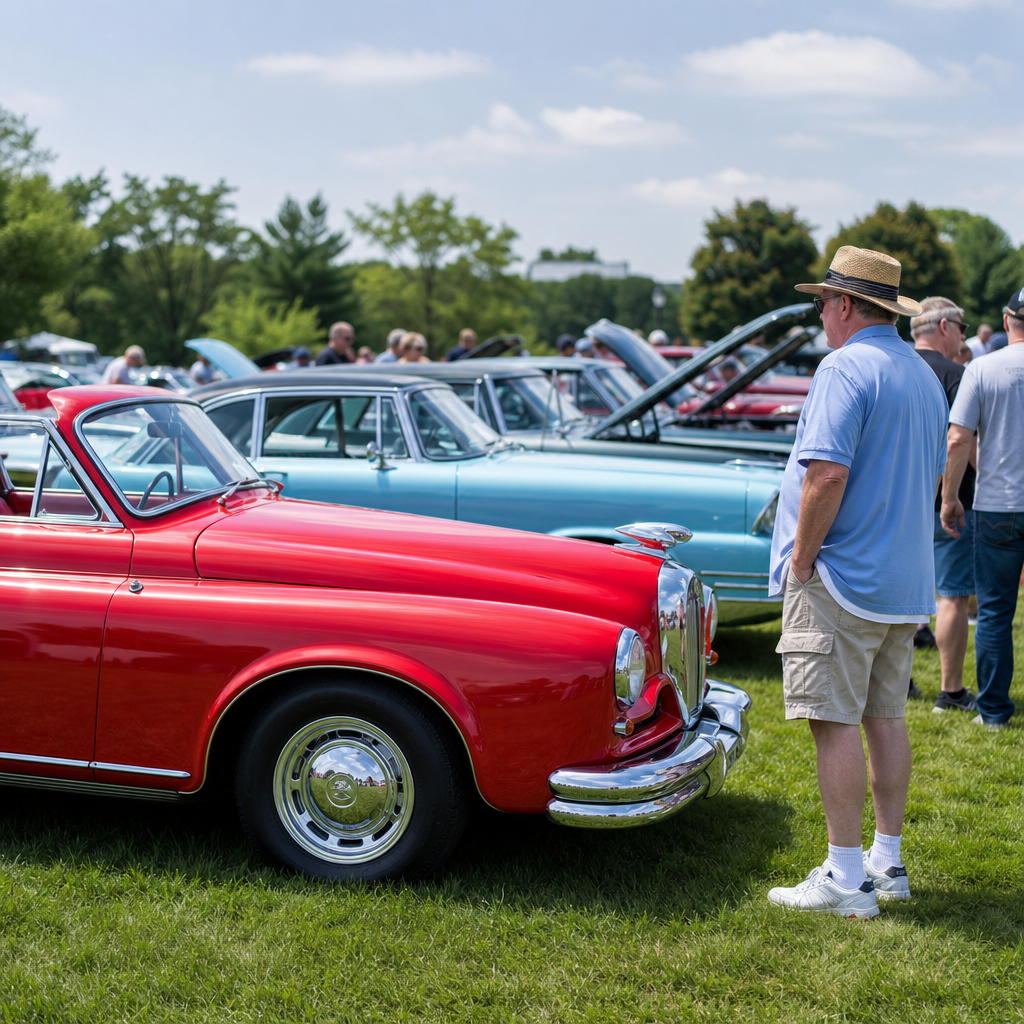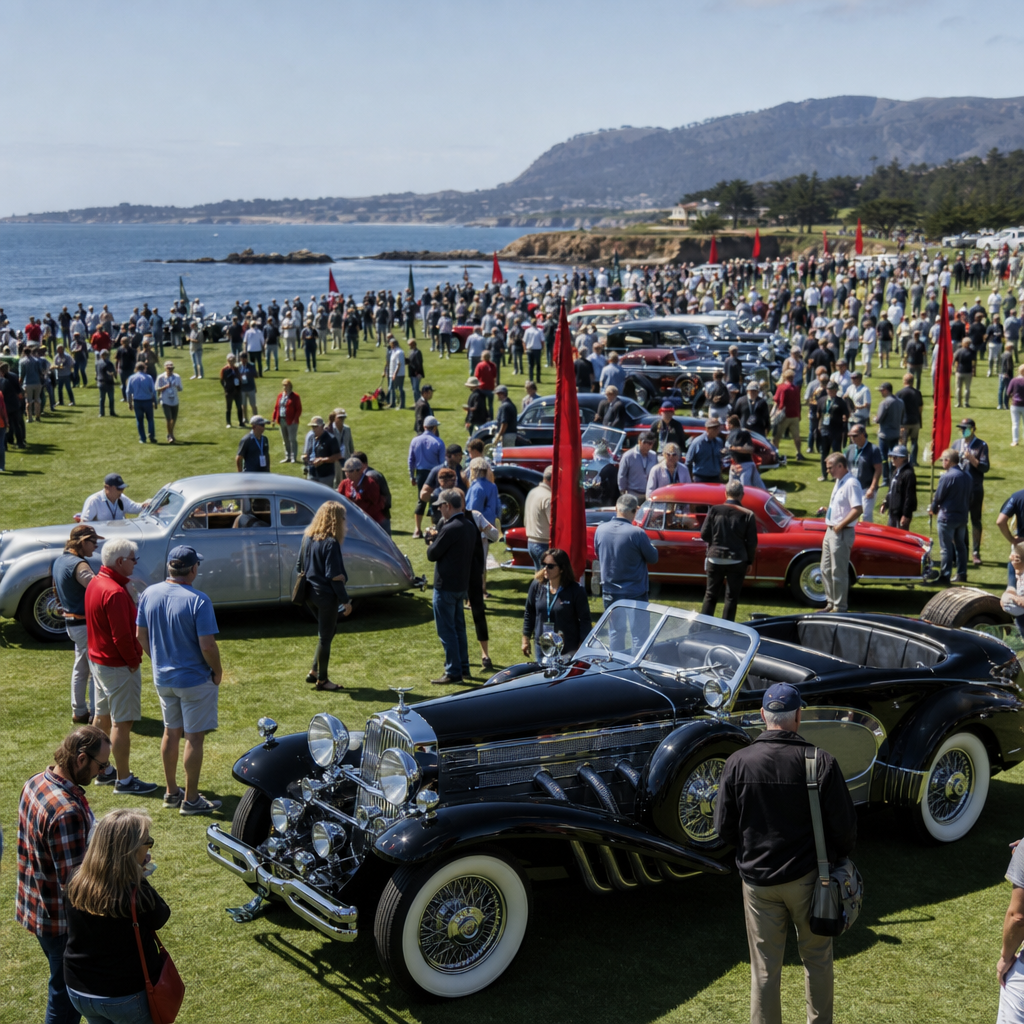
Classic car collecting looks glamorous from the outside, but the most useful lessons come from the people who have spent years buying, restoring, storing, insuring, and sometimes reluctantly selling significant vehicles. In the classic car world, “collector stories” are more than entertaining anecdotes. They are practical case studies about judgment, patience, provenance, maintenance, and community. As a hub within classic car culture and lifestyle, this guide explains what seasoned collectors have learned, why those lessons matter to newcomers and longtime enthusiasts, and how real experiences shape better decisions. I have seen collections grow from two-driver garages into climate-controlled warehouses, and I have also watched expensive mistakes begin with one rushed purchase. The pattern is consistent: successful collectors rarely win because they chase hype. They win because they learn from people who already paid tuition in time, money, and regret.
Classic car collectors operate at the intersection of emotion and discipline. They buy machines tied to design history, motorsport heritage, engineering milestones, and personal memory. Yet sentiment alone does not preserve value or enjoyment. Terms like matching numbers, documented provenance, sympathetic restoration, originality, and period-correct specification carry real weight because they affect authenticity, usability, and market confidence. A collector story about a barn-find Jaguar E-Type is not simply nostalgic. It may reveal how hidden corrosion changes restoration economics, how production records confirm factory colors, or why original tool rolls and owner manuals matter at auction. These details help readers understand the habits behind durable collections. They also explain why collector stories are central to the broader classic car lifestyle: they teach values, not just valuations, and they connect enthusiasts to a living culture built on stewardship rather than consumption.
What follows organizes those lessons into the themes collectors mention most often: buying with research, respecting provenance, understanding restoration choices, planning ownership costs, building relationships, and knowing when to hold or sell. Each section answers common questions directly and uses examples that serious enthusiasts will recognize. Whether the subject is a first-generation Ford Mustang, an air-cooled Porsche 911, a Mercedes-Benz 300SL, or a humble but beloved Volkswagen Beetle, the underlying lessons repeat. Collector stories show that the smartest move is often the least dramatic one: inspect thoroughly, document everything, preserve what is original, and think in decades instead of weekends. That mindset is what turns ownership into stewardship and transforms a group of cars into a meaningful collection.
Research Beats Excitement at the Point of Purchase
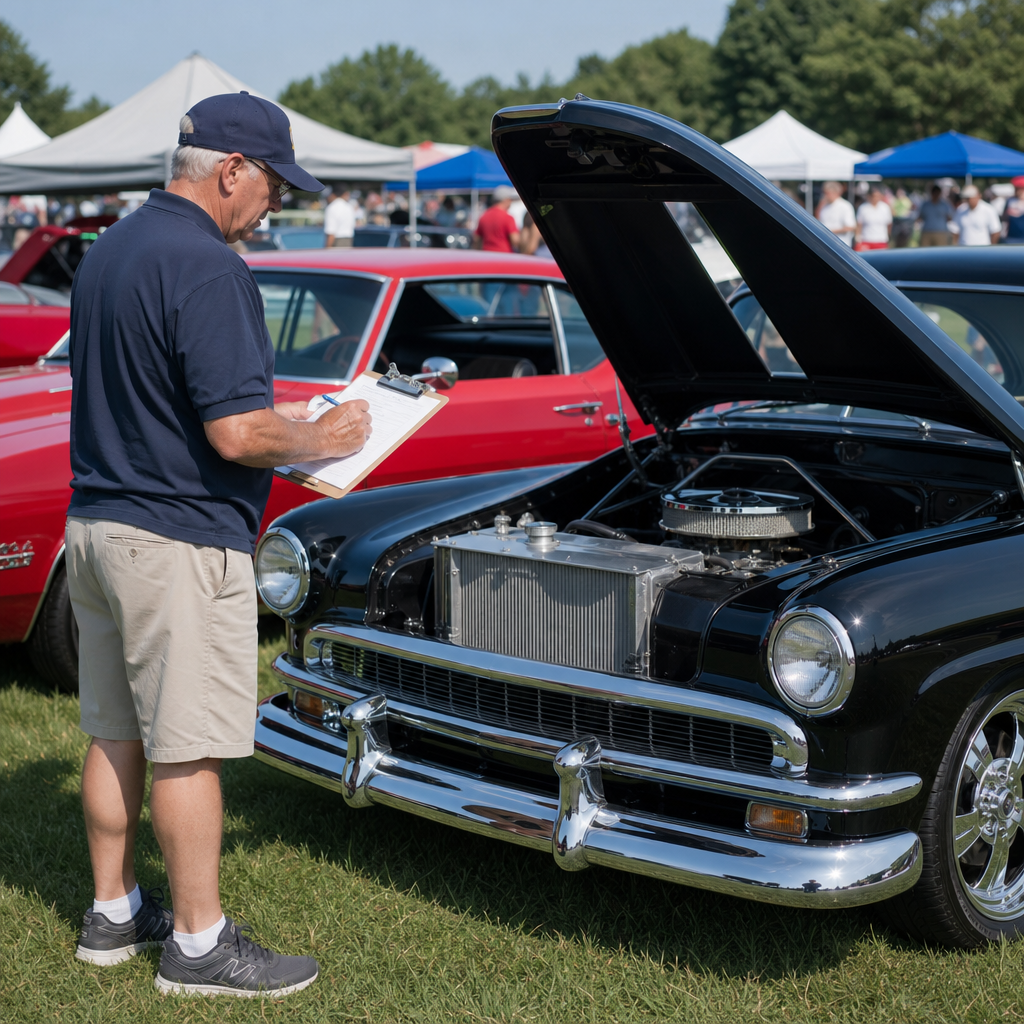
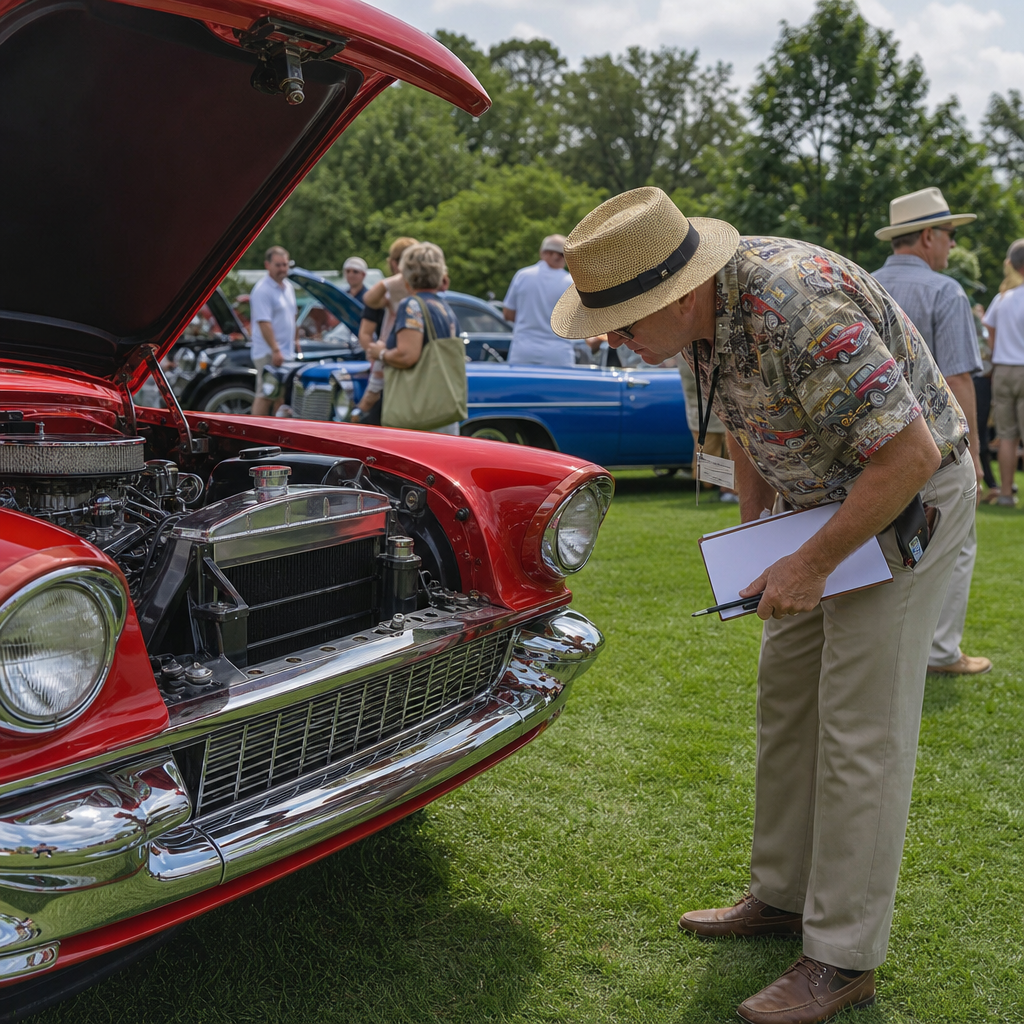
The first lesson nearly every experienced classic car collector shares is simple: the buy is made before money changes hands. In practice, that means research determines whether a purchase becomes a source of pride or a long-term financial drain. New collectors often focus on exterior appearance, rarity claims, and auction energy. Veterans focus on chassis numbers, engine stampings, ownership history, service records, paint meter readings, rust-prone areas, and model-specific failure points. I have been at inspections where a dazzling car under bright lights lost half its appeal once a magnet exposed filler in the rocker panels and photographs revealed poor prior metalwork. Excitement fades quickly when hidden issues emerge after transport.
Real collector stories repeatedly show that the best buying decisions begin with a model file. Before pursuing a Mercedes-Benz Pagoda SL, for example, experienced buyers study factory data cards, common rust zones around floors and sills, hard-top fit, and fuel-injection health. Before buying a C2 Chevrolet Corvette, they review trim-tag decoding, bonding-strip authenticity, and signs of frame damage. This work narrows risk. Tools such as marque registries, factory build sheets, concours judging manuals, auction archives from RM Sotheby’s and Bonhams, and price guides from Hagerty give context that online listings rarely provide. A pre-purchase inspection by a respected marque specialist is not optional on expensive cars. It is the cheapest meaningful insurance a collector can buy.
Provenance Is More Than Paperwork
One of the strongest lessons learned from classic car collectors is that provenance creates confidence. Provenance includes ownership history, factory documentation, restoration invoices, period photographs, race entries, magazine features, and correspondence that ties a car to known events or people. Collectors do not value documentation because they enjoy binders. They value it because provenance answers the core questions buyers ask: Is this car authentic? Has it been maintained properly? Does its story hold up under scrutiny? The difference between a nice classic and a significant collectible often lies in documentation that can be verified independently.
A well-documented Porsche 356 with copies of its Kardex, early registration records, and a continuous service file will usually attract stronger interest than a similar car with vague claims and missing history. The same is true for muscle cars. A 1970 Plymouth ’Cuda advertised with a high-output engine becomes much more credible when backed by a broadcast sheet, fender tag, and known ownership chain. In my experience, collectors regret overpaying for uncertain stories far more often than they regret paying a premium for certainty. Documentation also protects owners later, especially at resale, during insurance appraisals, or when entering judged events where originality and historical accuracy are examined closely.
Provenance, however, requires skepticism. Stories can be embellished as cars change hands. A dealer may describe a vehicle as one of a handful produced, while a registry may show much larger numbers or indicate that key components were changed decades later. Smart collectors verify with marque historians, club experts, and factory archives where available. They also keep building the paper trail once they own the car. Every invoice, transport receipt, fluid analysis report, tuning note, and photograph of restoration work strengthens the file. The lesson from experienced collectors is practical: if something was done to the car, record it; if a claim is important, prove it.
Originality, Restoration, and the Right Level of Intervention
Collectors learn quickly that restoration is not a single standard. There is preservation, sympathetic recommissioning, driver-quality refurbishment, factory-correct concours restoration, and modified restomod work. Problems begin when owners confuse one goal with another. The lesson repeated across collector stories is to decide the car’s purpose before turning a wrench. If a survivor car retains original paint, interior, and matching numbers, over-restoring it may erase the very character collectors value. If a car is structurally compromised or assembled from poor prior repairs, conservation alone may be unrealistic. The right intervention depends on condition, rarity, market expectations, and intended use.
Collectors often cite Ferrari Classiche, Porsche Classic, Jaguar Daimler Heritage Trust records, and NCRS judging standards for Corvettes as examples of how formal standards shape restoration decisions. These frameworks matter because they define what “correct” looks like. I have seen owners spend heavily on shiny finishes only to discover that incorrect fasteners, stitching patterns, hose clamps, or paint textures undermine credibility with knowledgeable buyers. At the same time, strict originality is not always the most satisfying route. Many seasoned owners quietly upgrade cooling, tires, ignition, and braking components on tour-driven cars because safety and reliability matter when you actually use the machine.
| Approach | Best For | Main Advantage | Primary Risk |
|---|---|---|---|
| Preservation | Highly original survivors | Retains authenticity and patina | Mechanical issues may remain |
| Sympathetic restoration | Usable collector cars | Balances originality with reliability | Can drift into inconsistency |
| Concours restoration | Top-tier show and auction cars | Maximum correctness and presentation | Very high cost, limited road use |
| Restomod | Drivers prioritizing modern usability | Better performance and comfort | Reduced originality, narrower buyer pool |
The consistent lesson is to match the restoration plan to the car and the owner. A split-window Corvette destined for major judging deserves different treatment than a vintage Land Rover used for weekend trails. Collectors who are happiest long term are usually those who define success clearly at the start. They know whether they are preserving history, building a road car, or preparing for show competition, and they document every decision accordingly.
The Real Cost of Ownership Starts After the Purchase
Many collector stories become cautionary tales because buyers budget for acquisition but not ownership. A classic car can be purchased in a single afternoon; maintaining one properly is a multi-year commitment. Storage, insurance, specialist labor, parts sourcing, transport, detailing, registration, and preventive maintenance all add up. Even apparently simple cars can produce expensive surprises. A vintage Alfa Romeo may need carburetor tuning from a mechanic who truly understands Weber setups. An early 911 may require careful valve adjustments, rust repair, and increasingly costly trim pieces. Cars that appear affordable online can become expensive once deferred work is uncovered.
Seasoned collectors think in annual operating cost, not just headline purchase price. They use agreed-value insurance through specialist providers, maintain battery tenders, run dehumidification or climate control where appropriate, and keep service intervals based on time as well as mileage. Rubber ages, seals dry out, fluids absorb moisture, and fuel systems suffer when cars sit. That is why experienced owners schedule regular exercise drives and periodic inspections. They understand that deterioration accelerates in inactivity. A car under a cover is not automatically being preserved; in some cases, it is quietly decaying.
Parts availability also shapes ownership cost. A small-block American V8 platform may be supported by broad aftermarket supply, while coachbuilt European models can require months of sourcing and custom fabrication. Collectors who have lived through long restoration delays become very good at asking practical questions: Who rebuilds this transmission? Are replacement body panels available? Is the trim unobtainable? Which suppliers are trusted in this marque? These questions matter as much as horsepower or color. One of the clearest lessons from collector stories is that the easiest car to buy is not always the easiest car to own.
Community, Mentorship, and Reputation Matter
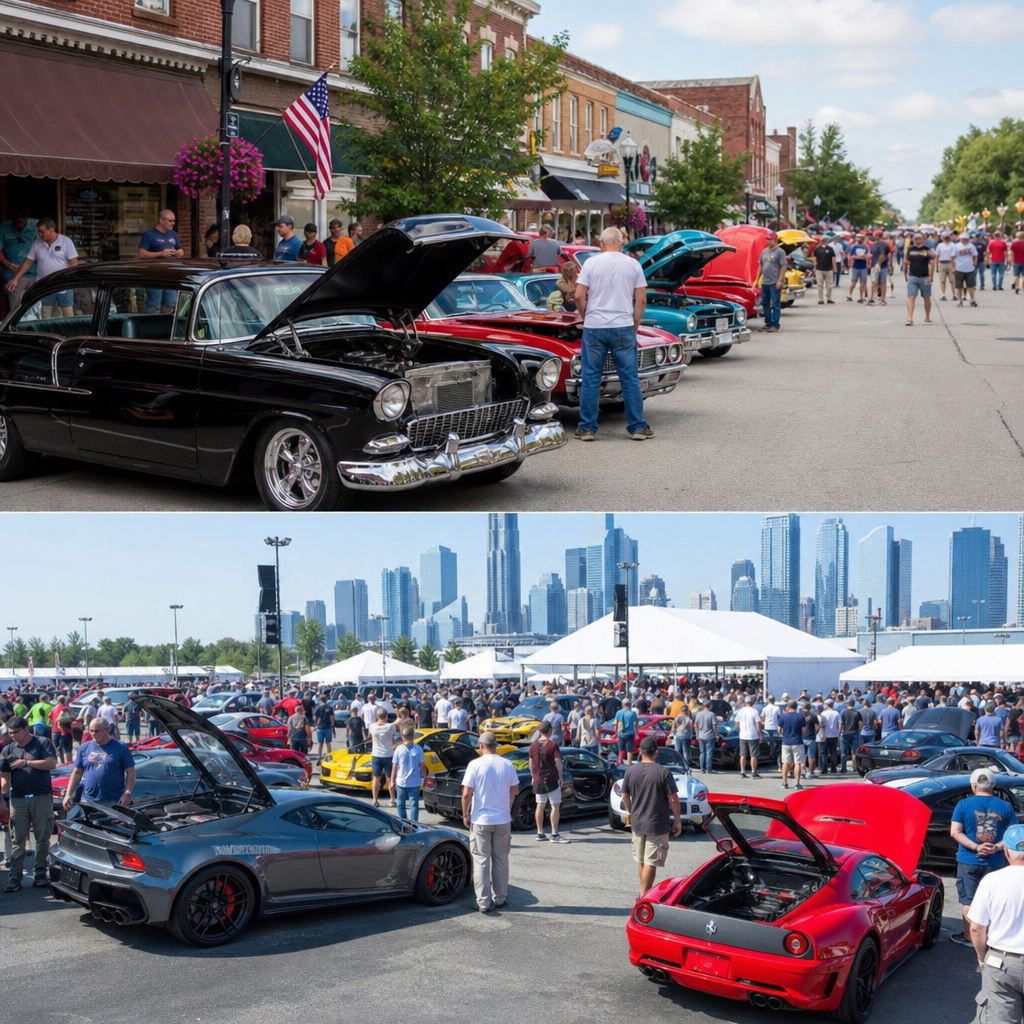
Classic car collecting is often portrayed as a solitary pursuit, but the strongest collections are usually built through networks. Owners learn from club forums, concours fields, vintage rallies, marque specialists, appraisers, auction staff, and restorers who have seen the same models for decades. In practice, reputation travels quickly in this world. Sellers remember who wasted time, shops remember who paid promptly and listened, and collectors remember who represented a car honestly. Good relationships create access to better cars, better advice, and better outcomes.
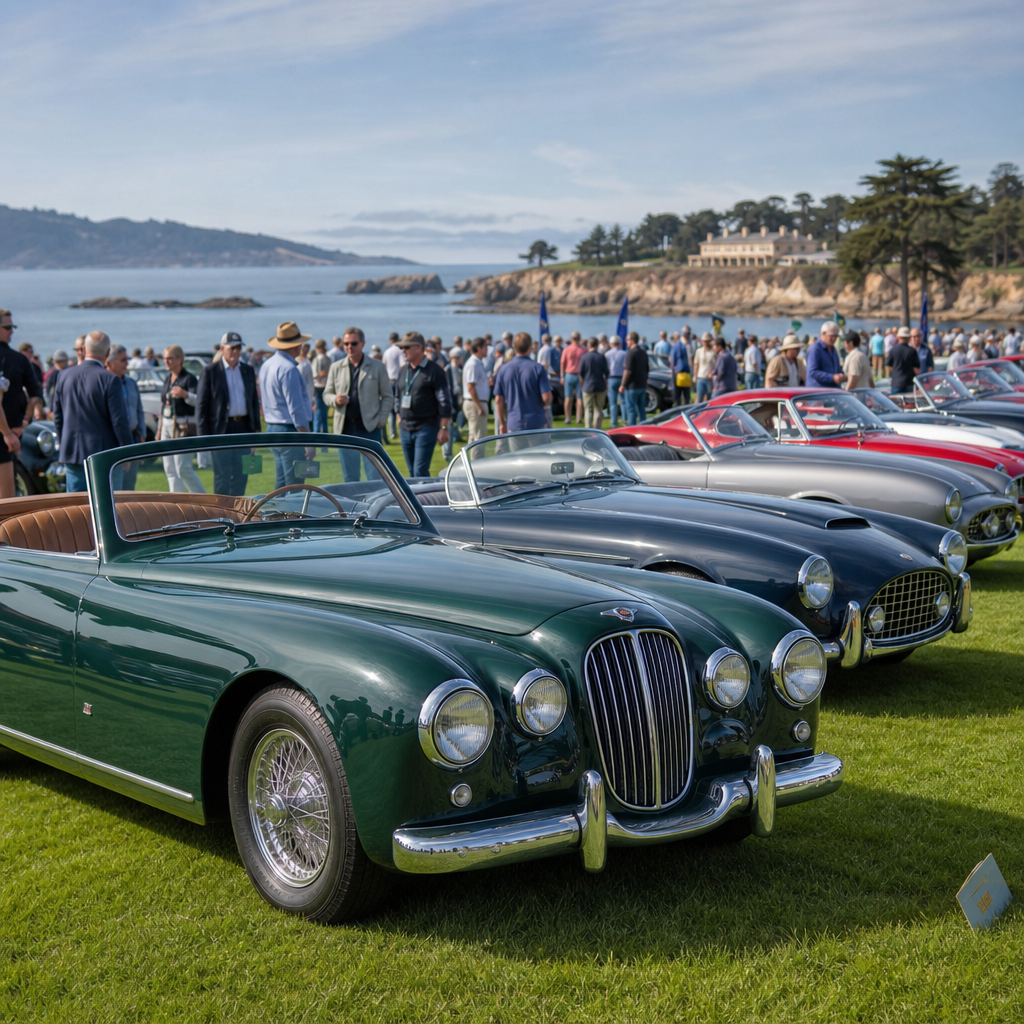
I have seen collectors find exceptional off-market cars because they stayed active in local clubs and treated people fairly. A long-term owner is far more likely to offer a cherished Healey or 280SL privately to someone known for careful stewardship than to a random highest bidder. Mentorship matters just as much. New collectors who ask thoughtful questions at events such as Amelia Island, Goodwood, or regional concours gatherings often accelerate their learning dramatically. A ten-minute conversation with a marque judge can save months of mistaken assumptions about trim, finishes, or driveline authenticity.
Collector stories also show that community helps keep enthusiasm grounded. Market booms can create pressure to buy for investment alone, but experienced enthusiasts usually return the discussion to substance: build quality, historical significance, usability, and joy. The most respected collectors I know are not the loudest bidders. They are the people who support registries, share documentation, lend expertise, and preserve cars so the next owner receives a clearer history than they did.
Patience Wins in Both Holding and Selling
Another enduring lesson from classic car collectors is that timing matters, but patience matters more. Owners who rush to sell because prices spike often discover fees, taxes, logistics, and buyer scrutiny reduce the apparent gain. Buyers who chase trends at the top of the market can spend years waiting for fundamentals to catch up. Experienced collectors therefore evaluate a car on three levels before making a move: quality, liquidity, and purpose. Is the car excellent enough to justify holding? Is there a deep buyer base? Does it still fit the collection’s direction?
When selling, preparation changes outcomes. Clean title history, fresh servicing, organized records, professional photography, compression numbers where relevant, and transparent disclosures build trust immediately. A seller who explains known flaws honestly often performs better than one who hides them behind vague language. Choosing the right venue matters too. A no-reserve online auction may suit a popular driver-quality BMW 2002, while a rare coachbuilt prewar car may need a specialist auction house with targeted buyers. Collectors who learn this lesson treat sales as curation, not disposal.
The broader takeaway from collector stories is that classic cars reward deliberate ownership. Research before buying, verify provenance, choose restoration strategies carefully, budget for stewardship, invest in relationships, and act patiently when markets shift. These habits protect money, but more importantly they protect enjoyment. The best collections are not built by impulse. They are built by people who listen, learn, and leave each car better documented and better cared for than they found it. If you are building your own place in classic car culture, start with the stories behind the cars and follow those lessons into your next decision.
Frequently Asked Questions
What is the biggest lesson seasoned classic car collectors learn over time?
The biggest lesson most experienced collectors learn is that successful collecting is rarely about chasing the flashiest car in the room. It is about discipline, research, and long-term judgment. New enthusiasts often assume value is created by rarity alone, but veteran collectors know that condition, originality, documentation, ownership history, and market timing usually matter just as much. A car may look spectacular at auction or online, yet hidden rust, incorrect restoration work, missing numbers, or weak provenance can turn a dream purchase into an expensive problem.
Collectors who have been in the hobby for years also learn patience. The right car at the wrong price, or the wrong car at any price, is still a bad deal. Many of the best stories from seasoned owners involve cars they did not buy, because walking away can be just as important as bidding. They learn to verify claims, inspect thoroughly, consult marque experts, and think beyond the emotional high of acquisition. In practical terms, the most valuable lesson is this: collect with a clear strategy, not just enthusiasm. Passion gets people into the hobby, but careful decision-making is what keeps collections strong and sustainable.
Why do classic car collectors place so much importance on provenance and documentation?
Provenance is one of the foundations of serious classic car collecting because it helps establish authenticity, historical significance, and market confidence. Documentation can include build sheets, service records, ownership history, factory correspondence, original manuals, restoration invoices, judging sheets, and period photographs. For a collector, these materials are not just paperwork. They help confirm that a car is what it claims to be, that important components are original or correctly replaced, and that the story attached to the vehicle is credible.
Seasoned collectors learn that two visually similar cars can have dramatically different values based on documentation alone. A well-restored car with vague history may be desirable, but a comparable example with complete records, matching numbers, and traceable ownership often carries greater appeal and stronger resale potential. Documentation also makes future maintenance easier, supports insurance valuations, and builds buyer trust if the vehicle is ever sold. In many collector stories, the happiest purchases are the ones that came with a file as impressive as the car itself. The lesson is simple and practical: always buy the history along with the vehicle, because in the classic car world, the story is part of the asset.
What do experienced collectors say about restoration versus originality?
Experienced collectors tend to view restoration and originality as a balancing act rather than a simple either-or choice. Originality is prized because it preserves the car’s historical character and offers an honest window into how it was built and used. Unrestored or carefully preserved cars often carry a kind of authenticity that cannot be recreated, even with an expensive restoration. Factory finishes, original trim, correct hardware, and signs of age can all matter deeply to knowledgeable buyers and judges.
At the same time, collectors also understand that many classics need restoration to survive, remain safe, or return to proper condition. The real lesson is that quality and correctness matter more than the word “restored” by itself. Poorly executed restoration work can reduce value, erase important details, and create years of mechanical frustration. Over-restoration can be just as problematic, especially when it introduces non-original materials, finishes, or specifications that make the car look better than it ever did from the factory.
Veteran collectors usually recommend defining the goal before starting any work. Is the car being preserved, driven regularly, shown at concours events, or prepared for resale? That answer shapes every restoration decision. The most respected collectors know when to conserve, when to repair, and when to fully restore. Their stories often reinforce the same point: preserving authenticity wherever possible usually pays off, while restoration should be thoughtful, documented, and faithful to the car’s identity.
How do classic car collectors manage the real costs of ownership beyond the purchase price?
One of the most practical lessons from long-time collectors is that buying the car is only the beginning. Ownership costs often include transport, inspection fees, secure storage, climate control, routine servicing, specialist labor, insurance, registration, detailing, tire replacement, battery maintenance, fuel system care, and unexpected mechanical repairs. For rare or complicated models, parts sourcing alone can become a major expense, especially when original or correct components are difficult to find.
Seasoned collectors learn to budget for these realities before making a purchase. They know that a bargain-priced car can become more expensive than a premium example if it needs extensive work to make it reliable or correct. They also understand that neglect is costly. A classic car that sits improperly stored can develop fuel problems, brake issues, electrical faults, fluid leaks, interior deterioration, and corrosion. Preventive maintenance is almost always cheaper than deferred repairs.
Insurance is another area where experience matters. Collectors often work with specialty insurers that understand agreed-value policies, limited-use coverage, and proper documentation. Storage is equally important. A dry, secure, temperature-stable environment protects both mechanical condition and long-term value. The broader takeaway from collector experience is that successful ownership depends on planning, not improvisation. The best collectors treat their cars like living assets that require ongoing stewardship, and that mindset helps them avoid many of the expensive surprises that catch newcomers off guard.
Why is community such an important part of the classic car collecting world?
Community matters because classic car collecting is built as much on shared knowledge as it is on individual ownership. Experienced collectors rarely operate in isolation. They rely on mechanics, restorers, club members, historians, auction specialists, parts suppliers, appraisers, and marque experts to make better decisions. Some of the most valuable lessons in the hobby come not from books or listings, but from conversations at shows, garage visits, rallies, and club events where people exchange honest advice about cars, market trends, restoration pitfalls, and trusted service providers.
Collector stories often show that relationships can open doors to cars that never reach public listings, help verify a vehicle’s history, or prevent a costly mistake before money changes hands. Community also gives context. It teaches newer enthusiasts how certain models are viewed, what originality standards really matter, which upgrades are accepted, and where values may be heading. Just as importantly, it reminds people that the hobby is not only about ownership or investment. It is also about preservation, shared enthusiasm, and passing knowledge along.
Seasoned collectors often say that the best opportunities and the best lessons come through reputation and trust. If you are known as a careful buyer, a responsible steward, and a respectful participant in the hobby, people are more willing to help, advise, and transact with you. That is why community remains one of the most important lessons learned from classic car collectors: cars may bring people in, but relationships are what help them thrive in the hobby over the long term.