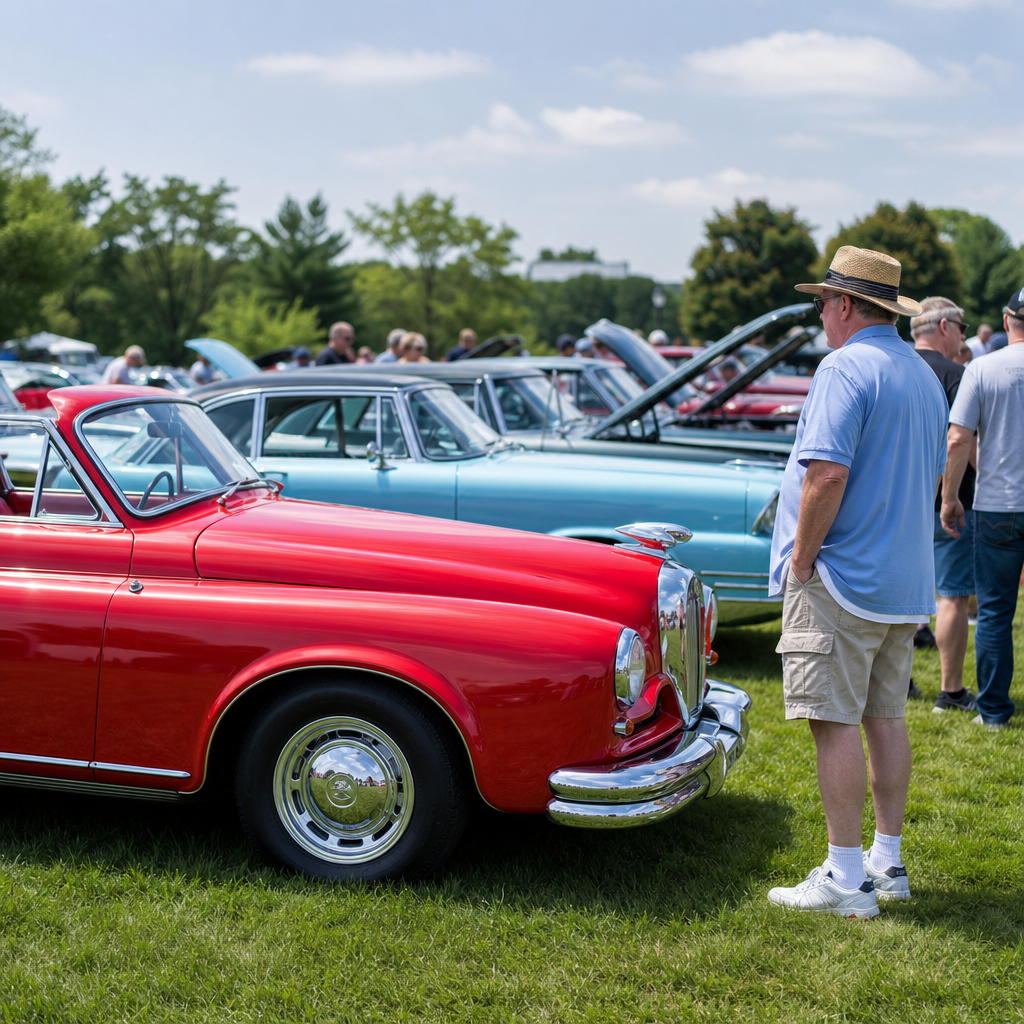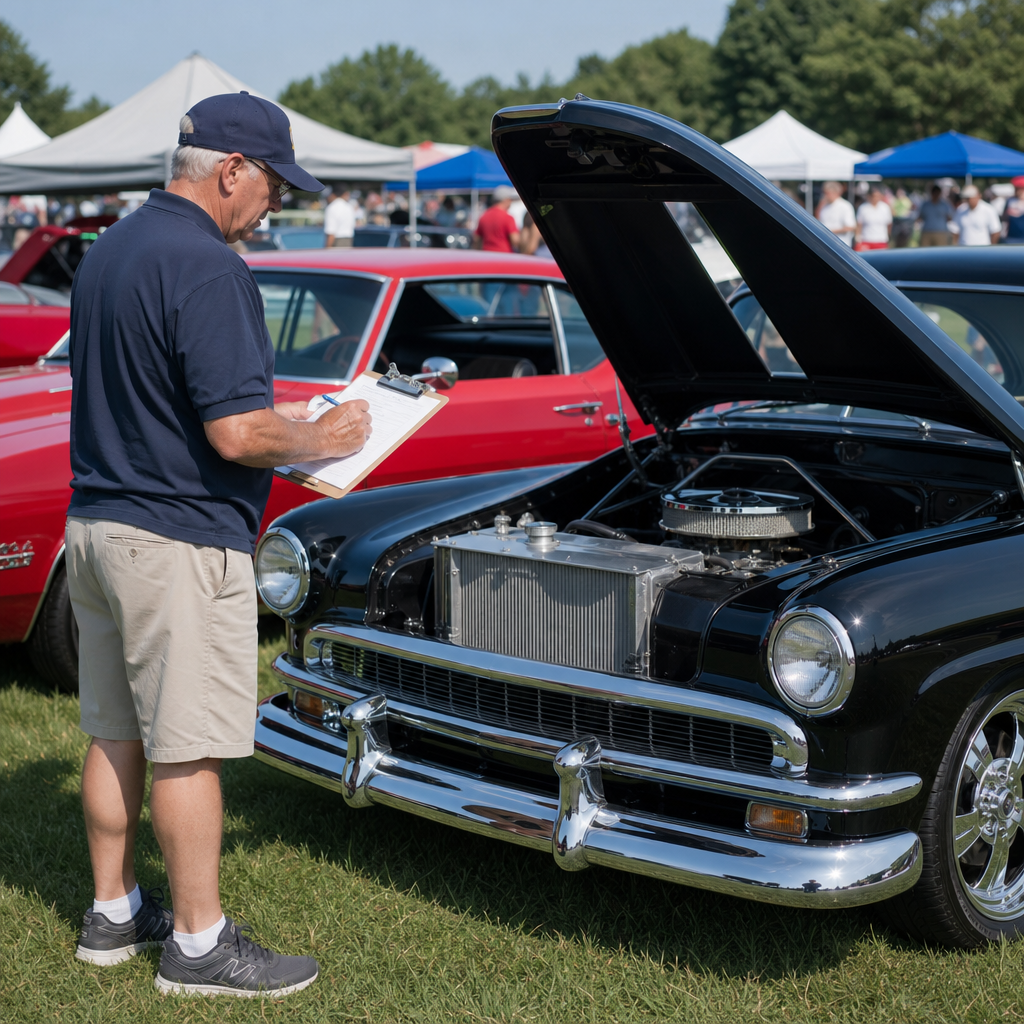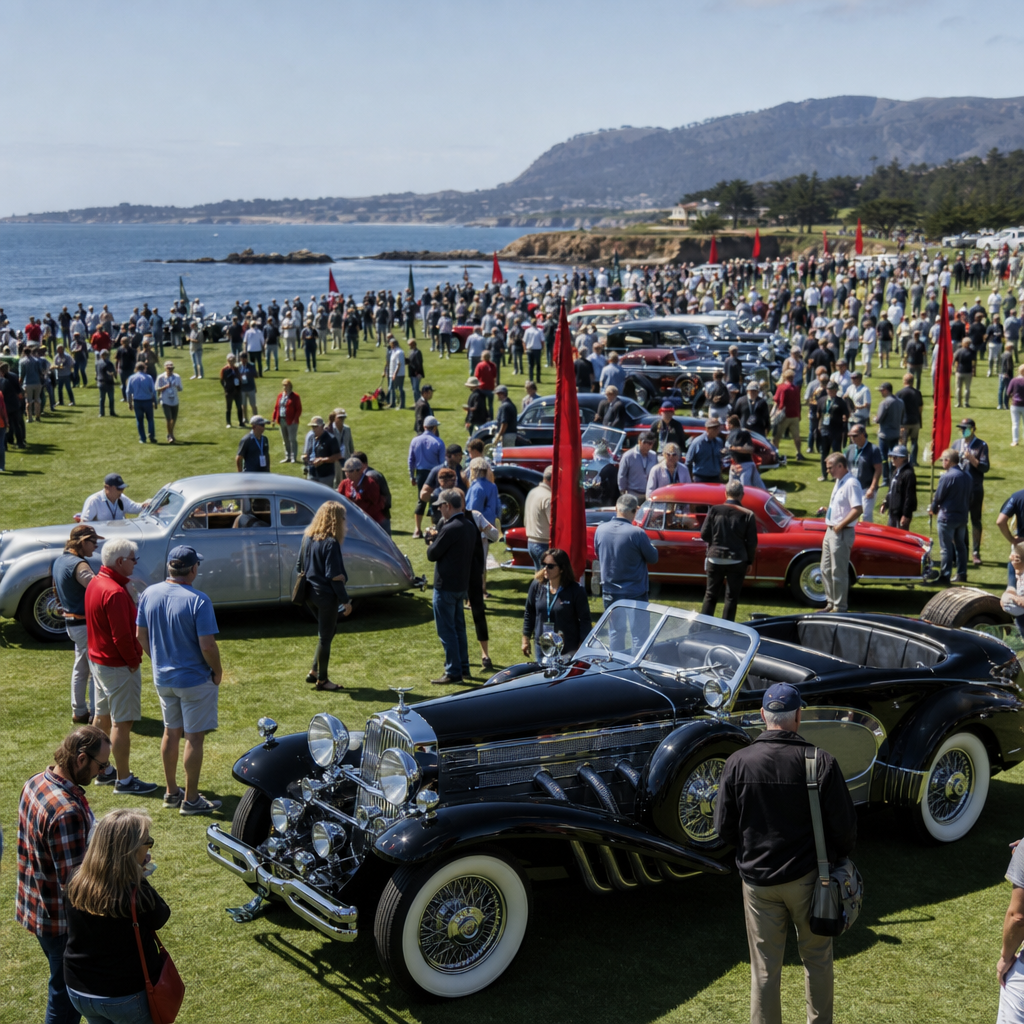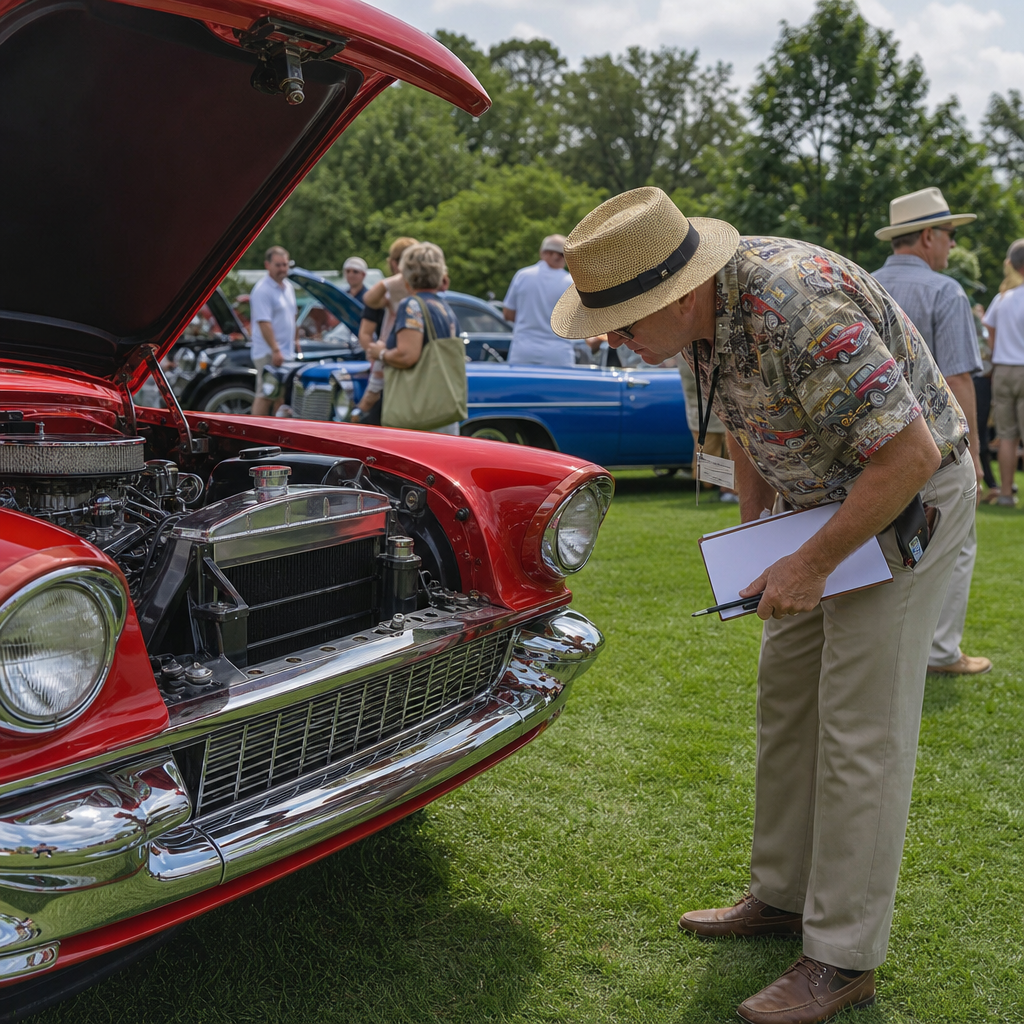
The biggest private classic car collections capture more than wealth or rarity; they preserve engineering history, shape auction markets, and reveal how individual passion can influence global car culture. In collector circles, a private collection usually means vehicles owned by an individual, family, or privately controlled foundation rather than a public museum, manufacturer archive, or state institution. A classic car collection, in turn, is not simply a group of old vehicles. Serious collections are curated around period, marque, racing heritage, coachbuilding, provenance, restoration philosophy, or cultural significance. After years of visiting storage buildings, restoration shops, concours lawns, and discreet invitation-only viewings, I have learned that the most important collections are rarely defined by raw vehicle count alone. Quality, documentation, originality, and the owner’s long-term stewardship matter just as much.
For readers exploring collector stories within classic car culture and lifestyle, these collections matter because they influence what enthusiasts value. When a prominent collector champions prewar Alfa Romeos, air-cooled Porsches, or homologation specials, demand often follows. Major collections also fund specialist trades, from upholstery and engine machining to archival research and transport logistics. In practical terms, private collections help keep rare cars alive when public institutions lack acquisition budgets or restoration capacity. They can also distort the market when historically important vehicles disappear from public view for decades. Understanding the biggest private classic car collections therefore helps explain how heritage, exclusivity, preservation, and prestige intersect in the collector world.
This hub article covers the landscape comprehensively: what makes a collection significant, which private collections have become benchmarks, how collectors build them, and what stories these garages tell about the people behind them. The names most often discussed include Ralph Lauren, the Mullin collection, the Schlumpf brothers’ original hoard, Jay Leno’s privately held vehicles, and modern hyper-organized family collections in North America, Europe, and the Gulf. Some remain highly visible through concours appearances and loans; others are intentionally secretive. Across all of them, one fact remains constant: the biggest private classic car collections are cultural archives on wheels, and their stories are central to understanding the broader collector ecosystem.
What Makes a Private Classic Car Collection Truly Significant
Size attracts headlines, but significance comes from concentration, coherence, and quality. A 40-car garage filled with landmark Ferraris, surviving coachbuilt Delahayes, or Le Mans-winning racers can matter more than a 400-car accumulation of mixed-condition vehicles. In the trade, specialists evaluate significance using several criteria: provenance, originality, rarity, historical documentation, restoration standard, event eligibility, and thematic focus. A collection built around one clear thesis usually becomes influential because it teaches the market how to interpret a category. The best examples are collections focused on Bugatti Grand Prix cars, brass-era American automobiles, postwar Italian sports racers, or preservation-class survivors with untouched finishes.
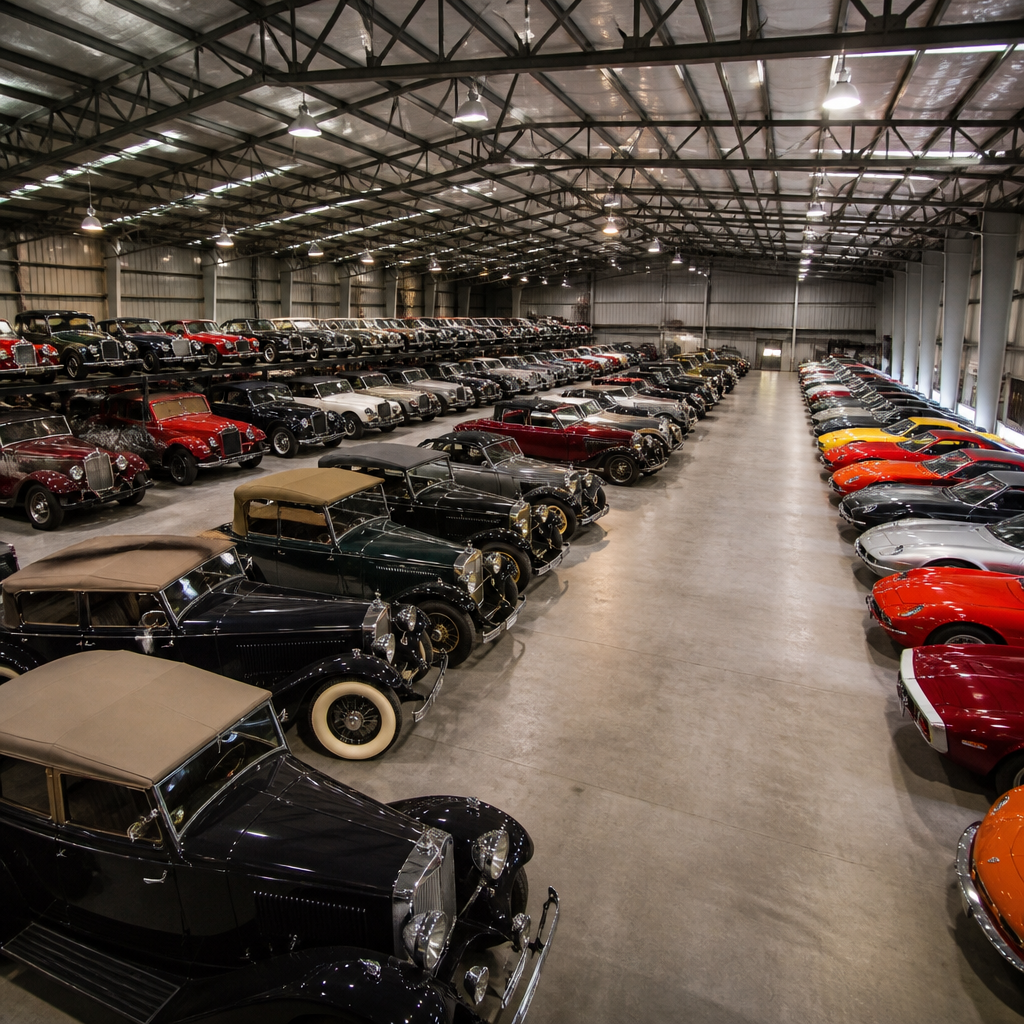
Another defining factor is stewardship. Important collectors maintain climate control, fluid management schedules, archival files, and active mechanical exercise programs. Static storage damages cars faster than many owners realize. Carburetors gum up, seals dry out, brake systems corrode internally, and natural materials degrade under poor humidity control. The most respected private collections therefore operate almost like small museums combined with race shops. Vehicles are cataloged, photographed, serviced, and moved regularly. I have seen collections with barcoded parts storage, dedicated trim libraries, and in-house historians who verify chassis numbers against period factory records. That level of discipline separates a trophy garage from a serious historical asset.
Public access also shapes reputation. A collection can remain private yet still influence scholarship and enthusiasm if it lends cars to concours events, exhibitions, or books. When collections stay completely hidden, they fuel mythology but contribute less to education. That tradeoff sits at the heart of collector stories: owners want privacy and control, while the car community benefits when historically important vehicles are seen, studied, and heard running.
Famous Private Collections That Set the Standard
Ralph Lauren’s collection remains one of the most recognized benchmarks because it pairs exceptional rarity with curatorial discipline. His holdings have included icons such as the 1938 Bugatti Type 57SC Atlantic, Ferrari 250 GTO, McLaren F1, Jaguar XKD, Alfa Romeo 8C 2900, and Mercedes-Benz SSK. What makes the collection notable is not only market value but aesthetic consistency. The cars were selected as design masterpieces, then presented almost like sculpture without losing their mechanical integrity. Museum exhibitions built around the collection changed how non-enthusiasts understood automobiles as industrial art, and that widened the audience for classic car culture well beyond concours regulars.
The Mullin collection, assembled by Peter Mullin, became essential to the story of French art deco automobiles. Although portions have been exhibited publicly, the core collecting impulse was private, highly focused, and scholarship-driven. Bugatti, Delahaye, Delage, Talbot-Lago, and Voisin were not gathered randomly; they were contextualized through design history, aviation influences, coachbuilding, and period luxury culture. That focus turned the collection into a reference point for anyone studying prewar French cars. It also proved that a private collector can shape academic understanding when acquisitions are paired with research, conservation, and thoughtful display.
Jay Leno’s garage is different in tone but equally important as a collector story. Leno’s reputation comes from breadth, mechanical usability, and deep owner involvement. He has long emphasized that cars should run, drive, and be understood technically. His collection spans steam cars, brass-era machines, Duesenbergs, muscle cars, supercars, motorcycles, and one-off engineering curiosities. That approach makes his holdings especially influential for enthusiasts because they demonstrate that preservation does not require static reverence. In practice, running collections preserve tacit knowledge: how a Stanley steamer behaves on the road, how a Hispano-Suiza’s controls feel, or how early fuel systems respond under load.
Other major private collections exert quieter influence. The Indianapolis Motor Speedway Museum historically held institution-level depth, but private family collections in the United States, Switzerland, Germany, and the United Arab Emirates often rival museums in individual categories. Some specialize in Porsche competition cars, others in Ferrari road cars with Classiche certification, and still others in American prewar luxury marques like Packard, Pierce-Arrow, and Duesenberg. The point is that the biggest private classic car collections are not a single leaderboard. They are a network of focused archives, each shaping one corner of the hobby.
How Top Collectors Build World-Class Garages
Elite collections are rarely assembled by simply bidding at obvious auctions. The strongest garages are built through decades of relationship-based sourcing. Owners work with marque experts, restorers, brokers, archivists, concours judges, and estate advisors. Before a car changes hands, the buyer may inspect chassis stampings, review factory build sheets, compare body numbers, study period photos, and commission leakdown, compression, or metallurgical checks. For high-value Ferraris and Mercedes-Benz competition cars, known history from new ownership to present day can add millions in value. A famous race entry or celebrity owner matters, but uninterrupted documentation matters more.
Collectors also build strategically. Many start broad and narrow later. Someone who buys “interesting old cars” eventually realizes that the best collection tells a story: coachbuilt European grand tourers from 1930 to 1955, all Shelby competition variants, or air-cooled 911 RS models by generation. Once the theme sharpens, every acquisition reinforces the whole. I have seen collectors sell ten respectable cars to buy one exceptional one because top-tier collections reward depth over variety. The market consistently validates that decision. Blue-chip cars with impeccable provenance tend to remain liquid even when speculative categories soften.
| Collection Strategy | Main Benefit | Typical Risk | Real-World Example |
|---|---|---|---|
| Marque-focused | Deep expertise and stronger event eligibility | Overexposure to one market segment | Ferrari-only collections built around 1950s and 1960s road and race cars |
| Era-focused | Clear historical narrative | Hard sourcing for top examples | Prewar French art deco collections |
| Competition-focused | High historical significance | Complex maintenance and documentation | Le Mans entrants or period rally cars |
| Preservation-focused | Originality premium and research value | Mechanical fragility, limited restoration intervention | Unrestored muscle cars with known ownership history |
| Design-focused | Broad appeal beyond enthusiast circles | Can lack technical coherence | Cars selected for coachbuilder importance or industrial design impact |
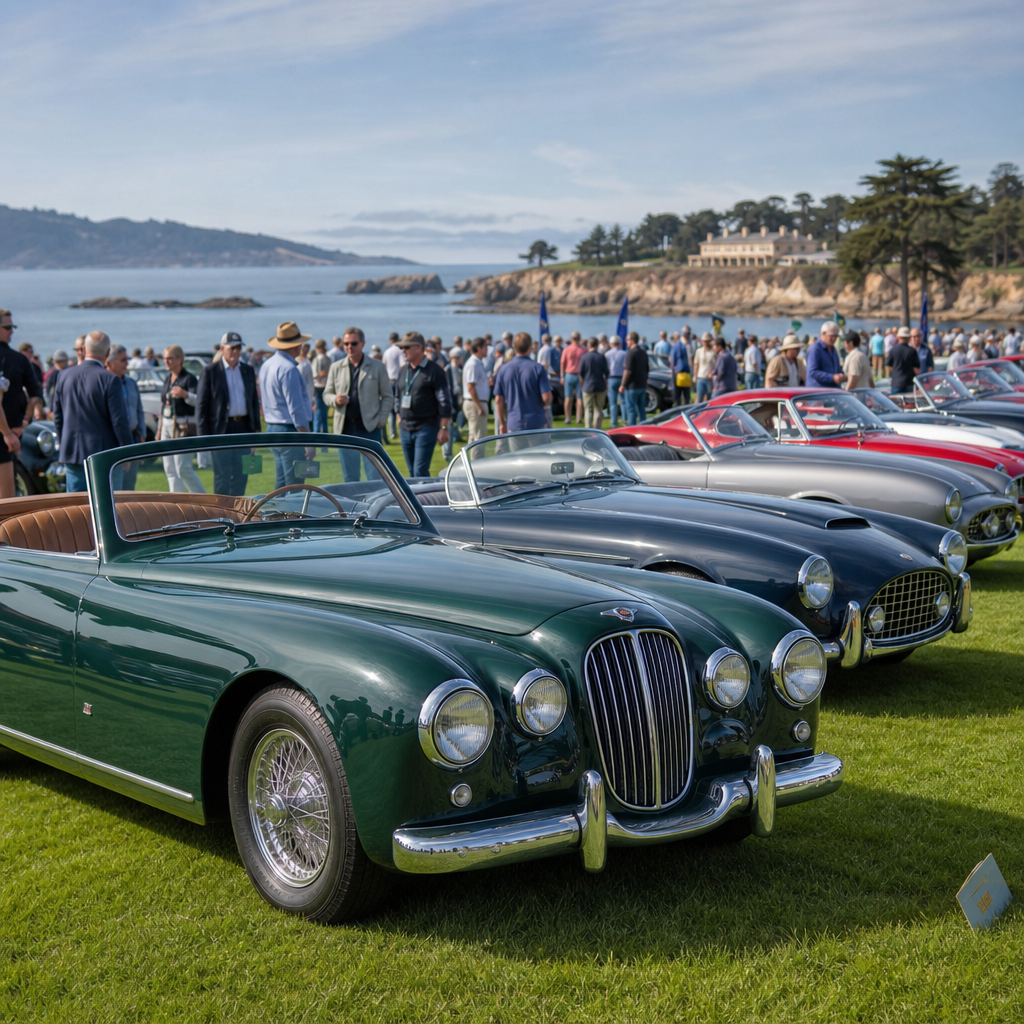
Storage and management are the hidden backbone. Serious collectors use battery tenders selectively, avoid flat-spotting through vehicle rotation, and document all interventions. Fuel is stabilized or drained depending on use frequency, and tires are replaced on age as well as wear. For cars eligible for Pebble Beach, Villa d’Este, Amelia, or Salon Privé, presentation standards are exacting, yet over-restoration is now penalized more often than it was twenty years ago. The smartest owners know when to preserve patina and when safety requires invisible updates. That judgment, more than spending power, defines a sophisticated collection.
Collector Stories: Personality, Purpose, and Legacy
Every major collection is also a biography. Some collectors chase childhood memories: the car their father owned, the poster from a bedroom wall, the roadster glimpsed at a local race in 1964. Others collect as industrial historians, fascinated by metallurgy, carburation, aerodynamics, or coachbuilding. A third group approaches cars as cultural artifacts tied to fashion, cinema, architecture, and national identity. These motives shape the collection’s character. A technically minded owner may prioritize originality of mechanical components over cosmetic perfection. A design-led collector may commission exacting paintwork and period-correct presentation because visual integrity is central to the story being told.
Legacy planning is where many private collections become especially interesting. Some owners intend their cars to remain together after death through a trust, foundation, or private museum arrangement. Others deliberately disperse them through auction, believing the next chapter should be written by new custodians. High-profile single-owner sales often become market-defining events because they offer buyers confidence: one storage regime, one curatorial philosophy, one set of records. The 1988 sale of the Harrah collection changed expectations about volume and spectacle, while more recent estate dispersals have shown how a thoughtfully assembled group can outperform individual estimates when the narrative is strong.
There is also an emotional reality that outsiders miss. Great collections are expensive, but they are equally time-intensive. Owners field shipping issues, title corrections, restoration delays, authenticity disputes, and event logistics. They balance insurance costs, estate concerns, and the frustration of sourcing unobtainable parts. The collector stories that endure are not about buying power alone. They are about persistence, taste, and the willingness to care for difficult objects over decades.
The Cultural and Market Impact of Major Private Collections
The biggest private classic car collections influence values, restoration standards, and public taste. When a respected collector debuts a preservation-grade Shelby Cobra or an accurately sorted Ferrari 750 Monza at a major concours, judges, historians, and buyers all recalibrate their expectations. Auction houses monitor these signals closely. A collection known for disciplined sourcing creates a “halo effect” around any car that leaves it, because the market assumes the car has been vetted and maintained properly. That reputational premium is real, and it can exceed the value of recent restoration invoices.
These collections also sustain specialist businesses. Trim shops capable of authentic Vaumol leather work, engine builders familiar with Lampredi or Colombo V12s, and coachwork artisans who understand ash framing all depend on collectors willing to fund exacting work. Without private collectors, many of these skills would contract sharply. At the same time, concentration of rare cars in private hands can reduce public access and create price barriers for younger enthusiasts. The healthiest collector ecosystems offset that problem through loans, educational events, and media that explain why these cars matter instead of treating them as sealed assets.
For a hub page on collector stories, the essential lesson is simple: the most important private classic car collections are not just large garages. They are curated expressions of knowledge, taste, and responsibility. Study how they are built, maintained, and shared, and you understand the values that define classic car culture at its highest level. If you want to go deeper into this subtopic, explore individual collector profiles, marque-specific collecting guides, and restoration case studies, then apply those insights to the cars and stories that inspire you most.
Frequently Asked Questions
What qualifies as a private classic car collection?
A private classic car collection generally refers to a group of historically significant vehicles owned by an individual, a family, or a privately controlled foundation rather than a public museum, government institution, or manufacturer archive. That distinction matters because private collections are usually built around personal vision, taste, and long-term stewardship rather than public programming or corporate brand preservation. In practical terms, the owner decides what to acquire, how the cars are restored, how often they are shown, and whether the collection remains largely hidden or becomes influential through concours events, loans, and selective sales.
Just as important, a true classic car collection is not simply a storage space full of old automobiles. The most respected private collections are curated. They may focus on a particular era, such as pre-war coachbuilt cars, a class of performance machines, such as postwar European sports cars, or a broader mission, such as preserving milestone vehicles that changed engineering or design. Serious collectors also document provenance, factory specifications, ownership history, restoration records, and originality. In other words, the biggest private classic car collections are often measured not only by the number of vehicles they contain, but by the historical depth, rarity, coherence, and quality of the cars within them.
Why are the biggest private classic car collections so important to automotive history?
The largest private classic car collections play a major role in preserving automotive history because many rare and fragile vehicles survive today only because collectors invested in finding, restoring, and maintaining them. Unlike ordinary consumer goods, historic cars require constant care, specialized parts, expert mechanical knowledge, and climate-controlled storage. Without dedicated private ownership, many significant vehicles would have been lost to neglect, poor repairs, or simple disuse. In that sense, major collectors often function as unofficial custodians of engineering heritage, protecting machines that represent breakthroughs in design, manufacturing, motorsport, luxury, and transportation culture.
These collections also influence how automotive history is interpreted. When a collector assembles landmark examples from a specific marque, design house, racing series, or technological period, the collection can tell a story that helps enthusiasts, researchers, restorers, and auction specialists understand how cars evolved over time. A well-known private collection may bring attention to overlooked models, support scholarship through archives and documentation, or raise restoration standards by insisting on correctness and authenticity. Even when the vehicles are not on permanent public display, they often appear at concours d’elegance events, exhibitions, and charity showcases, where they shape public appreciation of classic automobiles and keep automotive craftsmanship visible for new generations.
How do major private collectors affect the classic car market?
Major private collectors have a substantial impact on the classic car market because their buying decisions can validate categories, elevate certain marques, and influence price trends across the hobby. When a respected collector aggressively pursues a model or a specific era, the broader market often takes notice. Auction houses, dealers, historians, and other collectors may reassess the importance of those vehicles, which can lead to stronger demand and higher valuations. In some cases, a private collection becomes a benchmark for quality, originality, and rarity, especially if the owner is known for acquiring top-tier examples with excellent provenance and concours-level restoration.
The effect becomes even more visible when large collections are partially sold. A single high-profile sale can reset market expectations, particularly if historically important vehicles achieve record prices. At the same time, big collectors can stabilize parts of the market by removing rare cars from rapid speculation and holding them for decades. That long-term approach often protects historically meaningful cars from being overtraded or altered for short-term profit. However, concentration matters as well. When a small number of elite collectors control the best surviving examples of certain models, availability tightens, competition increases, and access for newer collectors becomes more difficult. So while the biggest private classic car collections help preserve and elevate the hobby, they also shape scarcity, prestige, and pricing in very real ways.
Are these collections usually open to the public?
Most of the biggest private classic car collections are not fully open to the public in the way a traditional museum would be. Many are housed in private garages, secure storage facilities, or custom-built display spaces designed primarily for preservation and private viewing. Owners may limit access because of security concerns, insurance requirements, the extreme value of the vehicles, or a desire to keep the collection personal rather than commercial. Some collections are known only through occasional photographs, interviews, concours entries, or auction catalogs, which adds to their mystique and reputation within collector circles.
That said, private does not always mean invisible. Some collectors lend vehicles to museums, allow selected tours, support educational events, or exhibit cars at major shows such as Pebble Beach, Villa d’Este, Amelia Island, or marque-specific gatherings. Others create privately controlled foundations or appointment-only galleries that blur the line between personal collection and public institution. In those cases, the owner still retains private control, but the cars become accessible enough to influence enthusiasts, researchers, and the broader public. So the answer is usually that these collections are selectively visible: not fully public, but often influential through strategic appearances, loans, and carefully managed access.
What makes one private classic car collection “the biggest” or most significant?
Size is the most obvious metric, but it is far from the only one. A collection may be called one of the biggest because it contains hundreds or even thousands of vehicles, yet quantity alone does not guarantee importance. Among serious enthusiasts, significance usually comes from a combination of scale, rarity, historical value, condition, and curatorial focus. A collection with fewer cars may rank above a larger one if it includes exceptionally rare coachbuilt masterpieces, major racing cars, limited-production supercars, or vehicles with extraordinary provenance tied to royalty, celebrities, industrialists, or championship competition history.
Another factor is quality of stewardship. The most respected private classic car collections are carefully cataloged, professionally maintained, and restored with deep attention to factory-correct details. They often include original documentation, rare accessories, period photographs, and ownership records that strengthen each vehicle’s historical standing. Influence matters too. If a collection regularly supplies headline cars to elite concours events, contributes to scholarship, shapes market trends, or becomes known as a gold standard in the hobby, it will be considered significant regardless of whether every car is publicly visible. In short, the biggest private classic car collections are defined by more than garage space or wealth; they stand out because they preserve automotive history at a high level and help determine how that history is valued, studied, and remembered.