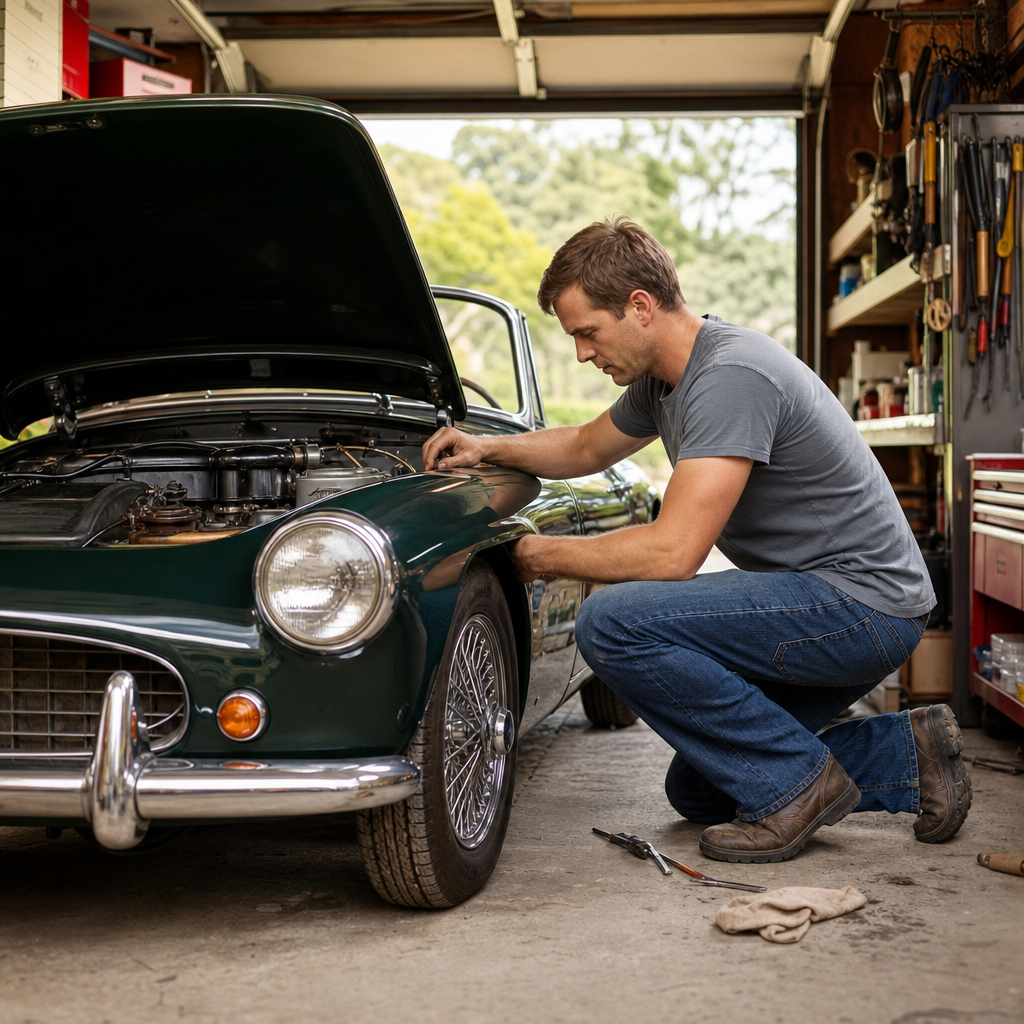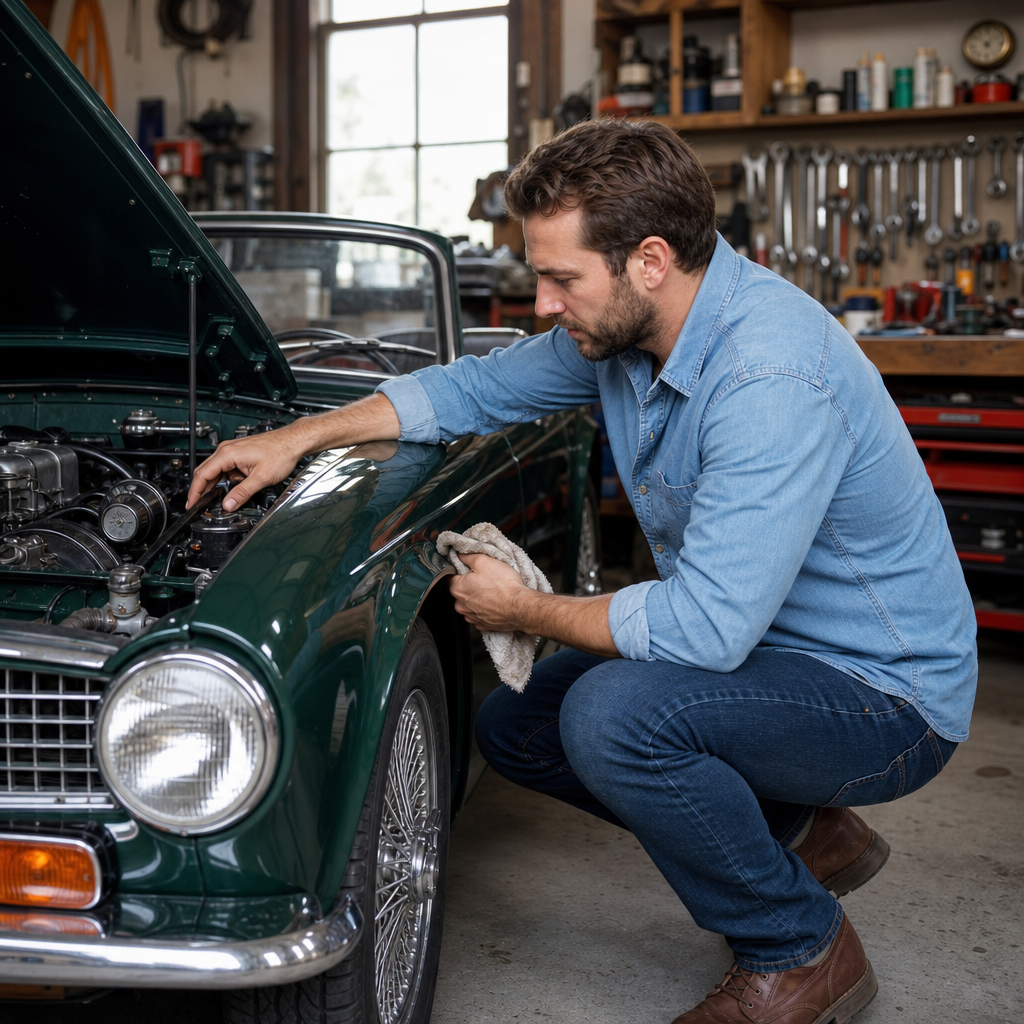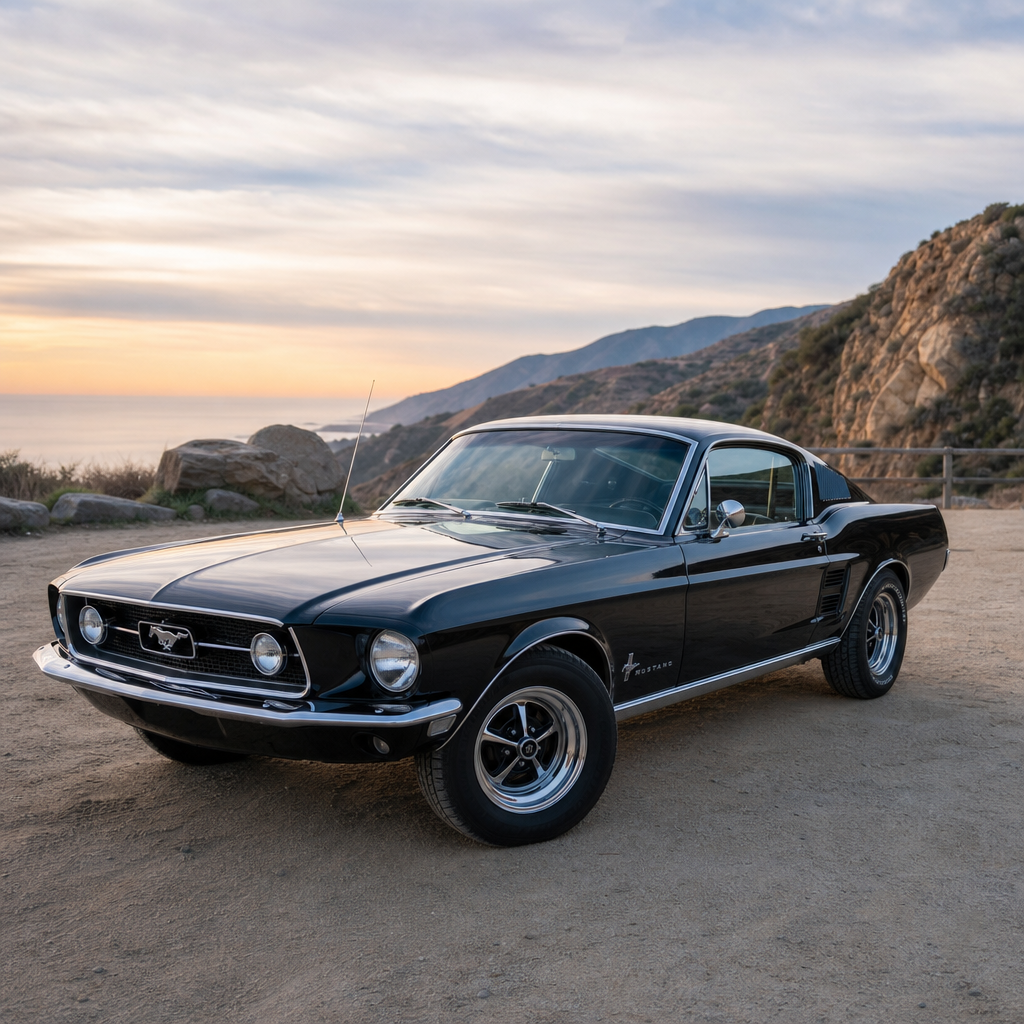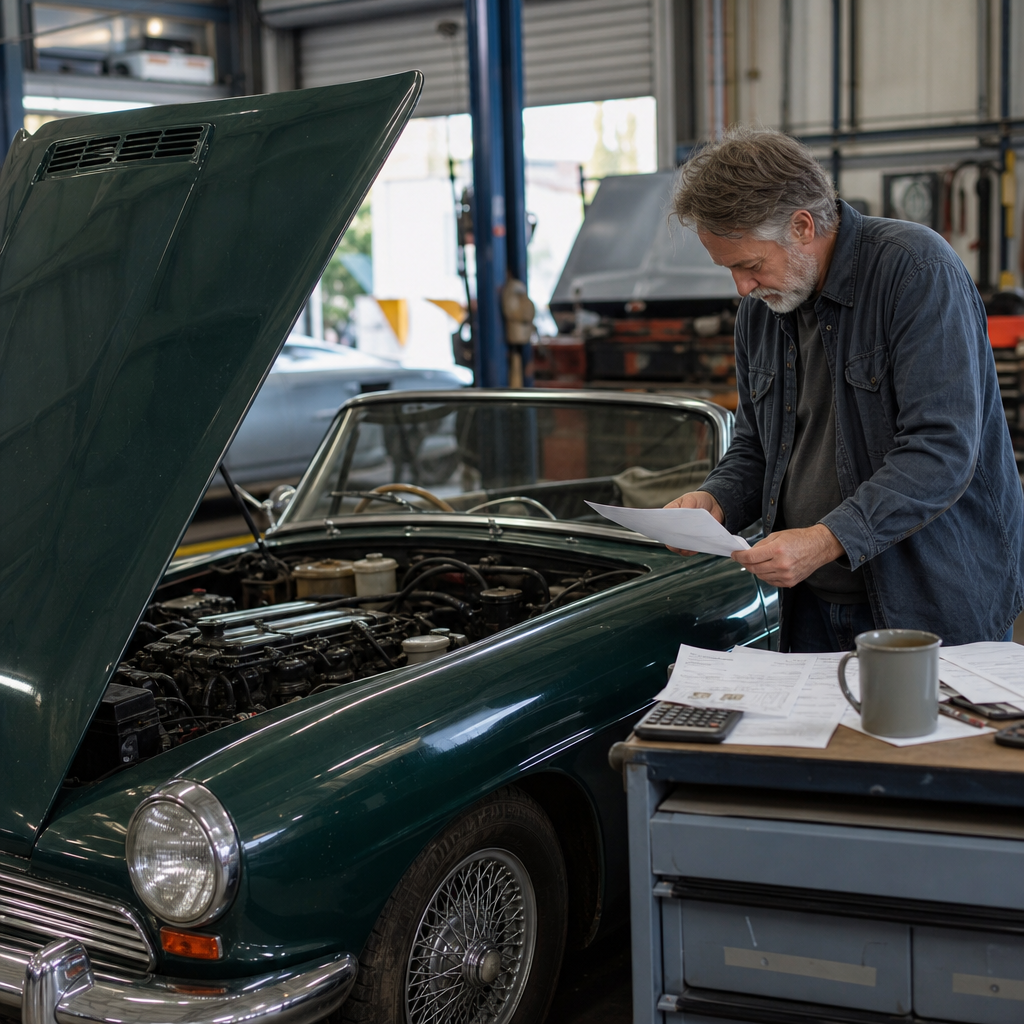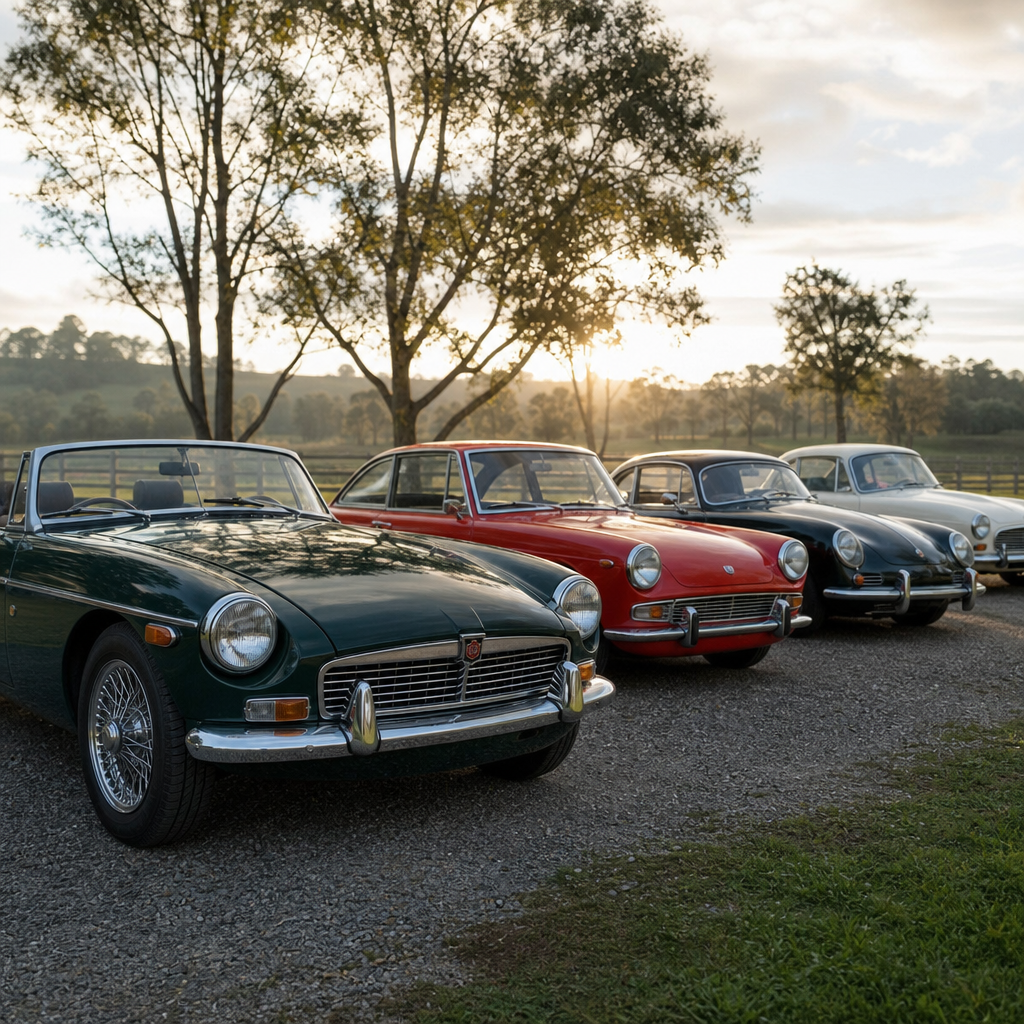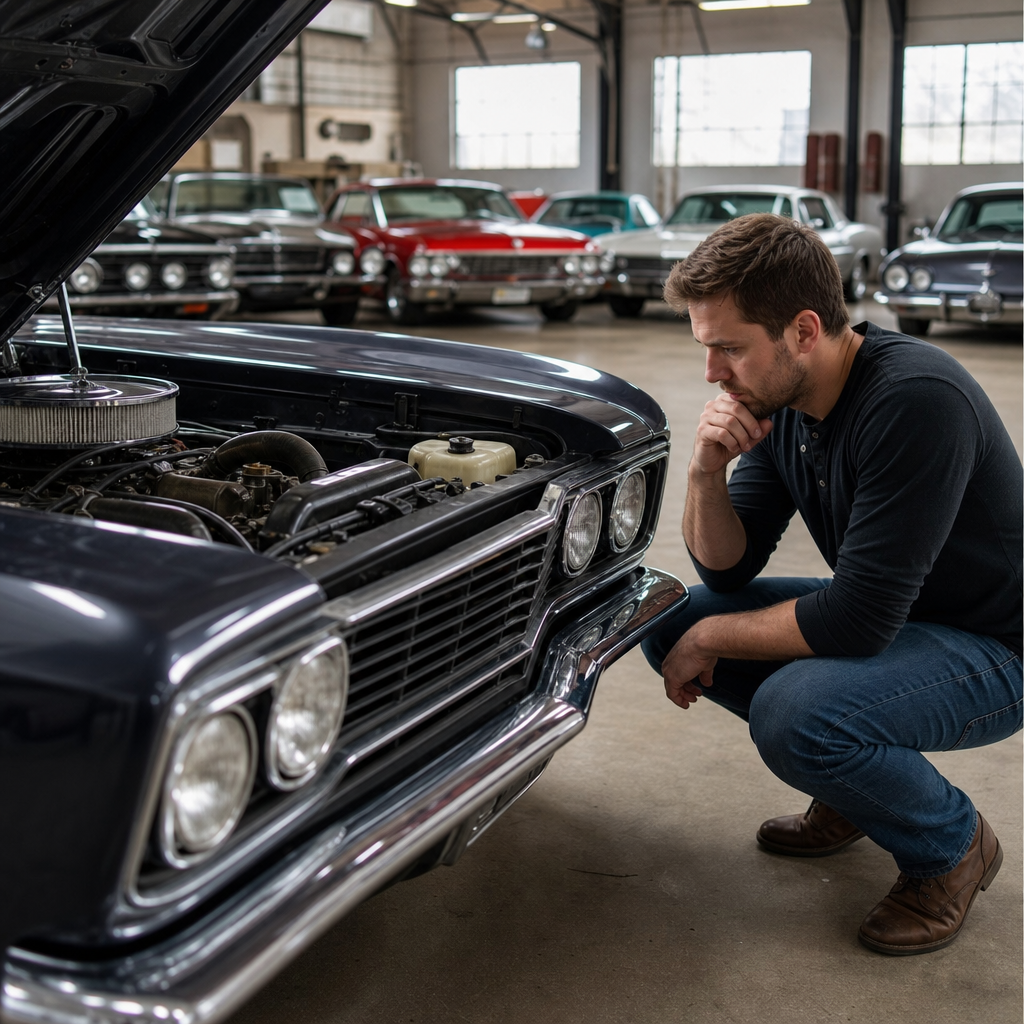
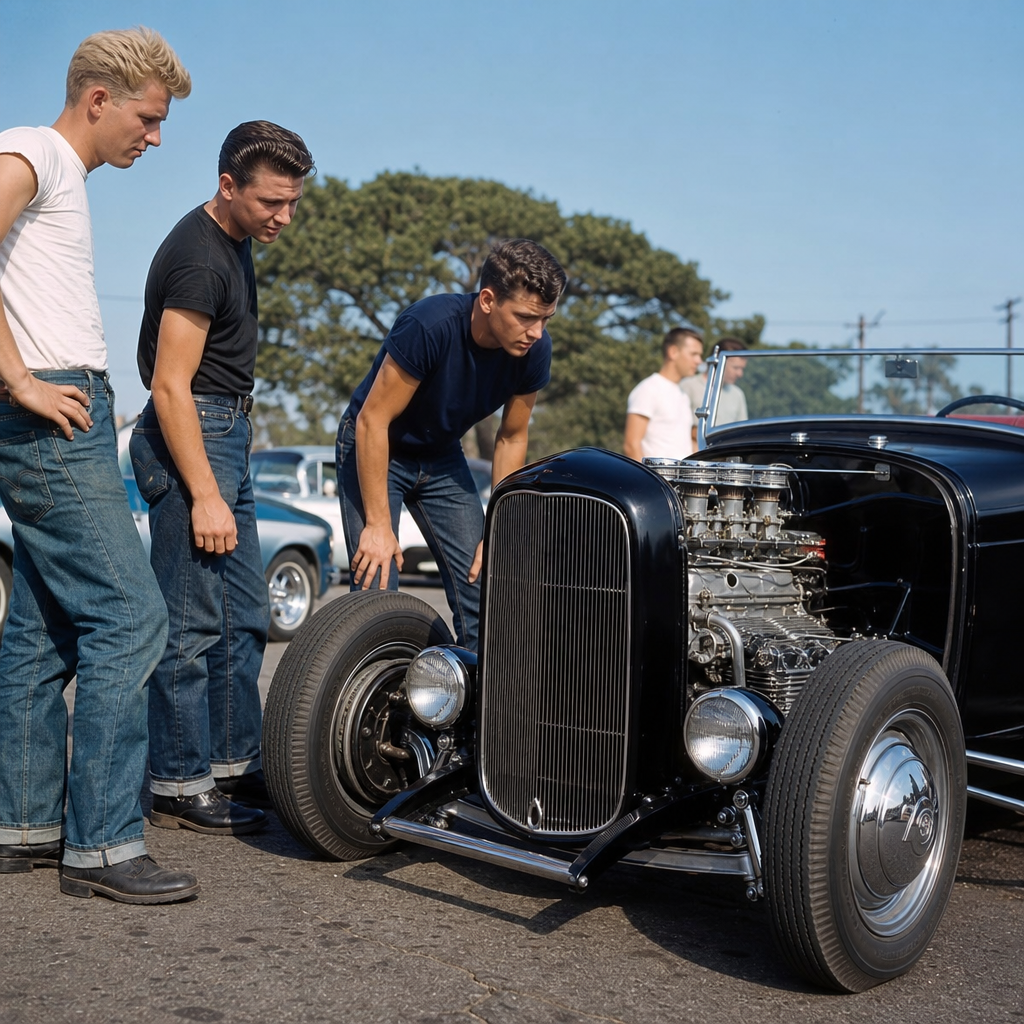
Hot rod culture in America began as a resourceful, rebellious response to economic hardship, wartime mechanical training, and a national fascination with speed. In classic car history, a hot rod is typically an older American car, most often from the 1920s through 1940s, modified for faster acceleration, higher top speed, sharper handling, or a more distinctive appearance. The movement matters because it shaped not only custom cars, drag racing, aftermarket performance parts, and garage craftsmanship, but also the broader history of classic cars in the United States. Any serious guide to the history of classic cars must treat hot rods as a central chapter, since the culture influenced design trends, youth identity, motorsports, and restoration practices that still define the collector world today.
I have spent years around restorers, swap meets, early Ford specialists, and traditional rod builders, and one lesson comes up repeatedly: hot rods were never just about going fast. They were about making something better with whatever parts, tools, and know-how were available. That practical ingenuity is why hot rod culture sits at the heart of classic car basics and education. To understand why a chopped 1932 Ford coupe commands respect, why flathead V8 parts remain collectible, or why dry lakes racing became legendary, you need to understand where the culture came from, who built it, and how it changed America’s relationship with the automobile.
The birth of hot rod culture is also the gateway to the wider history of classic cars because it connects several major themes: early mass production, the rise of youth car culture, postwar prosperity, regional car scenes, and the growth of specialty publications and performance businesses. This article serves as a hub for that larger story by tracing hot rodding from its roots in Southern California through its national spread, then showing how its ideas carried into muscle cars, custom cars, restoration standards, and today’s classic vehicle community.
From Cheap Transportation to Speed Machines
Hot rodding emerged in the 1930s, especially in California, where used Ford Model Ts, Model As, and 1932–1934 Fords were plentiful and inexpensive. These cars were ideal platforms because they were light, simple, and easy to modify. Builders stripped off fenders, bumpers, running boards, tops, and any unnecessary weight to improve performance. This was not styling for its own sake. It was mechanical logic. Less mass meant more speed from limited horsepower. In the Great Depression, when money was scarce, young enthusiasts learned to adapt factory parts, trade components, and fabricate solutions in home garages.
The Ford flathead V8, introduced in 1932, became the defining engine of early hot rod culture. Henry Ford’s decision to make a V8 available in an affordable production car changed everything. Before that, eight-cylinder power was largely reserved for expensive luxury makes. The flathead gave ordinary enthusiasts access to meaningful performance, and soon builders were swapping it into lighter earlier chassis. A 1932 Ford roadster or coupe with a tuned flathead, improved intake, higher-compression heads from makers such as Edelbrock or Offenhauser, and dual carburetors became the archetypal hot rod formula.
Southern California provided the perfect environment. The region had a mild climate, an expanding road network, aviation and industrial jobs, and vast dry lake beds such as Muroc, El Mirage, and Harper. Those open spaces allowed informal speed testing well away from crowded city streets. In practical terms, the dry lakes became laboratories. Builders could change gearing, ignition timing, carburetion, tire pressure, and bodywork, then immediately see what worked. That test-and-improve mindset still defines serious classic car projects today, whether the goal is authenticity, drivability, or period-correct performance.
The Dry Lakes, Clubs, and the First Real Hot Rod Community
The dry lakes were where hot rodding became a culture rather than a set of isolated mechanical experiments. By the late 1930s and into the 1940s, organized clubs created structure, rules, and shared standards. Groups such as the Road Runners Club and the Sidewinders established membership requirements, safety expectations, and a social identity built around craftsmanship and speed. This is an important point in the history of classic cars: communities formed around specific methods, accepted best practices, and reputations for quality work long before the collector market formalized them.
Timing associations measured runs and gave enthusiasts objective benchmarks. Instead of simply claiming a car was fast, builders could compare elapsed times and terminal speeds. This pushed more methodical engineering. Gear ratios, camshaft profiles, porting work, and ignition upgrades became discussion topics among young mechanics who often had no formal engineering degree but developed deep practical expertise. In every strong classic car culture, whether prewar, postwar, or modern, shared knowledge networks matter as much as the cars themselves.
Police crackdowns on street racing also influenced the scene. Contrary to the stereotype that early hot rodders were only reckless troublemakers, many leaders actively worked to move racing off public roads and into supervised environments. That shift toward regulated competition would later support drag strips, sanctioning bodies, and a more legitimate public image. The same tension remains relevant in classic car education today: enthusiast culture thrives when passion is balanced with safety, documentation, and responsible stewardship.
| Era | Typical Cars | Defining Technology | Cultural Impact |
|---|---|---|---|
| 1930s | Model T, Model A, early Ford V8s | Weight reduction, engine swaps, basic tuning | Birth of grassroots speed culture |
| 1940s | 1932–1936 Fords, lake racers | Flathead upgrades, club timing, dry lakes testing | Formation of organized hot rod communities |
| 1950s | Deuce coupes, roadsters, postwar customs | OHV V8 swaps, aftermarket parts expansion | National spread through magazines and drag racing |
| 1960s | Early street rods, gassers, muscle era crossovers | Chevy small-block power, improved suspensions | Hot rod ideas merge with mainstream performance culture |
How World War II Accelerated the Movement
World War II interrupted civilian car production, but it accelerated hot rod culture in a different way by creating a generation of mechanically skilled veterans. Men who had worked on aircraft, trucks, tanks, and naval machinery returned home with hands-on experience in engines, metallurgy, fabrication, hydraulics, and electrical systems. In my experience, when longtime builders describe the leap in postwar craftsmanship, they almost always point to this transfer of technical skill. Wartime service taught precision, maintenance discipline, and systems thinking, all of which improved hot rod construction after 1945.
The war also normalized performance technology. Superchargers, improved fuels, aluminum components, and aerodynamic ideas were no longer abstract engineering concepts. Veterans had seen what disciplined mechanical development could achieve. Back in civilian garages, that mentality showed up in cleaner welding, better bracket design, safer steering setups, and more ambitious engine combinations. Hot rodding became less improvised and more sophisticated.
Another crucial postwar factor was surplus material and pent-up consumer demand. New cars were not immediately abundant, so older prewar Fords remained attractive project cars. At the same time, California’s economy was expanding, and teenagers as well as young veterans had more access to wages, tools, and social mobility. The car became a symbol of freedom, skill, and identity. In the wider history of classic cars, this is the point where the automobile moved beyond transportation and became a platform for self-expression on a mass scale.
Magazines, Speed Shops, and the Business of Performance
No cultural movement spreads nationally without media, and hot rodding had powerful advocates in print. Publications such as Hot Rod, first issued in 1948 by Robert E. Petersen, helped define terminology, share technical knowledge, and connect regional scenes. Magazine tech articles explained carburetor tuning, ignition setup, cam selection, and body modifications in language accessible to enthusiasts. For readers in the Midwest, South, or Northeast, these magazines made Southern California’s methods visible and repeatable. They also created a common visual vocabulary: chopped tops, channeling, lakes pipes, steel wheels, white lettering, and polished speed equipment.
At the same time, speed shops turned demand into an industry. Companies like Edelbrock, Offenhauser, Iskenderian, Moon Equipment, and later Weiand and Hilborn supplied parts designed specifically for performance. This was a turning point in classic car history because it marked the rise of the automotive aftermarket as a permanent economic force. Instead of scavenging every component from wrecking yards, builders could buy purpose-built manifolds, heads, cams, gauges, and fuel systems. Standardized parts increased reliability and made advanced performance more accessible.
The business side also helped legitimize the culture. Shops published catalogs, tested products, sponsored cars, and built reputations around measured results. In many ways, they established the model still used across the classic car market: expertise backed by demonstrable outcomes. Whether restoring a flathead today or sourcing period-correct finned aluminum heads, collectors still rely on the supply chains and brand identities first established in the hot rod era.
The Shift from Outlaw Image to American Institution
By the early 1950s, hot rods were moving from fringe machines to recognized parts of American culture. Organized drag racing played a major role. The National Hot Rod Association, founded by Wally Parks in 1951, promoted safer competition and standardized rules. This was not a minor administrative change. It gave hot rodding legitimacy, reduced public suspicion, and created a formal ladder for performance development. Instead of racing on boulevards, enthusiasts could compete on sanctioned strips with timing equipment, inspections, and class structures.
Popular culture amplified the image. Movies, album art, advertising, and television tied hot rods to youth, excitement, and postwar optimism. By the 1960s, the influence of hot rod thinking was visible in Detroit itself. Factory performance packages, V8 engine swaps, lightweight body styles, and attention to quarter-mile times all echoed ideas that grassroots builders had proven years earlier. The path from the dry lakes to the muscle car showroom is direct. When manufacturers began selling speed and attitude as features, they were following a market shaped by hot rodders.
This shift also changed the collector landscape. Cars once used hard and modified freely eventually became objects of preservation. Today, the history of classic cars includes debates over originality versus period-correct modification. A numbers-matching restoration may matter in one segment of the market, while an authentic traditional hot rod with vintage speed parts may matter just as much in another. Understanding hot rod culture helps explain why both values can coexist without contradiction.
Why Hot Rods Matter in the History of Classic Cars
Hot rods matter because they connect nearly every major branch of American car culture. They link prewar engineering to postwar innovation, garage craftsmanship to commercial performance parts, and local clubs to national industries. They also explain the origin of many terms and practices newcomers encounter in classic car education: channeling, chopping, sectioning, lead work, engine swapping, dual quads, quick-change rear ends, and belly tanks. Without hot rods, the broader history of classic cars becomes fragmented and harder to read.
They also shaped preservation philosophy. In restoration circles, people often ask whether a vehicle should be returned to factory specification or maintained as it was modified in period. That question exists largely because hot rod culture gave old cars second and third lives. A 1934 Ford might have been a used car, then a lakes racer, then a street rod, then a restored traditional build. Each stage reflects authentic history. As a hub topic under classic car basics and education, this matters because historical value is not always the same as factory originality.
For readers exploring related subjects, hot rod history naturally leads into deeper articles on the Ford flathead V8, dry lakes racing, postwar speed equipment, custom car culture, drag racing history, muscle cars, restoration ethics, and how to identify period-correct modifications. It also provides context for auction values, club judging standards, and why certain body styles, especially 1932 Fords, occupy such a powerful place in collector demand. Learn those connections, and the whole history of classic cars becomes clearer, more human, and far more interesting.
The birth of hot rod culture in America was not a side story in automotive history. It was a foundational movement built by young enthusiasts, skilled veterans, inventive mechanics, and entrepreneurs who turned ordinary used cars into symbols of speed and individuality. Starting with stripped-down Fords on California dry lakes, the culture matured through clubs, timing associations, wartime technical knowledge, magazines, speed shops, and organized drag racing. In the process, it reshaped the car hobby and influenced everything from aftermarket manufacturing to factory performance cars.
For anyone studying the history of classic cars, hot rods provide the clearest example of how innovation often begins outside corporate design studios. Builders worked with limited budgets, learned by doing, and created standards that the wider industry later adopted. That is why hot rod history belongs at the center of classic car basics and education. It teaches mechanical reasoning, cultural context, and the importance of preserving not only original vehicles, but also the stories of how owners transformed them over time.
If you want a stronger grasp of classic car history, use hot rod culture as your starting point and follow the paths it opens. Study early Fords, flathead performance, dry lakes competition, postwar magazines, and the rise of drag strips. Those threads lead directly to the most important developments in American classic cars, and they will make every related article you read more meaningful.
Frequently Asked Questions
What is considered the beginning of hot rod culture in America?
Hot rod culture in America is generally traced to the late 1930s and especially the years just after World War II, when young enthusiasts began modifying older American cars to go faster, handle better, and look more aggressive. While the urge to race and customize cars had existed earlier, the true hot rod movement took shape when inexpensive used cars from the 1920s and 1930s became widely available and mechanically minded owners started stripping away excess weight, tuning engines, and experimenting with performance upgrades. Early hot rodders often focused on simple, practical changes: removing fenders, chopping tops, swapping engines, improving carburetion, and adjusting gearing for more speed. Southern California played an especially important role because its dry lake beds offered long, flat spaces for informal speed testing, but the spirit of hot rodding spread far beyond one region. What made this moment the real birth of hot rod culture was not just faster cars, but the creation of a shared identity built around ingenuity, risk-taking, competition, and hands-on craftsmanship.
Why did hot rod culture emerge when it did?
Hot rod culture emerged from a very specific mix of social, economic, and technological factors. During the Great Depression, many Americans could not afford new cars, so they learned to keep older vehicles running and improve them with whatever parts and techniques they could manage. That necessity encouraged resourcefulness, which became one of the core values of hot rodding. Then World War II had an even bigger impact. Thousands of young Americans received mechanical training while serving in the military, where they worked on engines, fabrication, welding, and machine systems. When they returned home, they brought those technical skills with them and applied them to civilian automobiles. At the same time, America was becoming increasingly fascinated with speed, machinery, and modern engineering. Cheap prewar Fords and other older cars were ideal candidates for modification, and enthusiasts quickly discovered that with the right adjustments, these vehicles could become surprisingly quick. In other words, hot rod culture appeared when practical know-how, available cars, and a cultural appetite for performance all came together at once.
What kinds of cars were most commonly turned into hot rods?
The classic hot rod was usually an older American car built in the 1920s, 1930s, or 1940s, with the Ford Model T, Model A, and especially the 1932 Ford becoming some of the most iconic platforms in hot rod history. These cars were popular not only because they were affordable and plentiful, but also because they were relatively light, mechanically simple, and easy to modify. Enthusiasts often removed unnecessary body parts to reduce weight and improve acceleration, then upgraded the suspension, brakes, and engines to create a faster and more responsive machine. As the movement evolved, engine swaps became a defining feature, with hot rodders installing more powerful V8 engines into lighter chassis for better performance. Although Ford models are the most famous examples, other American makes were also used, especially when builders had access to a suitable body, frame, or engine. The common thread was not the badge on the hood, but the goal: taking an older car and transforming it into something quicker, bolder, and more personal than what left the factory.
How did hot rod culture influence American car culture and motorsports?
Hot rod culture had a profound influence on American car culture because it helped establish the idea that ordinary drivers could become builders, tuners, and innovators in their own garages. It directly shaped the rise of drag racing by turning informal street and dry lake competitions into more organized forms of motorsport. Over time, this demand for speed and reliability fueled the growth of the aftermarket performance industry, including speed parts manufacturers, custom shops, engine specialists, and suspension and brake suppliers. Many products now taken for granted in performance car culture, from intake upgrades to specialized ignition components, grew out of hot rod experimentation and demand. Just as important, hot rodding changed the visual language of American cars. Chopped roofs, exposed engines, custom paint, lowered stances, and hand-fabricated details all became part of a larger design culture. Beyond the cars themselves, the movement influenced magazines, films, music, slang, and youth identity, making hot rods a major force in shaping how Americans connected cars with freedom, rebellion, creativity, and performance.
Why is the birth of hot rod culture still important in classic car history today?
The birth of hot rod culture remains important because it represents one of the clearest examples of how everyday enthusiasts reshaped the automotive world from the ground up. Hot rodding was never just about owning a fast car; it was about building something unique with skill, imagination, and persistence. That mindset laid the foundation for modern customization, restoration-modification trends, grassroots motorsports, and the do-it-yourself garage tradition that still defines much of classic car culture today. It also preserved and reinterpreted older American vehicles in ways that gave them new life and meaning. In historical terms, hot rod culture shows how larger forces such as economic hardship, wartime training, and postwar optimism can influence design, technology, and popular identity. In practical terms, it helped create the performance parts ecosystem, fabrication techniques, and enthusiast communities that support classic and custom car hobbies now. Its legacy endures because hot rodding turned mechanical necessity into cultural expression, and in doing so, changed the way America thinks about cars.