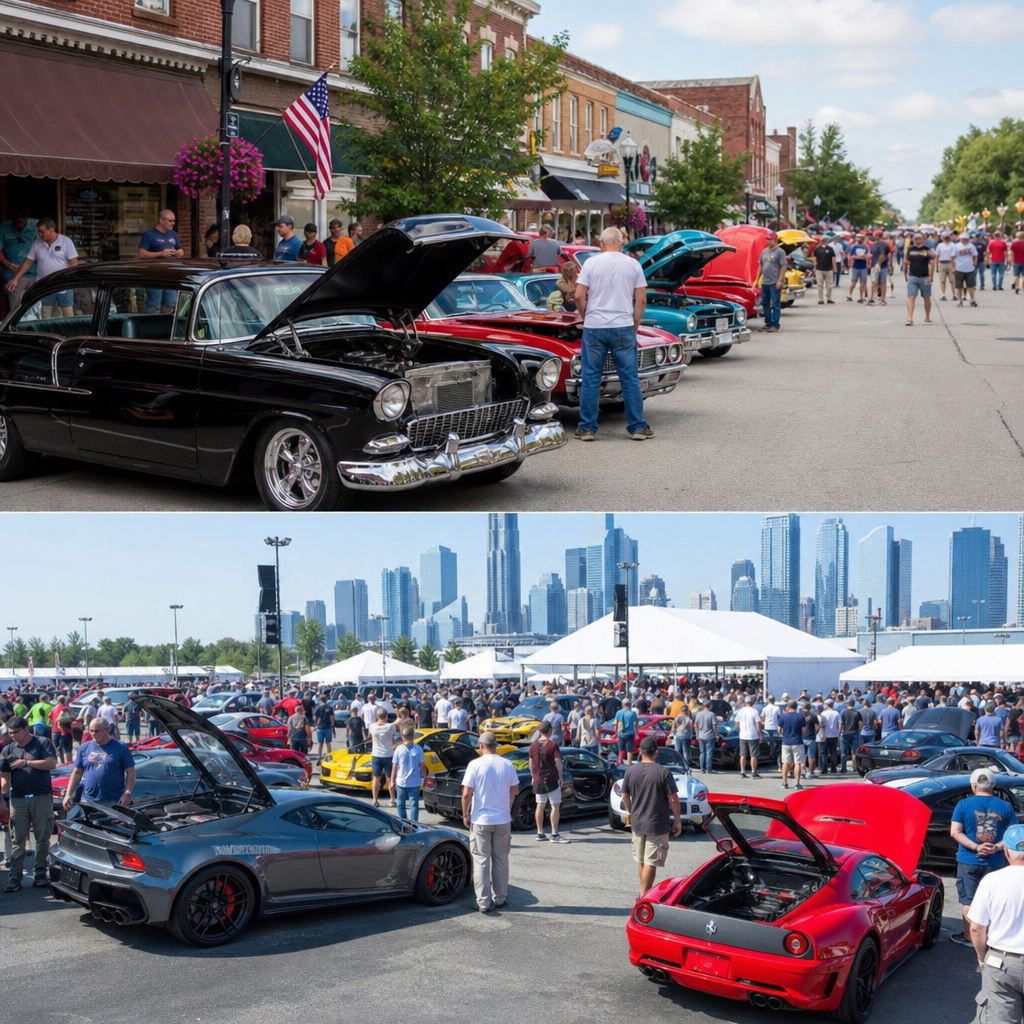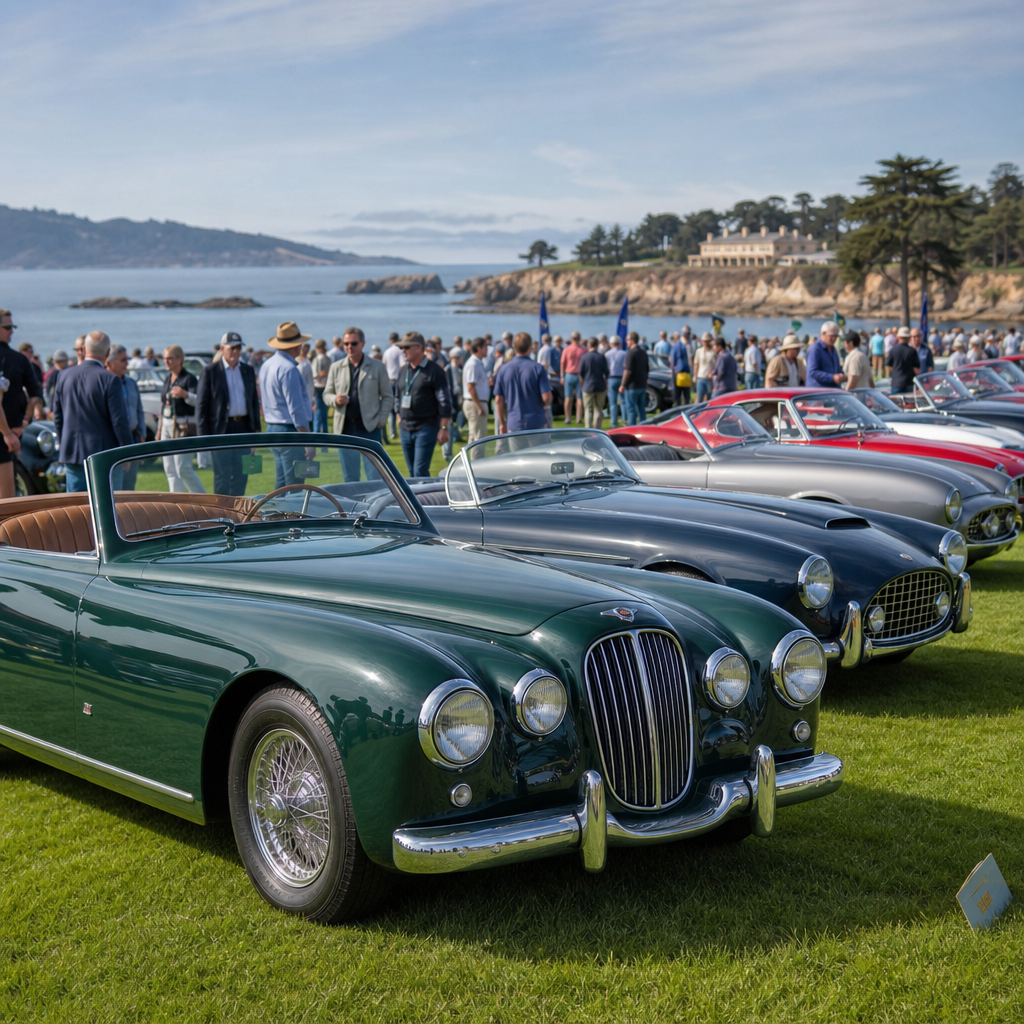
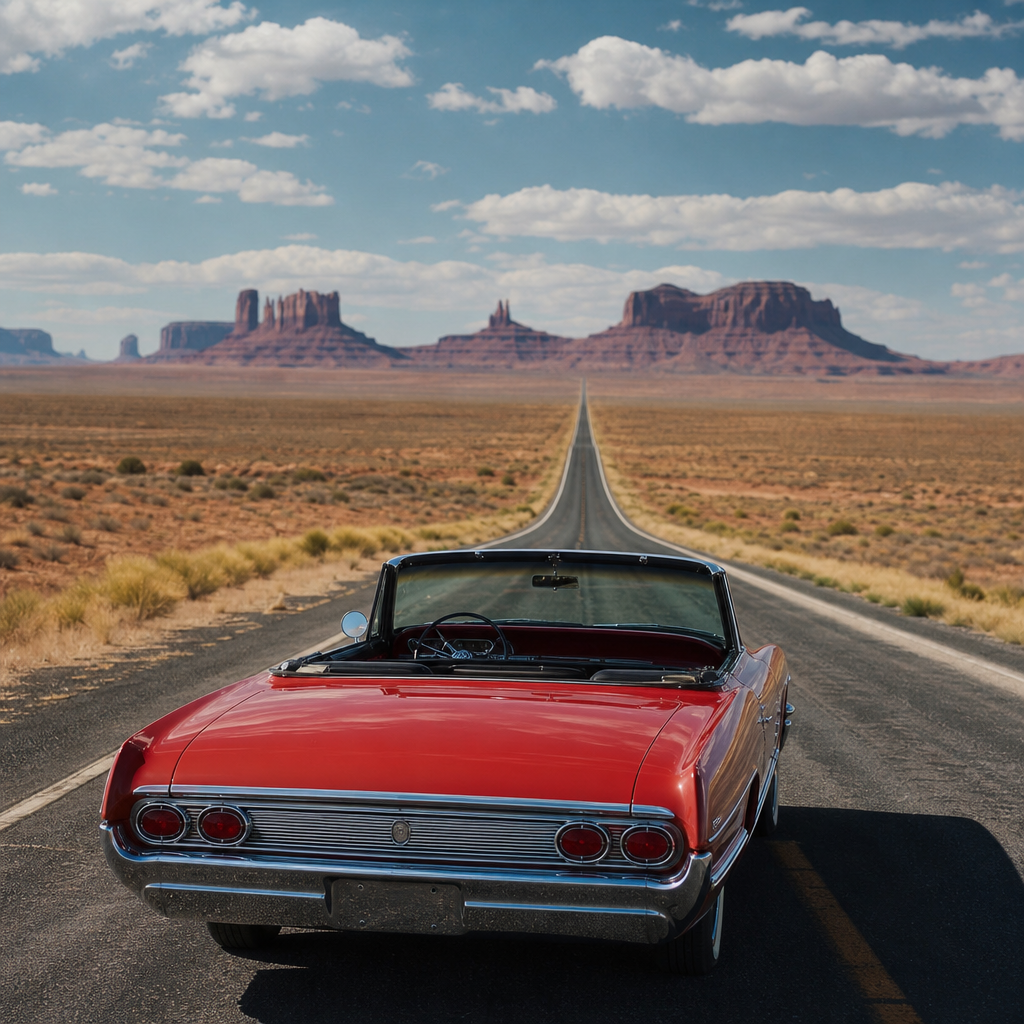
Route 66 remains the ultimate classic car journey because no other road combines mechanical nostalgia, American history, roadside architecture, and long-distance driving challenge so completely. For anyone interested in classic car travel, this highway is more than a route from Chicago to Santa Monica. It is a rolling museum, a test of preparation, and a gateway into the wider culture of touring in vintage machines. In practical terms, classic car travel means planning and completing road trips in older vehicles that require more driver attention, more mechanical sympathy, and more deliberate routing than modern cars. That difference is exactly why enthusiasts keep choosing it.
I have driven segments of Route 66 in older carbureted cars and in later fuel-injected classics, and the lesson is always the same: the journey rewards preparation and patience. A classic car does not forgive neglect the way a late-model crossover might. Cooling systems run hotter in traffic, drum brakes need more room, electrical gremlins appear without warning, and parts availability changes by state and town. Yet those constraints create a richer travel experience. You notice terrain, weather, fuel quality, vibration, engine note, and local repair networks. You also connect with other people more easily, because a classic car at a gas station starts conversations instantly.
As a hub for classic car travel, Route 66 matters because it teaches every core skill the subtopic demands. It shows how to choose the right vehicle for distance touring, how to inspect a vintage car before departure, how to pack tools and spares, how to read road conditions through the lens of old suspension and braking systems, and how to build an itinerary around both attractions and maintenance stops. It also introduces the lifestyle side of the hobby: motels with neon signs, independent diners, museum stops, marque clubs, local cruises, and state-by-state driving culture. If someone wants one road that summarizes classic car travel, this is the road.
The route originally stretched about 2,448 miles, though alignments changed repeatedly between 1926 and its decommissioning in 1985. Today, driving “Route 66” usually means following surviving original sections, frontage roads, business loops, and carefully marked historic byways. That creates a unique advantage for classic car owners. You are rarely forced into one monotonous interstate rhythm. Instead, you can choose between slower preserved segments, urban downtown stretches, and nearby highways when weather or breakdown risk makes flexibility necessary. The road accommodates both fully restored prewar cruisers and more usable postwar classics, from Tri-Five Chevrolets to W123 Mercedes, C3 Corvettes, and air-cooled Volkswagens.
Why Route 66 is the benchmark for classic car travel
Route 66 is the benchmark because it compresses the best and hardest parts of vintage touring into one journey. The scenery changes from Midwestern city streets to prairie, desert, mountain approaches, and coastal California. That variety exposes a classic car to heat soak, altitude shifts, long fuel gaps, crosswinds, stop-and-go traffic, and rough pavement transitions. If a car can handle Route 66, it can likely handle most bucket-list classic drives. For drivers, the road also teaches pacing. A modern navigation app may say six hours; a classic car reality often means eight, including cool-down stops, fluid checks, and conversations at every fuel station.
The cultural density is equally important. Along the route, drivers encounter restored service stations, auto courts, motor lodges, muffler men, diners, trading posts, and transportation museums that make sense specifically from the seat of an older vehicle. In a 1960s Mustang or 1940s Buick, these places do not feel like staged nostalgia. They feel contextually correct. Towns such as Springfield, Tulsa, Amarillo, Albuquerque, Flagstaff, and Kingman each illustrate a different chapter in how Americans traveled, fueled, repaired, and celebrated cars. That makes Route 66 more than a scenic drive. It is an interpretive corridor for automotive history.
There is also a practical reason experts keep recommending it. Route 66 has one of the strongest support ecosystems of any heritage drive in the United States. Preservation associations publish maps, local guides document drivable alignments, enthusiast forums share repair references, and many towns along the route understand vintage tourism. That support reduces uncertainty without removing adventure. You can still get stranded by a failed water pump, but you are more likely to find a sympathetic local mechanic in a Route 66 town than in a random interstate exit built around distribution warehouses.
Choosing the right classic car for a Route 66 road trip
The best Route 66 classic is not always the most valuable or the oldest. It is the car you know well, can repair on the roadside, and can comfortably drive for repeated three-to-five-hour stints. In my experience, the sweet spot for most travelers is a durable car from the late 1960s through the 1990s with strong parts support. Small-block V8 American cars, Volvo 240s, Mercedes W123s, air-cooled 911s, Ford Panthers, Jeep Wagoneers, and full-size GM coupes all have different strengths, but they share one trait: repair knowledge is widespread. That matters more than concours rarity when you are hundreds of miles from home.
Cooling capacity should be your first screening criterion. Route 66 includes urban congestion and desert heat, especially through New Mexico, Arizona, and inland California. A classic that runs fine on local weekend drives may overheat when loaded with luggage in 100-degree conditions. Verify radiator condition, fan clutch operation, shroud fitment, thermostat performance, and hose age. For carbureted cars, check fuel line routing and consider vapor-lock prevention measures. For fuel-injected classics, inspect pumps, filters, relays, and grounds. Reliable hot starts are not optional on this trip.
Comfort matters more than many enthusiasts admit. Bench seats, upright steering columns, poor insulation, vent-window drafts, and loud exhaust become exhausting after several states. A practical touring classic needs good seat foam, functioning climate control or at least effective ventilation, accurate gauges, and a stable highway alignment. If the car wanders, brakes pull, or the differential drones at speed, fix it before departure. Route 66 is romantic, but fatigue causes bad decisions.
| Vehicle type | Main advantage on Route 66 | Main drawback on Route 66 | Best use case |
|---|---|---|---|
| 1950s American cruiser | Style, spacious cabin, period authenticity | Higher fuel use, slower braking, heat sensitivity | Leisurely trips with short daily mileage |
| 1960s–1970s muscle or pony car | Strong parts support, engaging driving feel | Ride harshness, limited luggage space, fuel stops | Drivers wanting performance and nostalgia |
| 1980s–1990s touring classic | Better reliability, overdrive, air conditioning | Less visual drama, aging electronics | Longer stages and first-time vintage travelers |
| Vintage truck or wagon | Utility, cargo room, community appeal | Noise, slower cruising, steering effort | Support vehicles and adventure-focused trips |
How to prepare a classic car before departure
A Route 66 pre-trip inspection should be approached like a light recommissioning, not a casual oil change. Start with fluids and leaks: engine oil, transmission fluid, differential oil, brake fluid, coolant concentration, and power steering fluid if equipped. Then inspect belts, hoses, battery age, charging voltage, ignition components, wheel bearings, tires including date codes, suspension bushings, shock absorbers, and brake linings. On drum-brake cars, adjust shoes properly and confirm the parking brake works. On older automatics, verify kickdown operation and transmission cooler line integrity. The objective is not perfection; it is predictability.
Next, build a spares kit based on the actual failure points of your model. I pack belts, upper and lower radiator hoses, hose clamps, ignition parts, relays, fuses, bulbs, a fuel filter, wire, terminals, fluids, and at least one model-specific part that is hard to source on the road. For some British classics that means a water pump or ignition module. For an American V8, it may mean a mechanical fuel pump, HEI module, or voltage regulator. Bring tools that fit the car, not a generic hardware-store assortment. Include a multimeter, test light, tire inflator, jack base plate, gloves, and a printed wiring diagram.
Documentation is part of preparation too. Carry registration, insurance, roadside assistance information, paper maps, and a written list of marque specialists along the route. Save part numbers in your phone and on paper. Older-car travel goes smoother when you can tell a local store clerk exactly which alternator belt or filter you need. Finally, perform a loaded shakedown drive of at least 100 miles with luggage on board. That is where driveline vibrations, hot restart issues, and trunk packing mistakes reveal themselves before the trip becomes expensive.
Planning the Route 66 itinerary and driving strategy
Most successful classic car Route 66 trips are not nonstop marathons. They are segmented journeys with room for weather, repairs, and unplanned detours. A sensible plan is ten to fourteen days, depending on how much original alignment you want to preserve. Daily targets between 150 and 250 miles are realistic in an older vehicle if you also want museum stops, photography, and evening maintenance checks. Trying to force 400-mile days in a non-overdrive classic often turns the trip into fuel, heat, and noise management rather than enjoyment.
Timing matters. Late spring and early fall offer the best balance of temperatures and daylight. Summer is popular because of vacation schedules, but it increases the risk of overheating, weak air conditioning performance, tire stress, and driver fatigue in desert sections. Start early, especially in Arizona and California. Morning driving reduces thermal load on cooling systems and leaves buffer time for repairs. In cities, plan arrivals outside rush hour. A classic with marginal brakes or cooling does not belong in prolonged urban gridlock.
Build your route around support points, not just attractions. Major metro areas can provide parts stores, tire shops, and machine services, but smaller historic towns often offer safer parking and a more enjoyable overnight atmosphere. Use a mix of historic 66 guides, state tourism resources, and owner-club recommendations. If your car has limited range, mark fuel stops conservatively. Historic sections can be sparse, and old sending units are notorious liars. A half tank on the gauge should still trigger your search for the next station.
Must-see Route 66 experiences for classic car enthusiasts
Several stops stand out because they connect directly to the culture of driving older cars. In Illinois and Missouri, restored filling stations and downtown strips show how early motorists experienced service, navigation, and overnight lodging before homogenized interstates. In Oklahoma, the Route 66 Museum in Clinton and the round barn in Arcadia provide context on state-level preservation and roadside identity. Tulsa remains one of the best cities for architecture tied to the automobile era, with neon, streamlined buildings, and active car communities.
Texas adds the open-road psychology many people imagine when they picture Route 66. Amarillo’s wide skies, vintage motels, and nearby attractions create ideal photo opportunities for period-correct cars. New Mexico introduces varied alignments and rich regional design, especially around Albuquerque and Santa Fe’s historical connection to earlier route changes. Arizona is arguably the emotional high point for many travelers, with towns such as Winslow, Seligman, and Kingman preserving not just artifacts but a living tourism economy built around motoring heritage.
California delivers a final contrast. The Mojave approach tests preparation, then the descent toward the Los Angeles basin reframes the whole trip through postwar expansion and car-centric urban growth. Reaching Santa Monica in a classic car feels earned because the closing miles involve exactly the blend of fatigue, satisfaction, and reflection that defines vintage touring. At every major stop, the best practice is simple: park where you can inspect the car after shutdown, talk to locals, and photograph both the machine and the setting. Those records become maintenance references as much as memories.
Costs, risks, and the realities of traveling in an older car
Classic car travel is rarely cheap, and Route 66 makes that clear fast. Fuel costs can exceed modern-car budgets significantly, especially for carbureted V8s returning 10 to 16 mpg. Lodging, attraction fees, maintenance supplies, and contingency repairs add up. I advise travelers to budget a repair reserve separate from trip spending. A surprise radiator recore, alternator replacement, or tire set can turn a romantic drive into a logistical problem if every dollar is already assigned to hotels and souvenirs.
Risk management matters just as much as budget. Older cars are less crashworthy, may lack head restraints, and often require longer stopping distances. Tires that look fine can still be aged out. Fuel systems may leak, and old wiring can short under heat. None of this means the trip is unsafe by default. It means the driver must compensate with stricter standards than a casual local cruise. Inspect constantly, avoid nighttime fatigue, and never treat originality as more important than function. A discreet electric fan, upgraded relays, or dual-circuit master cylinder can be the difference between romance and recovery.
The payoff is hard to overstate. Route 66 in a classic car teaches mechanical confidence, route discipline, and historical awareness in a way no static show field can match. If you want to explore classic car travel seriously, start planning this journey, build your car honestly, and use the road as your classroom.
Frequently Asked Questions
Why is Route 66 considered the ultimate classic car journey?
Route 66 stands apart because it offers far more than a long scenic drive. For classic car enthusiasts, it combines the mechanical character of older vehicles with a road that rewards patience, curiosity, and preparation. Unlike modern interstates designed for efficiency, Route 66 invites drivers into small towns, historic main streets, preserved motels, vintage gas stations, neon signs, diners, trading posts, and long stretches of open pavement that feel tied to another era of American travel. That atmosphere matches the experience of driving a classic car in a way few other routes can.
There is also an important historical dimension. The road links Chicago to Santa Monica, crossing multiple regions and climates while telling a broader story about migration, commerce, tourism, and the rise of American car culture. In a classic vehicle, that history becomes more tangible. You are not simply observing the past from the roadside; you are participating in a style of travel that reflects it. The sounds, smells, pacing, and mechanical demands of an older car make the journey feel authentic and memorable.
What truly makes Route 66 the ultimate classic car journey is the balance between romance and responsibility. It is beautiful and iconic, but it also asks something of the driver. Vintage touring requires route planning, spare parts, maintenance awareness, and realistic expectations about comfort and speed. That challenge is part of the appeal. Completing Route 66 in a classic car is not only a vacation; it is an achievement that connects automotive nostalgia, American history, and the enduring pleasure of road travel.
How should I prepare a classic car for a Route 66 road trip?
Preparation should begin well before departure, because a successful Route 66 trip in a classic car depends more on prevention than improvisation. Start with a complete mechanical inspection rather than a basic oil change and quick once-over. The cooling system deserves particular attention, especially because Route 66 crosses hot, dry regions where overheating can quickly ruin a trip. Inspect the radiator, hoses, clamps, thermostat, water pump, fan belt, and coolant condition. Fuel delivery should be checked carefully as well, including the tank, lines, pump, carburetor, and filters, since older systems can be sensitive to heat, sediment, and modern fuel blends.
Brakes, tires, steering, suspension, charging, and ignition systems should all be evaluated with long-distance reliability in mind. A car that performs acceptably on short weekend drives may still reveal weaknesses after consecutive days on the road. Replace worn belts, aging hoses, questionable wiring, weak batteries, and marginal tires before the trip, not after a failure. If the car has not recently completed several hours of continuous driving at cruising speed, do a few extended test runs to identify leaks, vibration, temperature issues, or charging problems under realistic conditions.
You should also carry tools, fluids, and spares suited to your specific vehicle. Common items include fan belts, radiator hoses, ignition components, fuel filters, fuses, bulbs, engine oil, coolant, brake fluid, a tire repair solution, and basic hand tools. Many experienced travelers also bring printed wiring diagrams, service notes, and a list of part numbers. Finally, plan daily distances realistically. Route 66 is best enjoyed with time to stop, inspect the car, and adapt to weather or minor issues. The goal is not to treat a classic car like a modern appliance, but to support it properly so the journey remains enjoyable and dependable.
What are the biggest challenges of driving a vintage car on Route 66?
The biggest challenge is that classic cars demand ongoing attention, and Route 66 exposes weaknesses that local driving may hide. Heat is a major factor, particularly in the Southwest, where long hours, traffic, and climbing grades can test cooling systems and fuel delivery. Older cars may also have drum brakes, less precise steering, lower cruising speeds, dimmer lighting, and less effective ventilation than modern vehicles. None of these traits make the trip impossible, but they do change how you should drive, plan, and pace the journey.
Parts availability and mechanical support can also become an issue. While Route 66 remains a well-traveled heritage route with many auto-friendly communities, not every town will have expertise or parts for your specific vehicle. That is especially true for uncommon models or cars with nonstandard modifications. A small failure that would be insignificant in a modern car, such as a bad condenser, loose wire, or failed hose, can become a substantial delay if you are unprepared. This is why many seasoned classic car travelers say the road trip starts in the garage, not at the state line.
Another challenge is mental rather than mechanical. A vintage road trip requires patience. Speeds may be lower, starts may take longer, and comfort may be limited by noise, heat, seating, or weather exposure. Route 66 itself also includes fragmented alignments, city traffic, rough surfaces, and stretches where navigation requires attention. The best approach is to accept that a classic car journey is meant to be immersive rather than rushed. If you embrace the slower rhythm, monitor the car regularly, and leave room in the schedule for adjustments, those challenges become part of what makes the trip rewarding.
How long does it take to drive Route 66 in a classic car, and how should the trip be planned?
Although Route 66 can theoretically be covered quickly, that approach misses the point, especially in a classic car. Most travelers should allow at least one and a half to two weeks, and many enthusiasts prefer even longer. The route is not just about reaching Santa Monica from Chicago. It is about exploring preserved sections of original road, visiting museums, photographing roadside architecture, meeting fellow travelers, and experiencing the towns that still carry the spirit of the highway. In a vintage vehicle, extra time also creates a safety margin for inspections, fuel stops, slower cruising, and any unexpected repairs.
A practical plan breaks the journey into manageable daily segments based on both distance and conditions. Rather than measuring only miles, consider weather, elevation changes, traffic, availability of fuel, and the age and temperament of the vehicle. A classic car may be perfectly happy covering a moderate day of relaxed touring but less content with repeated long, high-speed runs. Build in time each morning and evening to check fluid levels, tire pressure, belt condition, and any signs of leaks or looseness. Those routines can prevent minor concerns from becoming major setbacks.
It is also wise to mix iconic attractions with flexible scheduling. Some travelers plan every stop in advance, while others prefer a looser itinerary, but the best Route 66 classic car trip usually combines both. Reserve key lodging in busy destinations, identify important fuel and service points, and keep alternative routes in mind if heat, road conditions, or local closures affect the day. A well-planned classic car trip is structured enough to reduce stress and flexible enough to preserve the sense of discovery that makes Route 66 so special.
Is Route 66 suitable for first-time classic car travelers?
Yes, Route 66 can be an excellent introduction to classic car travel, provided the trip is approached with realistic expectations. In many ways, it is ideal because the road has a strong touring culture, abundant history, and a built-in rhythm that encourages slower, more engaged driving. There are numerous communities along the route that appreciate vintage vehicles, and the journey offers a wide range of experiences, from urban departures and agricultural landscapes to desert stretches and coastal arrival. For someone new to long-distance classic motoring, that variety makes the trip educational as well as memorable.
That said, first-time travelers should not confuse iconic with effortless. A newcomer benefits from choosing a well-sorted car, limiting daily mileage, and treating the trip as a learning experience rather than a test of endurance. It helps to start with a partial Route 66 section if time or confidence is limited. Even a multi-day segment can teach important lessons about packing, fuel range, temperature management, maintenance checks, and how the car behaves after hours on the road. Those lessons are invaluable and often make a later full-length journey more successful.
The key is mindset. Classic car travel is not about replicating modern convenience; it is about enjoying a deeper connection to the machine and the road. Route 66 rewards drivers who are curious, adaptable, and willing to travel at the car’s natural pace. For a first-time traveler, that can be the perfect introduction to vintage touring culture. With proper preparation, a realistic itinerary, and a willingness to embrace both the charm and the challenge, Route 66 is not only suitable for beginners; it is one of the most meaningful places to begin.