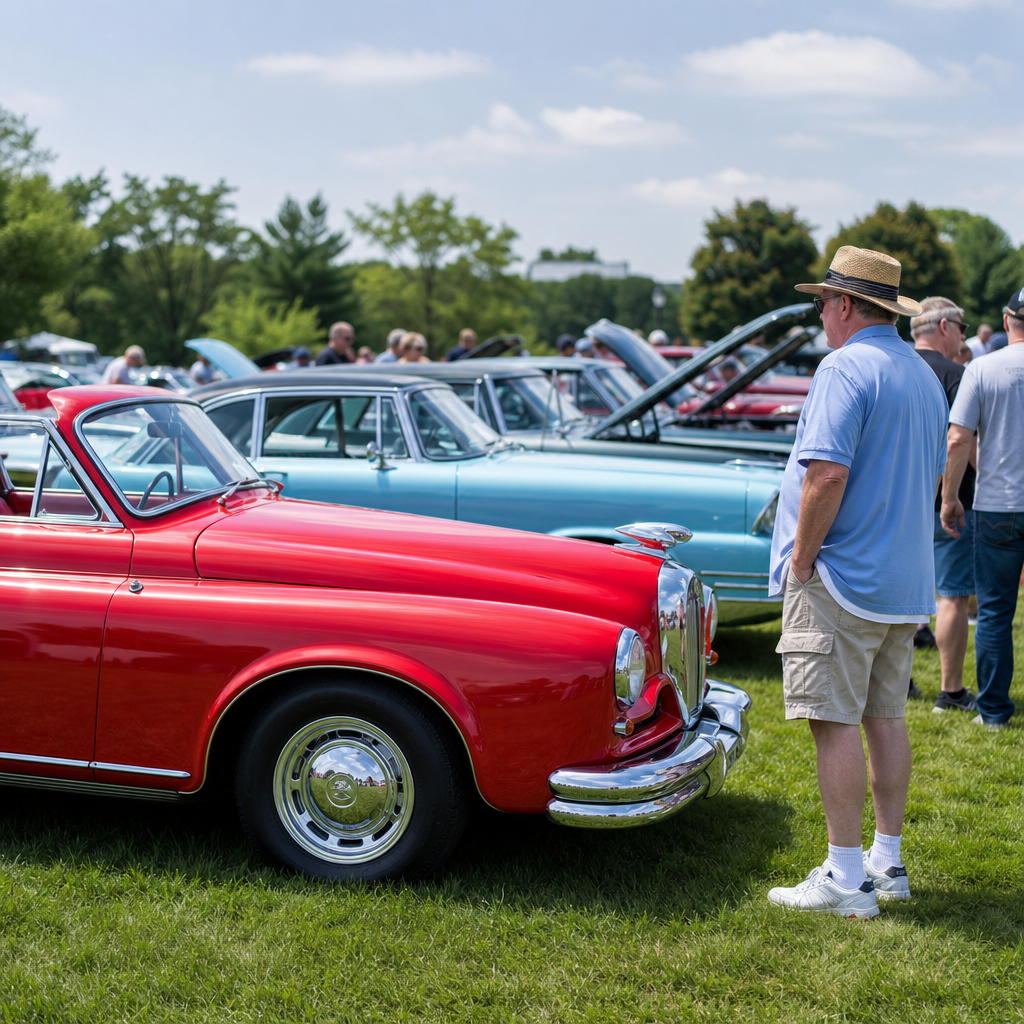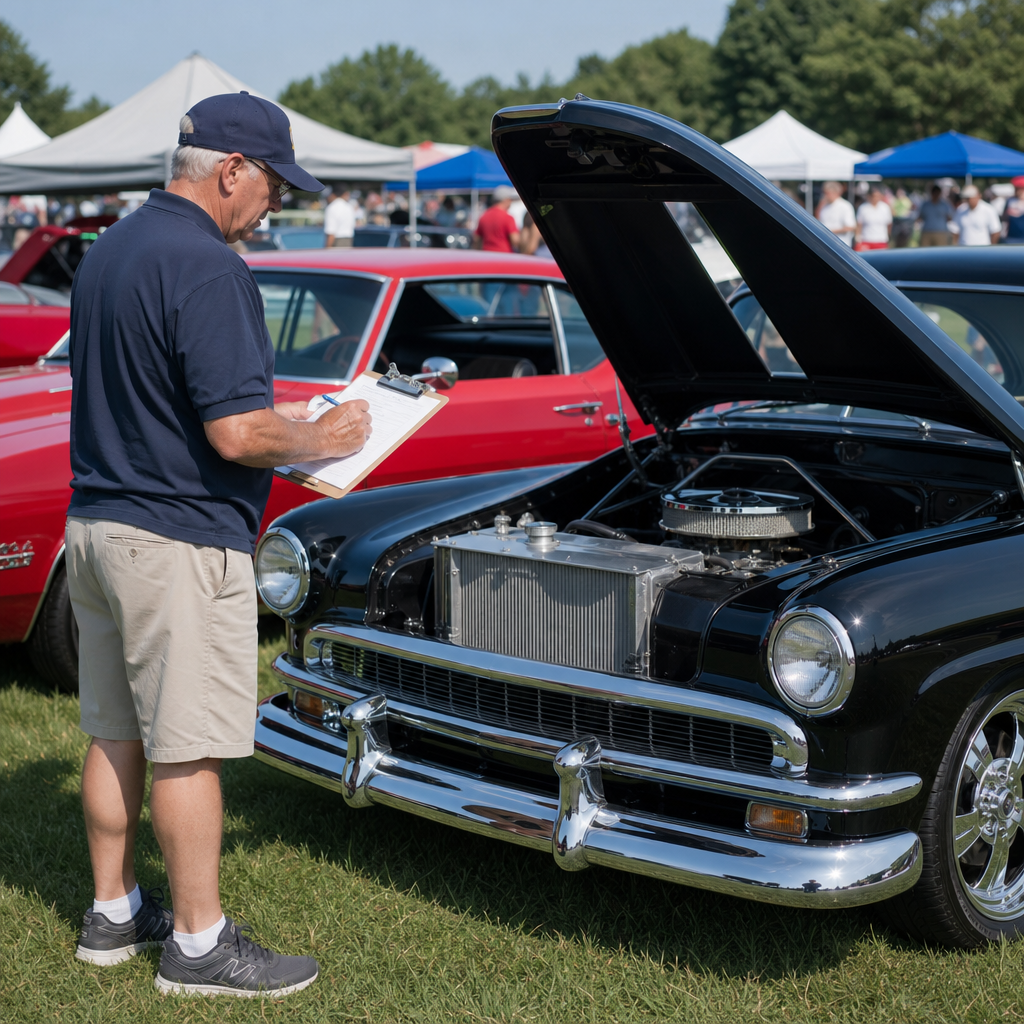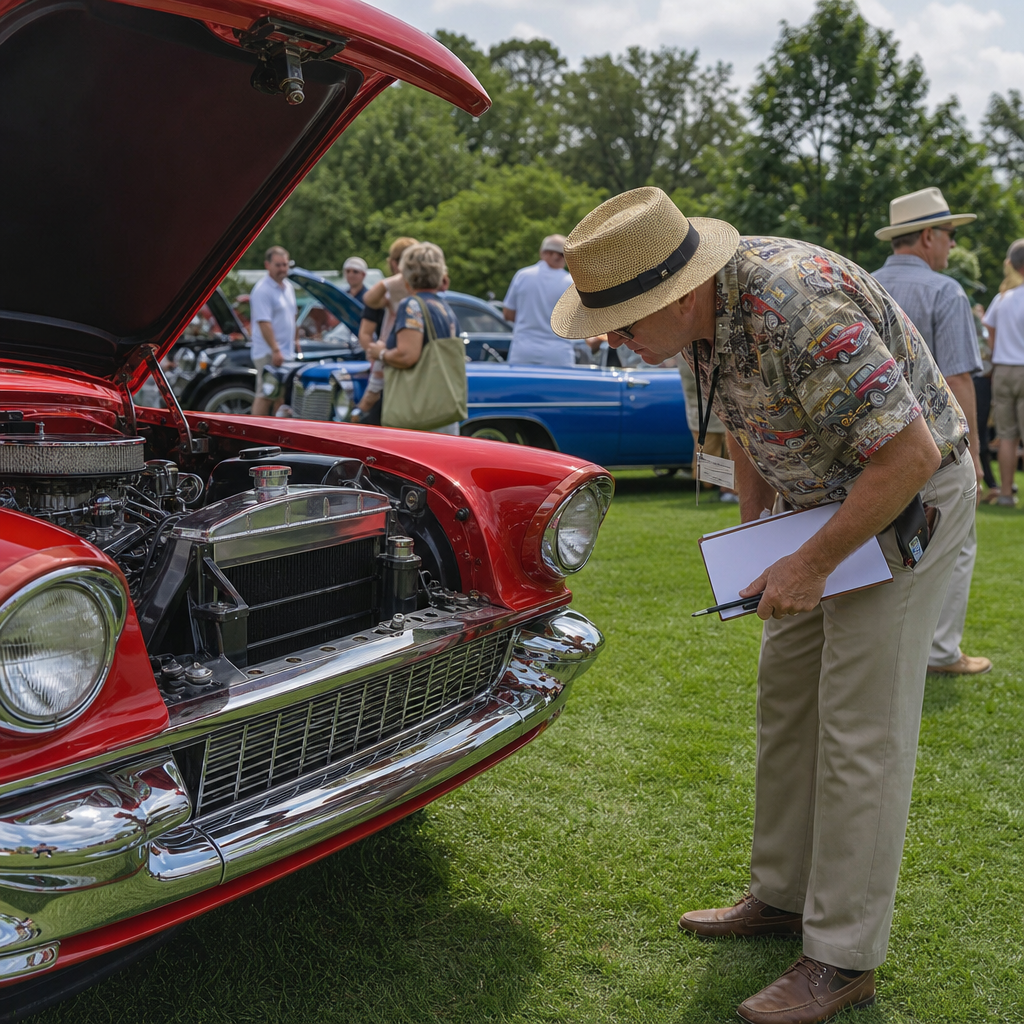
Planning a classic car road trip takes more than choosing a scenic route and polishing chrome. It means preparing an older vehicle for sustained highway miles, weather changes, fuel stops, overnight parking, and the small failures that modern cars often hide with electronics. In classic car travel, reliability is never assumed; it is created through inspection, preventive maintenance, smart packing, and realistic scheduling. A road trip in a 1967 Mustang, a Jaguar E-Type, an air-cooled Porsche 911, or a Chevrolet C10 can be unforgettable for the right reasons, but only if the owner respects the limits and strengths of vintage machinery.
Classic car travel refers to using a collectible older vehicle for multi-stop leisure driving rather than short local cruises, trailer transport, or show-only use. That distinction matters. A car that starts easily for coffee runs may overheat in traffic, wander at 70 mph, drain its battery overnight, or struggle with modern ethanol-blended fuel on a six-day trip. I have learned that the most successful trips are not the ones with the biggest budgets. They are the ones where the owner knows the car’s service history, understands common failure points, and plans the route around the vehicle instead of forcing the vehicle to match modern travel habits.
This matters because a classic car road trip combines mechanical stewardship with travel planning. It protects the car, reduces breakdown risk, lowers stress for passengers, and makes the trip more enjoyable. It also helps owners preserve originality where appropriate while making selective upgrades for safety and durability. If this article is your hub for classic car travel, start here: evaluate the car honestly, prepare essential systems, pack the right tools and spares, choose roads and lodging carefully, and drive in a way that suits an older machine.
Start with an honest pre-trip mechanical assessment
The first question is simple: is the car actually road-trip ready? Not show ready, not “ran great last month,” and not “should be fine.” A dependable answer comes from a structured inspection. Begin with the cooling system, ignition, charging system, fuel delivery, tires, steering, brakes, and all fluid seals. On classic cars, a small coolant seep, weak voltage regulator, or aging rubber fuel hose is not a cosmetic issue. It is often the first sign of a roadside failure.
Compression and leak-down testing are worthwhile if the engine’s health is unknown. Check operating temperatures at idle and highway speed before leaving town. Measure charging voltage with lights on and accessories engaged; many older alternators and generators produce marginal output at low rpm. Inspect all belts and hoses, but also check hose clamps, thermostat function, radiator cap rating, fan clutch or electric fan operation, and the condition of the water pump. A car that sits often may also have wheel cylinder seepage, hardened vacuum lines, and dry-rotted suspension bushings that only become obvious after several hours on the road.
If your car has points ignition, set dwell and timing accurately and carry spares. If it has been converted to electronic ignition, verify the installation quality and keep the original points plate if practical. Carbureted engines deserve extra attention. Confirm float settings, choke operation, throttle return springs, and heat soak behavior after shutdown. Vapor lock is still a real problem in many classic fuel systems, especially in summer, with underhood temperatures rising after modern traffic conditions the car was never designed for.
Focus on reliability upgrades without ruining character
Many owners worry that upgrades dilute originality. In practice, the best classic car road trip upgrades are discreet, reversible, and chosen for reliability or safety rather than appearance. I usually recommend better tires first. Even a perfectly restored car can feel unstable on old-design bias-ply tires compared with quality radials in the correct size and load rating. If originality matters for shows, keep the original-style tires for display and travel on radials.
An aluminum radiator, high-quality fan shroud, electronic ignition module, modern blade-style fuse conversion, relays for headlights, and a properly installed battery cutoff switch can transform road confidence without changing the car’s personality. Three-point seat belts, dual-circuit master cylinders, and upgraded halogen or LED lighting within legal housings are similarly sensible. For cars known for weak charging systems, a higher-output alternator can support navigation devices, electric fans, and auxiliary lighting.
That said, not every upgrade is automatically good. Poorly engineered aftermarket parts create more trip-ending problems than many original components. Use parts from known suppliers, verify fitment, and test everything weeks before departure. A classic car road trip is the wrong place to debut a fresh engine build, newly swapped overdrive transmission, or unproven EFI conversion. Proven modifications increase reliability; rushed modifications reduce it.
Build your route around the car, not just the destination
Route planning for classic car travel should account for speed, fuel range, engine cooling, elevation, and service access. Interstates are efficient, but older cars are often happier on two-lane roads at 55 to 65 mph than at sustained modern freeway speeds. Many classics turn high rpm without overdrive, and that affects noise, heat, fuel consumption, and driver fatigue. A small-block V8 with a three-speed automatic may feel busy all day above 70 mph, while an old British roadster may become physically tiring long before the map says you should stop.
Plan shorter daily distances than you would in a modern SUV. Two hundred to three hundred miles can be a full day in a classic, especially in summer or in mountainous terrain. Identify fuel stations with non-ethanol fuel where available, but do not depend on them exclusively. Services like Pure-Gas and community route forums can help, though information should always be verified. If your car requires premium fuel, research options in remote regions ahead of time. For air-cooled and carbureted cars, steep climbs, hot weather, and stop-and-go traffic deserve special attention.
Choose overnight stops with secure, well-lit parking and easy access to your room. Ground-floor rooms can make unloading tools and luggage much easier. Valet parking is rarely ideal for a manual-transmission classic with idiosyncratic starting procedures. When possible, call ahead and ask about parking surfaces, camera coverage, and whether the lot accommodates low-clearance vehicles or trailers if you are traveling with support equipment.
Pack tools, parts, and documents that solve likely problems
A classic car road trip tool kit should match the vehicle’s known weak points. Generic emergency kits are not enough. If you drive an MG B, carry ignition parts and cooling spares. If you drive a vintage Mercedes diesel, think belts, filters, and glow system basics. If you drive an older GM V8, bring hoses, clamps, belts, a fuel filter, and ignition components. The goal is not to rebuild the car at the roadside. It is to fix the failures most likely to stop forward motion.
| Category | What to Pack | Why It Matters |
|---|---|---|
| Tools | Combination wrenches, sockets, screwdrivers, pliers, test light, multimeter, tire gauge | Handles routine roadside diagnosis and minor repairs |
| Fluids | Engine oil, premixed coolant if appropriate, brake fluid, power steering fluid, water | Lets you top off safely after leaks or extended driving |
| Common spares | Belts, hoses, clamps, fuses, bulbs, fuel filter, relay, wire, terminals | These items fail often and are cheap insurance |
| Ignition/fuel | Points, condenser, rotor, cap, coil, spark plugs, mechanical fuel pump if applicable | Older ignition and fuel components are frequent no-start causes |
| Safety | Fire extinguisher, flashlight, reflective triangles, gloves, jack board, first-aid kit | Protects occupants during breakdowns and roadside stops |
| Paperwork | Registration, insurance, roadside assistance, service notes, parts numbers | Speeds recovery, repairs, and lodging check-in during stressful moments |
Also pack a printed wiring diagram, a list of part numbers, and contact details for marque specialists along your route. Mobile service is not guaranteed everywhere, and old cars often use components that local parts stores cannot identify from a casual description. Good documentation can turn a two-hour delay into a twenty-minute fix.
Prepare for comfort, safety, and fatigue
Classic cars demand more from drivers and passengers. Cabins are louder, seats are less supportive, climate control may be weak or absent, and older suspensions require more steering input. That changes trip planning. Earplugs for especially loud cars, seat cushions, hydration, hats, sunscreen, and cooling towels can make a major difference. Convertibles need weather planning beyond rain gear; prolonged sun exposure can exhaust a driver faster than mileage suggests.
Safety preparation should be equally practical. Confirm that the jack fits under the car with a flat tire. Check the age of the spare, not just its pressure. Verify that lug wrench sizes match the installed wheels, especially if aftermarket wheels are fitted. Test all exterior lights and aim the headlights properly. If your car lacks hazard flashers, carry reflective triangles and understand local requirements. A compact fire extinguisher within reach of the driver is one of the few accessories I consider essential in almost every classic.
Fatigue management is underrated. Older cars often have heavier steering, longer braking distances, and more sensitivity to crosswinds and road crown. Rotate drivers if possible, stop every couple of hours, and end the day before your concentration drops. In a modern car, pushing through another hundred miles may be trivial. In a classic, it can be the difference between a memorable arrival and a preventable mistake.
Know how to handle breakdowns and on-the-road repairs
Even well-prepared trips can include failures, so the right mindset matters. Pulling over early when gauges change, sounds worsen, or drivability shifts usually prevents secondary damage. A rising temperature gauge may mean a bad cap, loose belt, or collapsing hose; ignoring it can crack heads or warp components. A charging warning light may be a minor wiring fault or a failing alternator. Either way, stop while you still have options.
When diagnosing roadside issues, start with basics: fuel, spark, air, temperature, and voltage. Is the coil hot? Is fuel reaching the carburetor? Did a ballast resistor fail? Did a battery terminal loosen on rough pavement? Did a clogged vent create tank vacuum? Many classic breakdowns are simple once the situation is made safe and approached methodically. This is why carrying a test light and knowing your own car’s systems matters more than owning expensive tools.
Roadside assistance is still important, but verify the details before travel. Some plans limit tow mileage, exclude older vehicles, or send operators unfamiliar with low-clearance cars and non-running automatics. I advise keeping both a national roadside membership and the numbers of local specialty shops near key stops. For rare vehicles, owner clubs can be even more valuable; regional chapter members often know the exact shop that understands SU carburetors, Bosch K-Jetronic, or early Mopar electrical systems.
Protect the car at stops, hotels, and events
Security and preservation matter just as much as driving. Park away from tight spaces, shopping cart paths, irrigation sprinklers, and trees that drop sap. Use a steering wheel lock if the car is easy to start or lacks modern anti-theft systems. Avoid leaving visible tools, registration papers, or luggage in the cabin. If the route includes urban areas, select hotels with monitored parking and ask if you can back the car against a wall or park under cameras.
Weather exposure is another concern. Sudden hail, coastal salt air, intense sun, and heavy rain can all affect classics more than modern cars. A quality car cover is useful if packed carefully, but never install it over a dirty body in wind, where it can abrade paint. For older convertibles, inspect top seals and drain paths before travel. Water leaks that seem minor at home can soak luggage, fog windows, and create electrical problems after several wet days.
At shows or roadside attractions, allow time for cooling and post-drive checks. Look for fresh leaks, sniff for fuel odor, and inspect tire sidewalls after long heat cycles. These habits sound cautious, but they are the routines that keep classic car travel enjoyable over years rather than one ambitious trip.
Make the trip part of the ownership experience
The best classic car road trips are not judged only by arrival. They deepen your understanding of the vehicle. You learn its comfortable cruising speed, hot-start quirks, fuel range, and the sounds that are normal versus the ones that demand a stop. You also build a travel routine: morning fluid checks, a quick walk-around at fuel stops, windshield cleaning, and evening notes about anything that changed. After one well-managed trip, maintenance planning becomes much sharper because you have real operating data instead of assumptions from local weekend drives.
This hub should guide your next steps in classic car travel: pre-trip inspections, route planning, roadside repair strategy, packing lists, and lodging considerations all work together. The main benefit is simple: fewer surprises and more time enjoying the car as it was meant to be used. Start with a short test trip, refine your checklist, and then plan the longer drive with confidence.
Frequently Asked Questions
How should you prepare a classic car before taking it on a road trip?
Preparing a classic car for a road trip starts with accepting one simple truth: age matters more than appearance. A car may look excellent at a show and still be unready for several days of highway driving. Before leaving, inspect every system that affects reliability and safety. That includes the cooling system, belts, hoses, battery, charging system, ignition components, brakes, wheel bearings, steering, suspension, tires, fuel lines, and all fluid levels. On an older car, rubber parts, electrical connections, and gaskets often fail long before major mechanical components do, so preventive replacement is often smarter than waiting for obvious symptoms.
A full pre-trip service should include an oil change if one is due, checking for coolant leaks, confirming the radiator and fan are operating correctly, testing the battery and alternator, and making sure the brake pedal feels firm and consistent. Tires deserve especially close attention. Even if the tread looks good, aged tires can be unsafe at highway speeds. Check the date codes, inflation pressures, sidewall condition, and spare tire. If the car runs on bias-ply or older-spec tires, plan accordingly for handling, braking distance, and speed comfort. It is also wise to verify headlights, brake lights, turn signals, wipers, washer system, horn, and heater or defroster, because a long trip can quickly expose weaknesses in equipment that seems fine on short local drives.
Just as important, test the car in realistic conditions before the trip. Drive it for at least an hour at cruising speed, then in stop-and-go traffic, then restart it when hot. Many classic cars reveal vapor lock, overheating, charging issues, or weak ignition performance only after sustained operation. A successful shakedown drive gives you a chance to identify small faults while still close to home, where repairs are simpler and cheaper. The goal is not to make the car perfect. It is to make it predictably dependable.
What spare parts, tools, and emergency supplies should you bring in a classic car?
The best packing strategy for a classic car road trip is to bring the items most likely to fail and the tools needed to deal with them quickly. Older vehicles are often simple enough to repair at the roadside, but only if you have the right basics. A practical kit usually includes belts, radiator hoses if space allows, ignition parts such as points, condenser, rotor, cap, spark plugs, and plug wires if your car uses them, as well as fuses, bulbs, wire connectors, electrical tape, spare fuel hose, hose clamps, and a few common fasteners. If your specific model has known weak points, pack for them. For example, an air-cooled Porsche may call for certain ignition or fuel-related spares, while a British classic might justify extra attention to electrical components.
Your tools should match the car, not just a generic travel kit. Bring the correct wrenches, sockets, screwdrivers, pliers, a test light or multimeter, a flashlight, tire pressure gauge, jack, lug wrench, jumper cables, work gloves, zip ties, shop rags, duct tape, and fluids such as oil, coolant if applicable, brake fluid, and water. A small fire extinguisher is strongly recommended, especially in any classic car with older wiring or fuel lines. If the car uses specialty hardware, include those tools too. It is surprisingly common for owners to pack a modern socket set that does not fit half the fasteners on the vehicle.
Beyond repair items, think about comfort and contingency planning. Keep paper maps or offline navigation, a phone charger, weather gear, drinking water, snacks, and a reflective warning triangle or flares. If you break down in an unfamiliar area, these simple items reduce stress immediately. Also carry insurance information, roadside assistance details, and a list of parts sources or specialty shops along your route. The right supplies will not prevent every problem, but they can turn a trip-ending failure into a manageable delay.
How do you plan a route and schedule that suits a classic car?
A route for a classic car should be built around the vehicle’s limits, not just the most attractive scenery on a map. Older cars often prefer moderate speeds, frequent fuel stops, and lighter traffic conditions. A route that is ideal in a modern SUV may be tiring or risky in a 1960s grand tourer, especially if it lacks air conditioning, overdrive, modern cooling efficiency, or strong braking in mountain terrain. When planning, look at daily mileage, elevation changes, expected temperatures, fuel availability, traffic density, and access to services. A realistic schedule is one of the most effective reliability tools you have.
Many experienced owners keep daily driving distances shorter than they would in a modern car, leaving extra time for inspection stops, lunch breaks, and unexpected delays. That matters because classic car travel is as much about managing heat, fatigue, and mechanical strain as it is about covering ground. Build in time each morning for a quick walk-around: check tire pressures visually, look for fluid drips, inspect belts and hoses, and confirm nothing has worked loose. At fuel stops, use the pause to monitor oil level, coolant condition, and any new noises or smells. Small issues caught early are much easier to fix than problems discovered after another hundred miles.
It also helps to think strategically about where you stop for the night. Secure parking, shade, and reasonable proximity to auto parts stores or service garages can matter more than luxury amenities. If the route crosses remote regions, identify backup towns in case weather, overheating, or a mechanical issue forces a shorter day. The best classic car road trips feel relaxed because they are planned conservatively. Leaving margin in the schedule protects both the car and the experience.
What are the biggest reliability and safety concerns when driving a classic car long distance?
The biggest reliability concerns on a classic car road trip usually involve heat, fuel delivery, ignition, electrical systems, tires, and braking. Many older vehicles were designed for a different driving environment, when traffic moved slower and long periods at modern highway speeds were less common. Sustained cruising, summer temperatures, and stop-and-go congestion can expose weaknesses in cooling systems, charging systems, and carburetion. A car that is perfectly pleasant on weekend drives may start to overheat in traffic, stumble from vapor lock after a hot shutdown, or struggle to keep the battery charged when lights and accessories are used for extended periods.
Safety concerns deserve equal attention. Compared with modern vehicles, classic cars typically have longer stopping distances, weaker crash protection, dimmer lighting, less precise steering, and more sensitivity to crosswinds, road grooves, and heavy rain. Seat belts, if fitted, may be less effective than current systems. Windshield wipers and defrosters may also be marginal in bad weather. Because of that, the driver has to compensate with more space, lower speeds when conditions worsen, and a willingness to stop early rather than press on. Night driving, severe heat, mountain descents, and sudden weather changes all deserve extra respect in an older vehicle.
The most effective way to manage reliability and safety is to drive proactively. Watch temperature and oil pressure gauges often. Learn the car’s normal sounds, smells, and operating range before the trip. Avoid tailgating, avoid aggressive lane changes, and do not treat published speed limits as mandatory targets if the car is more comfortable below them. If something feels slightly off, investigate sooner rather than later. Classic cars usually give warning signs before major failure, but only if the driver is paying attention.
How can you make a classic car road trip more comfortable and enjoyable without overloading the car?
Comfort on a classic car road trip comes from thoughtful restraint. These cars often have limited cargo space, softer suspensions, and handling that changes noticeably with extra weight, so pack lighter than you would for modern travel. Bring versatile clothing, compact luggage, and only the tools and spares that are actually relevant to your model. Heavy trunks and crowded cabins can make the car feel sluggish, reduce braking performance, and create unnecessary fatigue for driver and passengers. A well-packed classic feels better, runs cooler, and is easier to live with day after day.
Inside the car, focus on the things that reduce stress over long hours. Good seat cushions, sunglasses, sun protection, water, and a simple organization system for maps, documents, and small essentials make a big difference. If the car is noisy, hearing protection designed for driving can reduce fatigue without isolating the driver from important mechanical sounds. Plan fuel, rest, and meal stops before anyone is overtired. In a classic car, comfort is not about adding modern luxury. It is about reducing unnecessary strain so the driver can stay alert and the passengers can enjoy the experience.
Finally, set the right expectations. A classic car road trip is supposed to feel different from modern travel. It may be slower, warmer, louder, and less predictable, but that is part of the appeal. If you build in extra time, prepare the car properly, and stay flexible, the trip becomes more than transportation. It becomes a memorable mechanical and scenic experience, whether you are touring in a 1967 Mustang, a Jaguar E-Type, or an air-cooled Porsche. The key is to travel at the pace the car wants, not the pace the modern world demands.