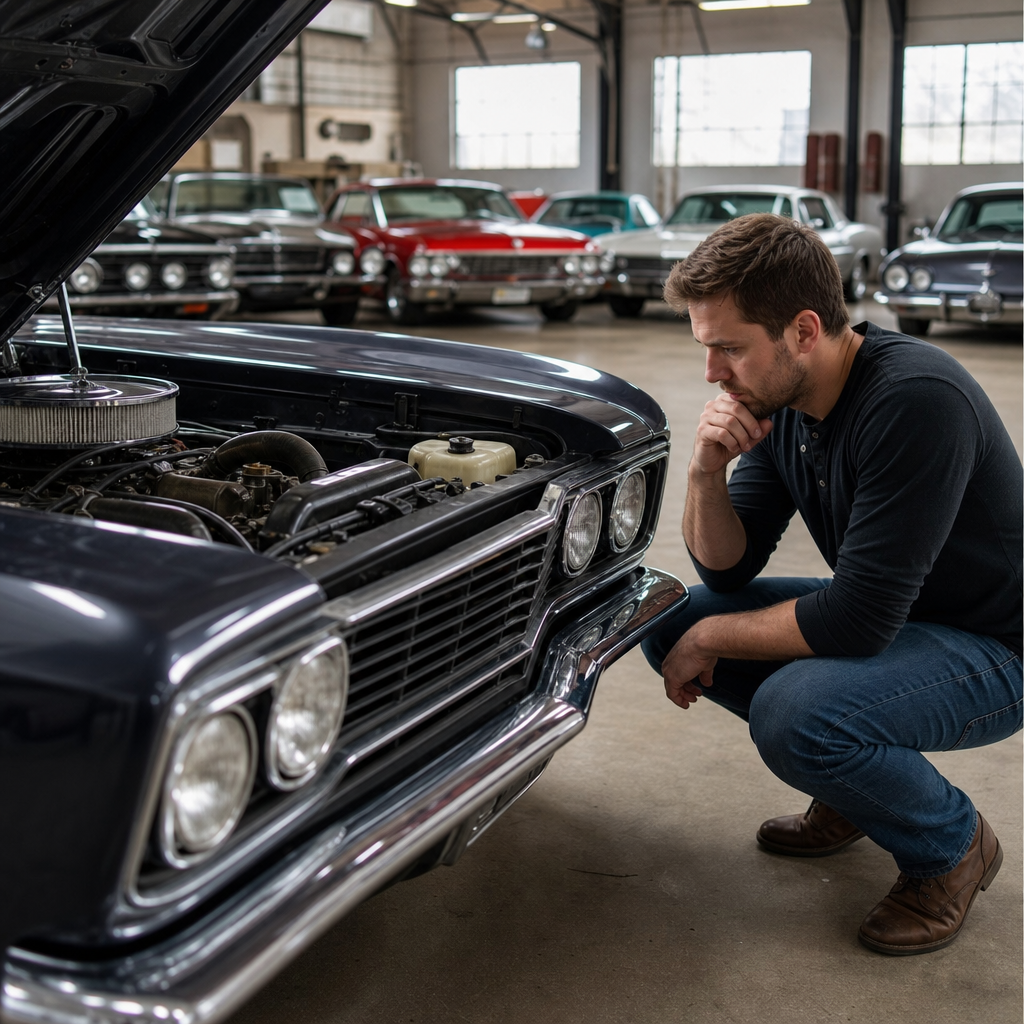
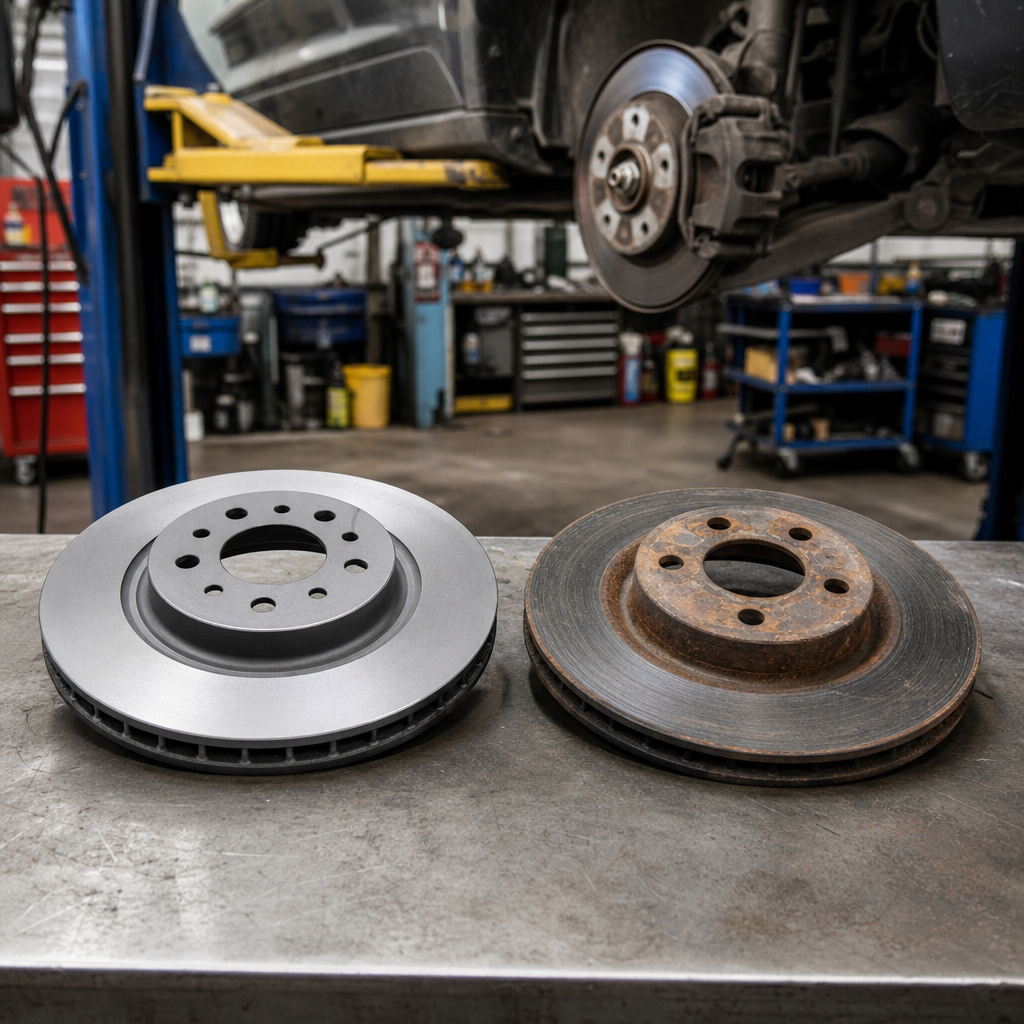
OEM vs aftermarket parts shape almost every restoration, maintenance, and upgrade decision a classic car owner makes. In classic car terminology, OEM stands for original equipment manufacturer, meaning a part built by the company that supplied the vehicle maker when the car was new, while aftermarket refers to replacement or performance parts produced by other companies after the original sale. I have spent years sourcing trim, brake hardware, weatherstripping, carburetor kits, and reproduction panels for vintage projects, and this distinction is never academic. It affects fit, originality, cost, drivability, resale value, and even safety.
For owners entering the hobby, the language can be confusing because OEM, NOS, reproduction, remanufactured, used original, period-correct, and upgraded are often mixed together in listings and conversations. A seller might call a fender OEM because it came off another car, while a catalog may market a newly stamped panel as factory-style, even though it was not made by the original supplier. Understanding the terms prevents expensive mistakes. If you are restoring a numbers-matching muscle car, the wrong alternator finish or hose clamp can hurt authenticity. If you are building a dependable weekend driver, insisting on scarce original parts can waste money without improving the experience.
This matters because classic cars live at the intersection of history and mechanical reality. Rubber hardens, castings crack, suppliers disappear, and manufacturing standards change. Some modern aftermarket parts solve old weaknesses with better materials, tighter machining, or electronic control. Other aftermarket parts fit poorly, fail early, or look obviously wrong. OEM parts can deliver unmatched correctness, but they may be costly, obsolete, or old enough to have their own age-related issues. The right choice depends on the part category, your project goal, your budget, and how closely you care about factory appearance versus real-world performance. Once you understand the terminology, you can buy smarter, ask better questions, and plan a classic car build that matches your priorities.
What OEM Means in Classic Car Terminology
OEM refers to a part made by the original manufacturer or by the original supplier to the manufacturer, built to factory specifications for that vehicle. In classic car circles, this can mean several things. A genuine service part in original packaging from Ford, GM, Chrysler, Jaguar, Mercedes-Benz, or another automaker is OEM. A component made by AC Delco, Motorcraft, Mopar, Bosch, Girling, Rochester, or Carter to the same specification supplied to the automaker may also be treated as OEM, especially when branding differs but dimensions, materials, and engineering are the same. For restorers, OEM usually signals factory-correct fit, finish, and appearance.
There is an important difference between OEM and original. An original part came on the car when it left the assembly line. An OEM replacement may have been produced later as a service part, possibly with a superseded number or minor production revision. Both can be desirable, but concours judges and advanced collectors often distinguish between assembly-line correct and dealership replacement correct. I have seen this matter on small details such as hose markings, stamp orientation, casting dates, and plating color. On a survivor-grade restoration, those details are not trivial; they are part of the car’s documented history.
For classics, true OEM supply is limited because many original tooling sets were scrapped, brands merged, and low-volume demand no longer supports factory production. That scarcity is why terms like NOS, meaning new old stock, carry premium prices. An NOS fuel pump may be authentic and unused, but it was still manufactured decades ago. Seals can dry, grease can harden, and rubber diaphragms can deteriorate on the shelf. In practice, OEM is strongest when correctness is the goal, particularly for visible trim, interior components, badging, and hard parts where exact dimensions matter.
What Aftermarket Means and Why It Exists
Aftermarket parts are produced by companies other than the vehicle’s original manufacturer to replace, repair, or improve components. In the classic car world, aftermarket ranges from budget replacement parts to premium performance systems and highly accurate reproductions. The category exists because original parts become unavailable, expensive, or inadequate for how owners use their cars today. When a 1967 Camaro needs front disc brake conversion parts, a modern aluminum radiator, electronic ignition, or replacement floor pans, the aftermarket is often the only practical source.
Aftermarket is not a synonym for inferior. Some of the best parts I have installed on classics were aftermarket improvements: PerTronix ignition modules that eliminate points maintenance, Wilwood brake components for stronger stopping, Eaton springs tuned for proper ride height, and reproduction wiring harnesses from specialist suppliers that match original connectors while using fresh insulation. At the same time, some low-cost aftermarket trim and sheet metal can be frustratingly poor, with thin chrome, weak stamping definition, and mounting holes that require rework. Quality varies because there is no single aftermarket standard; each manufacturer sets its own design, tolerances, and materials.
Aftermarket also covers reproduction parts, which are newly made versions of original components. A reproduction grille or seat cover may look stock, but it is not OEM unless built by the original supplier to the original specification under authorized production. This distinction matters for authenticity and value. It matters less for a driver where reliability and reasonable cost are priorities. Most classic owners eventually use a mix of OEM and aftermarket because no single category solves every problem well.
OEM vs Aftermarket: The Key Differences That Matter
The main differences between OEM and aftermarket parts come down to fit, authenticity, availability, performance, warranty support, and price. OEM parts are generally the benchmark for original appearance and installation confidence. They are the safest choice when exact contours, finishes, and part numbers matter. Aftermarket parts offer broader availability and more options, including upgraded designs that correct factory weaknesses. The tradeoff is inconsistency: one brand may fit beautifully while another requires trimming, shimming, drilling, or repainting before it looks right.
Fitment is where owners feel the difference immediately. An OEM door handle, switch bezel, or taillight housing usually installs with minimal drama because it was engineered for that body shell and assembly process. A reproduction equivalent may be close enough for a driver, but slight deviations in hole spacing, thread quality, or surface finish can add hours of adjustment. Mechanical parts are more nuanced. A premium aftermarket aluminum radiator may cool better than an original copper-brass unit, but it may alter underhood appearance. Likewise, an aftermarket suspension kit can transform road manners while moving the car further from stock character.
| Factor | OEM | Aftermarket |
|---|---|---|
| Factory correctness | Best for original appearance and specification | Varies; reproductions may look close but are rarely exact |
| Availability | Limited for older vehicles, often discontinued | Usually broader, especially for common classics |
| Price | Often higher, especially NOS or rare components | Ranges from budget replacements to premium upgrades |
| Performance potential | Matches original design intent | Can improve braking, cooling, ignition, and handling |
| Consistency | Generally predictable when genuine | Depends heavily on manufacturer quality control |
For most restorations, the smart question is not which category is universally better. The smart question is which category is better for this specific part on this specific car. I use OEM or OEM-equivalent parts for visible trim, switchgear, hard-to-fit weatherstripping, and originality-sensitive hardware. I lean toward quality aftermarket for safety systems, consumables, and discreet reliability upgrades. That balanced approach saves money and frustration without undermining the car’s character.
How This Terminology Connects to Other Classic Car Parts Terms
To understand OEM vs aftermarket fully, you need the surrounding vocabulary. NOS means new old stock: an unused original part stored since the period when the car was supported. Used original means the part came from another vehicle and may need restoration. Reproduction means a newly manufactured copy of the original part. Remanufactured means an existing part has been rebuilt to serviceable condition, such as a starter, steering box, or carburetor. Refurbished is broader and less precise; it may mean cleaned and repaired without full remanufacturing standards. Period-correct usually describes a part or accessory appropriate to the era, even if it was not installed at the factory.
These terms overlap in real buying situations. A rebuilt Rochester Quadrajet can retain an original OEM main body while using aftermarket gaskets, floats, and bushings. A concours restoration might use OEM glass, NOS emblems, reproduction seat upholstery, and remanufactured brake components in the same car. On online marketplaces, terminology is often stretched. Sellers describe parts as OEM-style, factory replacement, or original-type to imply fit without proving origin. I always ask for part numbers, casting marks, date codes, supplier logos, and measurements before paying premium prices.
This page functions as a hub because classic car terminology is interconnected. Once you understand OEM and aftermarket, it becomes easier to evaluate terms like matching numbers, date-coded, dealer-installed, service replacement, and upgraded stock replacement. Those labels are not marketing fluff when used correctly; they tell you what a part is, what it is not, and how it may affect value, authenticity, and long-term usability.
When OEM Is the Better Choice
OEM is usually the best choice when originality, resale value, and exact fit are your top priorities. That includes concours restorations, rare models, limited-production cars, and vehicles where collectors scrutinize factory details. Exterior trim, instrument cluster components, emblems, lenses, seat hardware, and unique brackets are common examples. On a 1970 Chevelle SS or split-window Corvette, buyers notice incorrect grain patterns, font differences, and fastener types. An OEM part may cost more, but it prevents the visual compromises that experienced enthusiasts spot immediately.
OEM also makes sense when fit issues create expensive labor. I have watched shops spend several extra hours modifying reproduction window seals and stainless trim clips on cars where genuine parts would have snapped in correctly. Labor can erase any savings from cheaper components. The same logic applies to intricate assemblies such as vent windows, convertible top hardware, and dashboard switchgear. Exact dimensions and attachment points matter more than the initial purchase price.
Safety can support the OEM case too, though not automatically. Steering columns, brake proportioning components, and suspension geometry parts should come from trusted sources with proven engineering. If a genuine factory part is available and in known-good condition, it may be the safer route than an unproven low-cost substitute. Still, age matters. An original rubber brake hose from the 1960s is not safer simply because it is OEM. Material condition must always be judged alongside origin.
When Aftermarket Is the Better Choice
Aftermarket is often the better choice when the goal is reliable driving, improved safety, or practical affordability. Many classic cars were designed around bias-ply tires, leaded fuel, weak charging systems, and braking standards far below current traffic demands. A discreet aftermarket dual-circuit master cylinder conversion, electronic voltage regulation, or upgraded cooling package can make an old car easier and safer to use regularly. For weekend drivers and touring builds, those improvements are usually more valuable than strict factory originality.
Availability is another reason to choose aftermarket. If an OEM fuel tank sender is discontinued or an original wiring harness is brittle beyond repair, a well-made reproduction may be the only sensible path. The best specialist manufacturers invest in correct tooling, quality materials, and documented fitment. In classic Mustang, Beetle, Mini, and Tri-Five Chevy communities, aftermarket support is so strong that entire restoration projects are possible using mostly new parts. That scale keeps many cars on the road that would otherwise remain incomplete.
Aftermarket also shines in performance applications. If you add horsepower, wider tires, or long-distance touring plans, stock components may no longer be enough. Better pads, modern shocks, roller timing sets, improved bushings, and aluminum radiators can increase durability and driver confidence. The key is selecting brands with a track record, clear engineering data, and application-specific design rather than generic bargain parts sold on price alone.
How to Choose the Right Part for Your Classic Car
The best buying method starts with defining the car’s mission. Is it a concours restoration, a largely stock driver, a restomod, or a period-style street machine? Once that is clear, classify each part by visibility, safety importance, and installation difficulty. Visible parts affect authenticity. Safety-critical parts affect risk. Hard-to-install parts affect labor cost. That framework quickly shows where OEM is worth pursuing and where aftermarket makes more sense.
Next, verify the source. Genuine packaging helps, but packaging can be reused or missing. Check part numbers, casting identifiers, supplier marks, dimensions, and finish details. Use factory assembly manuals, parts books, dealer literature, and marque-specific forums. For aftermarket brands, look for consistent reviews from owners with the same model, not just generic store ratings. Reputable suppliers usually provide fitment notes, production country, warranty terms, and installation guidance. If that information is absent, treat the listing cautiously.
Finally, think in systems rather than single parts. Installing one upgraded component may expose weakness elsewhere. A hotter ignition can reveal poor plug wires. Front disc conversions may require the right master cylinder bore and proportioning strategy. A reproduction weatherstrip set may need compatible adhesive and proper door alignment. The best classic car builds come from parts choices that work together, not from chasing labels in isolation. If you document what you buy and why, future maintenance becomes easier and the car’s value story stays clear.
OEM vs aftermarket is one of the most important distinctions in classic car terminology because it influences authenticity, reliability, cost, and value at the same time. OEM parts deliver the closest match to factory fit and appearance, making them ideal for show cars, rare models, and detail-sensitive restorations. Aftermarket parts provide broader availability, useful upgrades, and practical solutions when originals are too expensive, obsolete, or simply not good enough for modern driving. Neither category is automatically right or wrong.
The most successful classic car owners use the terminology precisely and make decisions part by part. They know that NOS is not the same as newly manufactured, that reproduction is not necessarily OEM, and that a high-quality aftermarket component can outperform an original design without harming the driving experience. They also know that cheap, poorly made replacements create extra labor and disappointment, especially on visible trim and complex assemblies. Good results come from matching the part to the purpose of the car.
If you are building your knowledge in Classic Car Basics and Education, start by evaluating your own project through this lens. Decide what matters most: factory correctness, dependable road use, budget control, or performance improvement. Then source parts with documentation, compare brands carefully, and keep records as you go. Mastering OEM vs aftermarket gives you a stronger foundation for every other classic car terminology topic, and it will help you buy smarter on your very next parts order.
Frequently Asked Questions
What is the difference between OEM and aftermarket parts for classic cars?
OEM parts are components made by the original equipment manufacturer, or by the same supplier that built the part for the vehicle when it was new. In the classic car world, that usually means a part designed to match the original specifications, dimensions, materials, and fitment standards used by the automaker during production. Aftermarket parts, by contrast, are made by third-party companies after the vehicle has been sold, and they may be designed either as direct replacements or as upgraded alternatives. That distinction matters because OEM parts are generally chosen for authenticity, factory-correct restoration, and predictable fit, while aftermarket parts are often selected for availability, lower cost, broader options, or improved performance.
For classic car owners, the difference goes beyond branding. OEM-style parts can help preserve originality and resale value, especially on vehicles being restored to stock condition. Aftermarket parts can be extremely useful when genuine originals are discontinued, hard to locate, or prohibitively expensive. In practice, many restorations use a mix of both. A restorer might insist on OEM-correct trim, weatherstripping, and interior details while using aftermarket brake hardware, carburetor rebuild kits, or ignition components for practicality. The right choice depends on your goals: originality, drivability, budget, show judging standards, or performance gains.
Are OEM parts always better than aftermarket parts?
No, OEM parts are not automatically better in every situation. They are often the best choice when factory fit, appearance, and originality are the top priorities, but that does not mean every aftermarket part is inferior. Many aftermarket manufacturers produce excellent replacement components, and in some categories they may even outperform the original design. This is especially true for parts that address known weaknesses in older vehicles, such as upgraded ignition systems, improved brake components, modern gasket materials, or suspension parts built with better compounds than what was available decades ago.
The real issue is quality control and application. A high-quality aftermarket part from a respected manufacturer can be a smarter purchase than a poorly stored, aged, or inconsistent OEM replacement. On the other hand, low-cost aftermarket parts can vary widely in fit, finish, and durability, which is why classic car owners need to evaluate the source carefully. Reproduction trim, for example, may look close to original in photos but differ in mounting points, chrome quality, or edge detail once installed. The best approach is to judge the part by its reputation, materials, fitment history, and intended use rather than assuming OEM is always superior or aftermarket is always a compromise.
When should I choose OEM parts for a restoration project?
OEM parts are usually the better choice when originality is central to the project. If you are restoring a classic car for concours competition, factory-correct presentation, collector value, or historical accuracy, OEM or OEM-correct parts should be at the top of the list. Exterior trim, emblems, interior hardware, body moldings, and model-specific details often have a direct impact on how authentic the finished vehicle appears. In these cases, even small deviations in finish, shape, texture, or markings can be noticeable to experienced enthusiasts and judges.
OEM parts also make sense when precise fitment is critical. Weatherstripping, brake hardware, carburetor components, and engine bay details can create headaches if the replacement part does not match the original dimensions or installation method. With classic cars, one incorrect clip location or slight variation in thickness can turn a simple job into hours of modification. Choosing OEM can reduce that risk. It is also wise to prioritize OEM when the vehicle is rare, numbers-matching, or likely to be sold to collectors who care about authenticity. In short, if the car’s value, identity, or correctness depends on retaining factory character, OEM is usually worth the extra effort and cost.
When are aftermarket parts the smarter option for a classic car?
Aftermarket parts are often the smarter option when availability, budget, reliability, or performance matters more than factory originality. Many classic car owners simply cannot source every original part, especially for older or lower-production vehicles where OEM inventory disappeared long ago. In those cases, a well-made aftermarket replacement may be the only practical way to keep the car on the road. This is common with maintenance items such as seals, hoses, bushings, ignition components, carburetor kits, and brake parts, where function is often more important than a factory stamp or exact casting mark.
Aftermarket parts are also a strong choice when you want to improve the way the car drives. Upgraded suspension systems, modern braking materials, electronic ignition conversions, improved cooling components, and performance exhaust systems can make a classic car more dependable and enjoyable without necessarily harming its character. For drivers rather than purists, these upgrades can be well worth it. The key is to buy from established suppliers with a solid track record in your specific make and model. Good aftermarket parts solve problems and expand options; poor ones create fitment issues and repeat repairs. That is why research, reviews, and community recommendations are so important before placing an order.
How can I tell if an OEM or aftermarket part is right for my specific repair or upgrade?
The best way to decide is to start with your end goal for the car. Ask whether you are preserving originality, maintaining dependable road use, or building a more capable driver. If the repair affects visible authenticity, collector value, or a judged restoration, OEM is usually the safer route. If the part is hidden, routinely replaced, or being upgraded for better performance and durability, aftermarket may be the better value. It also helps to consider how permanent the choice is. Bolt-on upgrades can often be reversed later, while modifications that require cutting, drilling, or replacing original components deserve much more thought.
You should also evaluate the part category itself. Some components are relatively safe to buy aftermarket because quality options are widely available, while others are notorious for poor fit or inconsistent manufacturing. Check part numbers, supplier reputation, return policies, material descriptions, and user feedback from owners of the same vehicle. If possible, compare dimensions and installation details before ordering. For classic car projects, experience matters: a trusted specialist in trim, brake hardware, weatherstripping, or carburetor kits often knows which reproduction parts fit properly and which ones should be avoided. In the end, the right choice is the one that aligns with your restoration standards, your budget, and how you actually plan to use the car.