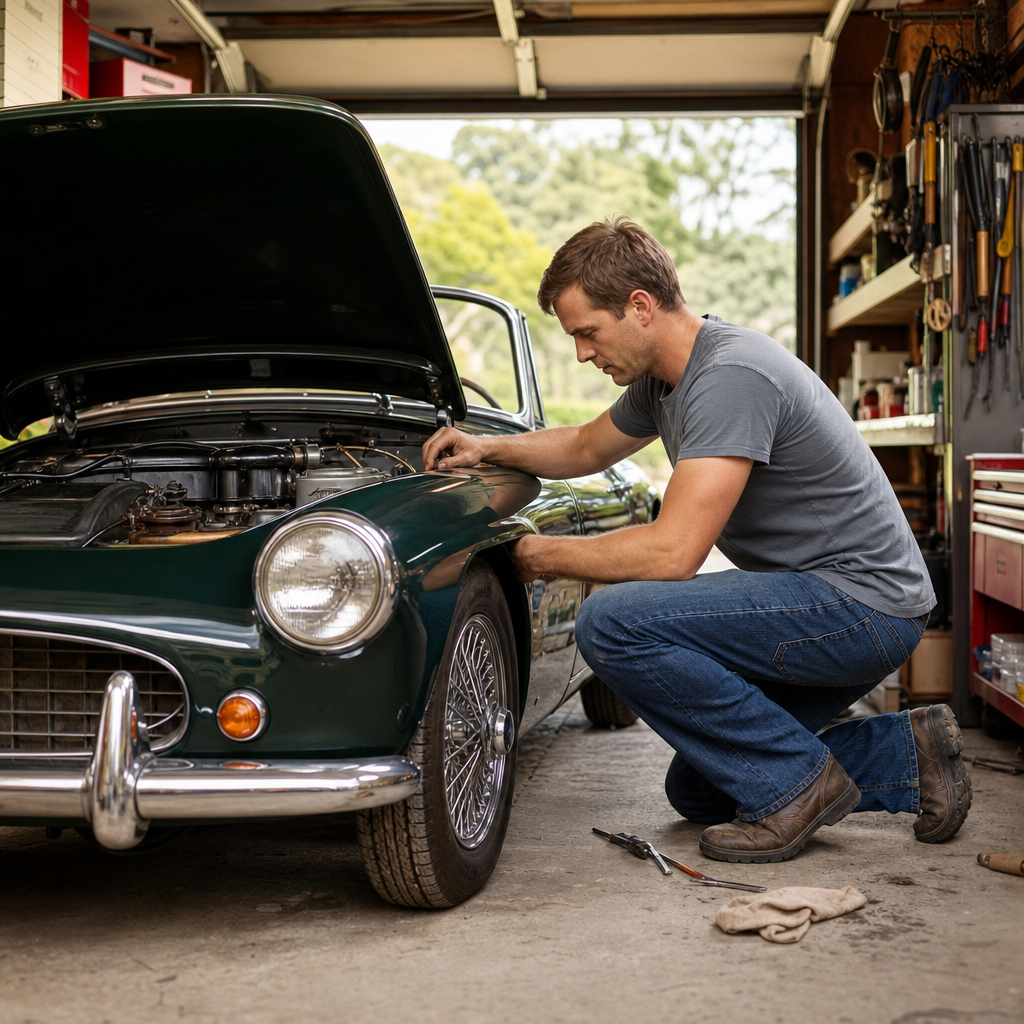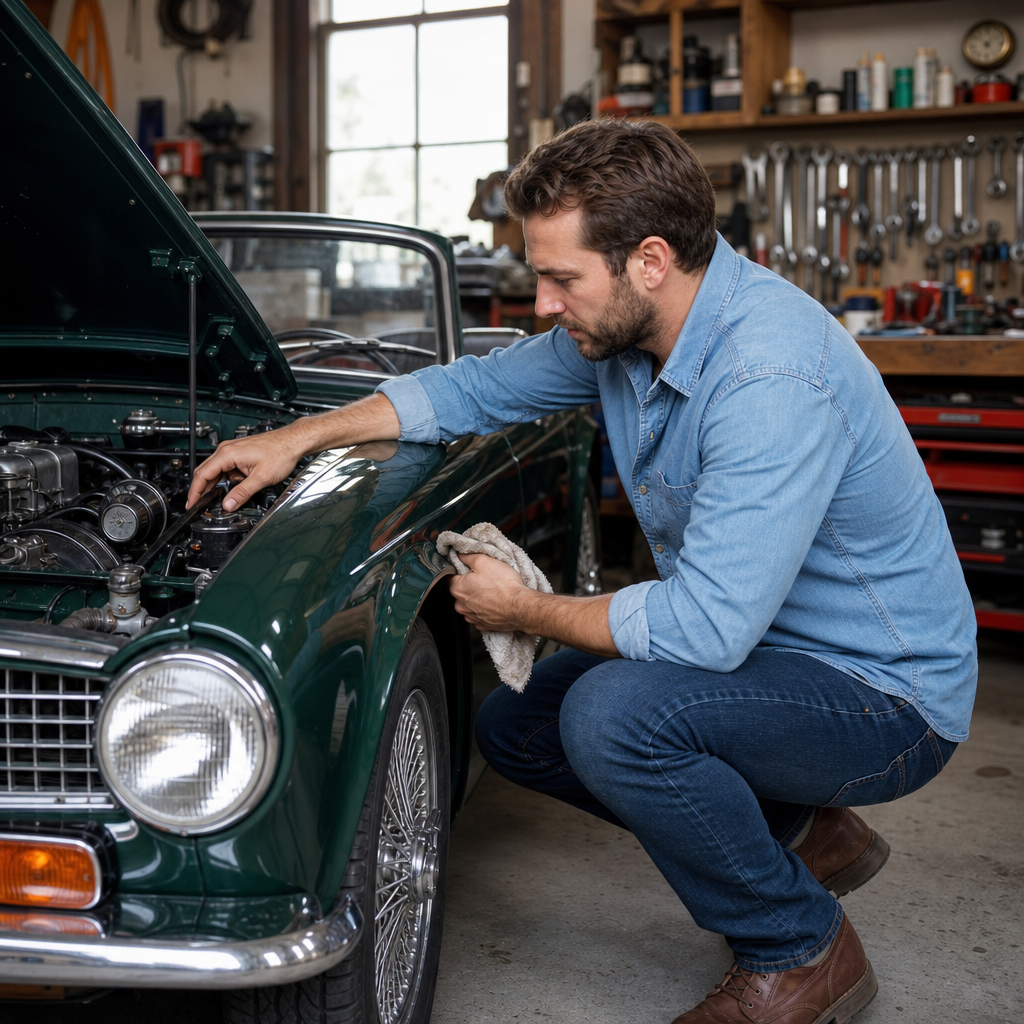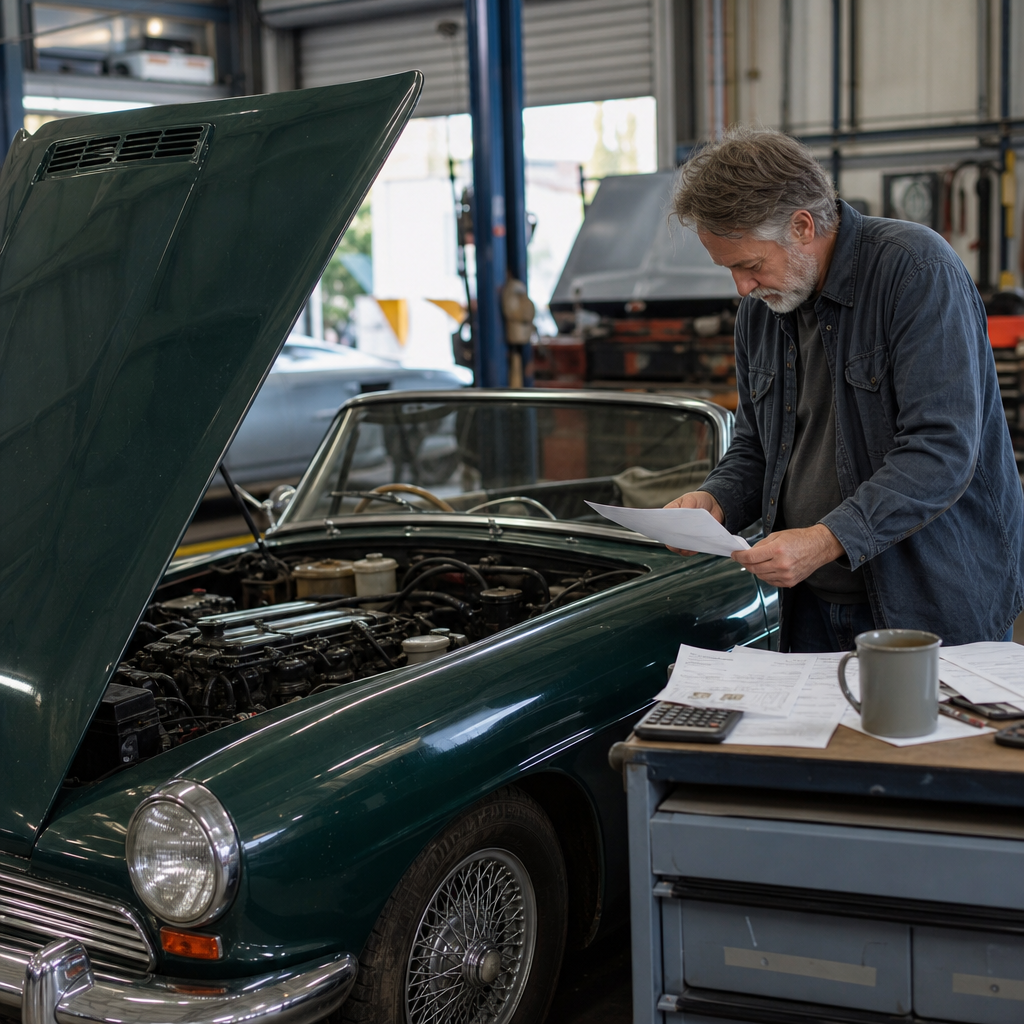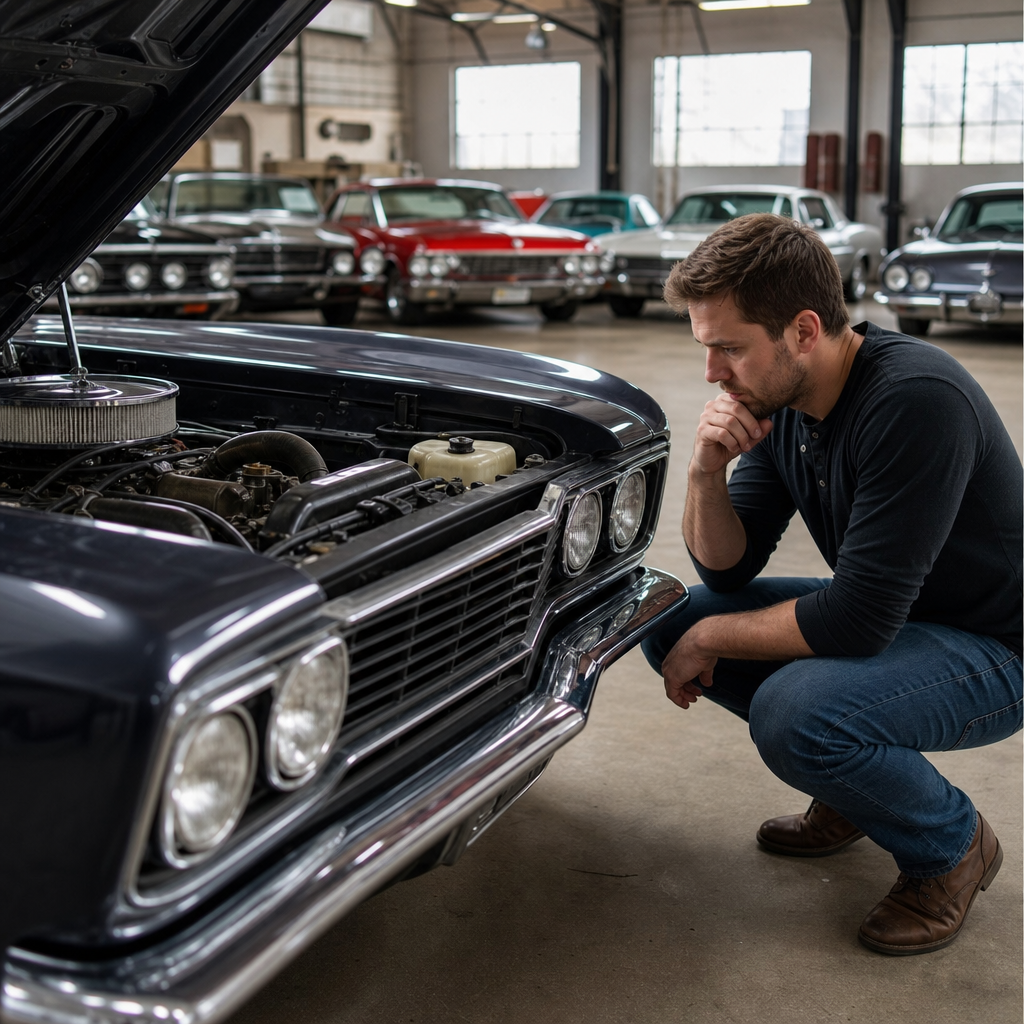
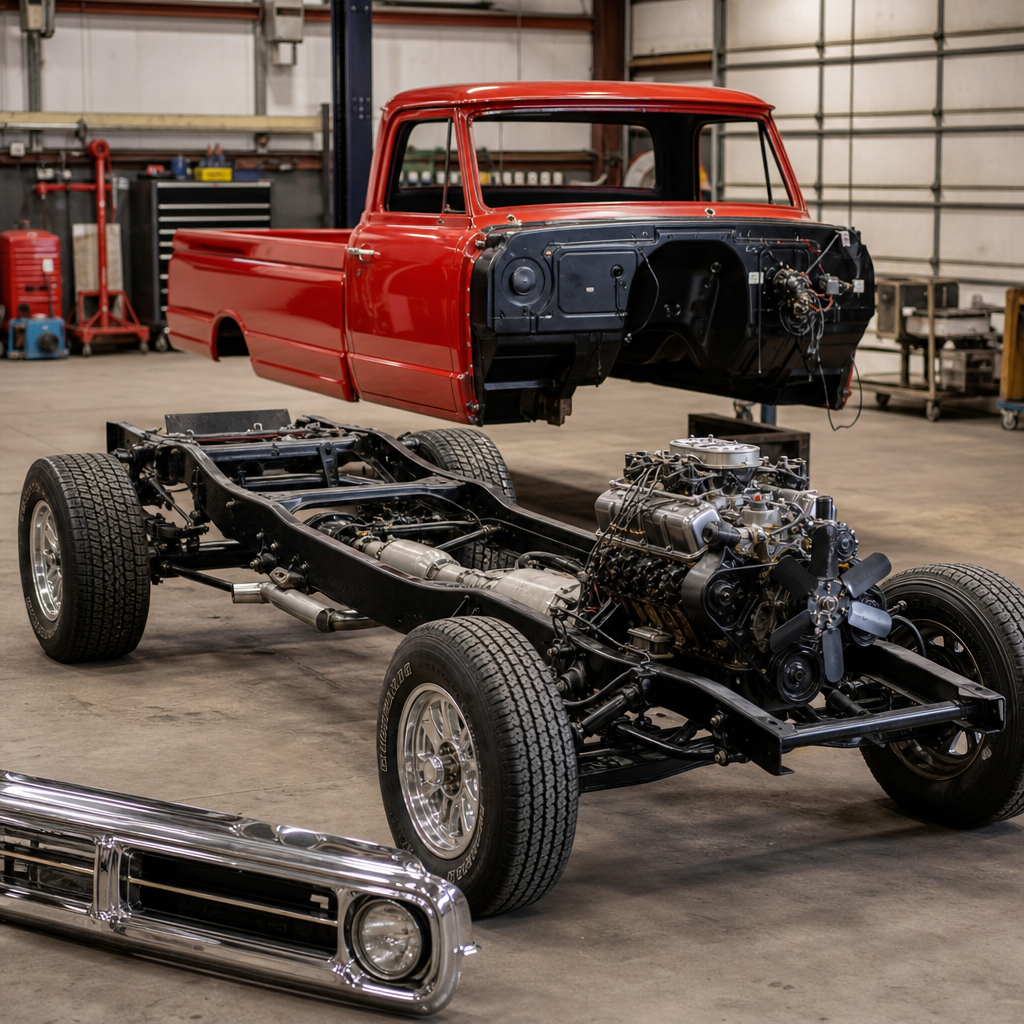
Frame-off restoration is the most comprehensive way to rebuild a classic car, and understanding the term helps owners, buyers, and hobbyists judge cost, authenticity, and long-term value. In practical terms, a frame-off restoration means the vehicle body is separated from the frame so every major system can be repaired, refinished, or replaced with full access. On body-on unibody cars, the phrase is often misused, because those vehicles do not have a separate full frame to remove. I have seen listings describe any shiny repaint as frame-off, yet true restorations involve documented disassembly, inspection, metal repair, chassis work, drivetrain reconditioning, and careful reassembly. That distinction matters because terminology shapes expectations. When someone shops for a restored Chevelle, C10, Bronco, or Tri-Five Chevrolet, the words used in the ad can mean the difference between a cosmetic cleanup and a years-long rebuild executed to a high standard.
Within classic car terminology, frame-off restoration sits near several related terms that buyers constantly confuse: concours restoration, rotisserie restoration, body-on restoration, restomod, survivor, and numbers matching. A frame-off job is a process description, not a guarantee of originality or show quality. A car can undergo a frame-off restoration and still receive upgraded brakes, modern air conditioning, and an aftermarket overdrive transmission. It can also be a factory-correct restoration with date-coded components, factory paint formulas, and assembly-mark details. The core idea is structural separation and complete access. Because the body comes off the chassis, technicians can evaluate hidden rust in floor braces, body mounts, frame rails, suspension pickup points, fuel and brake lines, and underbody seams that would otherwise remain partially concealed.
This term matters for three reasons. First, it affects value: documented frame-off restorations usually command more than lightly refurbished cars, though quality and correctness still determine the premium. Second, it affects safety: decades-old bushings, brake lines, steering parts, and corroded frame sections are easier to address when the chassis is bare. Third, it affects planning: anyone considering a project needs a realistic sense of labor, parts sourcing, storage space, and specialized work such as media blasting, body alignment, engine machining, upholstery, and paint correction. As the hub for classic car terminology, this article explains exactly what frame-off restoration means, when the term applies, what work is typically included, how it compares with neighboring terms, and what questions to ask before trusting the label.
What frame-off restoration means in plain language
A true frame-off restoration begins by removing the body shell from the frame or chassis assembly. On traditional body-on-frame vehicles, that means disconnecting wiring, steering linkage, brake and fuel lines, column connections, mounts, glass and trim as needed, then lifting the body so the frame can be restored separately. Once apart, the restorer can strip the frame to bare metal, check for cracks or collision damage, repair rust, coat or paint the chassis, rebuild suspension and steering, replace hardware, and route fresh lines. The body is repaired on its own track, often receiving rust patch panels, seam sealing, panel alignment, primer, block sanding, and paint before it goes back onto restored mounts.
The definition is straightforward, but the execution varies widely. Some shops call a project frame-off if the body was lifted only long enough to clean and paint the frame. Serious restorations go much deeper. They catalog fasteners, photograph original routing, tag parts, compare castings and date codes, and rebuild assemblies to documented standards. On a 1967 Camaro, for example, a complete frame-off style process on a subframe car may involve removing the front clip and subframe, rebuilding suspension, restoring the firewall and floors, and refinishing the underbody, even though purists may debate the wording because the car is not a traditional full-frame design. In the market, however, buyers often use the phrase loosely, which is why documentation matters more than the label alone.
One important nuance is that frame-off does not automatically mean perfect. I have inspected restored trucks with gorgeous powder-coated frames and poor panel gaps, mismatched trim, and incorrect wiring connectors. I have also seen body-on restorations that were exceptionally honest, safe, and well documented. The term tells you the car was disassembled extensively; it does not tell you whether the metalwork was done correctly, whether the paint thickness is consistent, or whether the drivetrain was rebuilt by a reputable machine shop. The best use of the term is descriptive, not magical.
Which vehicles can honestly be called frame-off restored
The term applies most accurately to vehicles built with a separate body and frame. Classic American pickups, many full-size sedans, early Broncos, many GM A-body and full-size models, older Jeeps, and numerous prewar cars fit this description. In those vehicles, the body sits on mounts attached to a structural frame. Removing the body exposes the complete chassis as a standalone unit. That is the mechanical reality behind the phrase.
It becomes less precise with unibody vehicles, where the body itself forms the main structure. A 1965 Mustang, for instance, uses unitized construction rather than a full separate frame. Restorers may still disassemble the car to a bare shell, mount it on a rotisserie, strip the underside, replace rails and floors, rebuild suspension, and refinish every surface. Many sellers casually call that frame-off because it signals thoroughness, but technically it is a full bare-shell or rotisserie restoration, not frame-off. If you are educating buyers or writing listings, using correct terminology builds trust and reduces disputes.
| Term | What it means | Best use case |
|---|---|---|
| Frame-off restoration | Body separated from a separate frame so both can be restored independently | Body-on-frame classics like trucks, full-size cars, early SUVs |
| Body-on restoration | Car restored without removing body from frame | Solid drivers needing mechanical and cosmetic improvement |
| Rotisserie restoration | Body shell mounted on rotating jig for full underside access | Unibody cars or very detailed shell restorations |
| Concours restoration | Restored to judged show standards with factory-correct details | High-end originality-focused builds |
| Restomod | Classic car restored with modern performance, comfort, or safety upgrades | Owners prioritizing drivability over strict originality |
For this reason, the smartest buyers ask, “Was the body actually separated from the frame?” and “Do you have photos of the chassis and body apart?” Those two questions quickly sort technical accuracy from sales language. If the answer is no, the car may still be excellent, but it should be described another way.
What work is typically included in a frame-off restoration
A complete frame-off restoration usually covers six major systems: chassis, body and metalwork, drivetrain, electrical, interior, and trim. On the chassis side, shops strip suspension, steering, brakes, fuel delivery, rear axle, and often the exhaust. Wear items such as bushings, ball joints, tie-rod ends, wheel bearings, springs, shocks, and brake hoses are typically replaced. Frames may be blasted with crushed glass, garnet, or other media, then checked for pitting, prior repairs, or stress cracks. Protective finishes vary. Factory-style restorations often use epoxy primer and chassis black paint, while some builders choose powder coating for durability, though purists note it can look too modern and may hide future repairs.
Body restoration is usually the most labor-intensive phase. Once stripped, hidden corrosion often appears in rocker panels, lower fenders, trunk drops, cab corners, floor braces, windshield channels, and body mount areas. Good shops cut out rust and weld in properly fitted patch panels rather than burying problems under filler. Panel fit is established before final paint, especially on cars with long doors or complex front clips. This step takes time. Doors, hood, decklid, and fenders influence each other, and gaps that look acceptable in primer can tighten or drift after paint if the shell was not braced and aligned correctly.
Drivetrain work ranges from resealing a healthy original engine to full machining and blueprint-level assembly. Engines may receive boring, decking, crank polishing, valve work, and balancing; transmissions and differentials are often rebuilt with fresh bearings, synchros, clutches, seals, or upgraded internals. Electrical restoration can be as simple as cleaning grounds and replacing brittle connectors, or as extensive as installing a new reproduction harness from companies like American Autowire or M&H. Interiors are often restored last, with sound deadening, upholstery, gauges, weatherstripping, headliner, carpet, and restored brightwork installed only after the car is mechanically sorted.
Why buyers, sellers, and restorers care about the term
In the market, frame-off restoration signals scope. It suggests the car was apart far enough for hidden issues to be addressed rather than covered over. That can justify a higher asking price, but only when the work is documented and competently executed. A vehicle with receipts from a respected paint shop, machine shop invoices, alignment specs, assembly photos, and a parts list inspires confidence. Without records, the phrase becomes little more than advertising.
Insurance and appraisal conversations also rely on terminology. Agreed-value insurers such as Hagerty often want photos, restoration details, and condition evidence. Appraisers distinguish between cosmetic refurbishment and comprehensive restoration because replacement cost differs dramatically. If a seller claims frame-off, an appraiser will expect to see signs of corresponding work under the car, inside jambs, around body mounts, and in parts records. Fresh undercoating without process photos is a red flag, because it can hide poor metalwork or corrosion.
For restorers, the term matters because scope creep is real. I have watched projects that started as “just separate the body and freshen the frame” turn into full rewiring, engine rebuilding, glass replacement, and months of trim sourcing once every hidden defect was exposed. That is why experienced shops write detailed estimates with allowances and exclusions. They know a frame-off project is not one task; it is a chain reaction of discoveries.
Common misconceptions and costly mistakes
The biggest misconception is that frame-off automatically equals concours quality. It does not. Concours describes judged accuracy and finish, while frame-off describes disassembly level. Another mistake is assuming every nut and bolt must be replaced. In factory-correct restorations, original hardware is often cleaned, replated, and reused because markings and finishes matter. Conversely, a driver-focused build may use upgraded fasteners, disc brakes, electronic ignition, or modern air conditioning while still being a legitimate frame-off restoration.
A second costly mistake is underestimating rust and bodywork. Mechanical parts are comparatively predictable; sheet metal and paint labor are where budgets get blown apart. A project car that looks straight can hide filler, poor past collision repairs, or rust inside boxed sections. This is why inspection tools matter. Paint depth gauges, borescopes, magnet checks in suspect areas, and lift inspections tell a more accurate story than glossy photos.
Another misconception is that originality always increases value more than drivability upgrades. Market reality is model specific. A big-block Corvette judged against factory standards rewards originality. A classic truck or first-generation Bronco often sees strong demand with tasteful upgrades such as front disc brakes, fuel injection, or overdrive. The term frame-off does not settle that debate. It simply tells you how deeply the restoration likely went.
How to verify a real frame-off restoration
The best proof is a photo trail showing the body lifted from the frame, bare chassis work, metal repair before filler and paint, and reassembly stages. Receipts should support the story: blasting invoices, body shop paperwork, machine shop tickets, parts orders, and alignment or brake-system records. Ask specific questions. Were the body mounts replaced? Were brake and fuel lines renewed? Was the frame checked for damage? What was used under the paint: epoxy primer, seam sealer, cavity wax? Vague answers usually indicate vague work.
Inspection should include the details sellers forget. Look at body mount bolts, overspray patterns, brake line routing, fastener consistency, weatherstrip fit, and whether hidden areas match the claimed level of restoration. A real frame-off car usually looks coherent underneath. You should not see a pristine frame with ancient hoses, corroded backing plates, and hacked wiring above it. Quality restorations show a systems approach, because once a car is that far apart, leaving obvious weak links makes little sense.
For anyone learning classic car terminology, this is the main takeaway: frame-off restoration means the body and frame were separated so the vehicle could be rebuilt comprehensively. It is a meaningful term when used correctly, but it is not a shortcut for perfect, original, or investment grade. The value lies in what was actually done, how well it was done, and whether the restorer can prove it. If you are shopping, selling, or planning a project, use the term precisely, ask for documentation, and compare it with related concepts like body-on restoration, rotisserie restoration, concours work, and restomod upgrades. That clarity will help you judge quality more accurately, avoid expensive misunderstandings, and make smarter decisions in the classic car market. For deeper classic car terminology, continue exploring the rest of this hub and use each term as a tool, not a slogan.
Frequently Asked Questions
What does “frame-off restoration” actually mean?
A frame-off restoration is a complete rebuild of a vehicle in which the body is physically separated from the frame so both structures can be restored independently. That matters because it gives full access to areas that cannot be properly inspected, cleaned, repaired, or refinished when the body remains attached. With the body removed, a restorer can address the chassis, suspension, steering, brakes, fuel and brake lines, drivetrain mounting points, underbody surfaces, and hidden rust or collision damage in a much more thorough way than with a cosmetic refresh or partial mechanical rebuild.
In the classic car world, the term usually implies a top-to-bottom restoration rather than a simple paint job or interior update. A true frame-off project often includes disassembly, media blasting or stripping, structural repair, refinishing the frame, rebuilding or replacing suspension and braking components, restoring the engine and transmission as needed, repairing body panels, repainting, reassembling with new hardware and seals, and correcting details that affect authenticity and value. In short, “frame-off” is not just marketing language when used correctly; it describes a restoration method defined by the body being removed from a separate frame to allow the most comprehensive level of access and repair.
How is a frame-off restoration different from a body-off, frame-on, or cosmetic restoration?
The biggest difference is the level of disassembly and access. In a frame-off restoration, the body is lifted from a separate full frame, allowing each part of the vehicle to be worked on properly and independently. A body-off restoration is sometimes used as a near-synonym, but the wording can vary by vehicle design and by shop. On many traditional body-on-frame classics, people use “frame-off” and “body-off” to describe the same basic process. The important point is that the body and frame are separated so hidden areas can be restored instead of merely cleaned around.
By contrast, a frame-on restoration keeps the body mounted to the frame. That type of project can still be very respectable and may include engine work, suspension service, interior replacement, paint, and undercarriage detailing, but it does not provide the same access for inspecting the top of the frame, body mounts, inner structure, and enclosed corrosion-prone areas. A cosmetic restoration is even more limited. It typically focuses on visible improvements such as paint, chrome, upholstery, trim, and basic drivability without taking the vehicle completely apart. Cosmetic work can make a car look excellent, but it may leave old wiring, worn chassis parts, rust, or earlier repairs untouched beneath the surface. That is why buyers, judges, and experienced hobbyists usually place greater weight on a documented frame-off restoration than on a car that only presents well externally.
Can any classic car have a true frame-off restoration?
No. A true frame-off restoration applies only to vehicles built with a separate frame and body structure. That includes many traditional trucks, full-size American classics, muscle cars, and older vehicles designed with body-on-frame construction. In those vehicles, the body can be unbolted and lifted away from the frame, making the phrase accurate and meaningful. If the car was built as a unibody, there is no separate full frame to remove in the same sense, so calling the process a “frame-off restoration” is technically incorrect.
This is where the term is often misused in listings and casual conversation. On unibody cars, the body itself is the main structural shell, even though there may be subframes, crossmembers, or detachable front clips. Those cars can absolutely undergo very high-end, fully disassembled restorations, but the proper description would be something like a full rotisserie restoration, complete nut-and-bolt restoration, or total disassembly restoration rather than frame-off. The distinction matters because knowledgeable buyers use these terms to judge how the car was constructed, what work was possible, and whether the seller understands the vehicle. Accurate terminology builds credibility, while sloppy use of “frame-off” can raise questions about the quality of the documentation and the truthfulness of the overall description.
Why does a frame-off restoration usually cost so much?
Cost is driven by labor, complexity, parts sourcing, and the surprise issues that appear only after a vehicle is fully disassembled. Removing the body from the frame is not the expensive part by itself; the real cost comes from what that separation reveals and makes possible. Once everything is apart, there is little justification for ignoring worn suspension bushings, rusty brake lines, pitted hardware, deteriorated body mounts, cracked wiring, hidden rust in floors or supports, old fuel system components, weak seals, poor prior repairs, or incorrect parts installed decades earlier. A proper frame-off restoration snowballs into hundreds or even thousands of labor hours because every major system becomes accessible and subject to scrutiny.
Beyond labor, parts and finishing work add up quickly. Correct trim pieces, date-coded components, reproduction sheet metal, machine work, upholstery, plating, powder coating, paint materials, glass, weatherstripping, and specialty fasteners can consume a very large budget. If authenticity is the goal, the cost can rise further because matching original specifications often takes more time than simply making the car functional. Even a straightforward project can become expensive once rust repair, drivetrain rebuilding, and bodywork are added. That is why a documented frame-off restoration often commands a premium in the market: the expense reflects not just improved appearance, but the amount of hidden work completed to make the vehicle structurally sound, mechanically fresh, and more valuable over the long term.
How can you tell whether a car really had a frame-off restoration?
The best proof is documentation supported by physical evidence. Start with photographs showing the vehicle during disassembly, especially images of the body separated from the frame. Receipts, restoration invoices, parts orders, machine shop records, and a clear timeline of work are also important. A credible restoration file should show what was repaired, replaced, rebuilt, and refinished rather than relying on a vague claim that the car was “done a few years ago.” If the seller or shop can identify exactly what was performed on the frame, suspension, braking system, fuel system, body mounts, drivetrain, wiring, interior, and paint, that is usually a positive sign.
You can also inspect the car for consistency underneath and in hidden areas. On a genuine frame-off restoration, the frame should typically show uniform finishing quality, the underbody should look intentionally restored rather than quickly sprayed over, lines and hoses should be routed correctly, hardware should make sense for the build level claimed, and inaccessible areas should not be full of old grease, flaky rust, or mismatched repairs. Look at body mounts, inner fenders, trunk floors, floor pans, suspension attachment points, and the tops and sides of the frame where possible. If the visible top surfaces are fresh but the hidden areas are neglected, the car may have received cosmetic work rather than a true full restoration. When in doubt, an experienced marque specialist or pre-purchase inspector can often tell very quickly whether the claim is accurate, exaggerated, or completely misapplied.