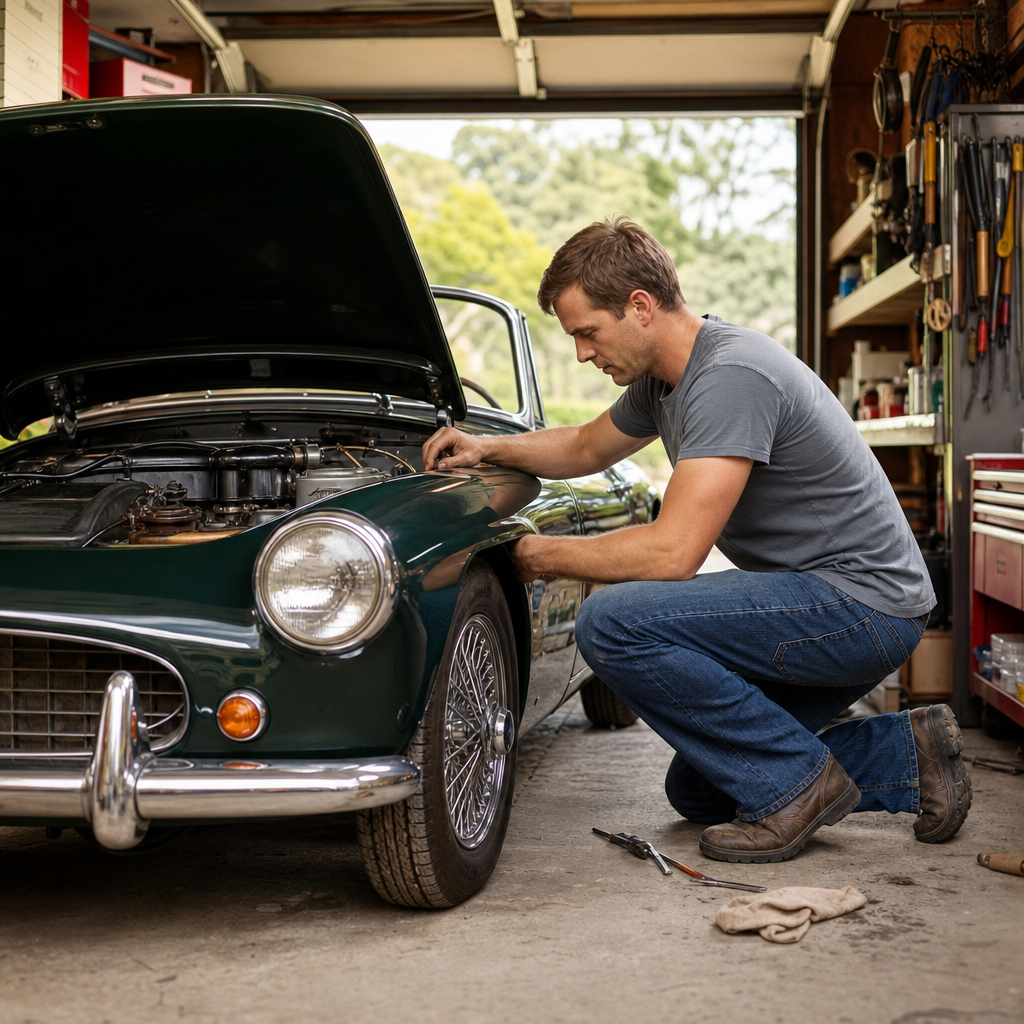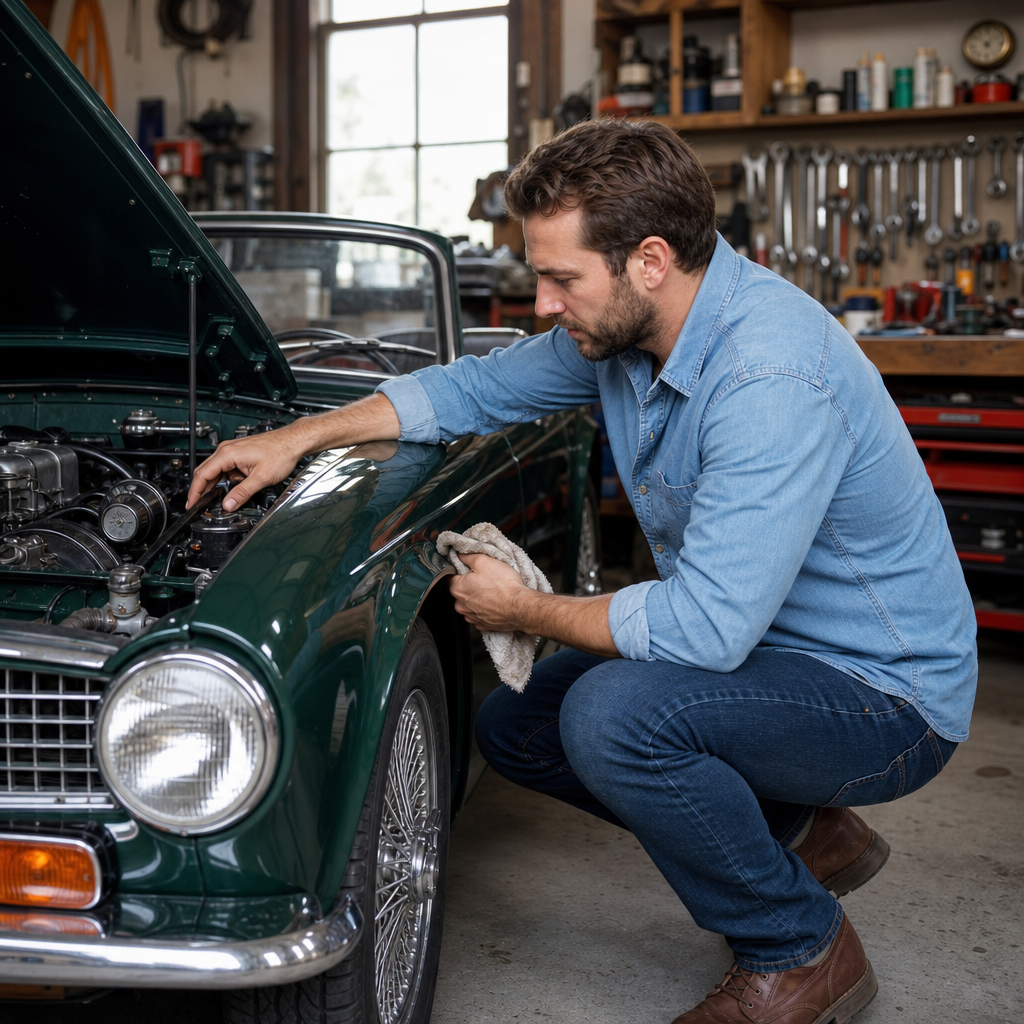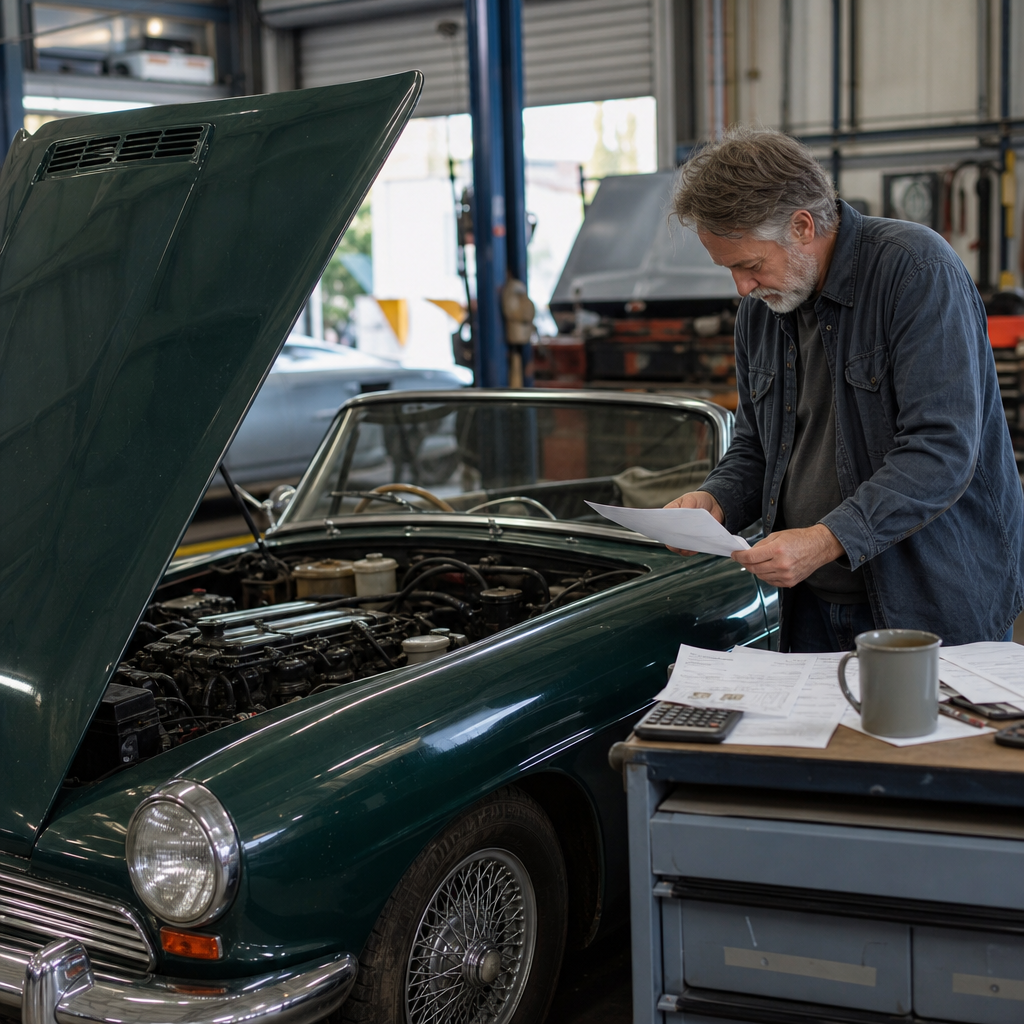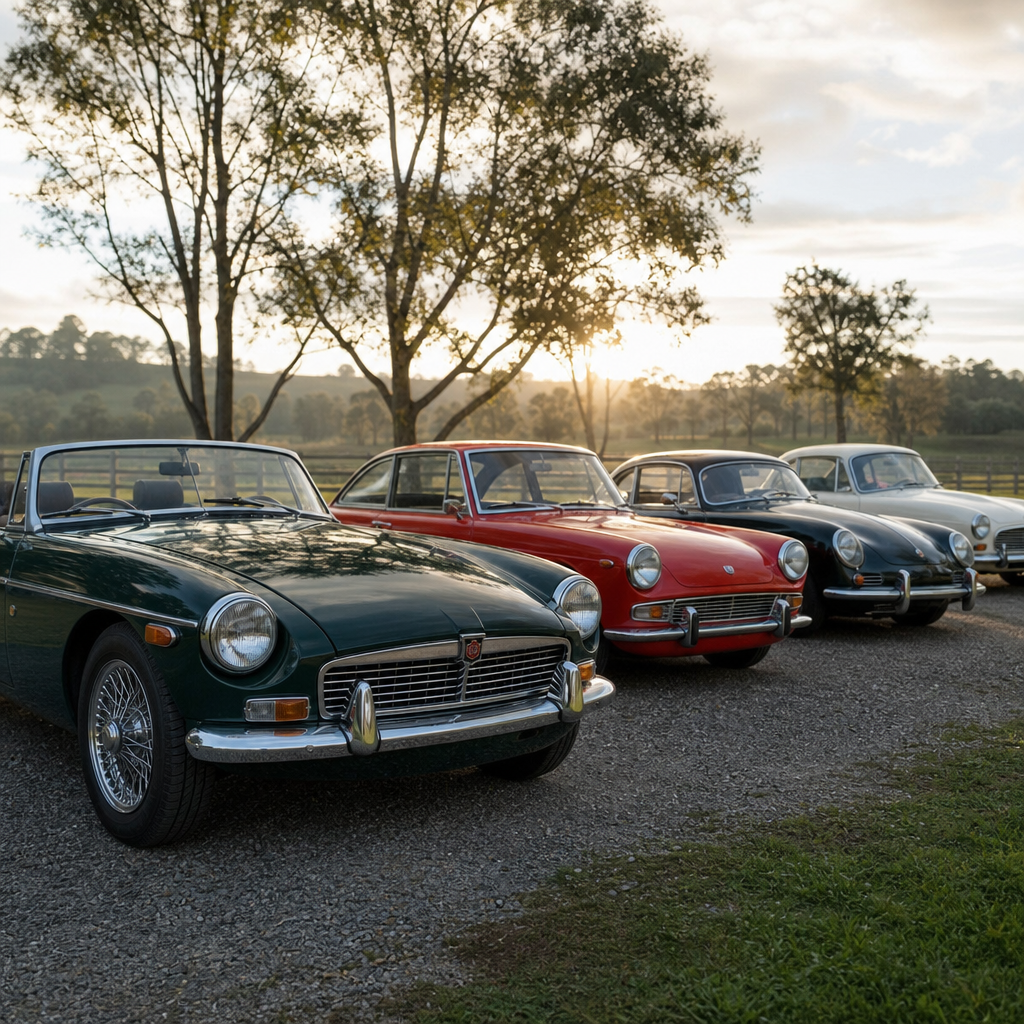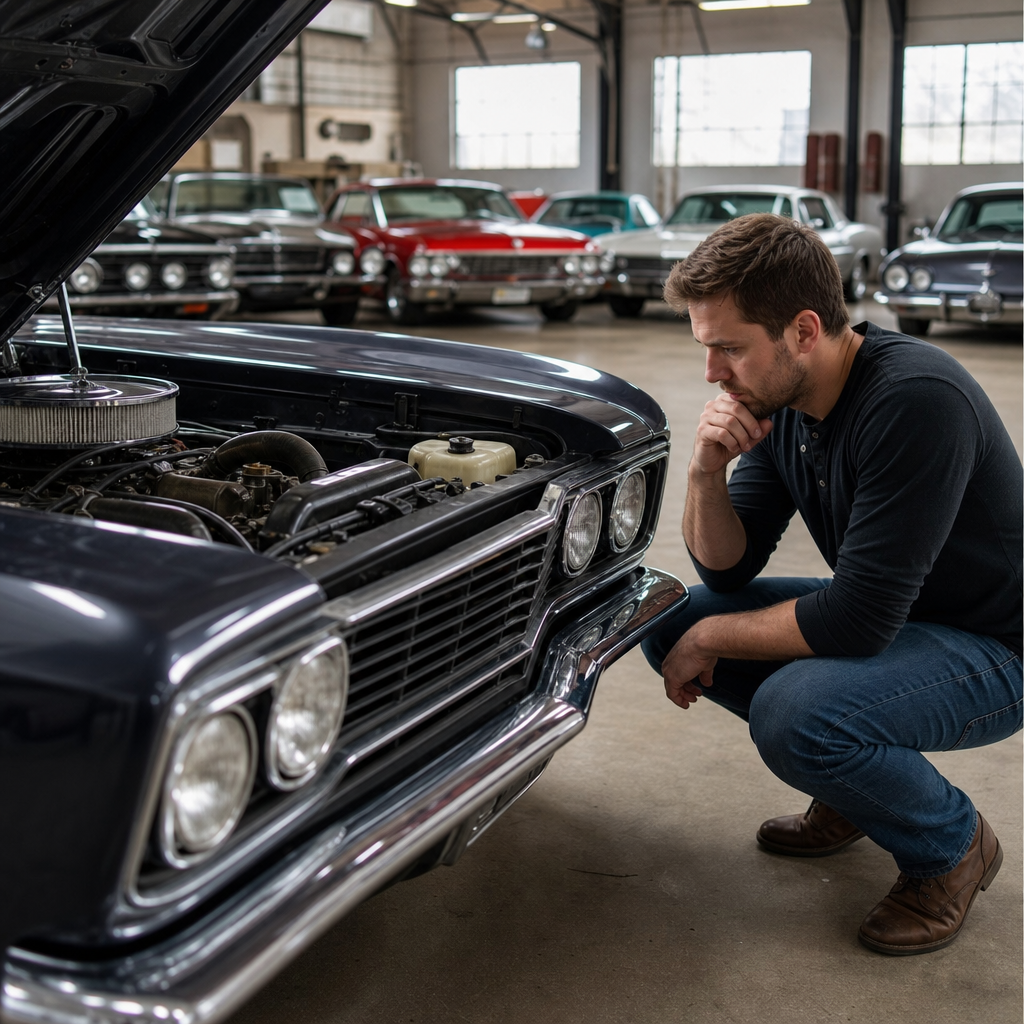

Patina is the visible record of age, use, and exposure on a material, and in the classic car world it usually means the weathered paint, faded trim, worn upholstery, oxidized metal, and small imperfections that accumulate honestly over decades. Collectors love patina because it signals originality, tells a car’s story, and separates genuine survivors from vehicles that have been over-restored into something closer to a replica than a preserved artifact. Within classic car terminology, patina sits beside essential concepts like matching numbers, survivor car, restoration, restomod, provenance, and concours condition, so understanding it helps enthusiasts evaluate value, authenticity, and intent before buying, preserving, or modifying a vehicle.
I have spent years around auction previews, private collections, and workshop inspections, and patina is one of the most misunderstood terms I hear. Some people use it to excuse neglect. Others dismiss it as rust and faded paint. Neither view is correct. True patina is not simply damage. It is age expressed through materials that remain largely original and structurally sound. A hood with thin paint from years of polishing, a steering wheel smoothed by thousands of miles, and a trunk floor wearing factory finishes beneath dust all indicate a car that has lived, not merely deteriorated.
This matters because the market now rewards authenticity in ways it did not twenty years ago. At major sales from RM Sotheby’s, Gooding, and Mecum, unrestored or sympathetically preserved cars often draw intense bidding when their originality can be documented. Buyers recognize that factory spot welds, original paint depth, period-correct fasteners, and naturally aged interiors contain information that restoration can erase forever. For a hub article on classic car terminology, patina is an ideal starting point because it connects language about condition, history, maintenance, judging, and collector preference into one practical framework.
What Patina Means in Classic Car Terminology
In plain terms, patina is the accumulated surface character that develops as original materials age. On a classic car, that can include lacquer paint checking, sun fading, dulled chrome, lightly cracked leather, yellowed gauges, and bare metal showing through high-contact areas. The key word is accumulated. Patina happens gradually through time, storage conditions, climate, driving, and maintenance habits. It is not usually recreated convincingly, and when it is faked, experienced buyers can often spot the attempt through inconsistent wear patterns or freshly distressed surfaces.
Collectors use related terms with specific meanings. A survivor car is a vehicle that remains substantially as built, with original finishes, components, and trim still intact. Originality refers to parts and materials installed by the factory or documented early-life replacements. Preservation means maintaining the car’s current state rather than restoring it to like-new condition. Restoration is the process of returning a vehicle to a chosen earlier condition, often factory correct. Over-restoration describes finishes or detailing more perfect than the manufacturer originally delivered. Patina usually belongs to survivor and preservation conversations, not to concours restoration language.
Understanding those distinctions helps answer a common question: is patina valuable by itself? No. Patina becomes valuable when it appears on a desirable, authentic, structurally sound car with traceable history and intact original features. A rare Porsche 356 with worn but original paint can be treasured. A common sedan with severe corrosion, missing trim, and water damage is just a project. Patina is context dependent, and the collector market evaluates it through rarity, condition, documentation, and honesty.
Why Collectors Love Patina
Collectors love patina because it proves a car has not been stripped of its identity. Original paint carries assembly-line quirks, factory masking lines, and period materials that restorations rarely replicate perfectly. Interiors with authentic wear show how a car was used and maintained. Even smell matters; long-stored wool carpet, aged vinyl, and old leather can instantly tell experienced buyers they are standing inside something real. That sensory evidence builds confidence in the car’s authenticity, and authenticity is one of the strongest drivers of collector demand.
Patina also provides narrative value. A stone-chipped nose on a grand touring car suggests highway miles. Heel wear on the driver’s carpet and polished switchgear point to regular use rather than static display. Dealer emblems, service decals, and hand-painted race class markings turn surfaces into historical documents. I have watched buyers spend more time studying faded pinstripes, chalk inspection marks, and trunk stickers than glossy repaint quality, because those details preserve a chain of evidence linking the car to a period, an owner, and a use case.
There is also a philosophical reason. Many enthusiasts prefer preservation over perfection because factory-built machines were never flawless objects. Panel gaps varied, orange peel existed, and underbody finishes were practical rather than jewel-like. Patina keeps expectations realistic and encourages stewardship instead of reinvention. For owners who drive their cars, preserved surfaces can reduce anxiety. A tiny chip on an original-paint fender usually feels less catastrophic than the first flaw on a six-figure restoration. That freedom often leads to more use, and classic cars generally benefit from being exercised regularly.
Patina Versus Damage, Neglect, and Rust
One of the most important classic car terminology lessons is that patina does not mean every flaw is desirable. Surface oxidation on a bumper may be acceptable. Structural rust in frame rails, rocker panels, suspension pick-up points, or floor supports is a safety issue. Faded paint can be charming. Moisture trapped under cracked vinyl roofs, bubbling filler over previous repairs, and rodent-damaged interiors are not. A preserved car should still be mechanically sound, safe to operate, and protected from continued deterioration.
When evaluating patina, I separate cosmetic aging from active decay. Cosmetic aging includes paint thinning, minor pitting, checked lacquer, or leather creasing. Active decay includes spreading rust, delaminating chrome, mold, brittle wiring insulation, fuel system contamination, and failed weather seals that allow water intrusion. The first category can support value. The second destroys originality if not addressed. Preservation often requires intervention: cleaning drain channels, stabilizing rust with appropriate treatment, rebuilding brakes, replacing dangerous tires, and conditioning leather without making it look artificially new.
A useful rule for buyers is simple: honest wear is acceptable, but hidden damage is expensive. Always inspect with light, magnet, paint meter, borescope, and lift access when possible. Review panel undersides, cowl vents, windshield corners, and trunk seams. Original cars reveal truth in hard-to-fake areas. If the visible patina says survivor but the underside shows fresh undercoating over poor welding, the terminology may be masking a problem rather than describing a preservation-grade vehicle.
How Patina Affects Value and Market Appeal
Patina can increase value when it strengthens confidence in originality, but the premium varies sharply by marque, rarity, and buyer intent. Air-cooled Porsche, early Ford Bronco, vintage Land Rover, Ferrari, Mercedes-Benz SL, and American muscle markets all treat preservation differently. Limited-production cars, competition cars, and vehicles with documented ownership history often benefit most from original finishes. Mass-produced cars generally need stronger stories or exceptional condition to command a patina premium.
At auction, catalog descriptions often use phrases like “highly original,” “unrestored,” “sympathetically recommissioned,” or “preservation class eligible.” Those terms are not decorative; they signal a valuation framework. Organizations such as the Antique Automobile Club of America and the Historic Vehicle Association have helped normalize preservation standards by emphasizing documentation and historical integrity. Bloomington Gold’s Survivor certification for Corvettes is another strong example. A car that retains original drivetrain stampings, finishes, glass date codes, and interior materials may attract buyers precisely because restoration would erase those reference points.
| Term | Meaning | Typical Buyer Reaction |
|---|---|---|
| Patina | Visible, honest age on largely original materials | Positive if authentic and structurally sound |
| Survivor | Substantially unrestored car retaining factory components and finishes | High interest when documentation supports originality |
| Preservation | Maintained and stabilized rather than fully restored | Appeals to collectors focused on authenticity |
| Restoration | Returned to an earlier condition using refinishing, repair, and replacement | Valuable when quality and correctness are high |
| Over-restored | Finished beyond original factory standards | Impressive visually but less authentic to purists |
| Project car | Vehicle needing major cosmetic or mechanical work | Value depends on rarity, completeness, and rust level |
Market appeal also depends on whether patina matches the vehicle’s character. A military Jeep, desert-traveled pickup, or vintage rally car often wears age well. A formal luxury sedan may need cleaner presentation to attract its core audience. The smartest sellers know how to frame a car honestly: original paint, known repairs, replaced safety items, and retained documentation. Transparency builds trust and usually protects value better than romantic language alone.
Related Terms Every Beginner Should Know
Because this page serves as a hub for classic car terminology, it helps to place patina among adjacent terms buyers encounter constantly. Matching numbers means the engine, transmission, and sometimes other components correspond with factory records or date-correct identifiers. Numbers-matching cars generally command premiums because they retain original driveline identity. Provenance refers to ownership and historical documentation, such as original invoices, registration history, photos, race entries, or celebrity association. Concours condition describes top-tier presentation judged for accuracy, finish, and completeness.
Other practical terms include driver-quality, meaning a car presents well and functions reliably but is not show-perfect; recommissioning, which is the mechanical revival of a long-stored vehicle; and sympathetic restoration, where repairs are made carefully to preserve original character. Restomod means a classic car updated with modern performance, brakes, suspension, or electronics. That approach can create an excellent driving machine, but it usually reduces originality. Knowing these terms helps owners decide what they value most: historical integrity, visual perfection, usability, or investment potential.
For beginners, the right question is not “Is patina better than restoration?” The right question is “What is the purpose of this car in my collection?” If you want museum-level historical reference, originality matters most. If you want cross-country touring, a sympathetic restoration may be smarter. If you want modern drivability with classic styling, a restomod fits. Terminology is useful because it clarifies intention. Once you understand the language, listings become easier to decode and marketing claims become easier to challenge.
How to Preserve Patina Without Ruining It
Preserving patina requires restraint. The goal is to stabilize and protect original materials, not make them look freshly restored. Start with a careful wash using pH-balanced products, soft brushes, and compressed air around trim and emblems to avoid forcing grit across thin paint. For oxidized paint, many professionals prefer gentle cleaners, glaze, or microcrystalline wax instead of aggressive compounding. On bare or lightly rusted metal, corrosion inhibitors and climate-controlled storage can slow further degradation without removing visual character.
Interior preservation matters just as much. Leather should be cleaned lightly and conditioned with products that do not leave a glossy artificial finish. Cloth and carpet need dry extraction methods where possible, especially if fibers are fragile. Plastic lenses and dash plastics can craze if treated with harsh solvents. Rubber seals should be conditioned to reduce cracking, but if they no longer keep water out, replacement may be necessary because trapped moisture destroys originality far faster than a documented seal change ever will.
Mechanically, preservation means replacing consumables that affect safety and reliability while documenting every change. Brake hydraulics, fuel hoses, belts, tires, and battery cables age out regardless of collector appeal. Keep removed original parts when practical, photograph date codes, and file service records. I recommend owners create a preservation log with inspection notes, paint meter readings, and material photos. That record supports future value and helps prove that interventions were limited, necessary, and reversible wherever possible.
When Restoration Is the Better Choice
Patina is not always the answer. If corrosion threatens structural integrity, prior repairs were poorly executed, or originality has already been lost through multiple repaints and incorrect parts, restoration may be the better path. Cars with severe fire damage, flood exposure, or extensive missing components rarely benefit from preservation language because there is too little authentic material left to protect. In those cases, a high-quality restoration can save a historically important vehicle and return it to meaningful use.
The best restorations begin with research, not disassembly. Factory service manuals, parts books, build sheets, paint codes, trim tags, and period photographs establish a reliable target. Marque specialists, registry forums, and judging guides are invaluable. For example, Porsche Certificate of Authenticity data, NCRS resources for Corvettes, and Mercedes-Benz Classic Center archives can help verify colors, options, and component correctness. Restoration done with that level of evidence produces results that are both beautiful and defensible.
The tradeoff is cost and irreversible loss of original surface information. Once original paint, seam sealer, upholstery, and assembly marks are stripped away, they are gone permanently. That is why experienced collectors pause before restoring an intact survivor. They ask whether the car is rare enough, original enough, and historically rich enough to deserve preservation first. Make that assessment carefully, and you will understand not just what patina is, but why collectors love it and why classic car terminology matters before any purchase, sale, or wrench turn. Learn the terms, inspect closely, document honestly, and let the car’s real story guide your next decision.
Frequently Asked Questions
What does patina mean on a classic car?
On a classic car, patina refers to the visible signs of age, use, and long-term exposure that develop naturally over time. This can include thin or sun-faded paint, small chips and scratches, surface oxidation on metal, dulled chrome, worn seat upholstery, aged steering wheels, and other honest imperfections that reflect a car’s real life rather than recent cosmetic correction. In the collector world, patina is not simply “damage” or neglect. The key distinction is that it represents authentic aging that occurred while the vehicle remained fundamentally original. It is the accumulated evidence of decades on the road, in storage, or in regular ownership, and that history is exactly what many enthusiasts value.
Patina matters because it helps tell the difference between a preserved survivor and a vehicle that has been heavily restored. A car with intact original finishes, even if those finishes are imperfect, often carries more historical character than one that has been stripped, refinished, and rebuilt to look better than new. Collectors use patina as a kind of visual proof of originality. It can reveal how the car was built, how it was used, and how much of it remains authentic. In that sense, patina is part condition report, part historical document, and part emotional appeal.
Why do collectors love patina so much?
Collectors love patina because it gives a classic car credibility, character, and a sense of truth. A weathered original finish often communicates more about a vehicle’s past than a flawless restoration ever could. Faded paint, lightly cracked leather, worn pedal pads, and aged trim all show that the car has lived an actual life. For many enthusiasts, that honesty is far more compelling than perfection. Patina turns a car from an object into a story, and collectors are often drawn to that story just as much as they are to the make, model, or performance numbers.
There is also a growing appreciation for originality in the collector market. Many buyers would rather own a genuine survivor with visible age than a car that has been over-restored into something that no longer reflects how it left the factory or how it aged in the real world. Over-restoration can erase evidence of original materials, finishes, assembly details, and historical use. Patina preserves those details. It reassures collectors that they are looking at a preserved artifact rather than a modern interpretation of one. That authenticity can create stronger emotional connection and, in some cases, stronger market interest as well.
Is patina the same thing as rust, damage, or neglect?
No, and this is one of the most important distinctions to understand. Patina can include mild surface oxidation, aged finishes, and cosmetic wear, but it is not a blanket excuse for serious deterioration. In collector terms, attractive patina usually means a car shows natural age while remaining structurally sound, mechanically maintainable, and visually coherent. A little worn-through paint on the hood, faded striping, or lightly weathered chrome may be considered desirable. Severe corrosion, rotted sheet metal, unsafe floors, major accident damage, rodent-infested interiors, or years of abusive neglect are not generally celebrated as patina.
The best way to think about it is that patina is honest aging, while neglect is unresolved deterioration. Collectors may admire a vehicle with original paint that has thinned beautifully over decades, but they will be much less enthusiastic about one that is actively rusting through critical body panels or suffering from preventable mechanical decay. Patina should add authenticity without compromising the car’s integrity. That is why knowledgeable buyers look carefully at underlying condition. Good patina enhances value and appeal; hidden structural problems disguised as “survivor charm” usually do the opposite.
Does patina make a classic car more valuable?
It can, but the answer depends on the specific car, the quality of its originality, and the preferences of the market segment interested in that model. In many cases, a highly original car with appealing patina can be worth more than a restored example because originality is finite. Once factory paint, trim, upholstery, and assembly details are removed or replaced, they are gone forever. A survivor car that still wears its age gracefully may command a premium because it offers something increasingly rare: an unfiltered look at how that vehicle actually endured through time.
That said, patina is not automatically valuable. If the wear is excessive, if the body is compromised, or if the car is too far gone to preserve safely, the market may favor restoration instead. Some marques and eras reward top-level concours presentation, while others reward preservation and authenticity. The strongest value tends to come from cars with well-documented originality, visually attractive aging, and sound structural condition. In other words, collectors are usually not paying extra for deterioration itself. They are paying for originality, honesty, rarity, and the emotional power of a car that still wears its history in a believable way.
Should you preserve patina or restore the car?
That decision depends on the vehicle’s rarity, condition, intended use, and long-term significance. If a car retains a high percentage of its original paint, interior, trim, and mechanical character, preservation is often the wiser route. Careful cleaning, rust stabilization, mechanical sorting, and sympathetic maintenance can keep the car usable while protecting the qualities that make it special. For historically important models and true survivors, preserving patina often maintains more authenticity than a full restoration would. It allows the car to continue telling its story without rewriting it.
Restoration becomes more appropriate when the car is structurally compromised, unsafe, heavily modified beyond recognition, or so deteriorated that preservation is no longer practical. Even then, many experienced collectors favor a restrained approach rather than an overly glossy rebuild that erases every sign of age. The most respected path is usually the one that matches the car’s identity. A rare, largely original survivor may deserve conservation. A rough example with serious corrosion and missing components may need restoration to survive at all. The goal should not be perfection for its own sake, but thoughtful stewardship that respects both the car’s history and its future.