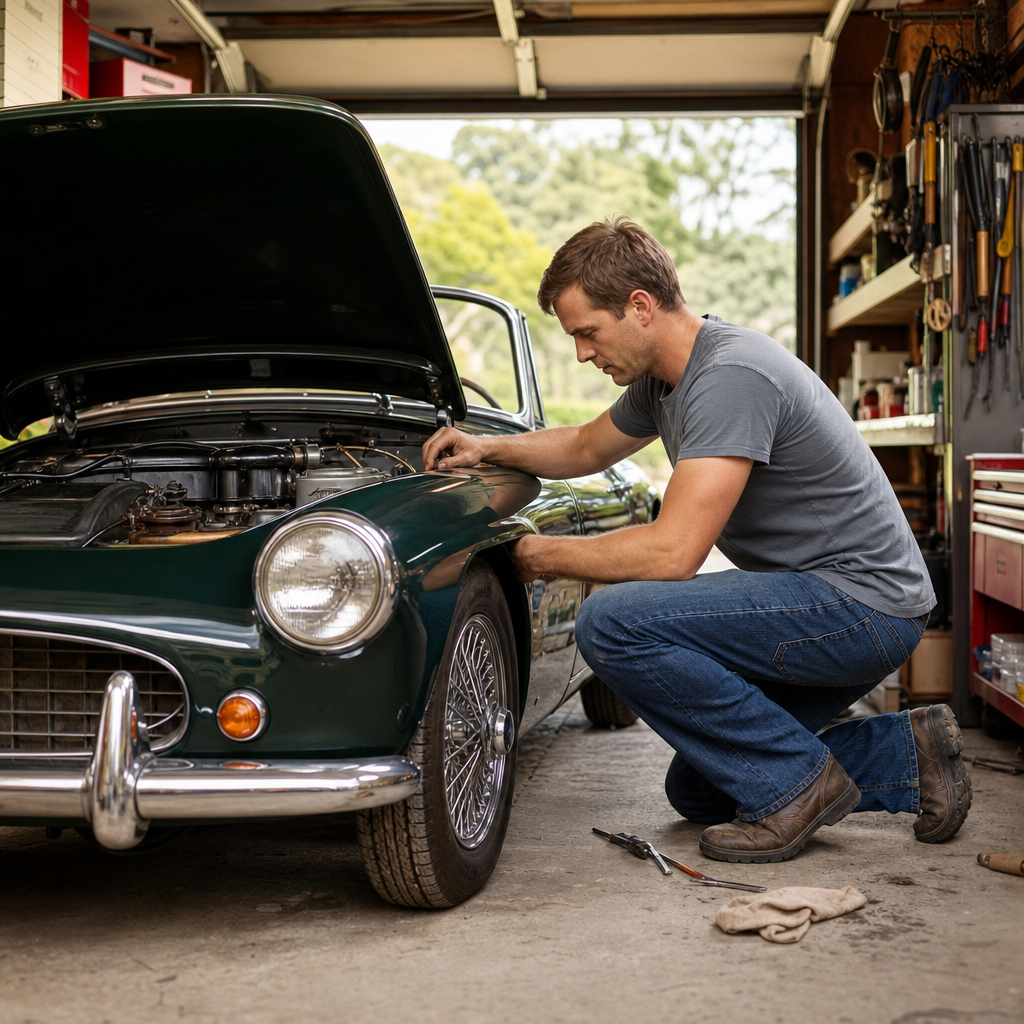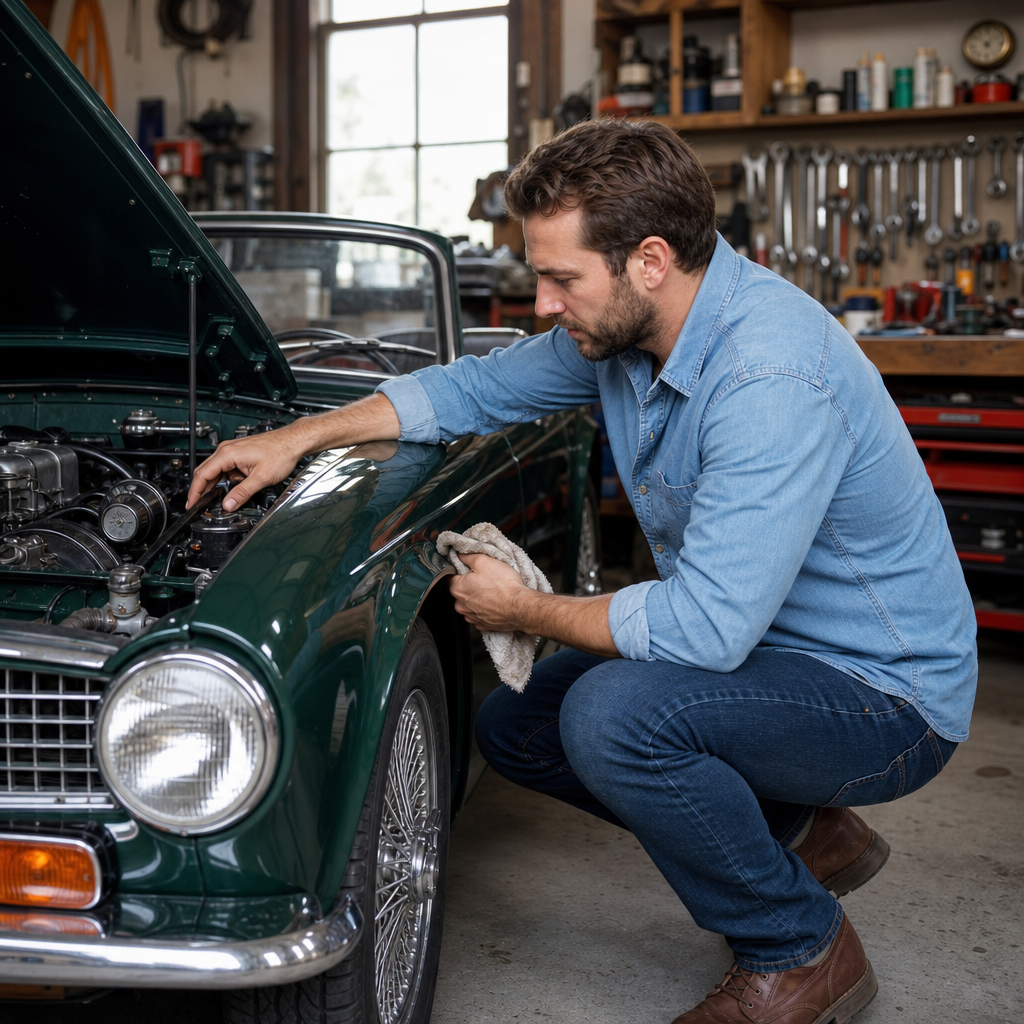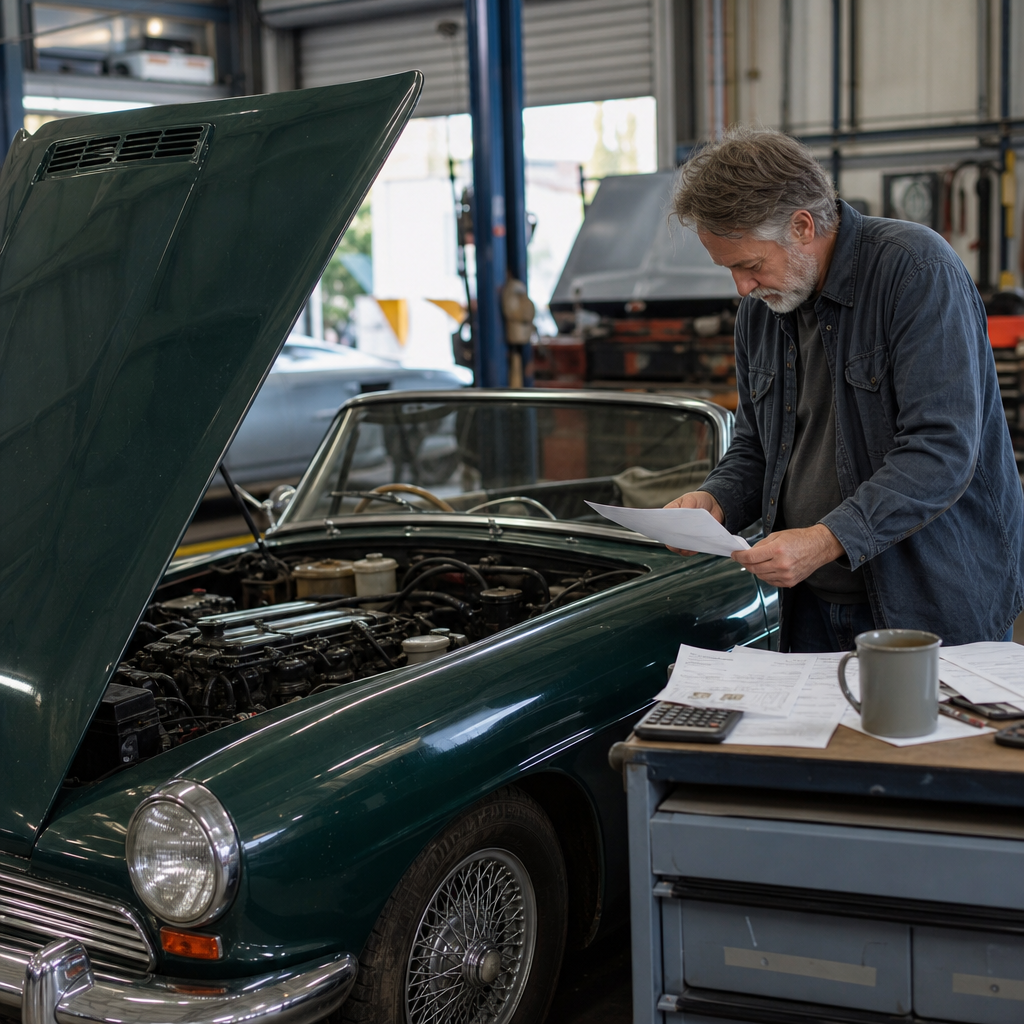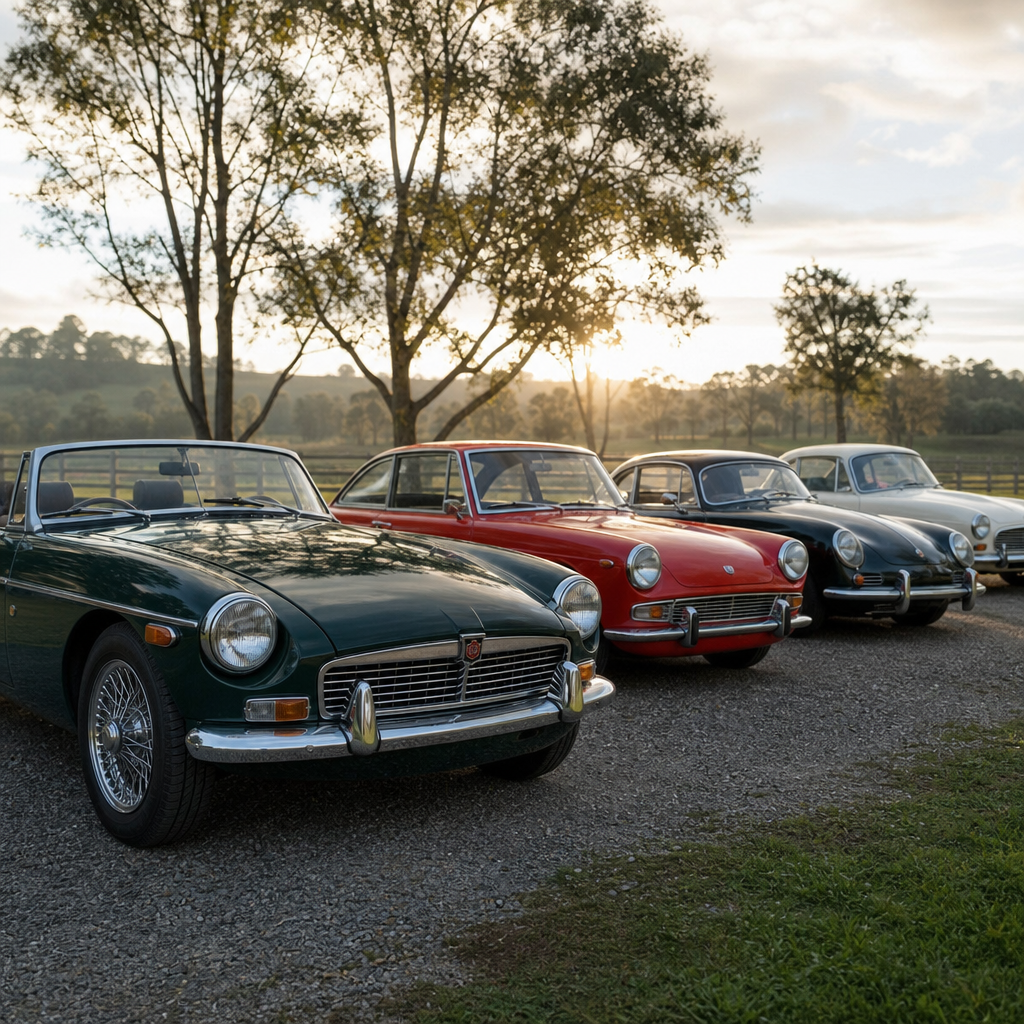
Buying, registering, insuring, or restoring an older vehicle starts with one essential skill: knowing how to identify a classic car accurately and how to spot aftermarket modifications that can change its value, safety, and originality. In practice, these are not separate tasks. The moment I inspect a supposed classic, I am checking two things at once: what the car was built as, and what has been changed since it left the factory. That distinction matters because “classic car” can mean different things depending on context. Insurers may use age thresholds such as twenty, twenty-five, or thirty years. State DMVs often define antique, historic, and classic differently for registration. Collectors usually care just as much about provenance, production significance, and correctness as calendar age. A 1990s performance model may qualify for collector insurance, while a heavily altered 1960s coupe may no longer represent its original specification. This hub explains how to identify a classic car comprehensively, with special attention to aftermarket modifications, so you can evaluate authenticity, estimate market value, and decide what to research next.
The core terms are straightforward. Identification means confirming make, model, year, body style, engine, trim, and factory equipment using serial numbers, tags, documents, and physical features. Originality means how closely the vehicle matches its as-built configuration. Aftermarket modifications are parts or systems installed after production that were not supplied as factory equipment for that exact vehicle in that exact specification. Some modifications are period-correct and reversible, such as dealer-installed mag wheels or a vintage radio. Others materially alter the car, like an engine swap, custom suspension geometry, shaved trim, modern fuel injection, or replacement upholstery in a non-original pattern. Spotting those changes is important because originality drives value in many segments of the classic market, while undisclosed modifications can create legal and mechanical problems. The good news is that identification follows a repeatable process. Once you know where to look and what clues matter, you can separate factory features from later additions with much greater confidence.
Start with identity markers: VINs, body tags, engine numbers, and paperwork
The fastest way to identify a classic car is to match its official identity markers against reliable reference material. On most vehicles, that starts with the VIN, serial number, or chassis number. Pre-1981 cars do not use the standardized seventeen-character VIN system, so formats vary by manufacturer. Chevrolet, Ford, Porsche, Jaguar, Mercedes-Benz, and others each used their own coding logic for model year, assembly plant, engine, and body type. The VIN plate alone is not enough. I always compare it with the cowl tag, firewall plate, door-jamb label, frame stamping, and engine number where applicable. If the car is represented as matching-numbers, those secondary identifiers should align with the build date and factory documentation. On American muscle cars, build sheets, Protect-O-Plate records, and window stickers can confirm original drivetrain and options. On European classics, a heritage certificate, Kardex-style archival record, or manufacturer-issued data card can be more authoritative than seller claims.
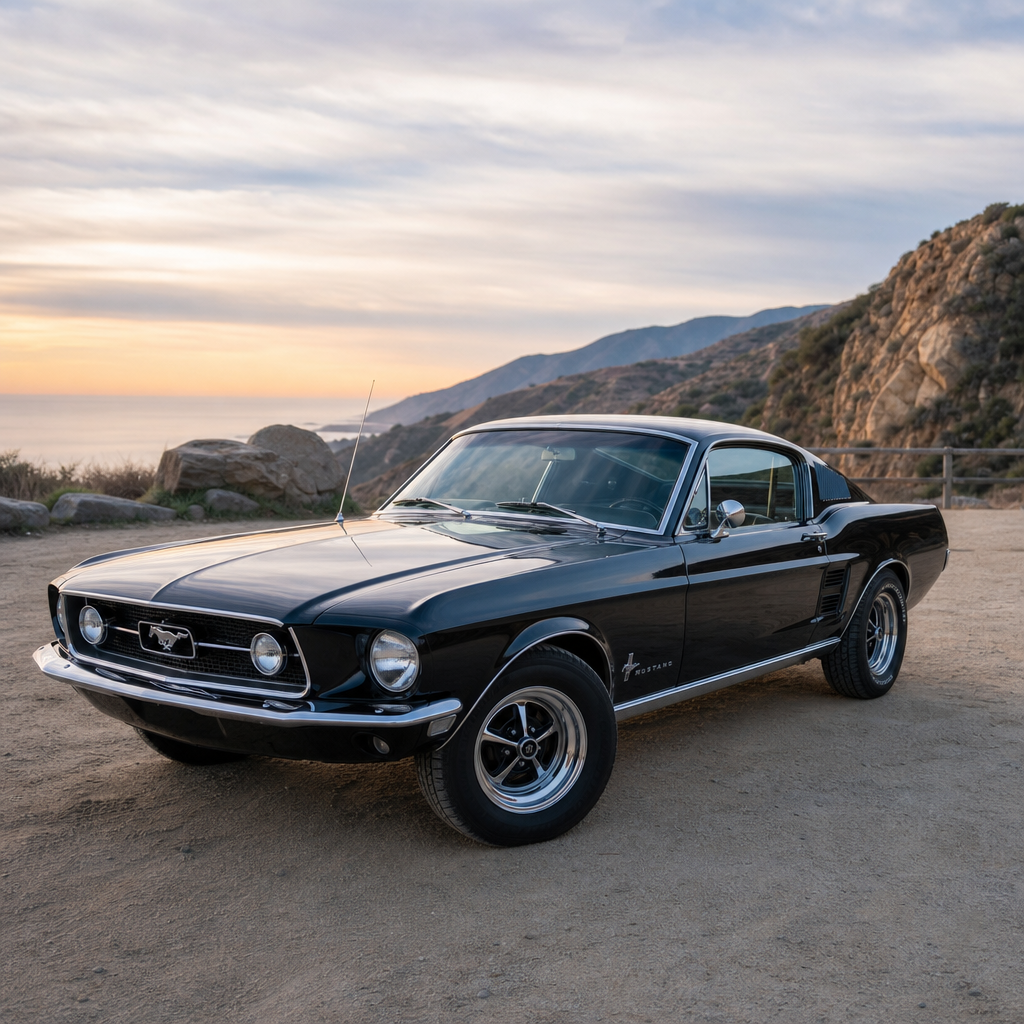
Paperwork fills in gaps that the car itself cannot explain. A clean title verifies legal identity but not necessarily originality. Service records, restoration invoices, emissions labels, inspection stickers, and registration history can reveal when a repaint, drivetrain swap, or interior retrim occurred. If a 1967 Mustang carries receipts for a 1990s five-speed conversion and front disc brake kit, that is not a problem by itself; it simply means the car is modified and should be valued accordingly. Watch for inconsistencies. A body tag indicating a six-cylinder coupe paired with a V8 badge, aftermarket tachometer, and claimed GT pedigree is a classic warning sign. The same principle applies across categories. A Volkswagen Beetle with a later pan, a Porsche 911 with a replacement case, or a Land Rover Series truck with mixed-series panels may still be usable and enjoyable, but accurate identification depends on documentary proof and careful decoding, not appearance alone.
Read the body like evidence: factory design cues versus later cosmetic changes
Once the numbers are recorded, inspect the car’s exterior as if it were evidence. Factory-built classics display consistent design language: correct trim placement, proper fasteners, even panel gaps for the era, and model-specific details such as grilles, lamp housings, wheel opening shapes, and badging locations. Aftermarket modifications often interrupt that consistency. Common examples include non-original wheels with incorrect offset, modern projector headlights fitted into vintage bezels, shaved door handles, billet grilles, side mirrors from a later model, hood scoops added to non-performance trims, and stripes or emblems that do not match factory literature. Paint can be especially revealing. A color that never appeared in the manufacturer’s period palette, overspray on weatherstrips, masked VIN plates, or hidden traces of the original color under carpet and trunk liners all suggest cosmetic changes. In many restorations I have inspected, the easiest clue was not the obvious custom part but the small mismatch: one trim hole welded shut, one fender marker slightly off position, or one body line softened by filler.
Look closely at materials and fit. Factory chrome usually ages differently from reproduction or aftermarket brightwork. Original stainless trim has sharper stamping, while replacement pieces may feel thinner and fit less cleanly at corners. Glass etching is another useful indicator. Date-coded glass from Sekurit, LOF, Triplex, PPG, or Sigla can support the car’s production period; a full set of recent replacement glass may simply reflect restoration, but it should prompt questions. Bumpers, spoilers, flares, and vinyl roofs also deserve scrutiny. On many classics, factory or dealer accessories were available, so the issue is not whether a part looks old, but whether it belongs on that model and year. For example, rally wheels may be correct on one trim package and aftermarket on another. Fender flares on a 1970s sports car may mimic a homologation variant without being genuine. Correct identification requires comparing the car against period brochures, parts books, assembly manuals, and known authentic examples rather than relying on memory or seller confidence.
Inspect the interior for clues to originality, age, and hidden modifications
Interiors reveal more truth than many buyers expect because they are expensive to restore correctly and difficult to fake consistently. Start with seat patterns, stitching style, pleat count, piping, and material type. A classic car advertised as original but trimmed in modern leather with contemporary stitching is modified, even if the color is close to stock. Dashboards, gauges, switchgear, steering wheels, pedal covers, and shifters also identify the car’s true specification. A wood-rim wheel, aftermarket tach, auxiliary oil pressure gauge, or aluminum racing pedals may have been added for function, but they depart from factory presentation. Radios are a common trap. Many classics now carry retro-look Bluetooth head units; convenient, yes, but still aftermarket. Likewise, hidden speakers often require cut door cards or rear parcel shelves, reducing originality. I also check headliners, carpet backing, insulation material, and seat tracks. Newer hardware, non-factory welds on seat mounts, and altered transmission tunnels often point to later drivetrain or seating changes.
Electrical modifications frequently show up inside the cabin before they are obvious elsewhere. Under-dash fuse blocks, added rocker switches, USB ports, alarm LEDs, and non-original wiring colors indicate later accessories or system upgrades. Some are beneficial. A discreet relay kit for headlamps or a modern blade-fuse conversion can improve reliability. The key is documenting what was done and how well. Poorly crimped connectors, household wire, unmatched gauges, and dangling harnesses are red flags for both safety and authenticity. HVAC controls provide another clue. Air conditioning was often optional, dealer-installed, or absent; many classics now have aftermarket compressor systems and under-dash evaporator units. Again, that does not make the car bad. It changes the specification. The same is true for sound deadening, power window conversions, and custom center consoles. If your goal is to identify a classic car correctly, treat the interior as a record of ownership choices over time. Every deviation from factory trim tells part of that story.
Check the chassis and mechanical systems where modifications are hardest to hide
The most significant aftermarket modifications are usually mechanical, and they are often easiest to verify from underneath the car. Suspension changes stand out quickly once you know the baseline. Compare ride height, spring type, damper brand, sway bar diameter, bushing material, and control-arm design against factory specifications. Polyurethane bushings, coilover conversions, tubular A-arms, rack-and-pinion swaps, lowering blocks, traction bars, and four-link rear conversions all change how the vehicle drives and how purists value it. Brake upgrades are equally common. Front disc conversions, slotted rotors, dual-circuit master cylinders, braided stainless lines, and aftermarket proportioning valves can improve stopping power, but they move the car away from stock configuration. Wheels and tires deserve more than a glance because they affect stance, steering feel, and fender clearance. A car wearing modern low-profile tires may look aggressive while hiding speedometer error, altered gearing effect, or clearance problems that did not exist in period.
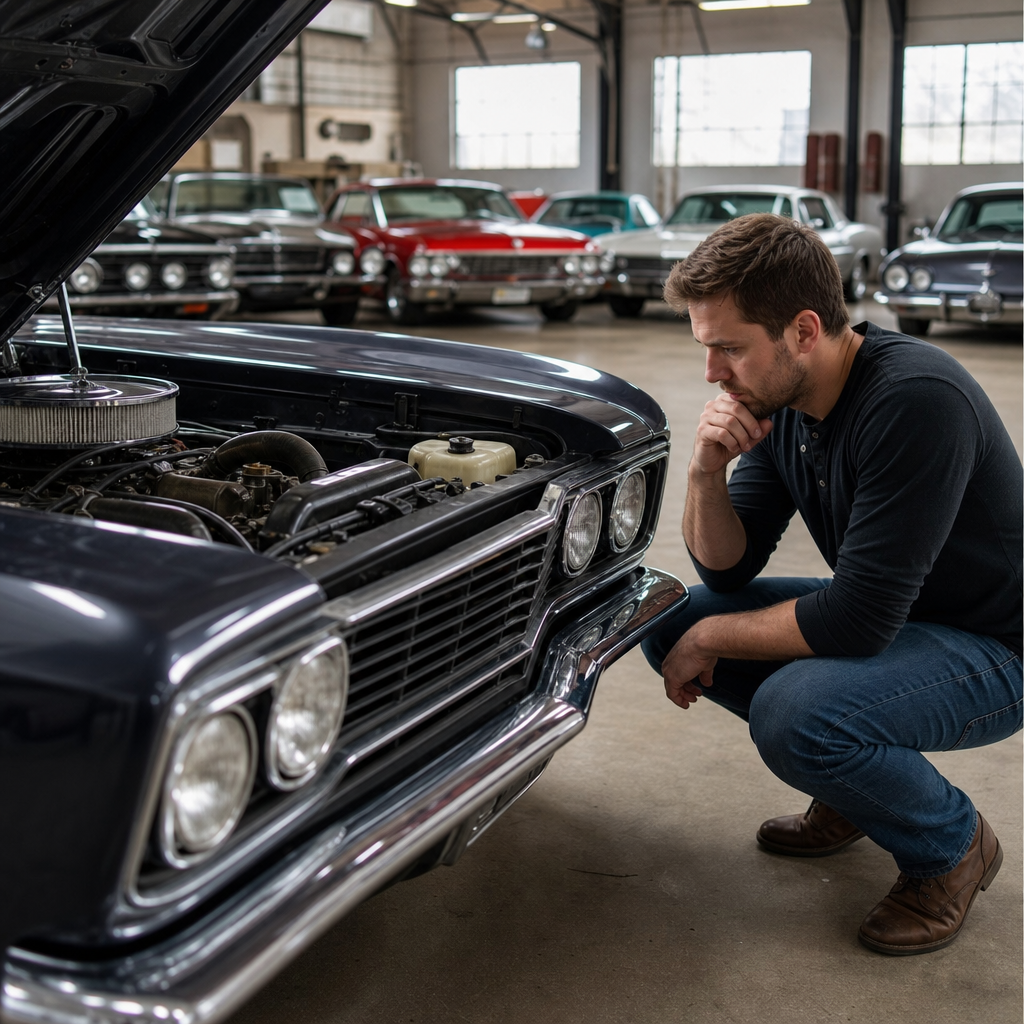
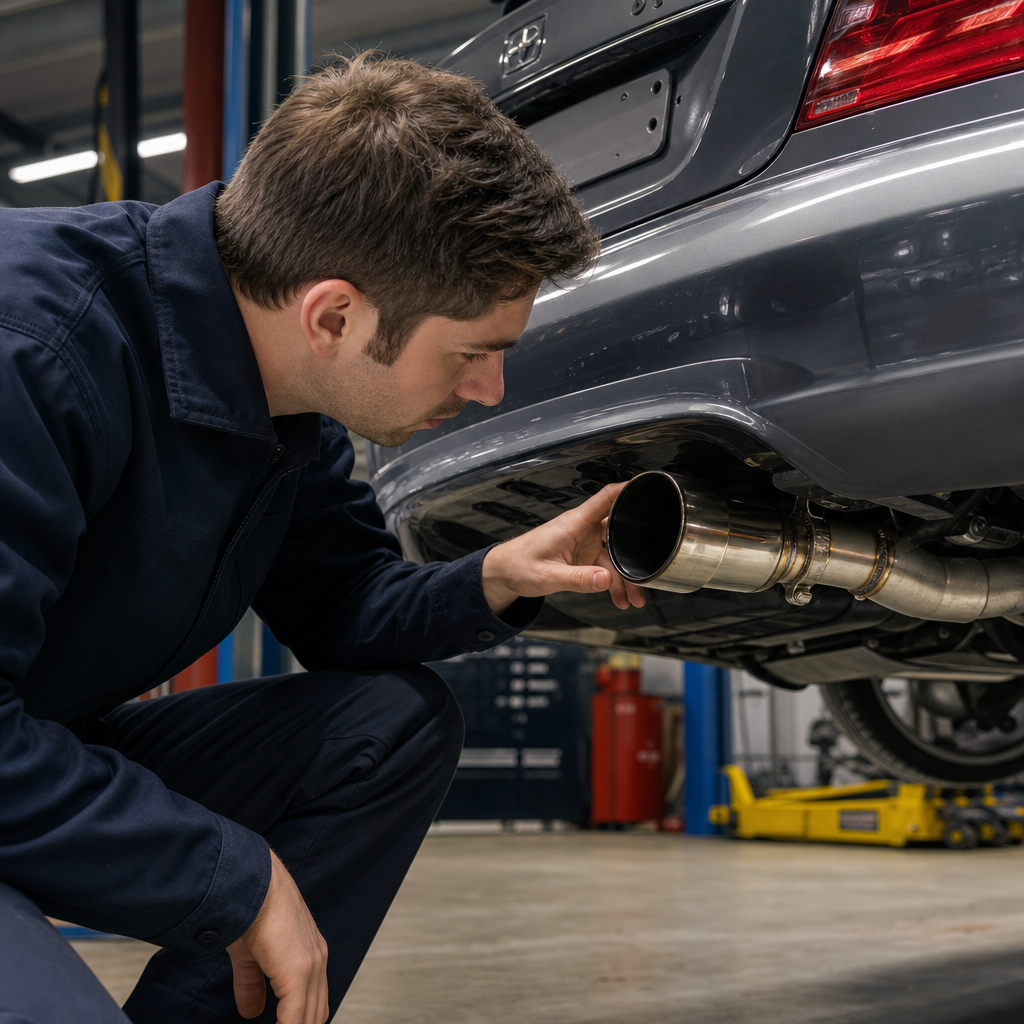
Engine bays tell a similar story. Carburetors are frequently replaced with larger units, electronic fuel injection kits, or different intake manifolds. Ignition systems may be upgraded from points to electronic distributors. Valve covers, air cleaners, radiators, headers, electric fans, and serpentine belt conversions often signal practical modernization. The major question is whether the engine itself is original. Casting numbers, date codes, suffix stamps, and block features can confirm whether the powerplant is correct for the chassis. In classic truck and muscle-car markets, that distinction can change value dramatically. A numbers-matching big-block car may command a substantial premium over an otherwise similar example with a later crate engine. Transmissions and rear axles matter too. Five-speed swaps, overdrive automatics, limited-slip differentials, and non-original axle ratios are common and usually detectable through tags, housings, and road behavior. Exhaust systems also reveal intent: factory routing and mufflers differ noticeably from performance headers, side exits, or oversized aftermarket pipes.
| Area | Common aftermarket clue | Why it matters |
|---|---|---|
| VIN and tags | Mismatched fonts, rivets, dates, or missing secondary stampings | Can indicate rebodies, identity issues, or inaccurate trim claims |
| Exterior | Non-original wheels, badges, paint colors, shaved trim | Affects originality, period correctness, and resale value |
| Interior | Modern seats, stereo, gauges, switches, altered console | Shows use-focused upgrades or cosmetic customization |
| Suspension and brakes | Coilovers, disc conversions, polyurethane bushings | Changes driving dynamics, maintenance needs, and market appeal |
| Engine and drivetrain | Replacement block, EFI kit, headers, five-speed swap | Strongly influences authenticity, performance, and pricing |
Use reference sources to verify claims and place the car in context
No inspection is complete without verification from external sources. Factory service manuals, assembly manuals, parts catalogs, paint and trim books, marque registries, owners’ clubs, and model-specific forums are indispensable. When I need to identify a car to the trim-code level, I cross-check multiple references because even respected secondary sources can repeat errors. The National Highway Traffic Safety Administration VIN decoder helps only for later vehicles; earlier classics require marque-specific records. For GM products, Fisher Body tags and trim books are critical. For Mopar, fender tags and broadcast sheets can be decisive. Porsche, Mercedes-Benz, and BMW often require factory documentation plus specialist registries to confirm matching components. Auction archives from RM Sotheby’s, Gooding, Bring a Trailer, and Mecum are useful for visual comparisons, but they should not replace primary sources. Auction listings often repeat consignor descriptions, and those can be wrong. The strongest verification combines manufacturer data, physical inspection, and documented ownership history.
Context also matters because not every modification harms value equally. In some segments, tasteful upgrades make a car more usable and still highly desirable. A Jaguar E-Type with upgraded cooling and electronic ignition may attract more drivers than a perfectly original but temperamental example. A vintage pickup with radial tires and a dual-master-cylinder brake conversion may be safer for regular road use. By contrast, rare homologation specials, low-production convertibles, and highly optioned muscle cars usually reward strict originality. This is why a hub approach to classic car identification is so important. You are not just asking, “What is this car?” You are asking, “What did the factory build, what remains, what changed, and how should those changes affect authenticity, usability, legality, and price?” Once you frame the inspection that way, seller language becomes easier to decode. Terms like restored, upgraded, tribute, clone, period-correct, restomod, survivor, and matching-numbers each carry implications that should be verified, not accepted at face value.
Common mistakes buyers make when identifying classics and spotting modifications
The most common mistake is trusting appearance over documentation. Fresh paint, correct-looking badges, and a detailed engine bay can make a modified car seem factory-authentic. Another mistake is assuming age equals originality. Many classics have lived through decades of repairs using whatever parts were available, including later engines, mixed trim, or improvised wiring. Buyers also underestimate how often reproduction parts differ subtly from original components. Seat covers may copy the pattern but miss grain, stitching, or color tone. Reproduction emblems can have the wrong finish. Replacement sheet metal may change weld seams and drain details. A further error is ignoring legality. Emissions regulations, engine-swap rules, title branding, and inspection requirements vary by state and country, and modifications that seem harmless can complicate registration or insurance coverage. Finally, people forget to inspect workmanship. A well-engineered upgrade with proper documentation is very different from a cut-rate modification hidden under undercoating or fresh carpet.
The safest approach is systematic. Identify the car from its numbers first, confirm the trim and powertrain next, inspect cosmetic and mechanical details after that, and verify every notable claim with records. If you are building your knowledge base, keep model-specific checklists and photos of authentic examples. This hub is your starting point for the broader subject of how to identify a classic car, but the principle stays constant across every subtopic: originality is established through evidence, and aftermarket modifications leave trails. Follow those trails carefully, and you will buy smarter, negotiate more confidently, and preserve the right cars the right way. Before committing to any classic, decode the tags, inspect the details, ask for documentation, and get a marque expert or appraiser involved when the stakes are high.
Frequently Asked Questions
What are the first signs that a classic car has aftermarket modifications?
The first signs usually appear where factory consistency breaks down. When I inspect an older vehicle, I start by looking for parts, finishes, and installation methods that do not match the era, trim level, or manufacturer’s usual production style. Obvious clues include modern alloy wheels on a car that should have steel wheels or period-correct hubcaps, non-original paint colors, updated seats, custom steering wheels, aftermarket gauges, stereo systems, LED lighting, and engine bay components with modern branding. Even small items such as hose clamps, wiring connectors, fasteners, and air filters can suggest later changes.
Bodywork is another major area to check. Fender flares, scoops, spoilers, custom grilles, shaved emblems, replacement mirrors, and altered ride height often indicate modification. Under the hood, look for non-stock carburetors, intake manifolds, ignition systems, headers, aluminum radiators, or an engine that does not correspond with the vehicle’s original configuration. Inside the cabin, cut dashboards, added switch panels, roll bars, upgraded sound systems, and stitched custom upholstery can all point to aftermarket work.
Just as important is the quality and age of the modification. Some changes were made decades ago and may themselves reflect a period style, while others are recent and more obvious. A car can look “right” at first glance but still contain many non-original parts. That is why the best approach is comparison: compare what is on the vehicle to factory brochures, service manuals, option lists, trim references, and VIN or data plate information. If the parts on the car do not align with what the manufacturer built, there is a good chance you are looking at aftermarket modification.
How can I tell whether a modification affects the car’s value or originality?
A modification affects value and originality based on three main factors: whether it changes factory specification, whether it can be reversed, and how buyers in that segment of the market view it. Originality means the car still closely reflects how it left the factory, including its engine type, transmission, color, trim, suspension, wheels, interior materials, and major components. The further a vehicle moves away from those original specifications, the more its originality is reduced. That matters because many collectors place a premium on factory-correct examples, especially for rare, low-production, or historically significant models.
Not every change hurts value equally. Bolt-on upgrades, such as replacement wheels, a modern stereo, or an aftermarket exhaust, may be relatively easy to reverse. More serious changes, like an engine swap, dashboard cutting, body panel modification, color change, or interior redesign, often have a greater effect because they alter the car more permanently. For some vehicles, especially desirable muscle cars, sports cars, or limited-production classics, matching-numbers drivetrains and original finishes can make a major difference in price. If those are gone, the value can drop substantially.
At the same time, value is market-specific. Some buyers prefer tasteful upgrades that improve drivability, safety, or reliability, such as front disc brakes, electronic ignition, radial tires, or a hidden modern cooling system. In a restomod market, modifications can actually increase appeal. The key is to identify which market the car belongs to: concours originality, driver-quality preservation, period-modified, or full custom. A modification is not automatically bad, but it always changes how the car should be described, appraised, insured, and marketed. The safest rule is simple: if a part or feature was not factory-installed or dealer-documented for that exact car, it affects originality, and it may affect value depending on buyer expectations.
Which areas of the car should I inspect most carefully for hidden aftermarket changes?
The most important areas are the engine bay, undercarriage, suspension, interior, body seams, electrical system, and identification points. The engine bay often reveals the truth quickly because modifications there are difficult to disguise completely. Check the engine block casting numbers, carburetor or fuel injection setup, ignition components, radiator, intake, exhaust manifolds or headers, and accessory brackets. Look for brackets that appear handmade, wiring that has been rerouted, non-factory hose routing, and components from different brands or eras. These details often indicate an engine swap or performance upgrade.
Under the car, inspect the suspension, brakes, differential, and exhaust. Lowering kits, replacement springs, adjustable shocks, aftermarket sway bars, disc brake conversions, traction bars, and non-stock exhaust routing are common modifications. Also pay attention to welds, fresh undercoating, and mounting points that look altered. These can signal structural changes, repairs, or custom fabrication. On older vehicles, fresh paint or underseal may hide evidence of modification, rust repair, or accident damage.
The interior deserves equally close inspection because many aftermarket changes happen there over time. Check whether the dashboard has been cut for a modern radio, whether gauges fit the original openings correctly, and whether the steering wheel, shifter, pedals, and seats match factory specifications. Door panels, headliners, carpets, and trim patterns should align with the model year and trim package. In the electrical system, non-original fuse blocks, added relays, loose wiring, crimp connectors, and accessory switches are common clues.
Finally, inspect identification points carefully. VIN plates, body tags, engine stampings, and transmission numbers should make sense together. If the tags indicate one configuration but the car is physically equipped another way, there has likely been a change. Sometimes the modification is cosmetic; other times it reflects a complete reconfiguration. The more areas you verify, the easier it becomes to separate original factory build from later customization.
Can aftermarket modifications create problems with registration, insurance, or safety?
Yes, they absolutely can, and this is one of the most practical reasons to identify them early. Registration rules vary by location, but significant changes to the engine, emissions system, chassis, lighting, ride height, or safety equipment can trigger extra inspections, documentation requirements, or legal restrictions. For example, an engine swap may require proof of the engine’s origin, compliance with local emissions standards, or updated records that reflect the new configuration. In some areas, heavily modified vehicles cannot be registered under the same historic or classic vehicle rules as largely original examples.
Insurance is another major concern. An insurer needs an accurate description of the vehicle to write the correct policy and determine the right agreed value or stated value. If the car has aftermarket performance parts, custom paint, an upgraded drivetrain, suspension changes, or non-original interior work, that can increase replacement cost and change the risk profile. Undisclosed modifications may lead to underinsurance, disputes during a claim, or even denial if the vehicle was misrepresented. For collector-car policies in particular, originality, authenticity, and documented changes matter a great deal.
Safety is equally important because not all modifications are improvements. Some upgrades are done professionally and can enhance braking, handling, cooling, or reliability. Others are poorly installed and create fire risks, drivability problems, structural weakness, or braking and suspension issues. Improper fuel system routing, amateur wiring, weak welds, misaligned suspension parts, and mismatched brake components are all red flags. A car may look attractive at a show or in listing photos but still be unsafe on the road. That is why any classic car with visible or suspected modifications should be inspected carefully, ideally with the help of someone familiar with factory specifications and common aftermarket conversions for that make and model.
What is the best way to verify whether a part is original or aftermarket before I buy the car?
The best method is to combine documentation, physical inspection, and model-specific research. Start with the car’s identifying information: VIN, cowl tag, body plate, engine numbers, transmission codes, axle tags, and any factory documentation such as build sheets, window stickers, ownership history, restoration receipts, or dealer paperwork. These records establish what the car should be. Once you know the original specification, compare each major component and visible detail to reliable references such as factory parts catalogs, assembly manuals, shop manuals, sales brochures, marque registries, and trusted expert guides.
During the inspection, look for date codes, casting numbers, manufacturer stamps, labels, and hardware details. Original parts usually show era-correct markings, finishes, and wear patterns. Aftermarket parts often use different branding, simplified mounting methods, universal fit hardware, or polished finishes that were never used by the factory. Even when reproduction parts are involved, close comparison often reveals differences in texture, shape, stitching, plating, or fit. This is especially true with trim, badges, upholstery, steering wheels, wheels, and engine accessories.
If anything is unclear, consult specialists before buying. Owners’ clubs, marque experts, restoration shops, and appraisers who know that exact model can often identify non-original features very quickly. A pre-purchase inspection is money well spent because it can reveal swapped drivetrains, hidden body modifications, reproduction trim, or incomplete conversions that are easy to miss in photos or a casual walkaround. Ask the seller direct questions as well: what has been changed, when it was changed, who performed the work, and whether the original parts are included. The strongest purchases are the ones where modifications are fully disclosed, well documented, and understood in relation to the car’s original factory build.