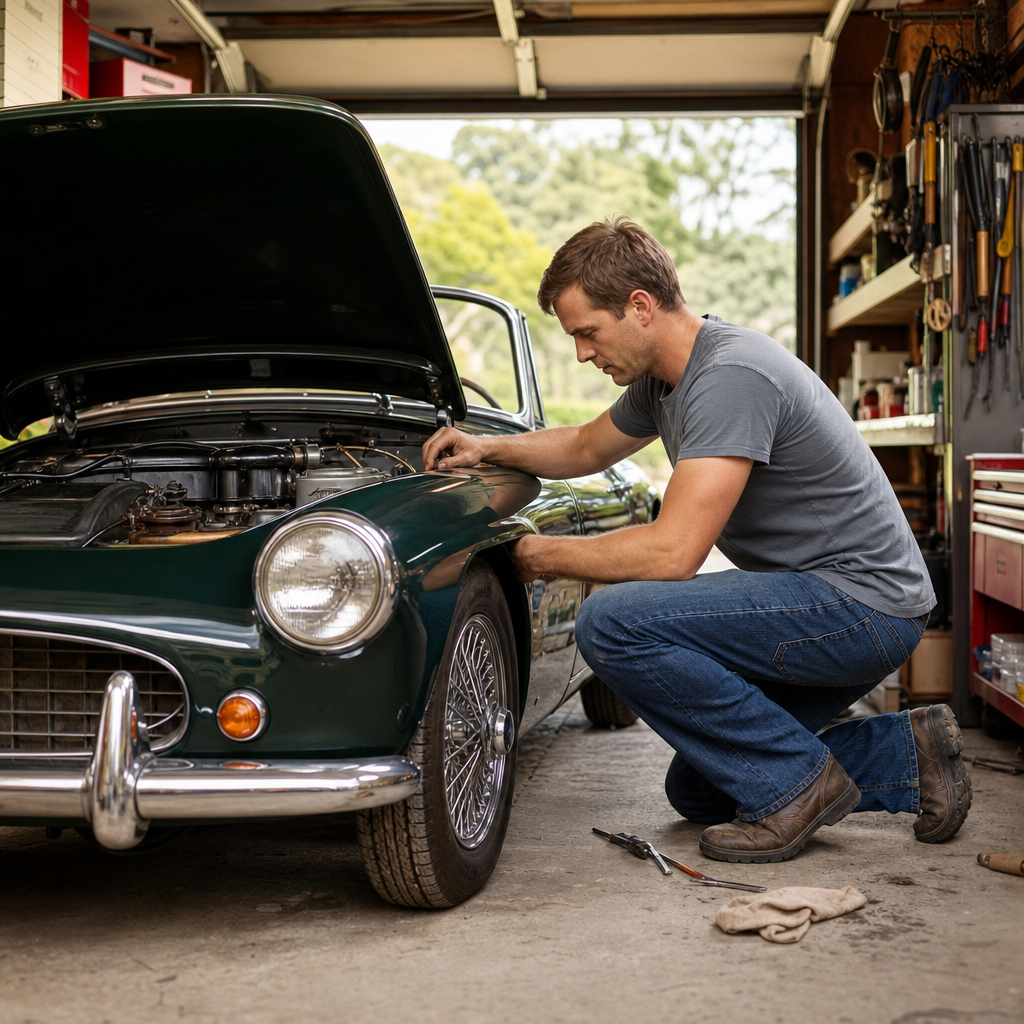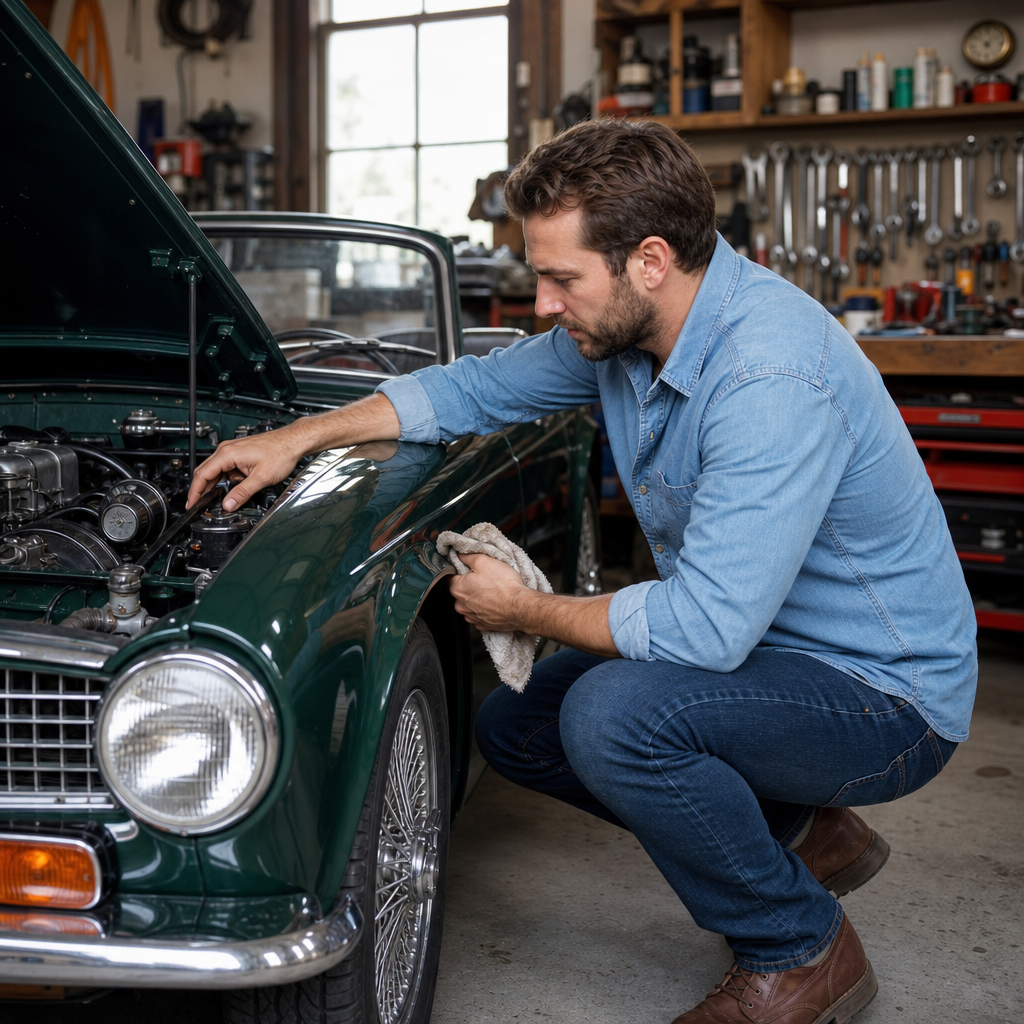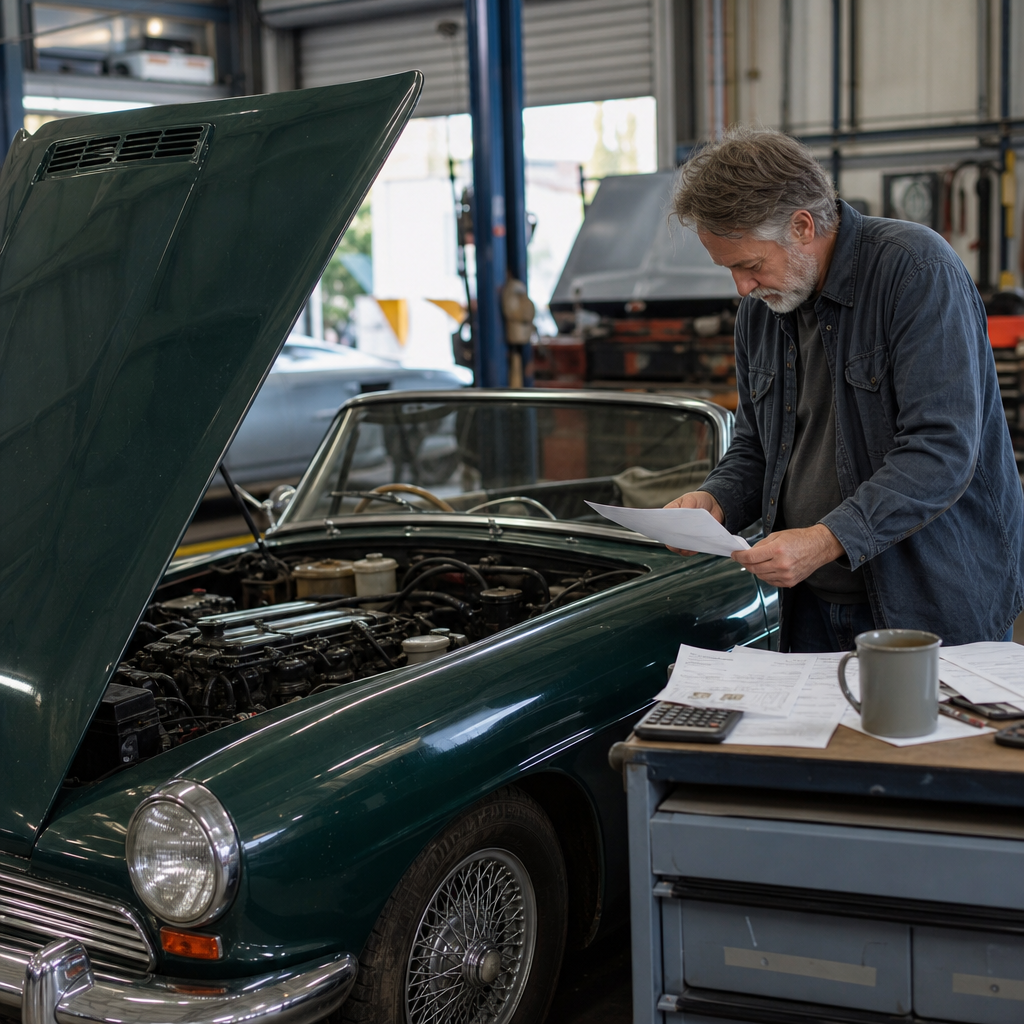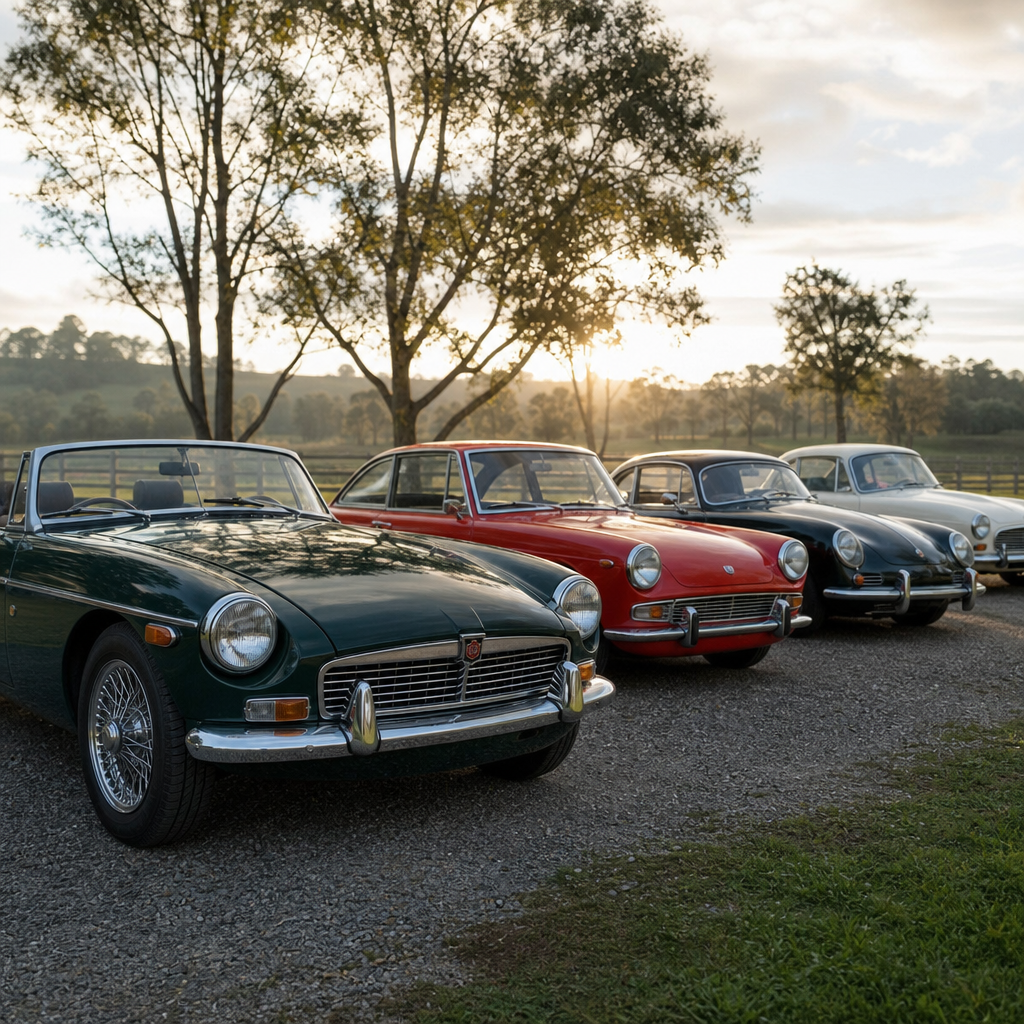
Original paint and interior are two of the clearest clues when learning how to identify a classic car, because they preserve the vehicle’s factory story in ways replacement parts rarely can. In the classic car market, “original” means the finish, trim, upholstery, carpets, panels, and cabin details installed by the manufacturer when the car was first sold, while “numbers matching” usually refers to major mechanical components such as the engine and transmission. Buyers often focus on drivetrain authenticity first, but in actual inspections I have found that untouched paint and cabin materials reveal just as much about identity, condition, and long-term value. They show how a car was specified, how it was used, whether it was repaired correctly, and whether its documented history makes sense. For anyone building a foundation in classic car basics and education, understanding original paint and interior is essential because these features help confirm model year, trim level, rarity, and honesty. They also influence auction results, insurance appraisals, restoration planning, and future resale more than many new collectors expect.
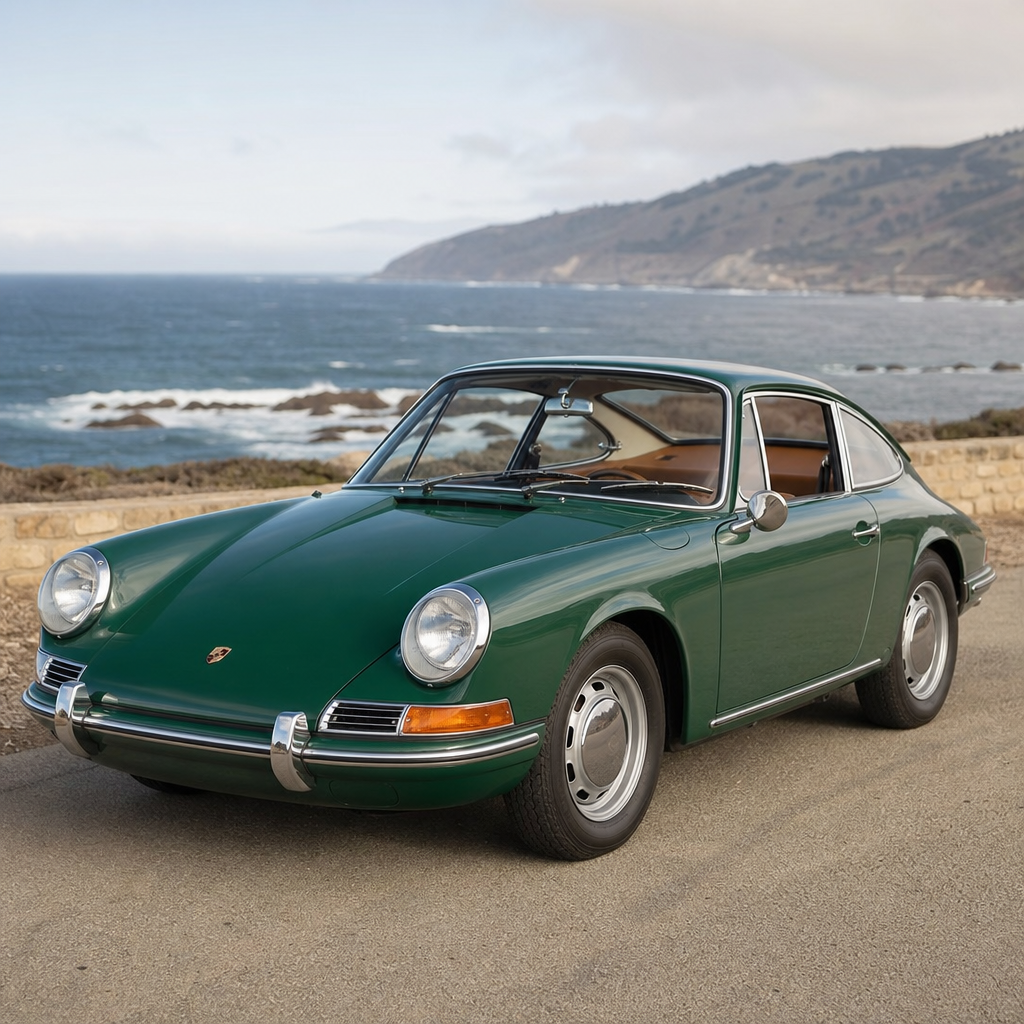
Originality matters because a classic car is not only a machine; it is also a historical object. Factory paint codes, upholstery grain, stitching patterns, dashboard materials, and supplier markings can tie a vehicle to a specific production period and assembly plant. A 1967 Chevrolet Camaro, for example, can often be distinguished from a similar restored car by details such as interior color combinations, dash finish, seat design, and the way hidden paint appears under trim or weatherstripping. On a Porsche 911, thin original panel paint measured with a gauge and consistent cabin wear can support the claim that the body was never heavily damaged. On a Mercedes-Benz SL, original leather and wood may prove the car was carefully stored rather than cosmetically renewed for sale. These details matter to collectors because preservation-class vehicles typically command premiums, and even when a car is not fully original, knowing what has changed allows a buyer to price it accurately. That is the practical reason this topic belongs at the center of any guide about how to identify a classic car.
Why Original Paint Helps Identify a Classic Car Accurately
Original paint is one of the strongest reference points for confirming a classic car’s identity because it links visible appearance to factory records. Every manufacturer used standard paint codes, approved color charts, and finish processes tied to a model year. When the color on the body matches the data plate, trim tag, build sheet, or heritage certificate, that consistency supports authenticity. It does not prove perfection, but it gives the inspection a factual anchor. In my experience, the most trustworthy cars show agreement across multiple places: the cowl tag, hidden body areas, overspray patterns, and the age of the finish itself.
Factory paint also reveals whether a car has been repaired, re-bodied, color changed, or restored beyond what the listing suggests. Look for paint in protected areas such as under trunk mats, beneath door seals, behind kick panels, inside the glove box opening, and under the dashboard edge. A car advertised as a factory Marina Blue Corvette should still show traces of Marina Blue in recesses that would be expensive and unnecessary to strip completely. If those areas show red, black, or primer, you may be looking at a color change or a major body restoration. Neither is automatically bad, but it changes the car’s originality profile and market position.
Inspection tools make this process more objective. A paint thickness gauge can identify filler-heavy panels or modern repaint work; factory finishes on many classics are usually thinner and less uniform than modern restorations. A magnet wrapped in cloth can sometimes detect body filler on steel panels, though it should never be used aggressively. Ultraviolet light can expose blend lines and newer coatings. Panel edges, fastener heads, weatherstrips, and trim clips often show whether disassembly occurred before repainting. A high-quality restoration may still be easy to spot because it is often cleaner and more consistent than original production work, especially on mass-market American cars from the 1960s and 1970s.
How Original Interior Confirms Specification, Trim Level, and Use
Interior originality is just as valuable because cabins carry trim information that exterior restorations often erase. Seats, door cards, carpets, headliners, dashboard pads, consoles, steering wheels, and gauges were selected according to model, body style, engine package, and optional equipment. If you are learning how to identify a classic car, studying interior details can help distinguish a true high-specification example from a clone. A real Pontiac GTO, Mustang Mach 1, or Jaguar E-Type variant often has specific seat patterns, badging, switchgear, or instrument layouts that restorers sometimes approximate but rarely duplicate perfectly.
Wear patterns are especially informative. Original interiors age in a logical way: driver seat bolsters soften first, pedal rubbers wear at similar rates, steering wheel sheen increases gradually, and sunlight fades upper surfaces more than lower ones. When an odometer claims 38,000 miles but the seat frames sag, the carpet backing is brittle, and every switch legend is rubbed off, the mileage claim deserves scrutiny. On the other hand, a lightly cracked dash, firm seat padding, and modest heel-pad wear may support a low-mileage story, especially when service records align.
Materials and construction matter. Vinyl grain, leather type, piping width, stitching count, carpet loop style, and chrome-plastic finishes varied by manufacturer and year. Porsche, BMW, Mercedes-Benz, Ford, and General Motors all changed details frequently, sometimes midyear. Supplier stamps on seat frames, date codes on seat belts, and part numbers on gauges can help confirm whether components are period-correct. This is why serious inspections often involve marque experts and factory literature, not just a quick visual review at a show or auction preview.
| Inspection area | What to check | What it can reveal |
|---|---|---|
| Door jambs and under seals | Hidden color, tape lines, overspray | Repaint, color change, accident repair |
| Seat upholstery and stitching | Pattern, material grain, seam style | Correct trim level or replacement covers |
| Dash, gauges, and switchgear | Part numbers, finish, lens aging | Model-year accuracy and possible swaps |
| Carpets and headliner | Material type, fade, fitment | Use history, water leaks, restoration quality |
| Pedals, wheel, and shifter | Consistent wear versus mileage claim | Odometer credibility and actual use |
What Original Paint and Interior Mean for Value and Collectibility
In the collector market, originality usually creates a premium because it gives buyers confidence. Auction houses such as RM Sotheby’s, Gooding Christie’s, and Mecum routinely highlight original paint, original interior, or highly preserved cabins in catalog descriptions because those attributes separate a survivor from an ordinary restored car. Preservation classes at major concours events reinforce the same standard. The Historic Vehicle Association, marque clubs, and specialist appraisers consistently treat untouched examples as important benchmarks for how a model truly left the factory.
The value effect can be substantial, but it depends on the car. On blue-chip models such as air-cooled Porsche 911s, Mercedes-Benz 300SLs, early Ferraris, or Shelby Mustangs, documented original finishes can add significant value because buyers want reference-grade cars. On more common classics, originality still matters, though condition may matter more. A tired but honest Chevrolet Chevelle with faded original paint and intact factory bucket-seat upholstery may be worth more than a glossy restored example built from mixed parts, because the honest car gives a clearer starting point for preservation or sympathetic restoration.
There are limits. Severely damaged interiors, unsafe seat materials, advanced rust under original paint, and degraded finishes may reduce enjoyment and require intervention. The market does not reward originality blindly. It rewards originality that is verifiable, coherent, and usable. That is why the best approach is balanced: preserve what can be preserved, document what must be repaired, and avoid replacing distinctive factory details unnecessarily. Once original lacquer, leather, or cloth is gone, the car loses evidence that cannot truly be recreated.
How to Inspect for Authenticity Without Mistaking Age for Originality
One of the biggest beginner mistakes is assuming old-looking equals original. Age can be faked, and many classics have older restorations that now appear period-correct. To identify a classic car accurately, compare visible details against authoritative references. Factory service manuals, parts books, color and trim charts, dealership brochures, build sheets, window stickers, and marque registries are invaluable. For some brands, Porsche Certificate of Authenticity alternatives, Jaguar Daimler Heritage Trust records, or GM documentation services can confirm production information directly.
Consistency is the key principle. If a car presents as original, the paint age, interior wear, fastener finish, glass date codes, weatherstrips, and trim condition should tell the same story. A pristine seat cover paired with sun-baked rear panels may indicate partial replacement. Fresh carpet with rusty seat hardware suggests cosmetic work. Heavy orange peel in one panel, sanding marks under weatherstripping, or body-color paint on wiring clips points to repainting. None of these signs automatically disqualify a car; they simply refine what it is and how it should be valued.
Professional inspections are worth the cost. A knowledgeable appraiser or marque specialist can identify subtle differences in grain, hardware plating, seam placement, and assembly methods that general buyers miss. They also know which deviations are normal. Hand-built British sports cars, for instance, often left the factory with more variation than German production cars. American muscle cars may show factory overspray, uneven seam sealer, and imperfect panel fit that inexperienced buyers wrongly interpret as restoration flaws. Knowing the difference between authentic production irregularity and later poor workmanship is crucial.
Using Originality as a Hub for Identifying the Right Classic Car
As a hub topic within classic car basics and education, original paint and interior connect directly to the broader question of how to identify a classic car. They intersect with VIN decoding, trim tag interpretation, body-style recognition, production-date verification, mileage analysis, restoration history, and market grading. When you inspect a car, originality should not be a separate checklist item; it should be the thread linking every other fact together. The VIN tells you what the car claims to be, but paint and interior help show whether the body and cabin still support that claim.
This matters especially in a market full of tributes, clones, and upgraded restorations. A Ford Mustang fastback may look like a GT, but interior trim, paint code, and hidden details can prove whether it began life that way. A Chevrolet Nova may carry SS badges, yet the cabin materials and body tags may tell a different story. European classics present similar issues: wheels, seats, and steering wheels are easy to change, while original trim combinations are harder to fake convincingly across an entire car. That is why seasoned buyers study untouched areas first and polished presentation second.
The simplest rule is this: original paint and interior are not just cosmetic features; they are evidence. They help verify identity, expose repairs, support mileage claims, preserve historical character, and influence value. If you want to identify a classic car with confidence, start by learning what the factory built, then inspect whether the finish and cabin still reflect that truth. Use documentation, compare details carefully, and seek expert help when the stakes are high. The reward is better buying decisions, more accurate valuations, and a deeper understanding of what makes a classic car genuinely authentic. Before purchasing your next car, inspect the hidden paint, study the seat patterns, and let originality guide the rest of your research.
Frequently Asked Questions
Why are original paint and interior so important when identifying a classic car?
Original paint and interior matter because they provide some of the most reliable evidence of how a classic car left the factory. While engines, transmissions, and many bolt-on parts are often repaired, replaced, or upgraded over the years, factory finishes and cabin materials tend to preserve a much more complete visual and historical record. Paint can reveal original color, factory masking lines, assembly methods, and even subtle production details that may not appear on paperwork alone. The interior does the same by showing correct upholstery patterns, stitching, trim textures, dashboard materials, carpeting, hardware, and switchgear as originally installed.
For anyone learning how to identify a classic car, these elements act like a fingerprint. They help confirm whether the car matches its build era, trim level, and factory specifications. In many cases, original paint and interior also expose what a car has been through over time. Repainted panels may hide collision repairs, rust work, or color changes, while a replaced interior can sometimes cover water damage, heavy wear, or non-original modifications. Because of that, originality in these areas often gives buyers greater confidence in the car’s authenticity, preservation, and long-term value.
What does “original” mean for paint and interior, and how is that different from “numbers matching”?
In the classic car world, “original” generally refers to components and finishes that were installed by the manufacturer when the vehicle was first sold. For paint and interior, that includes the factory-applied exterior finish, trim, upholstery, carpeting, door panels, headliner, dashboard details, and other cabin materials. If those items remain substantially as delivered, the car is considered to retain its original cosmetic and historical character. Even when age brings fading, patina, minor cracking, or wear, many collectors still value those signs because they reflect genuine time and use rather than later restoration work.
“Numbers matching,” by contrast, usually applies to major mechanical components such as the engine, transmission, and sometimes rear axle or other drivetrain parts. It means those components have identification numbers, date codes, or stampings that correspond correctly to the vehicle’s VIN, build sheet, or factory records. A car can be numbers matching but no longer have original paint or interior. Likewise, a car may retain highly original cosmetic features while having a replacement engine installed decades ago. Both originality and numbers matching are important, but they measure different things. Original paint and interior tell the story of preservation and visual authenticity, while numbers matching speaks more to mechanical pedigree and production correctness.
How can original paint help reveal a classic car’s history and condition?
Original paint can tell you an enormous amount about a car’s past because it often exposes truths that a restoration may conceal. Factory paint usually shows predictable aging patterns: thinning on edges, gentle fading on horizontal surfaces, minor checking, chips in high-impact areas, and wear around door handles or trunk openings. Those signs can be useful because they help establish whether the car has lived a consistent, believable life. In contrast, a repaint may look attractive but can sometimes mask previous rust repair, body filler, welded panel replacement, accident damage, or a color change that moves the car away from factory specification.
Looking closely at original paint may also reveal whether body panels are likely original to the car. Variations in texture, overspray, tape lines, hidden edges, and paint depth can indicate later work. Areas such as door jambs, under weatherstripping, inside the trunk, beneath the hood, and behind trim often preserve clues to what was done and when. From a collector’s perspective, surviving factory paint is especially valuable because it allows experts to study a car without restoration guesswork. Even if it is imperfect, original paint often offers stronger proof of authenticity than a flawless modern respray.
Why does an original interior add value and credibility to a classic car?
An original interior adds value because it is one of the hardest things to fake convincingly over an entire vehicle. Seats, door panels, carpets, dash pads, gauges, knobs, headliners, armrests, and trim all age in distinct ways, and those patterns of wear can support a car’s mileage claims, storage history, and overall level of preservation. When the interior remains largely untouched, buyers can better assess how honestly the car has survived. They can see whether the materials, stitching, grain patterns, colors, and hardware are appropriate for the model year and trim package, which makes the car more credible in the eyes of experienced collectors.
Value also comes from rarity. Many interiors were replaced over the decades simply because sunlight, moisture, and regular use took their toll. As a result, genuinely original cabins are less common than restored ones. Even when there is visible wear, many enthusiasts prefer a well-preserved original interior over a freshly redone one, especially if the replacement materials are not exactly correct. Original interiors communicate authenticity in a way reproductions often cannot. They help preserve the vehicle’s factory story, and that matters greatly in markets where provenance, preservation, and documentation influence price.
Should buyers prefer original paint and interior over a restored car?
Not always, but in many cases originality deserves serious weight. A car with original paint and interior offers a direct link to the way it was built and used, which can make it more historically significant and easier to evaluate. Buyers who prioritize authenticity, preservation, and collector-grade documentation often prefer original examples, even if they show age-related flaws. Those imperfections can actually be reassuring because they provide transparency. You are seeing the car more honestly, rather than through the lens of a cosmetic refresh that may or may not have been done accurately.
That said, a restored car can still be an excellent purchase, especially if the work was done to a high standard using correct materials, finishes, and factory specifications. The right choice depends on the buyer’s goals. If someone wants a highly original reference example or a car with strong preservation appeal, original paint and interior may be more desirable. If they want a vehicle that presents closer to new and is ready for shows or regular enjoyment, a quality restoration may make more sense. The key is understanding that originality and restoration are not interchangeable. Original paint and interior often carry a unique authority because they preserve evidence that no restoration, no matter how good, can fully recreate.