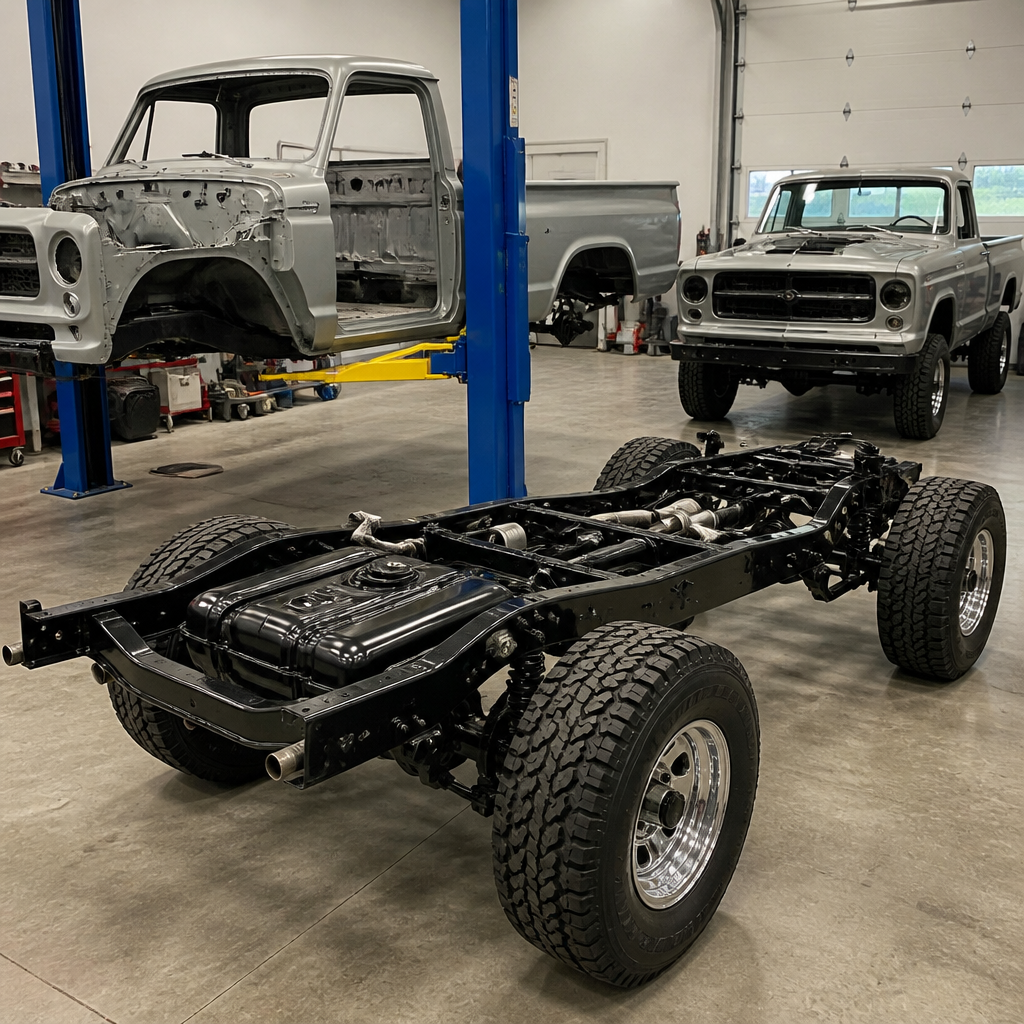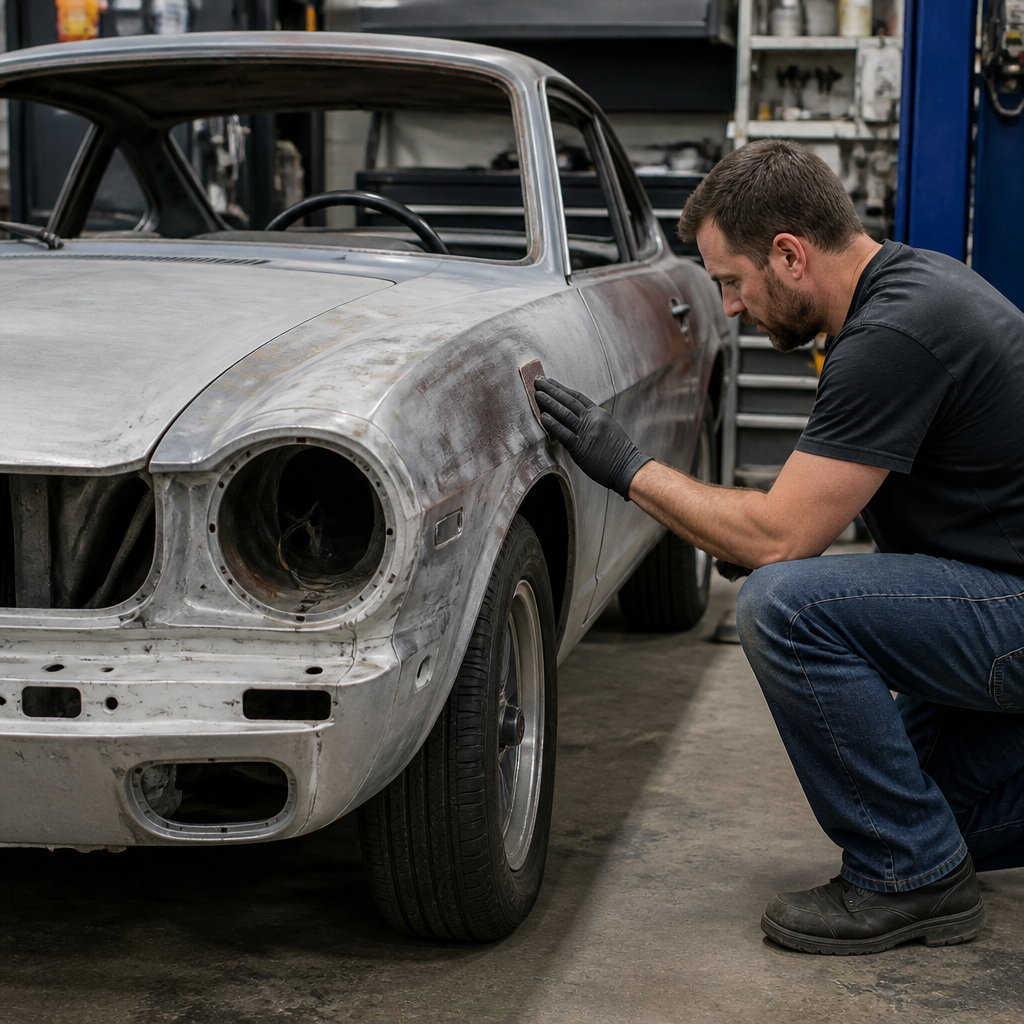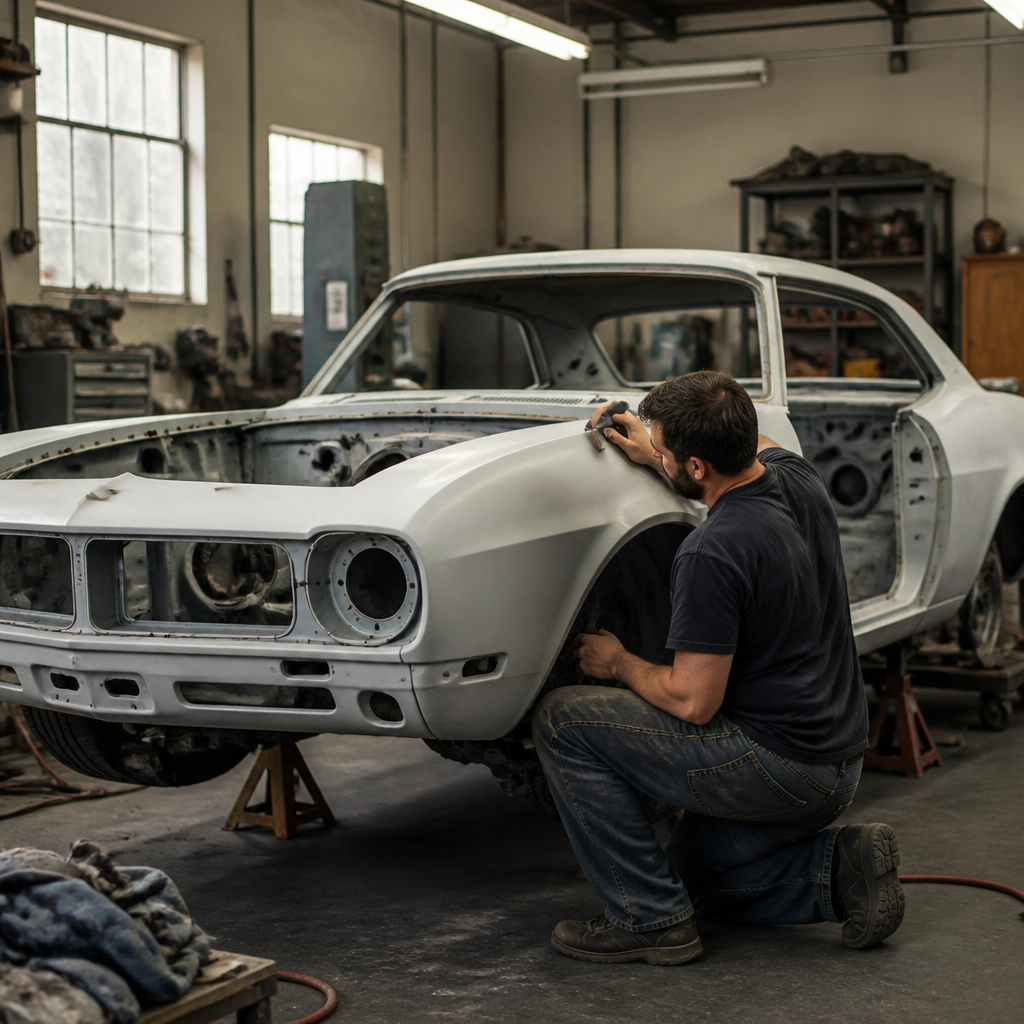
Rust never really starts on the surface; it begins where moisture, oxygen, and unprotected metal meet, then spreads until paint bubbles, seams swell, and structural strength declines. In automotive restoration and maintenance, preventing rust from coming back is not a cosmetic afterthought but a core bodywork and paint discipline that determines whether a repair lasts two years or twenty. Rust is the oxidation of iron and steel, usually accelerated by road salt, trapped moisture, chipped coatings, and contamination left during repair. “Comeback rust” refers to corrosion that reappears after a patch, repaint, or restoration because the original cause was not fully removed or sealed. I have seen attractive paint jobs fail within a season because rust remained in a pinch weld, body filler covered active scale, or primer was sprayed over metal that still held moisture from blasting. A durable result requires correct diagnosis, complete removal or isolation of corrosion, proper metal repair, and a coating system designed for the panel’s environment. This guide serves as a bodywork and paint hub for restoration and maintenance, tying together inspection, metal treatment, welding, fillers, primers, seam sealers, topcoats, cavity waxes, and long-term care so you can stop rust at the source instead of chasing it panel by panel.
Why Rust Returns After a Repair
Rust comes back for predictable reasons. The first is incomplete removal. If pitted steel still contains active oxidation at the bottom of the pits, the corrosion cell continues under primer and paint. The second is poor access. Wheel arches, rocker panels, lower doors, window channels, trunk seams, and spot-weld flanges often rust from the inside out, so repairing only the visible face leaves the backside untreated. The third is incompatible or rushed materials use. For example, polyester filler applied over contaminated steel, or epoxy primer sprayed outside its recoat window without abrasion, can compromise adhesion and moisture resistance. The fourth is moisture trapping. Blocked drain holes, missing seam sealer, failed underbody coatings, and sound deadening that holds water all create ideal conditions for recurrence.
Daily-use vehicles face additional pressure. In cold climates, chloride salts lower the freezing point of water and dramatically increase corrosion rates by improving electrical conductivity. Coastal environments add airborne salt, while humid storage spaces create condensation cycles. Even high-quality paint cannot compensate for a panel cavity that never dries. On classic cars, original lead seams, factory seam sealer shrinkage, and lap joints compound the problem. On newer vehicles, thinner high-strength steels and complex hem flanges require more precise repair methods. The lesson is simple: if you do not identify the moisture path, the coating break, and the hidden metal condition, rust prevention becomes temporary concealment rather than real restoration and maintenance.
Inspect the Entire Corrosion System, Not Just the Spot
Effective bodywork and paint work starts with mapping how water entered and where corrosion has migrated. I inspect every rust area as a system with four questions: where did moisture get in, where can it sit, what coatings failed, and what metal thickness remains. Use a bright inspection light, pick hammer, borescope, magnet, and paint thickness gauge when available. Check door bottoms, fender lips, rocker interiors, windshield and back glass channels, cowl drains, battery trays, wheel housings, and underbody seams. Surface staining around a bubble often means wider underfilm corrosion than the eye suggests.
Distinguish among surface rust, scale rust, perforation, and structural corrosion. Surface rust is light oxidation with little metal loss; it can often be cleaned to bright steel. Scale rust includes layered corrosion and pitting that usually demands aggressive removal and careful judgment. Perforation means the panel has lost continuity; filler and fiberglass are not acceptable substitutes for steel in lasting repairs. Structural corrosion affects rails, suspension mounts, inner rockers, or seat belt anchor areas and should be evaluated against manufacturer repair procedures. If metal thickness or integrity is in doubt, replacement is safer than attempting to preserve a weakened section. Good inspection prevents wasted labor on a panel that really needs a patch or full replacement.
Remove Rust Completely or Cut It Out
The rule in professional restoration is firm: if rust has deeply pitted or perforated steel, cut back to sound metal. Mechanical methods include abrasive blasting with crushed glass or aluminum oxide, 3M Clean and Strip discs, wire wheels used cautiously, carbide burrs, and sanding with 36- to 80-grit abrasives. Blasting is excellent for pits and seams, but it must be controlled to avoid warping thin sheet metal. Chemical rust removers based on phosphoric acid can help dissolve oxidation in complex shapes, but they are not magic; residue management and thorough neutralization or manufacturer-directed rinsing are essential before coatings.
Rust converters have a narrow role. They can stabilize light residual oxidation in inaccessible textured areas, but they are not a substitute for proper metal repair on automotive exterior panels. I do not rely on converters under premium paintwork where complete access is possible. When corrosion has spread between spot-welded layers, the best answer is often drilling the factory welds, separating the flanges, treating or replacing the affected pieces, then reassembling with weld-through primer only where specified. Every square inch of compromised steel left behind increases the chance that rust returns from the backside.
Choose the Right Repair Method for the Damage Level
Not every rust repair needs the same approach. Matching the method to the damage saves money and improves durability.
| Condition | Typical Repair | Best Use | Main Limitation |
|---|---|---|---|
| Light surface rust | Strip to clean metal, metal prep, epoxy primer | Early intervention on solid panels | Fails if pits still contain active corrosion |
| Pitted non-perforated steel | Blast or grind clean, treat pits, epoxy, skim filler if needed | Outer skins with minimal metal loss | Requires careful inspection of backside |
| Localized perforation | Cut out and butt-weld patch panel | Quarter panels, doors, fenders | Heat control and fit-up are critical |
| Seam or flange corrosion | Disassemble or open seam, repair both layers, reseal | Rockers, window channels, wheel lips | Labor intensive |
| Structural rust | Replace section per OEM procedure | Rails, mounts, reinforcements | May require jigs, measurements, certification |
For visible exterior panels, butt-welded steel patches finished with minimal filler consistently outperform overlapped patches because they eliminate moisture-trapping laps. Adhesive-bonded panel replacement can be excellent in the right OEM-approved locations, especially where heat distortion or corrosion protection is a concern, but bond-line preparation must match the adhesive manufacturer’s instructions exactly. Fiberglass-reinforced filler has uses over properly prepared repaired metal for shaping and moisture resistance, yet it should never bridge rust holes by itself. Long-term results come from restoring the metal first, then using fillers only for final contour.
Build a Coating System That Seals Metal from Moisture
The most reliable anti-rust paint foundation on bare steel is a true two-component epoxy primer. Epoxy bonds strongly, resists moisture transmission better than many alternatives, and provides an ideal base for filler or surfacer depending on the product’s technical data sheet. Self-etch primer has a place on some small bare-metal areas, but it is not a moisture barrier equal to epoxy and should not be treated as the primary corrosion strategy for major restoration work. After epoxy, apply polyester filler where needed within the approved window or over properly abraded cured epoxy. Then use a 2K urethane surfacer for blocking and refinement before sealer and topcoat.
Pay close attention to film build and curing. Too little primer leaves pinholes and weak protection; too much can trap solvents and compromise adhesion later. Follow product-specific flash times, reducer recommendations, and sanding grits. PPG, BASF Glasurit, Axalta, and Sikkens all publish technical sheets for a reason: corrosion protection depends on process discipline. On underside and wheelhouse areas, use epoxy followed by a paintable seam sealer where joints exist and a quality underbody coating or chip-resistant coating appropriate to the vehicle’s use. Avoid generic aerosol shortcuts for critical areas. A spray can may look uniform on day one, but many single-component coatings lack the chemical resistance and barrier properties of catalyzed systems.
Protect Seams, Cavities, and the Backside of Every Repair
Most comeback rust starts where painters cannot easily see. That is why cavity protection matters as much as exterior finish. After welding and priming, reseal factory seams with a brushable or cartridge seam sealer that matches the original joint style and flexibility. Then protect enclosed sections with cavity wax applied through a wand. Products from 3M, Transtar, Wurth, and Eastwood are designed to creep into flanges and leave a waxy self-healing film. This is essential inside doors, rockers, pillars, quarter cavities, hoods, and tailgates.
Drainage is equally important. Door and rocker drains must remain open after repair, undercoating, and repainting. I routinely see beautiful restorations with plugged drains because someone flooded the lower seam with sealer or coating. That turns the cavity into a water trap. Replace vapor barriers behind door cards, renew grommets and body plugs, and inspect windshield and rear glass seals if rust originated near channels. On older vehicles, removing trim and glass to repair hidden flange corrosion is often the difference between a permanent fix and another bubble line appearing under the molding within a year.
Control Heat, Contamination, and Environment During Repair
Good bodywork and paint practice is as much about process control as materials. Welding heat should be managed with short stitch welds, cooling intervals, and careful hammer-and-dolly planishing to limit distortion without quenching hot welds aggressively. Overheated steel can thin, warp, and burn away adjacent coatings, opening a new corrosion path. After grinding, remove all dust, abrasive residue, and fingerprints with proper wax and grease remover. Silicone contamination, blasting media trapped in seams, and shop humidity all undermine coating performance.
Environmental conditions matter more than many hobbyists realize. Bare steel can develop flash rust quickly in humid air, especially after waterborne cleaning or aqueous blasting. If a panel is stripped, repaired, and left overnight in a damp shop, the primer job starts compromised. Maintain clean, dry compressed air with desiccant filtration. Mix coatings accurately by ratio. Observe induction times when required. Use the specified personal protection and ventilation because catalyzed primers, seam sealers, and urethanes contain chemicals that demand safe handling. Precision here is not bureaucracy; it is what separates durable restoration and maintenance from repeating the same repair.
Maintain the Finish So Rust Does Not Restart
Even an excellent repair can fail if the vehicle is neglected afterward. Wash salt and mud from wheel wells, pinch welds, lower doors, and the underbody during winter, not just at spring cleanup. Inspect stone-chip zones regularly and touch up breaks in the coating before corrosion creeps underneath. Keep drains clear, especially below windshields, sunroofs, doors, and trunks. If the vehicle is stored, choose a dry, ventilated space rather than a damp cover that traps condensation against the body.
Annual inspection is the smart habit that protects your investment. Put the car on a lift or ramps, remove wheelhouse liners where practical, and look for seam sealer cracks, underbody coating damage, and early staining around spot welds. Reapply cavity wax periodically on vehicles used in wet or salted conditions because these products slowly thin over time. If you drive a collector car infrequently, avoid parking it wet and sealed in a garage without airflow. Rust prevention is not one product or one repair; it is a maintenance system built on clean metal, proper coatings, protected cavities, and consistent inspection. Start with the hidden areas, follow technical data sheets, and treat every rust spot as evidence of a larger moisture path. Do that, and your bodywork and paint repairs will stay solid, your restoration and maintenance costs will drop, and rust will stop coming back. Inspect your vehicle this week, document problem areas, and fix the cause before you repaint the symptom.
Frequently Asked Questions
Why does rust come back even after it has been sanded and painted?
Rust often returns because the visible corrosion was removed, but the conditions that caused it were not fully eliminated. In most cases, rust does not begin as a surface stain alone. It starts where bare steel, moisture, oxygen, and contaminants such as road salt meet, often inside seams, pinholes, folded metal edges, rocker panels, wheel arches, or behind trim and weatherstripping. If even a small amount of active corrosion remains in pits or overlaps, it can continue spreading underneath new primer, filler, or paint. That is why a panel can look clean and repaired on the outside but begin bubbling again months later.
Another common reason is incomplete coating protection. Sanding and topcoating may improve appearance, but if the repair process skips rust conversion where appropriate, epoxy priming, seam sealing, cavity protection, and proper paint coverage on both sides of the metal, moisture will find a way back in. Thin paint edges, exposed weld zones, open seams, and unsealed backside metal are especially vulnerable. In short, rust comes back when the repair treats the symptom instead of the full corrosion path. A long-lasting repair requires complete rust removal or replacement of affected metal, followed by sealing, priming, painting, and protecting every area where water can collect or migrate.
What is the best way to stop rust from coming back permanently?
The most reliable way to prevent rust from returning is to remove all compromised metal and rebuild the protection system correctly. For light surface rust, that may mean taking the area down to clean, bright metal, treating any remaining microscopic corrosion in pits, applying a high-quality epoxy primer, then following with proper filler work, primer surfacer, topcoat, and clear if the system requires it. For deeper rust, scaling, perforation, or swelling seams, the correct solution is usually cutting out the affected section and welding in sound replacement metal. If the steel has thinned or rusted through, no coating alone will restore its structural integrity.
Just as important as metal repair is moisture control. The backside of the repair must be protected with cavity wax, internal frame coating, or another corrosion-inhibiting product designed to creep into seams and enclosed spaces. Welded seams should be sealed, drain paths should remain open, and any area prone to trapped water should be inspected carefully. A permanent repair is not one product; it is a process. Remove or replace the rusted metal, neutralize what cannot be mechanically reached, seal the bare steel, protect the hidden side, and keep water and salt from sitting in the area again. When those steps are followed carefully, a repair can last for many years instead of just one or two seasons.
Are rust converters and rust encapsulators enough to keep rust from returning?
Rust converters and rust encapsulators can be very useful, but they are not a substitute for proper metal preparation or for replacing badly damaged steel. A rust converter is designed to react with iron oxide and stabilize light residual corrosion, usually in places where blasting or grinding every pore clean is difficult. A rust encapsulator is intended to isolate prepared rusted metal from moisture and oxygen. Both products can play a role in a restoration or maintenance plan, especially in hidden areas, frames, floors, and brackets. However, neither product should be treated as a miracle cure for heavy scale, swollen seams, layered rust, or perforated panels.
The key is using them in the right context. If a panel has deep pitting, flaking layers, or rust spreading between overlapping sheets of metal, the corrosion source may continue beneath the coating unless the area is opened up and repaired correctly. Most failures happen when these products are applied over loose rust, contamination, or damp surfaces, or when they are left without compatible primer and topcoat protection. Read the product system carefully, because some require specific preparation methods and specific topcoats. Used correctly, converters and encapsulators can help prevent rust from returning. Used as a shortcut over advanced corrosion, they usually only delay the problem.
Which areas of a vehicle are most likely to rust again after repair?
Rust is most likely to return anywhere moisture can be trapped and coatings are difficult to maintain. Common problem areas include wheel arches, rocker panels, lower door skins, fender lips, quarter panel bottoms, trunk seams, windshield and rear glass channels, floor pans, pinch welds, suspension mounting points, and the underside of hoods and deck lids. Any place where two pieces of metal overlap is especially vulnerable because water, salt, and debris can sit between the layers while the outside still looks acceptable. Once corrosion starts inside those overlaps, it can move outward and reappear as bubbling paint or swelling seam sealer.
Repairs in these areas need more than cosmetic refinishing. They need attention to seam sealer integrity, drainage, backside coating, and ongoing cleaning. For example, a wheel arch repair may fail if road debris keeps chipping the paint edge or if the inner lip is not sealed and waxed. A door bottom repair may fail if drain holes are clogged and water remains trapped after every rain. Even high-quality paint work will not hold up if the hidden side of the panel is left bare or poorly protected. The lesson is simple: the areas that rust first are usually the same areas that rust again unless they are repaired with full access, sealed against moisture, and maintained over time.
How can I maintain a repaired area so rust does not come back in the future?
Long-term rust prevention depends on regular maintenance just as much as on the original repair quality. The first priority is keeping the vehicle clean, especially in regions where roads are salted or where humidity is consistently high. Wash the undercarriage, wheel wells, rocker panels, and lower body sections routinely, not just the visible painted surfaces. Salt and dirt hold moisture against metal and can work their way into seams and chips. It is also important to inspect repaired areas several times a year for stone chips, cracked seam sealer, paint blisters, clogged drain holes, and any early discoloration. Catching a chip or seam failure early can prevent another major repair later.
Protective maintenance products also matter. Applying cavity wax inside doors, rockers, frame sections, and repaired enclosed areas can greatly extend the life of the metal because these products creep into seams and displace moisture. Touch up paint damage promptly, keep weatherstripping in good condition, and make sure drains in doors, sunroof channels, cowls, and trunk areas remain open. If the vehicle is stored, keep it dry and well-ventilated rather than sealed with trapped humidity. Ultimately, preventing rust from coming back is about interrupting the corrosion cycle at every stage: keep metal sealed, keep water moving out instead of sitting in place, keep salt from building up, and respond quickly to any breach in the protective coating.