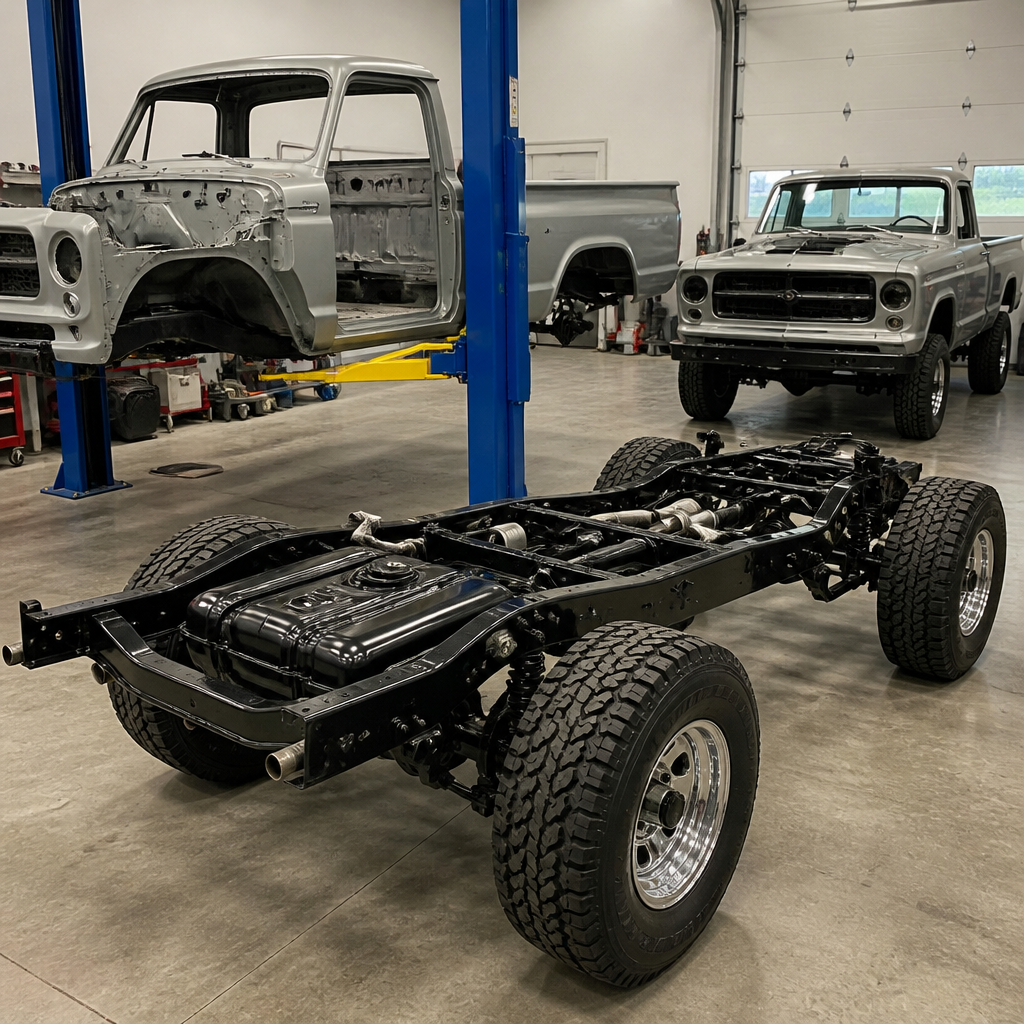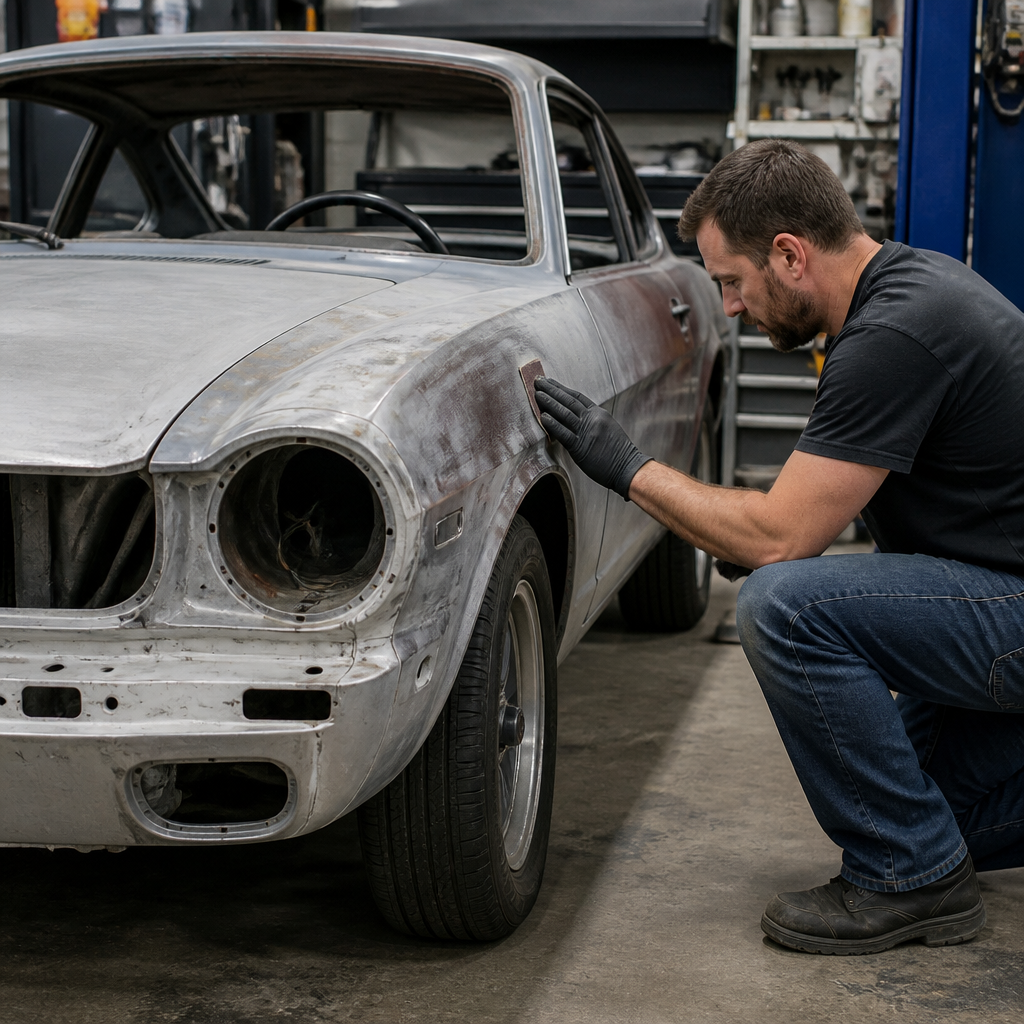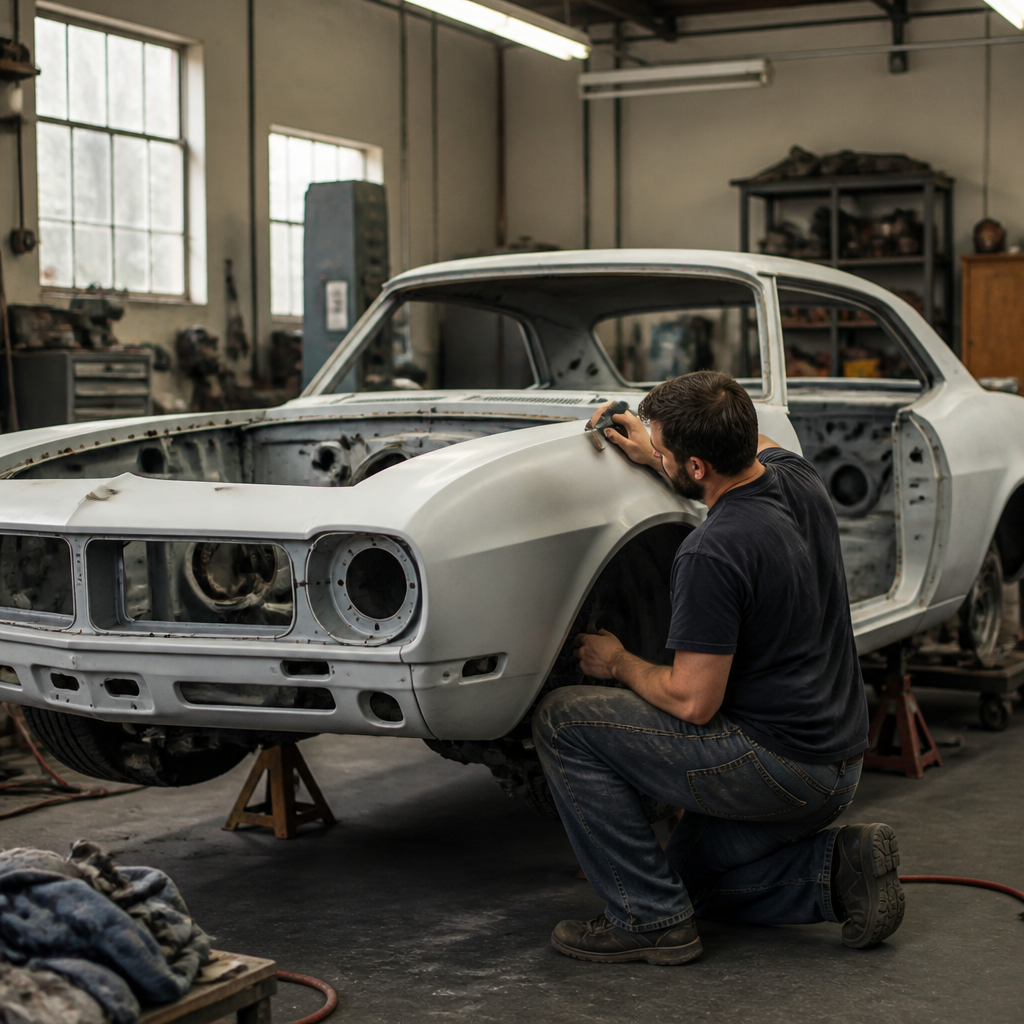
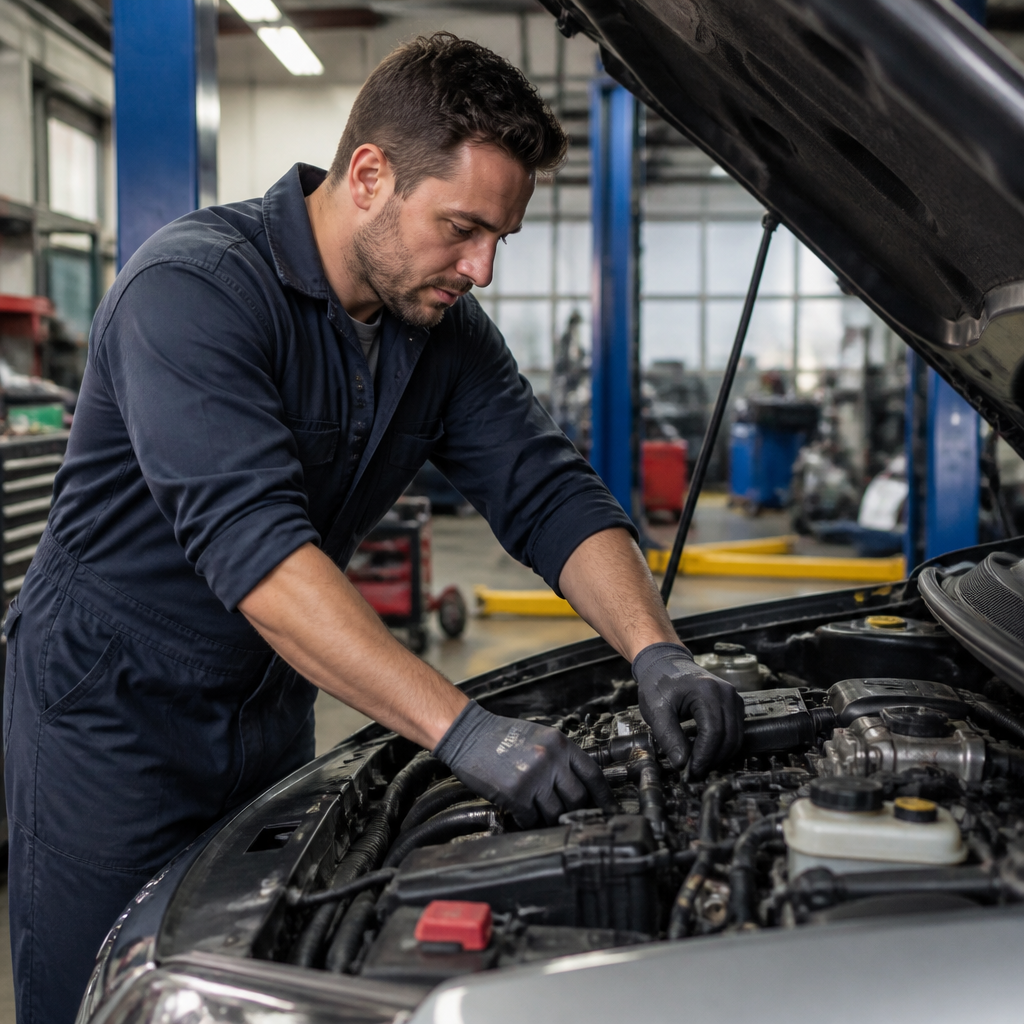
Preventing common mechanical issues starts long before a breakdown, with a maintenance routine that catches wear, contamination, and misalignment while they are still inexpensive to correct. In restoration and maintenance work, “mechanical issues” usually refers to failures involving moving parts, power transmission, lubrication, cooling, fuel delivery, braking, steering, suspension, and electrical support systems that affect how a machine or vehicle operates. “Maintenance tips” are not generic reminders to check things occasionally; they are repeatable inspection, service, cleaning, adjustment, and recordkeeping practices that reduce the chance of failure. This matters because most serious mechanical problems begin as small, visible changes: a belt develops glazing, oil darkens and thins, a hose softens near a clamp, a bearing starts to hum, or a battery drops resting voltage after sitting overnight.
I have seen the same pattern across classic car restorations, shop fleet upkeep, and seasonal equipment service: owners often focus on dramatic repairs and ignore the quiet warning signs that appear months earlier. Preventive maintenance protects reliability, preserves restored components, and lowers total ownership cost because planned service is always cheaper than emergency replacement plus collateral damage. A neglected cooling system can warp a cylinder head. Missed lubrication intervals can ruin bearings and shafts. Incorrect tire pressure can accelerate suspension wear while reducing braking stability. Good maintenance is also cumulative. Every accurate fluid change, torque check, alignment inspection, and cleaning step contributes to a machine that starts easier, runs cooler, and lasts longer.
As a hub for maintenance tips, this guide explains the core practices that prevent the most common mechanical issues, why each one works, and how to build a maintenance system that supports the rest of a restoration and maintenance program. Whether you care for a daily driver, collector vehicle, motorcycle, tractor, or shop equipment, the principles are the same: inspect regularly, service on schedule, use the correct specifications, and document what you do. Those habits prevent most avoidable failures.
Build a preventive maintenance schedule before problems start
The most effective way to prevent common mechanical issues is to replace reactive repairs with a written preventive maintenance schedule. A schedule organizes tasks by time, mileage, engine hours, or seasonal use, so critical inspections do not depend on memory. Manufacturer service intervals are the baseline, but older restored machines often need shorter intervals because seals age, carbureted fuel systems varnish more quickly, and replacement parts may vary in quality. In practice, I recommend dividing tasks into pre-use checks, monthly checks, and major service intervals. Pre-use checks include fluid levels, leaks, tire condition, and abnormal noises. Monthly checks cover battery health, hose condition, belt tension, and fastener security. Major service intervals address oil, filters, coolant, brake fluid, alignment, spark plugs, and driveline lubrication.
Documentation is part of prevention, not administration. A log that records dates, mileage, operating hours, fluid brands, filter part numbers, and observed issues creates trend data. If coolant level drops slowly over three entries, you can pressure test before overheating occurs. If one wheel repeatedly loses pressure, you can inspect for bead corrosion or a puncture before the tire fails on the road. Digital tools such as maintenance apps, spreadsheet trackers, and calendar reminders work well, but a binder in the workshop is equally effective if it is updated consistently. The goal is simple: every critical system should have a known last-service date and a known next-service point.
Control fluids, filters, and contamination
Mechanical systems fail early when fluid condition is ignored. Engine oil, transmission fluid, coolant, brake fluid, power steering fluid, hydraulic oil, and gear oil each do a specific job, and each degrades in a different way. Oil loses additive strength and becomes contaminated with fuel, soot, moisture, and metal particles. Coolant depletes corrosion inhibitors and can become acidic. Brake fluid absorbs water because most glycol-based fluids are hygroscopic, which lowers boiling point and promotes internal corrosion. Contamination is destructive because moving parts depend on stable lubrication films and clean hydraulic passages. Once varnish, sludge, or abrasive debris builds up, wear accelerates across the whole system.
Filters are the other half of fluid management. An inexpensive oil filter helps trap particles before they circulate through bearings. An air filter protects cylinders and mass airflow components from dust that acts like grinding compound. A fuel filter prevents sediment from clogging injectors or carburetor passages. I have opened neglected filter housings that looked acceptable from the outside but were collapsed internally or bypassing contaminated flow. That is why visual assumptions are unreliable. Follow the specified replacement interval, use quality filters from recognized manufacturers, and verify the correct micron rating and bypass characteristics where applicable.
| System | What to Check | Common Warning Sign | Preventive Action |
|---|---|---|---|
| Engine oil | Level, color, odor, service interval | Burnt smell, low level, metallic sheen | Change oil and filter using correct viscosity and specification |
| Cooling system | Coolant strength, level, hose condition | Rusty coolant, swelling hoses, rising temperature | Flush on schedule, pressure test, replace weak hoses and clamps |
| Brake system | Fluid moisture, pad wear, rotor condition | Soft pedal, fluid darkening, pulsation | Flush fluid, inspect hardware, service pads and rotors |
| Fuel system | Filter age, lines, tank cleanliness | Hard starting, hesitation, fuel odor | Replace filter, inspect lines, stabilize stored fuel |
| Driveline | Gear oil level, leaks, joint play | Whine, vibration, seepage | Top off or replace fluid, grease fittings, repair seals |
Using the right specification matters as much as changing fluids on time. API, ACEA, SAE viscosity grades, DOT brake fluid classifications, and OEM coolant requirements exist because seals, bearings, additives, and operating temperatures differ by design. Mixing incompatible coolant chemistries or using the wrong friction characteristics in an automatic transmission can create expensive problems quickly. If the machine is restored and no longer fully original, verify component-specific requirements rather than relying on a single handbook entry.
Inspect heat, friction, and moving wear parts
Most common mechanical issues develop where heat and friction are concentrated. Belts, bearings, pulleys, brakes, U-joints, wheel hubs, clutches, chains, and bushings all wear progressively, which means they can usually be caught before failure. A good inspection routine uses sight, touch, smell, and sound. Look for cracking, glazing, rubber dust, rust trails, fluid spray patterns, and uneven pad wear. Feel for excess play, rough bearing rotation, or temperature differences after operation. Smell for burnt friction material or overheated oil. Listen for chirps, humming, clicking, or cyclic vibration that changes with speed.
Belt maintenance is a practical example. A drive belt that squeals on startup may be loose, contaminated, misaligned, or simply worn smooth. Tightening it without checking pulley alignment often masks the symptom while overloading accessory bearings. Brake issues are similar. A driver may notice a slight steering pull or light pedal pulsation long before pad material reaches the backing plate. Addressing those signs early can limit the repair to pads, cleaning, and slide service instead of rotors, calipers, hoses, and wheel bearings. In older restored vehicles, greaseable joints deserve special attention because missed lubrication points create looseness that affects steering precision and tire wear.
Protect the cooling, fuel, and air systems
Overheating and fuel-related drivability complaints are among the most common preventable mechanical issues. Cooling systems fail when airflow is restricted, coolant passages corrode, thermostats stick, fan clutches weaken, water pumps leak, or hoses collapse internally under suction. Prevention starts with regular visual inspection and ends with periodic testing. Check for dried coolant residue around pump weep holes, radiator seams, and hose connections. Verify fan operation. Clean debris from radiator and condenser fins carefully with low-pressure air or water. Test coolant concentration with a refractometer or hydrometer and pressure-test the system when unexplained loss appears.
Fuel systems need equal attention, especially in seasonal equipment and restored vehicles that sit unused. Modern fuel can oxidize and absorb moisture; ethanol blends may attack older rubber components not designed for alcohol exposure. The result is varnish, clogged jets or injectors, degraded hoses, and hard starting. Preventive steps include using fuel stabilizer during storage, keeping tanks reasonably full to reduce condensation, replacing aging rubber lines with ethanol-compatible hose, and running the engine long enough to circulate treated fuel. Air intake maintenance matters too. Restricted filters reduce efficiency, while intake leaks downstream of the filter introduce unmetered air and abrasive dust. Small leaks at vacuum hoses or intake gaskets can create rough idle, lean conditions, and overheating under load.
Maintain tires, steering, suspension, and alignment
Many owners do not classify tire, steering, and suspension neglect as a mechanical issue until the vehicle becomes hard to control, but these systems are central to safety and component life. Tire pressure that is even a few psi low increases heat buildup, shoulder wear, and rolling resistance. Uneven wear patterns reveal mechanical faults: feathering points to toe problems, cupping often suggests weak dampers or imbalance, and edge wear may indicate chronic underinflation or worn suspension joints. Checking tire pressure cold with an accurate gauge is one of the fastest preventive tasks available.
Steering and suspension inspections should include tie-rod ends, ball joints, control arm bushings, shock absorbers, strut mounts, wheel bearings, and spring condition. Excess movement in any of these parts alters alignment angles and increases stress elsewhere. I have seen a simple torn ball joint boot lead to grease loss, joint wear, poor alignment retention, and eventually tire replacement months before expected. Alignment is not only a tire issue; it affects braking stability, steering return, and bearing loads. After replacing steering or suspension parts, performing a proper alignment to specification is preventive maintenance, not an optional finishing step.
Do not overlook the electrical basics that support mechanical reliability
Many apparent mechanical problems begin as electrical weaknesses. A slow crank complaint may be blamed on engine condition when the real cause is voltage drop through corroded battery terminals or a failing ground strap. Poor charging system output can affect ignition performance, fuel pump operation, cooling fans, sensors, and control modules. In restored machines, added accessories, repainted grounding points, and aging connectors commonly introduce intermittent faults that mimic fuel or mechanical failure.
Basic prevention includes testing battery state of charge, checking charging voltage under load, cleaning terminals, inspecting cable insulation, and verifying secure engine and chassis grounds. Use a multimeter, not guesswork. A healthy 12-volt battery at rest should generally read about 12.6 volts when fully charged, while charging voltage on many systems falls roughly between 13.5 and 14.7 volts, depending on temperature and design. Spark plugs, ignition wires, coils, and distributor components on older engines also need scheduled inspection. Misfires increase heat, wash cylinder walls with fuel, damage catalytic converters, and disguise themselves as deeper mechanical trouble.
Storage habits and operating technique determine long-term condition
Prevention does not end when service is complete. How a machine is stored and operated has a direct effect on future mechanical issues. Long periods of inactivity dry seals, flatten tires, sulfate batteries, and allow fuel degradation. Moisture in poorly ventilated storage spaces encourages corrosion on brake components, electrical contacts, and machined surfaces. The best storage routine includes clean surfaces, stabilized fuel, a maintained battery, correct tire inflation, rodent prevention, and occasional movement or exercise where appropriate. For some vehicles, monthly startup alone is not enough; the engine should be brought fully to operating temperature, and the vehicle should be driven far enough to evaporate condensation from the oil and exhaust.
Operating technique matters just as much. Cold engines should not be heavily loaded before oil circulates fully. Manual transmissions and differentials last longer when fluids are warmed gradually. Riding brakes downhill overheats pads and fluid. Overloading a truck, trailer, or machine stresses cooling, suspension, hubs, and driveline components beyond their service assumptions. Good operators notice changes early: a longer crank time, a slight new vibration, or a temperature gauge creeping above its normal position. That awareness is often the difference between a scheduled repair and a recovery tow.
Preventing common mechanical issues comes down to discipline, not luck. A written maintenance schedule, correct fluids and filters, routine inspections, and accurate records stop most failures before they interrupt use or damage expensive components. Cooling, lubrication, fuel delivery, braking, steering, suspension, and electrical support systems all influence one another, which is why small neglected faults often become larger mechanical problems. The practical benefit of maintenance tips is reliability: machines start when needed, run at the right temperature, steer predictably, and wear evenly over time.
For restoration and maintenance work, this hub should guide every related task you perform next. Use it to build inspection checklists, plan seasonal service, and identify which subtopics need deeper attention, from brake care to storage preparation. Start with one simple action today: create a maintenance log, inspect every major fluid, and schedule the next service before the next problem has a chance to develop.
Frequently Asked Questions
What are the most effective maintenance habits for preventing common mechanical issues?
The most effective maintenance habits are consistent inspection, scheduled service, clean operating conditions, and early correction of small defects before they turn into expensive failures. In practical terms, that means checking fluid levels and fluid condition, monitoring belts and hoses, inspecting seals for leaks, verifying proper tire pressure, listening for unusual noises, and paying attention to changes in vibration, temperature, braking feel, steering response, or starting behavior. Mechanical problems rarely appear without warning. They usually begin as gradual wear, contamination, looseness, heat buildup, or misalignment, and a disciplined maintenance routine is what catches those warning signs early.
It also helps to think in systems rather than individual parts. For example, lubrication problems do not just damage bearings; they can increase friction, raise operating temperatures, weaken seals, and shorten the life of connected components. The same is true for cooling, braking, and power transmission systems. A strong preventive approach includes following manufacturer service intervals, using the correct fluids and replacement parts, keeping records of what was serviced and when, and adjusting maintenance frequency based on operating conditions. Equipment used in dusty, wet, stop-and-go, high-load, or seasonal environments typically needs closer attention than equipment used lightly under stable conditions.
Just as important, preventive maintenance should be specific, not generic. A meaningful checklist should include torque checks where appropriate, inspection for corrosion, lubrication point service, filter replacement, and alignment verification. If a machine or vehicle has known weak points, those should be inspected more often. The goal is not simply to “do maintenance,” but to detect wear patterns, contamination sources, and operating changes before they cause failure. That is the habit that prevents the majority of common mechanical issues.
Why are lubrication and fluid checks so important in preventing mechanical failures?
Lubrication and fluid checks are critical because fluids do far more than just keep parts moving. Engine oil, gear oil, transmission fluid, hydraulic fluid, coolant, brake fluid, and grease each support a different part of the machine’s operation, and a problem with any one of them can quickly lead to wear, overheating, corrosion, pressure loss, or total component failure. Proper lubrication creates a protective film between moving surfaces, reduces friction, helps dissipate heat, suspends contaminants, and in some systems even transmits power. When fluid levels drop, fluid quality degrades, or the wrong product is used, those protections start to disappear.
Condition matters just as much as quantity. Clean fluid at the correct level is only part of the equation. Burnt smell, metal particles, milky discoloration, sludge, water contamination, or air bubbles can all signal trouble. For example, milky oil may suggest water intrusion, dark or overheated transmission fluid can indicate internal stress, and contaminated brake fluid can reduce braking performance and damage internal components. Grease that hardens, separates, or gets washed out can leave bearings vulnerable to rapid wear. Regular fluid checks are valuable because they often reveal internal issues long before complete failure occurs.
Using the right fluid specification is equally important. Viscosity, additive package, temperature range, and compatibility with seals and materials all matter. Over-greasing can be as harmful as under-greasing in some applications, and mixing incompatible fluids can damage seals or reduce performance. The best prevention strategy is to inspect levels routinely, change fluids on schedule, replace filters when required, repair leaks promptly, and treat any sign of contamination as a serious maintenance warning. In many cases, a careful fluid inspection is the fastest and most reliable way to assess mechanical health.
How can early warning signs help you avoid expensive mechanical repairs?
Early warning signs are one of the most valuable tools in preventive maintenance because major mechanical failures are often the final stage of a problem that has been developing for some time. Small leaks, slight vibrations, intermittent noises, delayed shifting, weak braking feel, pulling in the steering, uneven tire wear, hard starting, rising operating temperatures, or reduced fuel efficiency may seem minor, but they often point to wear, imbalance, contamination, or misadjustment that will worsen if ignored. Responding to those early signals can turn a major repair into a minor correction.
For example, a chirping belt may indicate improper tension, pulley misalignment, or bearing drag. A soft brake pedal could point to fluid loss, air in the system, worn components, or developing hydraulic issues. Uneven suspension behavior may suggest worn bushings, shocks, ball joints, or alignment problems. An overheating condition might begin with a weak cap, restricted airflow, low coolant, or a failing thermostat before escalating into head gasket damage or warped components. The earlier these conditions are diagnosed, the more likely it is that surrounding parts can be protected from secondary damage.
The key is to monitor patterns, not isolated events. If a machine starts sounding different, running hotter, vibrating under load, or requiring more effort to steer or stop, that change should be documented and investigated. Operators and owners who know what “normal” feels like are often the first to catch trouble. Preventive maintenance works best when inspections are paired with attention during daily use. In other words, a checklist finds visible issues, while familiarity with the equipment catches behavior changes. Together, they provide a strong defense against expensive repairs.
Which systems should be inspected most often to prevent common mechanical issues?
The systems that deserve the most frequent attention are the ones most directly affected by heat, friction, contamination, load, and movement. In most machines and vehicles, that includes lubrication points, cooling components, belts and hoses, brakes, steering, suspension, tires, battery and charging connections, fuel delivery components, and the parts responsible for transferring power, such as clutches, driveline components, chains, gears, or transmissions. These systems experience regular stress and tend to show early signs of wear if they are inspected consistently.
Braking and steering should always be near the top of the list because their condition directly affects safety and control. Brake pad wear, rotor condition, fluid level, hose integrity, and signs of dragging or pulsation should be checked regularly. Steering and suspension components should be inspected for looseness, damaged boots, leaking dampers, worn joints, and irregular tire wear patterns that may indicate alignment or load-distribution problems. Tires themselves are often overlooked, but they can reveal a great deal about suspension condition, inflation habits, and overall mechanical alignment.
Cooling and fuel systems also deserve close attention because problems there can create cascading failures. A neglected cooling issue can lead to overheating, warped components, and seal damage. A restricted fuel filter or weak pump can strain the system, reduce efficiency, and create performance issues that are misdiagnosed as something else. Electrical support systems matter too, even in discussions about mechanical reliability, because weak grounds, corroded terminals, or charging problems can affect sensors, ignition, starting, and electrically assisted components. The best inspection schedule prioritizes high-stress systems, but it also recognizes that modern mechanical reliability depends on supporting electrical and fluid systems working correctly together.
How should a preventive maintenance plan be organized for long-term mechanical reliability?
A good preventive maintenance plan should be organized by time interval, operating hours, mileage, and condition-based observations. The most effective plans are structured enough to be consistent but flexible enough to account for actual use. Start with the manufacturer’s recommended schedule, then adjust it based on age, workload, environment, storage conditions, and past repair history. Equipment operating in heavy traffic, high heat, dusty work areas, wet climates, or long idle periods will often need more frequent inspections than the standard baseline suggests.
Break the plan into daily or pre-use checks, monthly visual inspections, and larger scheduled services. Daily or pre-use checks may include fluid levels, visible leaks, tire condition, warning lights, battery condition, unusual noises, and signs of overheating or vibration. Monthly or routine inspections can go deeper into brake wear, belt tension, hose condition, steering play, suspension wear, filter condition, and corrosion points. Major services should include fluid changes, filter replacement, lubrication service, cooling system maintenance, alignment checks, and detailed inspection of power transmission components and fasteners where appropriate.
Documentation is what turns routine maintenance into a true reliability strategy. Record service dates, parts replaced, fluid types used, torque checks performed, recurring symptoms, and any measured wear or test results. Those records help identify trends, such as repeated belt wear, chronic overheating, recurring fluid loss, or unusual brake wear on one side. That kind of pattern recognition allows maintenance to become predictive rather than reactive. Over time, a well-organized preventive maintenance plan reduces breakdowns, extends component life, improves safety, and lowers the total cost of ownership by addressing problems while they are still manageable.