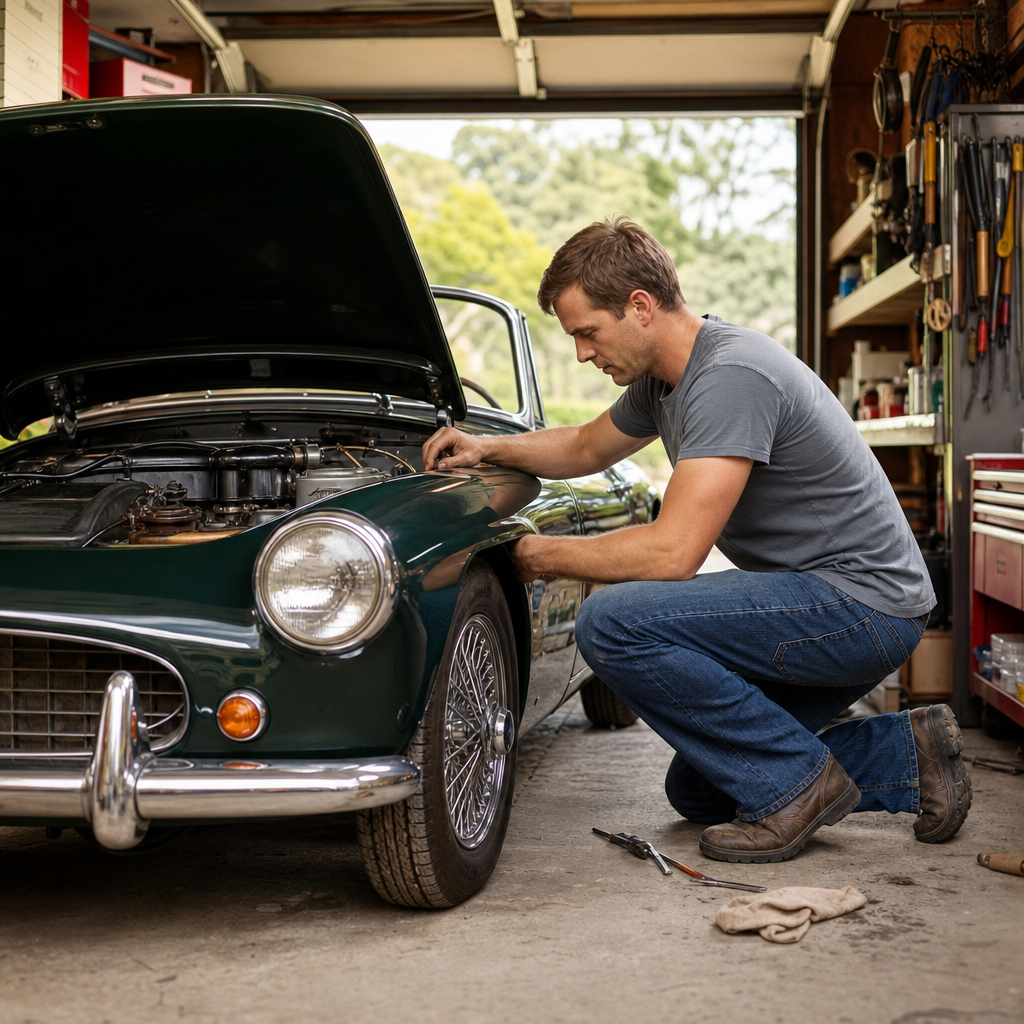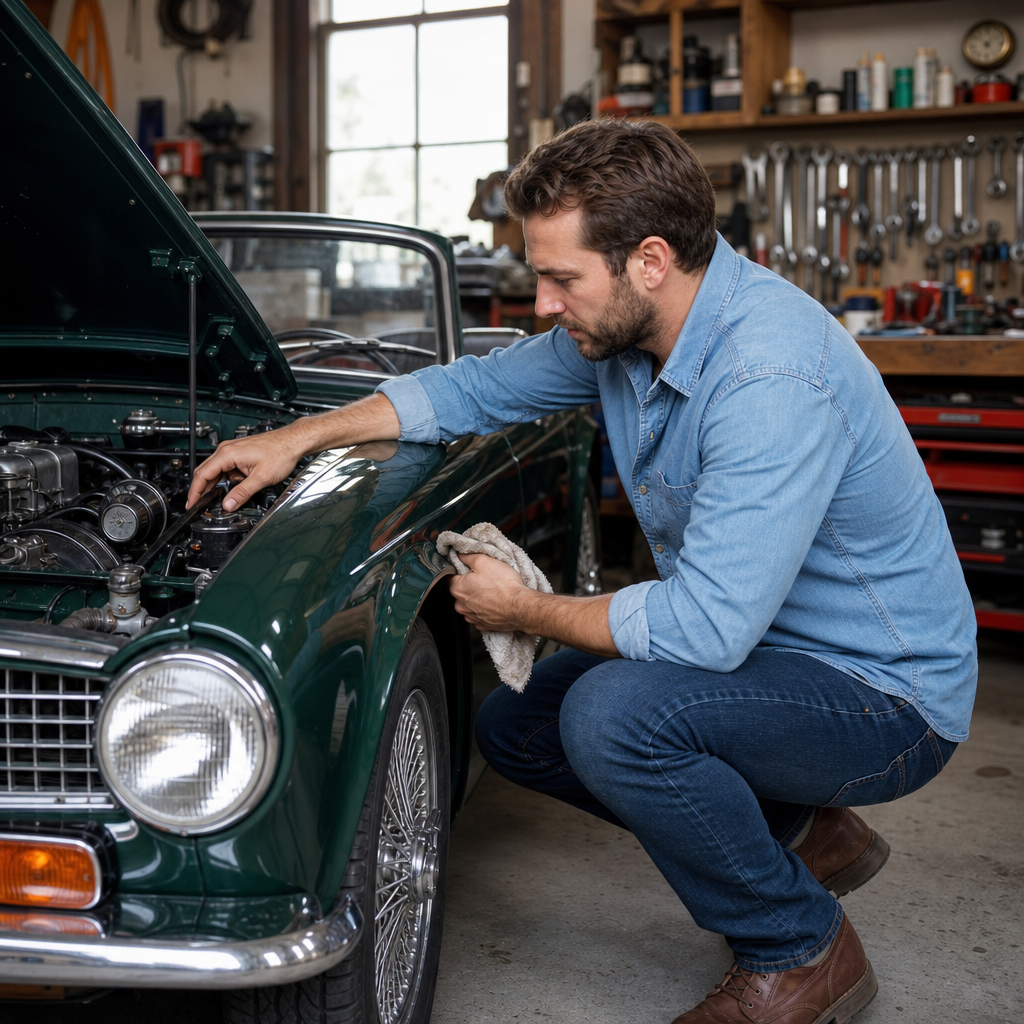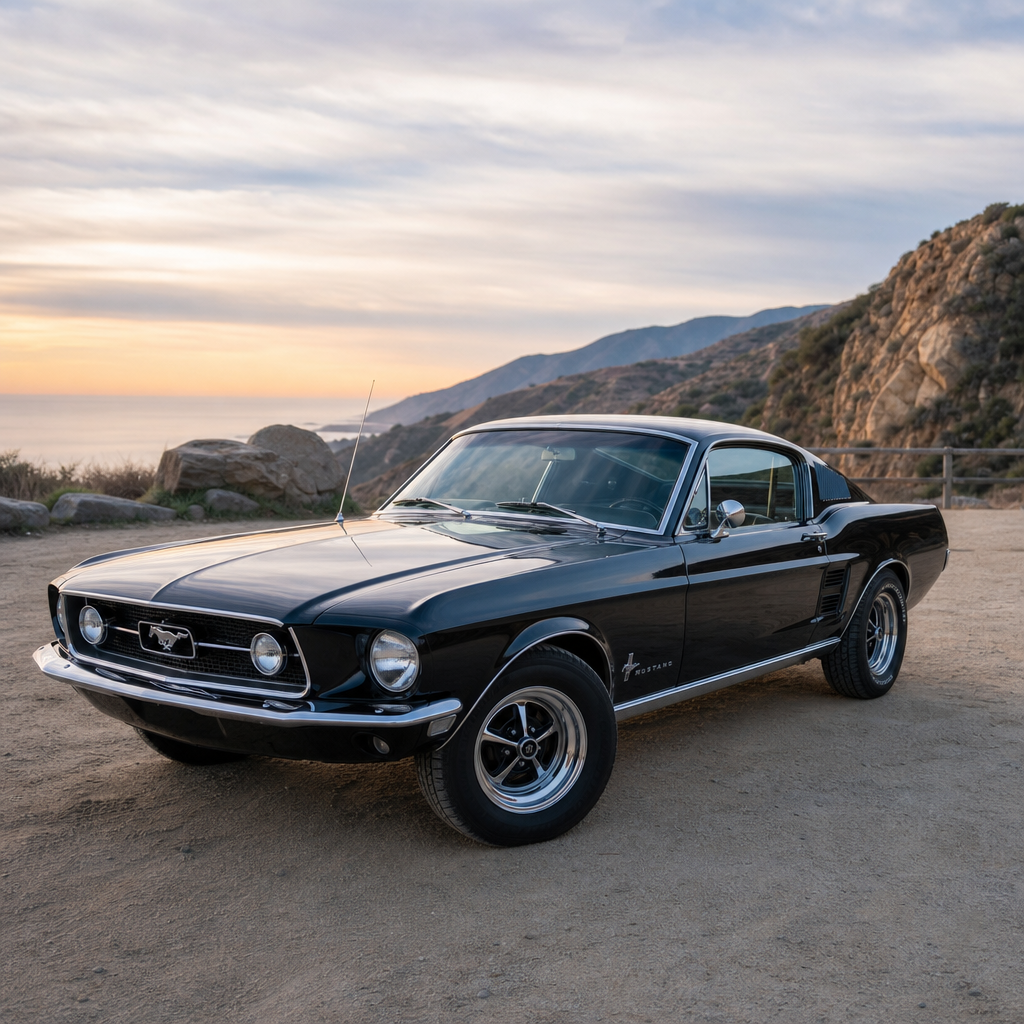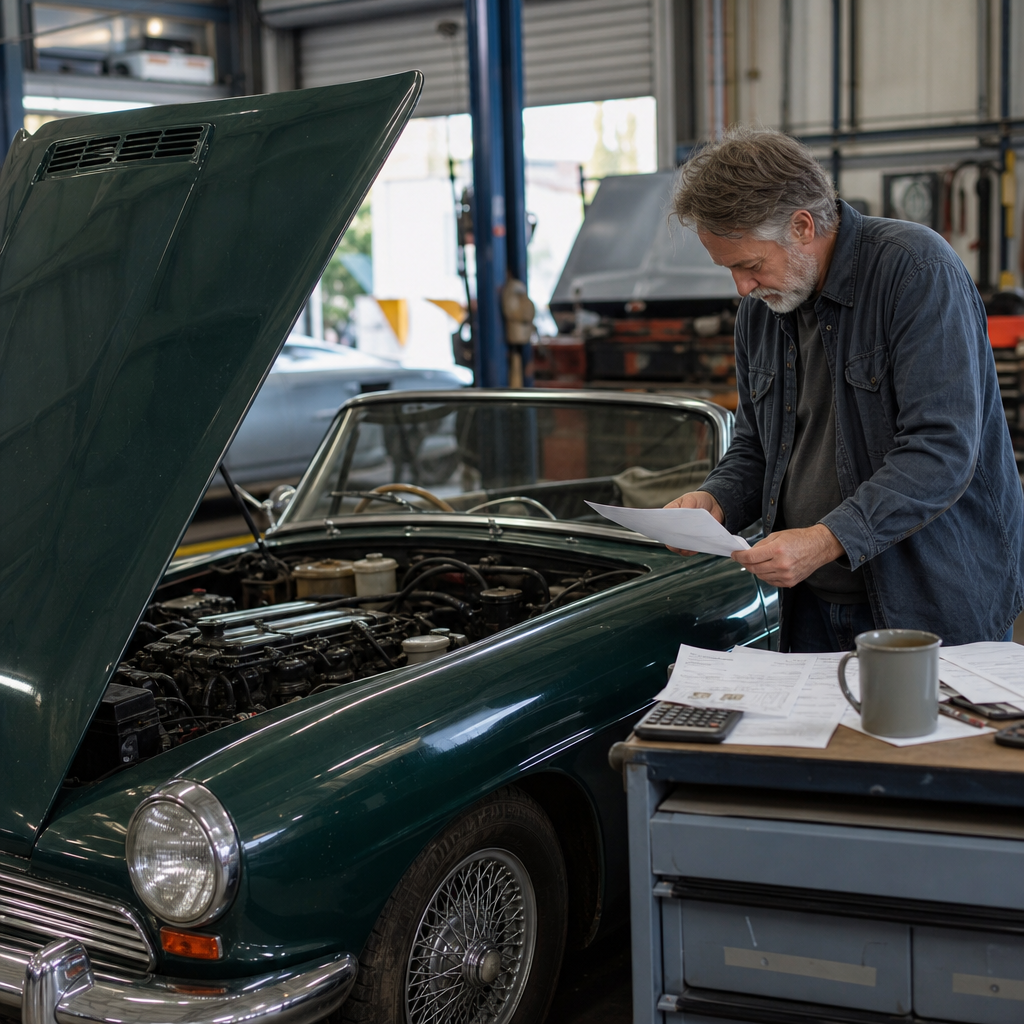
Joining the classic car community starts with understanding that it is not one club or one type of owner, but a broad network of enthusiasts, restorers, collectors, drivers, historians, and first-time buyers connected by shared interest in older vehicles and the culture around them. In practical terms, a classic car is usually a vehicle old enough to carry historical, design, or collector significance, though the exact definition varies by insurer, state registration rules, and clubs such as the Antique Automobile Club of America. Some groups use 25 years as a threshold, while others divide vehicles into antique, vintage, classic, and modern classic categories. For beginners, the important point is simpler: the classic car community is built around learning, preserving, driving, and discussing cars that matter beyond basic transportation.
This topic matters because entering the hobby the right way saves money, reduces frustration, and helps new enthusiasts find the corner of the community that actually fits their goals. I have watched beginners rush into a purchase based on nostalgia alone, then discover they bought a car with poor parts support, hidden rust, or no local network. I have also seen people start small by attending weekend meets, helping on a friend’s project, or joining a marque-specific forum, and within a year they had mentors, trusted mechanics, and a far better idea of what they wanted to own. A good beginner guide is less about telling you to buy a car immediately and more about showing how to build knowledge, relationships, and confidence before you commit serious cash.
As a hub for beginner guides, this article explains how to join the classic car community step by step: how to define your interests, where to meet people, how to evaluate clubs and events, how to learn the language of the hobby, and how to contribute even if you do not yet own a vehicle. It also connects the practical side of entry with the social side. Classic car ownership involves title work, storage, insurance, maintenance planning, and realistic budgeting, but the community side is equally important. The most successful beginners are the ones who ask good questions, show up consistently, listen to experienced owners, and participate with respect. Whether your goal is weekend cruising, concours restoration, period-correct modifications, or simply learning classic car basics, the path into the hobby is more accessible than many people assume.
Define What Kind of Classic Car Enthusiast You Want to Be
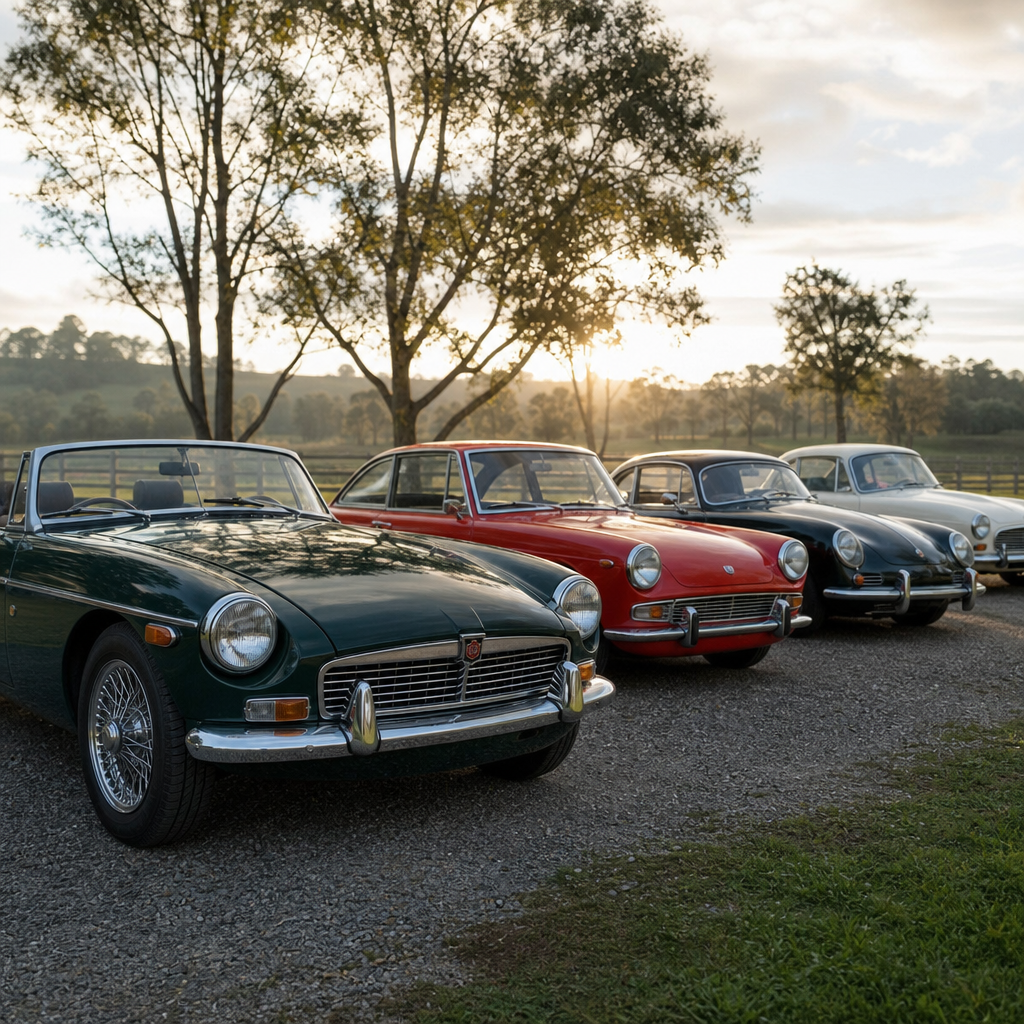
The first step is deciding what part of the hobby appeals to you. “Classic car community” sounds singular, but it includes many overlapping groups: domestic muscle car fans, British roadster owners, air-cooled Porsche enthusiasts, prewar preservationists, lowrider builders, vintage truck collectors, and younger communities centered on 1980s and 1990s analog cars. Each segment has different norms, costs, and expectations. If you love driving and wrenching, a Triumph Spitfire group will feel different from a Packard preservation society. If you want lively local meets and easy parts access, first-generation Mustangs, Chevrolet C10s, and air-cooled Volkswagens often have stronger beginner support than rarer imported models.
A practical way to narrow your focus is to ask four questions. First, do you want to drive often or mostly attend shows? Second, do you enjoy maintenance and troubleshooting, or would you rather hire work out? Third, is authenticity important, or do you prefer modified cars? Fourth, what total annual budget can you support after purchase? These answers shape everything that follows. In my experience, beginners who start with honest self-assessment make better decisions than those who chase whatever car is trending on auction sites like Bring a Trailer or Mecum. An affordable, well-supported driver in a strong enthusiast network is usually a better entry point than an aspirational dream car that spends months immobile.
Your preferred learning style matters too. Some people thrive in marque clubs with newsletters, judging standards, and factory literature. Others learn faster through social media groups, YouTube channels, Discord communities, and local shop events. There is no rule that says you need to choose just one. In fact, the healthiest approach is a mix: use established organizations for technical depth and use casual online spaces for quick answers, event discovery, and social connection.
Start Local: Car Shows, Cruise Nights, Cars and Coffee, and Swap Meets
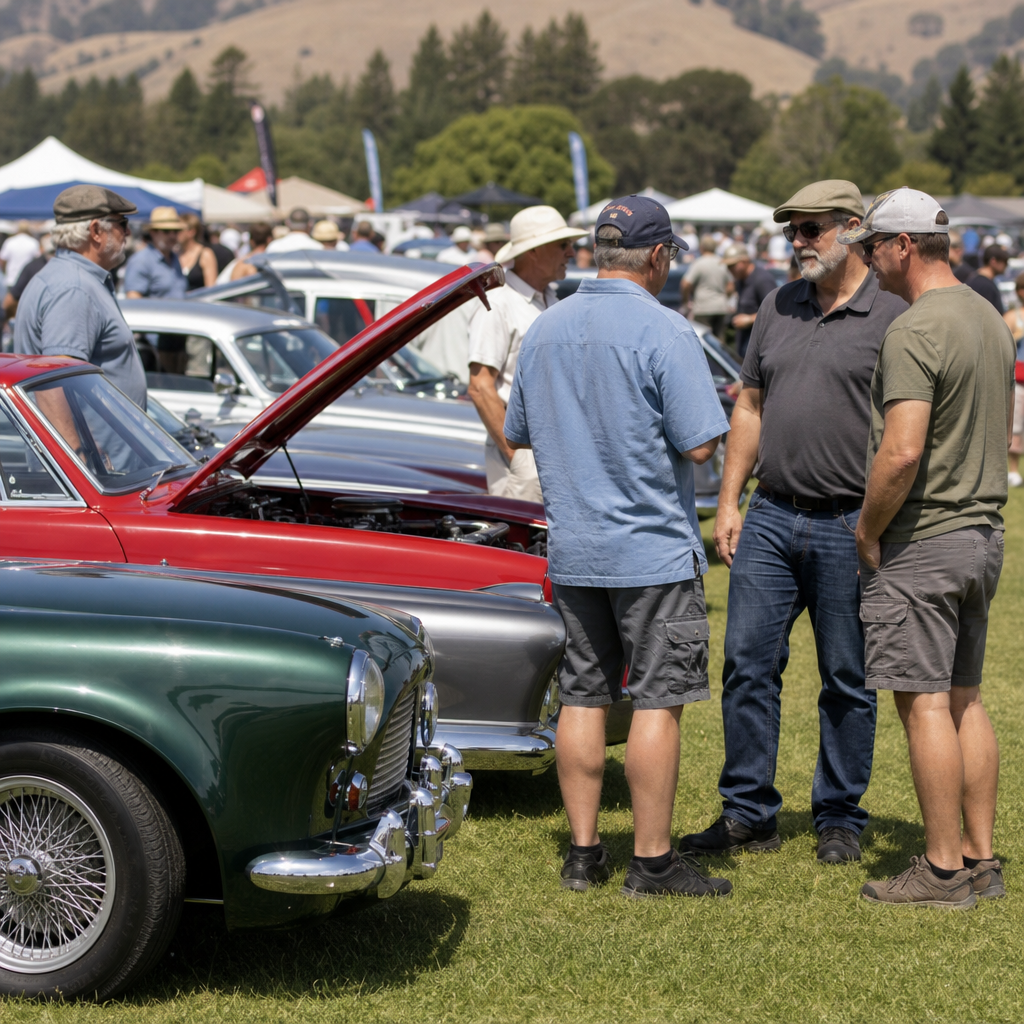
If you want to join the classic car community quickly, show up in person. Local events remain the fastest way to learn because they compress years of background knowledge into direct conversations around actual vehicles. Cruise nights are especially beginner-friendly because the atmosphere is usually informal, owners are near their cars, and questions feel natural. Cars and Coffee events often blend classics with performance and exotic cars, which makes them useful if your taste crosses generations. Traditional judged shows are more structured and often reveal higher standards of restoration, authenticity, and presentation. Swap meets are ideal for understanding parts culture, rarity, and how owners solve sourcing problems.
At these events, pay attention to behavior as much as machinery. The best owners for a beginner to meet are not always the ones with the most expensive cars. Look for people who explain clearly, discuss costs honestly, and admit tradeoffs. A good mentor will tell you why a “cheap project” can become expensive, why some trim parts are harder to find than engines, and why documentation often matters more than shiny paint. Ask what they would buy again, what they would avoid, and which local shops they trust. Those three questions alone can save you thousands.
Consistency matters more than one big appearance. Attend the same monthly meet several times and people will start recognizing you. That is how the community opens up. Invitations to private garage days, charity drives, regional tours, and club breakfasts usually go to familiar faces, not random visitors. Even if you arrive in a daily driver, genuine curiosity and respectful questions are enough to start building credibility.
Choose the Right Communities Online and Offline
Not all classic car groups are equally useful to beginners. Some are welcoming and educational; others are dominated by gatekeeping, misinformation, or endless arguments about originality. A strong club or forum has a few clear traits: knowledgeable members, active moderation, searchable archives, regular events, and a culture that values helping new people. Marque-specific communities are often best for technical detail because members share model-specific fixes, factory changes by year, and trusted vendors. General classic car groups are useful for broad beginner guides, event calendars, and recommendations on transport, storage, and insurance.
Use this framework when comparing where to invest your time:
| Community Type | Best For | Main Advantage | Main Limitation |
|---|---|---|---|
| Local car club | Relationships, events, trusted shops | Face-to-face learning and local referrals | May focus narrowly on one brand or era |
| Marque forum | Technical troubleshooting | Deep archives and model-specific expertise | Some communities are less active than before |
| Social media group | Fast answers and event discovery | Large audience and easy access | Information quality varies widely |
| National club | Standards, judging, history | Publications, documentation, credibility | Can feel formal to younger beginners |
Use online spaces to prepare better in-person questions. Search old threads before posting. Read buying guides. Learn common rust zones, engine codes, trim differences, and registration issues for your target model. Then, when you meet owners at events, your questions become specific and useful instead of generic. That signals seriousness. It also helps experienced members trust that their time will be well spent helping you.
Learn the Basics Before You Buy Anything
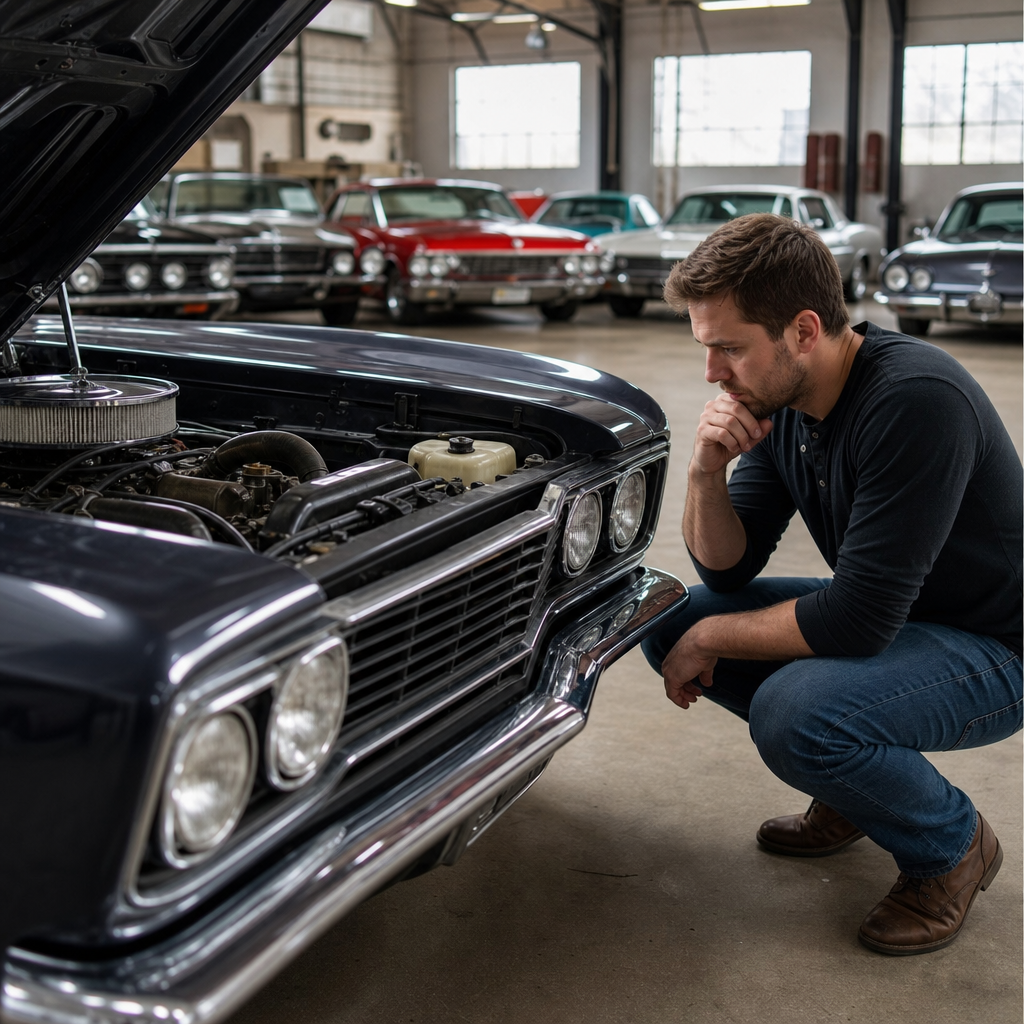
A major beginner mistake is assuming that joining the classic car community requires immediate ownership. It does not. In fact, learning first usually leads to better ownership later. Before buying, understand several fundamentals: body condition matters more than many mechanical issues; rust repair is often more expensive than engine work; trim, glass, and interior pieces can be harder to source than drivetrain parts; documentation affects value; and storage conditions directly influence long-term costs. Anyone can install shiny aftermarket parts, but reversing poor bodywork or missing paperwork is much harder.
Study model-specific buyer checklists from club publications, Hemmings buyer guides, factory service manuals, and auction listings with detailed commentary. Learn what “matching numbers” means in the context of your target vehicle, but also understand when it matters and when it does not. For a concours-focused 1967 Corvette, originality can strongly affect value. For a driver-grade 1972 Chevrolet pickup, practical reliability may matter more. Learn the vocabulary owners use: survivor, restomod, frame-off restoration, patina, provenance, production numbers, period-correct, and deferred maintenance. When you understand these terms, conversations become clearer and less intimidating.
If possible, volunteer your time. Help a friend bleed brakes, install weatherstripping, clean trim, or decode a data plate. Simple exposure teaches you how old cars are built and why certain jobs cost what they do. Many beginners become much better buyers after seeing one restoration in progress, because they finally understand how paint, chrome, upholstery, rubber, wiring, and machine work add up.
Understand Costs, Insurance, Storage, and Legal Basics
Classic cars are not financially impossible, but they are rarely cheap in the long run. Budgeting should include the purchase price, pre-purchase inspection, transport if needed, immediate safety work, registration, insurance, fluids, tires, battery, and a repair reserve. Specialty insurers such as Hagerty, Grundy, and American Collectors Insurance typically offer agreed-value policies, but they often require secure storage, limited use, and another daily driver in the household. Read terms carefully. An agreed-value policy is useful because it establishes a payout amount in advance, but usage restrictions matter if you plan frequent commuting or commercial use.
Storage deserves serious attention. A dry, enclosed garage is ideal. A breathable cover is helpful indoors; a cheap tarp outdoors is not. Moisture causes corrosion, mold, electrical issues, and interior damage. If you cannot store a car properly, delay purchase and stay active in the community another season. That is a smart decision, not a failure. Registration rules also vary. Some states offer historic or antique plates with mileage or event-use restrictions. Those plates can save money, but they may not suit a car you intend to drive regularly.
Always verify title status, VIN consistency, and any lien issues before purchase. On older cars, missing or mismatched identification can create major headaches. If the seller says the paperwork is “easy to sort out,” assume it is not. Experienced community members know this, and they will respect you for treating documentation as seriously as sheet metal.
Contribute Before Ownership and Build Long-Term Credibility
You do not need a car to belong. Some of the most respected people in the classic car community started as volunteers, photographers, event marshals, newsletter contributors, or the reliable person who always helps set up a local show. Offer useful energy. Join club workdays, charity cruises, museum events, or preservation efforts. If you have a professional skill, apply it. Designers can help with flyers, accountants can assist nonprofits, and detail-oriented beginners can help catalog parts or archive old documents. Contribution creates belonging faster than consumption.
When you eventually buy, keep your early goals modest. Aim for a solid driver with strong support, not a heroic rescue unless you truly want a long project. Ask for pre-purchase inspections from model-savvy mechanics. Bring a magnet, flashlight, and checklist, but also bring humility. The best first classic car is one that gets you into the community repeatedly through drives, meets, and maintenance sessions. Momentum matters more than bragging rights.
Over time, credibility comes from consistency. Show up. Follow through. Share what you learn accurately. Give credit when someone helps you. Respect different styles, from factory-original restorations to carefully engineered restomods, even if they are not your preference. The classic car world includes strong opinions, but the healthiest communities make room for preservation, modification, and daily enjoyment as long as the owner is informed and responsible.
The simplest answer to how to join the classic car community is this: start learning, start showing up, and start helping. Define your interests, attend local events, choose trustworthy groups, study before buying, and understand the real costs of ownership. Those steps turn the hobby from something that looks exclusive into something practical and welcoming. You do not need expert-level knowledge on day one, and you do not need a garage full of tools. You need curiosity, patience, and the discipline to learn from people who have already made the mistakes you want to avoid.
As a beginner hub within classic car basics and education, this guide points to the core principles that support every next step: evaluating cars, budgeting for ownership, reading documentation, finding insurance, locating parts, and choosing between preservation and modification. The main benefit of joining the community the right way is not just owning an older vehicle. It is gaining access to shared experience, trusted advice, and the satisfaction of participating in automotive history with confidence instead of guesswork.
If you are ready to begin, pick one local event this month, join one high-quality club or forum, and start a shortlist of cars that fit your budget, storage, and goals. That is enough to move from interested observer to active participant, which is where every lasting classic car journey begins.
Frequently Asked Questions
What does it really mean to join the classic car community?
Joining the classic car community does not mean signing up for one single organization or owning one specific type of vehicle. It means becoming part of a broad, overlapping network of people who care about older automobiles for different reasons. Some members are restorers focused on factory-correct details, some are collectors preserving rare models, some are drivers who enjoy weekend road trips, and others are historians, hobby mechanics, photographers, or first-time buyers learning the basics. What connects them is a shared respect for the design, engineering, history, and culture surrounding older vehicles.
In practice, joining the community usually starts with participation rather than ownership status. You can attend local car shows, cruise-ins, auctions, museum events, club meetings, charity drives, and online discussion groups long before you buy a car. Many people become active members of the community while they are still researching their first purchase. That is important because it helps you learn the language, understand different eras and brands, and meet experienced owners who can offer realistic advice about costs, maintenance, and ownership expectations.
It is also helpful to understand that the term “classic car” is flexible. A vehicle may be considered classic because of its age, rarity, styling, historical importance, or collector interest, but the exact definition varies depending on insurance companies, state registration rules, and enthusiast organizations. Because of that, the community tends to be more diverse than many newcomers expect. You will find people who love prewar cars, American muscle, British roadsters, vintage trucks, European luxury sedans, Japanese classics, and 1980s or 1990s models that are only now earning broader recognition. The best way to join is to show genuine interest, ask thoughtful questions, and participate consistently.
Do I need to own a classic car before I can become part of the community?
No, you do not need to own a classic car to become part of the classic car community. Ownership helps deepen the experience, but it is not a requirement for getting involved. In fact, many long-term enthusiasts recommend spending time in the community before making a purchase. Doing so gives you a much clearer understanding of what ownership actually involves, from storage and maintenance to parts availability, insurance, registration, and the difference between a car that looks good in photos and one that is practical for your goals.
If you are new, there are many ways to participate without buying immediately. You can visit local shows and swap meets, volunteer at club events, join online forums, subscribe to marque-specific groups, follow restoration channels, and talk with owners about what they love and what they wish they had known earlier. These conversations can save you from making an expensive mistake. They can also help you figure out whether you are more interested in preservation, casual driving, mechanical projects, or collecting.
Being involved before ownership also helps you build trusted relationships. That matters because the classic car world still runs heavily on referrals, reputation, and firsthand knowledge. A knowledgeable club member may point you toward a solid car before it is publicly listed, warn you away from a poor restoration, or recommend a reliable mechanic, body shop, appraiser, or insurer. In other words, joining the community first can make you a smarter, more confident buyer later. Enthusiasm, curiosity, and consistency count just as much as having a set of keys.
What are the best ways for a beginner to meet people and get involved?
The most effective way for a beginner to get involved is to combine in-person participation with online learning. Start locally whenever possible. Community car shows, cruise nights, Cars and Coffee gatherings, marque club meetings, museum events, and charity rallies are all excellent entry points because they let you see a wide variety of vehicles and talk directly with owners in a relaxed setting. Most enthusiasts are happy to discuss their cars, especially when approached respectfully and with genuine curiosity.
Clubs can be especially valuable because they provide structure, experience, and access to people who have already solved many of the problems new enthusiasts face. Some clubs are broad and welcome any vintage vehicle, while others focus on a particular make, era, or style. If one club feels too formal or narrowly focused, try another. The classic car community is not one-size-fits-all, and finding the right fit often makes a big difference in how comfortable and connected you feel.
Online communities are equally important, especially for research and ongoing support. Forums, social media groups, auction sites, restoration channels, and enthusiast websites can help you learn model-specific issues, market values, and maintenance realities. The key is to use online spaces as a supplement to real-world relationships, not a replacement for them. A strong approach is to attend events, meet people, and then stay connected through digital groups where you can keep learning between gatherings. Over time, regular attendance, thoughtful questions, and a willingness to listen will naturally help you become known and welcomed.
How do I choose the right classic car if I am just getting started?
The right first classic car is usually the one that matches your budget, experience level, storage situation, and intended use, not necessarily the one that looks most exciting on a poster. Beginners often make the mistake of shopping only with emotion, which can lead to buying a car that is too rare, too expensive to maintain, too difficult to source parts for, or too unfinished to enjoy. A better approach is to define your goals early. Ask yourself whether you want a car to drive regularly, take to local shows, restore as a long-term project, or preserve as a mostly original survivor.
Once your goals are clear, focus on practicality. Research parts availability, mechanical complexity, rust issues, insurance requirements, registration rules, and the depth of owner support around a particular make or model. Cars with strong club networks and readily available parts are often much more beginner-friendly than obscure models, even if they are less exotic. It is also wise to buy the best example you can afford rather than the cheapest example you can find. Deferred maintenance, rust repair, upholstery work, and missing trim can quickly make a “bargain” far more expensive than a better-kept car.
Whenever possible, bring an experienced enthusiast, mechanic, or model specialist to inspect any car you are seriously considering. Photos can hide poor bodywork, corrosion, fluid leaks, electrical problems, and questionable restoration quality. Service records, ownership history, originality, and overall condition matter more than a polished exterior alone. For many first-time buyers, a running, sorted, and well-documented driver is the best starting point because it lets you enjoy the hobby immediately while learning ownership skills gradually. The goal is not to buy the most impressive car in the room. The goal is to buy a car that helps you stay engaged, learn confidently, and enjoy the community for the long term.
What should I know about etiquette, costs, and long-term involvement in the classic car world?
Good etiquette goes a long way in the classic car community. If you are attending events, ask before touching a vehicle, avoid leaning on paintwork, and be respectful of the owner’s time and effort. When asking questions, show interest rather than trying to prove knowledge. Enthusiasts generally respond very well to honest curiosity, especially from newcomers who want to learn. If you join a club or online group, read the room first. Every community has its own tone, traditions, and preferences, and understanding those norms will help you build credibility more quickly.
Costs are another area where realism matters. Buying the car is only the beginning. You should also plan for storage, maintenance, fluids, tires, battery care, detailing, registration, insurance, and repairs that come with older vehicles. Even a well-kept classic may need age-related attention. If the car is rare or highly specialized, labor and parts can be significantly more expensive. That does not mean the hobby is only for large collectors, but it does mean that budgeting honestly is essential. Many rewarding experiences in the hobby come from modest, usable classics rather than top-tier show cars.
Long-term involvement usually grows from consistency. Attend events regularly, stay in touch with people you meet, share what you are learning, and contribute when you can. That contribution might mean volunteering at a club event, helping another member source parts, supporting local shows, or simply encouraging other newcomers. The community is strongest when it is shared across generations and experience levels. If you approach it with patience, respect, and genuine enthusiasm, you will find that the classic car world offers far more than ownership alone. It offers friendships, practical knowledge, memorable experiences, and a deeper connection to automotive history and culture.