Getting into vintage motoring is exciting, but many beginners quickly discover that enthusiasm alone does not answer practical questions about buying, maintaining, insuring, storing, and driving an older vehicle. Where to find help as a new classic car enthusiast becomes the defining question because the quality of your early advice often determines whether the hobby feels rewarding or expensive and frustrating. A classic car, broadly, is an older vehicle valued for historical interest, design, engineering, or cultural significance rather than simple transportation. Depending on the club, insurer, or registration authority, that can mean anything from a 20-year-old modern classic to a prewar collector car. A beginner guide to the hobby therefore has to cover more than models and prices. It must identify trustworthy sources of knowledge, explain how to evaluate guidance, and show where newcomers can learn the basics without being overwhelmed.
In my own work around collector vehicles, I have seen first-time buyers make the same preventable mistakes: trusting a vague online listing, underestimating rust repair, skipping a pre-purchase inspection, or assuming every mechanic who works on older cars understands carburetors, drum brakes, or positive-ground electrical systems. The good news is that classic car help is widely available if you know where to look. Clubs, specialist forums, restoration shops, auction archives, factory manuals, insurers, valuation tools, and local events all offer useful guidance, but each source solves a different problem. Some are best for model-specific troubleshooting. Others are best for market prices, ownership costs, registration rules, or finding parts. For a newcomer building confidence, this hub page maps those sources clearly so you can learn in the right order and avoid costly trial and error.
Why does that matter so much? Because older vehicles are not supported like modern daily drivers. Parts may be discontinued, repairs may require specialist knowledge, and originality can affect value significantly. A correct generator rebuild, period-correct trim piece, or matching-numbers engine can mean far more to a collector than a generic replacement part. At the same time, not every beginner needs concours-level knowledge. Many people simply want a reliable weekend car, a family heirloom back on the road, or a practical entry into the classic car community. Good help aligns your goals with the right car, budget, and expectations. This article serves as a central beginner guide within classic car basics and education, showing where to get dependable answers and how to use each source intelligently.
Start with clubs, communities, and local events
The best first step for a new enthusiast is usually the community closest to the car you like. Local car clubs, marque clubs, and model-specific owner associations are often the fastest route to accurate, experience-based help. The Antique Automobile Club of America, the Classic Car Club of America, the MG Car Club, the Porsche Club of America, and countless regional organizations maintain technical libraries, event calendars, classified listings, and membership networks. Even when a club’s focus is broader than your exact car, long-time members often know which trim pieces interchange, which reproduction parts are acceptable, and which shops in your area can actually fix an SU carburetor or rebuild a Hydramatic transmission properly.
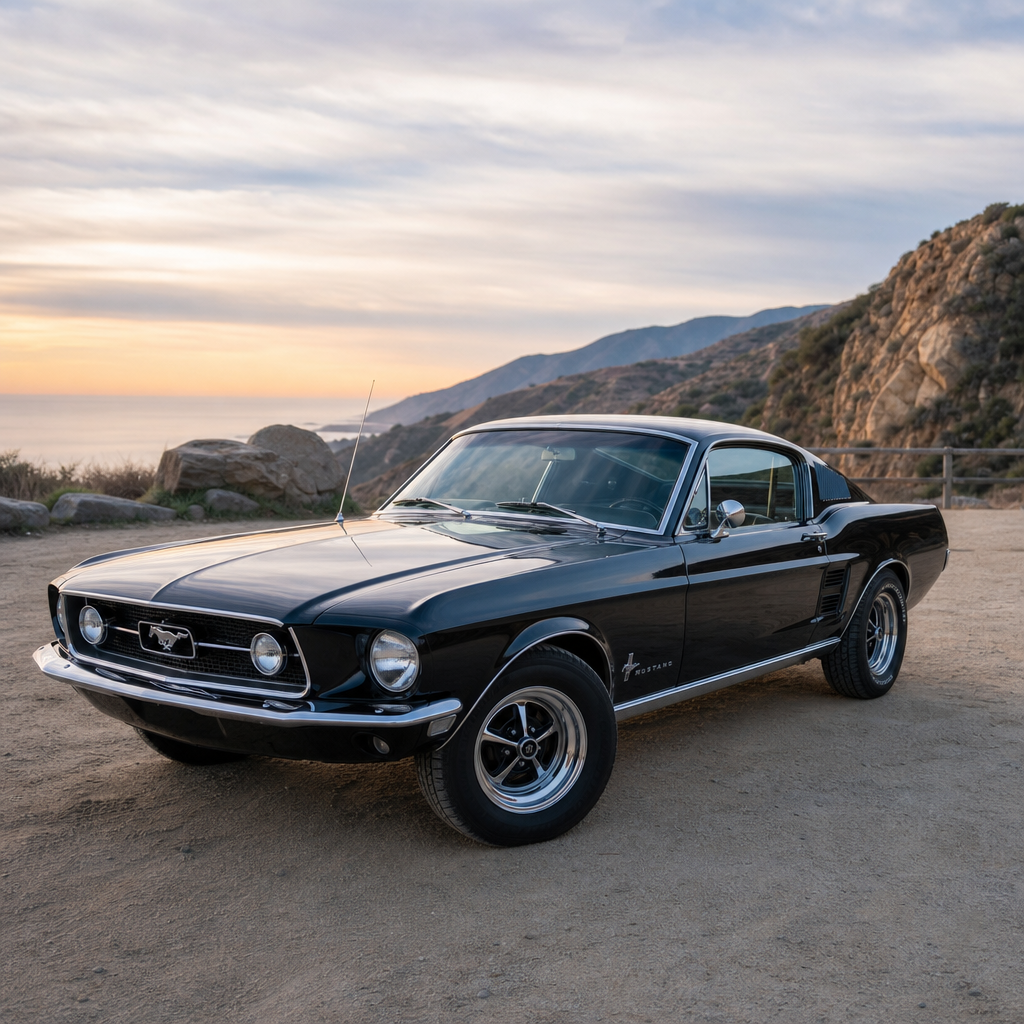
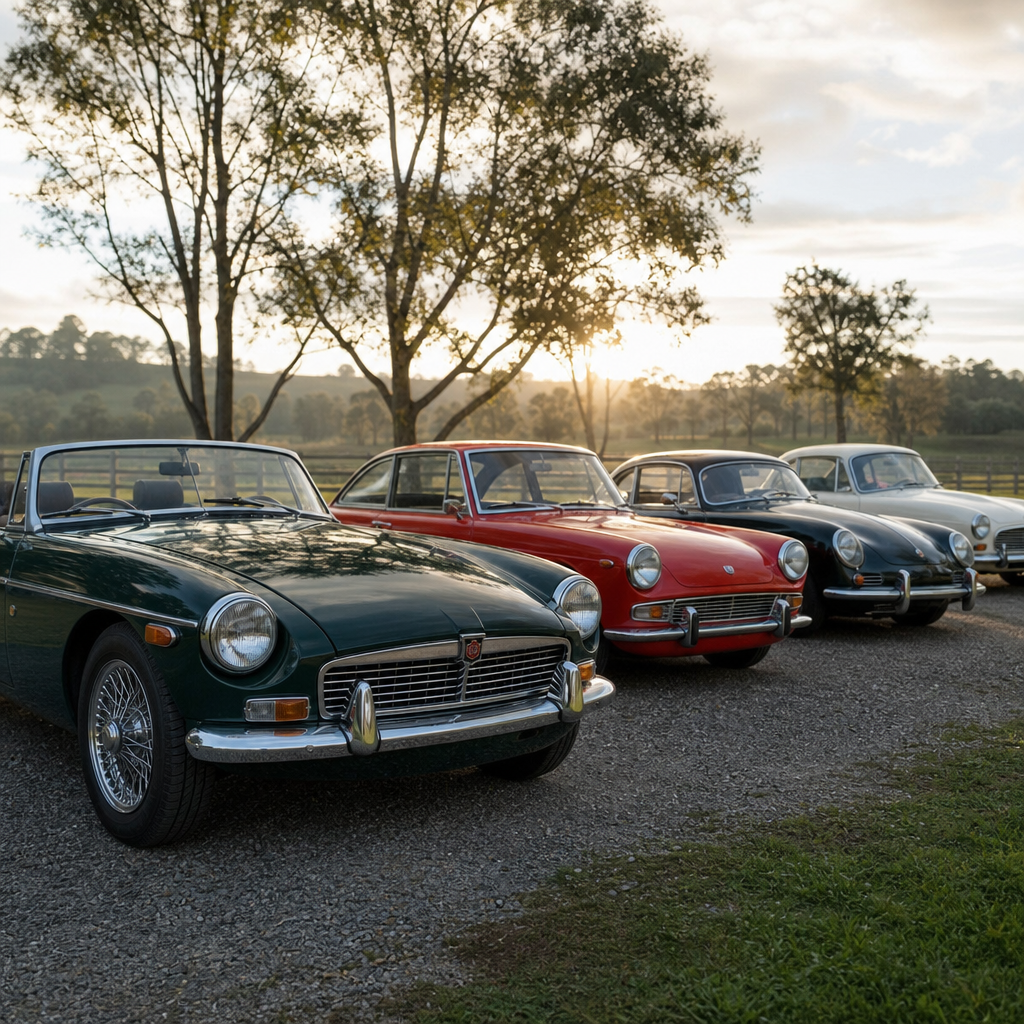
Shows, cars-and-coffee gatherings, and swap meets are equally valuable because they let you compare real cars side by side. A beginner who sees ten first-generation Mustangs in one morning learns more about paint quality, panel fit, interior originality, and restoration standards than by scrolling photos online for a week. Owners will usually tell you what went wrong, what parts were hard to source, and what they would do differently. That honesty is more useful than polished sales language. Local events also help you understand the social side of the hobby: who the trusted inspectors are, which auction houses have a solid reputation, and where parts vendors stand behind what they sell.
For many beginners, online communities fill the gap between events. Well-moderated forums, model groups, and club message boards can be excellent for troubleshooting and identifying suppliers. The key is to judge the quality of advice. Strong communities cite workshop manuals, production changes by year, and known failure points instead of repeating myths. If five experienced owners all recommend checking frame rails on a W113 SL or cowl rust on a Tri-Five Chevrolet, pay attention. If a reply dismisses concerns without detail, keep looking. A newcomer should treat forums as a starting point for verification, not the final authority.
Use manuals, registries, and specialist publications as your foundation
If clubs provide practical wisdom, manuals and reference materials provide the technical backbone. Every new classic car enthusiast should learn the difference between an owner’s manual, a factory service manual, a parts catalog, and an aftermarket repair manual. The owner’s manual explains operation and routine checks. The factory service manual gives procedures, torque specifications, wiring diagrams, fluid capacities, and adjustment sequences. The parts catalog is invaluable because exploded diagrams and part numbers often reveal how assemblies fit together and whether components changed between production years. Publications from Bentley Publishers, Haynes, Chilton, Brooklands Books, and marque specialists can also help, but factory literature remains the benchmark when accuracy matters.
Registries and authenticity guides matter for a different reason: they help you understand what the car should be. Many beginners focus on whether a vehicle runs, but in collector markets, originality and documentation affect value just as much as drivability. Production registries, chassis-number databases, trim code references, and option lists can confirm whether a car’s engine, transmission, color, and equipment are consistent with its build period. For example, a 1967 Camaro, Jaguar E-Type, or Mercedes-Benz Pagoda may look correct to a newcomer while carrying later parts, incorrect badging, or an interior trimmed in non-original materials. That does not always make it a bad car, but it changes the price conversation and your restoration plan.
Specialist magazines and digital archives remain useful because they combine road tests, buyer’s guides, restoration stories, and market reporting. Publications such as Hemmings, Classic Motorsports, Octane, and marque journals frequently explain ownership realities in plain language. Their buyer’s guides often highlight rust zones, weak driveline components, difficult trim items, and realistic maintenance budgets. Auction archives from RM Sotheby’s, Gooding Christie’s, Bonhams, and Bring a Trailer can also help you study photos, provenance, and sale results. Looking at many listings trains your eye. You start to notice signs of overspray, underbody coating used to hide corrosion, seat upholstery patterns that do not match factory styles, or engine bays restored more for appearance than mechanical correctness.
Find the right professionals before you need them
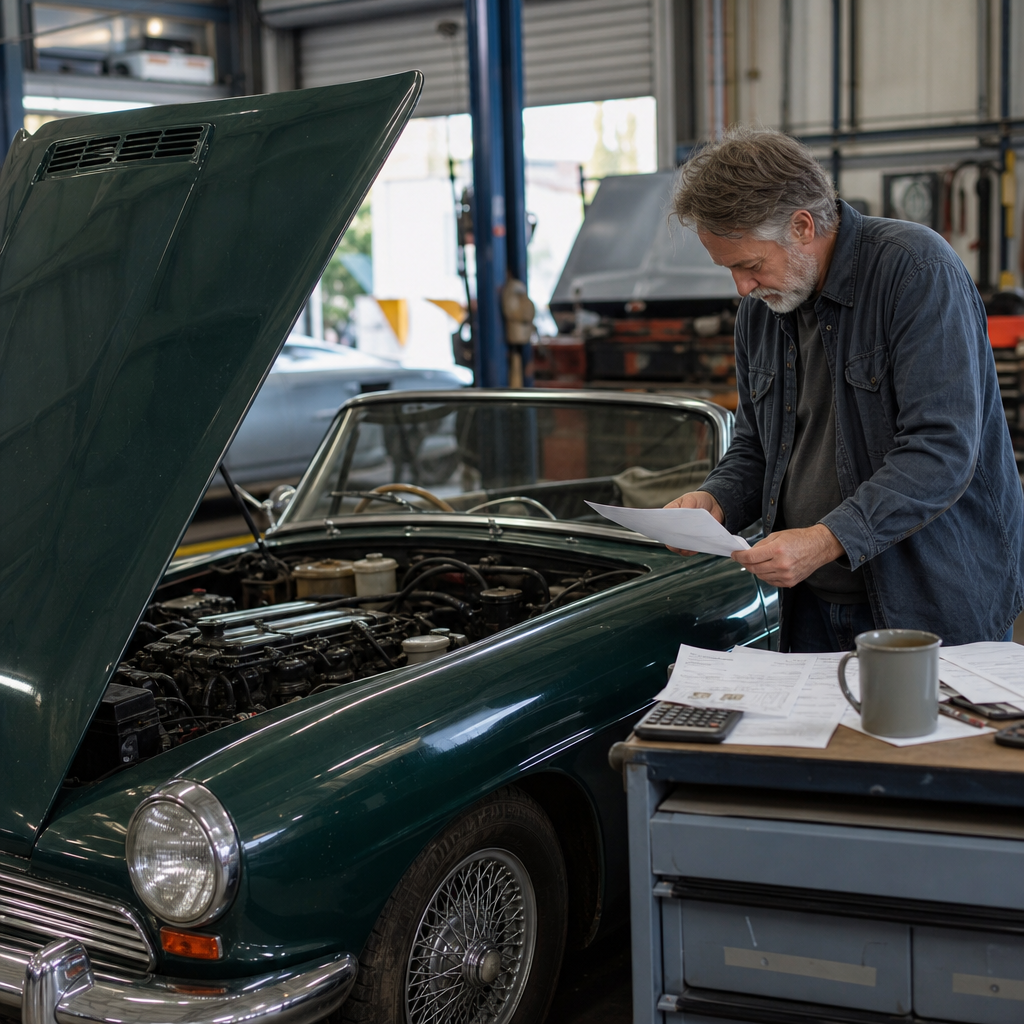
One of the biggest beginner mistakes is buying a classic car first and looking for specialists later. The smarter approach is to build your support network before money changes hands. A proper pre-purchase inspection by a marque specialist is one of the best investments in the hobby. General mechanics may miss weak compression patterns, chassis rust hidden in known trap areas, incorrect casting numbers, tired kingpins, or problematic wiring modifications. A specialist understands the car’s common issues and can separate manageable faults from structural or financial disasters. That inspection should include a road test when possible, compression or leak-down testing when appropriate, a lift inspection, and verification of identification numbers.
Beyond inspectors, new owners need relationships with restoration shops, machine shops, trim specialists, transport companies, and insurance providers. Not every old-car workshop is equal. Ask what models they service regularly, whether they subcontract paint and upholstery, how they document work, and whether they can provide references. A strong shop will discuss parts lead times, labor hours, corrosion repair methods, and the tradeoff between preservation and restoration. If a shop promises a quick, cheap, show-quality build, that is a warning sign. Quality metalwork, paint preparation, and mechanical sorting take time, and the best professionals explain constraints clearly.
| Help source | Best use for beginners | What to verify |
|---|---|---|
| Marque club | Model-specific advice, local referrals, events | Whether recommendations come from direct ownership experience |
| Factory service manual | Correct procedures, specifications, wiring | Edition matches your production year and engine |
| Pre-purchase inspector | Buying decision, condition report, valuation context | Specialist experience with the exact model family |
| Auction archives | Photo comparison, documentation standards, pricing trends | Whether sale prices reflect premium examples or average drivers |
| Specialist insurer | Agreed value coverage, storage guidance, usage rules | Mileage limits, valuation basis, spare parts coverage |
| Parts supplier | Routine maintenance items and hard-to-find components | Original, NOS, reproduction, or refurbished quality level |
Insurance deserves special attention because classic car policies differ from standard auto coverage. Providers such as Hagerty, Grundy, and American Collectors Insurance often offer agreed value policies, meaning the insured value is set upfront rather than argued after a loss. For a beginner, that clarity matters. These insurers also publish educational resources on storage, theft prevention, towing, and seasonal use. Reading policy terms carefully is essential, however. Mileage restrictions, garaging requirements, driver eligibility, and spare parts coverage vary. Good help does not just tell you where to buy insurance; it tells you how to match the policy to how you will actually use the car.
Learn how to evaluate cars, costs, and parts realistically
Beginners often ask, “What is the best first classic car?” The honest answer is the best-supported car you genuinely like, can afford to sort, and can get parts for without a six-month hunt. Help in this stage comes from valuation guides, buyer’s checklists, and owners who have already lived with the model. Hagerty Price Guide, auction results, and specialist dealer listings provide market context, but price alone is never enough. Two cars with similar asking prices can differ dramatically in hidden rust, incomplete trim, engine originality, or restoration quality. A cheaper project is frequently more expensive than a well-sorted driver once bodywork, upholstery, chrome, and electrical repairs are counted.
Parts support is another make-or-break issue. Some entry-level classics, including MGBs, first-generation Mustangs, classic Minis, air-cooled Volkswagens, and certain Chevrolet trucks, benefit from exceptional aftermarket and reproduction support. Others require patient searching through club contacts, specialist dismantlers, and international suppliers. New enthusiasts should learn the categories of parts they are buying: original used, new old stock, reproduction, remanufactured, or upgraded aftermarket. Each has tradeoffs. New old stock can preserve originality but may be costly and old rubber may still deteriorate. Reproduction trim can look good from a distance but fit poorly. Upgraded ignition or cooling components may improve reliability while reducing authenticity. Good advice explains those compromises honestly.
Operating costs should be estimated before purchase, not after. Fuel economy, tire sizing, brake component availability, storage needs, and regular service intervals all affect ownership satisfaction. Carbureted cars that sit too long may need fuel system attention. Cars with wooden structural elements, hydraulic suspension, or complex fuel injection systems can demand specialized care. Even transport costs matter if the nearest qualified shop is several hours away. When I advise beginners, I suggest creating a first-year budget with four lines: purchase price, immediate safety work, deferred cosmetic work, and contingency reserve. That simple framework prevents the common error of spending the full budget on the purchase and having nothing left for tires, hoses, wheel cylinders, or battery cables.
Build skills gradually through trusted beginner guides and hands-on learning
A true beginner guide to classic cars should not push every owner into full restoration. It should help you build competence in layers. Start with systems literacy: understand ignition, fuel delivery, cooling, brakes, charging, and basic wiring. Then learn inspection routines such as checking fluid condition, looking for fuel seepage, identifying vacuum leaks, inspecting rubber bushings, and reading spark plugs. Many clubs, community colleges, restoration schools, and content from reputable shops teach these basics well. Video can be useful, but the best learning still happens when you compare what you see on screen with the service manual and the actual car in front of you.
Hands-on experience is where confidence grows. Begin with low-risk jobs: battery maintenance, belt inspection, bulb replacement, points adjustment if applicable, oil changes, grease fittings, and cooling system checks. Move up to brake servicing, tune-ups, and carburetor synchronization only when you understand the procedure and have the right tools. Accuracy matters. Over-tightening an oil pan fastener, misrouting a vacuum line, or setting timing by guesswork can create bigger problems than the one you meant to fix. A reliable torque wrench, dwell meter for applicable systems, timing light, multimeter, and jack stands are more useful to a beginner than a huge box of random tools.
Just as important is knowing when not to do it yourself. Structural rust repair, gearbox rebuilding, paint preparation, machining, and upholstery work usually require specialist capability. There is no shame in outsourcing critical work. In fact, that judgment is part of becoming a capable enthusiast. Keep records of every job, part number, fluid specification, and setting. A simple binder or digital spreadsheet becomes invaluable when troubleshooting later, selling the car, or explaining the vehicle to an insurer or future shop. Over time, your own documentation becomes one of your most important sources of help because it turns a mysterious old car into a machine with a known history.
Use this hub to plan your next steps in classic car education
New classic car enthusiasts do not need to know everything on day one, but they do need reliable places to turn. Start with clubs and local events for human guidance, use manuals and registries for technical accuracy, line up specialists before you buy, and study values, parts support, and ownership costs with clear eyes. Treat every source according to its strength: forums for patterns, manuals for specifications, inspectors for condition, insurers for coverage details, and experienced owners for lived reality. That approach saves money, reduces risk, and makes the hobby more enjoyable from the beginning.
As a hub within classic car basics and education, this page is your starting map for the full beginner journey. From here, the next logical topics are how to choose a first classic car, how to inspect one before purchase, how classic car insurance works, how to store an older vehicle correctly, and which maintenance tasks every new owner should understand. Master those areas and you will make better decisions with confidence. Use this guide to identify your local club, download the correct manual, and schedule expert advice before your first purchase. That single step will put you ahead of most beginners and set up a far better ownership experience.
Frequently Asked Questions
Where should a new classic car enthusiast look first for trustworthy help?
A smart starting point is to build a small circle of reliable sources rather than relying on a single opinion. For most beginners, the best first stops are marque-specific owners’ clubs, local classic car clubs, reputable specialist garages, and well-moderated online forums dedicated to a particular make, model, or era. These communities usually offer practical advice that goes far beyond general motoring information. They can tell you which cars are beginner-friendly, what parts are hard to find, which problems are normal for a certain model, and which warning signs should make you walk away from a purchase.
Owners’ clubs are especially useful because their members often have years or even decades of experience with the same vehicles you are considering. That means the advice tends to be more accurate and more relevant than broad internet searches. A local club adds another advantage: you can meet people face to face, see real cars in different conditions, and often get introductions to trusted mechanics, body shops, trimmers, insurers, and parts suppliers. If you are new, attending a few events and asking basic questions is completely normal. Most long-time enthusiasts are happy to help someone who is genuinely interested in learning.
It also helps to compare advice across a few sources. If a club member, a restoration specialist, and a model-specific forum all say the same thing about rust, cooling issues, or poor parts quality, that is usually a good sign the information is dependable. The goal early on is not to know everything. It is to learn where accurate, experience-based guidance is coming from so you can make better decisions with more confidence.
How can I tell whether classic car buying advice is actually reliable?
Reliable buying advice is usually specific, experience-based, and balanced. Be cautious with vague statements like “they all do that” or “it just needs a little work” unless the person can explain exactly what that means in mechanical and financial terms. Strong advice typically includes details about known weak points, inspection priorities, ownership costs, and realistic repair timelines. For example, an experienced enthusiast should be able to tell you where a certain car tends to rust, which engine noises matter, what paperwork should come with the vehicle, and what a proper repair normally costs rather than giving only general reassurance.
One of the best ways to test advice is to ask follow-up questions. If someone recommends a model, ask why it suits a beginner. If they warn you away from a project car, ask what repairs are likely and how difficult they are. If they say a car is “original,” ask which parts have been replaced and whether that affects value or drivability. People with genuine knowledge can usually answer clearly and consistently. People who are guessing often stay vague, overpromise, or focus only on the exciting parts of ownership while ignoring costs and complexity.
Whenever possible, get a pre-purchase inspection from a specialist who knows that type of vehicle. This is one of the most valuable forms of help a beginner can buy. An expert inspection can reveal corrosion, accident repairs, poor restorations, mechanical neglect, and missing components that a new enthusiast may not spot. It also gives you a more objective view when enthusiasm starts to cloud judgment. In the classic car world, good advice protects you not only from buying the wrong car, but from underestimating what it will take to make the right car enjoyable and dependable.
Who can help with maintaining and repairing a classic car if I am not mechanically experienced?
You do not need to be an expert mechanic to enjoy classic car ownership, but you do need access to the right support. A specialist garage with proven experience in older vehicles is often the most important professional contact you can have. Classic cars differ from modern vehicles in parts availability, diagnostic methods, materials, and service routines. A mechanic who is excellent with current cars may not necessarily be the right person for carburetors, ignition timing, drum brakes, manual choke systems, period electrical components, or rust-prone structures. Choosing a workshop that understands classic vehicles can save both money and frustration over time.
In addition to a professional mechanic, owners’ clubs and model-specific communities can be incredibly helpful for everyday maintenance questions. They often share workshop manual recommendations, service schedules, troubleshooting tips, and step-by-step guidance for common jobs. Even if you are not ready to carry out repairs yourself, learning the basics helps you speak more confidently with specialists and spot potential issues earlier. Many beginners start with simple tasks such as checking fluids, maintaining battery health, inspecting tires, cleaning electrical contacts, or understanding warm-up procedures. That kind of knowledge can make ownership far less intimidating.
It is also wise to ask experienced owners for referrals before choosing a repairer. A trusted recommendation matters because classic car work can vary widely in quality. Ask whether the shop communicates clearly, keeps realistic timelines, documents work properly, and understands the difference between preservation, sympathetic repair, and full restoration. For a beginner, the right help is not just someone who can fix the car. It is someone who can explain what needs doing now, what can wait, and how to maintain the car responsibly without turning every issue into a major and expensive project.
What kind of help is available for insurance, storage, and everyday ownership decisions?
New classic car owners often focus on the purchase itself and only later realize that insurance, storage, security, and usage habits can have just as much impact on the experience. Specialist classic car insurers are usually the best place to start because they understand limited-mileage use, agreed-value policies, laid-up cover, and the realities of preserving older vehicles. A general insurer may not appreciate the car’s value, may not cover it appropriately, or may offer terms that do not fit how classic cars are typically used. A specialist broker can also explain requirements around garaging, security devices, mileage declarations, and documentation.
Storage advice is equally important, especially if you live in a damp climate or do not have dedicated indoor space. Long-term exposure to moisture is one of the quickest ways to turn an enjoyable classic into a costly restoration. Good help on storage can come from club members, restorers, and specialist insurers, all of whom have seen what poor conditions can do to paint, chrome, trim, interiors, seals, and structural metalwork. The goal is usually a dry, ventilated, secure environment rather than simply covering the car and hoping for the best. Depending on the vehicle, experienced owners may also advise on trickle chargers, fuel stabilization, tire care, and periodic movement during storage.
For everyday ownership decisions, talking to people who actually use their classics regularly is very helpful. They can explain warm-up practices, sensible maintenance intervals, spare parts to carry, breakdown cover options, and how to plan journeys without treating every drive as a risk. This kind of practical guidance is often what makes the difference between owning a classic in theory and enjoying it in real life. The best help comes from people who combine technical understanding with real-world use, because they can steer you toward habits that protect the car while still letting you enjoy it.
Are online forums and social media groups good places for new classic car enthusiasts to get help?
They can be extremely useful, but they work best when used carefully. Online forums, enthusiast groups, and social platforms give beginners access to a large pool of knowledge very quickly. You can search past discussions, compare experiences, identify recurring problems, and ask model-specific questions at almost any time. This is especially valuable if you own a less common vehicle or live somewhere without a strong local classic car scene. Many newcomers learn a great deal from reading restoration threads, maintenance guides, buying checklists, and owner experiences before they ever turn a spanner or attend an event.
That said, online advice should always be filtered. Not every confident answer is a correct one, and social media in particular can reward speed and certainty over accuracy. The most reliable online communities are usually the ones with knowledgeable long-term members, clear moderation, detailed archives, and a culture of explaining rather than arguing. Look for answers that include specifics, photographs, part references, known factory details, or firsthand repair experience. If several respected members independently point to the same solution or warning, that information is generally more dependable than a single dramatic opinion.
The best approach is to use online help as part of a wider support network. It is excellent for research, troubleshooting, and learning the language of classic car ownership, but major decisions should still be backed up by real-world inspection or specialist advice. If an online group says a particular noise is harmless, but a marque expert wants to inspect the engine, trust the person who can actually examine the car. In other words, forums and social media are powerful tools for a new enthusiast, but they are most effective when combined with club knowledge, reputable professionals, and your own growing experience.