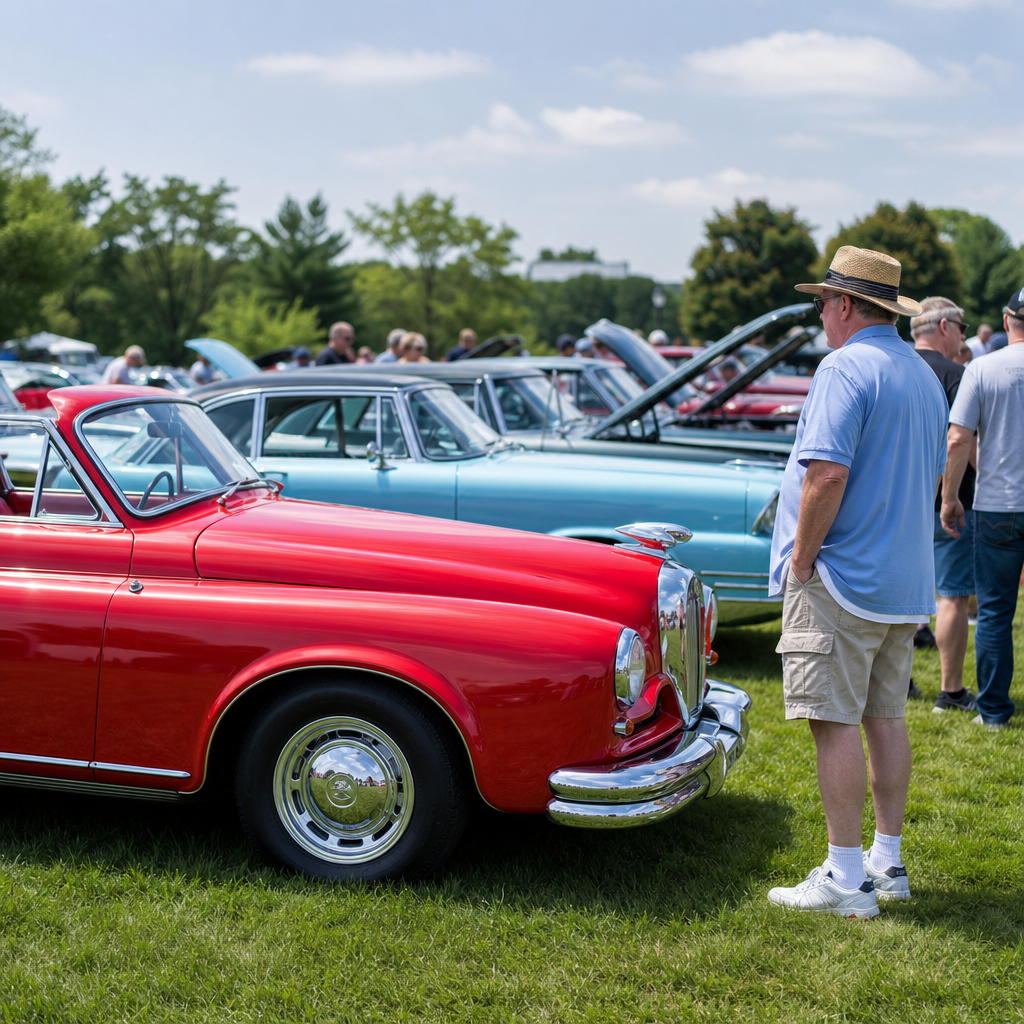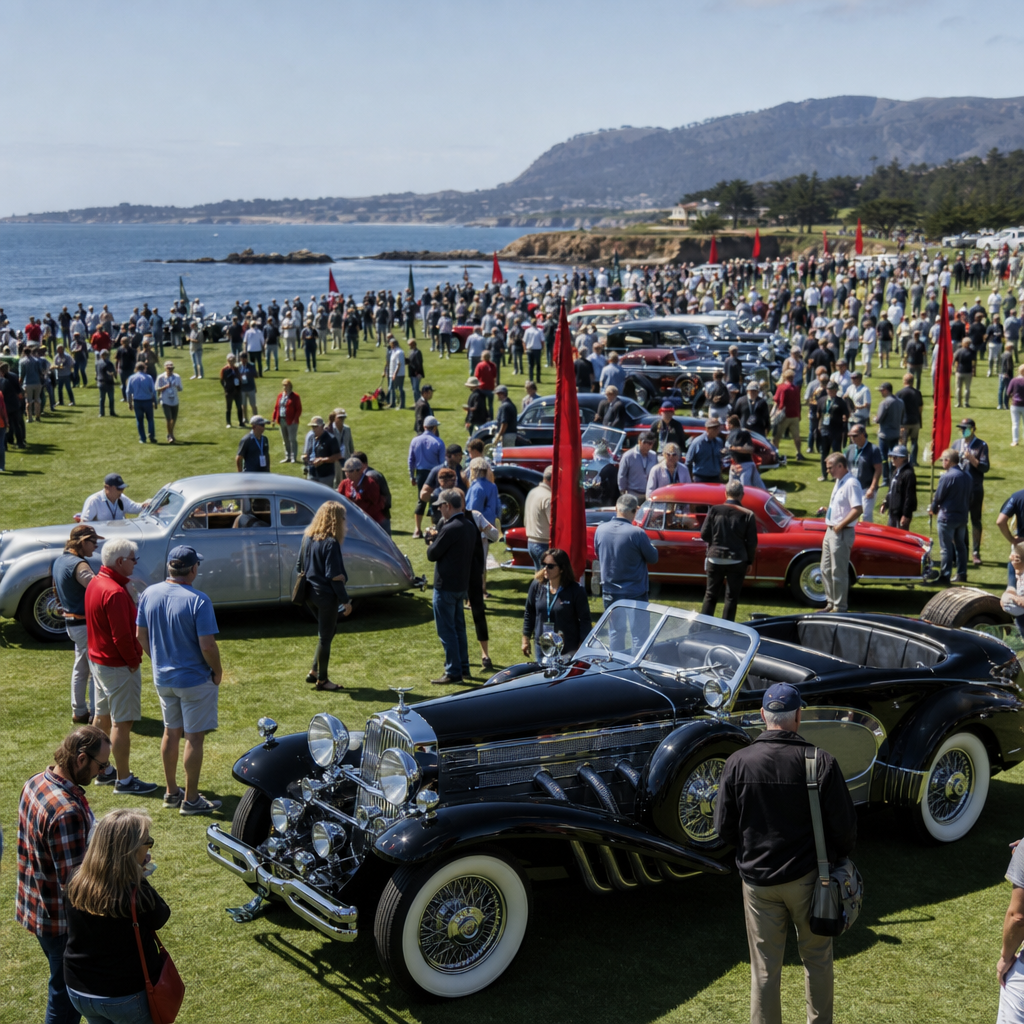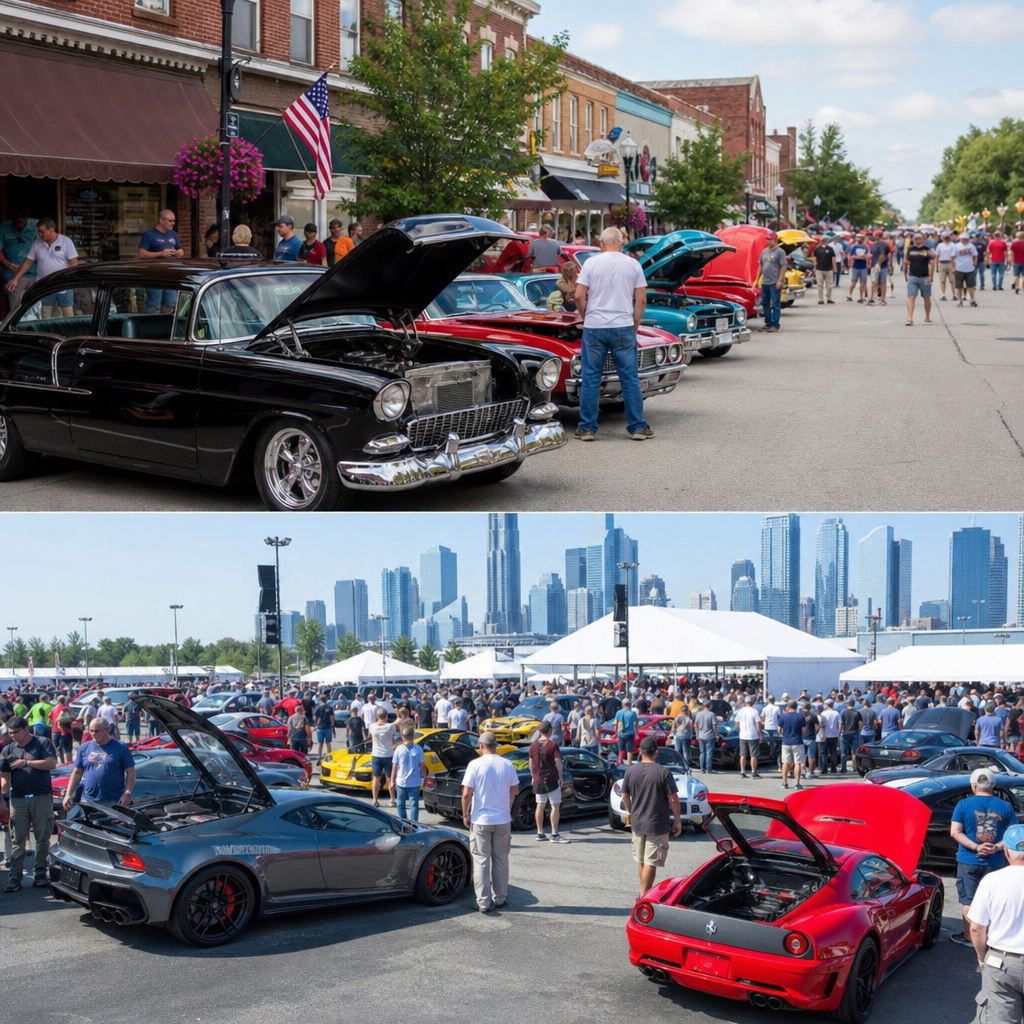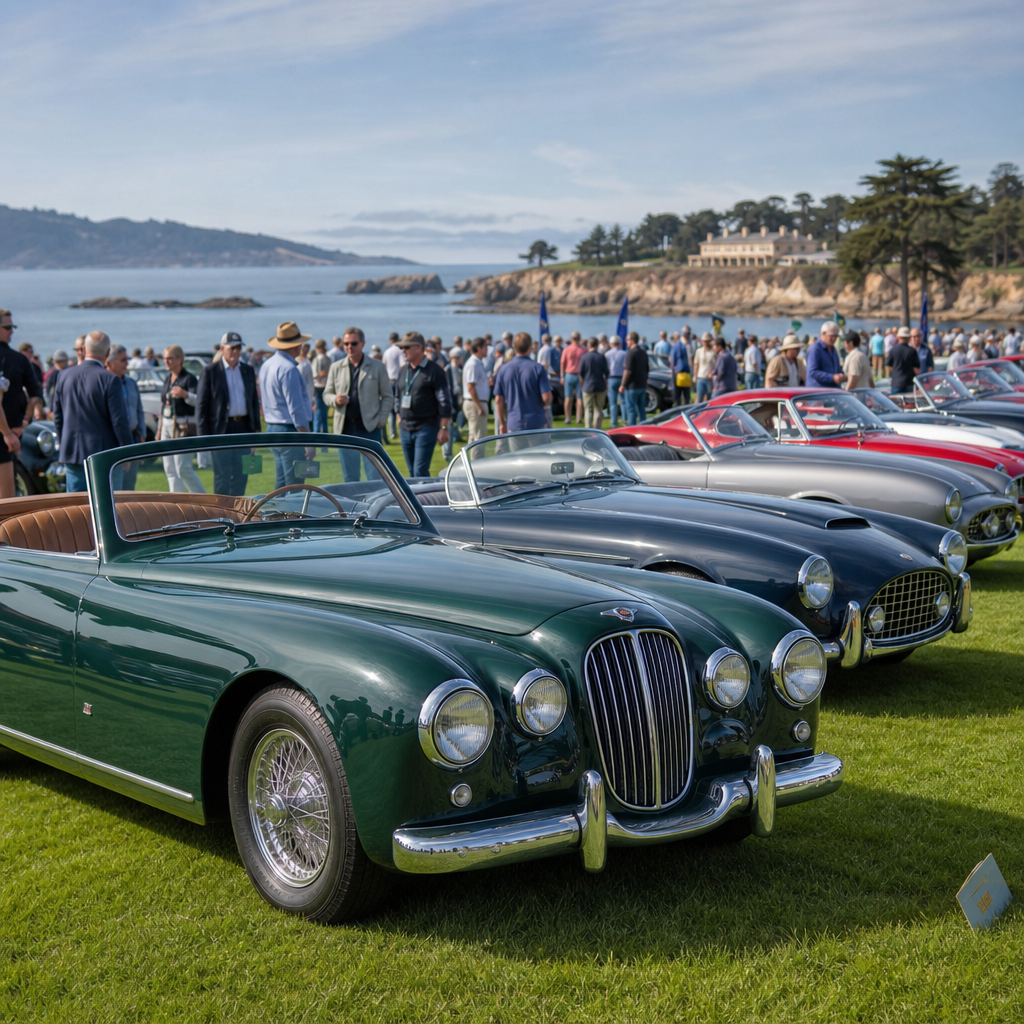
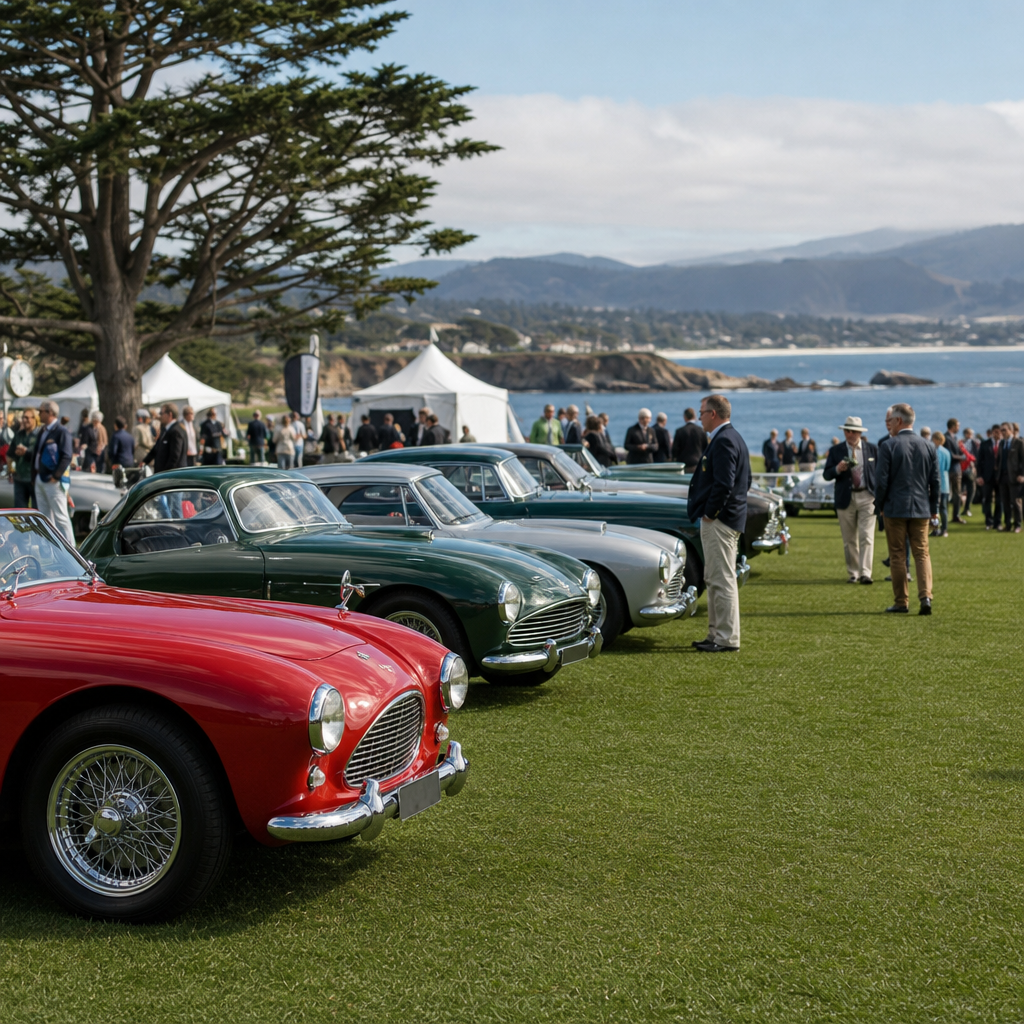
Classic car clubs are the social, technical, and cultural backbone of the historic vehicle world, connecting owners, restorers, collectors, and enthusiasts across borders through shared knowledge and organized events. In practical terms, a classic car club is a formal or informal membership group built around vintage automobiles, often focused by marque, model, country of origin, era, or driving style. Some clubs exist to preserve a single manufacturer’s heritage, such as Porsche, Jaguar, or Mercedes-Benz, while others unite broad communities around prewar touring, postwar saloons, muscle cars, coachbuilt elegance, or period-correct restoration. After years of working around collectors, concours teams, rally organizers, and restoration shops, I have seen one clear pattern: people may enter the hobby because of a machine, but they stay because of the community.
That community matters more than many first-time buyers expect. A good club can help a newcomer source hard-to-find parts, verify a chassis number, understand originality standards, locate a trustworthy specialist, and avoid expensive mistakes. It can also open doors to road tours, archive access, valuation guidance, and friendships that span decades. For experienced owners, clubs provide something equally important: continuity. They preserve factory records, document production changes, maintain registries, and defend the right to use historic vehicles on public roads. In a market where values, authenticity standards, and regulatory pressures keep changing, global classic car clubs are not a side feature of the hobby. They are its infrastructure, memory, and meeting place, all at once.
What Classic Car Clubs Do and Why They Matter
The best classic car clubs do far more than host monthly meets. At a serious level, they act as information networks. Many maintain registries tracking chassis numbers, ownership history, body styles, engine specifications, and production anomalies. That matters because authenticity drives value. If you are evaluating a 1963 Corvette split-window coupe, a Jaguar E-Type roadster, or a Mercedes-Benz 300 SL, a club registrar may know whether the car still carries its original engine, gearbox, colors, and factory options. That knowledge can save five or six figures on a purchase.
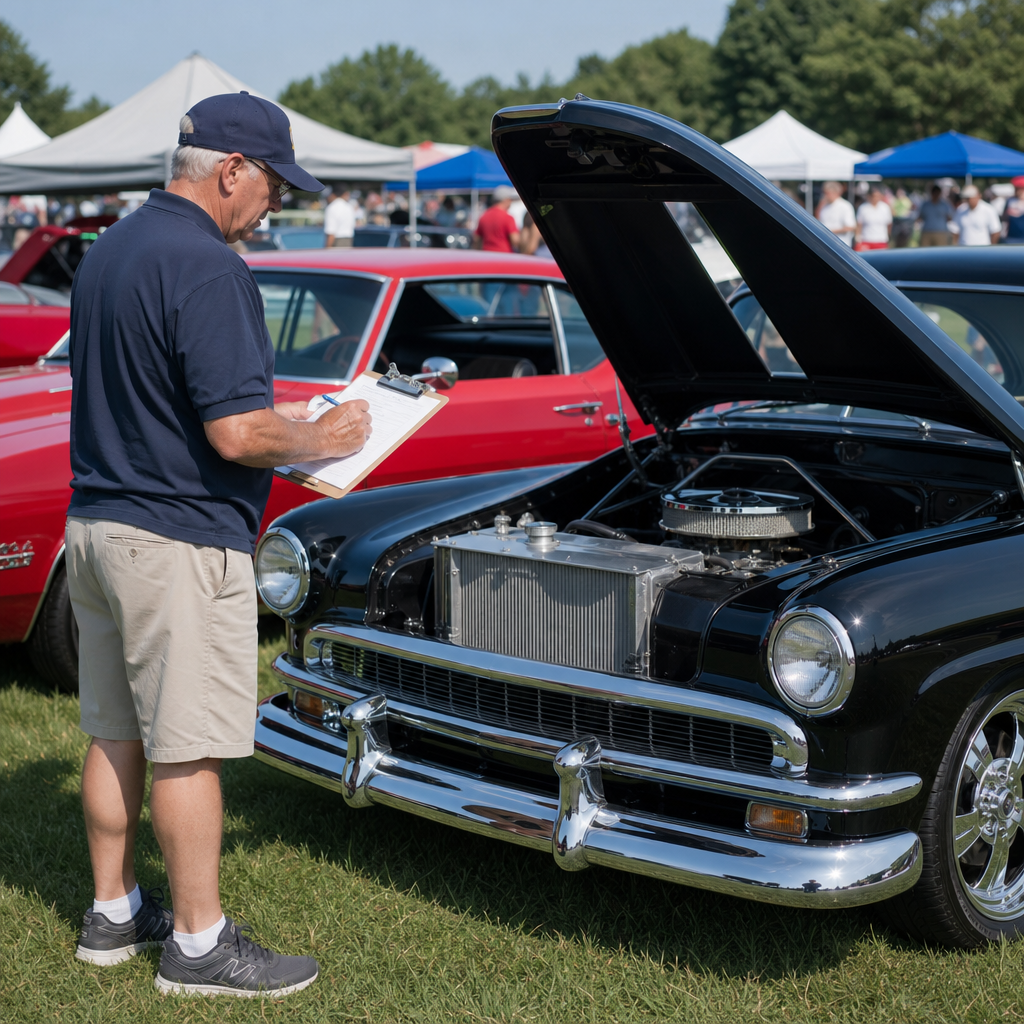
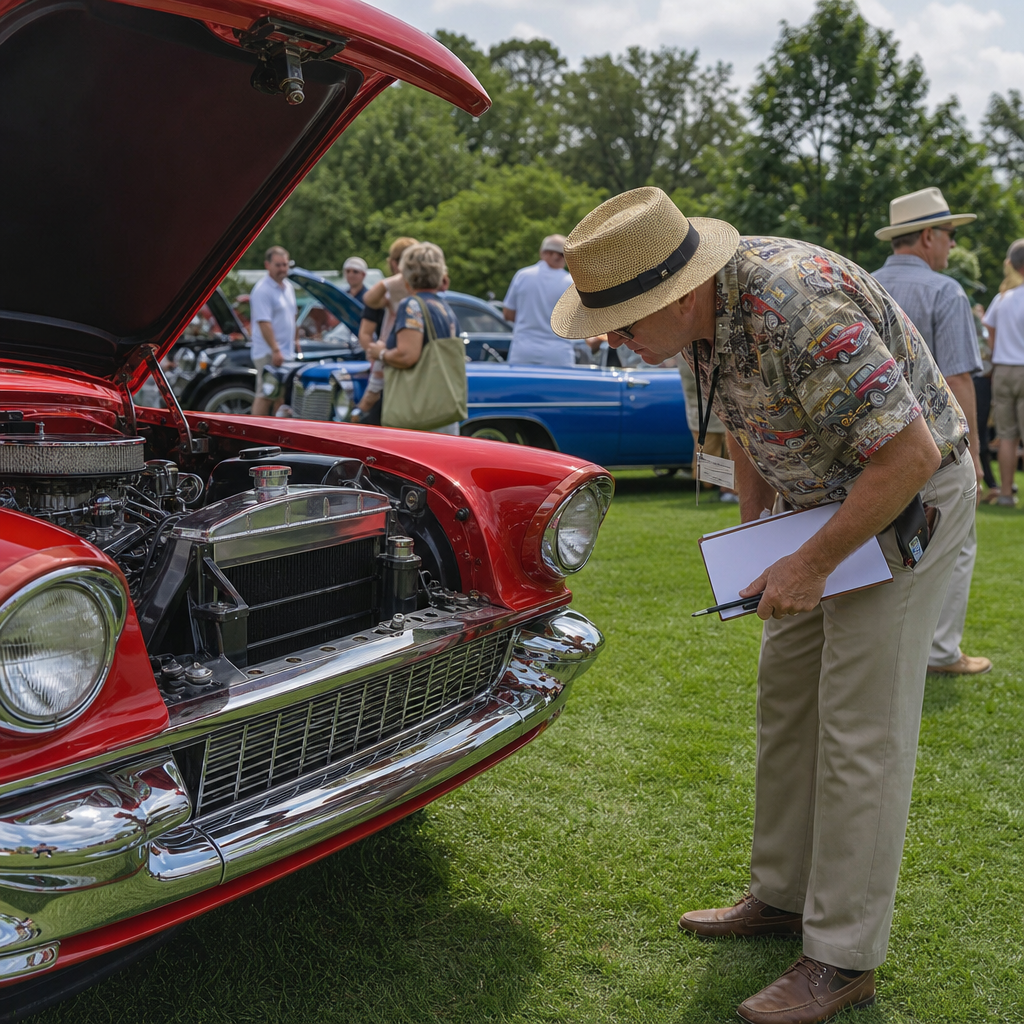
Clubs also create standards for judging and preservation. Organizations tied to concours events often publish class rules explaining what counts as original, restored, preserved, or modified. Those definitions affect insurance, event eligibility, and resale. I have seen owners discover through club documentation that a “correct” carburetor setup on paper was actually wrong for a specific build month. These details are not trivia; they shape restoration outcomes and market credibility. Beyond judging, clubs often negotiate parts remanufacture projects, support technical manuals, and connect members with specialists in trim, coachwork, engine machining, and electrical systems.
Another critical function is advocacy. Historic vehicle use depends on registration laws, emissions exemptions, fuel availability, and urban access rules. National federations and large clubs regularly work with governments and transport authorities to protect road access for older cars. When lawmakers consider blanket restrictions on internal combustion vehicles, organized enthusiast groups provide the data and policy argument that low annual mileage and cultural value justify historic exemptions. Without clubs, the hobby would be far more fragmented and vulnerable.
Global Clubs Every Enthusiast Should Recognize
Several organizations stand out because of their reach, archives, event calendars, and influence across the collector car world. The Antique Automobile Club of America, founded in 1935, remains one of the most important umbrella organizations in the United States. Its scope is broad rather than marque-specific, and that breadth is valuable. Members gain access to regional chapters, judged shows, publications, and a deep reservoir of practical expertise covering brass-era cars, prewar classics, postwar American models, and milestone imports. For anyone entering the hobby through a general-interest route, this is one of the most useful starting points.
In the United Kingdom, the Royal Automobile Club and the Federation of British Historic Vehicle Clubs occupy an influential space around policy, events, and historic motoring culture. While the Royal Automobile Club is associated with premium motoring tradition and major events such as the London to Brighton Veteran Car Run, the federation has particular significance in representing owners’ interests on legislation affecting historic vehicles. Across continental Europe, Fédération Internationale des Véhicules Anciens, widely known by its initials FIVA, is one of the defining international bodies. FIVA provides a framework for historic vehicle identity cards, event standards, and preservation principles used across many countries. When clubs and event organizers need a common language for authenticity and eligibility, FIVA is often the reference point.
Marque clubs are equally important. The Porsche Club of America is a benchmark for how a model-focused organization can combine driving, technical support, publications, and local chapter energy at scale. The Jaguar Drivers’ Club, Mercedes-Benz Club networks, BMW Car Club communities, Vintage Sports-Car Club, and Ferrari Owners’ Club structures each serve different corners of the hobby, but they all perform the same core role: they turn ownership into informed participation. If you own a Triumph TR6, Alfa Romeo Spider, Ford Mustang, Citroën DS, or air-cooled 911, the right marque club will often know more about your specific car than a general mechanic ever will.
How Club Types Differ by Focus and Value
Not all classic car clubs serve the same purpose, and understanding the differences helps enthusiasts choose wisely. Broad heritage clubs welcome many makes and eras, making them ideal for newcomers, multi-car households, and people more interested in events than factory-correct detail. Marque-specific clubs focus deeply on one manufacturer and are best for technical support, originality research, and model-specific classifieds. Model registries narrow the focus further, sometimes covering a single series like the Austin-Healey 3000, Mercedes-Benz Pagoda SL, or Datsun 240Z. Those registries can be invaluable when tracing production changes or ownership history.
Driving clubs form another category. These groups prioritize tours, rallies, hill climbs, and regular use over static display. They appeal to owners who believe cars should move, not just sit under lights. Then there are concours-oriented organizations, where standards of finish, documentation, and period accuracy dominate. Neither approach is inherently better. In my experience, the healthiest ownership pattern blends both: use the car enough to understand it, and preserve it carefully enough to respect its history.
| Club Type | Main Strength | Best For | Typical Example |
|---|---|---|---|
| General heritage club | Broad events and community | New enthusiasts and mixed collections | Antique Automobile Club of America |
| Marque club | Factory-specific knowledge | Owners seeking technical depth | Porsche Club of America |
| Model registry | Serial-number and originality tracking | High-value or rare model owners | 300 SL and E-Type registries |
| Driving club | Road use, rallies, touring | People who regularly exercise cars | Vintage Sports-Car Club |
| Concours organization | Judging standards and presentation | Restorers and show entrants | Pebble Beach affiliated circles |
Regional Strengths: North America, Europe, Asia, and Beyond
North America has one of the deepest club ecosystems because of its scale, postwar car culture, and strong swap meet tradition. American clubs tend to excel at regional chapters, parts trading, judging schools, and owner-run technical sessions. If you own a Chevrolet Bel Air, early Ford Thunderbird, Mopar muscle car, or C1 through C3 Corvette, you will find a mature network of specialists and club-backed resources. Large distances also shaped the culture; road tours and interstate events are central to how many American members engage.
Europe’s strengths are different. Because many famous marques originated there, European clubs often have closer ties to factory archives, coachbuilders, and period competition history. British clubs, in particular, are renowned for practical technical support around MG, Triumph, Austin-Healey, Jaguar, and Land Rover ownership. Germany offers unusually rigorous documentation culture, especially around Mercedes-Benz, BMW, and Porsche communities. Italy contributes design heritage and event prestige, with clubs linked to Alfa Romeo, Lancia, Ferrari, and Maserati often emphasizing provenance, period competition, and coachbuilt distinctions. France remains essential for Citroën, Peugeot, Delahaye, Facel Vega, and Bugatti circles, where originality often includes subtle production and trim variations unfamiliar to outsiders.
Asia’s role has grown significantly. Japan has long maintained a disciplined enthusiast culture around domestic classics such as the Toyota 2000GT, Datsun Z, Skyline GT-R, Mazda Cosmo, and early Honda sports models, alongside strong appreciation for European imports. Australia and New Zealand have particularly active communities for British sports cars, Australian Fords and Holdens, and historic rally participation. In Latin America and South Africa, club life often centers on resourcefulness, where knowledge-sharing around fabrication, adaptation, and maintaining cars in smaller markets becomes especially valuable. The global lesson is simple: every region contributes a different kind of expertise, and the strongest enthusiasts learn from all of them.
Benefits of Joining a Classic Car Club
The most immediate benefit of joining a classic car club is access to experience that cannot be replicated by browsing listings or watching short videos. An owner who has lived with a model for twenty years can tell you where rust hides, which reproduction parts fail early, how cooling systems behave in traffic, and what documentation buyers actually respect. That level of practical guidance is usually the difference between an enjoyable first purchase and a draining one. I have watched new members avoid poor restorations simply because a club veteran recognized incorrect fasteners, upholstery grain, or engine stampings from ten feet away.
Financial value is another major advantage. Club magazines and member forums often surface cars and parts before they reach public marketplaces, where competition drives prices up. Insurance can be easier too. Many agreed-value insurers look favorably on club membership because it signals informed ownership and responsible storage or use. Some clubs also offer valuation support, inspection referrals, and event discounts that offset membership fees quickly. For rare cars, access to registrars and archives can materially strengthen provenance files, and provenance can strongly affect auction outcomes.
There is also the human side. Ownership can be isolating if you lack local support, especially when projects stall or sourcing gets difficult. Clubs provide accountability, encouragement, and perspective. They remind owners that setbacks are normal. Whether someone is rebuilding SU carburetors on an MG, timing mechanical fuel injection on a Mercedes-Benz 300 SEL 6.3, or searching for trim clips for a first-generation Camaro, the club network often turns a frustrating dead end into a solvable problem.
How to Choose the Right Club for Your Car and Goals
The right club depends on what you own, how you use it, and what you need most. Start with your primary objective. If you want technical documentation, registry access, and accurate parts references, choose a marque or model-specific club first. If you want local events, driving companionship, and a broad entry into the hobby, begin with a regional heritage club. Owners of high-value, low-production cars should prioritize organizations with strong registrars, published judging standards, and recognized event eligibility. If your car has competition history or period rally potential, look for clubs active in sanctioned tours, regularity rallies, or hill climbs.
Assess club quality before joining. Review the publication standard, website accuracy, event calendar, and chapter activity. Strong clubs publish technical articles with clear sourcing, maintain active forums or newsletters, and list officers or registrars transparently. Ask whether members actually respond to inquiries. A large club is not automatically a useful club. I have found smaller organizations with excellent registrars to be more helpful than giant groups with thin technical depth. Also examine the culture. Some clubs welcome preserved drivers and modified cars; others strongly favor factory-correct restoration. Joining the wrong culture creates friction quickly.
Finally, think globally even if you drive locally. The best approach is often layered membership: one international marque club for archives and technical reach, one national club for advocacy and major events, and one local chapter for regular social contact. That combination gives owners both depth and community, which is exactly what sustains long-term enjoyment.
How This Hub Connects the Wider Classic Car Clubs Topic
As a hub within classic car culture and lifestyle, this article should help readers navigate the broader subject of classic car clubs with confidence. The next logical areas to explore include marque-specific club guides, beginner advice on joining a classic car club, event etiquette, concours judging basics, and practical breakdowns of registries, archives, and membership benefits. Readers also benefit from focused articles on insurance for club members, how clubs help verify originality, and how international rallies and tours differ from local meets. Those subtopics matter because club life is not one thing. It includes research, friendship, policy, travel, education, and stewardship.
The central takeaway is straightforward: global classic car clubs are where enthusiasm becomes expertise. They help owners buy smarter, restore more accurately, drive more confidently, and preserve automotive history with context rather than guesswork. Whether your interest is a humble Morris Minor, a split-window Corvette, a Citroën DS, a Porsche 356, or a Ferrari 308, there is a club structure that can improve your experience immediately. Join one, ask questions, attend an event, and start building the relationships that make the classic car world durable, generous, and rewarding.
Frequently Asked Questions
What is a classic car club, and why are these organizations so important worldwide?
A classic car club is a membership-based community centered on historic, vintage, and collectible vehicles. Some clubs are broad and welcome many types of older cars, while others are highly specialized around a single manufacturer, model range, era, body style, or national automotive tradition. Around the world, these clubs act as the social, technical, and cultural backbone of the classic vehicle scene by bringing together owners, restorers, collectors, historians, and enthusiasts who share a commitment to preserving automotive heritage.
Their importance goes far beyond casual meetups. Well-established clubs often maintain archives, technical libraries, factory records, judging standards, restoration guidance, and access to experienced members who have spent decades working on specific vehicles. For many owners, especially those with rare or aging cars, club knowledge can be just as valuable as parts availability. In practical terms, clubs help people identify correct specifications, source hard-to-find components, understand authenticity, and keep historically significant vehicles on the road.
On a global level, classic car clubs also create bridges across countries and generations. They organize rallies, concours events, driving tours, regional gatherings, and educational programs that connect enthusiasts internationally. Whether someone owns a British roadster, an Italian grand tourer, an American muscle car, or a postwar German saloon, the right club can provide both technical support and a sense of belonging. That combination of expertise, friendship, and stewardship is exactly why classic car clubs remain so influential worldwide.
Which global classic car clubs are among the most recognized and respected?
Several classic car clubs stand out internationally because of their scale, history, and influence within the collector car world. The Antique Automobile Club of America, often known as AACA, is one of the most recognized organizations for historic vehicles and has long played a major role in preservation, judging, and education. In the United Kingdom, the Royal Automobile Club and affiliated historic motoring communities have helped shape major classic events and touring culture. The Vintage Sports-Car Club is another respected name, especially for prewar and sporting machines.
Marque-specific organizations are equally important on the global stage. Clubs connected to brands such as Porsche, Jaguar, Mercedes-Benz, Ferrari, Bentley, Rolls-Royce, MG, and Alfa Romeo often have international chapters and large membership bases. The Porsche Club network, for example, is known for its broad international reach and active event calendar, while Jaguar and Mercedes-Benz clubs are respected for their heritage focus, technical depth, and strong restoration communities. Ferrari clubs worldwide tend to blend historical preservation with brand culture and high-profile events.
There are also umbrella organizations and federations that matter greatly in the global classic scene. The Fédération Internationale des Véhicules Anciens, or FIVA, is especially important because it promotes the preservation and responsible use of historic vehicles across many countries. While not a local social club in the usual sense, it plays a major role in standards, advocacy, and international cooperation. Taken together, these organizations represent the breadth of the classic car world: some prioritize scholarship and authenticity, some focus on driving and camaraderie, and others specialize in protecting the legal and cultural future of historic motoring.
How do classic car clubs help owners with restoration, maintenance, and authenticity?
One of the biggest advantages of joining a classic car club is access to practical, real-world expertise. Restoring and maintaining older vehicles can be challenging because factory documentation may be incomplete, original suppliers may no longer exist, and many repairs require experience that modern general repair shops simply do not have. Clubs help fill that gap by connecting owners with specialists, longtime restorers, parts sources, and technical advisors who understand the details of specific makes and models.
Many clubs publish newsletters, magazines, restoration guides, buyer’s guides, and technical bulletins that cover common mechanical issues, trim differences, chassis numbers, paint codes, production changes, and original equipment specifications. Some maintain registers or databases that track surviving cars and their histories, which can be extremely useful for authentication. For a collector trying to determine whether an engine, gearbox, interior, or body panel is correct for a given production year, club expertise can prevent expensive mistakes and improve restoration accuracy.
Clubs also support owners by creating trusted referral networks. Members often know which craftsmen are best for upholstery, coachwork, chrome plating, carburetor rebuilding, wood restoration, electrical repairs, and other specialized jobs. In some cases, clubs even organize reproduction parts programs or group-buy opportunities for components that are no longer commercially available. This collective knowledge is invaluable because it saves time, reduces restoration costs, improves quality, and helps protect the historical integrity of the vehicle. For anyone serious about preserving a classic car properly, club membership can be one of the most useful resources available.
Are classic car clubs only for serious collectors, or can beginners and casual enthusiasts join too?
Classic car clubs are not just for elite collectors or concours-level owners. In fact, many of the best clubs actively welcome beginners, younger enthusiasts, first-time buyers, and people who do not yet own a classic car at all. While some organizations are highly specialized and may naturally attract experienced restorers or serious collectors, the broader classic car community depends on new members to keep interest, knowledge, and participation alive across generations.
For newcomers, joining a club can be one of the smartest first steps into the hobby. It gives access to practical buying advice, ownership expectations, maintenance tips, and guidance on which models are enjoyable and realistic to own. A beginner may learn which cars have strong parts support, which restorations are financially risky, and which vehicles are best suited for touring, local events, or home maintenance. That type of insight is difficult to get from advertisements or social media alone, where information can be incomplete or overly optimistic.
Clubs also make the hobby more approachable on a social level. Local chapter meetings, breakfast drives, open shows, and informal garage visits allow new enthusiasts to ask questions in a low-pressure environment. Many members enjoy mentoring others and sharing stories, tools, and recommendations. Even someone who simply appreciates automotive history can benefit from club events, publications, and museum partnerships. So while top-tier collections and rare vehicles may get attention, most successful classic car clubs thrive because they welcome a broad range of people united by curiosity, passion, and respect for historic automobiles.
What should you look for when choosing the right global classic car club to join?
The best classic car club for you depends on your goals, your vehicle, and the type of experience you want from the hobby. A good starting point is deciding whether you want a general historic vehicle club or a marque-specific organization. If you own a particular brand such as Porsche, Jaguar, Mercedes-Benz, or MG, a dedicated club will usually offer deeper technical resources, stronger model-specific expertise, and more targeted events. If you enjoy a range of classics from different countries or eras, a broader club may provide more variety and a wider social network.
It is also important to look at the club’s structure and activity level. Some organizations are globally recognized but operate through local chapters, which can be ideal because you get both international resources and nearby events. Review the club’s event calendar, publications, online forums, member benefits, and technical support options. Strong clubs typically offer a healthy mix of driving events, educational content, restoration help, and community engagement. If possible, attend a meeting or event before joining to see whether the atmosphere fits your style.
You should also consider the club’s reputation for authenticity, inclusiveness, and member value. Some clubs lean heavily toward concours judging and originality, while others emphasize road use, touring, and hands-on ownership. Neither approach is inherently better, but one may suit your interests more than the other. Membership fees, access to classified listings, insurance partnerships, and eligibility for special rallies or registries may also matter. Ultimately, the right club is one that helps you enjoy your classic car more fully while connecting you to people and knowledge that will enrich your experience for years to come.