
Virtual car clubs and online communities have transformed how classic car enthusiasts meet, learn, trade parts, and preserve automotive history. A classic car club once meant a monthly meet in a parking lot, a printed newsletter, and a phone tree for event reminders. Today, the same club may host weekly livestreams, maintain a parts database, moderate a global discussion forum, and organize in-person rallies through social platforms. In practice, virtual car clubs are organized groups of enthusiasts who connect primarily through digital channels, while online communities are broader networks built around shared interest, conversation, and knowledge exchange. The distinction matters because a club usually has structure, leadership, dues, and defined activities, whereas a community can be looser, more open, and centered on ongoing participation rather than membership.
For people involved in classic car culture and lifestyle, this shift matters for three reasons. First, it lowers barriers to entry. A new owner of a 1967 Mustang coupe or a first-time caretaker of a W123 Mercedes no longer needs to live near an established chapter to access expert guidance. Second, digital communities preserve hard-to-find knowledge. Factory manuals help, but they rarely explain the quirks owners discover over decades, such as recurring electrical faults, trim clip substitutions, or reliable sources for obsolete rubber seals. Third, online club activity keeps aging marques and niche models visible to younger audiences who discover them through searchable content, restoration diaries, and social video. In my experience working with enthusiast sites and club content, the most resilient groups are not the loudest; they are the ones that turn scattered owner knowledge into searchable, well-moderated resources.
This hub article covers classic car clubs comprehensively through the lens of virtual participation. It explains how online clubs are structured, what members actually gain, which platforms work best, how trust and moderation affect quality, and why digital spaces now influence restoration standards, market prices, and event culture. It also serves as a gateway topic within classic car culture and lifestyle because classic car clubs connect almost every related interest: restoration, preservation, collecting, driving, motorsport heritage, tools, events, and storytelling. Whether someone owns a concours-ready Jaguar E-Type, a driver-quality Chevrolet C10, or simply hopes to buy a classic someday, understanding virtual club dynamics is essential to participating well and getting reliable value from the community.
What Virtual Classic Car Clubs Actually Do
A strong virtual classic car club does far more than host casual conversation. Its core functions usually include knowledge sharing, event coordination, parts sourcing, technical troubleshooting, historical documentation, and social identity. The best clubs maintain archives of service notes, scanned brochures, chassis number references, restoration photo libraries, and vendor recommendations. That archive function is especially valuable in the classic car world because information disappears quickly when forums close, domain names expire, or longtime experts leave the hobby. A club that deliberately organizes content by model year, engine code, trim level, and common repair category becomes far more useful than a generic social feed.
Most established clubs also replicate offline club structures online. There may be elected officers, regional coordinators, membership levels, bylaws, judging standards, and committees for tours or publications. For example, many marque clubs for Porsche, Triumph, Corvette, MG, and Cadillac operate websites alongside private groups, newsletters, and annual calendars. In digital form, these roles translate into membership portals, event registration systems, classified listings, and technical libraries. The most effective setup usually combines a stable home base, such as a website or forum, with faster communication tools like Facebook Groups, Discord, WhatsApp, or email newsletters. Relying on a single social platform is risky because algorithm changes can bury valuable posts, and search inside social apps is often poor.
Virtual clubs also create belonging. This may sound secondary, but in practice it keeps members engaged long enough to contribute real expertise. Someone joins for a wiring diagram and stays because other owners remember their project, celebrate milestones, and offer balanced advice when originality and drivability conflict. That recurring interaction produces continuity, which matters in restorations that can take years. It is common for members to document a frame-off build, receive paint code guidance from one member, carburetor tuning help from another, and a referral to a specialist upholsterer from a third. That layered assistance is one reason online classic car clubs have become central to the hobby rather than an optional extra.
Why Enthusiasts Join: Education, Access, and Confidence
People join classic car clubs online for practical reasons before social ones. The first is education. A buyer evaluating a Series III Land Rover, first-generation Ford Bronco, or Alfa Romeo Spider wants model-specific insight that general automotive sites cannot provide. Members can explain year-to-year changes, known rust points, title and VIN concerns, and which “restored” cars are likely hiding cosmetic work over structural problems. That saves money and prevents common mistakes. A well-run club reduces information asymmetry, which is a real issue in the classic market where seller claims, originality questions, and auction descriptions vary widely in quality.
The second reason is access. Parts availability remains one of the defining challenges of classic car ownership. Online clubs help owners identify interchangeable parts, trusted remanufacturers, salvage yards, reproduction suppliers, and fabrication options. For instance, an owner of a Datsun 240Z may learn which suspension bushings are worth upgrading, while a Citroën DS owner might get guidance on hydraulic specialists who understand original system tolerances. This information rarely exists in one manual. It lives across owner memory, vendor experience, and project documentation. Clubs aggregate that ecosystem.
The third reason is confidence. New enthusiasts often hesitate to post simple questions because they fear criticism from purists. Good communities remove that friction. They welcome basic questions about storage, battery maintenance, ethanol-safe fuel lines, insurance agreed value policies, and winterizing procedures. That matters because early positive experiences determine whether people remain in the hobby. When clubs answer clearly and respectfully, they create future contributors. When they gatekeep, they shrink.
| Member Need | How Virtual Clubs Help | Real-World Example |
|---|---|---|
| Pre-purchase research | Buyer guides, model-year archives, inspection checklists | An E30 BMW group flags hidden rust in jack points and battery trays before purchase |
| Technical repair | Step-by-step threads, manuals, peer troubleshooting | A Volvo 240 forum helps diagnose LH-Jetronic idle issues using wiring tests |
| Parts sourcing | Vendor lists, classifieds, interchange references | A Mopar club identifies compatible trim pieces across B-body years |
| Social participation | Virtual meets, livestreams, local chapter directories | A British car club pairs online talks with regional cars-and-coffee meetups |
| Market understanding | Sales discussions, originality debates, valuation trends | A 911 club explains why matching-numbers documentation changes buyer demand |
Which Platforms Work Best for Classic Car Clubs
No single platform does everything well. Forums remain the best tool for durable technical knowledge because threads are searchable, structured, and easier to moderate at scale. A detailed post on SU carburetor balancing, Bosch K-Jetronic diagnosis, or woodgrain trim restoration can remain useful for years if hosted on a dedicated forum. By contrast, Facebook Groups are strong for visibility and quick interaction but weak for archiving. Good advice disappears under fresh posts, duplicate questions increase, and external search visibility is inconsistent. Discord works well for active communities that want live chat, voice hangouts, and project channels, but it can fragment information unless moderators summarize key solutions elsewhere.
Email newsletters are underrated. They cut through platform dependence and reliably bring members back to the club’s core assets. A monthly digest can highlight upcoming events, newly solved technical threads, featured restorations, and important policy updates such as emissions exemptions, registration changes, or insurance guidance. Many clubs also use YouTube for tutorials and oral history, especially when demonstrating tasks that are hard to explain in text, like panel gap adjustment, paint correction on lacquer finishes, or safe lifting points for body-on-frame cars.
The smartest digital strategy is layered. Use a website or forum as the permanent library, social platforms for discovery and conversation, video for demonstrations, and email for retention. That structure mirrors what successful nonprofit associations and trade groups already do online. It also protects institutional memory. I have seen clubs lose years of useful material by treating a social group as their primary archive. The groups that endure invest in owned infrastructure, consistent moderation, and simple taxonomy so content can be found by model, system, and task.
Trust, Moderation, and Information Quality
Not all online car advice is equal, and classic car clubs are no exception. The value of a community depends heavily on moderation standards and the culture set by experienced members. Inaccurate torque specs, unsafe brake recommendations, and undocumented claims about originality can cause real damage. That is why the best clubs distinguish between opinion, period-correct practice, and manufacturer documentation. They encourage members to cite workshop manuals, parts books, service bulletins, marque registries, and direct measurements when possible. Named tools such as Hemmings, Hagerty Valuation Tools, factory service manuals, and model-specific registries often become reference points because they add consistency.
Moderation is not just about removing spam. It is about maintaining signal over noise. Effective moderators merge duplicate threads, tag solved issues, require complete vehicle details in technical posts, and step in when debates become personal. They also set norms around classified listings, disclosure of commercial interests, and safety-sensitive topics. For example, advice on fuel system repairs, brake lines, or structural rust should be held to a higher standard than opinions on wheel styles. In one well-run club I worked with, moderators required photos, symptoms, and prior test results before approving advanced troubleshooting requests. That simple rule improved response quality dramatically because experts were not guessing from partial information.
Trust also grows when clubs acknowledge tradeoffs. Originality versus usability is a constant tension in classic car culture. Radial tires, electronic ignition conversions, upgraded cooling fans, and LED lighting can improve drivability, but they may reduce authenticity for judged events. A trustworthy club does not force one philosophy. It explains the implications of each choice clearly, so members can decide based on their goals: concours presentation, touring reliability, weekend enjoyment, or resale positioning.
How Online Communities Shape Restoration, Value, and Events
Virtual car clubs now influence the classic market in visible ways. Restoration standards spread through repeated discussion and documentation. If a respected marque community agrees that a certain reproduction upholstery pattern is incorrect, buyers begin to notice, judges may respond, and vendors often improve their offerings. The same happens with paint finishes, fastener plating, hose clamp styles, date-coded glass, and trim fitment. Collective scrutiny raises standards, especially in niches where published reference books are limited.
Market value is shaped indirectly as well. Online communities teach buyers what to prize: matching numbers, build sheets, service provenance, rust-free structure, original drivetrains, or rare option combinations. They also expose common seller shortcuts, such as cosmetic undercoating over corrosion, aftermarket interiors marketed as original, or incomplete engine swaps presented as upgrades. As that knowledge spreads, informed demand changes prices. A car with thorough documentation and community-recognized correctness often commands stronger attention than one with shiny paint and vague history.
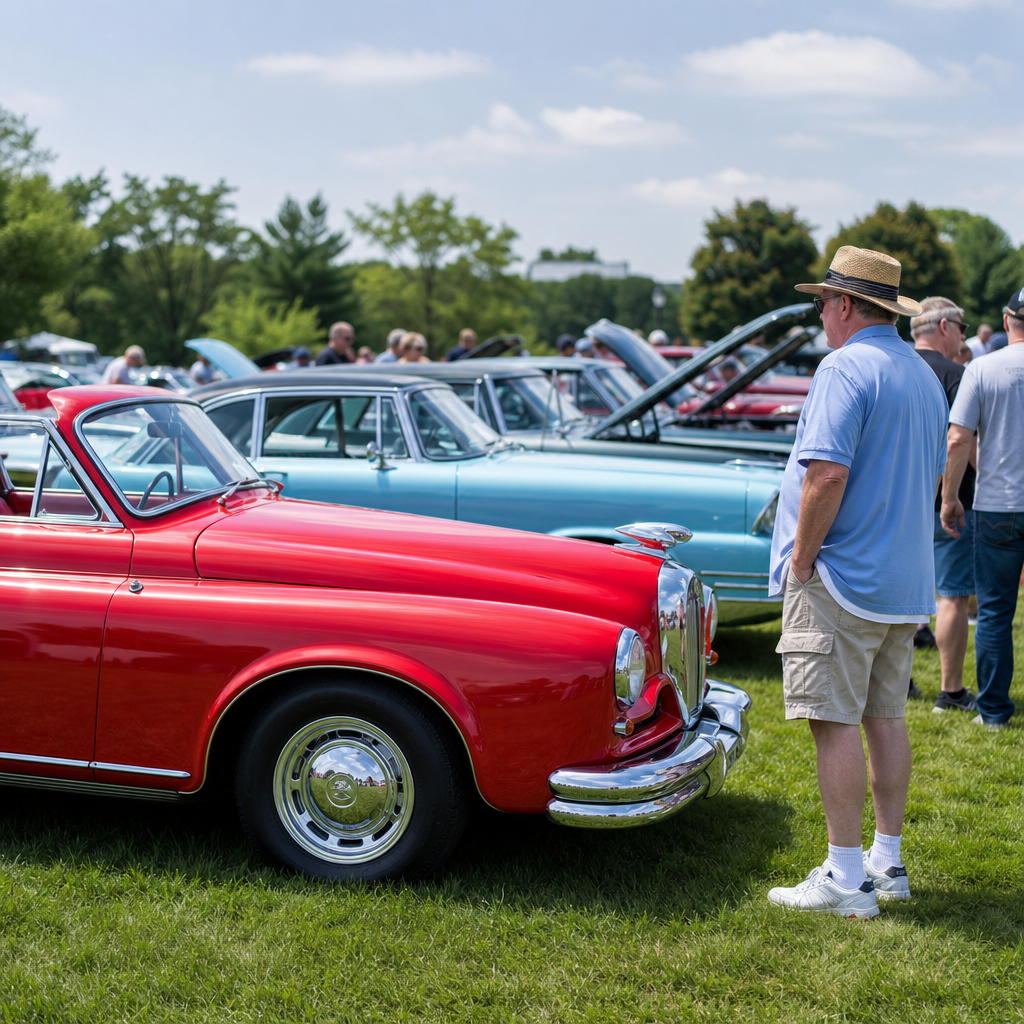
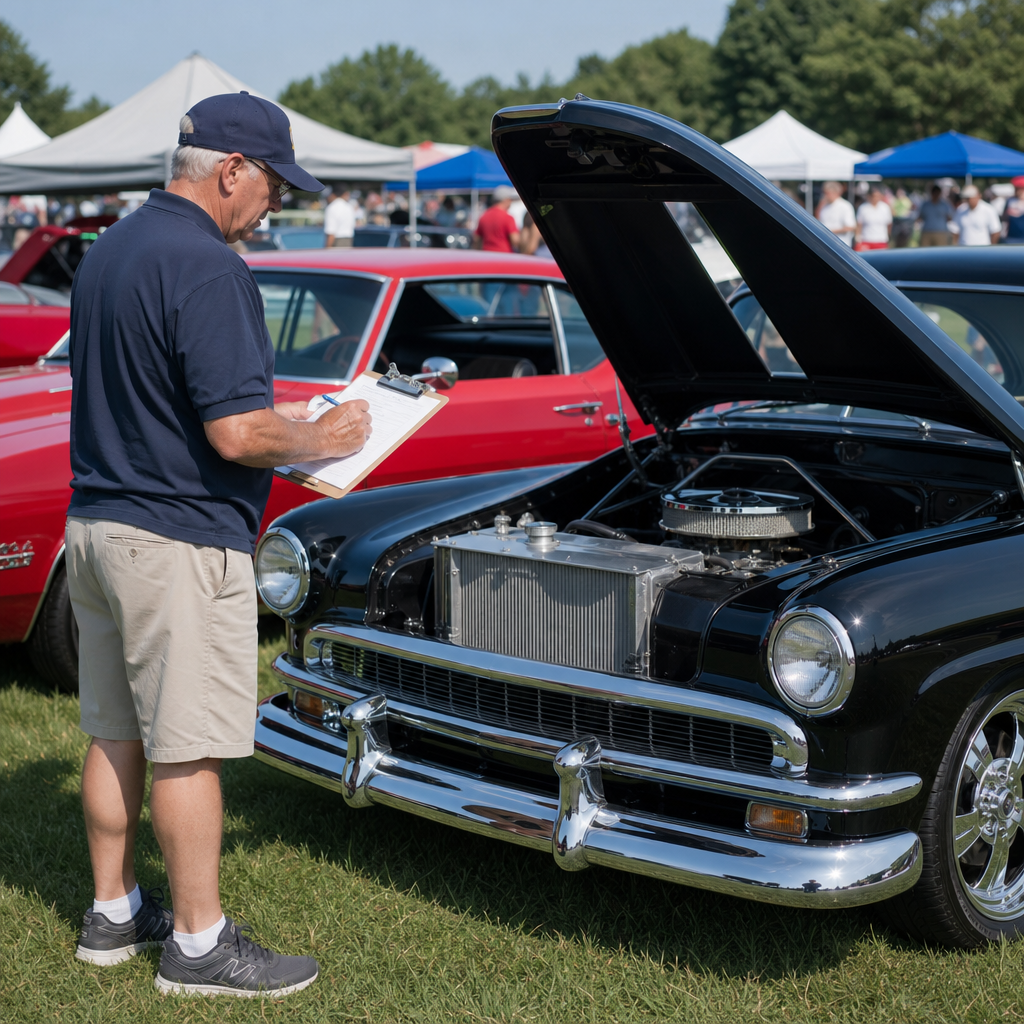
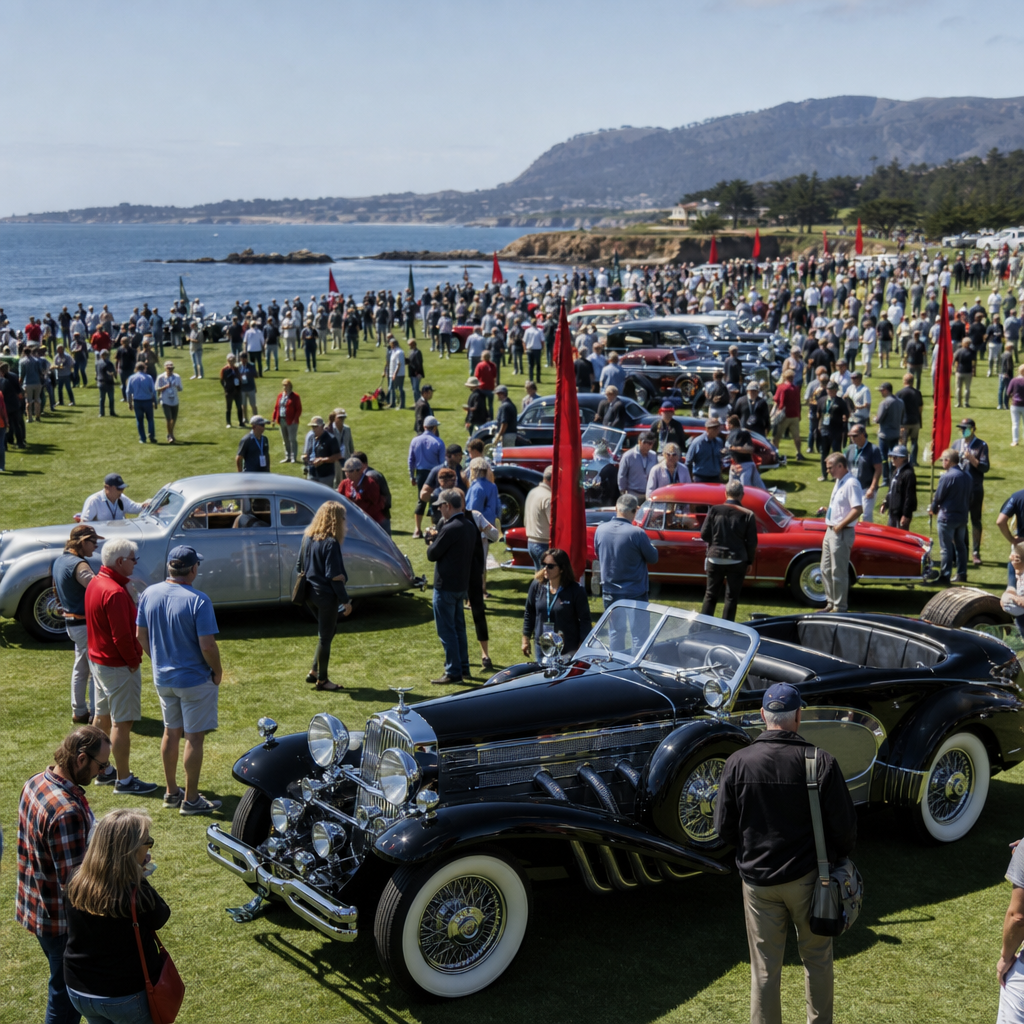
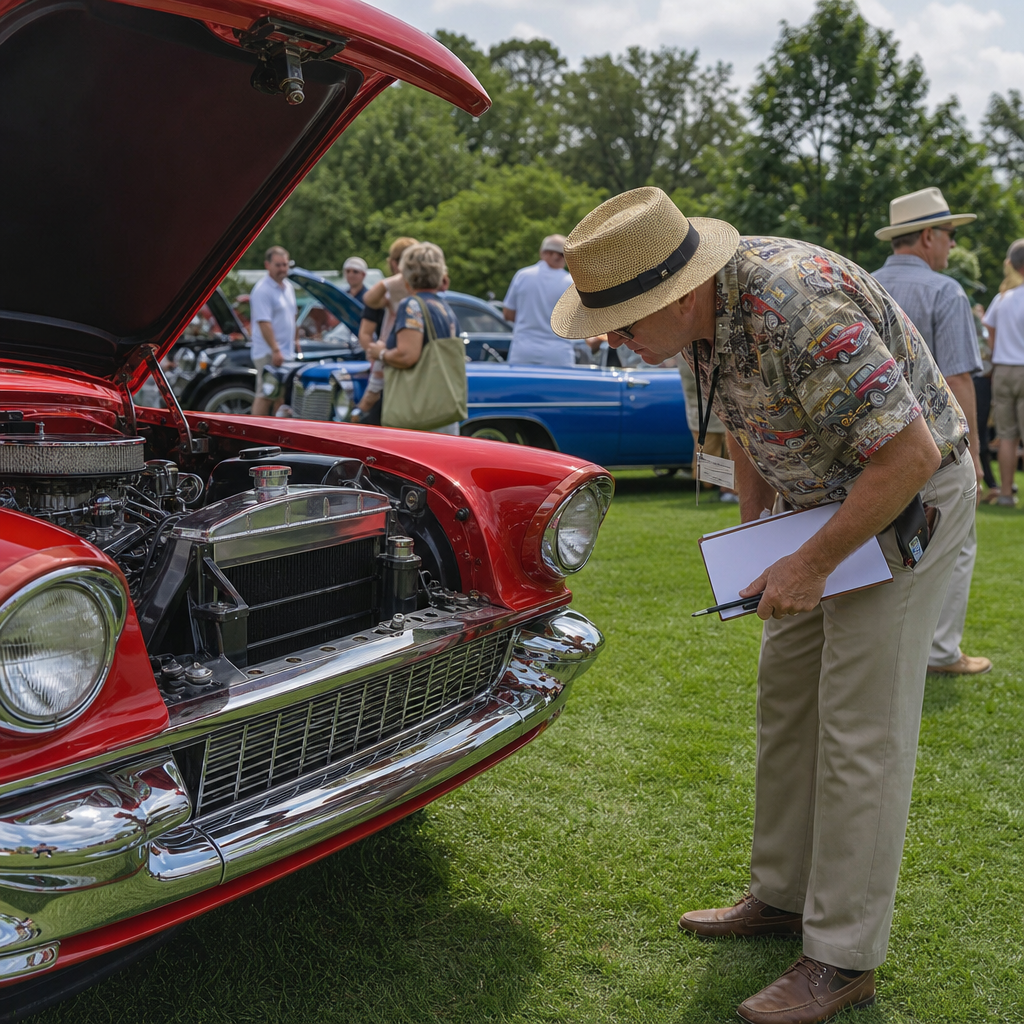
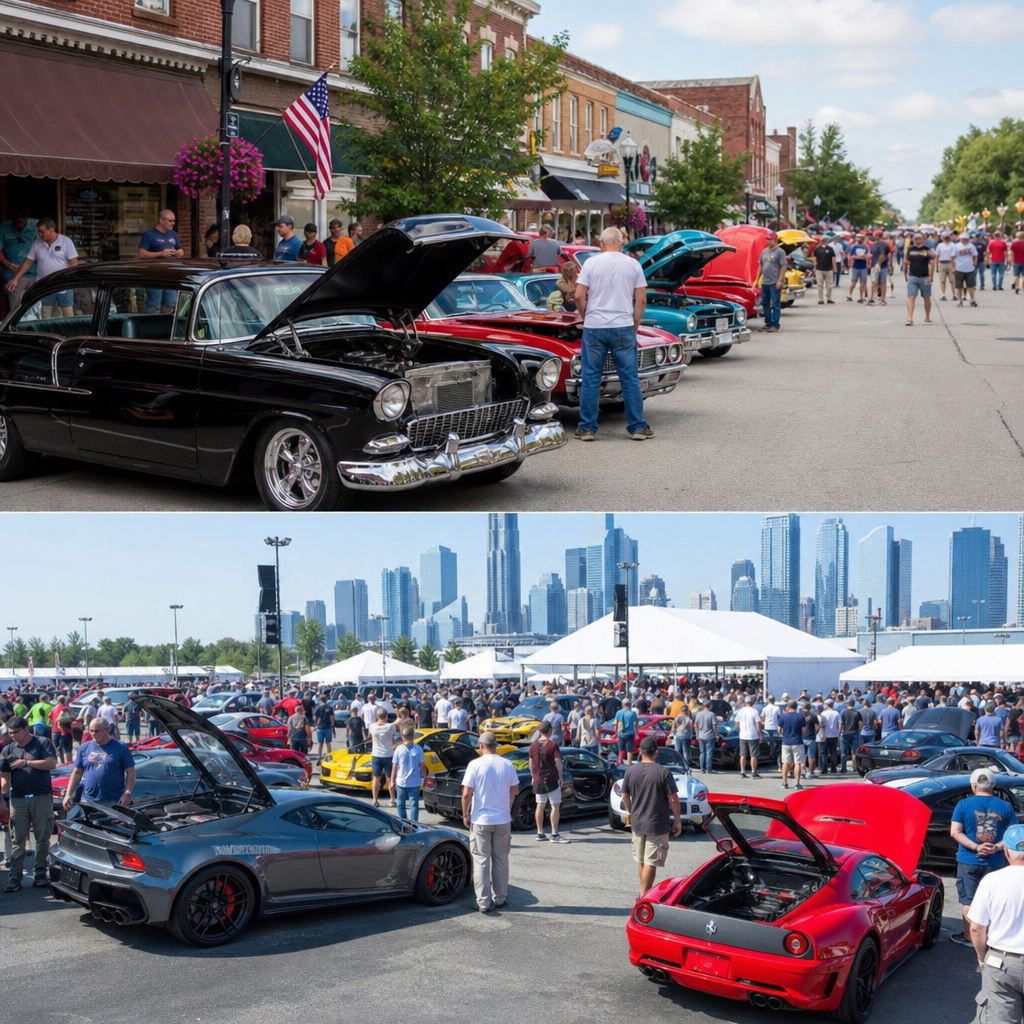
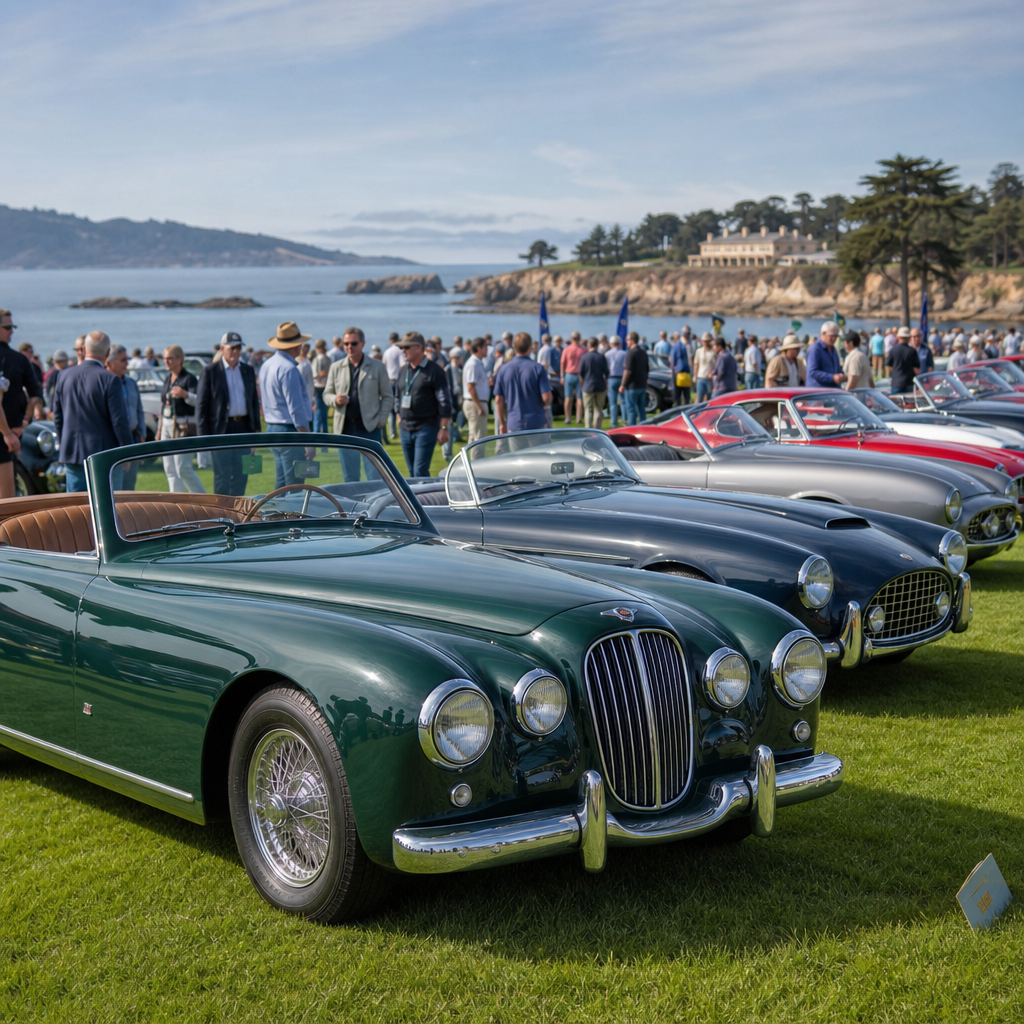
Events culture has changed too. Virtual clubs make it easier to organize model-specific cruises, online judging clinics, swap meets, livestream garage tours, and hybrid national events where remote members can still participate. During periods when travel is limited, clubs that already had digital infrastructure preserved momentum through webinars, remote auctions, and technical Q&A sessions. Even now, those digital habits extend the reach of in-person events. A regional show can publish route maps, registration forms, sponsor updates, and recap photos quickly, then use that content to recruit future members. For a sub-pillar topic like classic car clubs, this connection between online and offline life is the key point: the strongest communities do not replace physical gatherings; they amplify them.
How to Choose or Build the Right Classic Car Club Online
If you want to join a virtual classic car club, start by checking whether it offers model-specific archives, active moderation, clear rules, and a visible mix of novice and expert participation. Look for evidence that technical answers are specific rather than generic. A useful club will discuss compression ratios, trim codes, axle tags, bushing durometers, and production changes accurately, not just post admiration photos. Also check whether the platform supports local chapters or regional meetups, because the best online communities often lead to real relationships and practical help.
If you are building a club, begin with structure. Define the marque, era, or vehicle type; choose a durable platform; publish posting standards; and create starter resources such as buyer guides, maintenance checklists, event calendars, and vendor directories. Assign moderators who understand both the cars and community management. Use membership forms to collect vehicle details so content can later be segmented by model. Most importantly, design for long-term retrieval. Every solved problem should become easier to find than it was the day before.
Virtual car clubs and online communities are now essential infrastructure for classic car culture and lifestyle. They preserve specialized knowledge, connect isolated enthusiasts, improve buying decisions, expand access to parts and services, and keep historic vehicles relevant across generations. The best clubs combine searchable archives, respectful moderation, and real-world participation, giving members both practical answers and a sense of belonging. If you own, restore, collect, or simply admire classic vehicles, join a well-run club or help build one. The right community will save you time, money, and mistakes while making the hobby far more rewarding.
Frequently Asked Questions
What is a virtual car club, and how is it different from a traditional car club?
A virtual car club is an organized online community built around a shared interest in cars, often focused on classic, antique, collector, or specialty vehicles. Unlike a traditional car club that may rely on local meetups, mailed newsletters, and in-person gatherings, a virtual car club operates through digital platforms such as forums, social media groups, video calls, livestreams, membership portals, and online event calendars. Members can connect across cities, states, and countries without being limited by geography, which greatly expands access to knowledge, rare vehicle information, restoration advice, and collector networks.
The biggest difference is reach and convenience. In a traditional club, attendance often depends on where you live and whether you can make a scheduled event. In a virtual club, members can participate daily, ask technical questions in real time, upload photos of restoration progress, share historical documents, trade leads on hard-to-find parts, and join educational sessions from home. Many modern clubs combine both models, using digital tools to support in-person rallies, cruise-ins, shows, and swap meets. This hybrid structure has made clubs more resilient, more inclusive, and often more valuable to members than older formats alone.
How do online car communities help classic car enthusiasts learn and preserve automotive history?
Online car communities play a major role in preserving automotive history because they make it easier to collect, organize, and share information that might otherwise be lost. Classic car ownership often depends on knowledge that is scattered across old manuals, retired mechanics, longtime collectors, former dealership staff, and enthusiasts who have spent decades working on specific makes and models. Virtual communities bring those people and resources together in one accessible place. A single discussion thread can contain factory specifications, original brochure scans, paint code references, production-year differences, restoration photos, and firsthand repair advice that would have taken months to gather in the past.
These communities also help preserve history by documenting vehicles and stories in real time. Members frequently upload chassis data, ownership timelines, event photographs, period advertisements, trim variations, and regional production details. That kind of crowdsourced archiving is especially important for low-production or orphaned brands, where official records may be incomplete or difficult to access. Clubs may maintain registries, digital libraries, oral history projects, and restoration databases that become valuable references for future owners and historians. In that sense, virtual car clubs do more than create conversation; they actively safeguard technical knowledge and cultural memory tied to automotive heritage.
Can virtual car clubs really help members find parts, services, and trustworthy restoration advice?
Yes, and for many enthusiasts, this is one of the most practical benefits of joining an online car club. Finding correct parts for a classic vehicle can be challenging, especially when dealing with discontinued components, model-year-specific details, or obscure trim pieces. Virtual clubs often maintain classified sections, vendor directories, parts databases, and recommendation threads that save members a great deal of time and money. Instead of searching blindly, a member can ask whether a reproduction part fits correctly, whether an original component can be rebuilt, or which supplier has the best reputation for quality and shipping reliability.
Beyond parts sourcing, online communities are valuable for identifying reputable mechanics, upholstery specialists, machine shops, paint experts, chrome platers, and marque-specific restorers. Experienced members can often explain what a proper restoration should involve, what common mistakes to avoid, and when originality matters more than convenience. That said, the best communities also encourage verification. Good advice is usually supported by photos, service literature, measurements, part numbers, and multiple experienced voices rather than opinion alone. When a virtual club is well moderated and populated by knowledgeable enthusiasts, it becomes a powerful filter that helps members avoid scams, poor workmanship, and expensive missteps.
Are virtual car clubs only for experienced collectors, or can beginners benefit too?
Virtual car clubs are highly valuable for beginners, and in many cases they are one of the best entry points into the classic car hobby. New enthusiasts often have basic questions about buying a first project car, evaluating condition, understanding market values, identifying original features, planning a restoration budget, or learning routine maintenance. In a healthy online community, those questions can be answered by people who have already gone through the same process. That guidance can prevent a beginner from purchasing the wrong car, underestimating repair costs, or overlooking critical issues such as rust, missing paperwork, parts scarcity, or incorrect modifications.
Beginners also benefit from the educational pace of virtual communities. They can read archived discussions, watch tutorials, attend livestreams, compare build threads, and ask follow-up questions without the pressure of already being an expert. Many clubs welcome members who do not yet own a vehicle but want to learn before buying. Over time, newcomers build confidence, gain technical vocabulary, and develop relationships with experienced owners, historians, restorers, and sellers. For someone interested in classic cars but unsure where to start, a virtual car club can turn a complicated hobby into a much more approachable and rewarding experience.
What should someone look for when choosing the right online car club or automotive community?
The best online car club is one that matches a person’s goals, vehicle interests, and preferred level of involvement. Some communities are broad and social, while others are highly technical and focused on a single make, model, era, or restoration standard. A good place to start is by evaluating whether the group has active and knowledgeable members, organized discussion categories, clear moderation, searchable archives, and a respectful culture. Strong communities tend to balance enthusiasm with accuracy, making it easier to get useful information rather than scattered opinions. If the club offers registries, technical libraries, event calendars, vendor recommendations, or members-only resources, that usually adds long-term value.
It is also important to consider whether the club supports both online and real-world engagement. Many of the strongest communities use digital tools to coordinate local meetups, regional drives, national events, swap meets, charity rallies, and educational presentations. That hybrid model can help members build genuine relationships beyond the screen. Finally, pay attention to trust and transparency. Reputable groups usually have clear rules for buying and selling, discourage misinformation, and protect members from spam and fraud. Choosing the right virtual car club is not just about finding a place to talk about cars; it is about joining a community that helps you learn, preserve history, solve problems, and enjoy the hobby more fully.