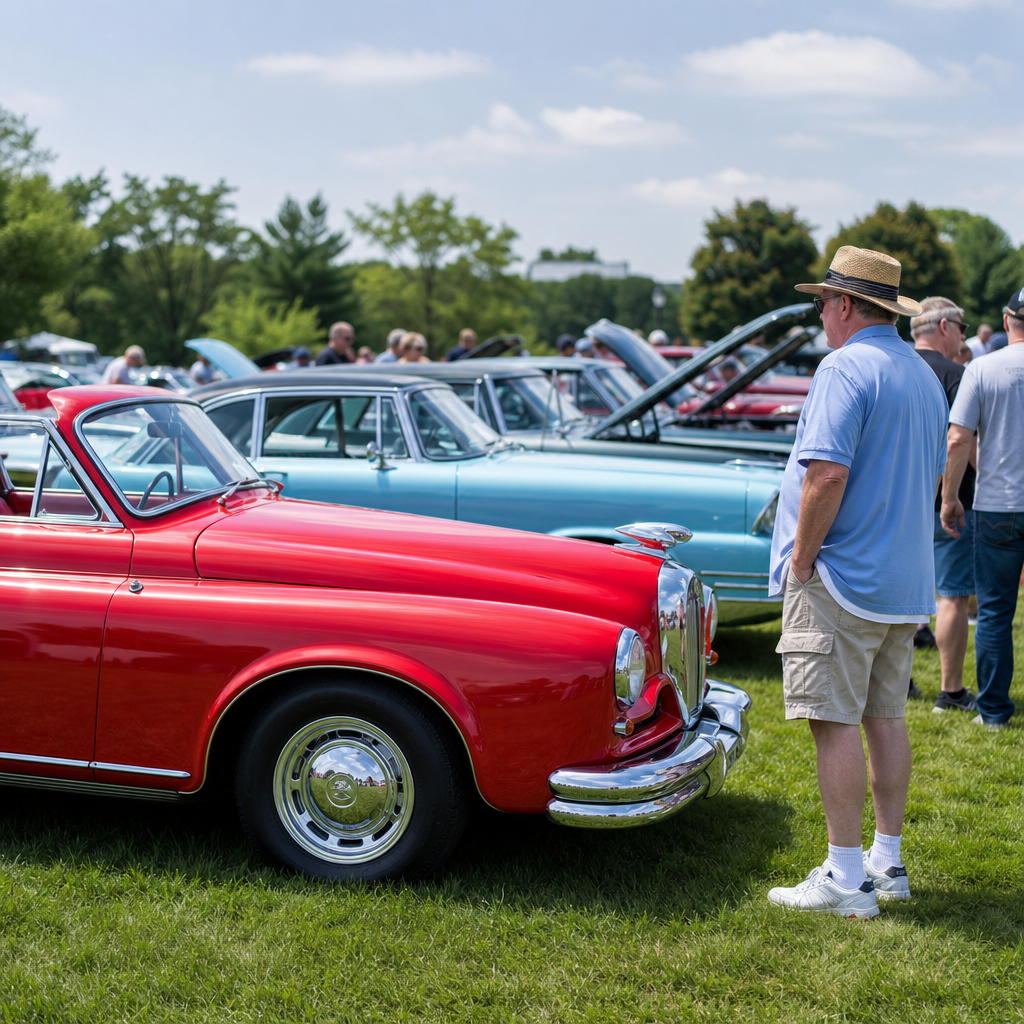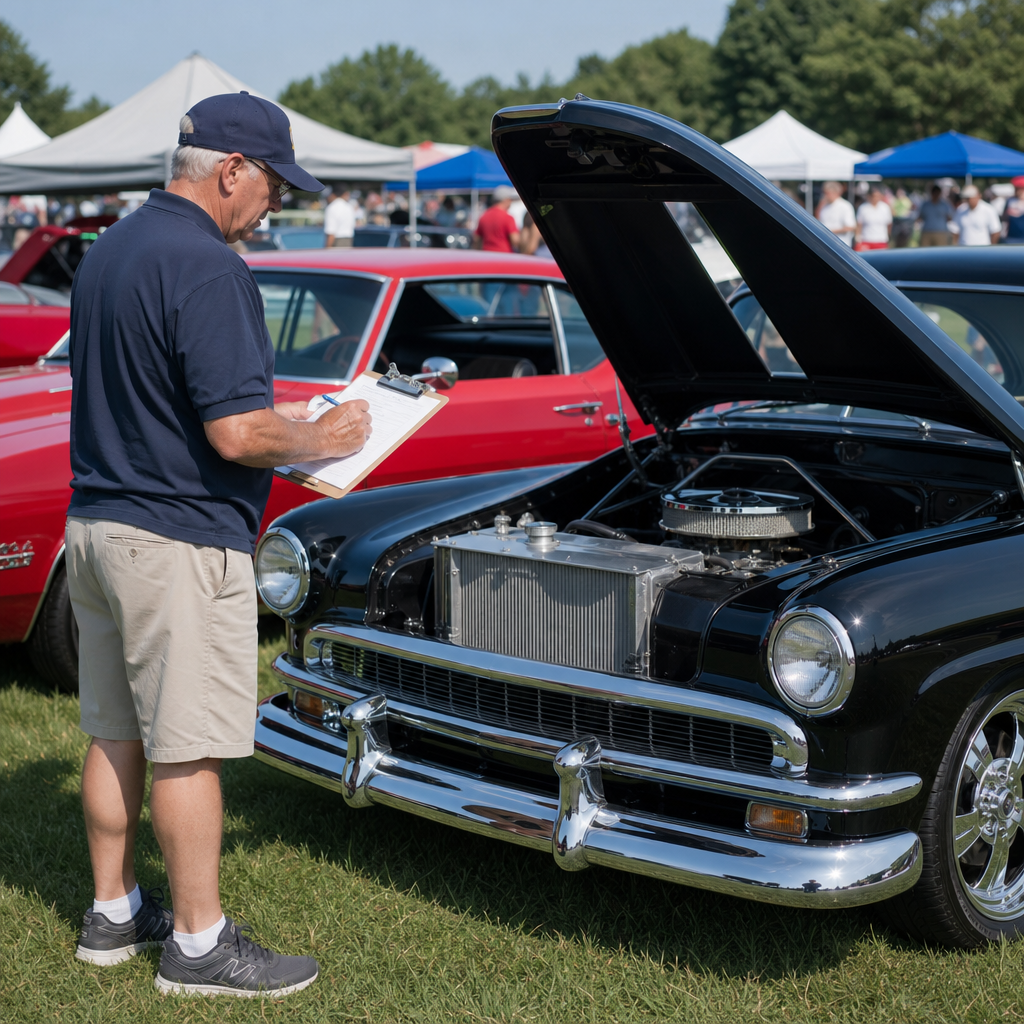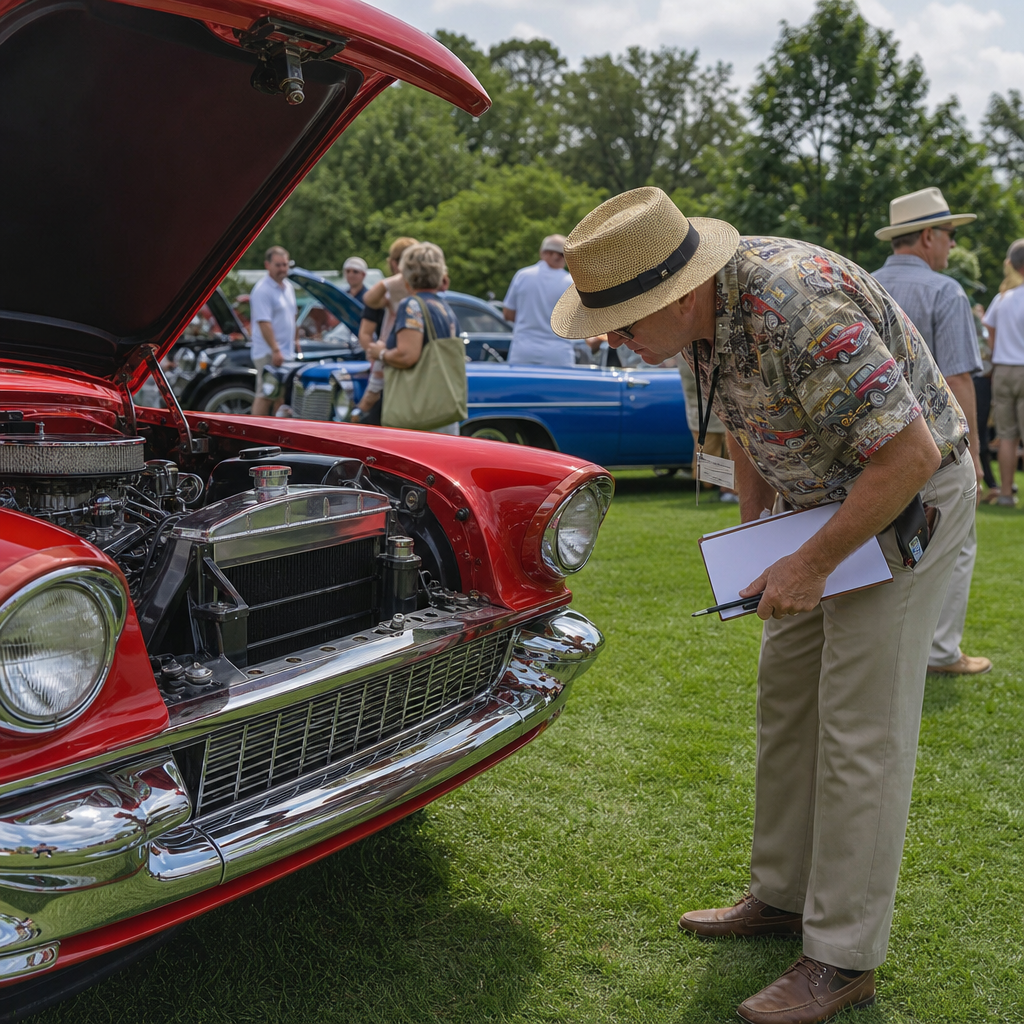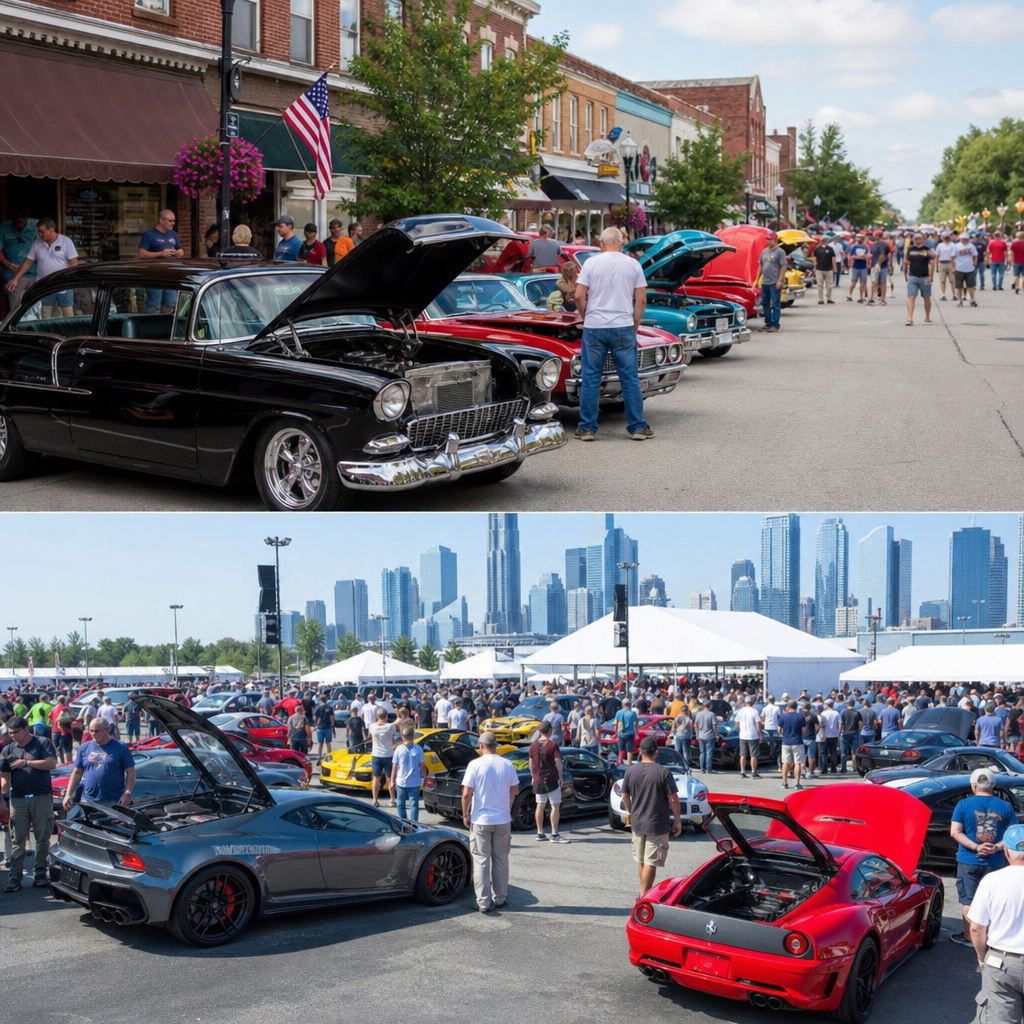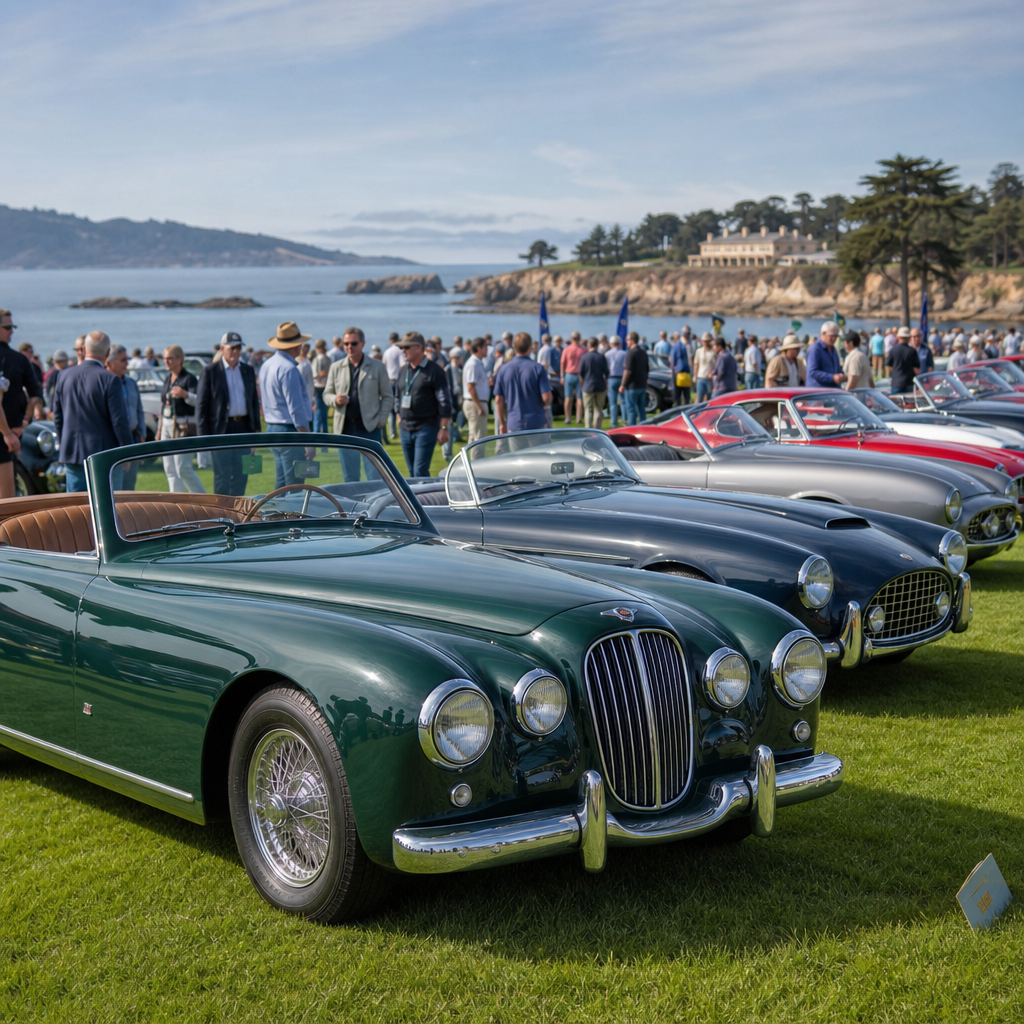
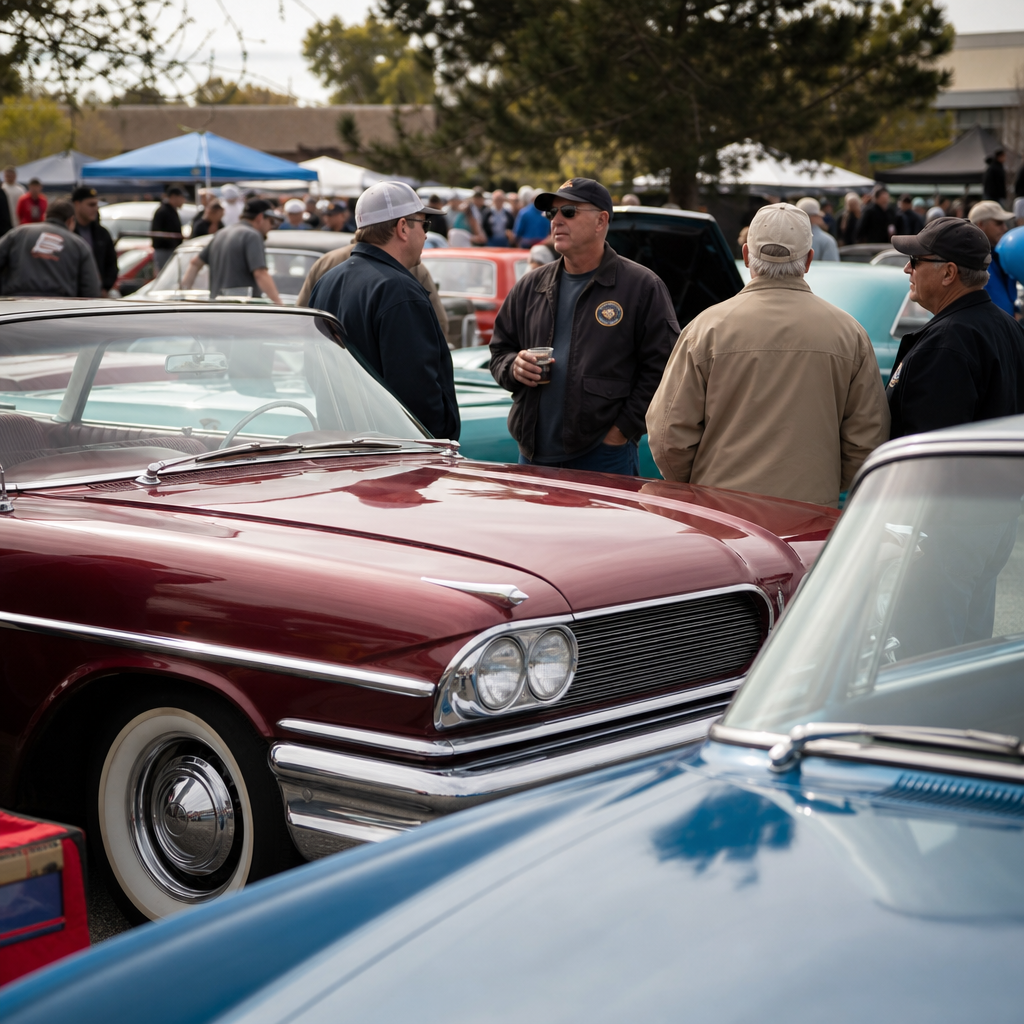
Classic car clubs shape how enthusiasts preserve vehicles, share knowledge, build community, and pass automotive history to the next generation. A classic car club is an organized group of owners, restorers, collectors, or admirers who gather around shared interest in older vehicles, often defined by era, marque, body style, or purpose. Some clubs focus on a single manufacturer such as Porsche, MG, or Chevrolet, while others welcome broad categories such as prewar cars, muscle cars, British roadsters, or local mixed-marque classics. In practice, these clubs do far more than arrange weekend drives. They create the social infrastructure that keeps classic car culture alive.
Having worked with restoration shops, regional event organizers, and long-running owner associations, I have seen that cars rarely survive on parts and money alone. They survive because people build systems around them. Club members trade hard-to-find technical advice, verify factory-correct details, recommend trustworthy machine shops, and help new owners avoid expensive mistakes. They also create standards of conduct and authenticity. A first-time owner may buy a 1967 Mustang, but a club teaches that owner how to decode VIN tags, judge reproduction parts, document provenance, and prepare the car for safe touring rather than just static display.
This matters because classic cars sit at the intersection of transportation, design, engineering, memory, and identity. Without clubs, many models would become isolated projects with shrinking support networks. With clubs, an obscure Italian coupe or a common postwar sedan can gain a living knowledge base. Clubs protect stories as much as sheet metal. They record oral histories from original owners, preserve factory literature, archive service bulletins, and support registries that track surviving examples. In a market where values can rise quickly and misinformation spreads just as fast, that organized knowledge is essential.
Classic car clubs also influence behavior beyond the garage. They determine which events become prestigious, which restoration philosophies gain acceptance, and which cars younger enthusiasts learn to appreciate. They affect insurance access through agreed-value guidance, shape parts demand by signaling what owners need, and even influence local policy when municipalities consider emissions exemptions, parade permits, or use restrictions. For anyone trying to understand classic car culture and lifestyle, classic car clubs are the hub. They connect owners to events, mentors, vendors, and the unwritten rules that turn ownership into participation.
The Core Functions of Classic Car Clubs
At their foundation, classic car clubs perform five functions: community building, technical education, historical preservation, event organization, and advocacy. Community building is the most visible. Monthly meets, coffee gatherings, concours lawns, and road rallies create regular touchpoints where members build trust. That trust has practical value. When a member recommends a carburetor rebuilder, upholstery specialist, or chrome shop, it carries more weight than an anonymous online review because it comes from direct experience with a similar vehicle.
Technical education is where clubs often prove indispensable. Many older cars require maintenance methods unfamiliar to modern technicians: points ignition tuning, SU carburetor synchronization, drum brake adjustment, generator charging diagnostics, lead substitute considerations, or wooden body-frame repairs. Strong clubs document these procedures in newsletters, judging manuals, forums, and workshops. The Antique Automobile Club of America, the MG Car Club, and marque registries worldwide have spent decades accumulating references that owners simply cannot replace with generic repair content.
Historical preservation is equally important. A well-run club keeps archives, serial-number databases, restoration guides, and production records. Model registrars verify color combinations, trim codes, engine stampings, and known production changes. This protects owners from fraud and protects the hobby from revisionist myths. I have seen clubs resolve disputes over whether a car was factory-built in a certain specification by consulting period sales brochures, build sheets, and surviving member cars. That kind of evidence anchors the culture in documented history.
Event organization turns private ownership into public culture. Club shows, tours, swap meets, driving schools, and charity events bring classics into view. People who never planned to care about a Citroën DS or a Buick Riviera often become curious only after seeing one in motion, hearing an owner explain its engineering, and experiencing the social warmth around it. Clubs make that encounter possible, and repeated public encounters are how niche enthusiasm becomes durable culture.
How Clubs Preserve Knowledge and Authenticity
Classic car culture depends on information that is often fragmented, informal, and vulnerable to loss. Factory manuals help, but they rarely cover decades of real-world fixes, production variations, and regional market differences. Clubs preserve what professionals call tacit knowledge: expertise learned through repeated hands-on work. In restoration, that can mean knowing which reproduction weatherstripping actually fits, how a certain gearbox behaves when tolerances are marginal, or which casting marks distinguish an original engine block from a later service replacement.
Authenticity is not a simple yes-or-no concept, and clubs help owners navigate that nuance. Concours-focused groups may emphasize factory-correct finishes, date-coded components, and assembly-line details. Touring-oriented clubs may prioritize reliability upgrades such as radial tires, electronic ignition hidden inside original distributors, or improved cooling systems. Good clubs explain the tradeoff clearly. A fully authentic restoration can score well in judged competition but may be less practical for frequent long-distance driving. A sympathetically upgraded car may lose points in strict judging yet remain more usable and safer on modern roads.
Registries and judging standards are powerful tools in this process. Organizations such as the Classic Car Club of America, Ferrari Club of America, Jaguar Clubs of North America, and the Porsche Club of America all use model knowledge to set expectations for originality, preservation class eligibility, and period-correct restoration. These standards influence market values because buyers trust cars documented by respected communities. When provenance, originality, and restoration quality are debated, club documentation often becomes the deciding factor.
Knowledge preservation now blends print and digital channels. Traditional club magazines still matter because they provide edited, archivable technical content. At the same time, searchable forums, scanned parts books, webinar tech sessions, and online registries widen access. The best clubs treat digital tools as extensions of human expertise, not replacements for it. A forum thread can identify a problem, but a veteran member standing beside the car often solves it faster.
The Social Side: Belonging, Identity, and Mentorship
People often join a classic car club for the vehicle and stay for the relationships. That pattern is common across local and national organizations. A club gives owners a place where their interest feels normal rather than eccentric. Someone who daily thinks about Stromberg carburetors, coachbuilt bodies, or paint-code correctness may have few outlets outside the hobby. Clubs turn solitary fascination into belonging, and belonging keeps people engaged through the slow, expensive phases of restoration and maintenance.
Mentorship is one of the most valuable influences clubs have on classic car culture. New owners routinely underestimate timelines, parts costs, storage needs, and mechanical complexity. An experienced member can steer them toward realistic first projects, explain pre-purchase inspection priorities, and discourage value-destroying shortcuts. I have watched mentors save newcomers from buying incomplete cars with missing title documentation, non-matching drivetrains, or rust hidden behind fresh undercoating. That guidance protects enthusiasm from turning into regret.
Clubs also shape identity within the hobby. Some communities celebrate preservation over restoration, valuing original paint and known history above cosmetic perfection. Others center on motorsport heritage, period modifications, or long-distance touring. These preferences influence how members spend money and present cars publicly. The result is not one classic car culture but many overlapping subcultures, each reinforced by club norms, calendars, and stories. Understanding clubs is therefore the fastest way to understand why the same model can appear as a concours car, a rally car, or a patinated survivor and be respected in different circles for different reasons.
| Club Type | Main Focus | Typical Benefits | Best For |
|---|---|---|---|
| Marque-specific | One manufacturer or model line | Deep technical knowledge, registries, judging standards | Owners seeking accuracy and specialized support |
| Regional mixed-marque | Local community across many classic brands | Frequent events, nearby contacts, broad camaraderie | Drivers wanting regular social participation |
| Era or style-based | Prewar, brass era, muscle, hot rods, etc. | Shared culture, period events, targeted vendors | Enthusiasts connected by aesthetics or history |
| Touring and rally clubs | Driving experiences over static display | Route planning, reliability tips, road support | Owners who want to use cars extensively |
Events, Public Visibility, and Cultural Influence
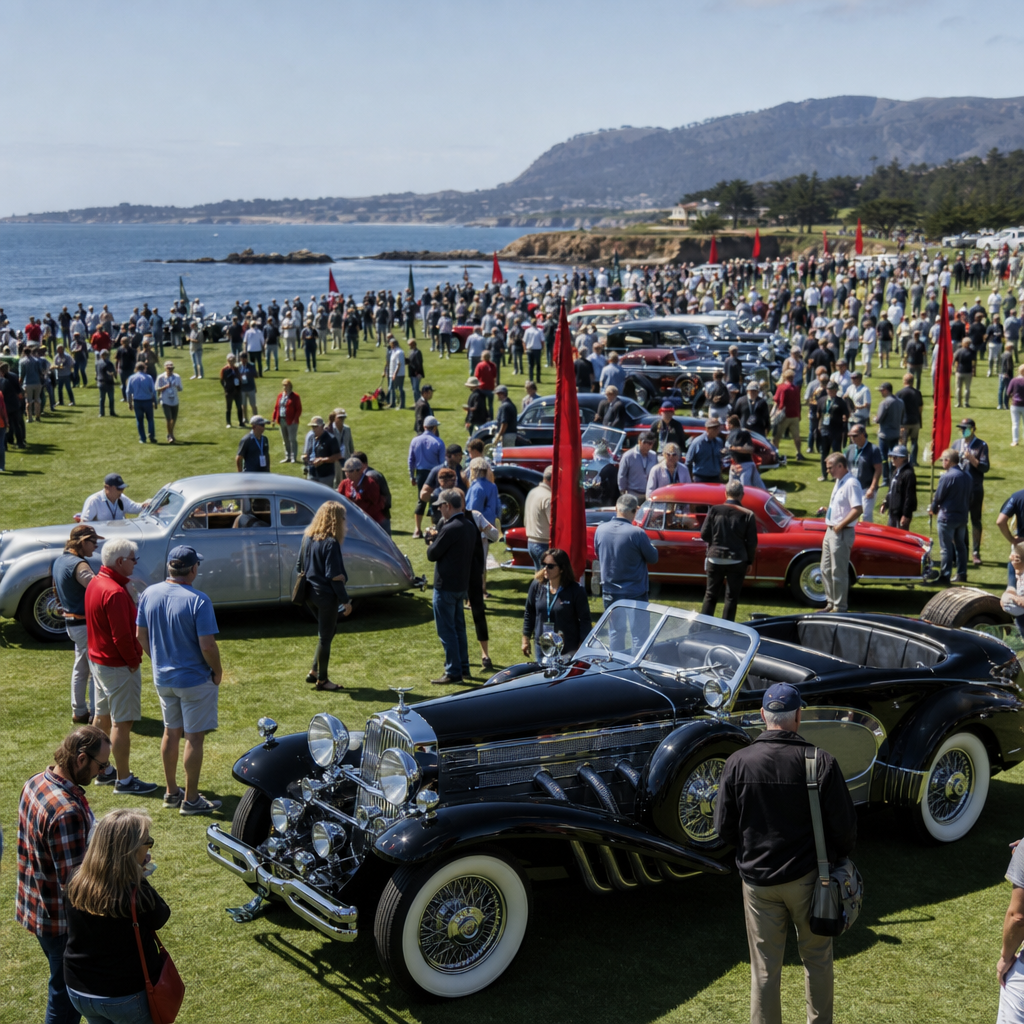
Classic car clubs influence public perception through the events they organize and endorse. A small monthly meet builds local familiarity, while a major concours or national convention can redefine a model’s reputation. Pebble Beach, Amelia Island, Goodwood Revival, and countless regional shows demonstrate how organized gatherings elevate certain eras, body styles, and restoration approaches. Even when a local club operates on a smaller scale, the principle is the same: event curation tells the public what deserves attention.
Driving events are especially influential because they prove classic cars are functional cultural artifacts, not just museum pieces. Reliability runs, hill climbs, scenic tours, and navigation rallies showcase engineering in motion. When spectators see a 1930s Bentley climbing grades, an air-cooled 911 crossing mountain roads, or a Triumph TR6 completing a weekend tour, they understand these machines differently. Clubs create those experiences and teach owners how to prepare for them with route books, spares kits, safety inspections, and recovery plans.
Swap meets and autojumbles are another cultural force. They circulate parts, literature, tools, and stories. In practical terms, they reduce restoration costs and keep rare components in active use. In cultural terms, they preserve the hobby’s informal economy. A conversation over a set of Smiths gauges or a Rochester carburetor often leads to new leads, friendship, or historical discoveries. Clubs that run these events sustain both the material and social supply chain of classic car ownership.
Clubs also influence charitable and civic visibility. Parade appearances, museum partnerships, scholarship funds, and veterans’ events connect classic cars to wider community life. That public service matters politically and culturally. A club known for safe, organized, educational events is more likely to receive municipal support for road closures or display permits than a loose group with no structure. Respectability, built slowly through club activity, protects access for the wider hobby.
Economic Impact on Restoration, Parts, and Market Values
Classic car clubs have measurable economic influence. They direct spending toward restorers, trim shops, paint specialists, machine shops, insurers, appraisers, transport firms, and auction services. A healthy local club can sustain multiple niche businesses simply by concentrating demand. I have seen regional upholstery shops remain viable because club members repeatedly referred vintage interior work that mainstream collision shops would never touch. In that sense, clubs preserve craft labor as much as cars.
Parts availability is also shaped by club behavior. When enough members need a component, clubs can organize reproduction runs, negotiate group buys, or share dimensional data for remanufacturing. This has happened across British, German, American, and Japanese classic segments. Niche suppliers often decide whether to tool a part based on visible club demand and confidence that knowledgeable owners will validate fit and finish. Clubs reduce supplier risk by acting as informed buyers and early adopters.
Market values respond to club activity because confidence drives transactions. Cars supported by strong owner communities are generally easier to buy, insure, maintain, and resell. That does not automatically make them more expensive, but it often makes values more stable. A buyer considering an Alfa Romeo Spider, Mercedes-Benz W113, or C3 Corvette knows that active clubs, abundant technical literature, and established parts channels lower ownership uncertainty. Lower uncertainty broadens the buyer pool, and a broader buyer pool supports liquidity.
There are tradeoffs. Clubs can sometimes reinforce hype around fashionable models while overlooking less glamorous but historically important cars. They can also create gatekeeping around originality or status. The healthiest clubs counter this by welcoming different budgets, celebrating driver-quality cars, and being transparent about judging criteria and market realities. When clubs stay inclusive, they strengthen the economic ecosystem without turning culture into speculation.
How to Choose the Right Classic Car Club
The best classic car club depends on what an owner wants from the hobby. If technical depth is the priority, start with a marque-specific national club and its local chapter. If frequent seat time matters more, a touring-oriented regional club may be better. If a car is unusual, joining both a specialized national registry and a broad local classic car club usually delivers the best mix of expertise and nearby support. Most committed owners eventually belong to more than one group because no single organization covers every need.
Before joining, review the event calendar, publication quality, forum activity, chapter leadership, and membership mix. A good club communicates clearly, documents technical content, and welcomes questions from newcomers. Attend one or two events as a guest if possible. Watch how members interact. Do they share knowledge freely? Are younger enthusiasts included? Are modified, preserved, and restored cars all treated respectfully within stated standards? Culture is visible quickly if you know where to look.
Also consider practical benefits: insurance partnerships, valuation guidance, classified listings, tool-lending, archives, judging schools, and access to registrars. Those features often justify dues even before the social side is counted. For this subtopic hub, the next step is to explore deeper articles on club types, event etiquette, judging standards, and how to find the right classic car community in your area.
Classic car clubs influence classic car culture because they transform ownership into continuity. They preserve technical knowledge, validate history, create events, mentor new enthusiasts, support specialist businesses, and keep older vehicles relevant in public life. Without clubs, the hobby would be more fragmented, more expensive, and more vulnerable to misinformation. With them, classic cars remain drivable, understandable, and socially meaningful. If you want to get more from classic car culture, join a club, attend an event, ask experienced owners questions, and become part of the network that keeps automotive history alive.
Frequently Asked Questions
What role do car clubs play in preserving classic vehicles?
Car clubs play a central role in preserving classic vehicles because they give owners access to the shared experience, technical knowledge, and encouragement needed to keep older cars on the road. Many classic vehicles survive today not simply because an individual owner cared enough to restore them, but because a network of enthusiasts helped identify correct parts, decode factory specifications, recommend trusted specialists, and document proper restoration methods. In that sense, clubs act as living archives. They preserve not only the cars themselves, but also the techniques, stories, and standards that define authenticity.
Clubs also help preserve vehicles by creating a culture that values stewardship over short-term ownership. When members attend shows, swap meets, garage gatherings, and judged events, they are exposed to high-quality examples and learn what makes a restoration historically accurate or mechanically sound. This raises the standard across the hobby. Whether the club is dedicated to a single marque like MG or Porsche, or to a wider category such as muscle cars or British roadsters, the result is often the same: members become better equipped to maintain their cars correctly and preserve them for future enthusiasts.
How do classic car clubs help enthusiasts learn restoration and maintenance skills?
One of the greatest influences car clubs have on classic car culture is their ability to turn individual curiosity into practical knowledge. Restoring and maintaining older vehicles often requires skills that are no longer common in modern automotive service environments. Carburetor tuning, drum brake adjustment, manual ignition timing, coachwork repair, and period-correct upholstery techniques are all areas where clubs can make a major difference. Through meetings, newsletters, online forums, tech sessions, and informal mentorship, clubs connect newer enthusiasts with longtime owners who have spent decades solving the same problems.
This transfer of knowledge is especially important because many classic cars come with incomplete histories, rare components, or outdated service information. A club member may know where to find a hard-to-source trim piece, how to distinguish reproduction parts from original ones, or which modifications improve reliability without compromising historical character. Learning in a club environment also tends to be less intimidating. Instead of relying only on manuals, newer owners can ask questions, compare approaches, and gain confidence by seeing experienced members work through real repairs. That hands-on, community-based education is one of the reasons car clubs remain so influential in sustaining classic car culture.
Why are car clubs important for building community within classic car culture?
Classic car clubs are important because they transform a mechanical interest into a social and cultural experience. While owning a classic vehicle can begin as a personal passion, the hobby becomes much richer when enthusiasts have a community to share it with. Clubs bring together people from different generations, professions, and backgrounds who are united by appreciation for automotive history, design, and craftsmanship. That shared enthusiasm often leads to friendships, partnerships on restoration projects, and long-term support networks that extend well beyond club meetings.
Events organized by clubs, such as cruises, concours gatherings, regional rallies, charity drives, and local cars-and-coffee meetups, give members regular opportunities to participate in the hobby rather than simply observe it. These gatherings help keep interest active and visible in the broader public. They also reinforce the idea that classic cars are meant to be enjoyed, discussed, and experienced in motion, not just stored away. In many ways, clubs give classic car culture its social heartbeat. They create traditions, celebrate milestones, and provide a welcoming entry point for newcomers who may otherwise feel excluded by the cost or complexity of the hobby.
How do car clubs influence automotive history and authenticity?
Car clubs have a strong influence on how automotive history is remembered, interpreted, and protected. Because many clubs are organized around a specific manufacturer, era, or vehicle type, they often become highly specialized sources of historical information. Members collect factory brochures, service records, production data, period photographs, and firsthand ownership stories that might otherwise be lost. Over time, this material helps establish a more accurate understanding of how vehicles were originally built, marketed, driven, and modified during their era.
That historical knowledge directly affects standards of authenticity in restoration and judging. Clubs frequently develop guidelines for what counts as period-correct equipment, appropriate finishes, original color combinations, and acceptable repairs. These standards help owners make informed decisions and prevent the hobby from drifting too far from historical reality. At the same time, many clubs recognize the difference between strict concours restoration and preservation of well-used survivor cars, which broadens appreciation for different forms of authenticity. By documenting details, debating best practices, and educating members, clubs help ensure that automotive history is passed down with greater accuracy and context.
How do classic car clubs help pass enthusiasm to the next generation?
Classic car clubs are essential to the future of the hobby because they create pathways for younger enthusiasts to get involved. Without active efforts to share knowledge and enthusiasm, classic car culture can become insular and age out over time. Clubs help counter that by inviting families to events, encouraging youth participation, offering junior memberships, and creating experiences that make older vehicles feel approachable rather than intimidating. Seeing a prewar car, a muscle car, or a British roadster up close, hearing it run, and talking with an owner who is eager to explain its history can leave a lasting impression on younger audiences.
Beyond simple exposure, clubs pass the culture forward by teaching why these cars matter. They connect vehicles to broader stories about engineering, design, manufacturing, motorsport, and everyday life in earlier decades. That context helps younger members understand that classic cars are not just collectibles, but artifacts of social and industrial history. Many clubs also involve newer members in hands-on projects, tours, and mentorship opportunities, giving them practical experience and a sense of belonging. When that happens, the club becomes more than a gathering of owners. It becomes a bridge between generations, ensuring that the appreciation, preservation, and enjoyment of classic cars continues well into the future.