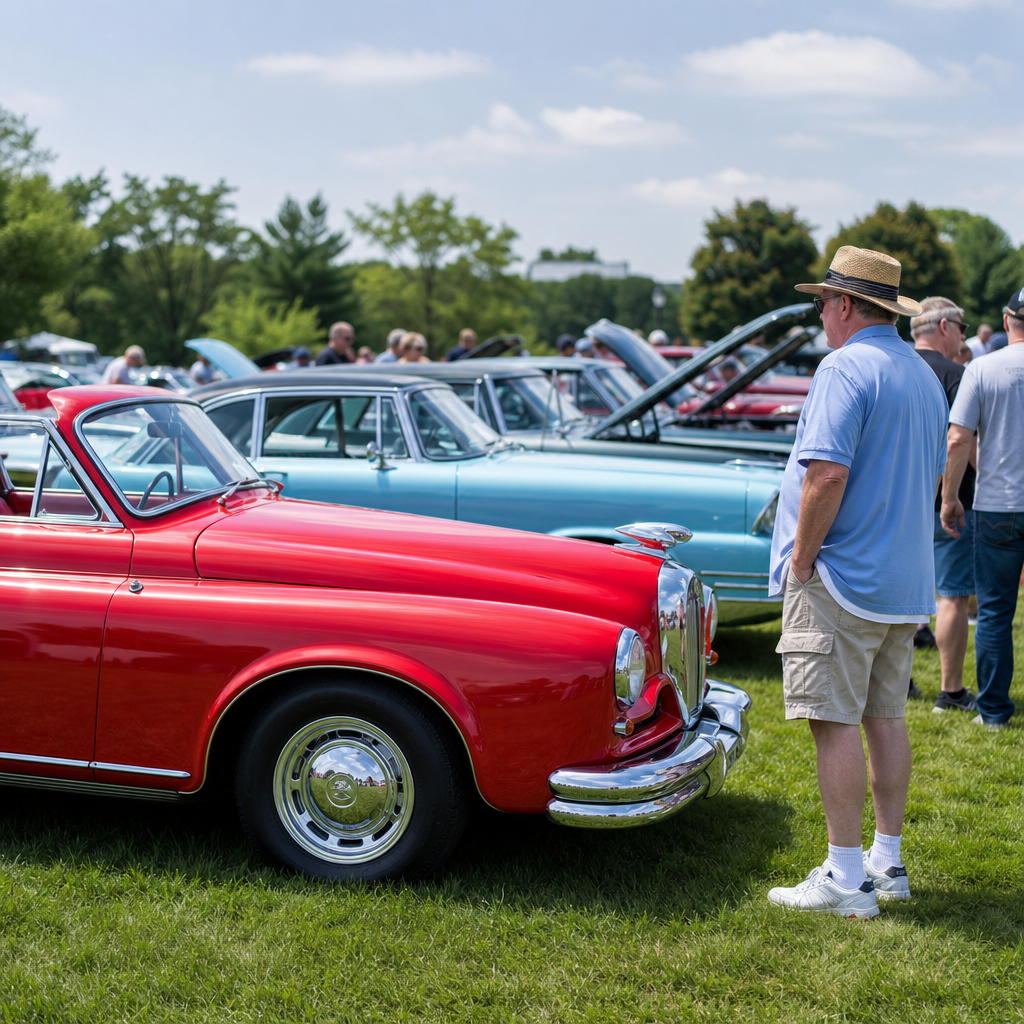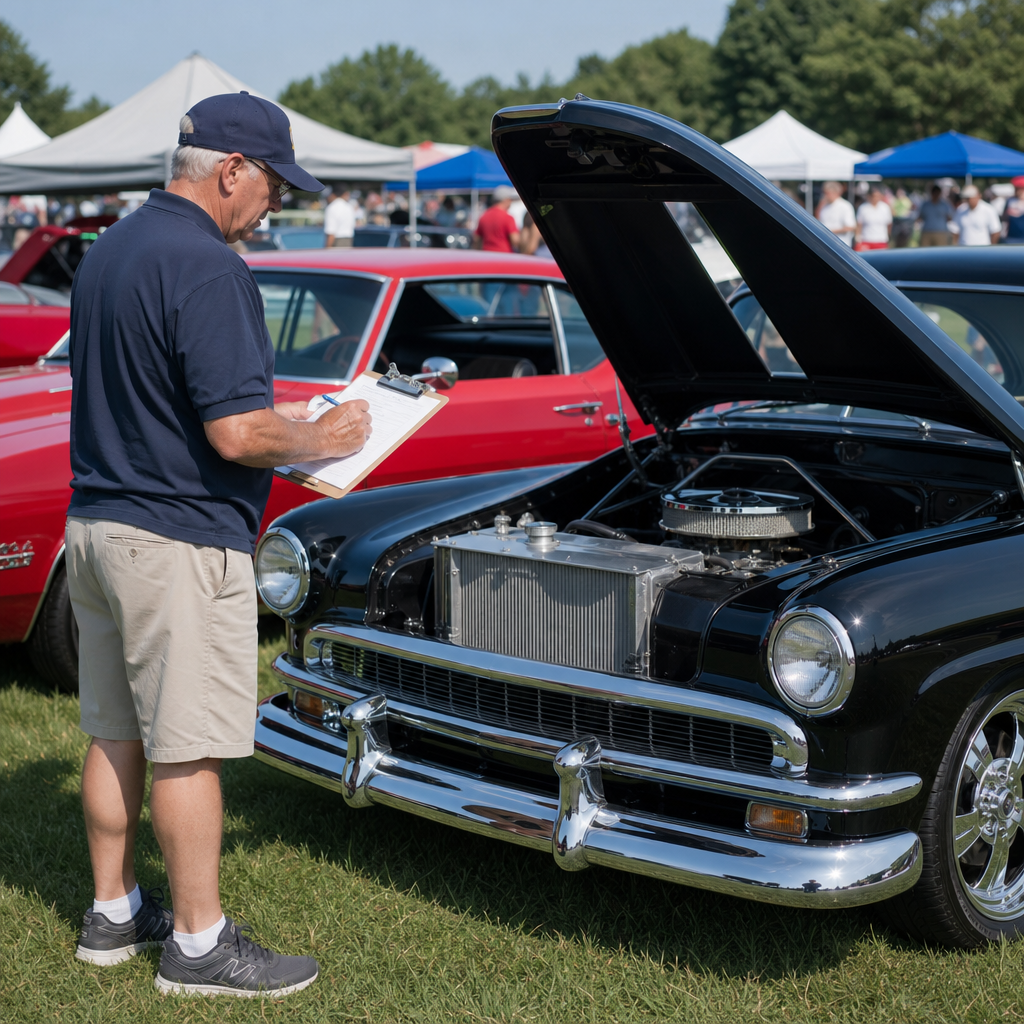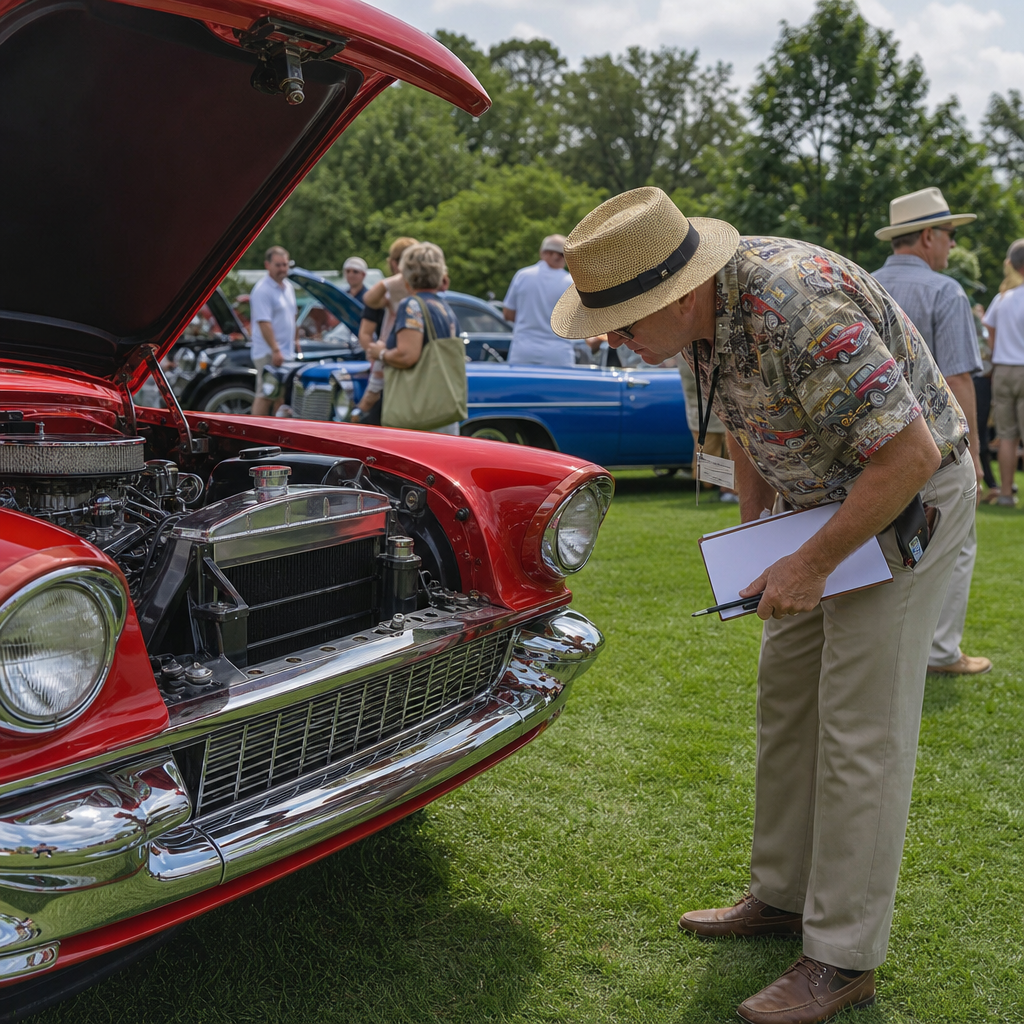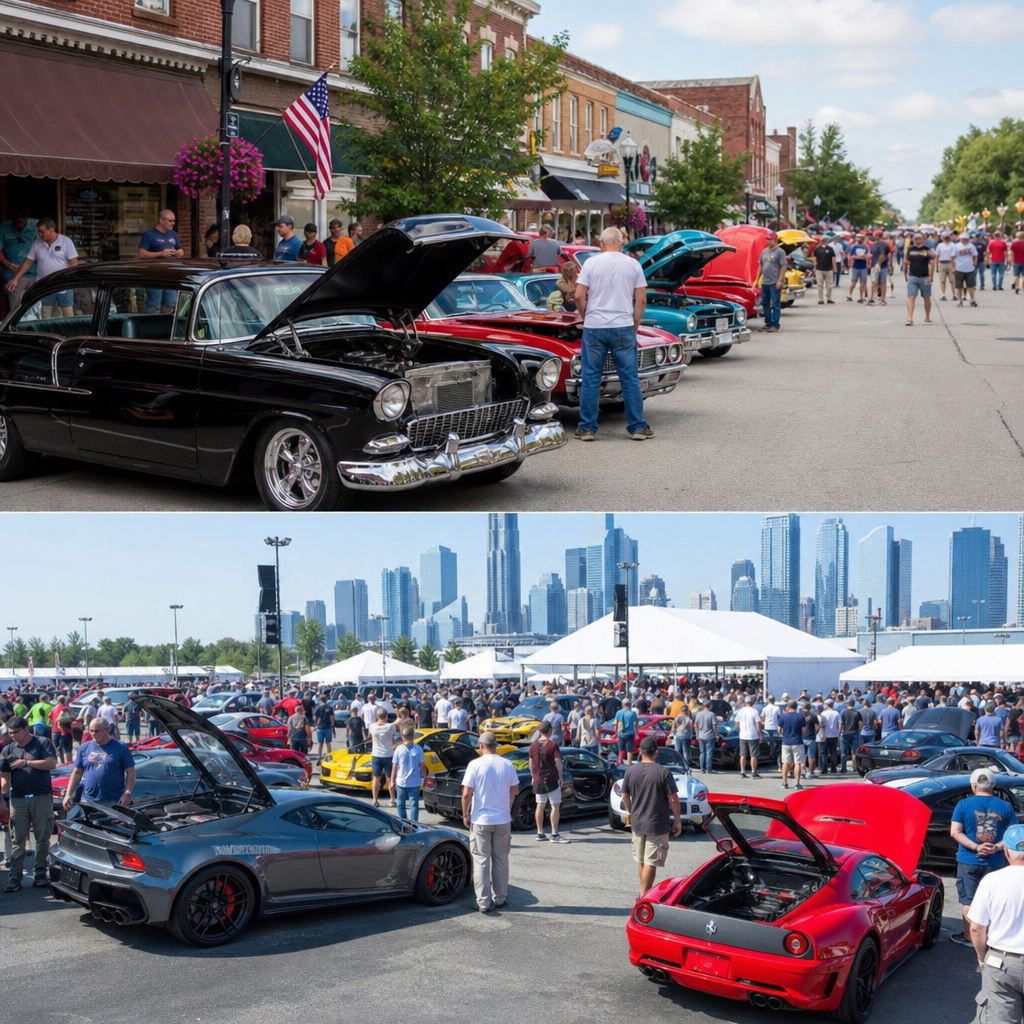
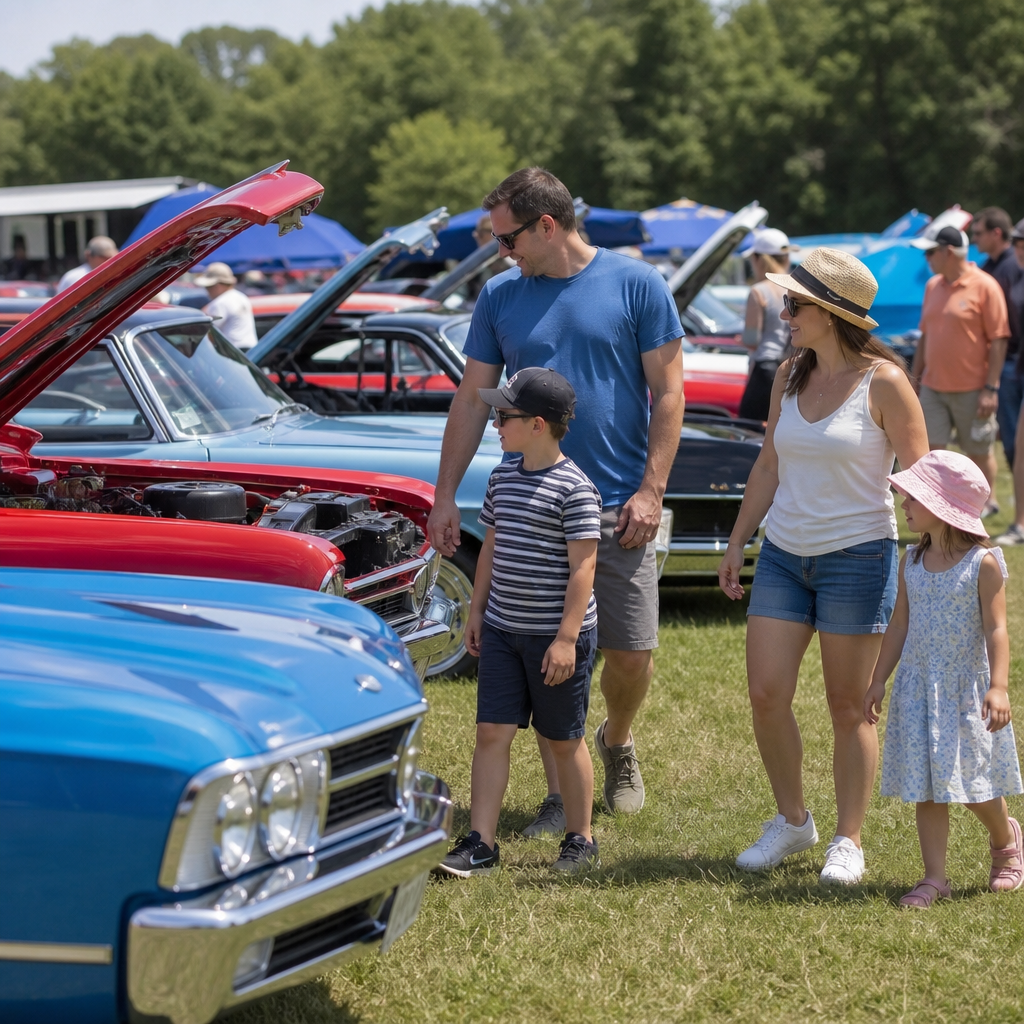
Family-friendly classic car shows worth visiting give enthusiasts a way to enjoy automotive history without leaving children, grandparents, or first-time visitors behind. In the broad world of classic car culture, “family-friendly” means more than allowing kids through the gate. It usually signals daytime scheduling, accessible grounds, clean facilities, safe crowd flow, food options beyond beer tents, interactive displays, and a welcoming mix of vehicles that appeals to casual spectators as much as serious collectors. “Classic car shows” can include concours events, local cruise-ins, marque gatherings, swap meets, museum festivals, and charity weekends. Each format offers a different experience, and understanding those differences helps families choose events that fit their budget, energy level, and attention span.
I have spent years covering and attending automotive events with mixed-age groups, and the best family experiences rarely come from the biggest name alone. They come from shows designed with comfort, pacing, and variety in mind. A child may remember sitting in a restored pickup, watching a valve-cover painting station, or hearing a flathead V8 start for the first time more vividly than seeing a seven-figure concours winner behind velvet rope. Parents usually care about parking, stroller access, shade, and whether there is enough to do after forty-five minutes of looking at polished chrome. Seasoned enthusiasts want authenticity, interesting model history, and cars that are actually driven rather than only trailered in.
This matters because car shows often become a family’s gateway into the larger classic car hobby. A good event teaches design history, mechanical basics, craftsmanship, and local community heritage in a format that feels social rather than academic. It can also connect visitors to related interests such as vintage racing, restoration shops, automobilia, museums, and road-trip tourism. As the hub for car shows and events within classic car culture and lifestyle, this guide explains what makes a show family-friendly, which major events consistently deliver, how to compare formats, how to plan a smooth visit, and how to turn one day at a show into an ongoing hobby the whole family can share.
What makes a classic car show truly family-friendly
A family-friendly classic car show has clear fundamentals. First, it is easy to navigate. Wide walkways, visible maps, frequent seating, and sensible entry lines make a major difference when you are moving with children or older relatives. Second, it offers varied programming. Static rows of vehicles can impress dedicated enthusiasts, but families stay longer when events include engine demonstrations, junior judging cards, restoration displays, vendor villages, live music at moderate volume, and nearby attractions such as museums or downtown districts. Third, the event balances access with preservation. The best organizers protect valuable cars while still creating enough close-up viewing and supervised interaction to keep younger visitors engaged.
Safety and comfort are equally important. Well-run shows separate moving vehicles from pedestrian-heavy areas, announce start-up zones clearly, and use volunteers to direct crossings. Good events also provide practical amenities: water stations, restrooms, shaded seating, and food choices that suit different age groups. If an event starts early to avoid afternoon heat, families benefit. If it runs into the evening, adequate lighting and a clear departure plan matter. Ticket pricing also affects friendliness. Free admission for children, bundled family passes, and adjacent public parking can turn an aspirational outing into a realistic one.
Another sign of quality is breadth. Families tend to enjoy shows that mix eras and vehicle types: brass-era runabouts, prewar luxury cars, 1950s convertibles, muscle cars, vintage trucks, hot rods, and European sports cars. The variety creates natural conversation. A grandparent may connect with a 1940 Ford, a parent may stop at a 1969 Camaro, and a child may gravitate to a brightly restored Volkswagen bus. Events that include owner stories on placards or mobile apps perform especially well because they translate sheet metal into human history.
Types of car shows and how the experience changes
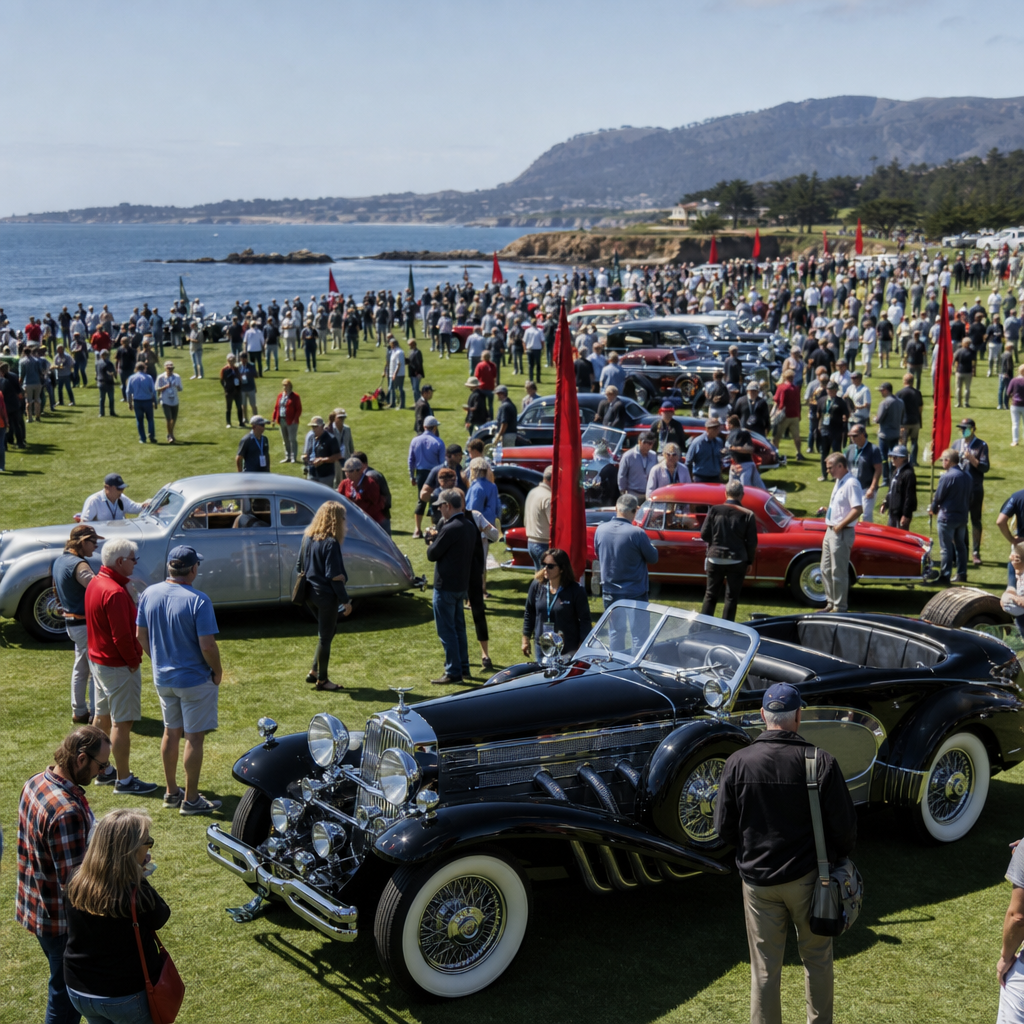
Not all classic car events feel the same, and choosing the right format is the fastest way to improve a family day out. Concours events are typically the most polished. Cars are judged against rigorous standards for authenticity, condition, and presentation. These shows can be visually stunning and educational, especially when signage is strong, but they may offer less hands-on interaction. Local cruise-ins are the opposite. They are informal, usually affordable, and often friendlier for short visits because families can arrive, walk a few rows, get lunch, and leave without committing to an all-day schedule.
Swap meets and combined show-meets work well for mechanically curious families. Children can see carburetors, emblems, tools, and trim pieces up close, while adults learn what restoration parts actually look like outside a catalog. Museum-hosted festivals are often the easiest entry point for newcomers because staff already know how to interpret artifacts for broad audiences. Marque-specific gatherings, such as all-Corvette or all-Mustang events, can be excellent if someone in the family loves that model line, but general-interest visitors may prefer broader shows with more visual variety.
Vintage racing weekends deserve special mention. They combine static display with motion, sound, and driver access. In my experience, even relatives who think they are “not car people” often engage once they hear announcers explain why drum brakes, wire wheels, or displacement classes mattered. The caveat is noise and pace. Families with very young children should bring hearing protection and set realistic expectations about walking distances, pit access, and weather exposure.
| Event type | Best for | Main advantage | Possible drawback |
|---|---|---|---|
| Concours | History-minded families | Exceptional cars and strong presentation | Less tactile, often higher ticket cost |
| Cruise-in | Short casual outings | Low pressure and easy access | Quality and amenities vary widely |
| Museum festival | First-time visitors | Built-in interpretation and facilities | Smaller field than major national shows |
| Swap meet/show | DIY and restoration interest | Great learning environment | Can feel less organized for children |
| Vintage racing weekend | Active, high-energy families | Cars in motion and paddock access | Noise, heat, and longer walking distances |
Major family-friendly classic car shows worth visiting
Among premier events in the United States, the AACA Eastern Fall Meet in Hershey, Pennsylvania, stands out as one of the most rewarding for families who want both scale and substance. Organized by the Antique Automobile Club of America, Hershey combines a huge car show, car corral, and swap meet with deep educational value. Families can see everything from early brass cars to postwar American classics, and the nearby AACA Museum adds context that helps younger visitors understand what they are seeing. The practical challenge is distance; the grounds are extensive, so comfortable shoes, a meeting plan, and realistic pacing are essential.
The Charlotte AutoFair at Charlotte Motor Speedway is another strong choice because the venue naturally supports crowd management, parking, and broad appeal. It blends classic cars, vendors, celebrity features, and a setting that feels exciting even to children who simply like motorsports atmosphere. Likewise, Goodguys events, held in multiple cities, are reliable options for families who enjoy hot rods, customs, and American classics. Goodguys has long emphasized accessible fun, and many shows include autocross action, vendor displays, and youth-oriented programming that breaks up the day.
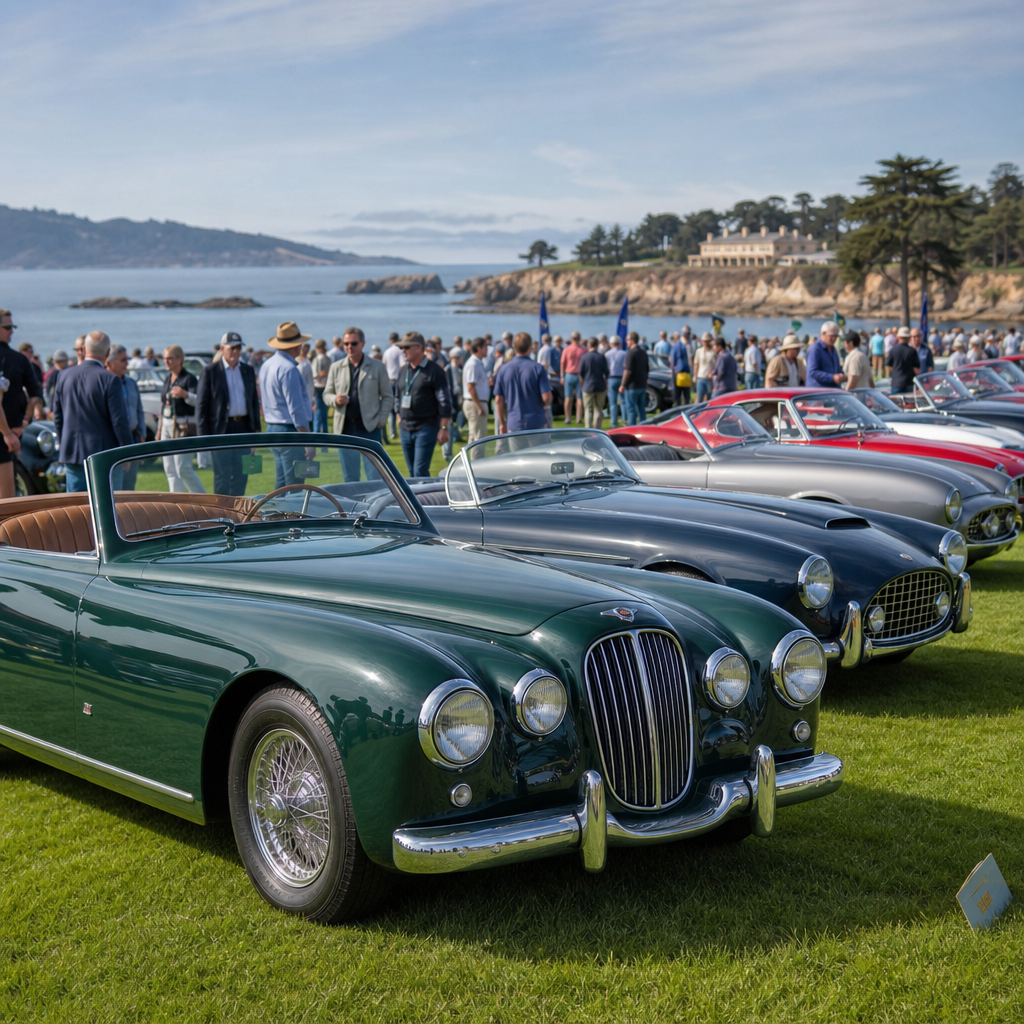
For a more refined but still approachable experience, the Greenwich Concours d’Elegance in Connecticut and The Amelia in Florida offer top-tier vehicles in settings that often include lifestyle programming, strong food options, and polished logistics. These are excellent for families with older children who can appreciate design, rarity, and historical storytelling. On the West Coast, the Pebble Beach Concours d’Elegance is iconic, but it is best approached as a premium bucket-list event rather than the easiest first family outing. Monterey Car Week as a whole offers broad appeal because it includes auctions, manufacturer displays, and community events, yet the schedule can become expensive and crowded quickly.
For regional charm, local downtown shows and museum events are often the hidden winners. The Gilmore Car Museum in Michigan regularly hosts themed car gatherings in an environment built for families, with multiple exhibit buildings and lawn space that reduce fatigue. In the United Kingdom, the Goodwood Revival remains one of the most immersive heritage events anywhere, mixing historic racing, period dress, aviation, and remarkable machinery. Families who enjoy theatrical experiences as much as cars often rank it among their best trips.
How to plan a smooth visit with children and mixed-age groups
The most successful family visits start before tickets are purchased. Check the event map, opening hours, re-entry policy, and parking setup. If the show covers a large area, identify one must-see section for each family member, then build the day around those priorities. I usually advise arriving early, especially in warm-weather states, because cars are easier to photograph, crowds are lighter, and children are more patient in the first two hours. A short morning visit often beats an ambitious full-day plan that ends with everyone tired and overheated.
Pack specifically for the environment. Sunscreen, hats, refillable water bottles, portable phone chargers, baby wipes, and hearing protection are basic essentials. Strollers work at paved concours sites and museum campuses, but a wagon may be better for fairgrounds or swap meets. Closed-toe shoes are safer when cars are moving in staging lanes. If a child is old enough, give them a simple scavenger hunt: find a tailfin, wooden steering wheel, hood ornament, side-exit exhaust, or whitewall tire. That turns passive looking into active discovery.
Food timing matters more than many families expect. Long lines at noon can derail a day, so either eat early or bring backup snacks if the rules allow them. Set a meeting point in case your group separates near a vendor area or grandstand. Finally, know when to leave. If you have seen the priority vehicles, taken photos, and enjoyed one or two demonstrations, ending on a high note is smarter than forcing extra hours and turning a good memory into a tiring one.
Turning one event into a deeper classic car hobby
A great family-friendly classic car show should not feel like a one-off spectacle. It should open doors. After the visit, look up the clubs, museums, and restoration shops represented at the event. Many local British car clubs, Mustang clubs, and antique automobile chapters welcome families and host relaxed monthly meets. Museums often publish annual calendars with seasonal festivals, driving tours, and educational workshops that build knowledge gradually. If a particular model captured your family’s attention, reading buyer guides or restoration histories together can deepen the connection.
Shows also help families discover how broad classic car culture really is. Some people are drawn to concours-level authenticity, where correct finishes, date-coded components, and factory specifications matter deeply. Others prefer the social side of cruise nights, where storytelling and neighborhood connection count more than judging sheets. Still others become interested in photography, memorabilia, die-cast collecting, or volunteer work at nonprofit museums. There is no single right entry path. The benefit of using family-friendly events as your starting point is that they remove intimidation and let interest grow naturally.
For anyone building a personal list of family-friendly classic car shows worth visiting, the smartest approach is to mix one major flagship event with several smaller local gatherings each year. That combination keeps costs manageable, exposes children to different eras and communities, and strengthens automotive knowledge over time. Start with an event that matches your family’s pace, prepare well, and stay curious once you arrive. The right show delivers more than polished chrome. It gives your family shared stories, practical knowledge, and a memorable way to experience classic car culture together. Plan your next event now and turn a casual outing into a lasting tradition.
Frequently Asked Questions
What makes a classic car show truly family-friendly?
A family-friendly classic car show does much more than simply welcome children at the entrance. The best events are designed so that multiple generations can enjoy the day comfortably and safely. That usually includes daytime hours, easy parking, clearly marked walking paths, stroller-friendly or wheelchair-accessible grounds, shaded seating areas, clean restrooms, and food choices that work for both adults and kids. A strong family-oriented event also tends to manage crowd flow well, avoiding the cramped, rowdy atmosphere that can make some large automotive gatherings difficult for younger visitors or older relatives.
Another important factor is the type of experience offered beyond the cars themselves. The most approachable shows mix serious collector vehicles with interactive displays, educational exhibits, vendor areas, live demonstrations, and activities that keep children engaged without overwhelming people who are there primarily to look at classic automobiles. A welcoming event usually features a broad range of vehicles too, from prewar models and chrome-heavy cruisers to muscle cars, trucks, hot rods, and nostalgic daily drivers that spark conversation across age groups. In short, a family-friendly classic car show creates an atmosphere where enthusiasts can appreciate automotive history while first-time visitors, children, and grandparents all feel included rather than sidelined.
Are classic car shows a good outing for children who are not already interested in cars?
Yes, especially when the event is selected carefully. Children do not need to be dedicated car enthusiasts to have a great time at a well-run classic car show. Many family-friendly shows succeed because they offer strong visual variety, bright colors, unusual shapes, polished chrome, vintage interiors, and memorable details that naturally capture attention. Kids often respond to the storytelling side of the hobby just as much as the machinery itself. Learning that a certain car was driven in a different era, restored by a family, or tied to a movie, parade, or local history can make the experience feel more like an adventure than a technical display.
Parents can make the visit more engaging by turning it into a scavenger hunt or simple game. Looking for the oldest car, the brightest paint color, a convertible, a tailfin, or a vehicle with a hood ornament can help younger visitors stay involved. Many family-friendly events also add extras such as live music, model car displays, charity fundraisers, children’s zones, or opportunities to watch owners discuss restoration work. Those elements create natural breaks between rows of vehicles. For children who are not already interested in cars, the key is choosing a show with variety, space to move around, and enough hands-on or visually interesting features to keep the day active rather than static.
How can families choose the best classic car shows to visit together?
The best way to choose a family-friendly classic car show is to look beyond the event name and study how the show is organized. Start with practical details: hours, location, parking, ticket pricing, restroom access, and whether the venue is manageable for strollers, wheelchairs, or guests who cannot walk long distances. Events held at fairgrounds, parks, downtown main streets with controlled traffic, or museum campuses often work well because they usually offer better infrastructure than informal meetups. It is also wise to check whether the show publishes a schedule, map, or list of attractions in advance, since that suggests a more organized experience for families.
You should also evaluate the atmosphere the event promotes. Shows that highlight community activities, charity involvement, educational exhibits, food vendors, and broad vehicle categories are often easier for mixed-age groups to enjoy than events focused narrowly on late-night cruising or highly specialized judging. Reviews, social media photos, and local community pages can be helpful because they show whether families actually attend in noticeable numbers. If you see daytime crowds, children’s activities, accessible seating, and a relaxed pace, that is a strong sign the event matches the article’s idea of family-friendly. In general, the best classic car shows for families balance automotive quality with comfort, safety, and entertainment for people who may not spend every weekend in car culture.
What should families bring to a classic car show for a comfortable day out?
A little preparation makes a big difference, especially at outdoor events. Comfortable walking shoes are essential because even smaller classic car shows often involve more walking and standing than first-time visitors expect. Families should also bring weather-appropriate items such as sunscreen, hats, sunglasses, refillable water bottles if permitted, and lightweight layers for changing temperatures. If children are coming along, snacks, wipes, hand sanitizer, and a small activity item for breaks can help keep the outing pleasant. For grandparents or anyone who may need occasional rest, it can be useful to confirm in advance whether the venue offers benches, shaded seating, or mobility support.
It is also smart to think about how you want to experience the event. A phone or camera is helpful for photos, but families should also carry a simple plan for meeting up if the group gets separated in a busy area. If the show allows purchases from vendors, bringing a small tote bag can be useful for souvenirs, brochures, or snacks. Some families also enjoy bringing a list of car models they hope to spot, which gives children and first-time visitors an easy way to participate. The goal is not to overpack, but to arrive ready for a relaxed, flexible visit so everyone can focus on enjoying the cars, the history, and the shared experience.
What kinds of classic car shows are usually the most enjoyable for multi-generational groups?
The most enjoyable classic car shows for multi-generational groups are usually the ones with broad appeal rather than a very narrow specialty focus. Large community car shows, museum-hosted events, heritage festivals with automotive sections, and long-running regional gatherings tend to work especially well because they attract a wide mix of vehicles and visitors. That variety matters. Grandparents may enjoy seeing models they remember from everyday life, parents may gravitate toward muscle cars or trucks from their youth, and children may be drawn to convertibles, unusual custom builds, or brightly restored vehicles. A diverse show creates more opportunities for personal connection and conversation across generations.
Events that include a strong non-automotive component are often the most successful family outings too. For example, classic car shows paired with downtown festivals, food events, live entertainment, local history exhibits, or charity activities usually hold attention longer than rows of cars alone. They give family members natural ways to participate at their own pace, whether that means closely studying restoration details, listening to music, grabbing lunch, or simply enjoying the atmosphere. In general, the best multi-generational classic car shows feel welcoming and well-paced. They offer enough automotive depth for enthusiasts while remaining easy, comfortable, and interesting for relatives who are there more for the shared day out than for the technical side of the hobby.