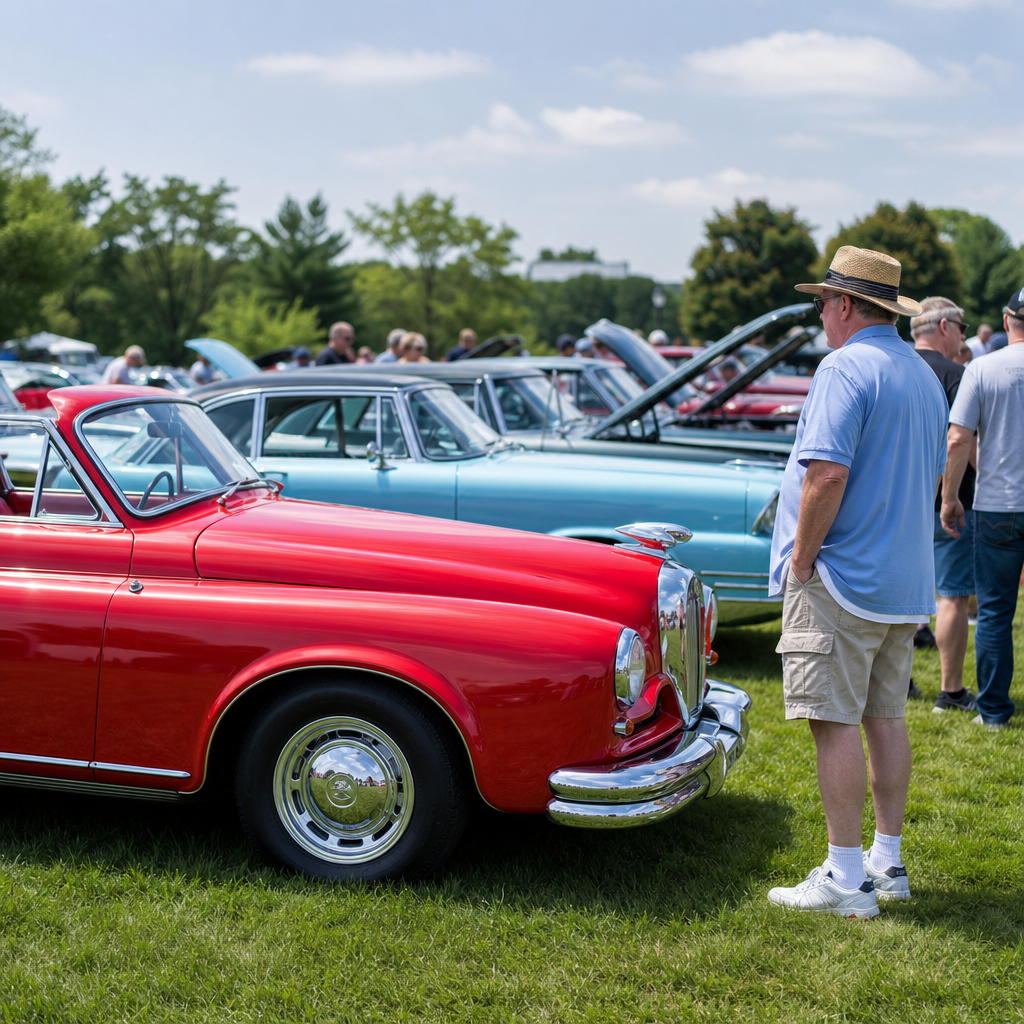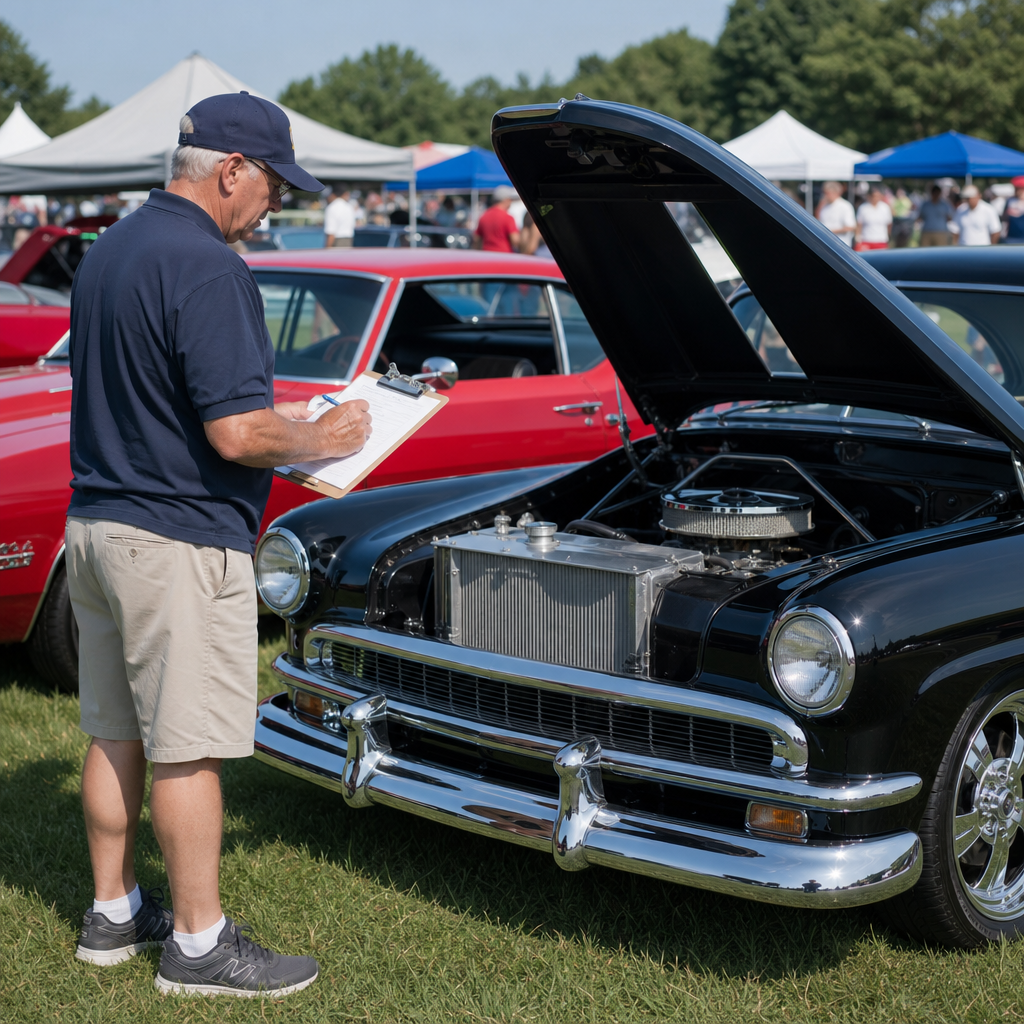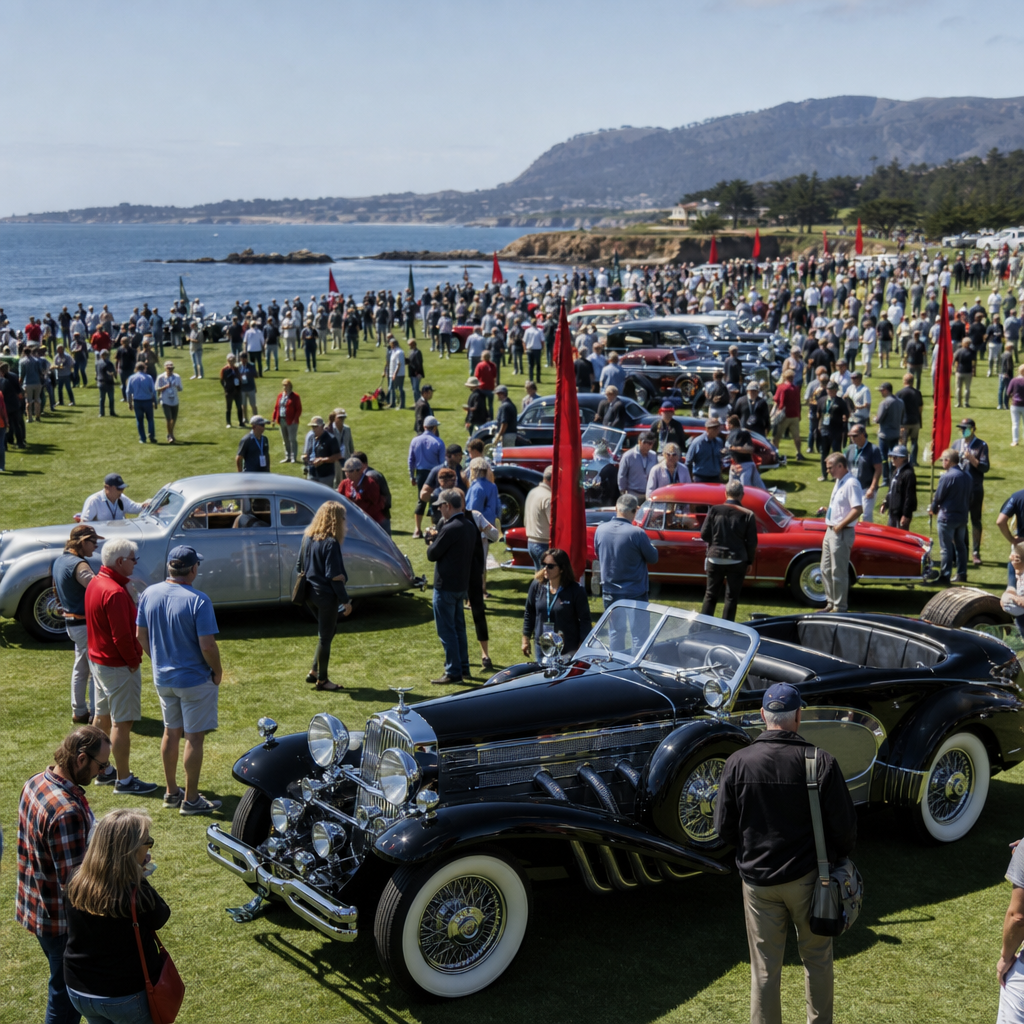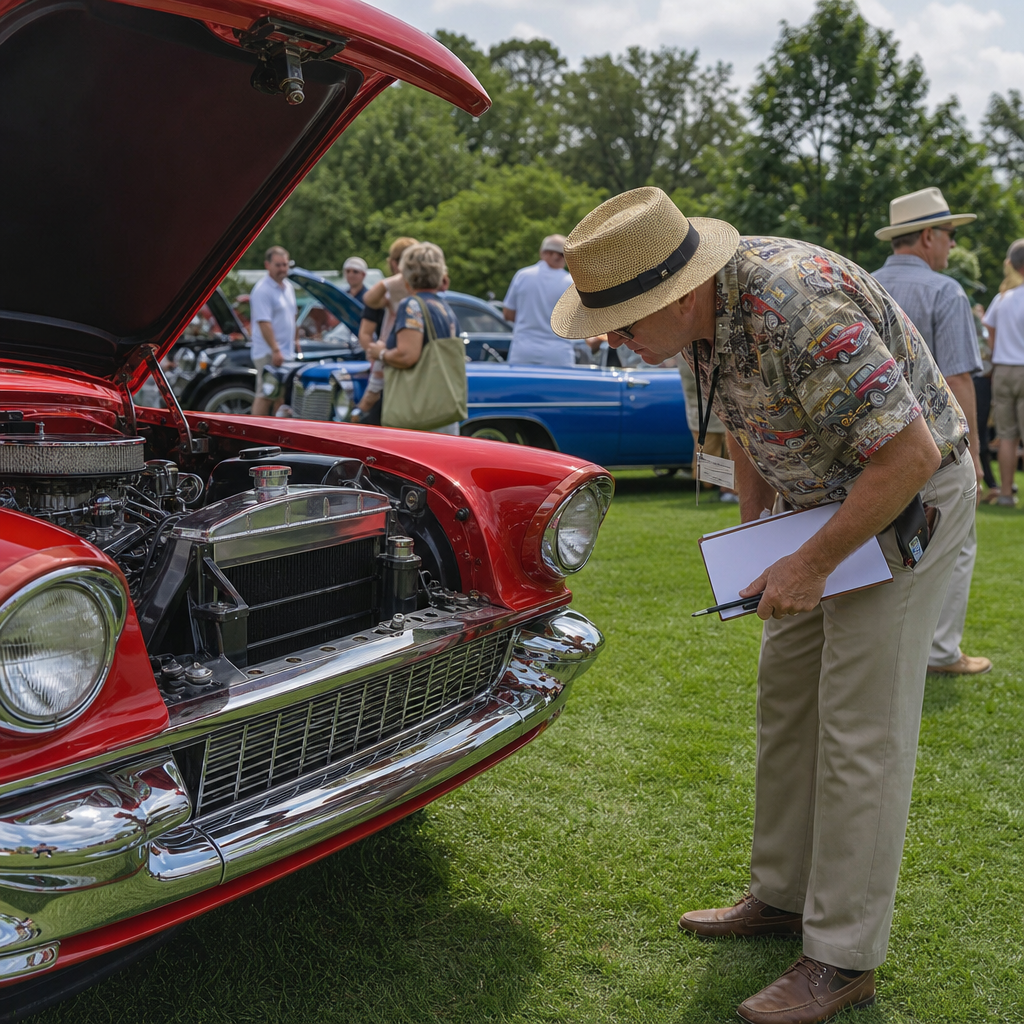
Classic car events are where vehicles, stories, business opportunities, and long-term friendships meet, which is why learning how to network at classic car events matters as much as understanding engines, trim codes, or restoration budgets. In practical terms, networking means building useful, genuine relationships with owners, judges, club leaders, vendors, restorers, auction specialists, and enthusiasts who share your interest in vintage automobiles. Classic car events include local cruise-ins, concours d’elegance, marque-specific meets, swap meets, charity rallies, auctions, and large national shows, each with its own pace, etiquette, and networking value. I have spent years attending these gatherings for sourcing parts, meeting restoration shops, arranging editorial interviews, and helping collectors make introductions, and the same pattern always holds true: the people who get the most from car shows arrive prepared, ask better questions, and follow up well afterward. This topic matters because classic car culture still runs heavily on trust, reputation, and word-of-mouth. A strong network can help you find impossible parts, verify a car’s history, avoid overpriced projects, access private sales, discover skilled upholsterers or paint specialists, and learn event etiquette faster than any forum thread alone can teach you.
For anyone entering the classic car world, the main challenge is that events can feel social on the surface but surprisingly layered underneath. There are owners who enjoy casual conversation, judges who value historical accuracy, vendors who need qualified buyers, and club organizers who quietly connect everyone. If you understand how to approach each group, you stop wandering and start participating. This hub on car shows and events explains how to prepare before attending, how to start meaningful conversations on site, how to read different event formats, and how to turn a brief chat beside a fender into a useful relationship. Whether your goal is buying your first vintage car, expanding a collection, finding restoration guidance, or simply becoming part of the classic car community, effective networking gives every event more value.
Understand the Event Types Before You Arrive
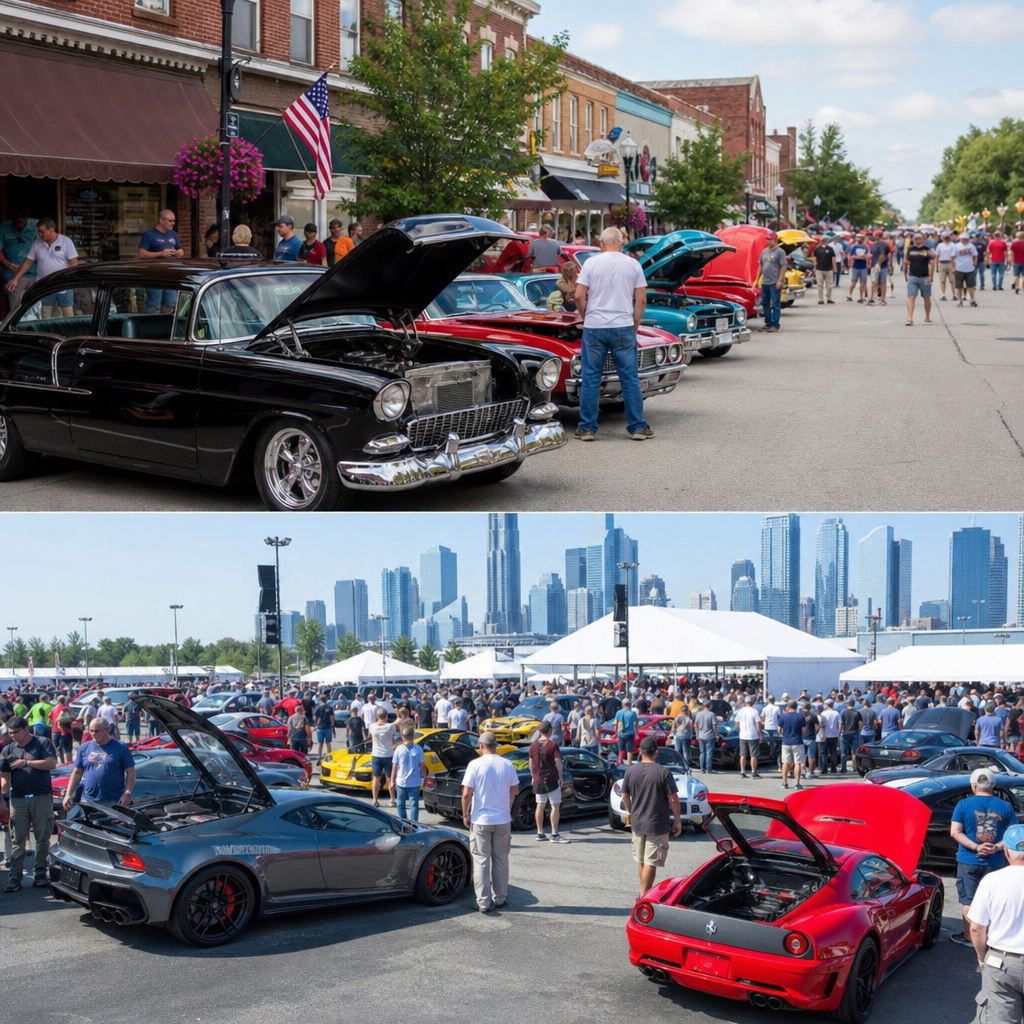
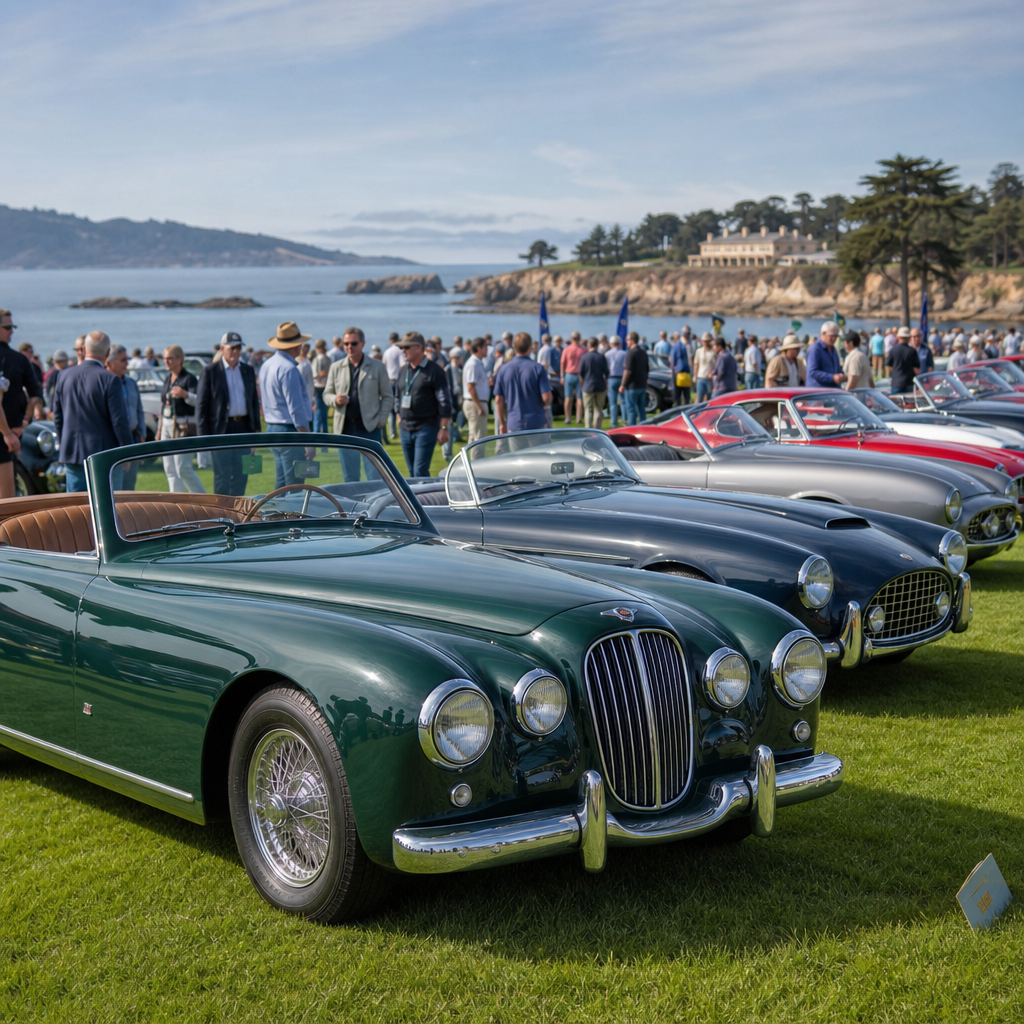
The first rule of successful networking at classic car events is to know what kind of event you are attending, because the best approach at a Saturday morning cars-and-coffee is different from the best approach at a judged concours or a regional swap meet. Casual meets reward openness and broad conversation. Judged shows reward informed, respectful discussion and awareness that owners may be focused on presentation. Auctions favor concise conversations, market knowledge, and quick credibility. Swap meets are highly transactional, but they are also one of the best places to meet seasoned hobbyists who know where parts and projects are hiding. Club events often provide the deepest long-term networking value because people return repeatedly and trust compounds over time.
Before attending, review the event website, featured classes, sponsoring clubs, vendor list, and schedule. If there is a seminar on paint correction for single-stage finishes, a registry meet for air-cooled Porsches, or a preservation class for unrestored survivors, those details tell you exactly which conversations are likely to happen. I often map events in three layers: people I already know, people I want to meet, and knowledge gaps I want to close. That prevents aimless walking and helps identify where to spend time. If you are new, focus first on events with relaxed access, strong club participation, and visible owners near their cars. Those settings make it easier to ask questions without interrupting formal judging or sales negotiations.
Prepare a Networking Plan That Fits Classic Car Culture
Networking in this space works best when preparation is specific and understated. Bring business cards if you have a business, collection, media role, or restoration service, but do not rely on cards alone. Your strongest tools are knowledge, curiosity, and context. Know your interests in clear terms: for example, say you are looking for a C3 Corvette driver-quality coupe, researching period-correct Weber carburetor setups for an Alfa Romeo Spider, or learning which trim suppliers are trusted for 1967 Mustangs. Specificity makes you memorable. Vague lines such as “I like old cars” rarely move a conversation forward.
It helps to prepare a short introduction that explains who you are and why you are there. Mine usually includes what I work on, what I am currently researching, and what I appreciate about the event. Owners respond well when they hear focused enthusiasm instead of rehearsed sales language. Also carry a phone charger, a notes app ready for names and leads, and a folder or digital album with photos of your project if you have one. Many productive conversations begin when someone sees your car’s current condition and immediately recommends a machine shop, club registrar, or trim expert. In classic car circles, visible proof of your project invites better advice than general descriptions.
Start Conversations Without Sounding Opportunistic
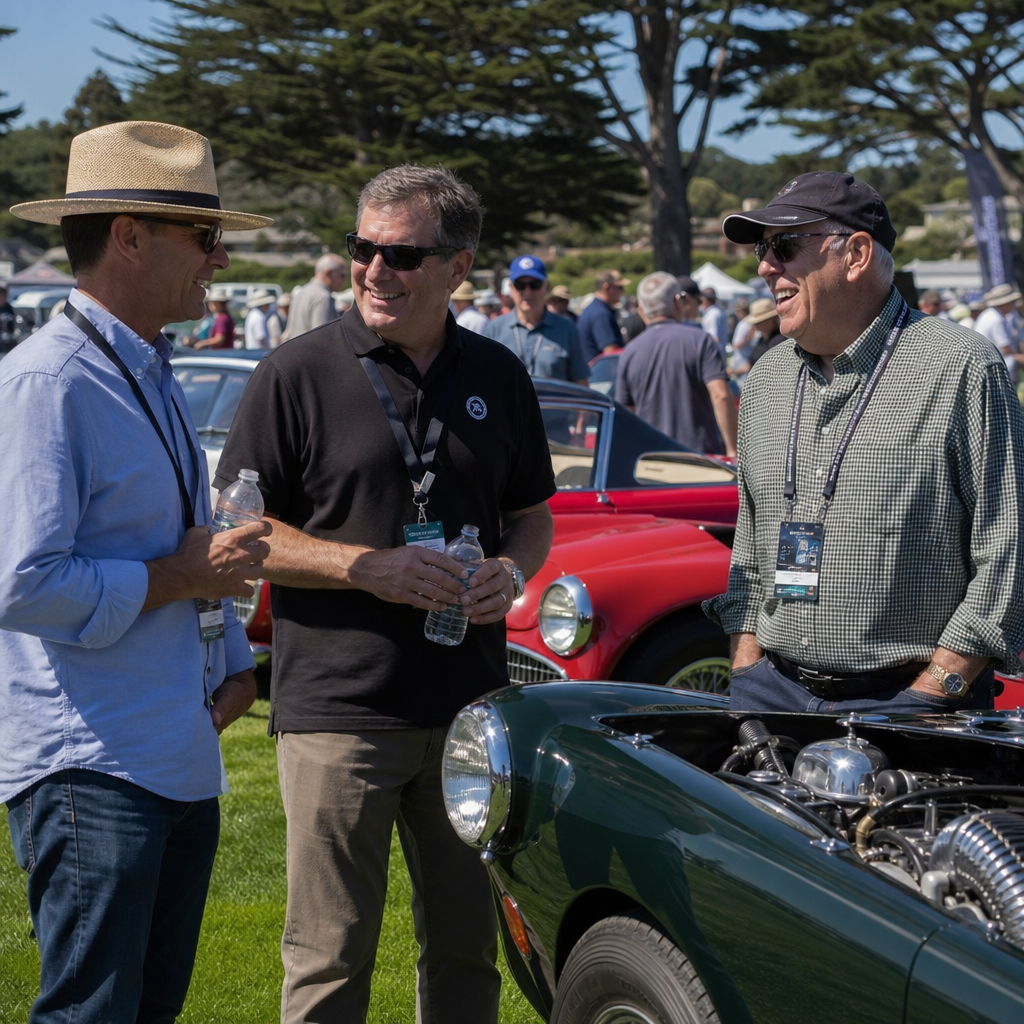
The easiest way to network at classic car events is to begin with the car, then move naturally to the person and their experience. Good opening questions are concrete: What drew you to this model? How long did the restoration take? Is that the original color code? Did you source that interior locally? These questions show respect for the vehicle and invite stories rather than one-word answers. Once conversation opens, listen closely. Owners usually reveal what matters to them: authenticity, drivability, family history, racing pedigree, or preservation. That gives you a path to a genuine connection.
Avoid the two most common mistakes: leading with your agenda and pretending expertise you do not have. If your real goal is finding a reputable body shop, do not start by asking for referrals before acknowledging the person’s car. Spend a few minutes engaging sincerely. Equally, do not overstate your knowledge to impress experienced enthusiasts. In this hobby, inaccuracies are noticed quickly. I have seen newcomers gain far more respect by saying, “I am learning the difference between a restored car and a preserved car” than by bluffing through technical details. Honesty makes people more willing to help, especially when they sense you value their experience.
Know Who to Meet and What Each Contact Can Offer
Not every valuable connection is an owner of a polished, high-visibility car. Some of the most useful contacts at classic car events are registrars, parts vendors, event volunteers, detailers, appraisers, photographers, transporters, and long-time club members who seem to know everyone. A judge can explain authenticity standards and point you toward marque experts. A vendor can tell you which reproduction parts consistently fail. A transporter may know which collections are changing hands. A photographer often knows which owners are approachable and which cars have notable histories. Club officers can introduce you to local chapters, newsletters, tours, and private member classifieds.
| Contact Type | Best Question to Ask | Networking Value |
|---|---|---|
| Owner | What has ownership taught you about this model? | Real-world buying, maintenance, and sourcing insight |
| Judge | What details separate a strong example from an average one? | Authenticity guidance and standards awareness |
| Vendor | Which parts or services do customers struggle with most? | Problem-solving leads and supplier credibility |
| Club Leader | What events or member resources help newcomers most? | Community access and repeat introductions |
| Restorer | Which jobs should owners never underestimate? | Budget reality and project planning |
Use this structure to decide where your time goes. If you are shopping for a car, owners, appraisers, and marque club members are high priority. If you already own a project, restorers, trim specialists, and parts vendors may be more valuable. If your goal is entering the social side of classic car culture, club leaders and recurring local attendees matter most. Networking improves quickly when you stop treating every conversation as equal and start matching people to your actual needs.
Practice Event Etiquette That Builds Trust
Classic car networking depends on etiquette more than many newcomers expect. Do not touch a vehicle without permission. Do not lean on fenders, place drinks near paint, or interrupt owners while judges are evaluating the car. If an owner is detailing the vehicle moments before an award round, keep your greeting brief and return later. Ask before taking close-up photos of documents, engine bays, or interior details, especially if the car is rare or privately offered. These small courtesies mark you as someone who understands the culture.
Trust also grows when you respect the difference between admiration and interrogation. A thoughtful owner may welcome ten minutes of discussion on casting numbers, but very few people enjoy being cross-examined by a stranger. Pace your questions. Offer useful comments when relevant, such as recognizing a hard-to-find accessory or complimenting a tasteful preservation choice. If you promise to share a contact, article, or parts lead, follow through. Reliability is remembered. In my experience, one kept promise after an event creates more goodwill than five enthusiastic conversations on the show field.
Turn Brief Encounters Into Long-Term Relationships
The real value of networking at classic car events appears after the event ends. Follow up within forty-eight hours while the conversation is fresh. Send a short message that references something specific: the owner’s 289 Hi-Po engine rebuild, the judge’s comments on original finishes, or the vendor’s advice about wiring harness quality. That detail proves you were paying attention. If appropriate, connect on social platforms where the classic car community is active, but choose channels carefully. Facebook groups remain useful for clubs and parts leads, while Instagram works better for visual projects and event visibility. Email is still the most reliable tool for professional restoration and sales conversations.
Give before you ask again. Share a photo you took, send a link to a club calendar, mention an upcoming swap meet, or introduce two people with a clear reason. Relationship equity matters in this hobby. Over time, the people who consistently exchange useful information become the ones who receive first calls about estate sales, private listings, and restoration openings. Keep a simple contact log with names, cars, locations, and interests. I do this after every major event, and it prevents the common mistake of forgetting who mentioned the NOS trim source, who specializes in Packard straight-eight engines, or who invited you to a regional tour.
Use Car Shows and Events as a Hub for the Wider Hobby
Because this page serves as a hub for car shows and events within classic car culture and lifestyle, it is important to see networking as the thread connecting every event format. At local shows, you build familiarity and confidence. At national meets, you expand your reach across regions and specialties. At auctions, you sharpen market judgment and meet serious buyers, consignors, and inspectors. At swap meets, you gain sourcing intelligence and practical repair knowledge. At charity drives and tours, you spend longer periods with the same people, which often accelerates trust more effectively than static show-field conversations.
Use events strategically across the year. A winter indoor show is good for meeting vendors and clubs. A spring swap meet is ideal for parts hunting and restoration conversations. Summer concours events expose you to high standards of presentation and provenance research. Fall tours and driving events reveal which owners actually use their cars and which service providers keep them reliable on the road. If you want a stronger foothold in classic car culture, build an annual event calendar and revisit the same circles. Familiarity is what turns recognition into rapport, and rapport is what turns a hobby contact into a trusted source.
Networking at classic car events is not about collecting the most handshakes or business cards. It is about showing up informed, engaging respectfully, and leaving people with a clear reason to remember you. When you understand the type of event, prepare specific goals, ask smart questions, follow etiquette, and maintain contact afterward, every show becomes more than entertainment. It becomes a gateway to better buying decisions, stronger restoration outcomes, richer historical knowledge, and a more rewarding place within the classic car community.
The biggest benefit is access. Access to experience, access to trustworthy recommendations, access to hidden opportunities, and access to the stories that make classic car culture feel alive rather than transactional. Start with one event, one good conversation, and one thoughtful follow-up. Then repeat the process consistently. Over time, your network will become one of the most valuable assets you have in the hobby, whether you own a concours winner, a driver-grade coupe, or simply a strong desire to learn more.
Frequently Asked Questions
What is the best way to start networking at classic car events if I am new to the scene?
The best approach is to begin with curiosity, not a sales pitch. If you are new to classic car events, focus on introducing yourself naturally and showing real interest in the cars, the owners, and the stories behind them. A simple opener such as asking how long someone has owned a vehicle, what restoration challenges they faced, or what makes a specific model special can start a meaningful conversation without feeling forced. People in the classic car community usually enjoy sharing knowledge, especially when they can tell you are genuinely engaged.
It also helps to arrive with a little preparation. Learn the basics about the event, the featured marques, or the era of vehicles likely to be there. That background gives you more confidence and allows you to ask better questions. If you are attending a local cruise-in, concours, swap meet, or auction preview, remember that each setting has its own rhythm. Cruise-ins tend to be casual and social, while judged shows and auctions can attract more serious collectors, restorers, and industry professionals. Adjust your tone accordingly.
Most importantly, do not try to meet everyone at once. A handful of quality conversations is far more valuable than collecting a stack of business cards with no follow-up. Introduce yourself to owners, vendors, club members, and event staff. Thank people for their time, listen carefully, and be respectful of moments when an owner is busy with judges, buyers, or other guests. Networking in the classic car world is built on trust and familiarity, so your goal at the first event is simply to become a recognizable, positive presence.
Who should I try to connect with at classic car events?
You should think beyond just car owners. The strongest networks at classic car events are usually built by connecting with a mix of people who represent different parts of the hobby and business. Owners are a great starting point because they often have years of firsthand experience with maintenance, sourcing parts, restoration decisions, and the history of specific vehicles. Their stories can lead to introductions to mechanics, appraisers, transport specialists, and marque experts.
Club leaders are also valuable contacts because they are often at the center of local and regional enthusiast communities. They know which events matter, which shops have the best reputation, and which collectors or judges are especially knowledgeable. Vendors and parts suppliers can help you understand the practical side of the hobby, including availability, pricing trends, and the realities of keeping older vehicles on the road. Restorers and detailers can offer insight into craftsmanship, common mistakes, and what separates a quality project from an overpriced one.
Do not overlook judges, auction specialists, photographers, and event organizers either. Judges often understand authenticity standards and originality issues better than most attendees. Auction professionals can help you learn about buyer interest, market shifts, and presentation strategies. Event organizers and volunteers tend to know a wide range of participants and can make introductions. If your goals are business-related, these connections can become especially important over time. If your goals are social or educational, they still add depth to your network. In short, the best networking strategy is to build relationships across the entire ecosystem, not just within one narrow group.
How can I make a strong impression without seeming pushy or insincere?
The key is to be memorable for the right reasons: respect, enthusiasm, and follow-through. At classic car events, people notice when someone is genuinely interested and when someone is only there to promote themselves. A strong impression starts with good etiquette. Ask before touching a car, avoid interrupting intense conversations or judging moments, and pay attention to whether the owner seems available to talk. Even small gestures like complimenting a specific restoration detail or recognizing a rare trim package can show that you appreciate the car and the effort behind it.
Conversation style matters just as much. Instead of trying to dominate the discussion, ask thoughtful questions and let the other person talk. If you have relevant experience, share it briefly and naturally rather than turning the conversation into a monologue. People tend to remember those who listen well, especially in enthusiast communities where storytelling is part of the culture. If you are a buyer, seller, restorer, or service provider, be transparent about that, but do not force your agenda into every interaction. Relationships built too aggressively often do not last.
Another way to stand out is through consistency. If you attend events regularly, remember names, follow up on previous conversations, and show appreciation for the advice people share. That demonstrates reliability and respect. You can also make a strong impression by being helpful. For example, you might introduce two people with shared interests, support a club activity, or volunteer at an event. In the classic car community, reputation spreads over time, and the people who build the best networks are usually those who contribute value before asking for anything in return.
What should I do after a classic car event to turn conversations into real connections?
Following up is where casual event conversations become long-term relationships. After the event, reach out within a few days while the interaction is still fresh. If you exchanged contact information, send a short message that mentions something specific you discussed, such as a restoration project, a rare model, a club recommendation, or a parts source. Specificity matters because it shows you were paying attention and that your interest was genuine.
If the connection was made through a club, social media page, or event group, engage there as well. Comment thoughtfully on photos, ask follow-up questions, or thank someone publicly for advice they gave you. This keeps the relationship active without making it feel transactional. If appropriate, suggest a next step, such as meeting again at another cruise-in, visiting a shop, attending a club meeting, or continuing the conversation by phone. The strongest connections usually develop through repeated, low-pressure interactions rather than one dramatic introduction.
It is also smart to keep personal notes after events. Write down who you met, what cars they were involved with, and any important details about their interests or expertise. This helps you reconnect in a more personal way later. Over time, your network becomes much more useful when you can remember who specializes in pre-war cars, who knows paint correction, who has auction experience, or who belongs to a regional club. In the classic car world, long-term credibility often comes from showing that you remember people, respect their time, and stay engaged beyond the event itself.
How can networking at classic car events help with business opportunities, restorations, and long-term involvement in the hobby?
Networking at classic car events can open doors that are difficult to access through online research alone. For restorations, relationships often lead to trusted referrals for bodywork, upholstery, engine rebuilding, sourcing rare parts, transport, appraisals, and period-correct finishing. A single conversation with an experienced owner or marque specialist can save you significant time and money by helping you avoid the wrong shop, overpaying for parts, or making authenticity mistakes that hurt a car’s value.
From a business standpoint, classic car events bring together buyers, sellers, service providers, sponsors, club leaders, and media contacts in one place. If you work in restoration, insurance, detailing, event services, transport, automotive photography, storage, or sales, these gatherings can become one of your best relationship-building channels. The opportunities are rarely immediate in a hard-sales sense. Instead, they grow from credibility, familiarity, and repeated exposure. When people see you consistently, hear good things about you, and have positive interactions with you, they are much more likely to refer business your way.
On a personal level, networking also deepens your long-term involvement in the hobby. It can lead to invitations to private collections, club memberships, road tours, judging schools, workshop visits, and regional events you may not have found on your own. Just as importantly, it connects you with people who share your passion for vintage automobiles, whether your interest is preservation, concours authenticity, muscle cars, pre-war classics, British roadsters, or postwar cruisers. In that sense, networking is not just about opportunity. It is about becoming part of a community where knowledge, trust, and enthusiasm are passed from one enthusiast to another over many years.