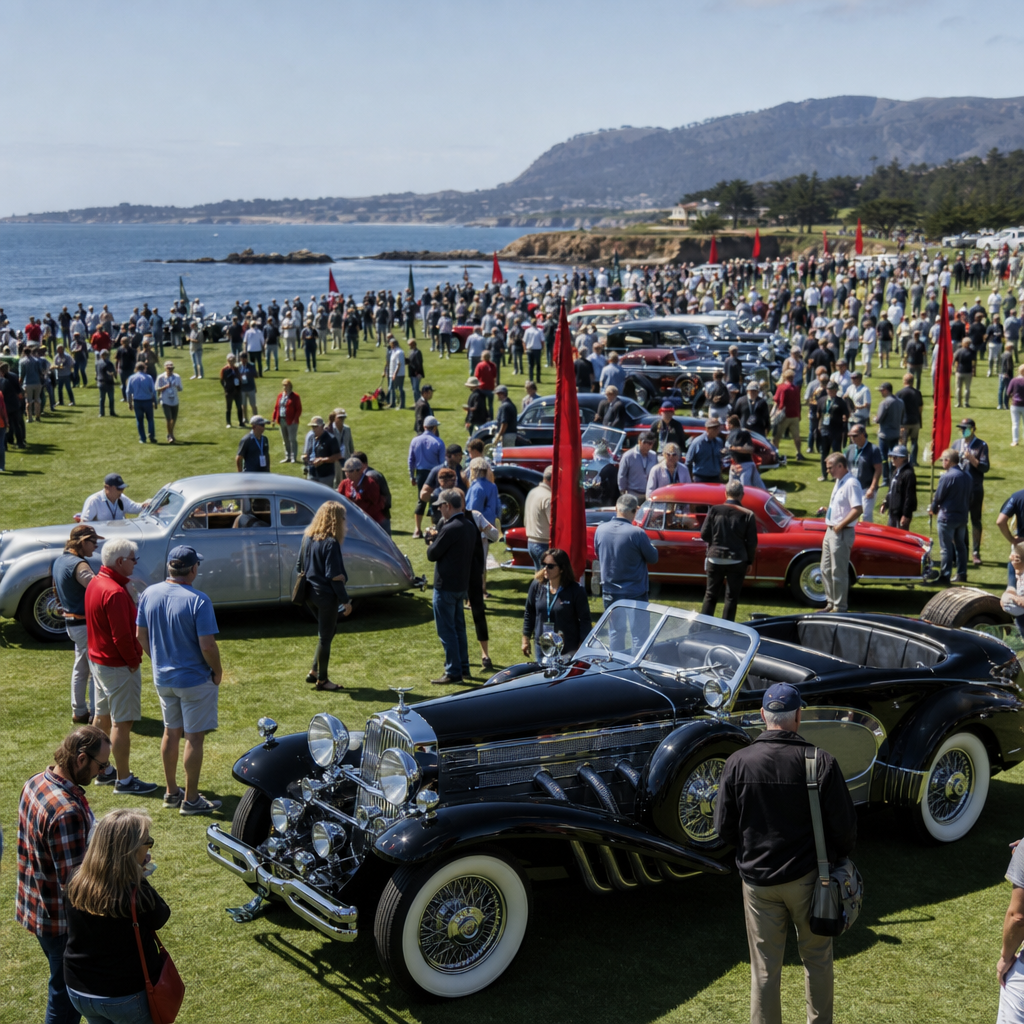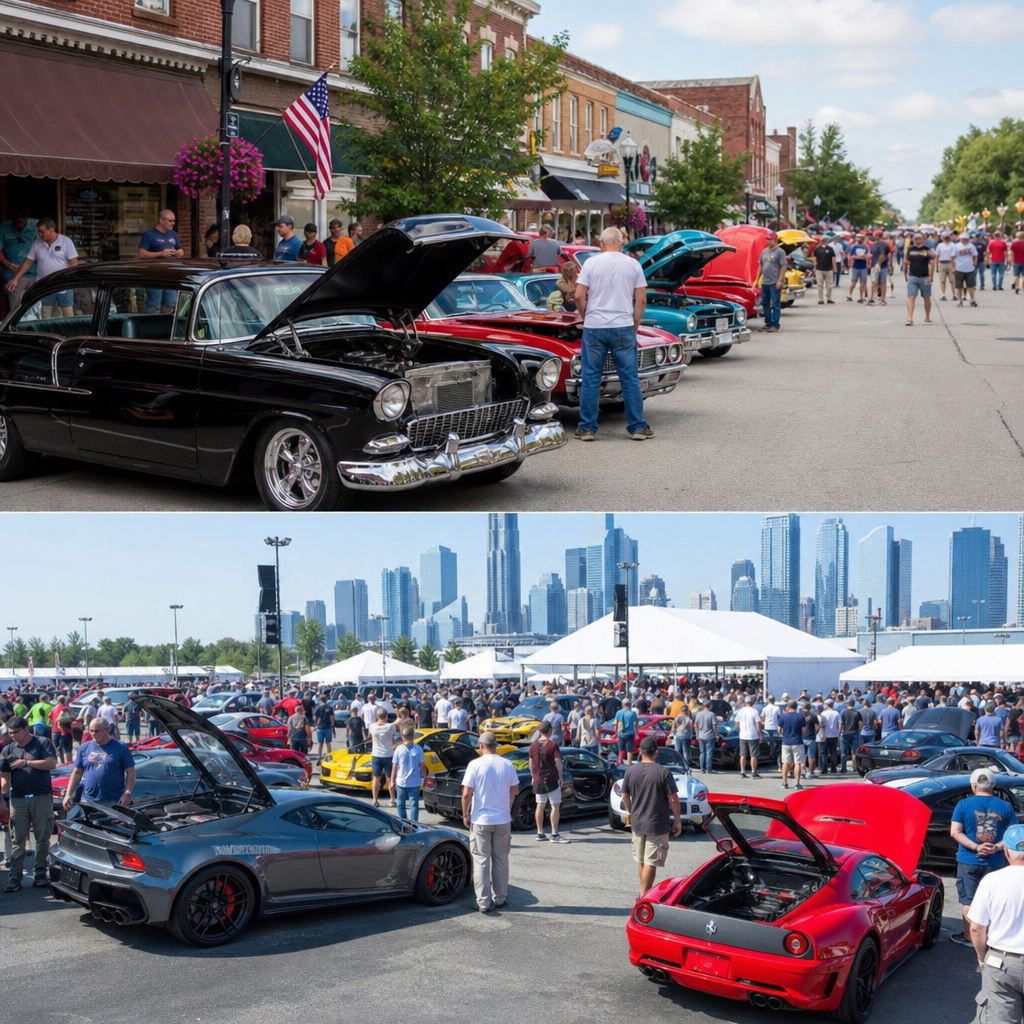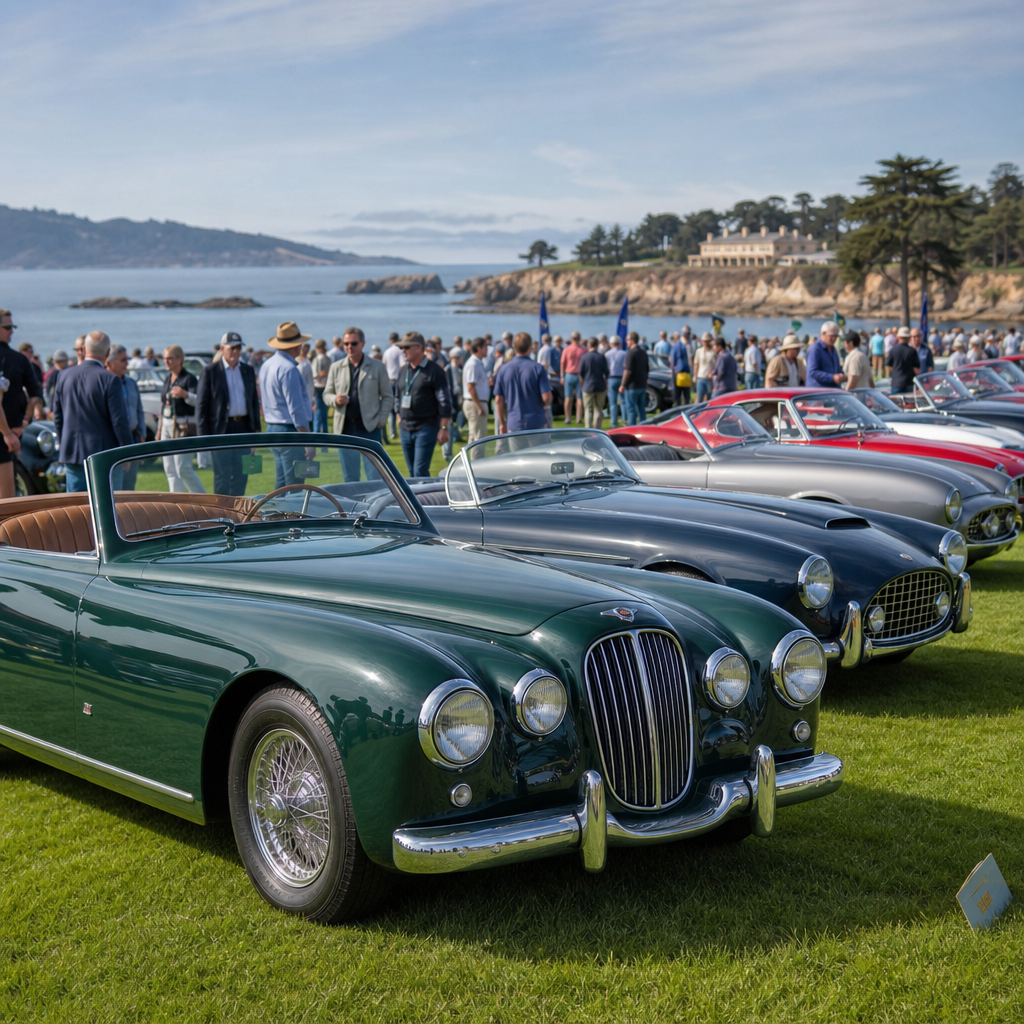
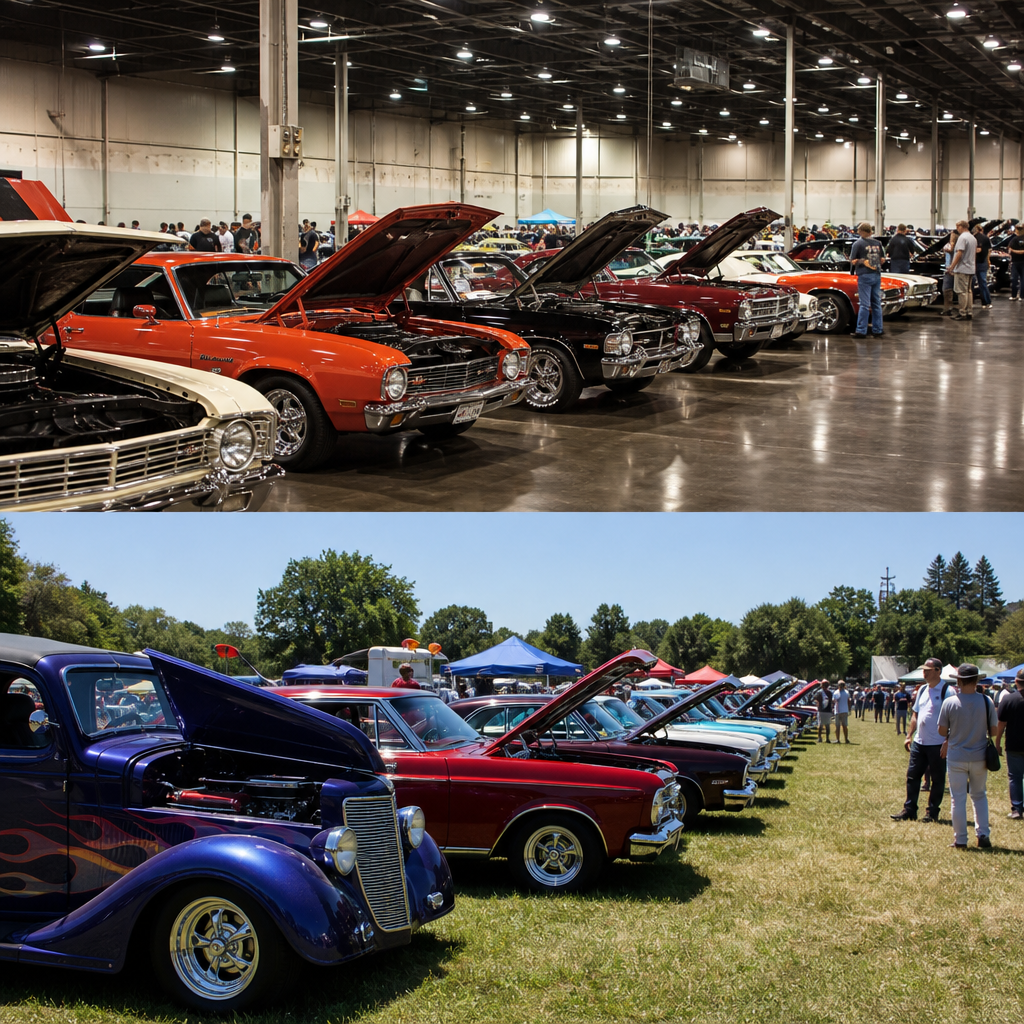
Car shows are one of the clearest windows into classic car culture because they bring owners, buyers, restorers, vendors, judges, and casual fans into the same space. When people compare indoor vs outdoor car shows, they are really comparing two event models with different strengths in presentation, logistics, comfort, cost, and audience experience. An indoor car show usually takes place in a convention center, expo hall, arena, or museum-grade venue where lighting, entry flow, and climate are controlled. An outdoor car show happens in parks, fairgrounds, downtown streets, racetracks, resort lawns, or dealership lots where weather and terrain become part of the event itself. Both formats matter across the broader world of car shows and events, especially for classic cars, muscle cars, hot rods, European exotics, trucks, and emerging youngtimer segments.
I have worked around both formats for years, from tightly judged concours fields to grassroots cruise-ins, and the difference is not cosmetic. Venue type changes how paint looks under light, how judges inspect undercarriages, how vendors set up, how families spend the day, and how much risk an owner accepts when bringing a six-figure restoration or a survivor car with fragile trim. It also shapes turnout. A local outdoor show may pull in hundreds of cars with low entry fees, while a premium indoor event may limit the field to curated entries and charge more because staffing, security, electrical service, and floor protection cost more.
This guide serves as a hub for the car shows and events side of classic car culture and lifestyle. It explains the pros and cons of indoor and outdoor car shows, answers practical questions owners and spectators actually ask, and provides a framework for choosing the right event. If you attend, exhibit, sponsor, photograph, judge, or organize shows, understanding these tradeoffs will help you plan better, protect your vehicle, and get more value from the experience.
What Indoor Car Shows Do Best
Indoor car shows excel at control. Climate control protects cars, people, and materials from heat, humidity, rain, dust, and UV exposure. For owners of lacquer-finished classics, unrestored interiors, rare documentation, or delicate engine-bay detailing, that matters. Harsh sunlight can flatten color perception at noon and create deep shadows that hide bodywork quality. In a good indoor venue, exhibitors can use consistent lighting to highlight panel gaps, chrome quality, upholstery stitching, and restoration correctness. That is why many high-end judged events and winter-season market shows prefer indoor spaces.
Security is usually stronger indoors as well. Controlled entrances, overnight lockups, credential checks, CCTV, and dedicated staff reduce the risk of theft, vandalism, and accidental contact from crowds. If you have ever watched a child brush a belt buckle against a fender in a packed outdoor row, you understand why owners of valuable cars lean toward indoor events. Vendors also benefit because merchandise, display walls, point-of-sale systems, and inventory are easier to secure. For spectators, indoor shows are more predictable. Parking, restrooms, food concessions, and wayfinding are often easier to manage in a venue built for events.
Indoor settings also support educational programming better than most outdoor lots. Seminar rooms, stage schedules, auction previews, club displays, and manufacturer exhibits can run all day without worrying about wind, temperature swings, or sound carrying across acres of open space. If the goal is to combine show cars with restoration talks, model launches, memorabilia sales, and sponsor activations, indoor venues create a cleaner operational environment.
Where Indoor Car Shows Fall Short
The biggest drawback of indoor car shows is cost. Convention centers and arenas charge for floor space, utilities, insurance compliance, marshaling, custodial services, drayage, security, and labor. Those expenses show up in spectator tickets, exhibitor fees, and vendor pricing. A casual owner who would happily pay a modest registration fee for a Saturday park show may hesitate at indoor rates, especially if transport, hotel nights, and enclosed trailer storage are involved.
Indoor load-in can also be demanding. Cars may need to arrive during narrow time windows, move through freight doors, sit idling in queues, and follow strict fuel-level rules mandated by fire code. Many venues require battery disconnects after placement, floor mats under tires, and absorbent pads for older vehicles prone to drips. These procedures are sensible, but they add complexity. A full-size 1959 Cadillac, a chopped pickup with limited visibility, or a low-slung sports car on race ramps can be stressful to maneuver inside a crowded hall.
There is also a softer limitation: some cars feel disconnected from their natural setting indoors. A lifted square-body truck, a beach-era woodie wagon, or a period-correct drag car often resonates more on asphalt, grass, or near a track than under exhibition lights. Indoor spaces can flatten the sense of motion and place that makes automotive culture emotional. For photographers, mixed artificial lighting and reflective floors can be difficult, especially when every polished panel mirrors banners, trusses, and neighboring cars.
Why Outdoor Car Shows Remain So Popular
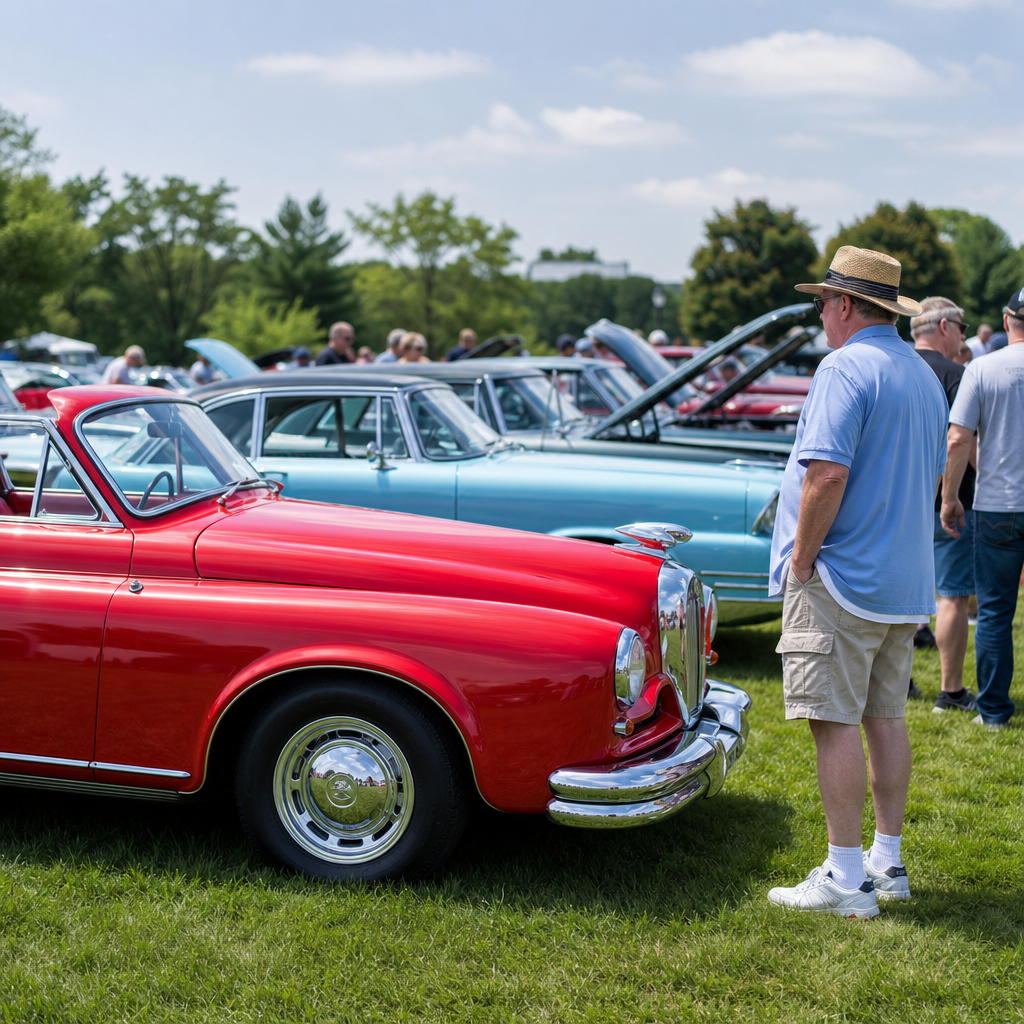
Outdoor car shows remain popular because they are accessible, social, and visually alive. They often have lower overhead, which translates into lower entry costs, easier registration, and broader vehicle diversity. A city-block gathering might include prewar coupes, Tri-Five Chevrolets, Fox-body Mustangs, patina farm trucks, imported classics, and motorcycles all in one afternoon. That variety is a major strength. Outdoor events are where many people first enter the hobby, join clubs, or discover the difference between restoration, preservation, and resto-mod builds.
Space is another advantage. Outdoor venues can host larger classes, swap meets, live demos, burnout areas where legal, food trucks, kids’ zones, and rolling arrivals that become part of the show. Spectators can hear engines start, smell race fuel, compare exhaust notes, and see cars in natural light. For many enthusiasts, that is the point. Cars were made to move through the real world, and outdoor events preserve that connection better than a hall ever can.
Community interaction is usually stronger outside. Owners stand by their cars, chairs unfold, club tents become conversation hubs, and people trade stories for hours. A first-time attendee can ask how to decode a trim tag, where to source reproduction weatherstripping, or which local shop can tune a Quadrajet, and get answers on the spot. That exchange of practical knowledge is one of the most valuable parts of classic car culture and lifestyle.
The Real Risks of Outdoor Events
Outdoor shows bring uncertainty. Weather is the obvious issue, but it is not just rain. Wind can flip signs into paint, dust can settle into engine bays, heat can punish interiors, and sudden temperature changes can stress both people and machinery. I have seen white interiors stained by damp seat covers, chrome water-spotted after a surprise shower, and spectators leave early because a 95-degree afternoon turned the event into an endurance test.
Ground conditions matter too. Grass fields look great in photos, yet soft soil can sink jacks, stain whitewall tires, and complicate trailers. Gravel can chip paint around wheel arches. Uneven pavement makes it harder to display very low cars and increases trip hazards for older attendees. Security can be thinner at open sites, particularly during early setup and late teardown. Organizers can mitigate this with fencing, patrols, and check-in controls, but an outdoor perimeter is harder to lock down than a building.
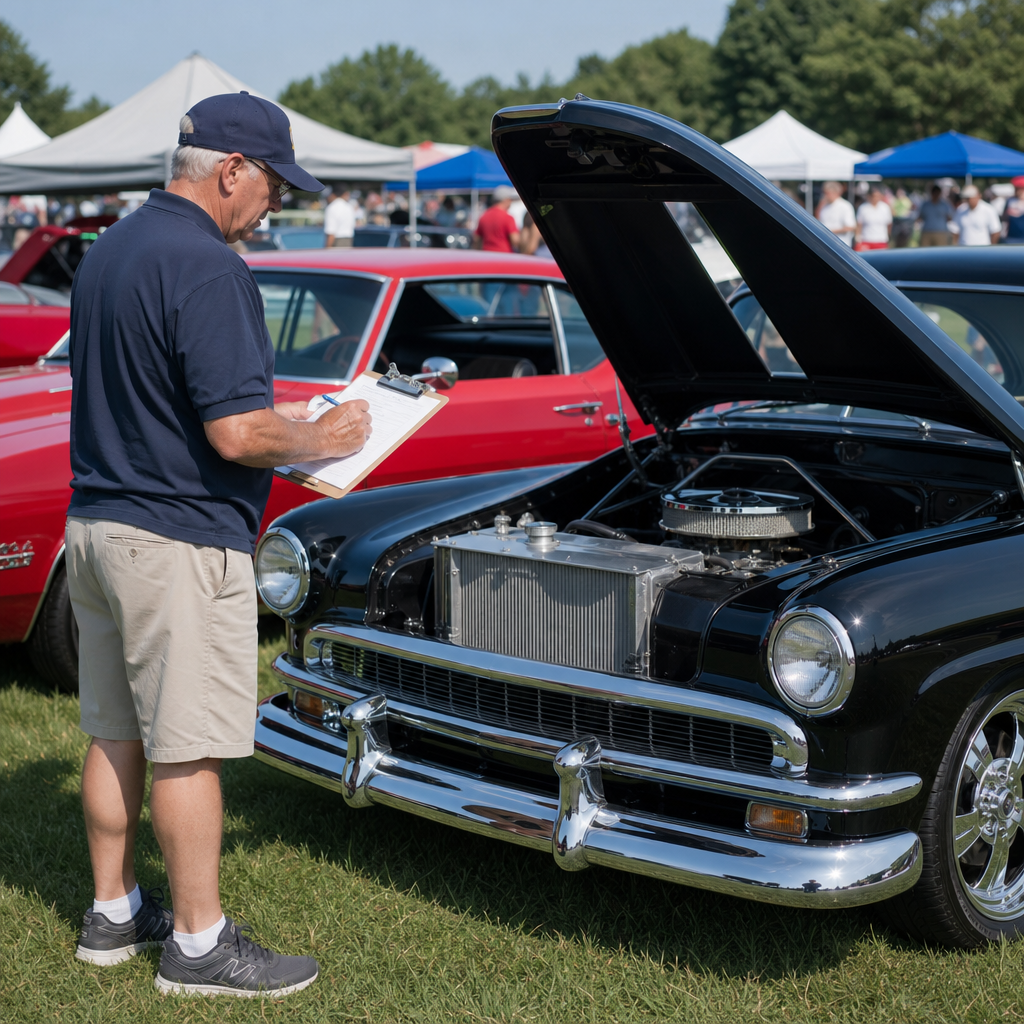
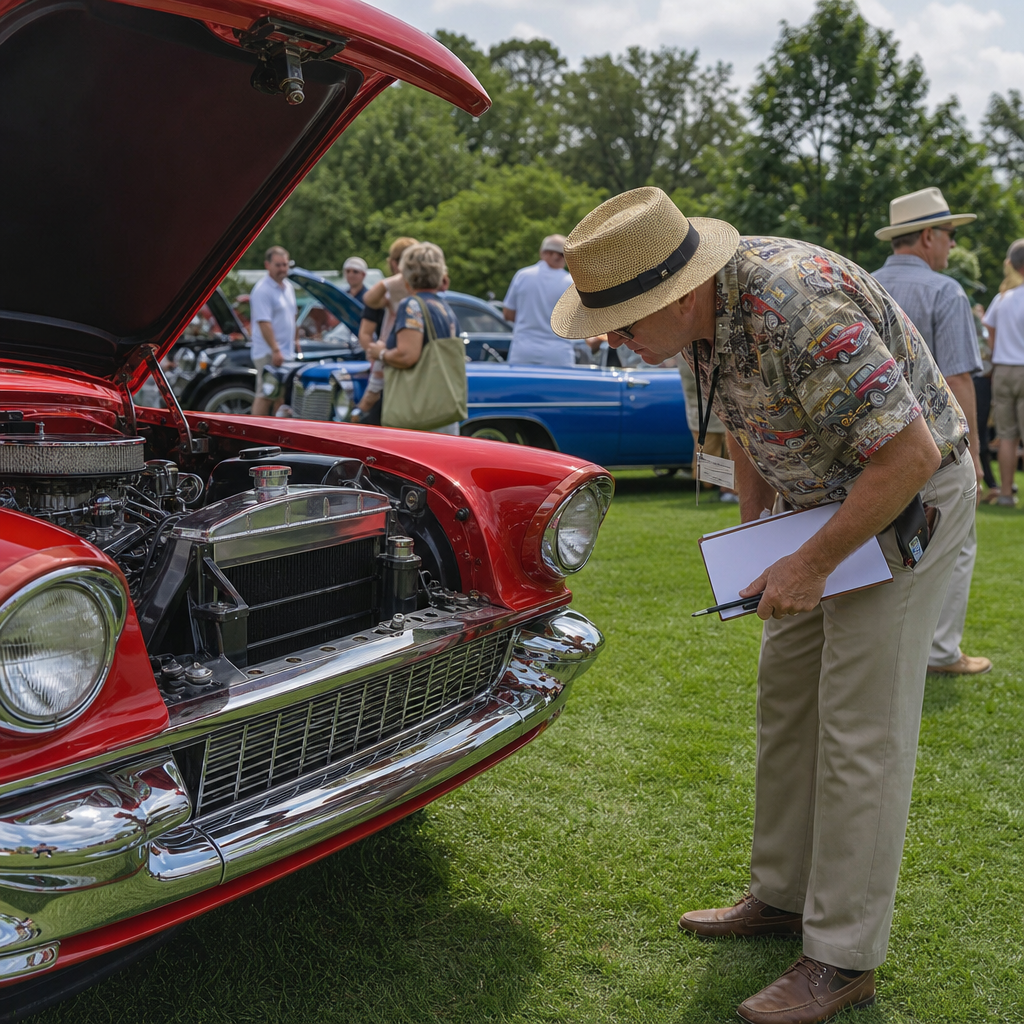
Outdoor judging is also less consistent. Light changes through the day, pollen lands on horizontal surfaces, and a gust of wind can scatter score sheets and display boards. None of this makes outdoor events inferior, but it does mean results can be influenced by conditions beyond the owner’s preparation. For serious concours-style competition, that variability is a known limitation.
Indoor vs Outdoor Car Shows at a Glance
The best choice depends on your goal. If you want controlled presentation, stronger security, and curated displays, indoor car shows usually win. If you want broad participation, lower costs, and a more relaxed social atmosphere, outdoor car shows often provide better value.
| Factor | Indoor Car Shows | Outdoor Car Shows |
|---|---|---|
| Weather exposure | Minimal; climate-controlled | High; rain, sun, wind, dust |
| Security | Usually stronger with controlled access | Varies by site and staffing |
| Entry cost | Typically higher | Typically lower |
| Vehicle diversity | Often curated or limited | Often broader and more casual |
| Photography | Consistent but reflective lighting | Natural light but changing conditions |
| Load-in complexity | Higher; rules and time slots | Lower; easier arrival and departure |
| Social atmosphere | Structured and polished | Relaxed and community-driven |
How Owners Should Choose Between Them
If you are entering a car, start with three questions: What is the car worth, what is the purpose of attending, and how tolerant are you of risk? A freshly restored Hemi Mopar, split-window Corvette, or fuel-injected Mercedes Pagoda headed for formal judging belongs in an environment that protects finish quality and supports scrutiny. An indoor venue usually suits that better. A driver-quality Chevelle, vintage Bronco, or survivor pickup that shines through personality may be better enjoyed at an outdoor show where conversation matters more than mirror placement under the chassis.
Think about preparation requirements. Indoor events often demand higher detailing standards because flaws are more visible under controlled light and because the surrounding field is strong. Outdoor events may be more forgiving, but they require weather planning: microfiber towels, quick detailer, glass cleaner, canopy weights where permitted, sunscreen, hydration, and sometimes tire boards for grass. If the event involves judging, read the rules carefully. Some shows reward authenticity, others celebrate craftsmanship, and many local events lean heavily on popular vote. Those differences can matter more than the venue.
Transport logistics should not be ignored. Trailering to an indoor show may preserve the car but adds cost and effort. Driving to an outdoor event is often part of the enjoyment, especially for club caravans and cruise-ins. For many owners, the right answer is not either-or. It is a seasonal mix.
What Spectators, Vendors, and Organizers Need to Know
Spectators should choose based on experience priorities. If you want comfort, reliable schedules, and a dense concentration of high-quality builds, indoor shows are efficient. If you want a full-day outing with live movement, informal owner access, and family energy, outdoor events are hard to beat. Wear the right shoes either way. Large expo halls can mean miles of walking, and fairgrounds often involve more ground variation than people expect.
Vendors should evaluate dwell time, weather protection, and buyer intent. Indoor shoppers often arrive ready to purchase apparel, tools, detailing products, die-cast models, and premium memorabilia because they are in a retail mindset. Outdoor crowds may be larger, but impulse buying depends heavily on heat, rain, and booth placement. Payment systems, inventory protection, and tent compliance become operational concerns outside.
For organizers, venue choice affects every line item: insurance, permitting, emergency planning, ADA access, traffic flow, waste management, volunteer staffing, power distribution, and sponsor value. Indoor events allow tighter schedule control and cleaner branding. Outdoor events can scale more easily and create stronger local visibility, especially when tied to downtown revitalization, charity fundraising, or seasonal festivals. The best organizers match the format to the audience rather than forcing a prestige model onto a community event or treating a high-value concours like a picnic.
Building Your Car Shows and Events Calendar
As a hub within classic car culture and lifestyle, this page points to the bigger strategy enthusiasts should follow: build a calendar that mixes formats. Use indoor winter and early-spring shows to study high-end restorations, talk with parts suppliers, compare detailing techniques, and explore upcoming auctions. Use outdoor spring, summer, and fall events to network with clubs, road-test your own car, attend cruise nights, shop swap meets, and expose younger family members to the hobby in a less formal setting.
Also track event type, not just venue. Concours events reward authenticity and preparation. Cars and coffee gatherings reward consistency and community. Charity shows are ideal for local engagement. Marque-specific meets offer deeper technical knowledge. Auctions teach market behavior. Race weekends connect static display culture to performance history. When enthusiasts say they want to “go to more car shows,” they usually mean they want more meaningful experiences around cars. The right calendar solves that by balancing indoor precision with outdoor energy.
The practical takeaway is simple. Indoor vs outdoor car shows is not a debate with one winner. Indoor events offer protection, polish, and structure. Outdoor events deliver accessibility, atmosphere, and scale. Choose based on your vehicle, your goals, your budget, and your tolerance for variables. Then use that choice to build a smarter year of car shows and events. If you are mapping your next season, start by listing one indoor event, one outdoor flagship show, and one local community meet, and let each one teach you something different about the hobby.
Frequently Asked Questions
1. What is the biggest difference between indoor and outdoor car shows?
The biggest difference is control. Indoor car shows are built around a highly managed environment, while outdoor car shows operate in a more flexible but less predictable setting. At an indoor event, organizers can control lighting, temperature, entry points, vendor layout, sound, security flow, and overall presentation. That makes indoor venues especially strong for high-value classics, concours-level restorations, rare collector cars, and vehicles that benefit from close inspection under stable conditions. Paint quality, chrome finish, interior craftsmanship, and engine-bay detailing are often easier to appreciate when glare, wind, dust, and weather are removed from the equation.
Outdoor car shows, by contrast, usually feel more open, social, and relaxed. They often have more room for large turnouts, club participation, casual spectators, and spontaneous interaction between owners and attendees. The atmosphere can be more festival-like, which appeals to families, hobbyists, and regional enthusiasts who enjoy walking long rows of vehicles in a park, fairground, downtown district, or racetrack setting. The tradeoff is that weather, ground conditions, heat, humidity, and natural light can affect both the cars and the attendee experience. In short, indoor shows typically excel in presentation and consistency, while outdoor shows often win on space, energy, and accessibility.
2. Are indoor car shows better for displaying valuable or restored classic cars?
In many cases, yes. Indoor car shows are often the better choice for valuable, freshly restored, historically significant, or highly detailed vehicles because they reduce many of the risks associated with outdoor exposure. A climate-controlled venue helps protect delicate finishes, polished metal, rare trim, upholstery, dashboards, and documentation displays from direct sun, sudden rain, windblown dust, and temperature swings. Owners who have invested heavily in restoration work usually appreciate that added layer of protection, especially if the car has fragile original materials or a concours-quality presentation.
Indoor settings also tend to support more formal judging standards. Judges can assess paint quality, bodywork alignment, interior correctness, and restoration detail under more consistent conditions. That matters when awards depend on precision. Security can be another advantage. Controlled access points, overnight building lockup, and closer supervision may give owners more confidence when displaying high-dollar vehicles or rare parts. There is usually less chance of mud, grass moisture, tree debris, or random weather-related damage affecting the vehicle during setup or throughout the event.
That said, “better” depends on the owner’s goals. Some classic cars look spectacular outdoors, especially in natural light, and some owners enjoy driving to the show, opening the hood, talking casually with the crowd, and participating in a less formal setting. If the event is community-focused and the owner values interaction more than pristine presentation, an outdoor show may still be the right fit. But purely from a preservation and presentation standpoint, indoor venues are generally preferred for high-end or sensitive classic cars.
3. What are the main advantages of outdoor car shows for attendees and participants?
Outdoor car shows offer several advantages that help explain their lasting popularity in classic car culture. The first is space. Outdoor venues can often accommodate more vehicles, larger clubs, wider vendor areas, food trucks, live entertainment, and easier movement for spectators. That added room can make the event feel more inclusive and less restricted. It is common for outdoor shows to welcome everything from stock classics and muscle cars to hot rods, trucks, customs, and driver-quality projects, which creates a broad and approachable experience for fans at every level of interest.
Another major advantage is atmosphere. Outdoor shows often feel more social and less formal than indoor events. Owners may set up chairs near their vehicles, clubs can gather together, and attendees tend to spend more time talking, taking photos, and exploring at their own pace. For many people, this community energy is central to the appeal. You are not just looking at cars; you are participating in a shared enthusiast environment. That can make outdoor events especially appealing for first-time attendees, families, and local collectors who want a more relaxed day rather than a tightly structured exhibition.
Outdoor shows can also be more cost-effective and easier to organize at scale, depending on the venue. Entry fees may be lower, setup can be more straightforward, and the event can support a large number of spectators without the same building-related limitations found indoors. Natural light can also enhance certain vehicles, especially cars with bold paint, period-correct stance, or design lines that stand out best in open-air viewing. The downside, of course, is exposure to weather and less environmental control, but for many participants, the larger turnout and casual atmosphere more than make up for those risks.
4. How do weather, comfort, and logistics affect the indoor vs outdoor car show experience?
These factors often determine whether a show feels smooth and enjoyable or frustrating and exhausting. Weather is the most obvious difference. Indoor car shows largely eliminate rain delays, heat stress, strong wind, muddy grounds, and sudden temperature changes. That makes them easier on both vehicles and people. Spectators can spend more time studying the cars without rushing for cover, and vendors do not have to worry as much about product protection, tent stability, or weather-related setup issues. Owners also benefit from easier detailing maintenance during the event, since dust and moisture are less likely to undo their preparation.
Comfort is closely tied to that predictability. Climate-controlled indoor venues are often more appealing for older attendees, families with children, and anyone planning to spend several hours at the event. Restrooms, seating areas, food access, and directional flow may be more structured as well. Outdoor shows can still be enjoyable, but attendee comfort depends heavily on season, shade, hydration access, parking distance, and walking conditions. A beautiful spring day can make an outdoor show unforgettable, while extreme heat or unexpected rain can sharply reduce both enjoyment and attendance.
Logistics are another major consideration. Indoor shows usually require tighter scheduling, loading procedures, and space management. Vehicles may need to enter at designated times, follow strict placement plans, and comply with venue rules related to fuel levels, battery disconnection, floor protection, or fire safety. Outdoor shows often provide more flexibility in load-in and layout, but they may create challenges with parking control, uneven surfaces, drainage, traffic congestion, and event visibility across a large area. In practical terms, indoor events tend to offer consistency and structure, while outdoor events demand more adaptation from organizers, exhibitors, and guests.
5. Which type of car show is better for vendors, judges, and casual fans?
The best option depends on what each group values most. Vendors often benefit from indoor shows when they are selling premium products, collectible automobilia, restoration services, branded merchandise, or high-end tools that need a clean, secure environment. Indoor foot traffic can be more concentrated, and shoppers may spend more time browsing because they are protected from the weather. Product displays also tend to look more professional under controlled lighting and layout conditions. On the other hand, outdoor shows may attract larger total crowds, especially at community events or seasonal festivals, which can be ideal for food vendors, general merchandise sellers, and businesses looking for broad local exposure.
Judges generally appreciate indoor shows for consistency. Controlled lighting, cleaner surfaces, and stable conditions make it easier to assess workmanship, originality, finish quality, and presentation standards fairly. Indoor venues also reduce interruptions caused by weather and may support more formal scoring procedures. Outdoor judging is still common and can work well, but it may be influenced by glare, dust, heat, and timing issues if conditions shift during the day.
For casual fans, the answer is less about technical advantages and more about personal preference. If someone wants an immersive, polished, museum-like experience where vehicles are presented at a very high level, indoor shows are often more satisfying. If they prefer a lively, open-air event with variety, club culture, easier conversation, and a more relaxed pace, outdoor shows usually feel more enjoyable. In reality, both formats serve an important role in classic car culture. Indoor shows highlight presentation, preservation, and precision, while outdoor shows emphasize participation, community, and scale. The better experience is the one that matches the expectations of the people attending.