Classic car cruises and meetups are the social backbone of classic car culture, bringing owners, restorers, buyers, photographers, and curious newcomers together around vehicles that carry mechanical history and personal memory. In practical terms, a cruise is usually a moving event, often along a planned route or through a downtown corridor, while a meetup is a stationary gathering in a parking lot, fairground, drive-in, dealership, museum, or community venue. Within the broader world of car shows and events, these formats sit between informal weekend hangouts and judged concours competitions. I have attended all three for years, and the distinction matters because each type of event attracts different cars, different expectations, and different ways to participate.
Understanding classic car cruises and meetups matters because they are the most accessible entry points into classic car culture and lifestyle. You do not need a six-figure restoration, a trailer queen, or a trophy-winning engine bay to join. Many events welcome survivor cars, imperfect drivers, patina builds, muscle cars, customs, hot rods, vintage trucks, and modern classics from the 1980s and 1990s. For enthusiasts, these gatherings create a place to learn about maintenance, originality, aftermarket parts, valuation, and ownership realities by speaking directly with people who live with these cars every week. For local communities, they support diners, fuel stations, parts vendors, charities, and small downtown districts.
As a hub within car shows and events, this guide explains how classic car cruises and meetups work, who attends, what to expect, how organizers structure them, and how they connect to other event formats such as cars and coffee mornings, marque club meetings, cruise nights, swap meets, judged shows, and concours events. It also addresses practical concerns that matter in the real world: registration rules, safety standards, route planning, weather, etiquette, photography, insurance, and the difference between spectator-friendly events and owner-focused gatherings. If you want a clear overview before exploring individual event types in more depth, this is the starting point.
What Classic Car Cruises and Meetups Include
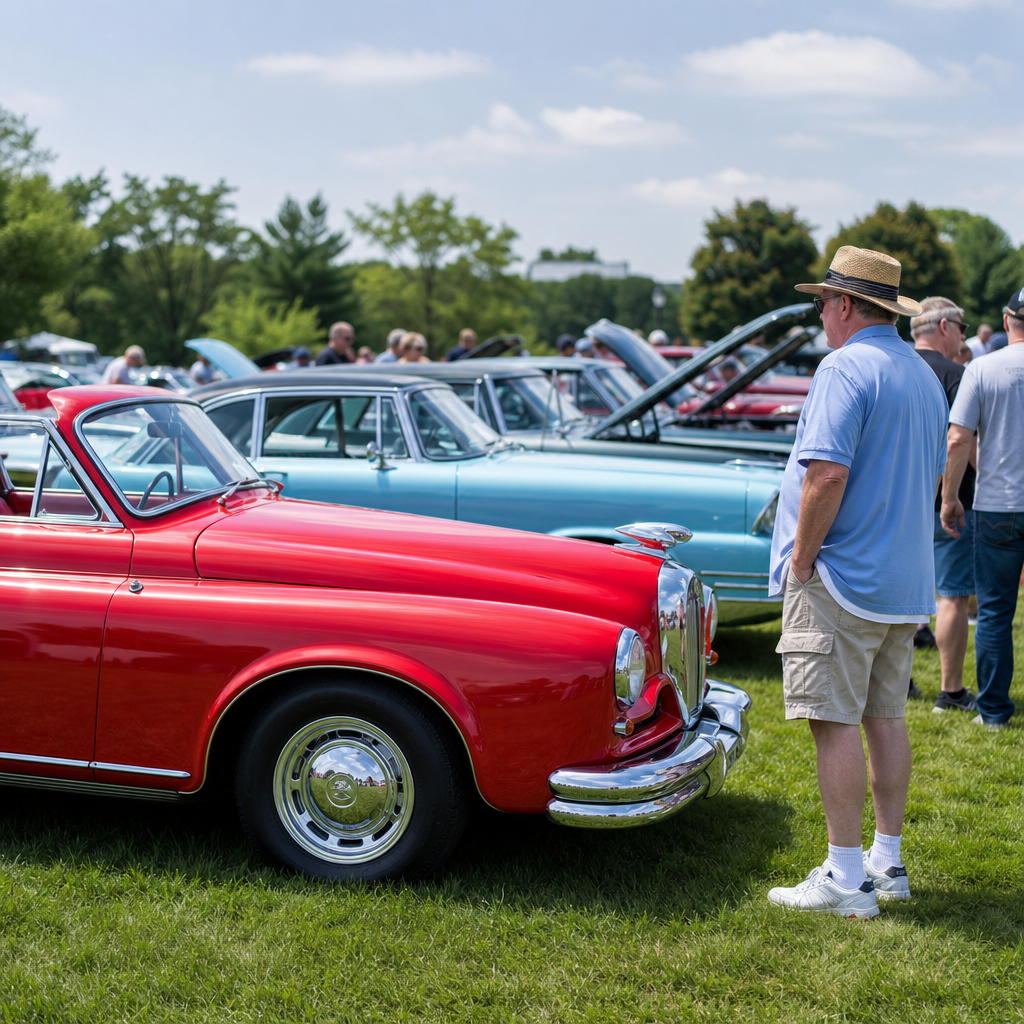
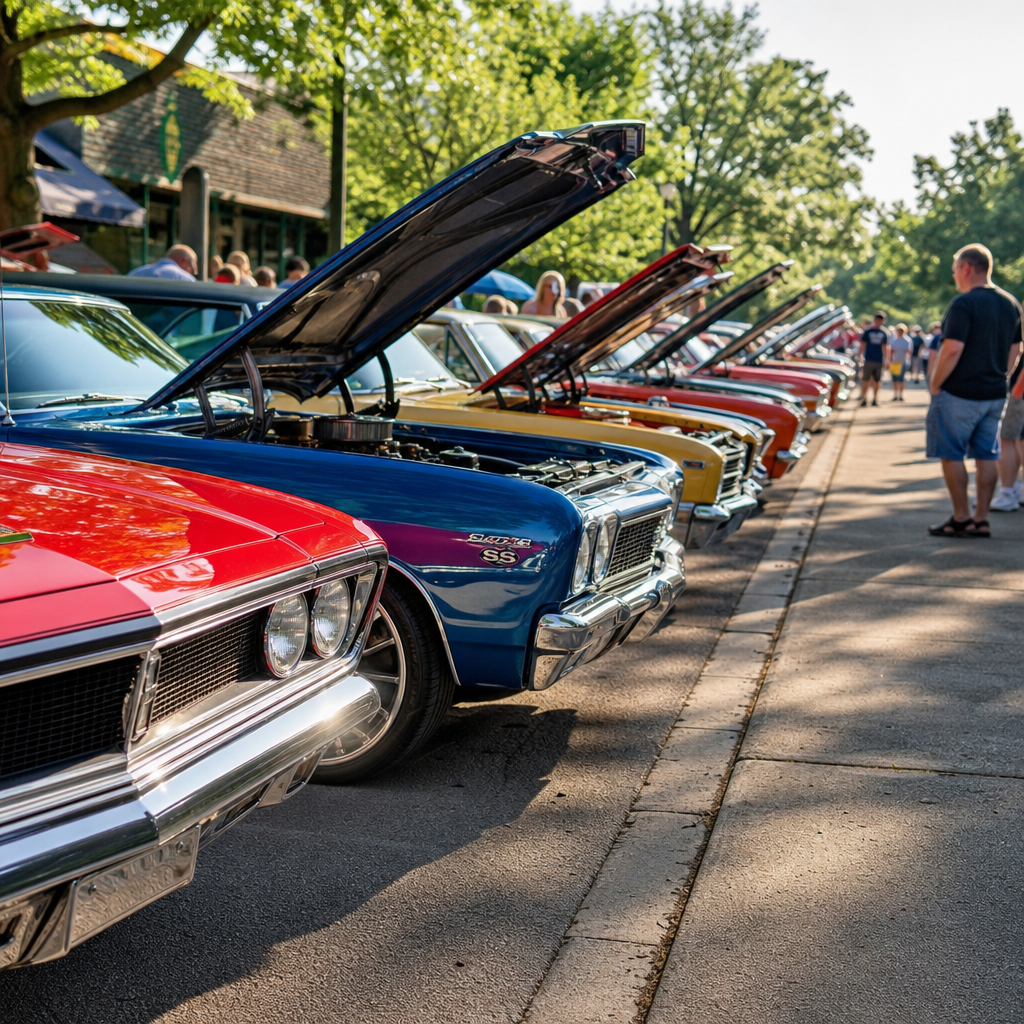
Classic car cruises and meetups cover a wide spectrum of automotive gatherings, but the central idea is consistent: people bring older vehicles together to be seen, discussed, and enjoyed in a social setting. A classic car meetup usually means parked cars and open conversation. Owners arrive, park in an assigned or informal area, raise the hood if they want, and spend a few hours talking about bodywork, trim, drivability, sourcing, and local repair shops. A cruise adds movement. Participants may line up at a shopping center, leave in groups, and drive a measured route through scenic roads or a town center before ending at a restaurant or lot. Some communities use “cruise-in” for a static gathering and “cruise night” for a recurring evening event, so local terminology varies.
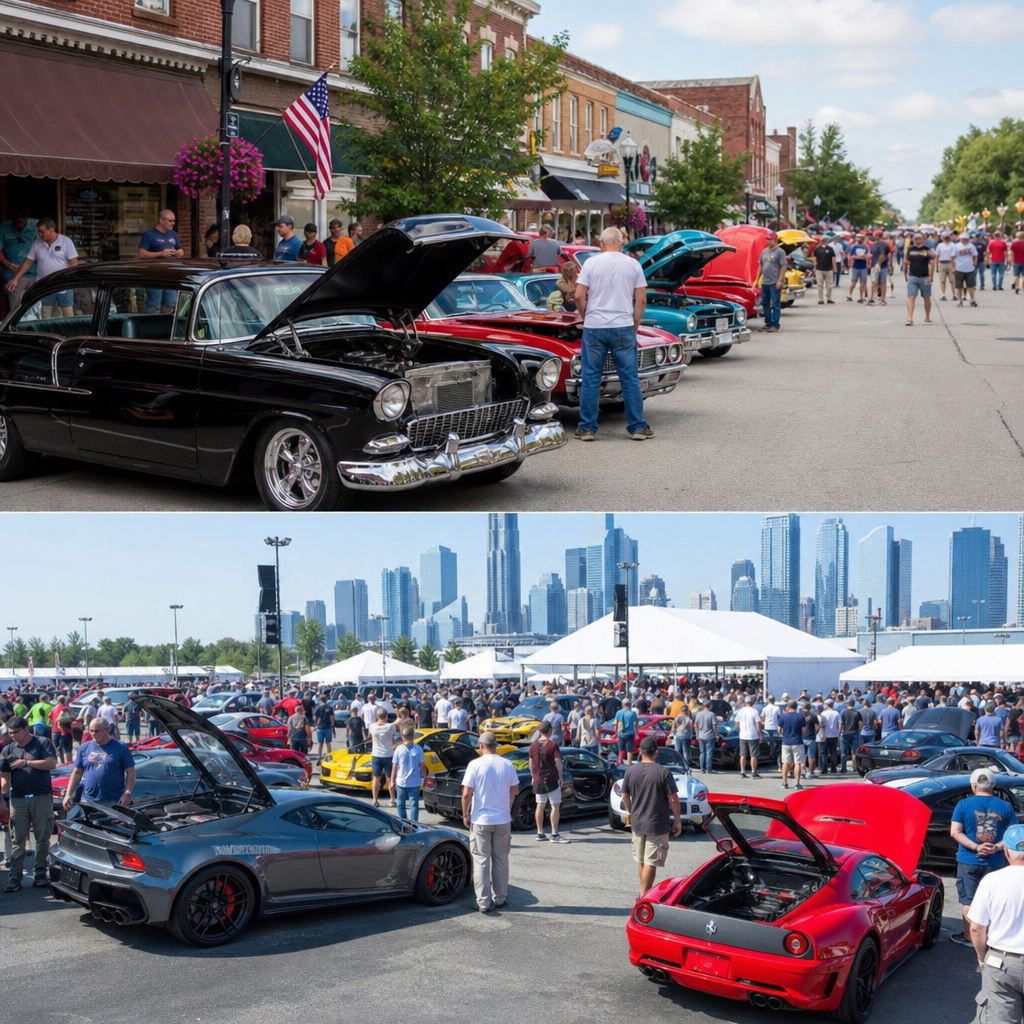
These events can be recurring weekly staples or annual signature attractions. A Friday night cruise in a suburban shopping plaza may attract 40 cars in April and 200 in June. A downtown summer cruise can close streets and draw thousands of spectators. In practice, organizers often build categories loosely rather than formally. You may see prewar cars parked beside 1950s chrome-heavy cruisers, 1960s muscle cars, 1970s pickups, 1980s Fox-body Mustangs, Japanese classics, and European sports cars. The broad appeal is a strength. Unlike a tightly judged concours, the goal is usually participation, storytelling, and visibility rather than strict originality scoring.
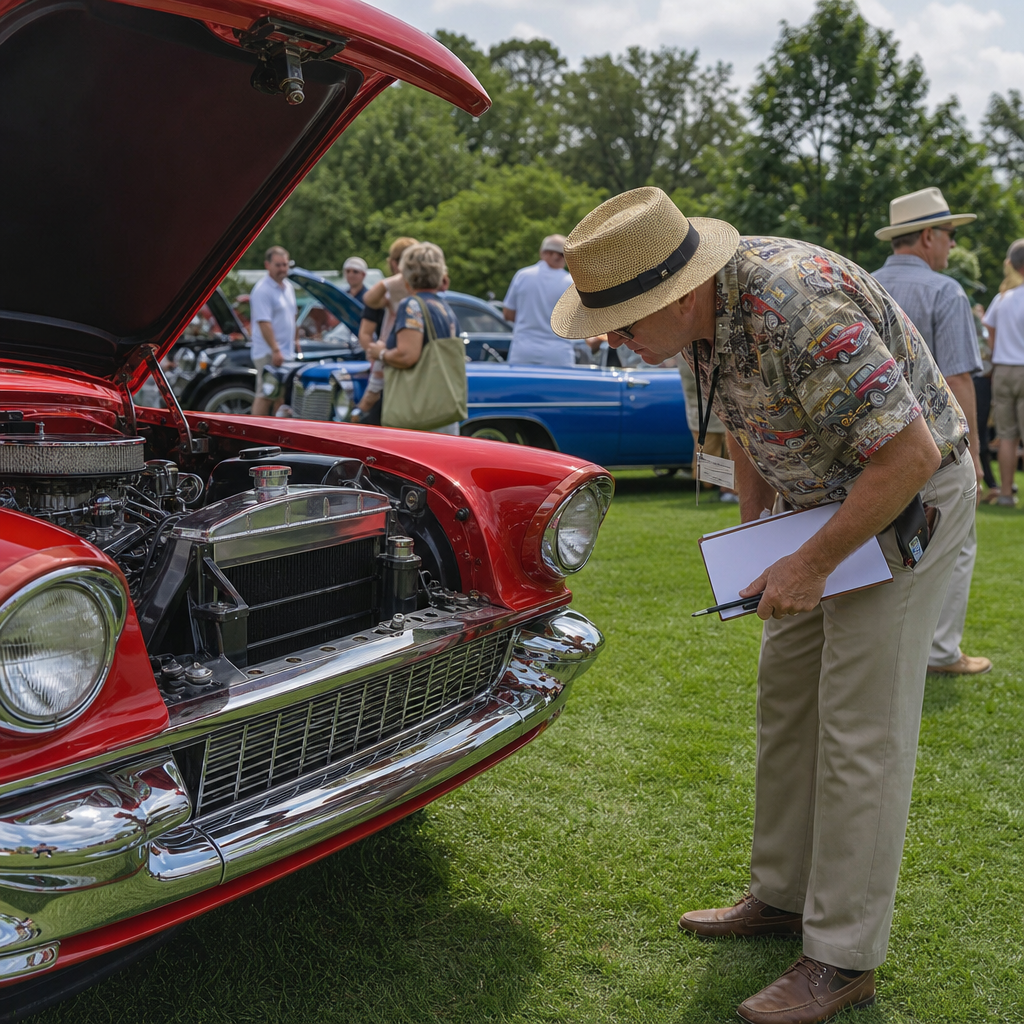
For a sub-pillar on car shows and events, it helps to understand where cruises and meetups fit. They are less formal than judged car shows, less transactional than swap meets, and more public-facing than private club garage tours. They are often the events where newcomers first learn about detailing standards, title issues, period-correct restoration, VIN decoding, and parts interchange. A parking lot conversation beside a 1967 Chevrolet Chevelle or a 1956 Ford F-100 can teach more than hours of online reading because the owner can point out what was rebuilt, what remains original, and what compromises make the car usable on modern roads.
Why These Events Matter to Classic Car Culture
Classic car cruises and meetups preserve living knowledge. Cars from the 1940s through the 1990s require skills and context that are easy to lose if they are not shared person to person. Carburetor tuning, dwell angle adjustment, points ignition setup, vacuum troubleshooting, drum brake feel, and bias-ply tire behavior are not abstract topics at a meetup; they are practical discussions around real vehicles. I have watched first-time owners learn how to identify a Rochester Quadrajet, decode a trim tag, or spot reproduction weatherstripping simply by asking the person parked next to them. That transfer of knowledge is one of the strongest reasons these events endure.
They also shape the market and the hobby’s social norms. Enthusiasts use meetups to compare values, note trends, and see which vehicles are gaining interest. Ten years ago, many events centered overwhelmingly on 1950s cruisers and 1960s American muscle. Today, a well-attended meetup may include square-body Chevrolet trucks, air-cooled Volkswagens, Datsun Z cars, BMW E30s, and early Japanese performance cars that younger owners can still maintain and insure. This broader mix changes vendor demand, restoration priorities, and the kinds of stories the hobby tells about what deserves preservation.
Community impact is another major factor. Downtown cruise nights routinely increase foot traffic for restaurants, ice cream shops, and local retailers. Charity-linked events raise money for veterans’ groups, youth sports, hospitals, and food banks. Municipalities often support well-run events because they combine tourism, heritage, and family entertainment. The tradeoff is that poor organization can create traffic congestion, unsafe driving, noise complaints, and friction with residents, which is why planning and etiquette are not optional details but essential parts of a sustainable event calendar.
Common Types of Classic Car Events
Not every gathering serves the same purpose, and knowing the differences helps owners choose the right event for their car and goals. Some people want conversation and coffee; others want judging sheets, route maps, or vendor access. The table below outlines the main formats that connect to classic car cruises and meetups across the wider car shows and events landscape.
| Event type | Typical format | Best for | What to expect |
|---|---|---|---|
| Cruise night | Recurring evening gathering, sometimes with a short drive | Local owners and spectators | Casual parking, music, food vendors, mixed vehicle classes |
| Cruise-in | Static display at a business or community lot | Beginners and family audiences | Easy entry, informal conversation, no judging or limited awards |
| Cars and coffee | Morning meetup, broad enthusiast mix | Owners who prefer short events | Early arrival, fast turnover, classics beside exotics and modern performance cars |
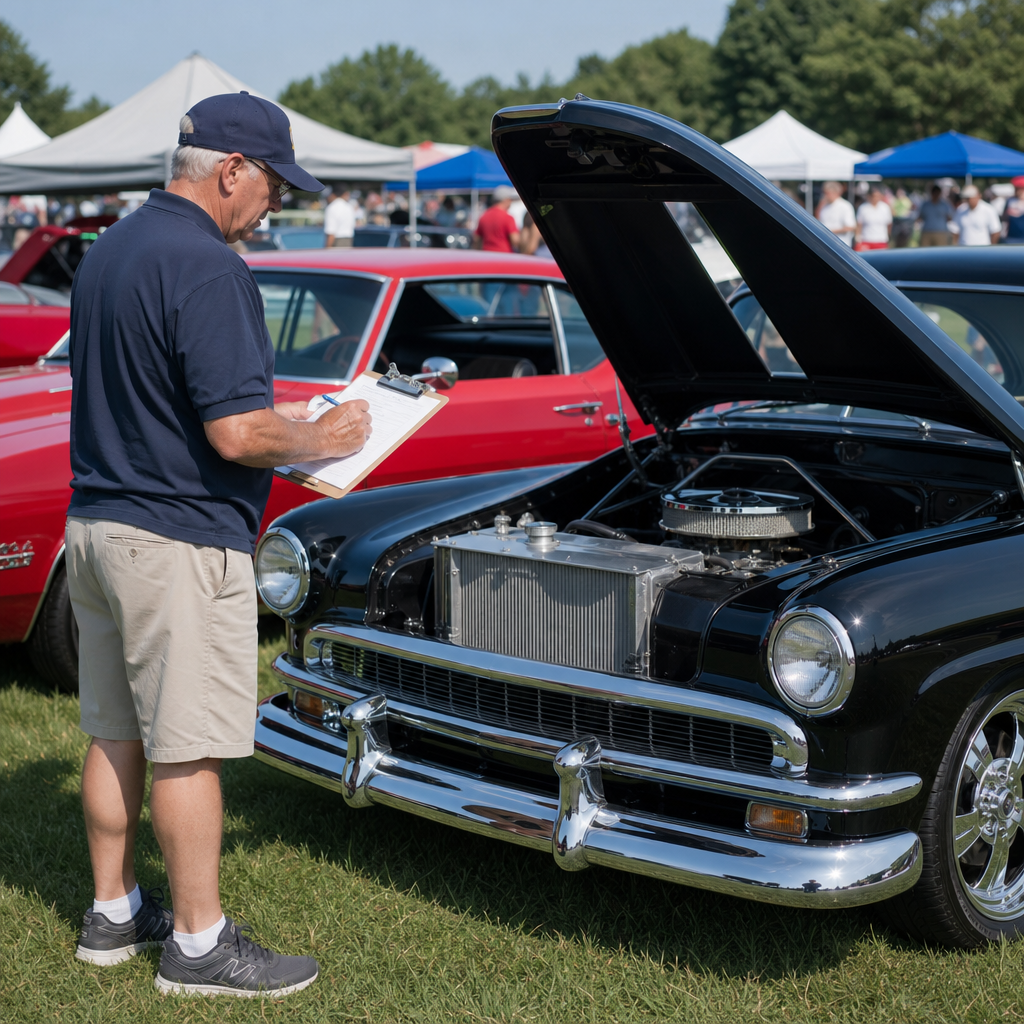
| Judged car show | Registered display with scoring and classes | Restorations and competitive entrants | Set rules, placards, trophies, stricter presentation standards |
| Swap meet | Parts-focused event, often alongside a show | Restorers and bargain hunters | Used parts, literature, tools, trim pieces, project leads |
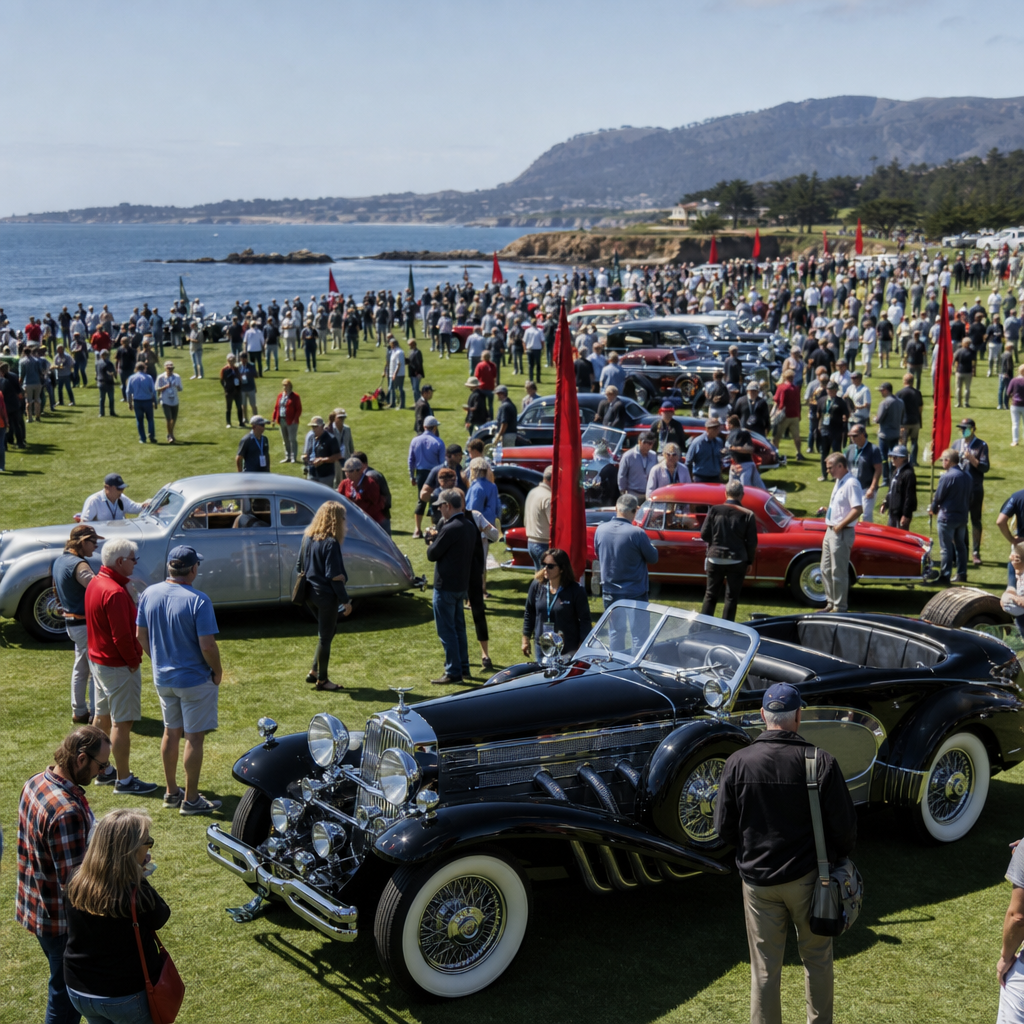
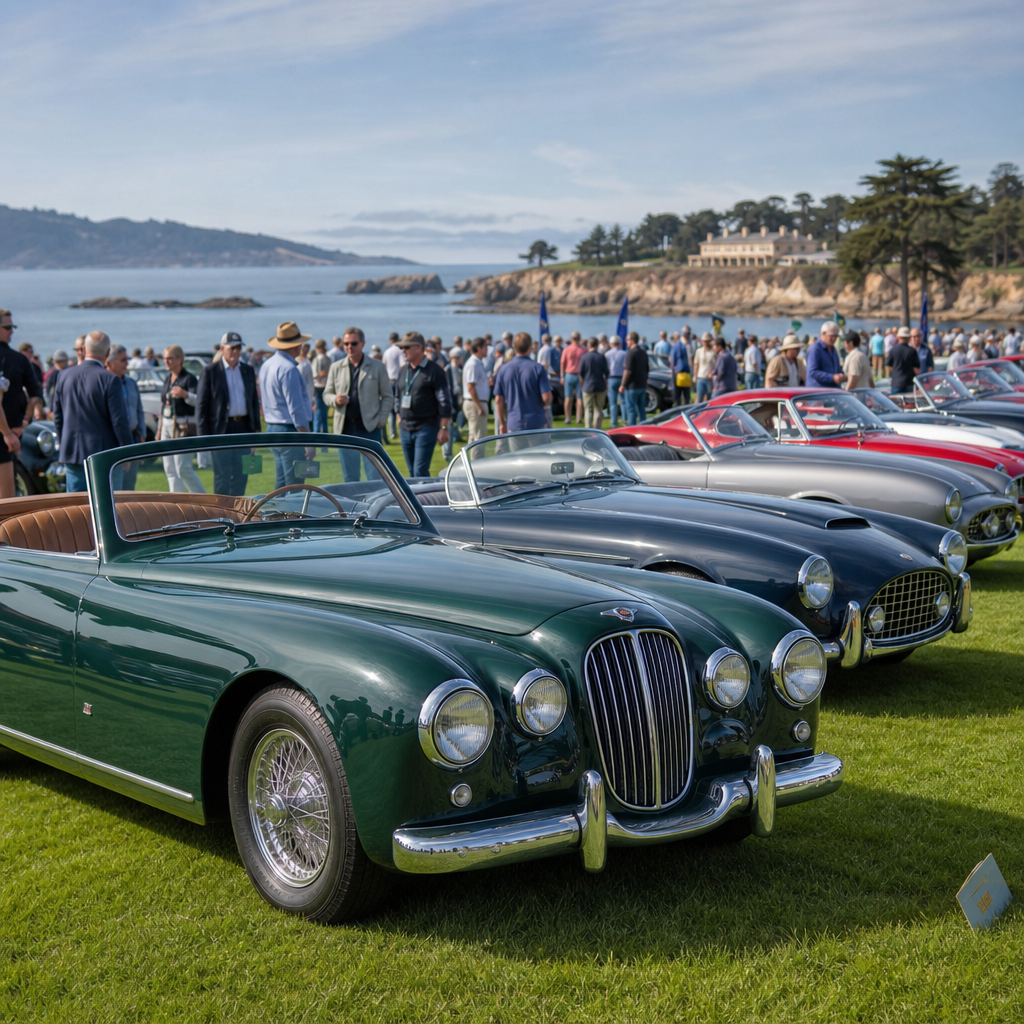
| Concours event | High-level judged presentation emphasizing authenticity | Rare, historically significant, or highly restored vehicles | Formal display, provenance discussion, exacting cleanliness and originality |
In real use, these categories overlap. A regional festival may include a morning cars and coffee, a charity cruise through town, a judged afternoon show, and a swap meet on the perimeter. For a hub page, that overlap is important because people often search for one event type and discover another. Someone looking for a cruise night may really want an informal meetup with low pressure. Someone searching for a car show may only care about public access, not judging. Defining the event format clearly helps match expectations before anyone loads a cooler, details a hood, or spends an hour in traffic to arrive.
How Owners and Spectators Prepare
Preparation changes the experience dramatically. Owners should confirm whether the event is open to all classics, limited by model year, restricted to pre-registered entries, or themed around a marque, body style, or era. Many events define “classic” differently. Insurance companies and state DMVs may use 20, 25, or 30 years, while organizers may reserve prime rows for pre-1980 vehicles and place newer “future classics” elsewhere. Reading the event listing prevents frustration and helps preserve goodwill between organizers and attendees.
Vehicle readiness matters even for casual meetups. Check coolant level, fuel lines, battery hold-downs, brake feel, tire age, lights, and charging output before departure. I have seen more event-day failures caused by heat soak, weak batteries, vapor lock, and loose belts than by dramatic engine problems. Bring water, paper towels, glass cleaner, a fire extinguisher, and basic hand tools. If the car marks its territory with a little oil, carry a drip mat. If you plan to display, a simple windshield placard listing year, make, model, engine, and ownership story invites better questions than standing behind the car answering the same basics all morning.
Spectators also benefit from planning. Good walking shoes, sun protection, cash for food vendors, and respect for boundaries go a long way. Ask before touching paint, leaning on fenders, or opening doors. Many owners are generous with information, but nobody wants a belt buckle near fresh lacquer or a child climbing on a bumper. Photographers should avoid blocking aisles or stepping into rolling traffic during cruise departures. The best events feel relaxed because participants understand that hospitality and care for the cars can exist together.
Event Organization, Safety, and Logistics
Strong organization is what separates a memorable classic car cruise from a traffic headache. Venue selection should account for ingress, egress, restroom access, shade, food service, and emergency vehicle routes. Parking surfaces matter more than newcomers realize. Fresh gravel, steep crown angles, or potholes can damage low valances, bias car spacing, and make fluid cleanup difficult. Organizers who have run successful events usually map arrival flow, reserve overflow parking, and stagger departures to prevent bottlenecks on public roads.
Safety standards should be visible and enforced. Burnouts, excessive revving, street racing, and reckless exits can end an event permanently if complaints reach property owners or city officials. Many recurring cruise nights now use volunteer marshals, posted conduct rules, and direct coordination with local police to keep the atmosphere family-friendly. For moving cruises, route design should avoid confusing turns, low-clearance hazards, and gas stop deserts. Printed maps still help because older participants may not use app-based navigation, and spotty rural coverage can break digital routing.
Insurance and permissions are not glamorous topics, but they are essential. If an event uses a private lot, the organizer needs explicit permission, not assumptions based on past use. If roads are closed, permits and public safety coordination are mandatory. Event insurance, participant waivers, and vendor agreements reduce risk and help charities, clubs, and municipalities continue hosting. The most durable events build trust with property owners by leaving sites cleaner than they found them, controlling noise, and communicating start and end times clearly.
How Cruises and Meetups Connect the Wider Hobby
Classic car cruises and meetups are hubs because they lead people deeper into the hobby. A conversation at a cruise-in often turns into an invitation to a local marque club, a recommendation for a paintless dent technician, or a lead on a hard-to-find grille emblem at an upcoming swap meet. Owners find restoration shops, upholstery specialists, machine shops, and transport providers through these personal networks more reliably than through anonymous listings. The trust built face to face carries weight, especially when repair costs are high and parts quality varies widely.
These events also document automotive history in a way museums cannot do alone. A museum may preserve a pristine example, but a meetup preserves context: how a 1972 Oldsmobile Cutlass was optioned by an original family, why a 1949 Mercury custom reflects postwar design trends, or how a 1987 Buick Grand National changed performance expectations in the 1980s. Stories about sourcing NOS parts, choosing reproduction panels, or deciding whether to keep faded paint give the cars social meaning. That living context is why gatherings remain essential within classic car culture and lifestyle, not just entertaining weekends.
For anyone exploring car shows and events, the simplest next step is to attend a local cruise night or meetup and observe how the community works. Arrive early, read the room, ask informed questions, and notice which event style suits your interests. If you own a classic, bring it when it is safe and roadworthy, even if it is imperfect. If you are shopping, use these gatherings to compare models and ownership realities before buying. Start with one local event, connect with experienced owners, and let that first conversation open the rest of the hobby.
Frequently Asked Questions
What is the difference between a classic car cruise and a classic car meetup?
A classic car cruise is typically a moving event, while a classic car meetup is usually stationary. In a cruise, participants drive their vehicles along a planned route, often through a downtown strip, scenic roadway, or community corridor where spectators can watch the cars in motion. The experience emphasizes the sounds, stance, drivability, and road presence of vintage vehicles. A meetup, by contrast, gathers cars in one place such as a parking lot, fairground, museum, drive-in, dealership, or local venue, allowing people to walk around, inspect details, talk with owners, and spend more time studying restorations, originality, modifications, and period-correct features.
Both formats play an important role in classic car culture because they create opportunities for social connection, knowledge sharing, and public appreciation. Cruises often feel more festive and kinetic, with the route itself becoming part of the event, while meetups tend to be better suited for in-depth conversations, photography, judging, club networking, and buyer education. In practice, many events combine both elements, beginning with a parked gathering and ending with a group drive. Understanding the distinction helps newcomers know what to expect and how to prepare, whether that means bringing a folding chair and camera for a meetup or checking fuel, cooling, and route details for a cruise.
Who typically attends classic car cruises and meetups?
Classic car cruises and meetups attract a wide cross-section of people, not just longtime collectors. Owners of antique, vintage, muscle, and survivor cars are often the most visible participants, but the scene also includes restorers, mechanics, parts suppliers, appraisers, photographers, automotive historians, club members, buyers, sellers, families, and first-time enthusiasts. Some attendees come to display a finished restoration, while others arrive with an ongoing project and are looking for advice, hard-to-find parts leads, or recommendations for paint, upholstery, chrome, or engine work.
These events are also welcoming to people who do not own a classic vehicle at all. Curious newcomers often attend to learn the basics of the hobby, compare models, understand market trends, or simply enjoy the atmosphere. Buyers use meetups to see cars in person and speak directly with owners about maintenance realities, restoration costs, drivability, and ownership experience. Photographers and content creators are drawn to the visual storytelling of old vehicles and the people around them. In many communities, cruises and meetups function as intergenerational spaces where older enthusiasts share firsthand knowledge and younger attendees discover the appeal of mechanical simplicity, design heritage, and preservation. That broad participation is one reason these gatherings remain the social backbone of classic car culture.
What should you expect when attending a classic car cruise or meetup for the first time?
First-time attendees should expect a relaxed but enthusiastic environment centered on conversation, observation, and shared appreciation for historic vehicles. At a meetup, you will usually see rows of cars organized loosely by arrival time, club affiliation, era, or body style, with owners standing nearby and discussing details with visitors. At a cruise, there may be staging areas before departure, route instructions, safety reminders, and a loose flow of vehicles rather than a tightly controlled parade. Some events are highly informal and community-driven, while others are carefully organized with registration, classes, sponsor booths, music, food vendors, awards, or charity fundraising components.
It is also helpful to understand basic etiquette. Do not touch a vehicle unless the owner clearly invites you to do so, and be respectful when asking questions about value, originality, modifications, or sale status. Most owners are happy to talk, especially if your interest is genuine, but some may be focused on setup, cooling issues, or coordinating with friends. Wear comfortable shoes, bring water if the event is outdoors, and plan for weather exposure. If you are attending as a spectator, a camera and a notepad can be useful if you want to remember specific models or restoration ideas. If you are bringing a car, arrive early, know the event rules, and make sure your vehicle is safe, legal, and reliable enough for the setting. The overall experience is usually welcoming, educational, and much more approachable than newcomers often expect.
Why are classic car cruises and meetups so important to classic car culture?
Classic car cruises and meetups matter because they keep the hobby visible, social, and alive outside private garages and auction headlines. These gatherings turn individual ownership into community participation. They give people a place to share stories, compare techniques, preserve oral history, and celebrate vehicles that represent specific eras of design, engineering, and daily life. A restored coupe, unrestored pickup, or well-driven sedan becomes more meaningful when its owner can explain where it was found, how it was saved, and what memories it carries. That exchange of experience is one of the strongest reasons the hobby continues across generations.
They also serve practical functions. Meetups help owners solve restoration challenges, locate scarce parts, identify authentic trim or drivetrain components, and connect with trusted service providers. Cruises allow cars to be used as intended, which is especially important in a hobby where drivability and mechanical confidence matter as much as appearance. For local communities, these events can support small businesses, tourism, downtown foot traffic, and charitable causes. For the broader market, they help shape interest in certain models and educate future buyers about what ownership really involves. In short, classic car cruises and meetups are not just casual social events; they are living hubs of preservation, mentorship, and cultural continuity.
How can you participate in a classic car cruise or meetup if you are new to the hobby?
The easiest way to start is by attending as a spectator and observing how events are organized. Look for local car clubs, community calendars, museum listings, dealership event pages, social media groups, and regional enthusiast forums that publish schedules and participation details. Many meetups are free and open to the public, making them ideal entry points for learning the rhythm of the scene. As you attend, ask thoughtful questions, listen to owner stories, and pay attention to what types of cars, clubs, and restoration styles are common in your area. This helps you build familiarity before taking a more active role.
If you own a classic car, even if it is a work in progress, confirm that the event welcomes driver-quality vehicles and not just fully finished show cars. Check basic mechanical items before you go, including fluids, brakes, tires, battery condition, and cooling performance, especially for summer cruises with stop-and-go traffic. Bring simple supplies such as glass cleaner, a towel, water, and any registration paperwork the organizer requires. If you do not own a car yet, these gatherings are still extremely valuable because they let you compare makes and models in person and get candid opinions from people who live with them. Over time, joining a local club, volunteering at an event, or participating in a charity cruise can deepen your involvement and help you become part of the community rather than just an observer.