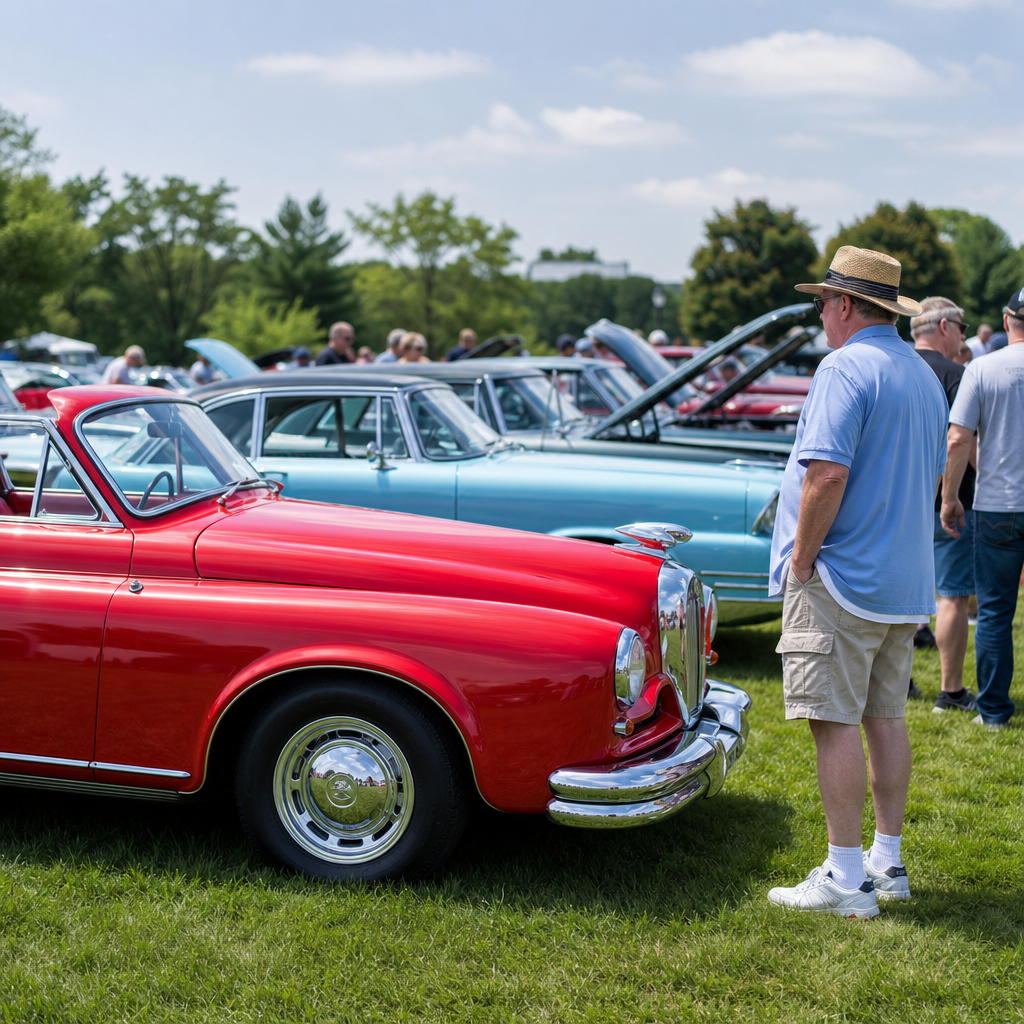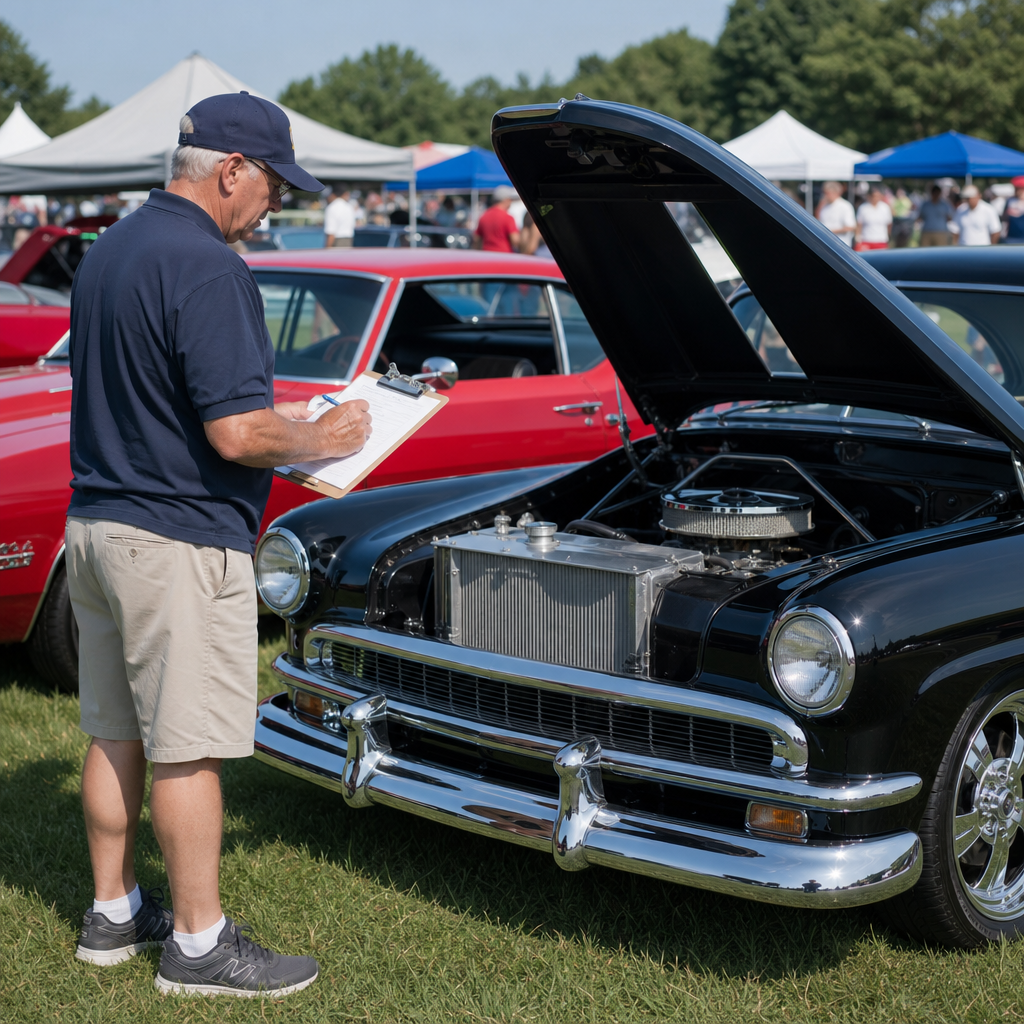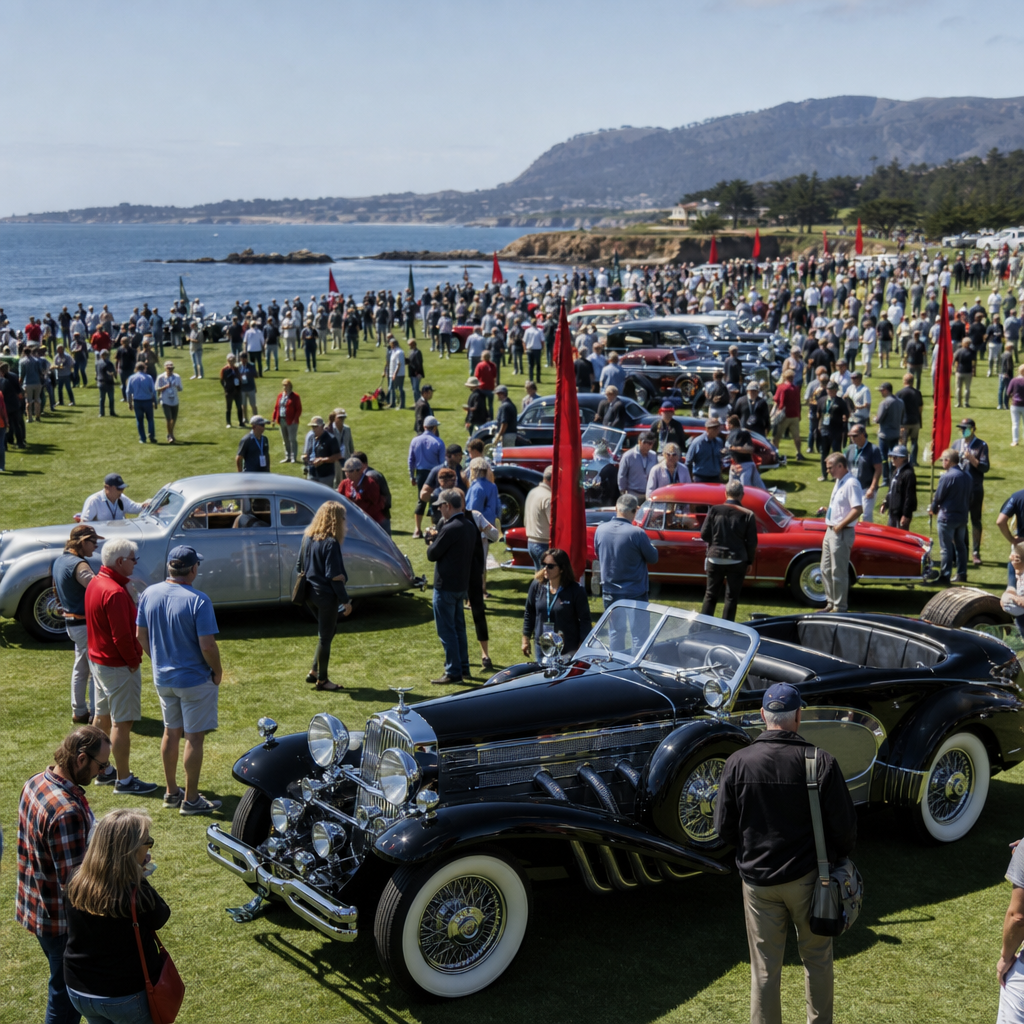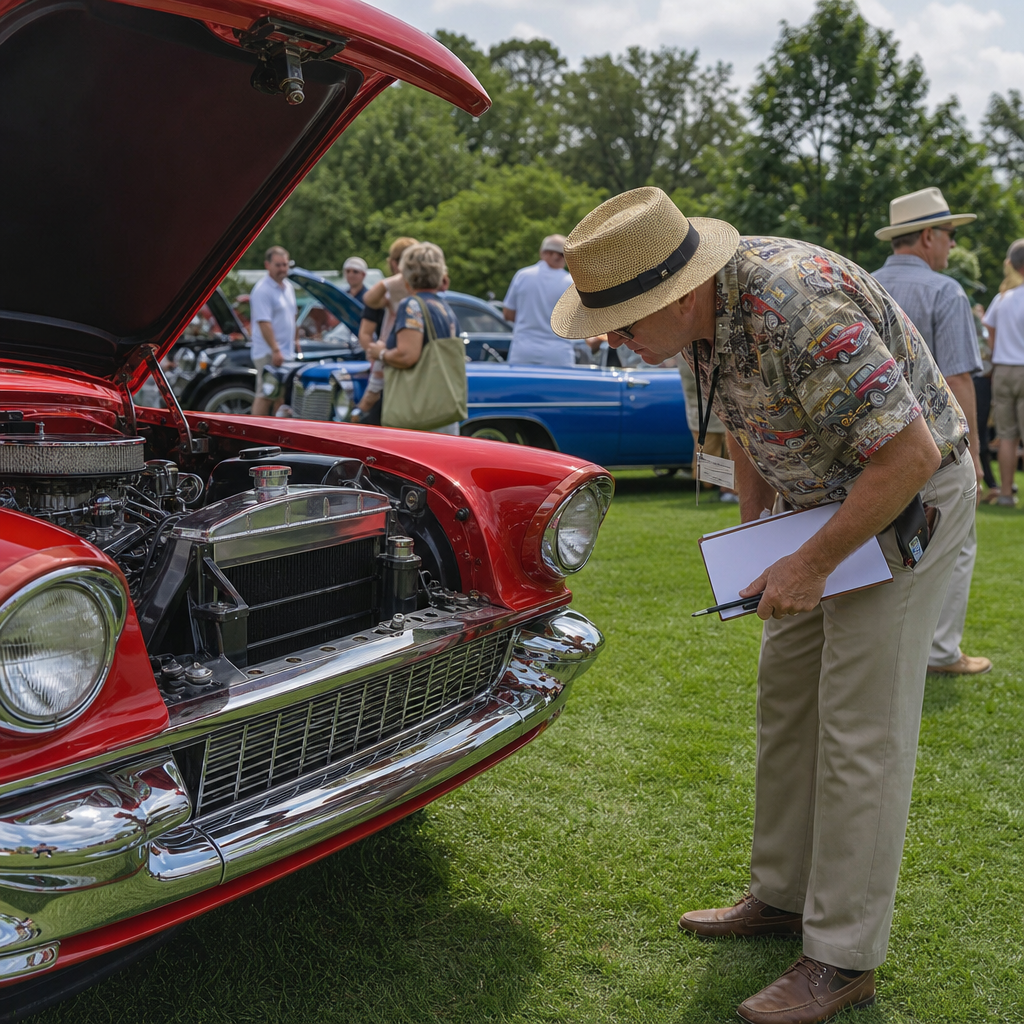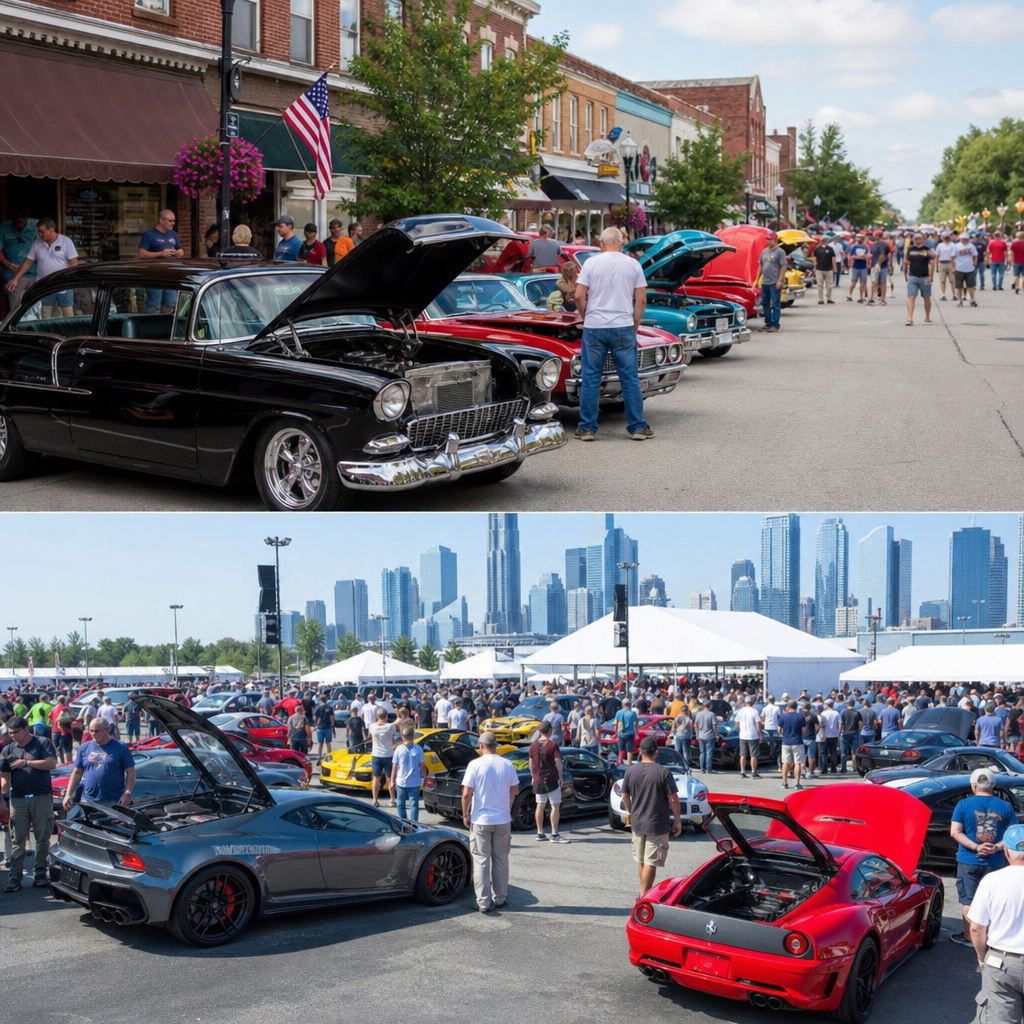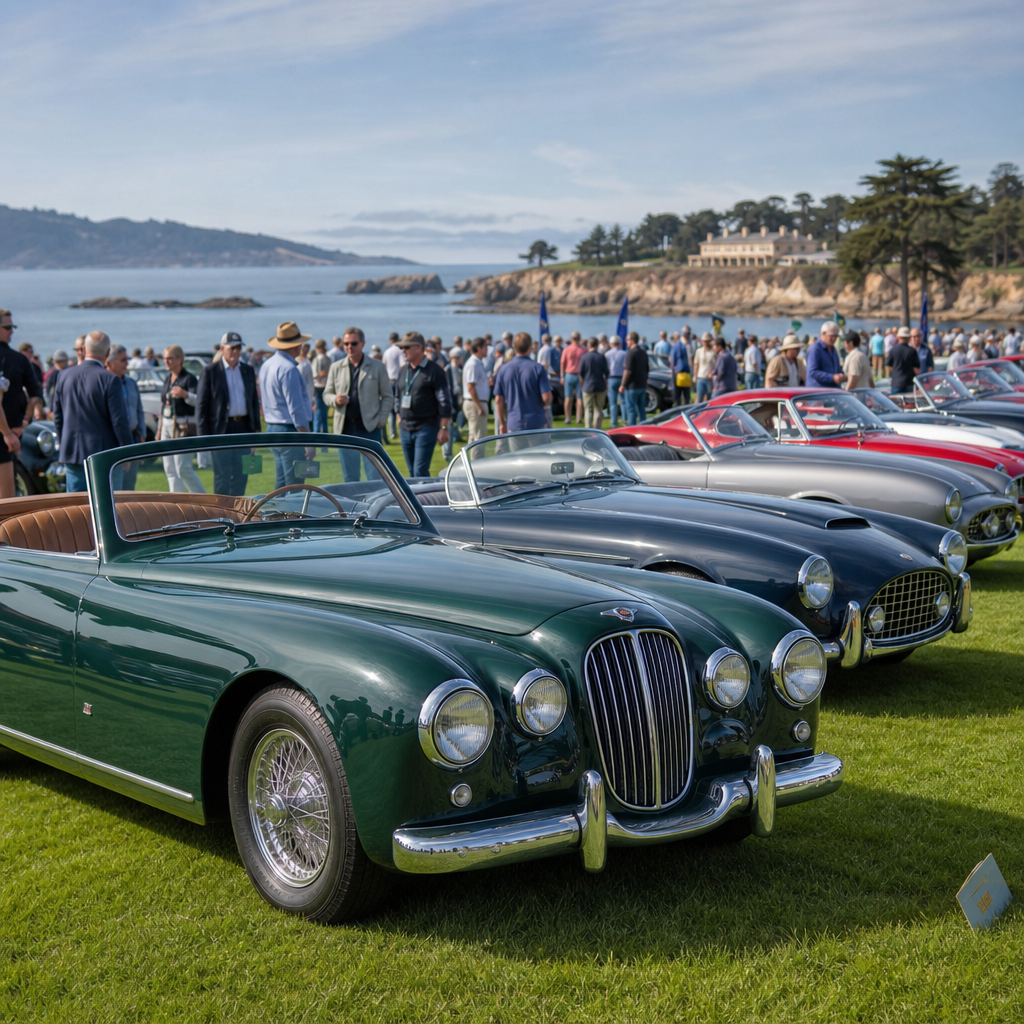
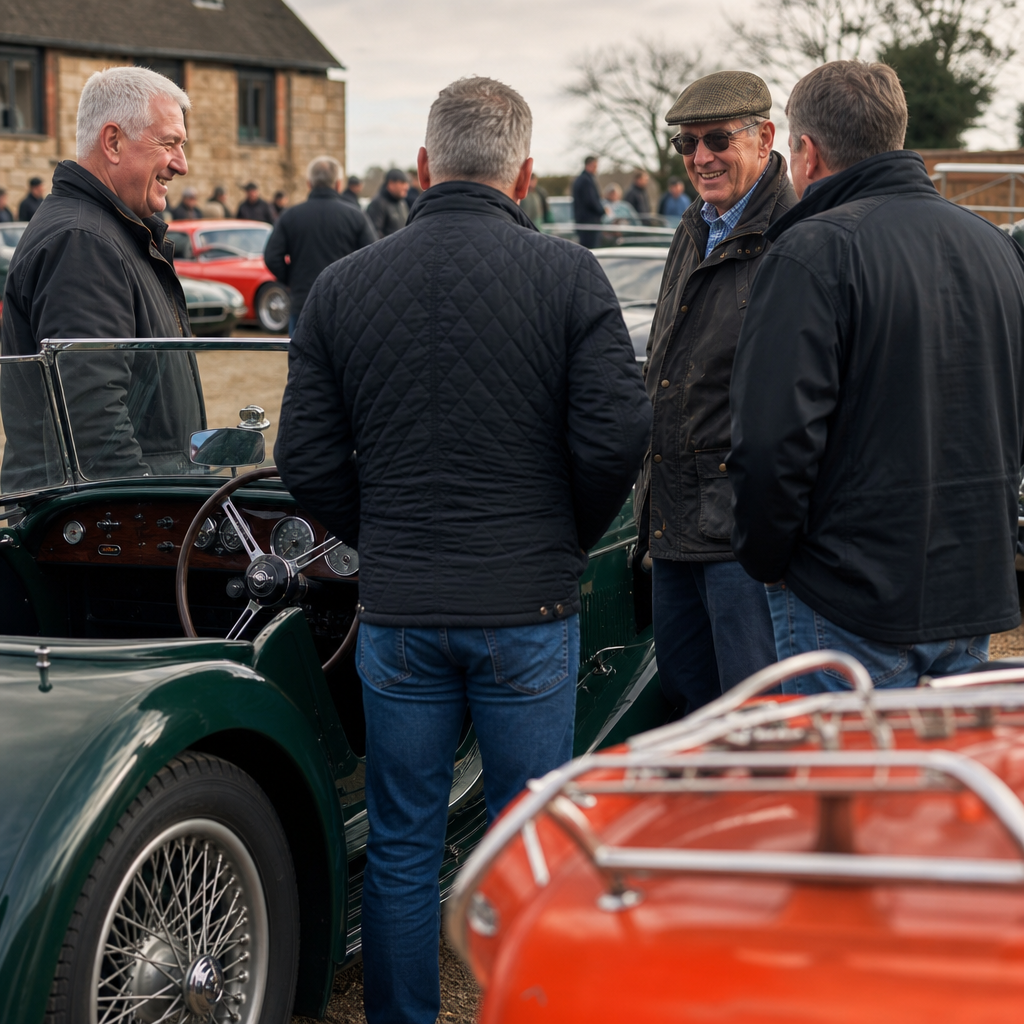
Joining a classic car club is one of the fastest ways to turn ownership or admiration of vintage vehicles into a richer, more connected hobby. A classic car club is an organized group built around shared enthusiasm for older automobiles, often defined by age, marque, body style, region, or restoration interest. Some clubs welcome every antique, vintage, and collector vehicle, while others focus narrowly on a single brand such as Porsche, Ford, Jaguar, or Chevrolet. In practice, clubs do far more than host parking-lot meetups. They organize shows, driving tours, technical workshops, parts exchanges, judging schools, charitable events, and advocacy related to registration, emissions rules, and historic vehicle preservation.
The term classic car itself can mean different things depending on who is using it. Insurance providers like Hagerty often classify collectible vehicles by age, rarity, and use, while organizations such as the Antique Automobile Club of America and local departments of motor vehicles may use their own standards for antique, historic, or classic registration. That matters because the right club for a 1967 Mustang owner may not be the right fit for someone restoring a 1994 Toyota Supra, collecting brass-era cars, or attending concours events with a prewar Packard. I have seen newcomers assume any local club will work, join quickly, and then realize the group spends most of its time on activities that do not match their interests.
Choosing well matters because a good club saves time, money, and frustration. Members often share proven mechanics, paint specialists, upholstery shops, carburetor tuners, and transport companies. They know which reproduction parts fit correctly, which event insurance policies are accepted by venues, and which shows are worth the entry fee. For people new to the hobby, clubs also provide a social runway. You do not need to own a six-figure restoration to belong. Many of the strongest communities include first-time buyers, long-term restorers, historians, photographers, and enthusiasts still shopping for their first classic. The best club gives you access to knowledge, accountability, and local opportunities that are difficult to build alone.
Understand the Types of Classic Car Clubs
Before you apply anywhere, identify the kind of club you actually want. Broadly, classic car clubs fall into five categories: general local clubs, marque-specific clubs, model-specific clubs, era-specific groups, and purpose-driven clubs. General local clubs are the easiest entry point. They welcome many vehicle types and usually emphasize regular cruises, breakfast meets, and regional shows. Marque clubs focus on one manufacturer, such as the Mercedes-Benz Club of America or the Austin-Healey Club. Model-specific clubs go deeper, serving communities around cars like the Corvette, Beetle, or MGB. Era-specific clubs center on periods such as brass-era, prewar, muscle car, or modern classics. Purpose-driven clubs organize around restoration education, concours judging, racing history, or long-distance touring.
Each format creates a different member experience. A local mixed club can help you find nearby events quickly and build friendships across the hobby. A marque club is usually stronger for technical documentation, factory-correct restoration guidance, registry support, and access to parts sources. If you own a niche vehicle, a national club with active forums may be more useful than a quiet group in your town. I have often advised people to join one local club for in-person participation and one national club for technical depth. That combination works especially well if your car is uncommon or if your local market lacks specialists familiar with your model.
Some clubs are formal nonprofits with elected officers, bylaws, insurance, and annual dues. Others are looser social groups organized through Facebook, Meetup, WhatsApp, or a local garage. Formal clubs usually offer magazines, judged events, and stronger continuity. Informal groups can be more flexible, younger, and easier to enter. Neither is automatically better. What matters is whether the club consistently delivers value, communicates clearly, and treats new members respectfully.
Decide What You Want From Membership
The most effective way to join a classic car club is to start with your own goals. Ask yourself a few direct questions. Do you want technical help for maintenance and restoration? Do you want driving events more than static shows? Are you primarily interested in preserving originality, modifying period cars, or learning market values before buying? Do you want family-friendly weekend events, or are you looking for serious concours judging and historical research? Your answers will narrow the field quickly.
For example, an owner of a 1955 Chevrolet Bel Air pursuing a factory-correct restoration should favor clubs with judging manuals, production data, trim references, and members experienced in sourcing date-coded components. By contrast, someone with a restomod 1969 Camaro may enjoy a broader American classics club or a performance-oriented community that appreciates upgraded drivetrains, suspension geometry, and touring events. If you are still shopping for your first classic, clubs with open membership and educational events are ideal because they let you learn ownership realities before you buy.
Budget also matters. Annual dues range from modest local fees to higher national memberships that include printed magazines, archives, and event access. Then there are indirect costs: fuel, lodging, trailer fees, event registration, detailing supplies, and occasional club fundraising expectations. There is nothing wrong with wanting a low-cost social outlet. A good club should be transparent about what membership requires in both money and time.
Find Reputable Clubs Online and Offline
Start your search with established organizations and local event calendars. National groups such as the Antique Automobile Club of America, Classic Car Club of America, and marque-specific associations often maintain chapter directories. Collector insurers including Hagerty also publish event listings, valuation resources, and editorial coverage that can point you toward active communities. Search terms that work well include your city plus classic car club, your vehicle make plus owners club, and phrases like antique auto association or vintage motoring club. If a club appears nowhere beyond a dormant Facebook page, treat that as a signal to investigate further.
Offline research is just as useful. Attend cruise nights, concours events, swap meets, museum programs, and charity shows. Read the windshield cards, ask owners which clubs they belong to, and notice whether the same organizations consistently field well-run events. Good clubs usually have visible signage, registration volunteers, newsletters, or vendor relationships. Local restoration shops, machine shops, upholstery specialists, and paint suppliers also know which clubs are active and credible. In my experience, the best referrals often come from independent mechanics who service collector cars weekly and hear honest member feedback.
| Where to look | What you can learn | Best for |
|---|---|---|
| National club directories | Chapter locations, bylaws, dues, event calendars | Finding structured organizations |
| Local car shows and cruise nights | Member behavior, vehicle mix, event quality | Evaluating culture in person |
| Specialist repair and restoration shops | Club reputation, technical depth, trusted members | Serious owners and restorers |
| Online forums and social groups | Responsiveness, expertise, common problems, tone | Niche models and remote communities |
Evaluate Club Culture Before You Commit
Not every classic car club is welcoming, organized, or useful. Before joining, attend at least one open event or guest meeting if possible. Watch how members interact with new people. Are conversations inclusive, or do they revolve around an inner circle? Do modified cars get dismissed automatically? Are younger members and women treated as full participants? A healthy club preserves standards without becoming socially closed. You should leave feeling informed and invited, not tested.
Look at communication quality too. Reliable clubs publish clear calendars, answer email, and explain dues, eligibility, and event procedures without confusion. They maintain some record of activity, whether through newsletters, Instagram, a forum, or a chapter website. If every answer is vague and every event seems last-minute, expect the same lack of structure after you join. On the other hand, highly formal clubs can feel rigid if all you want is casual weekend driving. Cultural fit matters as much as technical fit.
Ask practical questions. How many members regularly attend events? Are there beginner-friendly workshops? Does the club offer judging education, driving tours, or family activities? Are members willing to share vendor recommendations, or do they guard information? If a club discusses safety procedures, event insurance, and route planning seriously, that is usually a sign of competent leadership. Well-run tours and shows do not happen by accident.
Know the Membership Requirements and Costs
Classic car club membership requirements vary widely. Some clubs allow anyone with an interest in collector vehicles to join, whether or not they own a car. Others require ownership of a qualifying make, model, or year range. A few invitation-based clubs maintain stricter standards tied to authenticity, rarity, or judged status. Read the rules before you apply, especially if your car is modified, under restoration, or newer than traditional definitions of classic. Misunderstandings here are common.
Dues usually cover administration, venue deposits, website hosting, liability insurance, chapter support, and publications. National clubs may include monthly magazines, technical archives, and member discounts. Local clubs sometimes offer lower dues but fund events through raffles, sponsorships, or registration fees. Ask whether there are separate charges for annual banquets, judged meets, tours, or swap spaces. Also ask about volunteer expectations. Some organizations rely on members to park cars, manage registration tables, set up cones, or judge classes.
Insurance and liability deserve attention. If you plan to host or lead events eventually, learn whether the club carries event coverage and requires waivers. Established organizations often have this figured out. Informal groups may not. That difference becomes important when arranging public gatherings, road runs, or venue contracts.
Join Effectively and Become an Active Member
Once you have chosen a club, join deliberately rather than passively. Complete the application accurately, introduce yourself to officers, and attend the next event on the calendar. If the club has an online forum or private group, post a short introduction with your vehicle, interests, and current project stage. Members respond much better when they know whether you are restoring a car, researching a purchase, or simply learning the hobby. Specificity invites useful advice.
Participation creates value faster than dues alone. Bring your car if it is safe and roadworthy, but do not wait for perfection. Many people postpone involvement until paint, trim, or upholstery is finished and miss months or years of community help. Some of the most useful conversations happen around unfinished projects because members can still see original details, repair methods, and areas needing attention. If you do not own a classic yet, volunteer anyway. Help with event setup, photography, registration, or route notes. Clubs remember reliable people.
Be generous and curious. Ask informed questions, listen to experienced owners, and verify advice against service manuals, parts books, and recognized references. Good clubs thrive when knowledge circulates. If you have skills in detailing, social media, accounting, fabrication, or event planning, offer them. That is how you move from outsider to trusted member.
Use Club Benefits to Build Your Classic Car Life
The real benefit of joining a classic car club is not the membership card. It is what the network unlocks over time. Clubs can help you source scarce trim pieces, inspect a potential purchase, decode identification plates, and compare restoration approaches before you spend heavily. They can also connect you to rallies, museums, auctions, driving schools, and destination events you might never find alone. A national club magazine may lead you to a registrar who knows production changes by chassis number. A local chapter may lead you to the only machinist nearby who still understands flathead valve work.
Clubs also shape how you enjoy the hobby. Some members discover they prefer road tours over trophy shows. Others move from casual meets into concours judging, historical research, or youth mentorship. I have watched first-time attendees become event chairs within two years simply because they showed up consistently and solved problems. That is one reason this subtopic sits at the center of classic car culture and lifestyle. Clubs are where knowledge, friendships, craftsmanship, and stewardship meet.
If you want to join a classic car club, start by identifying your goals, researching reputable groups, visiting events, and assessing culture before paying dues. Choose a club that matches your vehicle, interests, budget, and preferred level of involvement. Then participate actively, because the strongest benefits come from relationships, shared expertise, and regular attendance. The right club will help you maintain your car, improve your decisions, and enjoy the hobby more deeply. Explore local chapters, attend a meet this month, and take the first step into the classic car community.
Frequently Asked Questions
What is a classic car club, and what do members actually do?
A classic car club is an organized community of people who share an interest in older vehicles, whether they are owners, restorers, collectors, hobbyists, or simply admirers of vintage automobiles. Some clubs are broad and welcome many makes, eras, and styles, while others are highly specialized around one brand, model, body type, or time period. You will find local clubs centered on regional meetups, national organizations with local chapters, and marque-specific groups devoted to names such as Ford, Chevrolet, Jaguar, Porsche, or Mercedes-Benz. In many cases, the club’s focus shapes the types of events, technical discussions, and resources available to members.
What members actually do goes far beyond parking cars in a field and chatting for an afternoon. Most clubs organize regular events such as cruise-ins, shows, drives, tours, restoration workshops, guest speaker nights, swap meets, and social dinners. Many also provide practical benefits, including maintenance advice, recommendations for trusted mechanics and parts suppliers, access to newsletters or magazines, and connections to long-time enthusiasts who can help with buying, restoring, insuring, or preserving a classic vehicle. For many people, a club becomes the center of the hobby because it combines education, friendship, and hands-on experience in a way that is difficult to get on your own.
How do I choose the right classic car club to join?
The best classic car club for you depends on your goals, your vehicle interests, your budget, and the kind of community experience you want. A good starting point is deciding whether you want a general-interest club or a more specialized one. If you enjoy a variety of vehicles and want broad exposure to different owners and events, a regional or all-makes classic car club may be a strong fit. If you own or dream of owning a specific marque or model, a brand-specific club can offer deeper technical knowledge, more targeted parts advice, and a stronger connection with people who understand the details of your particular car.
It also helps to look closely at the club’s culture and activity level. Some clubs are heavily focused on concours-quality restoration and originality, while others are more relaxed and centered on driving, local meetups, and general enjoyment. Review the club’s website, social media pages, event calendar, and membership information to see how active it is and whether its tone matches your style. If possible, attend a meeting or event as a guest before joining. Pay attention to whether members are welcoming to newcomers, whether there is a good mix of experience levels, and whether conversations feel encouraging rather than exclusive. A strong club should make it easy for beginners to ask questions and feel included, even if they do not yet own a car.
Do I need to own a classic car before I can join a club?
No, in many cases you do not need to own a classic car to join a classic car club. A large number of clubs welcome enthusiasts at every stage, including people who are researching their first purchase, helping a family member with a restoration, or simply interested in automotive history. This is especially true for broader community clubs and many national organizations that want to grow the hobby by involving future owners, younger enthusiasts, and casual admirers. If your interest is genuine, many clubs are happy to include you because active participation matters as much as vehicle ownership.
That said, ownership requirements can vary depending on the club. Some highly specialized organizations, particularly those built around a specific marque, model, or judged restoration standard, may require members to own a qualifying vehicle or may offer different levels of membership for owners and non-owners. The easiest way to find out is to check the club’s membership rules and contact a representative directly. Even if you do not own a car yet, joining can be one of the smartest moves you make. You can learn what models are easiest to maintain, which years are most desirable, what problems to watch for when buying, and how real-world ownership costs compare across makes and eras.
What are the main benefits of joining a classic car club?
One of the biggest benefits of joining a classic car club is access to shared knowledge. Classic vehicles often require specialized maintenance, hard-to-find parts, and a practical understanding that goes beyond a repair manual. Club members can help you identify common issues, recommend reputable shops, explain what upgrades preserve reliability without hurting value, and point you toward quality parts sources. This kind of guidance can save you substantial time and money, especially if you are new to the hobby or working on a vehicle with limited documentation.
Another major advantage is community. Classic car ownership can sometimes feel isolating if you do not know other enthusiasts nearby, but a club instantly connects you with people who understand the appeal of preserving and driving older vehicles. Members often form friendships through weekend drives, show participation, garage visits, and restoration projects. Clubs may also create opportunities for insurance discounts, classified listings, technical libraries, organized road tours, charitable events, and access to judges or historians. Just as important, a club can keep the hobby fun and sustainable by giving you ongoing motivation, support, and a steady calendar of events that turn a private interest into a long-term lifestyle.
What should I expect from the joining process, and how can I make the most of membership?
The joining process is usually straightforward. Most classic car clubs ask you to fill out a membership application online or in person, pay annual dues, and agree to basic club rules or conduct standards. Dues can vary widely depending on whether the club is local, regional, or national, and whether the membership includes printed publications, event access, or chapter participation. Some clubs also encourage prospective members to attend a meeting or event first, which is useful because it lets you get a feel for the organization before committing. If you are joining a national club with local chapters, you may need to select a chapter based on your location or vehicle interest.
To make the most of your membership, start by introducing yourself and showing up consistently. Attend a few meetings, ask questions, volunteer at an event, and get to know the members who are active in the areas that interest you most, such as restoration, judging, touring, or social events. If you own a vehicle, bring it when appropriate, even if it is not fully restored. Most healthy clubs appreciate enthusiasm and progress more than perfection. If you do not own one yet, be open about what you are looking for and use the group as a learning resource. The more engaged you are, the more value you will get from the club, and over time you may find that membership becomes one of the most rewarding parts of the classic car hobby.