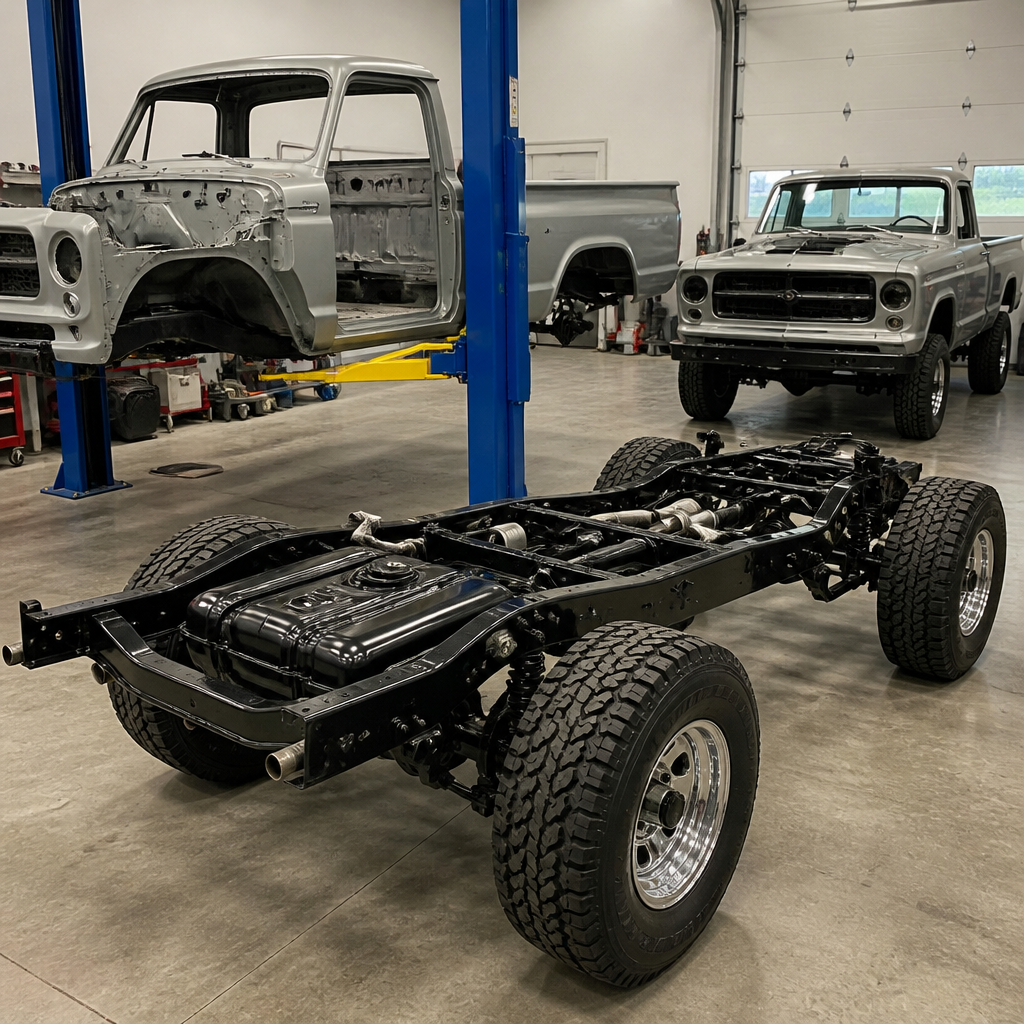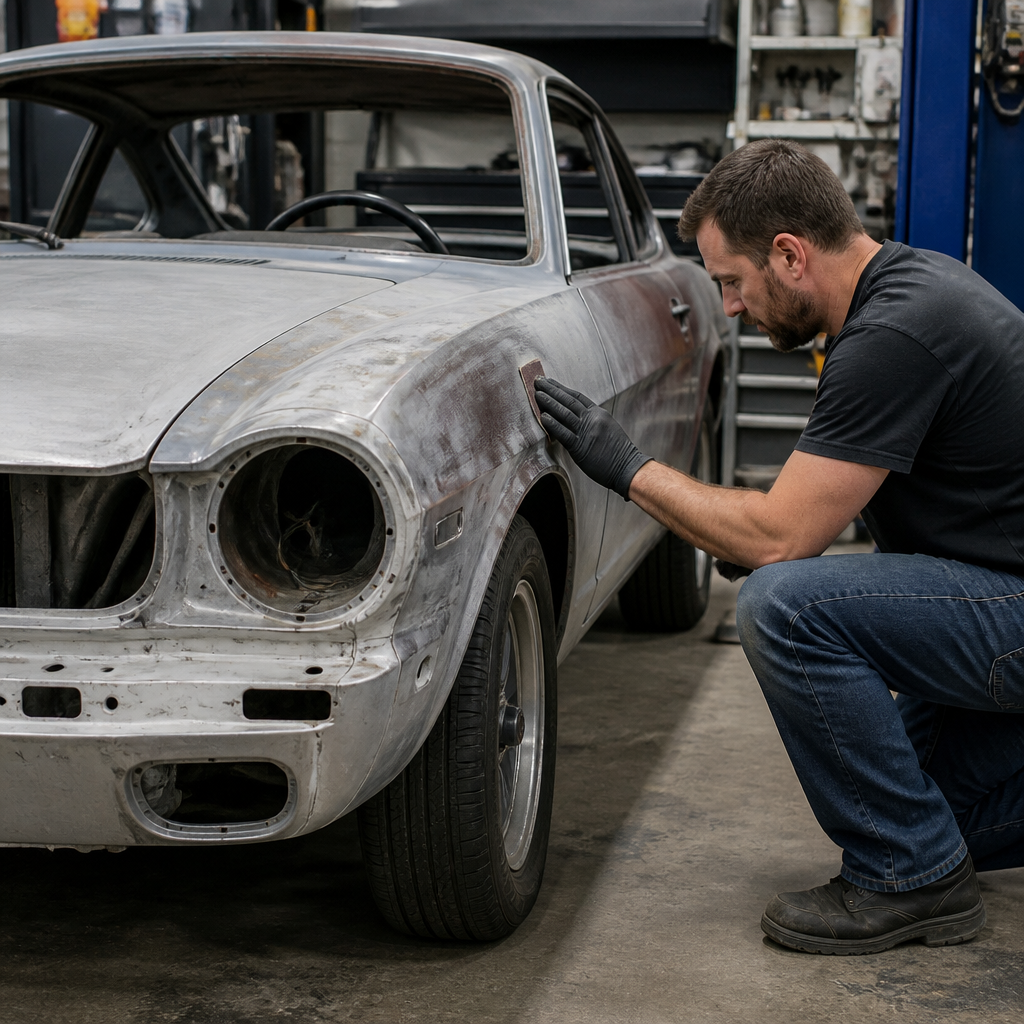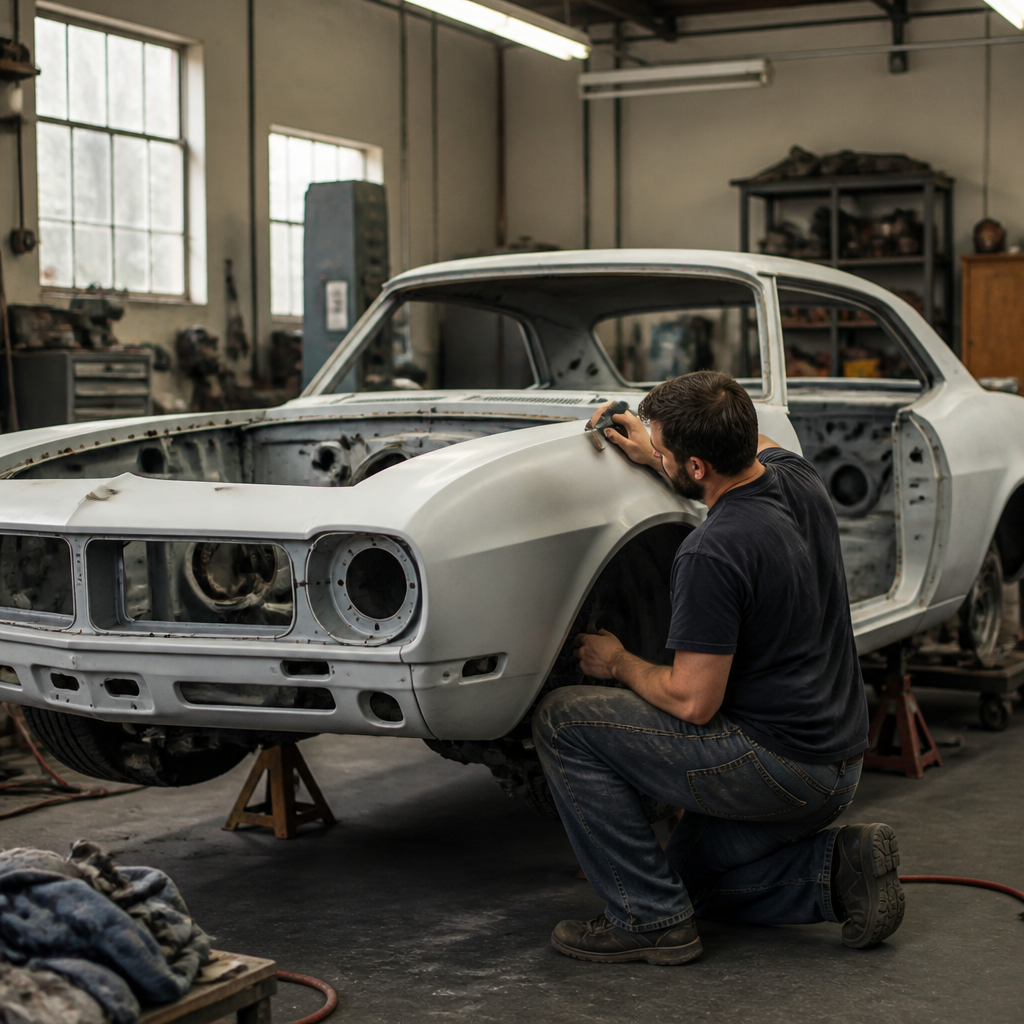
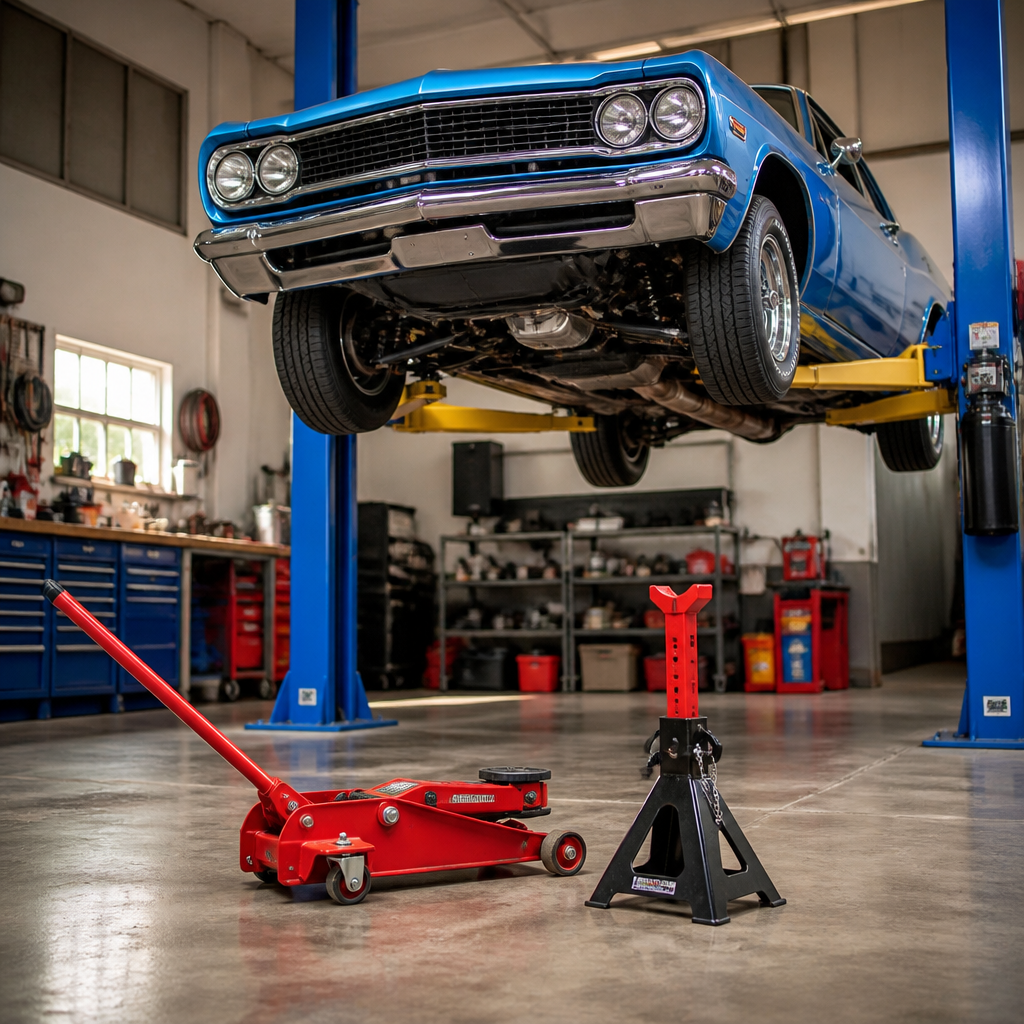
Best lifts and jacks for classic cars are the ones that protect fragile frames, match low ground clearance, and make routine maintenance safer without stressing aging suspension or bodywork. In restoration shops and home garages alike, I have seen excellent cars damaged not by difficult repairs, but by using the wrong lifting point, an unstable jack, or a lift that did not fit the vehicle’s wheelbase and weight distribution. For classic-car owners, “best” does not simply mean the highest lift capacity. It means controlled lifting speed, predictable contact points, enough reach for long American coupes or narrow British roadsters, and compatibility with pinch welds, frame rails, axle tubes, and suspension pickup points that differ widely by era and manufacturer.
This matters because classic cars are unusually vulnerable during service. Many sit lower than modern vehicles, use thinner metal in key areas, and may hide rust inside rails or floors that look sound from above. A 1967 Mustang, a Jaguar E-Type, and an air-cooled Porsche 911 all require different strategies. The right hydraulic floor jack, bottle jack, scissor jack, two-post lift, four-post lift, or mid-rise lift reduces risk and expands what work you can confidently do at home. This hub covers the core tools and equipment every owner should understand, from portable jacks and jack stands to storage lifts, rubber lift blocks, wheel cribs, and safety accessories. It is designed as the foundation page for a broader Restoration & Maintenance section, so you can use it to evaluate your garage setup before choosing model-specific guides, brake-service tutorials, or suspension-rebuild articles.
What makes a lift or jack suitable for a classic car
The first requirement is fit. Many classic cars have low front valances, side pipes, deep rear overhangs, or narrow underbody access. A standard service jack may not slide under a big-block Corvette or lowered Triumph. That is why low-profile floor jacks matter; quality units from brands such as Daytona, Hein-Werner, and Arcan often start near 3 inches of minimum saddle height, while conventional jacks can be too tall. The second requirement is stability. A long-wheelbase Cadillac benefits from a longer jack chassis and wider front roller stance, while smaller imports often need a compact jack with precise saddle placement. The third is surface protection. A bare steel saddle against painted or undercoated metal is asking for damage, so polyurethane pads, pinch-weld adapters, and frame-cradle blocks are not optional accessories for many cars.
Capacity is important, but it is often misunderstood. Most classic cars weigh between roughly 2,000 and 4,500 pounds, so a 2-ton or 3-ton floor jack handles one end of the vehicle comfortably when used properly. More capacity usually brings more weight and a taller frame, which can reduce usability on low cars. Lift range is just as critical. You need enough maximum height to place jack stands at a safe setting, remove larger wheel-and-tire packages, and create working room under the car. I also prioritize descent control. Cheap hydraulic valves can lower a car abruptly, unsettling a stand or shifting a saddle off center. On older vehicles with uncertain balance, smooth lowering is a real safety feature, not a luxury.
Best floor jacks for routine classic-car maintenance
For most owners, a high-quality hydraulic floor jack is the core purchase because it handles tire service, brake work, suspension inspection, and many underbody jobs without permanently altering the garage. The best floor jacks for classic cars typically share five traits: low minimum height, long reach, stable steel construction, a controllable release valve, and easy parts availability. Aluminum racing jacks are popular because they are lighter to move, but steel jacks often feel more planted under heavy domestic classics. In practical use, a long-reach low-profile design is the sweet spot. It can reach central front crossmembers on cars with long noses and avoid contact with fragile bumper brackets or sheet metal.
Examples help clarify the choice. A 1965–1973 Mustang commonly benefits from a low-profile long-reach floor jack paired with a rubber pad so the saddle engages the front crossmember or differential housing cleanly. A Mercedes-Benz W113 Pagoda may need extra attention to factory jack points, which can corrode internally; in that case, lifting under stronger suspension or subframe points with a suitable adapter is safer. For heavier cars like a 1970 Chevrolet Chevelle SS, a 3-ton steel floor jack offers margin without becoming excessive. Serviceability also matters. Professional-grade jacks from companies such as Sunex and Hein-Werner tend to have rebuild kits and better long-term hydraulic reliability than anonymous budget imports, which is valuable when a tool may be used for decades alongside the car itself.
When bottle jacks, scissor jacks, and specialty jacks make sense
Bottle jacks are compact, powerful, and useful in situations where vertical clearance above the jack is available, such as lifting a solid rear axle by the differential or supporting sections of a frame during restoration. However, they are usually poor primary jacks for roadside tire changes on classic cars because they start taller, have small bases, and can become unstable on uneven surfaces. Scissor jacks are best treated as emergency equipment, not shop equipment. Many classics originally came with them, but they demand firm ground, patient operation, and exact placement. If you keep the original trunk toolkit for concours completeness, inspect it for bent threads, corrosion, and missing crank handles, but do not mistake originality for safety.
Specialty jacks fill the gaps. Transmission jacks help when removing heavy gearboxes from full-frame American cars. Motorcycle or ATV lift tables are occasionally adapted for subassemblies, but not as substitutes for automotive lifts. Air-over-hydraulic bottle jacks can be useful for restoration work on trucks and large postwar cars, though they trade fine manual control for speed. There are also wheel dollies and go-jacks for moving non-running project cars in tight spaces. In my experience, these are excellent for shop flow but should never replace proper lifting and support. The rule is simple: use the smallest category of tool only when it genuinely suits the geometry, and move up to a more stable option whenever you can.
Choosing the right lift for your garage and restoration goals
If you plan to do frequent work, the best automotive lift can transform ownership. Four-post lifts are ideal for storage, light maintenance, and owners who want to stack vehicles without major structural modifications to the garage floor. They distribute weight through runways, making them forgiving for cars with uncertain lift points. Add a rolling bridge jack, and they become more versatile for wheel and brake service. Two-post lifts provide superior underbody access, which is invaluable for exhaust fabrication, rust repair, transmission work, and suspension rebuilding. However, they demand correct arm placement and a sound concrete slab that meets the manufacturer’s thickness and strength requirements, commonly around 4 to 6 inches and approximately 3,000 psi or better depending on the model.
Mid-rise and scissor lifts sit between portable jacks and full-height lifts. For many hobbyists, they are the most practical answer. They usually lift a car 36 to 48 inches, enough for brake, wheel, detailing, and much suspension work while fitting garages with lower ceilings. The compromise is center access: some designs obstruct parts of the underbody, limiting exhaust or driveshaft jobs. Portable systems like QuickJack have become especially popular for classic cars because they work on low vehicles, store easily, and provide better stability than stands for many tasks. They are not full replacements for a two-post lift, but for owners working on MGs, Camaros, and vintage 911s in suburban garages, they often deliver the best balance of footprint, convenience, and safety.
| Equipment type | Best use | Main advantage | Main limitation |
|---|---|---|---|
| Low-profile floor jack | Routine maintenance | Flexible, affordable, easy to store | Requires jack stands for support |
| Bottle jack | Targeted heavy lifting | High capacity in small package | Less stable, taller starting height |
| Four-post lift | Storage and light service | Excellent stability and parking use | Less open underbody access |
| Two-post lift | Full restoration work | Best undercar access | Needs proper slab and setup |
| Mid-rise or portable lift | Home garage maintenance | Good access with compact footprint | Not ideal for every underbody task |
Jack stands, lift points, and the safety accessories owners overlook
No article about jacks is complete without emphasizing support equipment. A floor jack lifts; jack stands hold. For classic cars, I strongly prefer stands with wide bases, welded steel construction, and clearly formed saddles. Ratcheting stands are common, but pin-style stands offer a reassuring mechanical lock, especially when a car may sit elevated for days during restoration. Capacity should exceed the supported load with margin, yet shape matters as much as rating. Flat-frame vehicles may need V-saddles, while unibody cars often need pinch-weld adapters or slotted rubber blocks. Wheel chocks are mandatory whenever one end of the car is raised, and on manual-transmission cars, leaving the car in gear is an additional safeguard, not a substitute.
Correct lift points vary dramatically. On body-on-frame cars, the frame rail is often the right answer, but not every section is equally strong. On unibody cars, reinforced pinch welds, crossmembers, or designated pads are safer than floors or rocker panels. Rear differential housings are common lift points on solid-axle cars, but not on every independent rear suspension design. Factory service manuals remain the gold standard, and they are worth sourcing from publishers and archives that reproduce original documentation. I also recommend a bright inspection light and a creeper before lifting any unfamiliar classic. A two-minute look for rust perforation, crushed seams, fuel lines, and brake pipes can prevent expensive damage or injury. Most lifting mistakes happen before the jack handle is pumped.
Building a complete tools and equipment setup for this hub topic
As the hub page for Tools & Equipment under Restoration & Maintenance, this article should point owners toward a complete system rather than a single purchase. Start with a low-profile floor jack, quality jack stands, wheel chocks, a torque wrench, and rubber lift pads. That covers the majority of maintenance safely. The next tier includes a creeper, LED work light, oil drain equipment, impact-rated sockets, and a compact air compressor or high-torque cordless impact for wheel service. If you work on carbureted cars, add fuel-safe drain containers and fire extinguishers rated for flammable liquids. If you service drum brakes, include the correct spring tools and dust control practices; older friction materials may contain hazardous fibers, so compressed air is the wrong cleaning method.
From there, the right lift depends on your ownership pattern. A collector with limited floor space and multiple cars often gets the best return from a four-post storage lift. A hands-on restorer doing floor pans, exhaust systems, and transmission removals should prioritize a two-post lift or a strong mid-rise unit if ceiling height is limited. Owners with one or two drivers may be best served by a premium floor jack and portable lift system instead of a permanent installation. Whatever path you choose, buy with the next five jobs in mind, not just the next weekend. Measure your garage, verify vehicle weights, check concrete specifications, and review factory lift points. Then invest once in equipment that protects the car, improves access, and makes every maintenance task calmer, faster, and safer.
The best lifts and jacks for classic cars solve a specific problem: how to raise valuable, aging vehicles without damaging the very parts you are trying to preserve. The right answer depends on ground clearance, vehicle construction, garage space, and the type of work you actually perform. Low-profile floor jacks remain the essential starting point because they are versatile, affordable, and effective for routine service. Bottle jacks and scissor jacks have narrower roles, while four-post, two-post, mid-rise, and portable lifts each serve different owners well when matched to realistic goals. Across every category, safe contact points, stable support, and controlled lifting matter more than headline capacity.
If you remember one principle, make it this: lifting equipment is part of preservation, not just convenience. A classic car’s frame rails, pinch welds, floors, and suspension mounts may be decades old, repaired, or weakened by hidden corrosion. Good tools reduce those risks, but only when paired with correct technique and careful inspection. Use this hub as your starting point for building a proper Tools & Equipment setup within your Restoration & Maintenance plan, then continue into model-specific guides on lift points, brake service, suspension work, and garage safety. Review your current equipment today, replace anything marginal, and choose the lifting solution that lets you work confidently on your classic for years to come.
Frequently Asked Questions
What should I look for in the best lifts and jacks for classic cars?
The best lifts and jacks for classic cars should be chosen with preservation and stability in mind, not just lifting height or price. Older vehicles often have delicate frames, lower ride heights, uneven weight distribution, and suspension components that were never designed around modern universal lifting equipment. A good starting point is capacity, but that is only one part of the equation. You also want a jack or lift that fits under low front valances, side skirts, or long overhangs without forcing the car upward or scraping bodywork before the lifting begins.
For floor jacks, a low-profile design is usually essential because many classic cars sit lower than modern vehicles, especially if they have original springs, period-correct tires, or mild lowering modifications. A long-reach chassis can also be extremely helpful because it allows you to access proper lifting points farther under the car without contacting bumper ends or trim. Look for a wide, stable wheelbase on the jack, smooth hydraulic action, and a saddle that can accept a rubber pad or adapter to reduce the risk of marring frame rails or pinch points.
For vehicle lifts, fitment matters just as much as strength. The lift should match the car’s wheelbase, track width, curb weight, and underbody design. Two-post lifts can work well when used correctly, but arm positioning must be precise on older vehicles with unconventional frame layouts. Four-post lifts are often preferred for storage and gentle support, especially for cars with fragile floors or hard-to-access lift points. Scissor lifts can also be useful in home garages where ceiling height is limited, but they must provide enough access for the kinds of maintenance you actually plan to do.
Most importantly, the best equipment is the equipment that supports the car at the correct factory-approved or restoration-approved points. Even a premium jack or lift can damage a classic if it places load on thin sheet metal, weakened outriggers, suspension arms not meant to bear static weight, or rust-compromised frame sections. When in doubt, consult a factory service manual, a marque specialist, or a restoration technician familiar with your exact model before lifting the vehicle.
Are low-profile floor jacks better for classic cars?
In many cases, yes. Low-profile floor jacks are often one of the safest and most practical choices for classic-car owners because they can slide under vehicles with limited ground clearance without forcing contact with body panels, rocker trim, or front spoilers. This is especially important on vintage sports cars, full-size coupes with long overhangs, and restored cars with original ride height characteristics that leave little room for standard-height shop jacks.
That said, low-profile alone does not make a jack ideal. The best low-profile floor jack for a classic car should also provide enough lifting range to raise the vehicle high enough for jack stand placement or wheel removal. Some compact low-entry jacks fit under the car nicely but do not rise high enough to be useful for real maintenance. A long-reach design is often the better combination because it allows you to reach deeper lifting points while maintaining low entry height and sufficient maximum lift.
Another benefit of low-profile jacks is that they reduce the temptation to lift from the wrong place. When a standard jack does not fit, owners sometimes roll onto boards or try to lift from an exposed suspension part simply to gain clearance. That is exactly the kind of shortcut that can damage aging bushings, bend thin metal, or create an unstable setup. A purpose-built low-profile jack helps eliminate those compromises.
Even with the right jack, you still need the right technique. Always use a stable, level surface, align the saddle squarely with the lifting point, and consider using a rubber pad or model-specific adapter where appropriate. Raise the car slowly and watch for shifting, flexing, or any sign that the contact point is incorrect. Low-profile jacks are often better for classic cars, but only when they are paired with proper lifting procedures and high-quality jack stands placed under safe support points.
Where are the safest lifting points on a classic car?
The safest lifting points on a classic car depend entirely on the vehicle’s frame design, body construction, and condition. There is no universal answer, which is why so many classics get damaged during otherwise simple jobs. On some body-on-frame cars, the frame rails are the correct support points. On many unibody cars, reinforced pinch welds, designated crossmember locations, or factory jack points may be appropriate. On others, those original jack points may no longer be trustworthy due to corrosion, previous repairs, or metal fatigue.
The first and best source is the factory service manual for the exact year, make, and model. It will usually identify approved lifting and support points for both workshop lifts and roadside jacks. If the car has been restored, modified, or repaired, the original guidance may need to be supplemented by a careful inspection from someone who understands structural integrity. Fresh paint can hide filler, undercoating can hide rust, and prior collision repairs can change how weight should be supported.
Areas to avoid generally include floor pans, rocker skins, exhaust components, steering linkages, thin suspension arms, and differential covers unless the manufacturer specifically approves that location. Some owners assume that “solid-looking metal” is enough, but classic vehicles often have localized reinforcement only in certain areas. Placing a jack just a few inches away from the proper point can dent a rail, crease a seam, or twist an unsupported section of the underbody.
If you are uncertain, inspect before lifting. Clean the area, verify that the metal is structurally sound, and make sure the load will be applied evenly. On a valuable classic, spending extra time to confirm lifting points is far cheaper than repairing crushed pinch welds, cracked undercoating, distorted door gaps, or damaged suspension geometry. Safe lifting starts with knowing exactly what part of the car is meant to carry that weight.
Is a two-post lift or a four-post lift better for classic car owners?
Both can be excellent, but they serve different priorities. For many classic-car owners, a four-post lift is the more forgiving and versatile choice, especially if the car will be stored on the lift or if the owner wants a straightforward way to raise the vehicle without carefully locating multiple contact points under a fragile chassis. Because the car rests on its tires, a four-post lift can reduce stress on questionable underbody areas and is often easier to use with vehicles that have unusual frame designs or uncertain lift points.
A four-post lift is particularly appealing for collectors who want extra parking space and occasional access underneath for inspections, detailing, fluid changes, and light maintenance. It is also a strong option for heavier classics, long-wheelbase cars, and vehicles that are exceptionally original and worth protecting from avoidable handling risks. However, full wheel and suspension access is more limited unless you add accessories such as sliding jacks or bridge jacks.
A two-post lift offers better undercar access for serious maintenance, brake work, suspension service, and restoration tasks. In a professional restoration environment, a properly installed and correctly used two-post lift can be extremely effective. The key phrase is “correctly used.” Arm placement on classic cars must be exact, and the operator needs a clear understanding of the vehicle’s structure and balance. Some older cars have asymmetrical weight distribution, narrow lifting zones, or body designs that complicate safe arm positioning.
If your main goal is preservation, storage, and gentle access, a four-post lift is often the safer fit. If your goal is more complete mechanical work and you are confident in identifying correct support points, a two-post lift may be the better tool. The best choice depends on ceiling height, floor thickness, garage space, vehicle mix, and how much hands-on work you actually plan to do. For classic cars, convenience should never outrank correct fitment and safe support.
Can I use modern jacks and lifts on a vintage or restored car without causing damage?
Yes, but only if the equipment matches the car and is used thoughtfully. Modern jacks and lifts are often safer, stronger, and more stable than older equipment, but they are typically designed around broader assumptions about vehicle structure, ground clearance, and lift-point accessibility. Classic cars do not always fit those assumptions. That is why a modern piece of equipment can be perfectly safe on one vintage vehicle and completely wrong for another.
The biggest issue is usually not the age of the equipment but the shape and placement of its contact points. Many modern jack saddles, lift pads, and support arms are built for newer unibody vehicles with predictable lift zones. A restored car may have narrower frame rails, more fragile seams, lower clearance, or hand-fabricated repair sections that should not be loaded the same way. This is where rubber pads, frame adapters, pinch-weld adapters, and extension blocks become valuable, provided they are used correctly and do not create instability.
You should also consider how restoration work may have changed the car. Replacement floors, patched rails, custom exhaust routing, aftermarket suspension, and altered ride height can all affect how a jack or lift interfaces with the chassis. It is not enough to assume that because the car looked fine on a lift once, it is safe every time. The support points need to be confirmed based on the vehicle’s current condition, not just its original design.</p