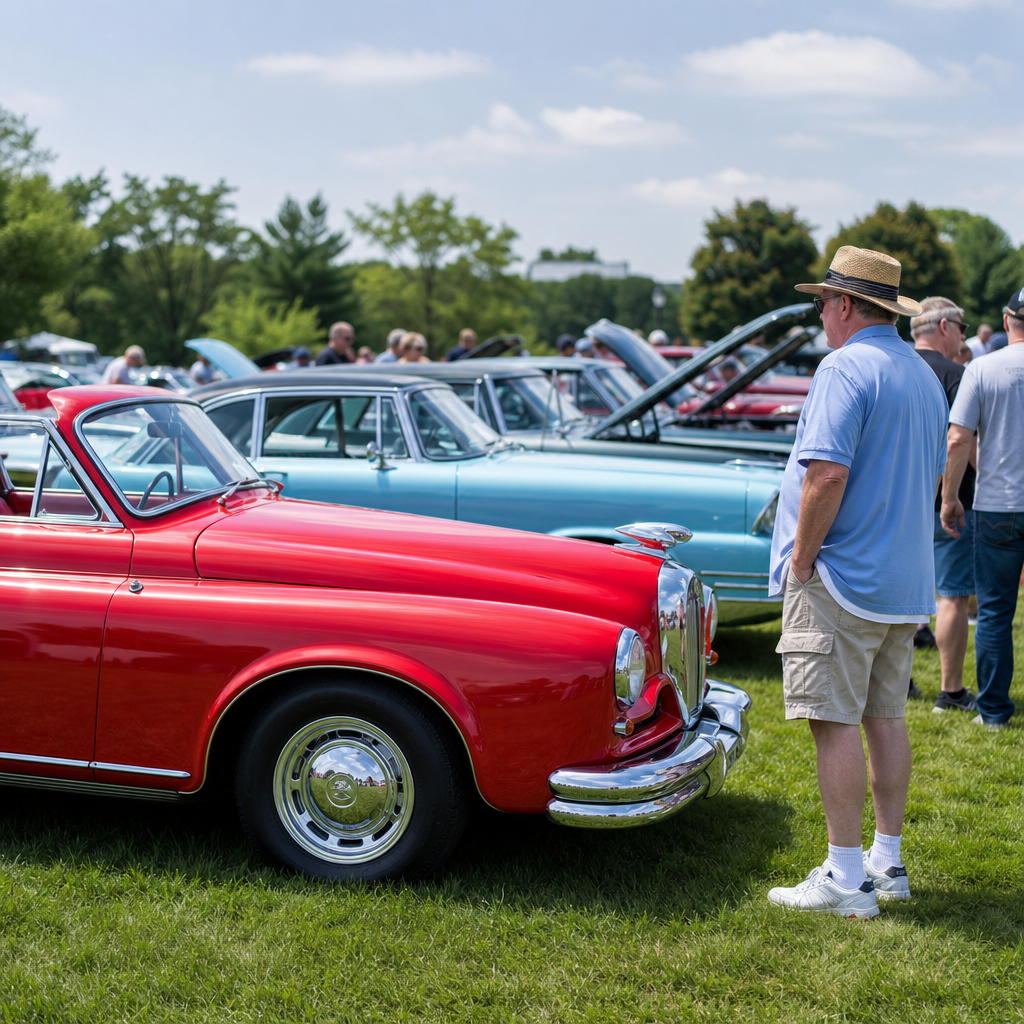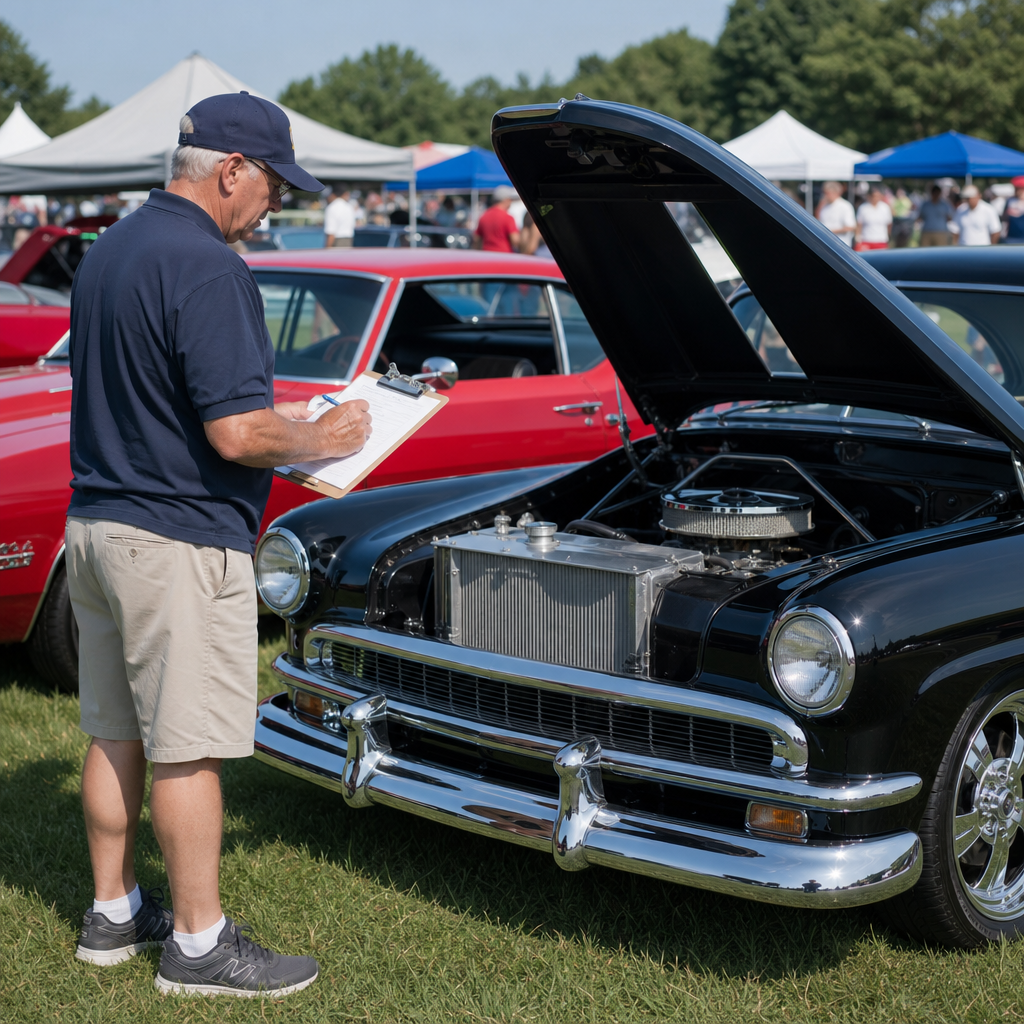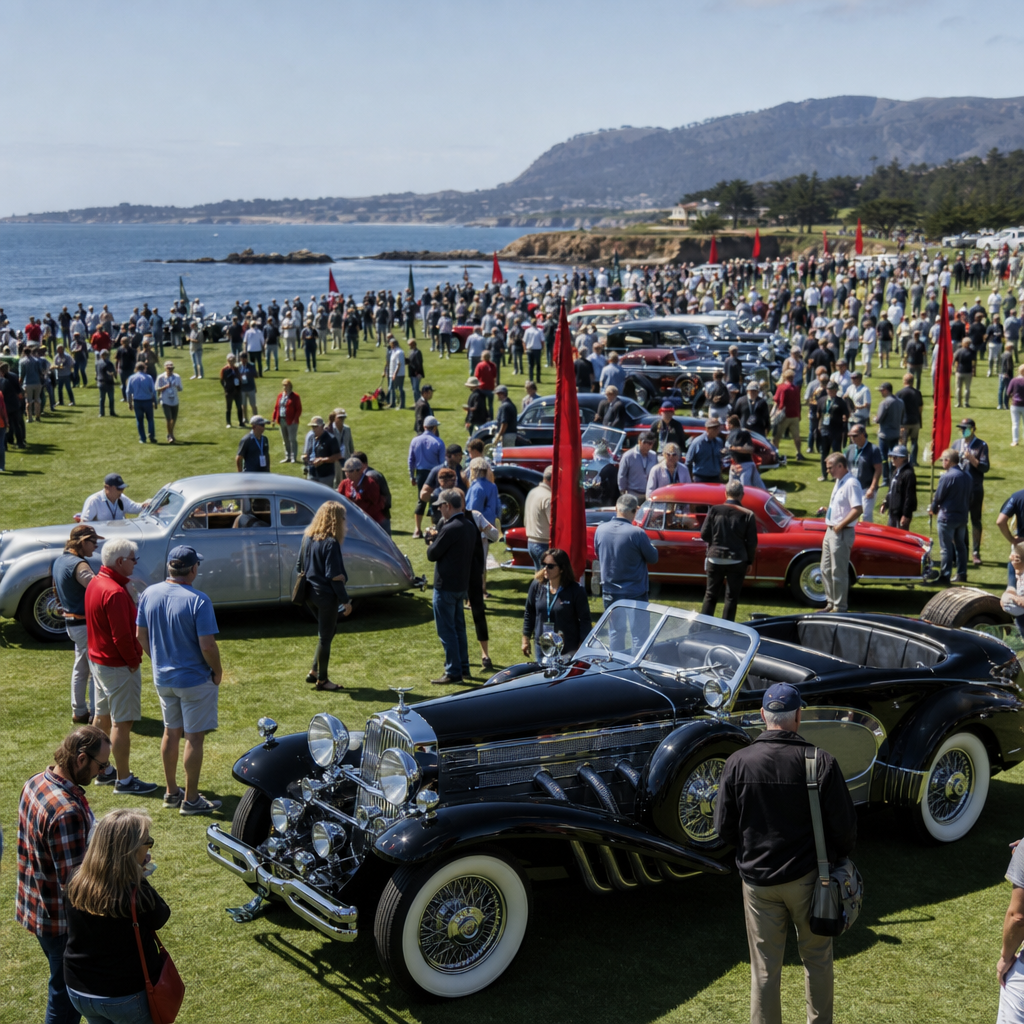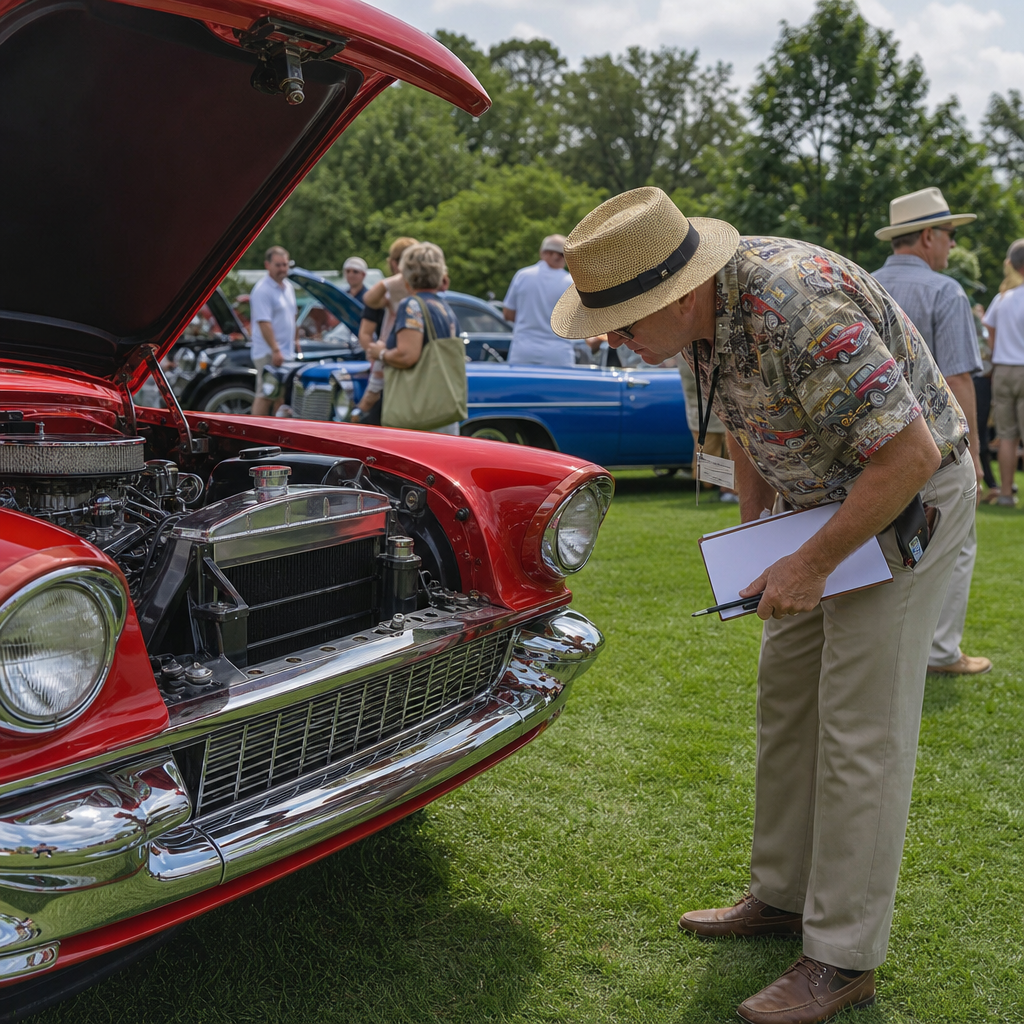
Classic car travel turns a simple road trip into a rolling piece of history, but the best hotels and stops for classic car travelers are different from what modern motorists need. A driver crossing states in a 1965 Mustang, a Jaguar E-Type, or a split-window Corvette is not just booking a bed and mapping fuel. They are protecting paint, managing mechanical limits, finding safe parking, choosing roads that suit older suspensions, and building an experience around car culture itself. In practice, classic car travel means planning routes, overnight stays, maintenance windows, and attractions around the realities of vintage automobiles.
That distinction matters because older vehicles impose real constraints. Carbureted engines can be sensitive to heat and altitude. Drum brakes fade faster on long descents. Original cooling systems struggle in traffic. Older electrical systems do not forgive neglect. I have planned trips for unrestored survivors and fully rebuilt show cars, and the lesson is always the same: the best journey happens when the hotel, the stop, and the route are selected for the car as much as the driver. A luxury resort with valet parking may be a poor choice if it leaves a rare coupe overnight in a crowded public lot.
For travelers in the classic car culture and lifestyle space, this hub page explains how to choose lodging, where to stop, which destinations are worth building a route around, and how to reduce risk without losing spontaneity. It also serves as the foundation for deeper articles on route planning, concours events, roadside repairs, classic insurance, and museum travel. If you want one answer to the question, “What are the best hotels and stops for classic car travelers?” the answer is this: choose secure, ground-level lodging near scenic roads, pair it with fuel, food, and cooling breaks every 90 to 120 miles, and anchor the trip around destinations that understand enthusiast vehicles.
Not every “car-friendly” place actually works for vintage travel. Some properties market themselves to enthusiasts but lack covered parking, wide access lanes, or staff procedures for low-clearance cars. Some famous roadside attractions are enjoyable in a modern SUV yet punishing in a manually steered classic on rough pavement. A useful classic car travel strategy balances romance and practicality. You want memorable motels on historic highways, destination inns near museums and concours lawns, and service stops near trusted shops, but you also need shade, quality fuel, weather awareness, and parking where you can see the car from the room.
What Makes a Hotel Good for Classic Car Travelers
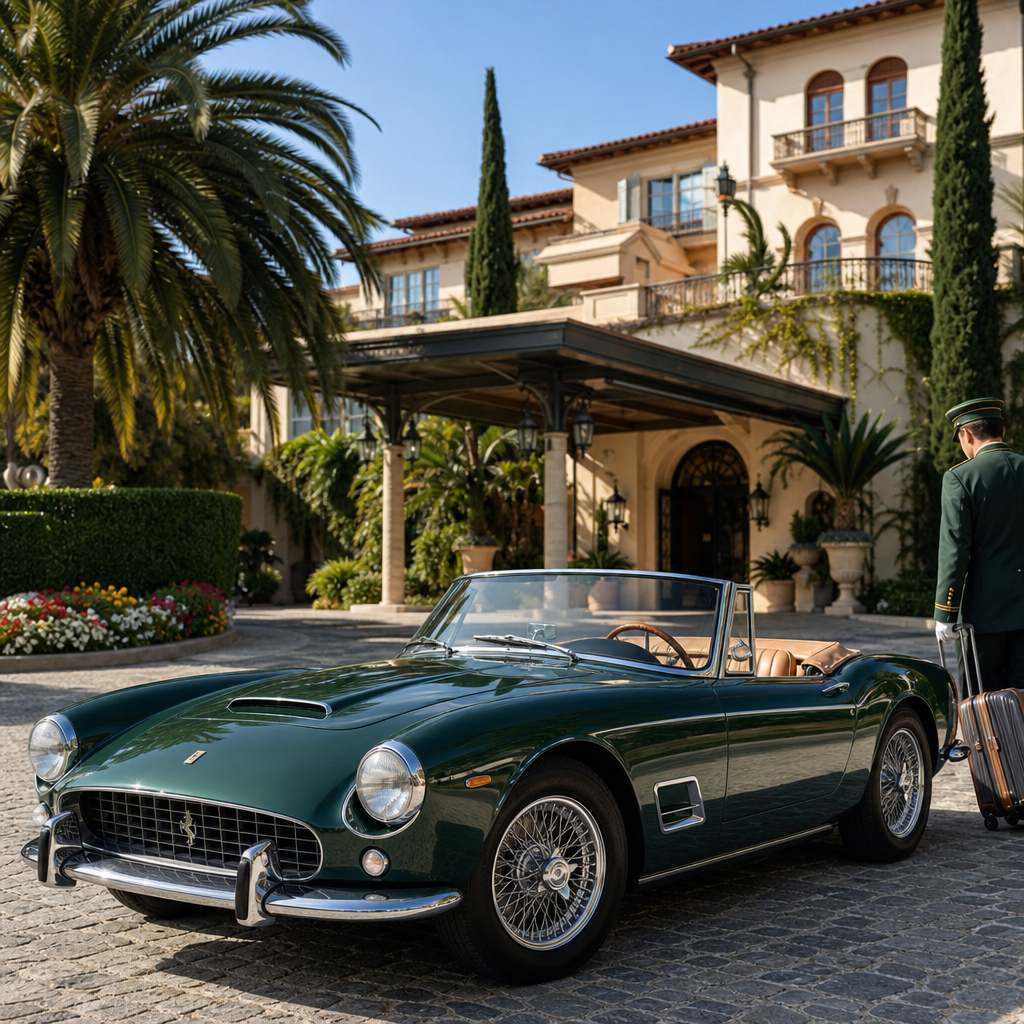
The best hotel for classic car travel has five traits: secure parking, easy access, weather protection, nearby essentials, and staff who understand special requests. Secure parking means more than a camera at the front desk. Look for ground-level spaces, controlled access, bright lighting, and the option to park directly outside your room or in a private garage. Easy access matters because many classics have long doors, low front valances, heavy clutches, and wide turning circles. Steep ramps, tight underground garages, and aggressive speed bumps can turn check-in into a risk event.
Weather protection is equally important. Hail, direct sun, tree sap, sprinklers, and overnight humidity all affect older finishes and trim. Covered parking is ideal; second best is parking away from irrigation systems and under open sky rather than beneath dripping branches. Nearby essentials should include ethanol-conscious fuel options, a pharmacy, basic hardware supplies, and food within a short walk. After a long drive in an unairconditioned car, moving it again just to eat is unnecessary wear. Finally, staff awareness matters. I always ask whether valet service is mandatory, whether exterior washing occurs automatically, and whether I can request a specific parking location. Clear answers are a good sign.
Boutique motels, restored motor courts, and enthusiast-focused inns often outperform chain luxury properties because they were built around car access. Along Route 66, for example, renovated motor courts in Arizona, New Mexico, and Oklahoma appeal to classic drivers because rooms face parking pads and unloading does not require elevators or long interior corridors. In mountain regions, lodges with detached cabins can be excellent if the driveways are paved and graded gently. In city centers, however, the safest option may be a business hotel with monitored self-parking rather than a charming historic property that relies on third-party valet lots several blocks away.
Best Types of Stops on a Classic Car Road Trip
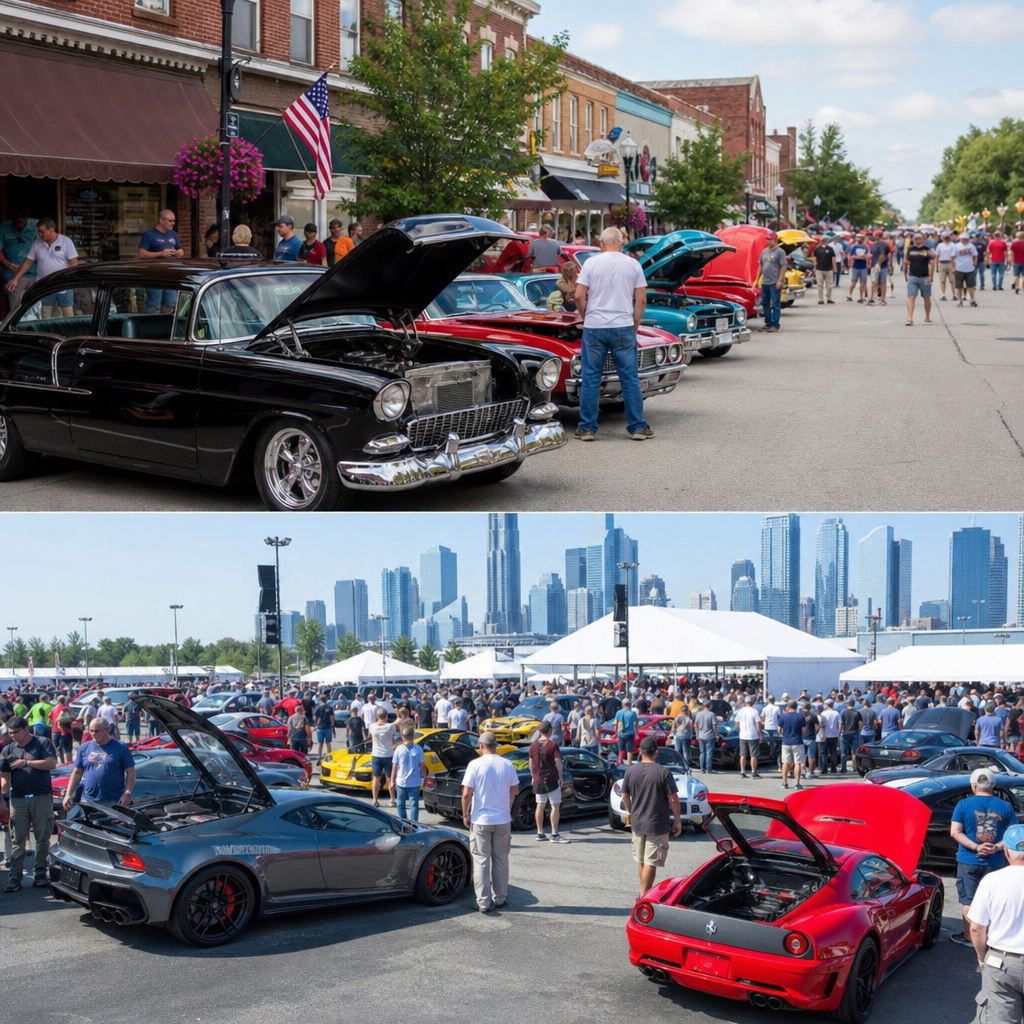
Classic car stops should preserve energy, protect the vehicle, and deepen the trip’s theme. The strongest stop categories are scenic overlooks, transportation museums, diners with visible parking, old service stations, motorsport venues, and parks with short walking loops. Scenic overlooks give the drivetrain a break and create photo opportunities that fit the era of the car. Museums and automotive collections provide weather-safe downtime during the hottest part of the day. Diners and cafés work best when the car can be parked where the owner can monitor it from a window seat.
Old service stations and preserved roadside businesses are especially rewarding because they connect the car to the landscape it was built for. A restored Phillips 66 station on a two-lane highway, a neon motel sign, or a courthouse square from the 1950s can make a stop feel more meaningful than any generic rest area. Motorsport venues also deserve attention. Even when no race is running, places such as Indianapolis Motor Speedway Museum areas, Road America surroundings, or local short tracks can anchor a route in authentic enthusiast culture. The car belongs there.
Practical stops matter just as much as romantic ones. Every classic trip should include planned fuel and inspection pauses. I recommend stopping every 90 to 120 miles to check oil level, coolant recovery, belt tension, and tire condition, especially during summer travel. Older engines that appear fine at highway speed may show heat soak, fuel percolation, or minor fluid leaks only after shutdown. A ten-minute inspection at a shaded stop can prevent a tow later. This is one of the defining habits of successful classic car travelers: they stop before the car demands it.
| Stop Type | Why It Works for Classics | Best Use Case |
|---|---|---|
| Restored motor court | Ground-level parking, easy unloading, visible car placement | Overnight stays on historic highways |
| Automotive museum | Secure daytime parking and weather-safe break for driver | Midday rest and trip theme building |
| Scenic overlook | Short cooling stop with photos and low traffic stress | Mountain or coastal routes |
| Classic diner | Quick meal while keeping the car in sight | Lunch or early dinner stop |
| Independent service shop | Access to tools, fluids, and experienced mechanics | Preventive inspection or minor repair |
Regions and Routes That Suit Vintage Cars
Some destinations simply work better for older machines. The Blue Ridge Parkway is excellent for well-sorted classics because speeds are modest, scenery is constant, and stopping points are frequent, though cooling systems must be healthy for summer climbs. Route 66 remains a bucket-list corridor because it combines vintage motels, diners, museums, and road architecture that matches the period of many postwar American cars. Coastal California offers spectacular ocean drives, but congestion, steep grades, and expensive urban parking mean the best segments are often smaller links between Monterey, Morro Bay, Santa Barbara, and inland wine-country towns rather than one continuous push.
In the Midwest, Wisconsin and Michigan are underrated classic car travel regions thanks to well-attended summer shows, lake roads, and proximity to major museums and parts networks. In the Northeast, the Hudson Valley, Berkshires, and parts of Vermont reward drivers with compact day stages, covered bridges, and destination inns, but weather changes quickly and older wipers and defrosters should not be trusted without testing. In the South, Natchez Trace Parkway is an excellent vintage route because commercial traffic is limited and pacing is calm. In the Southwest, the scenery is unmatched, yet heat and altitude put real stress on carburetion, vapor management, and marginal cooling systems.
The route should fit the car’s true capability, not the owner’s optimism. A freshly restored big-block convertible with a modern aluminum radiator may handle desert mileage better than an original compact with a three-row brass core and bias-ply tires. A prewar car may be happiest on secondary roads at 45 mph with frequent town stops. A 1980s grand tourer can cover long interstate sections but still needs careful hotel selection because electronic ignition modules and aging fuel pumps fail without warning. Matching route profile to vehicle condition is the central planning skill in classic car travel.
How to Choose Hotels, Fuel, and Service Support Along the Way
Trip planning becomes easier when you build each overnight around three circles: where you will sleep, where you will fuel, and where you can get help. Start with the hotel, then identify a nearby station that consistently offers quality premium fuel from a major brand, then mark at least one independent repair shop within fifteen minutes. AAA coverage helps, but roadside assistance is not a strategy by itself. Tow operators may not have wheel straps suitable for low cars, and rural response times can be long. A preselected local specialist is more valuable than a vague backup plan.
Apps and maps are useful, but old-fashioned phone calls still prevent mistakes. Before booking, ask the property whether trailers are allowed, whether parking spaces are assigned, whether night security patrols the lot, and whether there are recent resurfacing projects that involve gravel. Ask fuel stations if pumps are easy to approach from both directions. Ask local shops whether they work on carbureted engines, points ignition, or classic British and European electrical systems if those apply. A modern general repair center may be excellent on late-model diagnostics and nearly useless on SU carburetors or generator charging faults.
When possible, arrive before dark. Daylight check-in lets you inspect parking surfaces, avoid potholes, and cool the car gradually after the final run. I prefer hotels with room-facing spaces and no mandatory valet, then I park at the edge of the lot away from sprinklers, carts, and door dings. If the weather looks unstable, I ask about covered drop-off zones or conference awnings that can shelter the car temporarily. Small habits like carrying a battery maintainer, fuel-safe funnel, tire gauge, and microfiber drying towels consistently make classic travel calmer and cheaper.
Building a Classic Car Travel Itinerary Around Events and Attractions
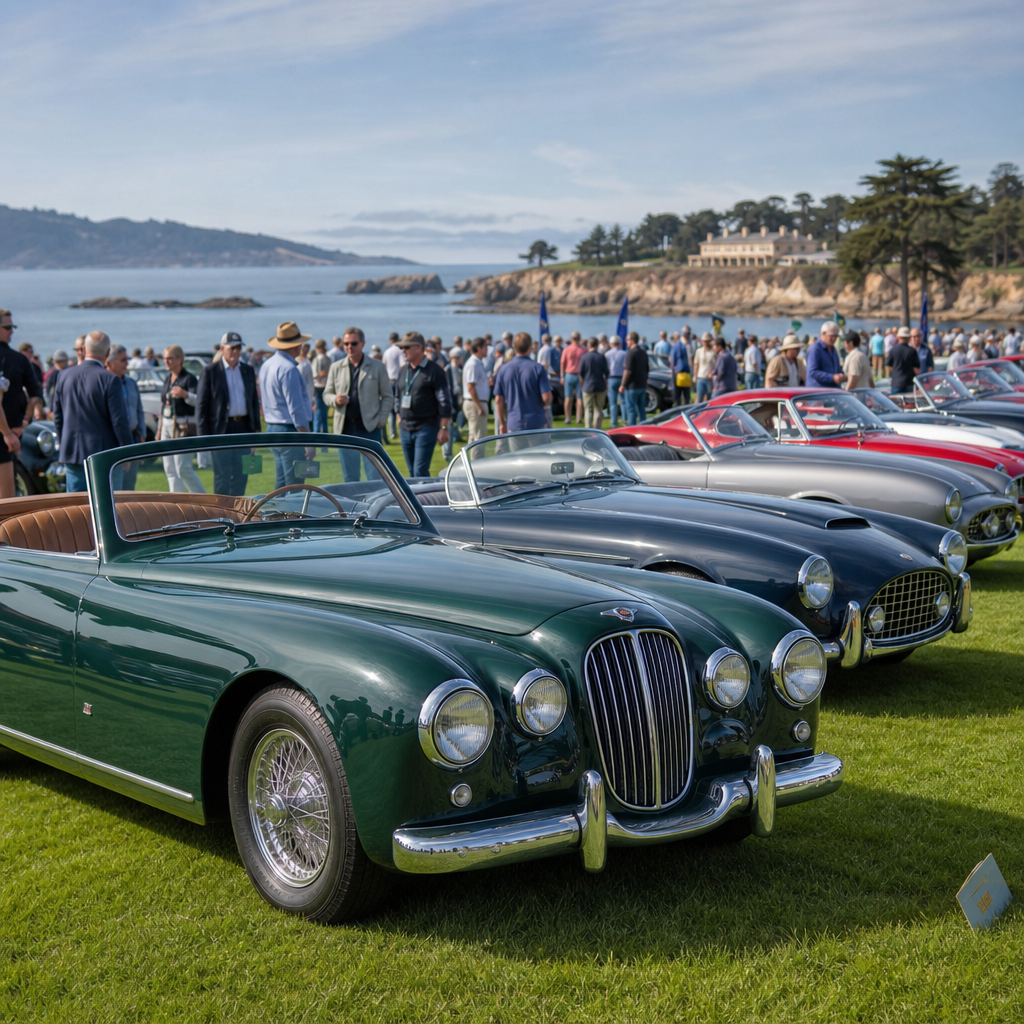
The strongest itineraries combine driving pleasure with fixed points on the calendar. Concours events, auction weeks, marque gatherings, hill climbs, vintage races, and museum exhibits create natural anchors for a larger trip. Monterey Car Week is the most famous example in the United States, but it is not the easiest for vintage road travel because traffic, lodging costs, and parking pressure are intense. Many travelers have a better experience planning around Amelia Island, the Greenwich Concours area, the Auburn Cord Duesenberg Festival, Hershey, or regional vintage racing weekends where access is simpler and the atmosphere is less crowded.
Museums are equally effective anchors because they are predictable. The National Corvette Museum in Bowling Green, the Gilmore Car Museum in Michigan, the Petersen in Los Angeles, the Henry Ford in Dearborn, and smaller marque-specific collections all justify an overnight stay nearby. They also create logical internal links within a broader classic car travel hub: one route article can focus on museum loops, another on concours weekends, another on scenic byways with roadside architecture. For readers planning their first trip, this matters because an event-based itinerary reduces uncertainty. You always know where the day is building toward.
Balance is crucial. Do not overbook every day with attractions. Older cars need margin for traffic, weather, and mechanical pauses. A well-designed itinerary alternates driving days with lighter days, and it avoids late arrivals after long event hours. If you spend six hours walking a show field in summer heat, a fifty-mile evening transfer to a quiet inn may be ideal; a two-hundred-mile night drive is not. The best classic car travel plans leave room for conversation at fuel stops, unplanned photo detours, and the occasional roadside fix that becomes part of the story.
Common Mistakes Classic Car Travelers Should Avoid
The most common mistake is planning the trip around normal modern-car assumptions. Interstate speeds, late-night arrivals, anonymous airport hotels, and long no-stop stretches are all harder on vintage machines. Another mistake is choosing a hotel based only on star rating. A five-star property with valet-only parking and underground access can be worse than a two-story roadside inn with camera coverage and room-front spaces. Owners also underestimate climate. Heat is the number-one travel enemy for many classics, followed closely by poor fuel quality and inattentive parking choices.
Mechanical overconfidence causes many preventable breakdowns. If a car has not completed several local heat-soak tests, idle sessions, and restart cycles before departure, the road trip itself becomes the shakedown. That is expensive. Rain preparation is another weak spot. Wiper blades, seals, demisters, and headlights on older cars are often accepted in fair weather and exposed as inadequate when conditions change. Finally, travelers sometimes ignore personal fatigue. Manual steering, higher cabin noise, vague seats, and summer cabin temperatures create driver exhaustion sooner than expected. The smart stop is often the one made for the human, not the machine.
Best hotels and stops for classic car travelers are the ones that respect the car’s age, the route’s character, and the owner’s need for control. The core principles are straightforward: book lodging with secure, visible parking; stop often enough to inspect and cool the vehicle; favor scenic and historically meaningful routes over maximum-speed corridors; and build the itinerary around museums, events, diners, overlooks, and service support that fit vintage travel. When those pieces align, the car becomes more than transportation. It becomes the lens through which the trip is experienced.
This hub for classic car travel should guide every next step within the wider classic car culture and lifestyle topic. From here, travelers can go deeper into route planning, packing spares, insurance, weather strategy, roadside repair basics, and destination guides organized by region and event type. The main benefit is confidence. A well-planned classic trip protects the vehicle, reduces avoidable stress, and creates better memories because the journey feels intentional instead of improvised under pressure.
If you are planning your next drive, start by choosing one route, one destination event or museum, and one hotel with parking you trust, then build the rest of the trip around the needs of the car.
Frequently Asked Questions
What should classic car travelers look for when choosing a hotel?
The best hotel for a classic car trip is not always the fanciest property or the one with the lowest nightly rate. For owners of older vehicles, the first priority is secure, practical parking. Look for hotels with well-lit lots, visible front-desk sightlines, gated parking, valet areas that allow owner control, or private garages. Covered parking is especially valuable because it protects delicate paint, chrome, convertible tops, and older weather seals from sun, hail, and overnight moisture. It is also smart to call ahead and ask specific questions rather than relying on a generic booking description. A listing that says “parking available” does not tell you whether spaces are tight, whether the surface is gravel, whether the lot fills up by evening, or whether the hotel can accommodate a low-clearance car.
Beyond parking, classic car travelers should consider accessibility and road approach. A steep driveway, sharp entry angle, or speed bumps can be a real issue for long hoods, low front spoilers, or older suspensions. Ask whether there is a flat entrance, easy turnaround space, and room to maneuver without scraping. Ground-floor rooms can also be useful if you want to keep cleaning supplies, a battery maintainer, or emergency tools close at hand. Hotels near fuel stations with ethanol-free gasoline, repair shops familiar with vintage cars, or scenic secondary roads can make the stop far more valuable than a generic interstate chain. The right hotel acts as part lodging, part safe harbor for the car, and part launching point for the next leg of the drive.
Is secure parking really that important for a classic car road trip?
Yes, secure parking is one of the most important parts of planning a classic car journey. Unlike many modern vehicles, classic cars draw attention everywhere they go. That attention is often positive, but it also creates risk. Theft, vandalism, accidental door dings, curious bystanders leaning on paintwork, and poor weather exposure are all more serious concerns when the vehicle is rare, valuable, or difficult to repair. Original trim, vintage glass, chrome pieces, and model-specific body panels may be expensive or nearly impossible to replace. A single overnight incident can turn a great tour into a stressful insurance and restoration problem.
Secure parking matters for practical reasons too. Many older cars have simpler locking systems, visible vent windows, softer tops, and less sophisticated alarms than modern vehicles. That means even a decent neighborhood may not be enough if the parking setup is poor. The ideal arrangement includes a visible location, cameras, limited public access, and enough space to avoid careless damage from other guests. Some travelers prefer boutique motor inns or enthusiast-friendly lodges because they can park directly outside the room and keep the vehicle in sight. Others choose upscale hotels with enclosed garages and attendant-monitored areas. Either approach can work, as long as the parking environment matches the car’s value and the owner’s comfort level. On a classic car trip, where the automobile is the centerpiece of the experience, secure parking is not a luxury feature. It is part of responsible trip planning.
What kinds of stops are best for classic car travelers besides hotels?
The best stops for classic car travelers are places that support both the mechanical realities of an older vehicle and the enjoyment of driving something historic. Scenic byways, small-town main streets, transportation museums, vintage gas stations, roadside diners, and car-themed attractions are often better choices than anonymous highway exits. These stops let drivers take breaks without turning the trip into a rush between chain properties. Older cars generally benefit from a more relaxed pace, with frequent opportunities to cool down, check fluids, inspect belts and hoses, and simply let the driver reset. Choosing enjoyable stops makes that maintenance rhythm feel like part of the adventure instead of a chore.
Practical stops matter just as much as memorable ones. Fuel availability is a major example. Some classics run best on premium fuel, some owners prefer ethanol-free gas, and some carbureted engines are more sensitive to heat soak after repeated stop-and-go traffic. Good route planning should include known fuel points, particularly in rural areas. Repair-friendly stops are another advantage. Towns with established garages, tire shops, or local car clubs can be far more helpful than remote stretches with no services. Many classic car travelers also prioritize destinations where the vehicle itself is appreciated, such as concours venues, cruise-in towns, motorsport museums, or historic route landmarks. The strongest itineraries combine beauty, culture, and practical support, creating a trip where the car is not merely tolerated but welcomed.
How should you plan a route that works well for a classic car?
Planning a route for a classic car is different from planning one for a modern daily driver. The fastest route is rarely the best route. Older cars often perform better on secondary highways and scenic two-lane roads than they do in high-speed, high-density interstate traffic. Constant 75-mile-per-hour cruising, heavy urban congestion, and long uphill grades in extreme heat can expose weaknesses in cooling systems, braking, steering, and suspension comfort. A better route balances mileage with terrain, traffic load, road quality, and service access. Ideally, you want roads that let the car settle into a comfortable pace while giving you regular chances to stop, inspect the vehicle, and enjoy the drive.
Trip length per day also deserves careful thought. A vintage car may be capable of long distances, but fatigue affects both machine and driver. Many experienced classic car owners prefer shorter daily legs with built-in time for fuel, meals, photo stops, and mechanical checks. Weather should also shape your route. Heavy rain, hail-prone regions, extreme desert heat, and rough road surfaces can all create avoidable stress. It is wise to identify backup options in case a breakdown, storm, or traffic closure forces a change of plans. Before departure, map fuel stops, note tow services, save specialist repair contacts, and research where cell coverage may be weak. The best route is not just beautiful. It is forgiving, flexible, and suited to the car’s age, capabilities, and quirks.
What should classic car travelers bring to make hotel stays and overnight stops easier?
A well-packed classic car traveler can turn an ordinary overnight stop into a much safer and smoother experience. At minimum, bring the tools and supplies needed for basic roadside and parking-lot checks: fluids, rags, a flashlight, gloves, jumper cables, a compact tool kit, spare belts or hoses if your model is known for certain issues, and a tire inflation solution. It is also smart to carry items that help protect the vehicle while parked, such as a breathable car cover, a windshield sunshade, microfiber towels, and detailing spray for removing bugs or dust after a day’s drive. If the car has an older electrical system or tends to drain the battery, a portable jump pack can be more useful than waiting for assistance in a hotel lot.
Comfort and security items matter too. Wheel chocks can be useful on sloped parking surfaces, especially for manual-transmission cars. A discreet GPS tracker, steering lock, or supplemental alarm can add peace of mind overnight. Documentation is equally important: insurance information, roadside assistance details, registration, a list of trusted mechanics along the route, and any specialty part numbers you may need in an emergency. Some owners also carry a small notebook with fuel mileage, temperature readings, and observations from each day, which can help spot developing issues before they become real problems. In short, pack for preservation as much as convenience. The goal is to arrive at each hotel prepared not only to rest, but also to protect the car, inspect it properly, and be ready for the next day’s drive.