Classic car documentaries do more than showcase beautiful machines. The best films explain why certain vehicles became cultural landmarks, how designers and racers pushed engineering forward, and why collectors, restorers, and everyday enthusiasts still care decades later. For anyone exploring classic car culture and lifestyle, documentaries are one of the fastest ways to understand the people, places, and stories that shaped the hobby.
In practical terms, a classic car documentary is a nonfiction film or series focused on historic automobiles, the communities around them, and the industries that built, raced, sold, restored, or celebrated them. Some center on a single model, such as the Ford GT40 or Porsche 911. Others examine eras like postwar American motoring, motorsport rivalries, coachbuilding, or auction culture. The strongest titles combine archival footage, informed interviews, factory history, and real mechanical detail instead of relying only on glossy cinematography.
I have used documentaries for years as a shortcut when researching restorations, writing valuation notes, and preparing buyers to understand what they are seeing beyond paint and chrome. A good film can reveal why a split-window Corvette matters, how homologation rules created icons, or why a seemingly obscure sedan has a devoted following. That context matters because classic cars are never just products. They are design objects, engineering case studies, social symbols, and often memories on wheels.
This hub covers the best documentaries about classic cars by organizing them into the main areas enthusiasts search for most: origin stories, racing films, marque-specific deep dives, restoration-focused titles, and broader culture documentaries. If you want one starting point for movies and media within classic car culture, this is it. Use it to decide what to watch first, what to recommend to a new enthusiast, and which films deserve a permanent place on your list.
What Makes a Classic Car Documentary Worth Watching
The best classic car documentaries share three qualities. First, they are accurate. That means they name the engineers, drivers, factories, designers, and race series correctly, and they place cars in proper historical context. Second, they show stakes. A film about a Ferrari 250 GTO works because it addresses scarcity, racing pedigree, and collector mythology, not just price. Third, they translate specialist knowledge into plain language. Viewers should finish the film understanding why a car matters, not simply admiring the photography.
When I evaluate a car documentary, I look for primary sources and technical honesty. Interviews with former team managers, designers, mechanics, and historians carry more weight than broad fan commentary. So do factory archives, race footage, period road tests, and references to recognized institutions such as Pebble Beach Concours d’Elegance, Goodwood, Le Mans, the Indianapolis Motor Speedway Museum, or major auction houses like RM Sotheby’s and Gooding Christie’s. A trustworthy film also acknowledges controversy, whether that is safety failures, marketing spin, labor issues, or disputed originality.
Production quality matters, but not in the way streaming thumbnails suggest. Drone shots and engine noise cannot compensate for weak reporting. Some of the most useful films in this category are modestly produced yet excellent because they explain coachbuilt construction, fuel delivery, racing regulations, or restoration standards with precision. If a documentary makes you notice panel fit, carburetor tuning, provenance paperwork, and period-correct finishes, it is doing real work.
Best Documentaries About Racing Legends and Competition Cars
Racing documentaries are often the best gateway into classic cars because motorsport compresses engineering, personality, danger, and national pride into a story viewers can follow. A standout is Senna, which is not about a classic road car collection but remains essential because it shows how a driver can define an era and elevate interest in the machines around him. Even viewers who arrive for Formula One leave with a sharper understanding of period technology, politics, and the emotional force that turns race cars into lasting icons.
Ferrari: Race to Immortality is especially valuable for classic car enthusiasts because it captures the 1950s when road cars and race cars were still closely tied in public imagination. The film focuses on drivers including Mike Hawthorn and Peter Collins, and it makes clear how endurance racing shaped Ferrari’s mystique. The documentary is strongest when it reminds viewers that the glamour of Mille Miglia and Le Mans existed beside genuine mortal risk. That tension explains why surviving competition Ferraris carry such historical gravity today.
A Life of Speed: The Juan Manuel Fangio Story deserves a place on any serious watchlist. Fangio’s career helps explain Grand Prix racing’s formative years, when mechanical sympathy, route knowledge, and sheer courage mattered as much as speed. The documentary also gives useful context for marques like Alfa Romeo, Mercedes-Benz, Maserati, and Ferrari. Those names are familiar to collectors, but understanding how they built their reputations in competition makes their postwar road cars easier to appreciate.
Another strong recommendation is The 24 Hour War, which examines the Ford versus Ferrari battle at Le Mans in the 1960s. This is one of the clearest examples of a documentary connecting corporate strategy to classic car mythology. It covers Henry Ford II, Enzo Ferrari, Carroll Shelby, and the GT40 program with enough detail to show why the rivalry still fuels books, restorations, replica builds, and concours conversations. If you want one film that demonstrates how racing can transform a car into a legend, this is a top choice.
Marque and Model Documentaries Every Enthusiast Should See
Some viewers want documentaries that drill into one manufacturer or one model line. In that category, Porsche films are consistently strong because the brand’s history is unusually well documented. Documentaries centered on the Porsche 911 often explain rear-engine layout, air-cooled development, homologation variants, and motorsport crossover better than general histories do. A good Porsche documentary also shows how small changes in wheelbase, impact regulations, turbocharging, and bodywork reshaped the same silhouette over decades.
Ferrari documentaries remain a staple because the company sits at the intersection of design, racing, wealth, and national identity. The best titles separate Enzo Ferrari the myth from Ferrari the industrial enterprise. They discuss Scaglietti bodies, V12 development, the role of Pininfarina, racing finance, and the economics of limited production. That matters because many casual viewers know the badge but not the underlying reasons why a 250 series car, Daytona, or F40 occupies such a high place in collector culture.
American brands are equally deserving. Well-made films about Corvette, Mustang, and the Shelby story help explain how Detroit performance shaped classic car enthusiasm worldwide. A strong Corvette documentary will usually cover Harley Earl, Zora Arkus-Duntov, fiberglass construction, small-block V8 evolution, and racing credibility. A strong Mustang or Shelby film should explain the pony car boom, SCCA and Trans-Am relevance, and why authenticity details such as VINs, tags, and drivetrain matching influence value today.
British and European marque documentaries often reward viewers who prefer nuance over spectacle. Jaguar histories frequently connect the XK engine, E-Type design, Le Mans success, and Browns Lane production culture. Mercedes-Benz films can illuminate prewar engineering, postwar recovery, and the company’s habit of turning technical rigor into brand identity. Alfa Romeo documentaries are often the most romantic, but the best ones also explain twin-cam engines, coachbuilt bodies, and the way motorsport and industrial design intertwined in Italy’s golden decades.
Restoration and Barn-Find Films That Show How the Hobby Really Works
For many people, the most useful classic car documentaries are those centered on restoration, rediscovery, and preservation. These films answer practical questions: what happens when a car emerges from long-term storage, how do experts verify originality, and when should a vehicle be restored versus conserved? The strongest examples avoid easy before-and-after television formulas. Instead, they examine sheet metal repair, drivetrain rebuilding, trim sourcing, paint analysis, upholstery choices, and the paper trail needed to support provenance.
Barn-find documentaries are compelling because they expose the detective work behind the hobby. Finding a rare car is only the beginning. Specialists may need to confirm chassis numbers, old registrations, competition entries, service stamps, body stamps, and period photos. If the car is important enough, historians compare welds, stampings, and materials against factory records. Good films show that authenticity is established through evidence, not wishful thinking. That lesson is invaluable in a market where recreated identities and overrestoration can distort value.
Restoration films also clarify one of the biggest debates in classic car culture: preservation versus perfection. A concours-level restoration can return a car to breathtaking condition, but it may erase traces of use that matter historically. Preservation-minded owners often keep original finishes, patina, and factory imperfections because they document how the car was actually built and used. The best documentaries present both sides honestly and show that the right approach depends on rarity, condition, intended use, and historical significance.
| Documentary focus | What you learn | Best for |
|---|---|---|
| Racing history | Engineering development, team strategy, driver legacy | Viewers interested in competition cars and performance myths |
| Marque or model profile | Design evolution, production context, collector significance | Buyers, researchers, and brand loyalists |
| Restoration or barn find | Originality checks, repair methods, provenance standards | Hands-on enthusiasts and first-time collectors |
| Culture and community | Shows, clubs, auctions, lifestyle and generational appeal | Newcomers exploring the wider hobby |
Documentaries About Auctions, Collecting, and Market Culture
Not every classic car documentary needs to center on a racetrack or workshop. Some of the most revealing films explore the market itself: auctions, private collections, dealer networks, and the psychology of demand. These documentaries help viewers understand why two visually similar cars can sell for radically different amounts. The answer often comes down to provenance, documented originality, event eligibility, rarity within a specific specification, and timing within the broader collector market.
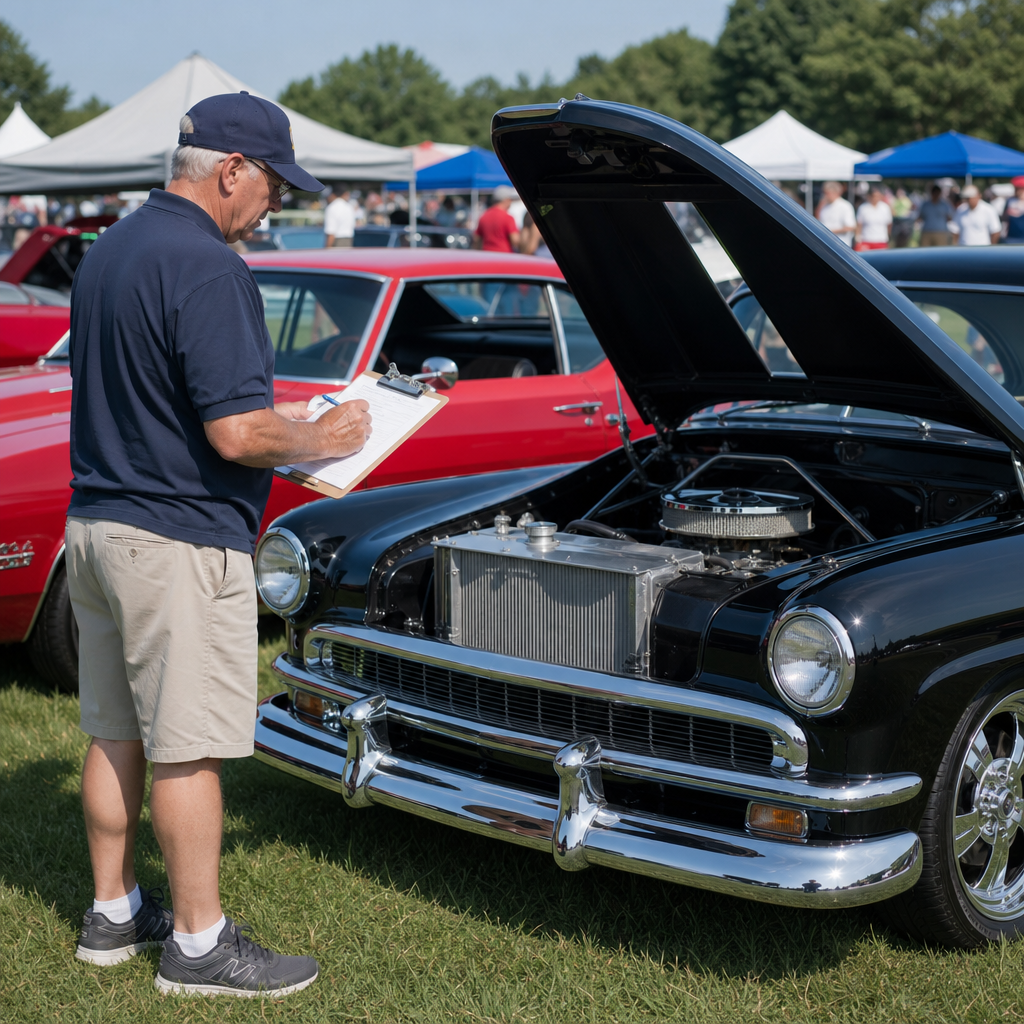
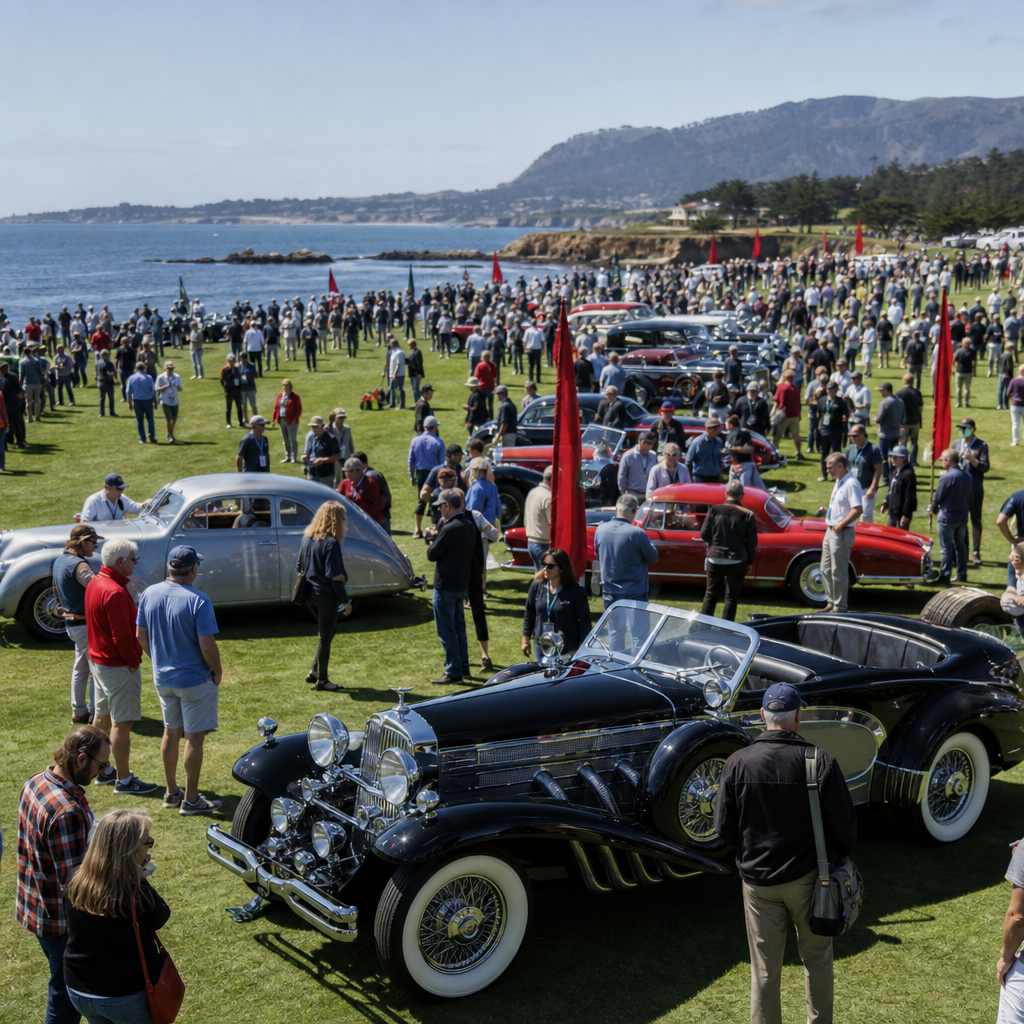
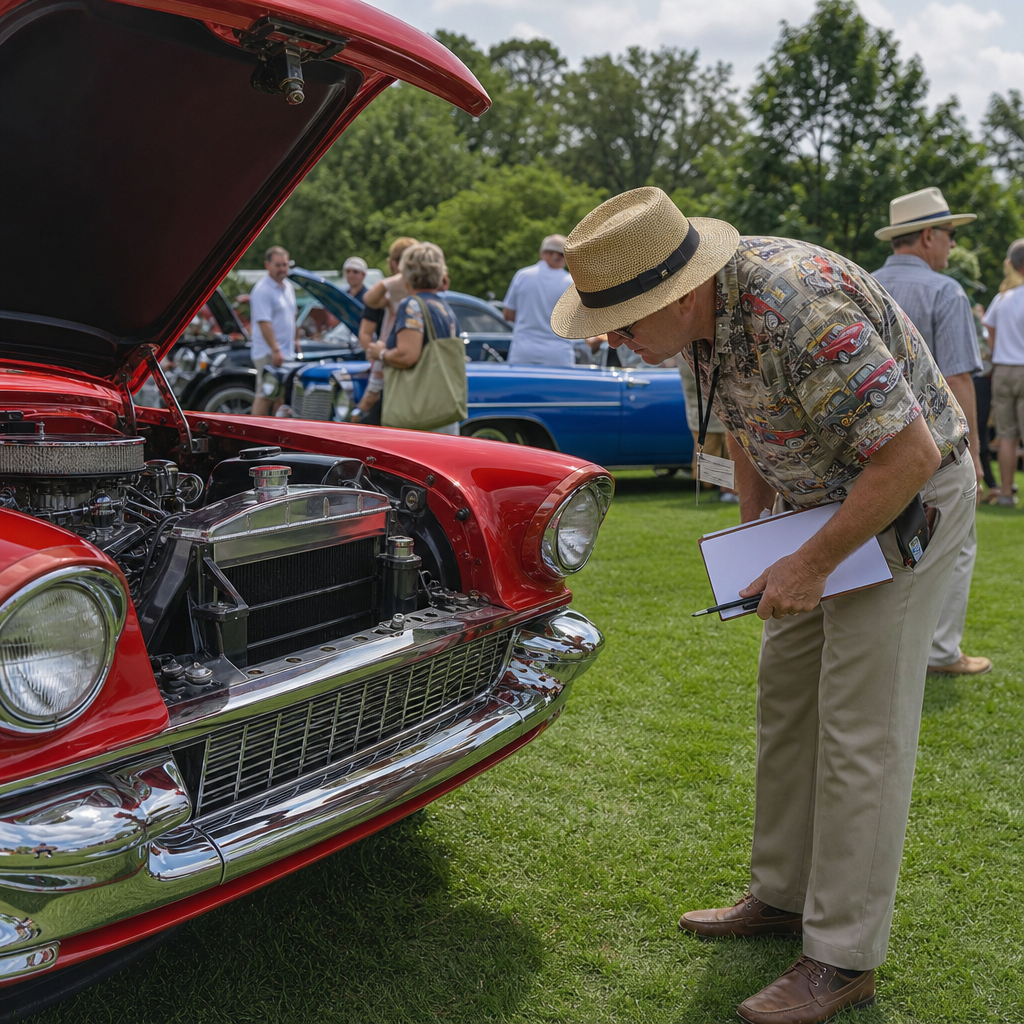
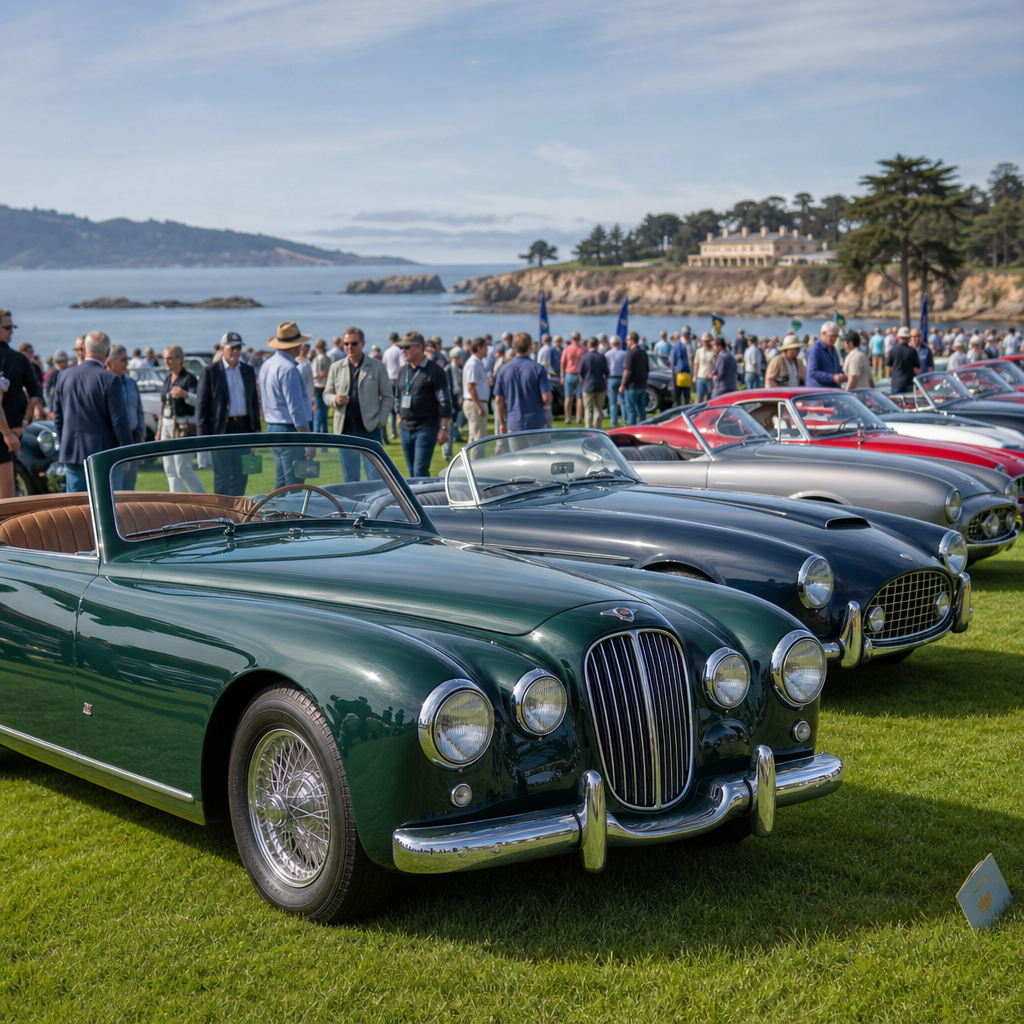
Good market-focused documentaries usually feature recognizable settings such as Monterey Car Week, Scottsdale auctions, Amelia Island, Villa d’Este, or major European concours events. Those environments show how value is created in public. A car may be judged by historians, inspected by marque experts, discussed by bidders, and elevated by media attention all within a few days. Watching that process teaches an important lesson: price is not random. It is built from narrative, documentation, scarcity, and confidence.
These films are especially useful for newer enthusiasts who assume the highest-priced cars are automatically the most important. In reality, collector significance is more nuanced. A lightweight homologation special, unrestored survivor, or period race winner may matter more culturally than a shinier but less original example. Strong documentaries make that distinction clear. They show why paperwork, ownership history, and specification details influence trust, and they warn viewers against reducing the hobby to headline sales numbers alone.
Culture, Style, and Lifestyle Documentaries Beyond the Cars
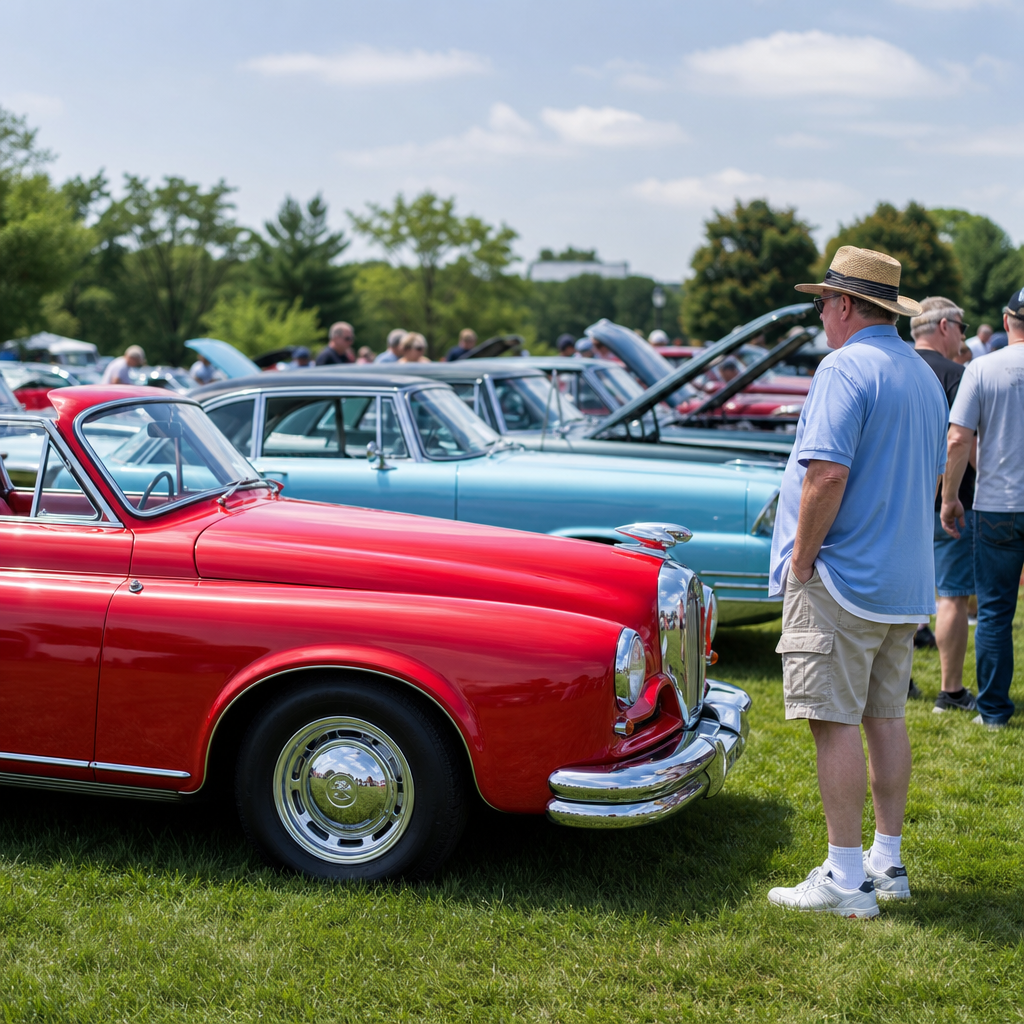
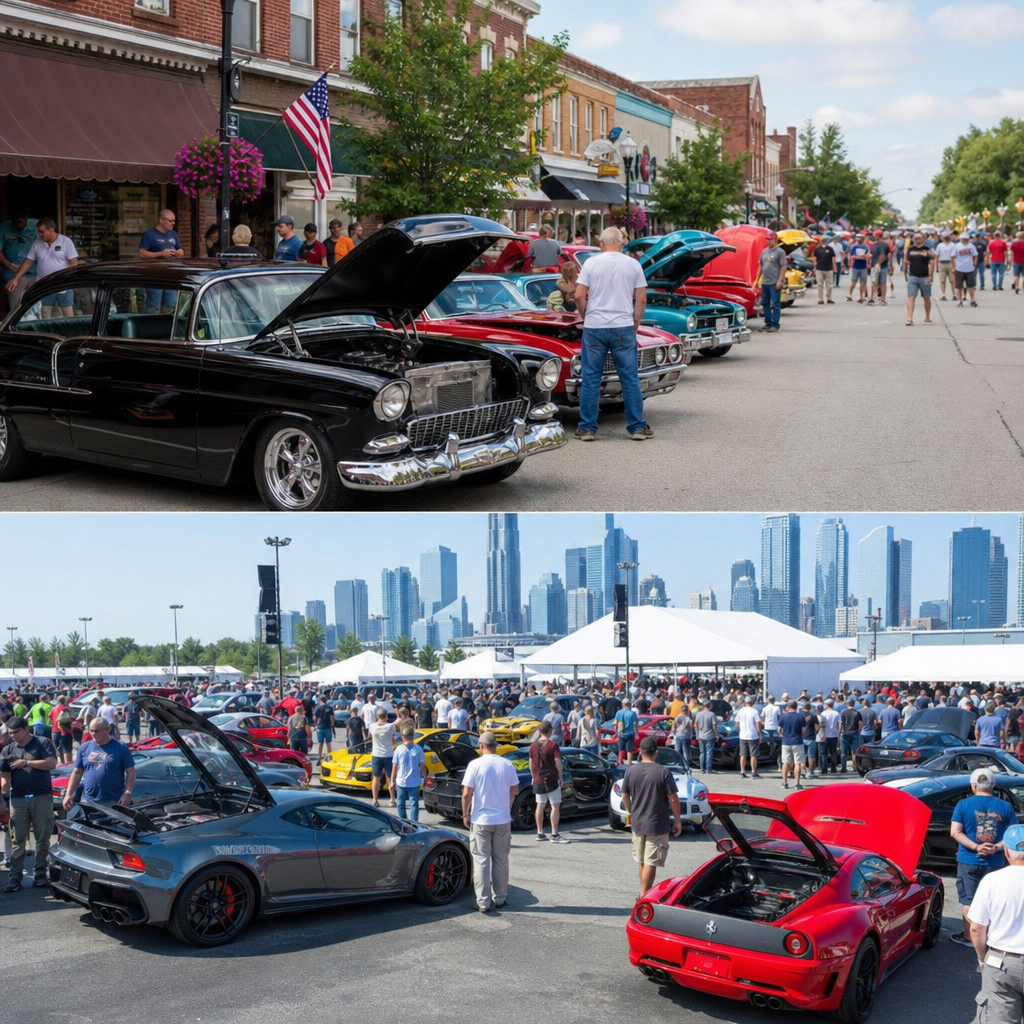
The broadest documentaries in this category focus on car culture as a lifestyle rather than a technical subject. These films examine road trips, clubs, design trends, custom scenes, intergenerational ownership, and the rituals of gathering around old machinery. They matter because classic car culture survives through communities, not just vehicles. A beautiful restoration means little if no one drives it, talks about it, photographs it, researches it, or passes the story to the next owner.
Some of the best culture documentaries highlight distinct regional scenes. Southern California lowrider history, British road rally traditions, Japanese nostalgic car meets, Cuban automotive improvisation, and European grand touring events each reveal different values. One community may prize period-correct restoration, another fabrication skill, another endurance driving, and another social visibility. Watching these documentaries broadens the definition of classic car enthusiasm and prevents the hobby from being reduced to one taste, one budget, or one nationality.
They also show how media shapes desire. Magazine features, auction coverage, social video, racing archives, and cinema have all influenced which cars people notice and preserve. The Mini, Beetle, Land Rover, Bronco, and Datsun Z did not become lifestyle symbols by accident. Repetition in media, combined with memorable real-world use, made them familiar and emotionally sticky. The best documentaries unpack that process, helping viewers see why certain classics remain aspirational long after production ended.
How to Choose the Right Classic Car Documentary for Your Interests
If you are new to the category, start with your goal. If you want drama and historical stakes, pick a racing documentary such as The 24 Hour War or Ferrari: Race to Immortality. If you want brand knowledge before buying or restoring a car, choose a marque-specific film focused on Porsche, Corvette, Mustang, Jaguar, Mercedes-Benz, or Ferrari. If your interest is hands-on ownership, prioritize restoration and barn-find documentaries that explain authenticity, parts sourcing, and preservation choices.
It also helps to judge documentaries the same way you would judge a car listing: by evidence. Look for films that cite archives, include specialists by name, and show primary material rather than relying on generic admiration. Be cautious with productions that flatten history into hero worship or imply every old car is an investment. The most useful documentaries are enthusiastic without being careless. They leave you with better questions, sharper standards, and a deeper sense of what makes a classic car worth preserving.
As a hub for movies and media within classic car culture and lifestyle, this page gives you the framework to explore the subject with purpose. The best documentaries about classic cars teach history, engineering, design, collecting, and community in one sitting. Watch across categories, compare perspectives, and follow the names, events, and models that recur. Then use that knowledge to dive deeper into marque histories, racing stories, restoration guides, and culture features throughout this topic. Pick one documentary tonight, watch closely, and let it lead you further into the hobby.
Frequently Asked Questions
What makes a documentary one of the best documentaries about classic cars?
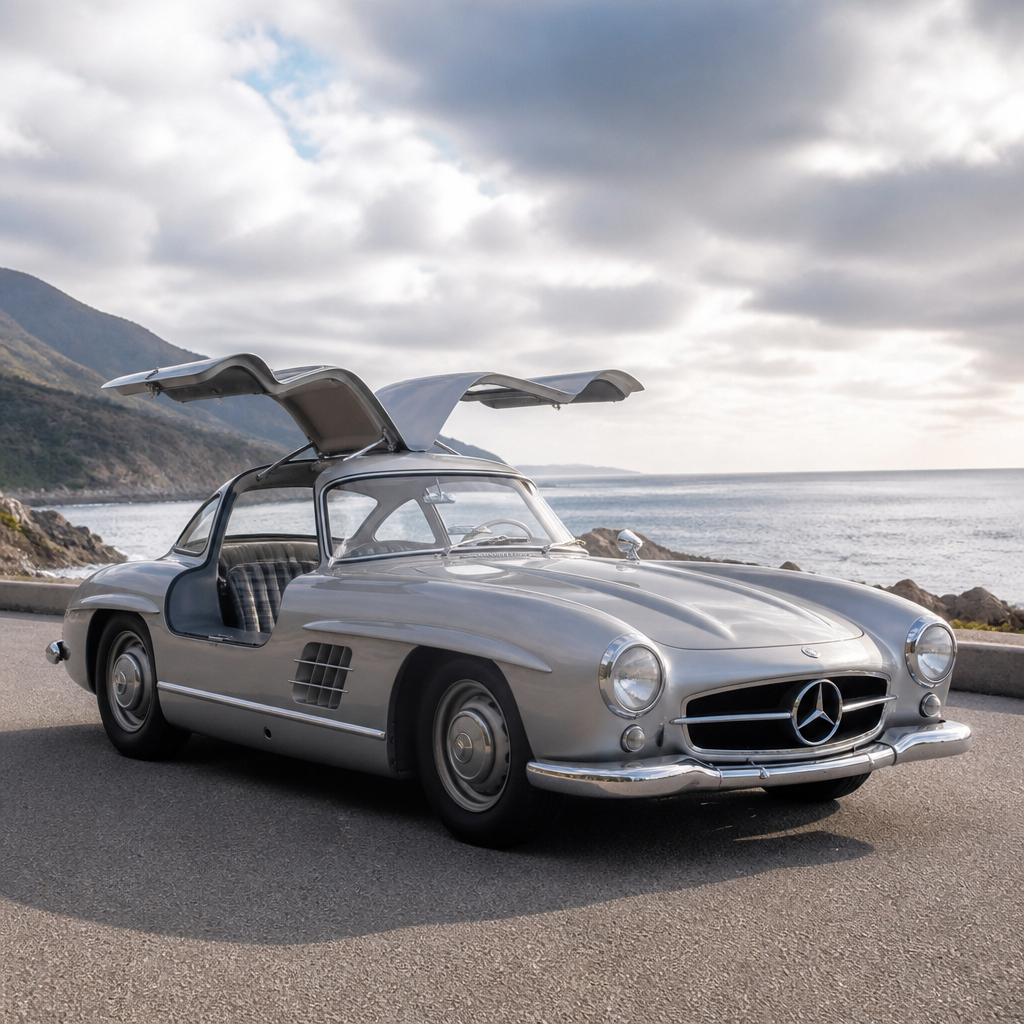
The best documentaries about classic cars go far beyond slow camera pans of polished paint and chrome. A great film gives viewers historical context, explains why a specific model mattered in its era, and shows how that vehicle influenced design, racing, manufacturing, or popular culture. In other words, the strongest classic car documentaries connect the machine to the people and ideas behind it. They help viewers understand why a Jaguar E-Type, Porsche 911, Ferrari 250 GTO, Ford Mustang, Chevrolet Corvette, or Mercedes-Benz 300SL became more than just transportation.
Another hallmark of a top-tier documentary is access. The most memorable films include interviews with designers, engineers, racers, historians, restorers, collectors, and sometimes family members of the people who built or drove these cars. That first-hand perspective matters because it turns a car from an object into a story. Instead of simply hearing that a model was innovative, viewers learn exactly what engineering challenges had to be solved, how a race team developed a winning setup, or why a styling decision changed the industry.
Production quality also plays a major role. The best classic car films balance beautiful visuals with substance. Cinematic footage of rare vehicles, archival race clips, factory photos, and restoration sequences can make a documentary engaging, but those elements need to support a meaningful narrative. The strongest entries explain the rise of a model, the era that shaped it, and the legacy it left behind. For enthusiasts, that combination of storytelling, expertise, and visual detail is what separates a truly great documentary from something that feels like a long promotional video.
Why should someone watch classic car documentaries instead of just reading about vintage cars online?
Reading articles, books, auction listings, and forum posts can absolutely teach you a lot about vintage cars, but documentaries offer a different kind of understanding. They combine historical information with visuals, sound, emotion, and expert commentary, which makes the subject easier to absorb and often more memorable. When you actually see a classic race car being driven on track, hear the engine note, and listen to a mechanic describe how difficult it was to keep the car competitive, the history becomes more immediate and real.
Documentaries are especially useful for people who are new to classic car culture because they compress a tremendous amount of information into an accessible format. In a relatively short amount of time, a good film can introduce major brands, important races, landmark models, restoration practices, collecting trends, and the personalities who shaped the hobby. That makes documentaries one of the fastest ways to build a foundation before diving deeper into books or enthusiast communities.
They also reveal the human side of the hobby in a way written summaries often cannot. Classic car culture is not only about specifications, horsepower figures, production numbers, or auction prices. It is about craftsmanship, nostalgia, rivalry, innovation, and identity. Documentaries show why people devote years to restoring a car, why collectors chase originality, and why certain vehicles still inspire devotion decades after they left the factory. For many viewers, that emotional and cultural context is what transforms casual interest into genuine appreciation.
What topics do the best classic car documentaries usually cover?
The best classic car documentaries typically cover a mix of automotive history, engineering, design, motorsport, restoration, and collecting. Some focus on a single vehicle, such as a legendary sports car or muscle car, while others explore a brand, a racing era, or a major event that shaped enthusiast culture. A strong documentary often explains how a model was conceived, what problem it was meant to solve, how it performed when new, and why it still matters to enthusiasts today.
Engineering and design are usually central themes. Great films dig into what made certain cars advanced for their time, whether that meant lightweight construction, aerodynamic breakthroughs, innovative suspension setups, high-revving engines, or radical styling. Even viewers without a technical background can follow these stories when the documentary clearly explains how those choices affected performance, reliability, comfort, or market appeal. This is part of what makes classic car documentaries so compelling: they show that these vehicles were products of ambition, experimentation, and competition.
Many standout documentaries also spend significant time on racing heritage, restoration culture, and market legacy. Motorsport often played a major role in making a car iconic, so films may revisit Le Mans, Formula 1, endurance racing, rally history, or American road racing. Restoration-focused documentaries, meanwhile, show the painstaking work required to preserve old machinery, from metal fabrication to engine rebuilding and interior craftsmanship. Finally, the collecting side helps explain why some cars became blue-chip investments while others remain beloved enthusiast drivers. Taken together, these topics give viewers a broad, well-rounded view of why classic cars continue to matter.
Are classic car documentaries useful for beginners who are just getting into car culture?
Yes, classic car documentaries are extremely useful for beginners, and in many cases they are one of the easiest entry points into the hobby. Someone new to classic cars may feel overwhelmed by the terminology, the sheer number of significant models, and the different subcultures within the scene. A well-made documentary simplifies that learning curve by introducing key cars, historical moments, and influential people in a structured, engaging way. Instead of trying to piece together information from dozens of disconnected sources, beginners can quickly gain a coherent overview.
Another advantage is that documentaries naturally teach context. A newcomer may know that a car is famous without understanding why. A good film explains whether that reputation comes from racing success, production rarity, mechanical innovation, design influence, celebrity ownership, or cultural symbolism. That context is essential because classic car enthusiasm is built on stories as much as on machines. Once beginners understand the stories, they are much better equipped to appreciate everything from concours restorations to grassroots weekend shows.
Documentaries can also help new enthusiasts figure out what part of the hobby appeals to them most. Some viewers discover they are fascinated by postwar European sports cars, while others gravitate toward American muscle, vintage racing, coachbuilt luxury cars, or the art of restoration itself. That kind of exposure is valuable because the classic car world is broad, and not every enthusiast connects with it in the same way. By watching a range of documentaries, beginners can build taste, knowledge, and confidence before investing more time or money into the hobby.
How can you choose the right documentary if you are interested in classic car culture and lifestyle?
The best way to choose a classic car documentary is to start with the angle that interests you most. If you are drawn to speed and competition, look for films centered on motorsport history, endurance racing, famous rivalries, or legendary drivers. If you care more about craftsmanship and preservation, restoration-focused documentaries are often the best fit because they highlight the painstaking work involved in bringing aging vehicles back to life. If your interest is broader and more cultural, choose documentaries that examine how certain cars became icons in film, fashion, design, or everyday aspiration.
It also helps to decide whether you want a model-specific story or a wider historical overview. A documentary about one famous car can provide incredible depth, showing the engineering decisions, market reception, racing record, and collector appeal tied to that single machine. On the other hand, a broader film about a brand, an era, or a national automotive tradition may be better if you are still developing a general understanding of classic car culture. Both formats are valuable; the right choice depends on whether you want depth or range first.
Finally, pay attention to credibility and storytelling quality. The strongest documentaries usually feature respected historians, factory insiders, experienced racers, restorers, or long-time collectors rather than relying only on dramatic visuals. They should teach you something substantial while still being entertaining to watch. If a film helps you understand not just what a classic car is, but why people remain emotionally attached to it decades later, it is probably a worthwhile choice. That is ultimately what makes the best documentaries so effective for anyone exploring classic car culture and lifestyle.