Few objects carry pop culture as powerfully as a car. Long after audiences forget minor plot points, they remember the black Pontiac Trans Am from Smokey and the Bandit, the DeLorean time machine from Back to the Future, and the Aston Martin DB5 that made James Bond look both refined and dangerous. In film, television, music videos, comics, animation, and games, certain vehicles stop being transportation and become symbols. They signal rebellion, sophistication, speed, freedom, or futuristic possibility in a single glance. That visual shorthand is why the most recognizable cars in pop culture remain valuable not only to collectors, but also to studios, advertisers, museums, and fans who treat them as cultural artifacts.
When people search for the most recognizable cars in pop culture, they usually mean vehicles that achieved fame beyond their original engineering merit. A pop culture car is not simply a successful model. It is a car whose identity has been fused with a story, character, or era so completely that the machine itself becomes part of the narrative. The 1963 Volkswagen Beetle known as Herbie is the clearest example: millions of people who know little about air-cooled Volkswagens still recognize the racing stripes, round shape, and number 53. The same principle applies to the Ford Gran Torino from Starsky & Hutch, the 1966 Batmobile built from the Lincoln Futura concept, and the Ecto-1 ambulance from Ghostbusters.
This matters because movies and media have shaped collector demand for decades. I have seen auction interest jump not just because a model is rare, but because it appeared in a beloved franchise or defined a generation on screen. A screen car can elevate an otherwise overlooked platform, alter restoration trends, and create entire aftermarket niches for replicas, tribute builds, and licensed merchandise. These vehicles also map changing social values. Cars in 1960s television often projected aspiration and glamour. Cars in 1970s action films embodied anti-establishment independence. By the 1980s and 1990s, they increasingly represented technology, customization, and youth identity. Understanding these machines offers a direct route into classic car culture and lifestyle, especially within movies and media, where design, storytelling, and brand memory overlap.
As a hub for Movies & Media within classic car culture, this guide covers the categories that matter most: movie hero cars, television icons, animated and family favorites, tuner and modern franchise machines, and the lasting market effects of screen fame. If you want a starting point for deeper reading on Bond cars, movie Mustangs, TV cop cars, or famous chase scenes, this is the foundation. The goal is simple: identify which cars became universal references, explain why they did, and show how entertainment turned steel, glass, and gasoline into mythology.
What Makes a Car Instantly Recognizable on Screen
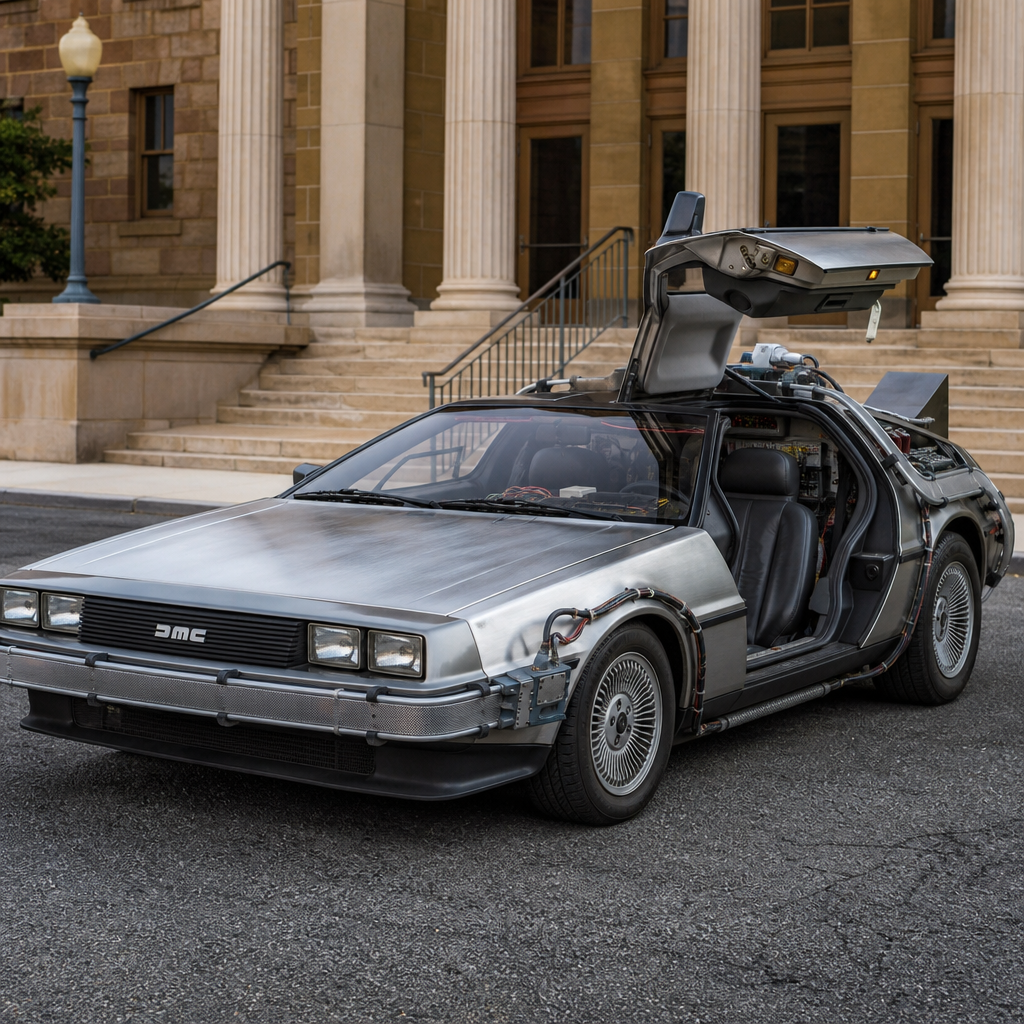
The most recognizable cars in pop culture share a few traits. First, they have a strong silhouette. The DeLorean DMC-12 already stood out with stainless steel panels and gullwing doors; adding the flux capacitor hardware made it unforgettable. Second, they support character development. Bond’s DB5 communicates taste, wealth, precision, and controlled aggression before it ever deploys gadgets. Third, they appear repeatedly in memorable scenes. A car becomes iconic through screen time, framing, and action, not by a single parked cameo.
Color and livery matter just as much as design. The orange 1969 Dodge Charger known as the General Lee, with its Confederate flag roof and bold side graphics, became one of television’s most identifiable cars because viewers could spot it instantly during jumps and chases. The red stripe on the black Trans Am in Smokey and the Bandit served the same purpose. Production teams understand that a distinctive paint scheme helps audiences track motion, especially in wide shots and fast edits.
Sound is another major factor that enthusiasts sometimes underestimate. The supercharged whine of the Ford Falcon XB GT in Mad Max, the V8 thunder of American muscle in countless chase scenes, and the turbine-like fantasy noises added to cars such as KITT from Knight Rider all reinforce identity. In practical terms, a recognizable screen car is a package: silhouette, color, sound, role, and repetition. When all five align, a car can outlive the film that introduced it.
Movie Cars That Became Cultural Landmarks
Several film cars stand above the rest because they transcended cinema and entered everyday conversation. The Aston Martin DB5 from Goldfinger remains the benchmark. Introduced to Bond audiences in 1964, the DB5 combined real grand touring elegance with fictional gadgetry, including ejector seat, machine guns, and revolving plates. Aston Martin’s association with Bond is so powerful that later films repeatedly returned to the DB5 even when newer models were available. The car anchored the Bond image of British luxury mixed with lethal capability.
The 1968 Ford Mustang GT fastback from Bullitt is equally important for different reasons. Its San Francisco chase scene changed how car action was filmed: fewer gimmicks, more mechanical realism, sharper editing, and a sense of physical risk. Steve McQueen’s Highland Green Mustang made understated cool look better than excessive decoration. In collector circles, Bullitt did more than popularize one specific car. It elevated the entire idea of the movie chase car as a serious enthusiast subject.
The DeLorean from Back to the Future proves that narrative transformation can outweigh limited production success. Fewer than 9,000 DMC-12s were built, and the company failed quickly, yet the film converted a commercial disappointment into one of the world’s best-known cars. The gullwing doors mattered, but so did the story logic: if you were building a time machine, why not do it with style. That line permanently attached imagination and nostalgia to the DeLorean badge.
Then there is the 1973 Ford Falcon XB GT Pursuit Special from Mad Max. Outside Australia, the car introduced many viewers to a different performance culture rooted in V8 sedans, harsh landscapes, and improvised survivalism. The supercharger protruding through the hood gave the machine an aggressive visual center, while the dystopian setting stripped away luxury and left only menace. Its influence remains visible in post-apocalyptic design across games, comics, and custom builds.
Television Cars That Entered Daily Life
Television creates familiarity through repetition, so TV cars often become household symbols faster than film cars. KITT, the modified Pontiac Firebird Trans Am from Knight Rider, is a prime example. The pulsing red scanner light and conversational artificial intelligence turned a sporty coupe into a technological companion. Even people who never followed the full series know KITT on sight. The car anticipated public fascination with voice interfaces and autonomous features decades before they became normal product discussions.
The 1966 Batmobile deserves special attention because it predates many modern franchise vehicles yet still defines superhero transportation. Built by George Barris from the Lincoln Futura concept car, it used exaggerated fins, canopy styling, and theatrical gadgets to create a machine that looked impossible to ignore. Nearly every later Batmobile has reacted to it, either by embracing comic-book flamboyance or rejecting it in favor of militarized realism. That is the mark of a foundational pop culture car.
Other television staples became icons through a mix of action and accessibility. The red-and-white 1976 Ford Gran Torino from Starsky & Hutch turned a mid-size coupe into a star through urban chase work and bold graphics. The General Lee from The Dukes of Hazzard did the same for the Dodge Charger, though modern discussion rightly includes the controversy surrounding Confederate symbolism. Pop culture recognition does not erase historical context; it demands that we acknowledge it clearly.
| Vehicle | Primary Media | Recognizable Trait | Lasting Impact |
|---|---|---|---|
| Aston Martin DB5 | James Bond films | Silver paint, gadgets, elegant profile | Defined luxury spy-car image |
| DeLorean DMC-12 | Back to the Future | Gullwing doors, time-machine hardware | Turned a failed car into a global icon |
| Batmobile | Batman TV and film | Extreme styling, character-specific gadgets | Set the template for superhero vehicles |
| KITT | Knight Rider | Red scanner light, talking dashboard | Popularized the intelligent car concept |
| Ecto-1 | Ghostbusters | Cadillac ambulance body, roof equipment | Merged utility vehicle design with comedy branding |
Ecto-1 illustrates how a functional base vehicle can become iconic through props and purpose. Built from a 1959 Cadillac ambulance, it looked oversized, slightly absurd, and completely perfect for paranormal exterminators. The roof rack equipment, sirens, and white paint gave the car a service-vehicle legitimacy that made the fantasy more believable. That blend of plausibility and exaggeration is common among the best television and franchise cars.
Family Films, Animation, and Cars With Personality
Not every pop culture icon relies on speed or danger. Family media often creates longer-lasting recognition because audiences encounter the vehicles early and revisit them across generations. Herbie is one of the best examples. The Beetle shape was already friendly and approachable, but Disney’s use of racing stripes and a number roundel turned a simple economy car into a character with emotions, loyalty, and comic timing. Decades later, people still describe actual Beetles as looking like Herbie.
The Cars franchise extended that idea by transforming automotive design cues into character identity. Lightning McQueen is not a direct copy of one production car, but his styling references stock cars and American performance culture in ways that children immediately understand. Mater, inspired by tow trucks common in rural America, embodies weathered utility and affection for imperfection. From a cultural standpoint, these designs matter because they introduce new audiences to automotive archetypes long before they learn technical specifications.
The Mystery Machine from Scooby-Doo works for similar reasons. It is a van, not a glamorous sports car, yet its bright colors, flower graphics, and group-travel role make it instantly identifiable. The lesson is important: recognizability comes from narrative function as much as prestige. A vehicle that serves the story clearly and repeatedly can become iconic regardless of performance credentials.
The Rise of Tuner, Supercar, and Franchise Machines
By the late 1990s and early 2000s, pop culture car fame shifted toward customization and import performance. The Fast and the Furious franchise placed tuner culture into the mainstream, especially through the orange Toyota Supra Mk4, green Mitsubishi Eclipse, Nissan Skyline GT-R, and later Dodge Charger builds tied to Dominic Toretto. These cars resonated because they reflected real street modification trends: body kits, neon lighting, aftermarket wheels, large exhausts, nitrous systems, and brand-specific loyalty.
What the franchise changed, from my perspective, was the scale of influence. Earlier movie cars boosted collector awareness, but The Fast and the Furious altered purchasing behavior among younger enthusiasts almost immediately. Demand for Japanese performance cars increased, video games amplified the effect, and aftermarket companies benefited from viewers wanting to imitate specific screen builds. Today’s soaring values for the Toyota Supra, Acura Integra Type R, and Nissan Skyline GT-R cannot be attributed solely to film, but media exposure unquestionably accelerated their mythmaking.
Supercars also became stronger pop culture players as global media expanded. Lamborghini Countach posters dominated bedrooms in the 1980s because the car’s wedge shape looked like the future. Ferrari’s Testarossa gained enormous visibility through Miami Vice, where white paint and coastal lighting turned it into an emblem of stylish excess. More recently, the Audi R8’s appearance as Tony Stark’s road car in the early Marvel films helped position Audi as a modern technology-forward brand in the public imagination.
How Media Fame Changes the Collector Market
A recognizable screen car affects values, restoration standards, and authenticity debates. When a car becomes famous through media, buyers often divide into three groups: collectors seeking original hero or stunt vehicles, enthusiasts wanting screen-accurate replicas, and broader fans who simply want the same model. That layered demand can pull prices upward across an entire platform. The 1968 Mustang fastback market, for example, has long been influenced by Bullitt, while DeLorean values benefit from constant association with Back to the Future.
However, fame can distort the historical picture. A screen car may overshadow more significant variants or encourage inaccurate restorations based on replicas rather than factory specifications. I have seen owners prioritize movie-correct cosmetic details while ignoring mechanical authenticity. That approach is understandable if the goal is tribute building, but it should be labeled honestly. Auction houses such as Barrett-Jackson, Mecum, and Bonhams now spend considerable effort verifying provenance because “screen used” claims carry financial weight.
Licensing adds another layer. Some famous designs, names, and liveries are controlled tightly by studios or rights holders. That affects replica builders, merchandise makers, museums, and event organizers. It also explains why some cars appear constantly at sanctioned exhibitions while others circulate mainly through fan communities. Media fame creates opportunity, but it also creates legal and curatorial responsibilities.
Why These Cars Endure Across Generations
The most recognizable cars in pop culture endure because they connect machine design to emotion with unusual efficiency. You do not need to understand carburetion, chassis codes, or homologation rules to react to the DB5, the Batmobile, or the DeLorean. The visual story is immediate. Yet these cars also reward deeper knowledge, which is why they remain central to classic car culture and lifestyle. Enthusiasts can start with nostalgia and stay for craftsmanship, history, and engineering.
For a Movies & Media hub, that is the key takeaway. Screen cars are gateways into broader automotive appreciation, and the best-known examples continue to shape taste, collecting, restoration, and branding. If you want to explore this subject further, follow the threads from this hub into franchise-specific histories, famous chase scenes, and model-by-model buying guides. The cars may be fictional stars, but their cultural impact is entirely real.
Frequently Asked Questions
What makes a car truly recognizable in pop culture?
A car becomes truly recognizable in pop culture when it does more than simply appear on screen or in a story. The most memorable vehicles are tied to a character, a mood, or an idea so strongly that audiences instantly associate the car with a larger cultural meaning. The DeLorean from Back to the Future is a perfect example because people do not just remember it as a silver sports car; they remember it as a time machine, a symbol of 1980s sci-fi imagination, and a visual shortcut for adventure. In the same way, the Aston Martin DB5 is not just a luxury grand tourer. It represents Bond’s blend of elegance, danger, and gadget-driven cool.
Design also plays a major role. Pop culture cars often have a silhouette, color, or feature that stands out immediately. The black Pontiac Trans Am from Smokey and the Bandit, the bright orange General Lee from The Dukes of Hazzard, and the Batmobile in its many forms all have instantly identifiable visual signatures. These details make the car easy to recognize even in a quick shot, a poster, a toy, or a meme. Repetition matters too. The more often a vehicle appears in sequels, reruns, merchandise, games, and fan culture, the more firmly it becomes embedded in public memory.
Just as important, these cars usually support the story in a meaningful way. They are not background props. They help shape action scenes, define character identity, and create emotional connection. Audiences remember them because they participate in the narrative. In many cases, the vehicle feels like a co-star rather than an object. That combination of strong design, symbolic meaning, and story importance is what turns a car into a true pop culture icon.
Why do certain movie and TV cars become more famous than the actors or plots they appear with?
Certain movie and TV cars become more famous than actors or specific plot details because they offer immediate visual recognition and remain consistent across time. Viewers may forget the exact sequence of events in a film, but they will often remember a distinctive car that dominated key scenes. A vehicle can act like a logo for the entire production. When people think of Back to the Future, they picture the DeLorean. When they think of classic Bond films, they picture the DB5. That kind of image branding is incredibly powerful because it works instantly and emotionally.
Cars also have a unique advantage over many characters: they can symbolize personality traits in a very direct way. A rebellious antihero in a muscle car, a suave spy in a polished British grand tourer, or a superhero in a futuristic custom machine all create strong, lasting impressions. Even if an audience member does not remember every line of dialogue, they remember how the car made them feel. The vehicle becomes a shorthand for style, power, danger, freedom, or coolness.
Another reason is that iconic cars live far beyond their original appearance. They show up in posters, model kits, toys, conventions, car shows, video games, and social media tributes. Fans recreate them, restore them, and discuss them for years or even decades. Actors may be tied to a certain era or role, but a famous car can keep circulating as an object of fascination across generations. In that way, the car becomes a portable piece of pop culture memory, often easier to preserve and celebrate than the full story around it.
Which cars are commonly considered the most iconic in pop culture history?
Several cars appear again and again in conversations about the most iconic vehicles in pop culture, largely because they have crossed over from entertainment into everyday cultural awareness. The DeLorean DMC-12 time machine from Back to the Future is almost always near the top of the list because it transformed an already unusual real-world car into one of cinema’s most beloved fantasy machines. The Aston Martin DB5 from the James Bond franchise is another clear contender, thanks to its timeless styling, gadget-loaded mythology, and long-lasting connection to one of film’s most enduring characters.
The black 1977 Pontiac Trans Am from Smokey and the Bandit is a major American icon, representing speed, swagger, and 1970s road-movie rebellion. The Ford Mustang GT fastback from Bullitt remains legendary because of its role in one of the greatest car chases ever filmed, while the Mini Coopers from The Italian Job stand out for turning compact cars into stars through clever, kinetic action. On television, KITT from Knight Rider became unforgettable by combining sleek design with a voice and personality, effectively turning a car into a character audiences could bond with.
Beyond live action, the Batmobile deserves a place in any serious discussion because it has been reinvented across comics, television, film, and animation while remaining instantly tied to Batman’s mythos. Herbie the Love Bug, the Mystery Machine from Scooby-Doo, and even animated or game-based vehicles also belong in the broader conversation because pop culture extends well beyond theatrical film. The exact ranking will always vary depending on generation and taste, but the defining icons are usually the cars that fused memorable design with storytelling impact and then stayed visible through decades of fandom and media repetition.
How do cars in pop culture reflect the values and trends of their time?
Cars in pop culture often serve as snapshots of what a particular era admired, feared, or dreamed about. In the 1960s and 1970s, muscle cars and high-performance machines often reflected a fascination with raw power, individualism, and the open road. These vehicles matched stories about freedom, rebellion, and rule-breaking, which is one reason films and shows from those decades frequently gave heroes and antiheroes aggressive, attention-grabbing cars. A vehicle’s styling, engine note, and road presence all helped communicate the spirit of the time.
By the 1980s, futuristic technology became a major cultural obsession, and pop culture cars evolved accordingly. The DeLorean time machine represented a broader appetite for innovation and fantasy, while KITT from Knight Rider captured ideas about artificial intelligence, computerized control, and sleek high-tech design. These were not just cool vehicles; they expressed what audiences hoped technology might become. In spy stories, luxury cars with hidden gadgets mirrored Cold War intrigue and the appeal of sophistication mixed with threat.
More recent decades have expanded the symbolism even further. Some pop culture vehicles reflect nostalgia, bringing back classic models to reconnect audiences with earlier eras. Others speak to globalization, tuner culture, gaming influence, or growing interest in electric and sustainable mobility. Even when a car is chosen mainly for style, that style usually says something about current taste. Pop culture vehicles are never just transportation. They reflect status, identity, fantasy, and social mood, making them useful markers of changing cultural values over time.
Why do fans remain so emotionally attached to iconic pop culture cars long after a film or show ends?
Fans remain emotionally attached to iconic pop culture cars because these vehicles often become tied to formative viewing experiences and powerful personal memories. People may first encounter them as children, as teenagers discovering favorite films, or during moments when a certain story feels especially meaningful. Over time, the car becomes attached not just to the fictional world but to the viewer’s own life. Seeing the DeLorean, the Batmobile, or the Bandit’s Trans Am can instantly bring back a sense of excitement, wonder, or nostalgia that goes far beyond the vehicle itself.
There is also something unusually tangible about car fandom. Unlike many fictional symbols, iconic cars can be built, restored, collected, and displayed in the real world. Fans can attend conventions, visit museums, buy replicas, or even create faithful recreations themselves. That physical connection deepens emotional investment. It is one thing to admire a character; it is another to sit in a real car modeled after that character’s vehicle and feel like part of the story. This hands-on aspect helps iconic cars endure across generations.
Finally, these vehicles often represent universal themes that never go out of style. Freedom, adventure, danger, transformation, and individuality are all ideas that audiences continue to connect with. An iconic pop culture car is memorable not only because it looked good on screen, but because it stood for something larger. When a vehicle becomes a symbol of aspiration or imagination, its appeal does not disappear when the credits roll. It stays alive through fandom, collecting, storytelling, and the simple thrill of recognition every time it appears again.