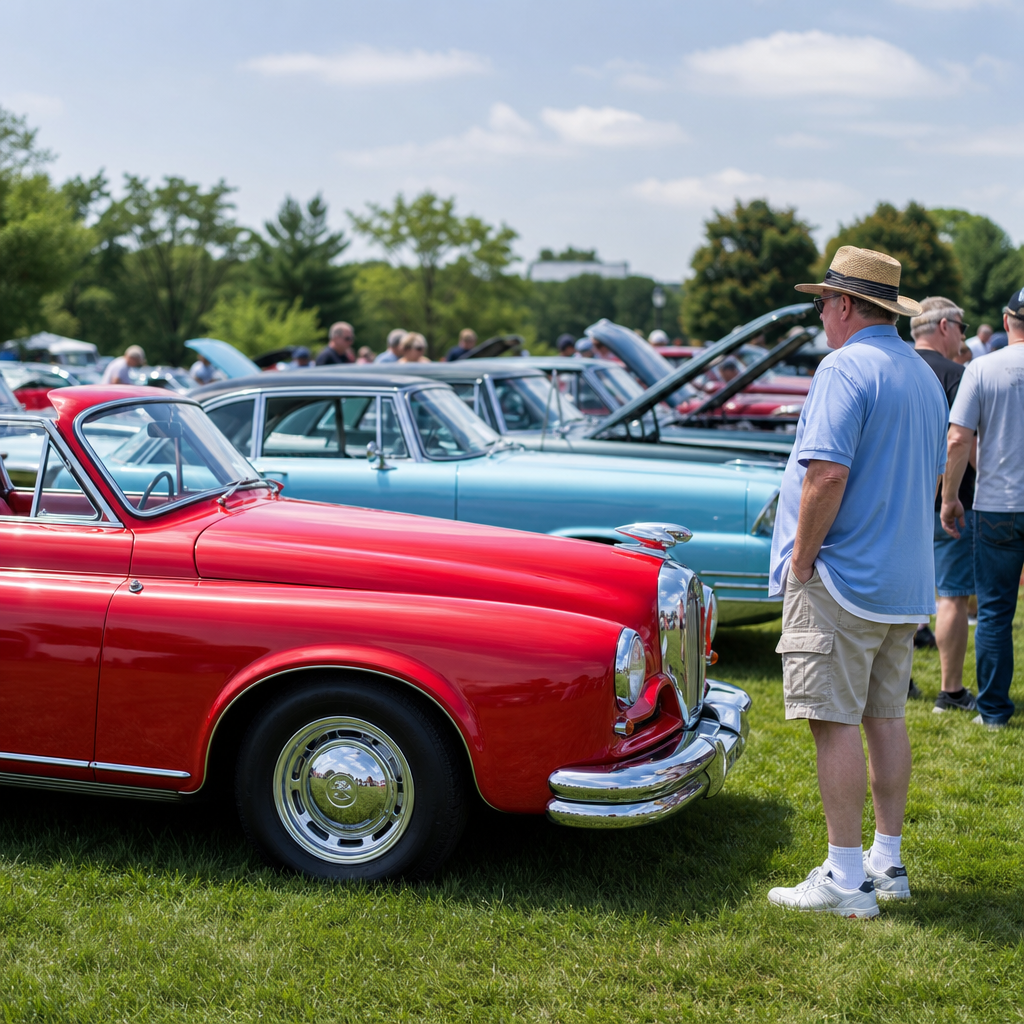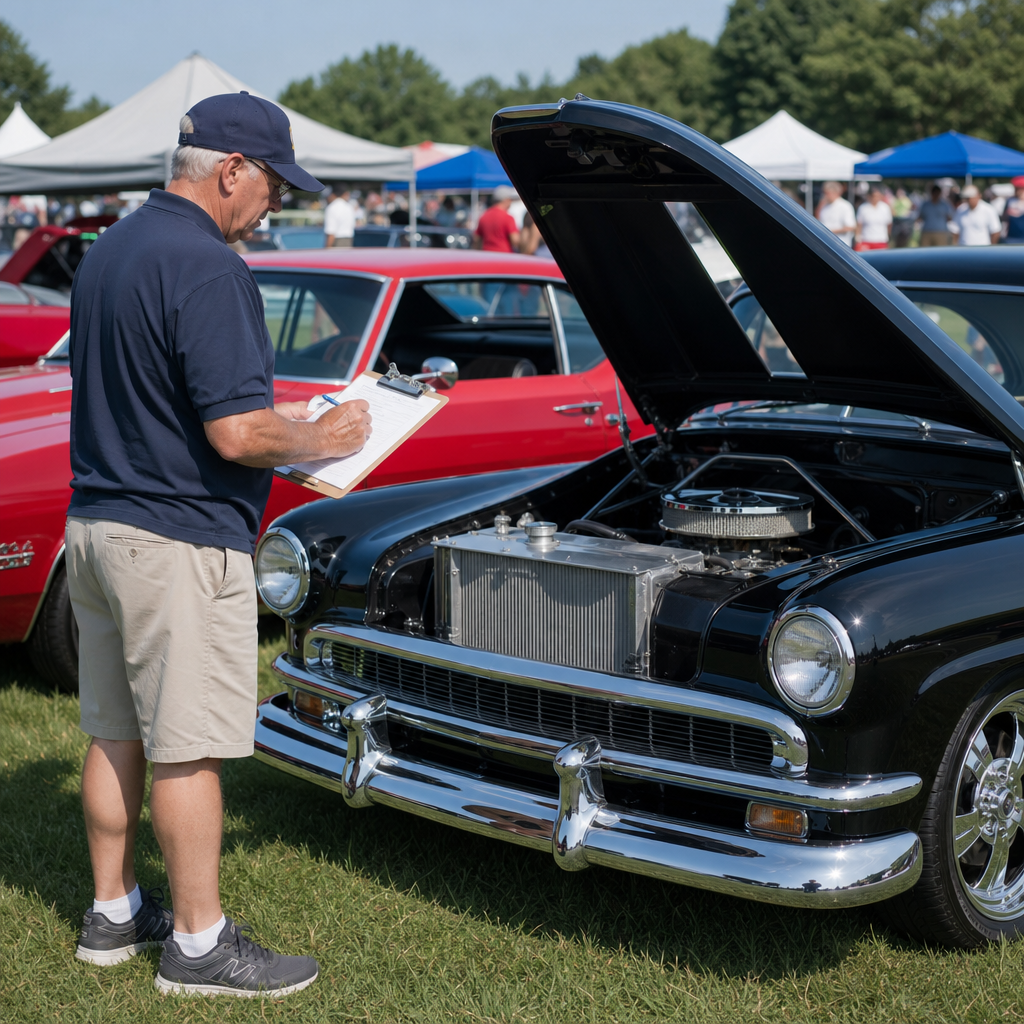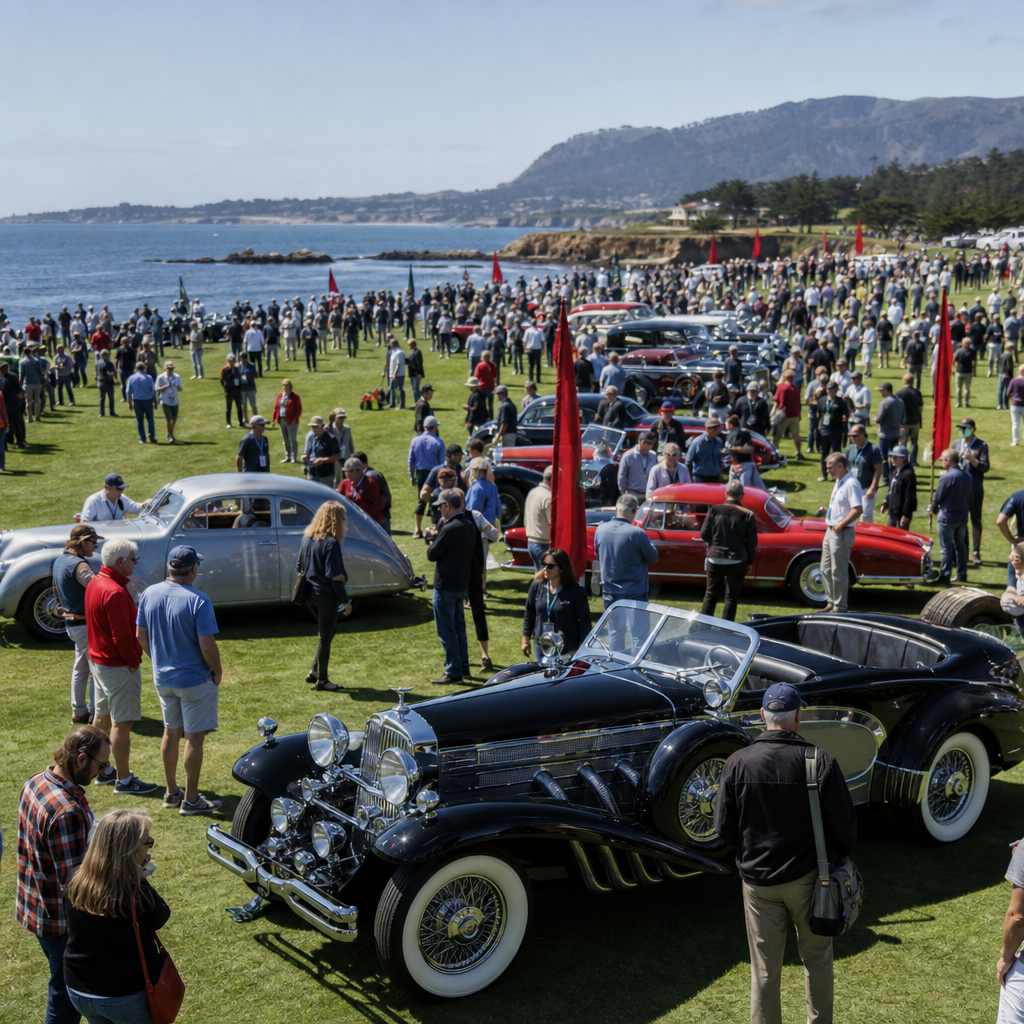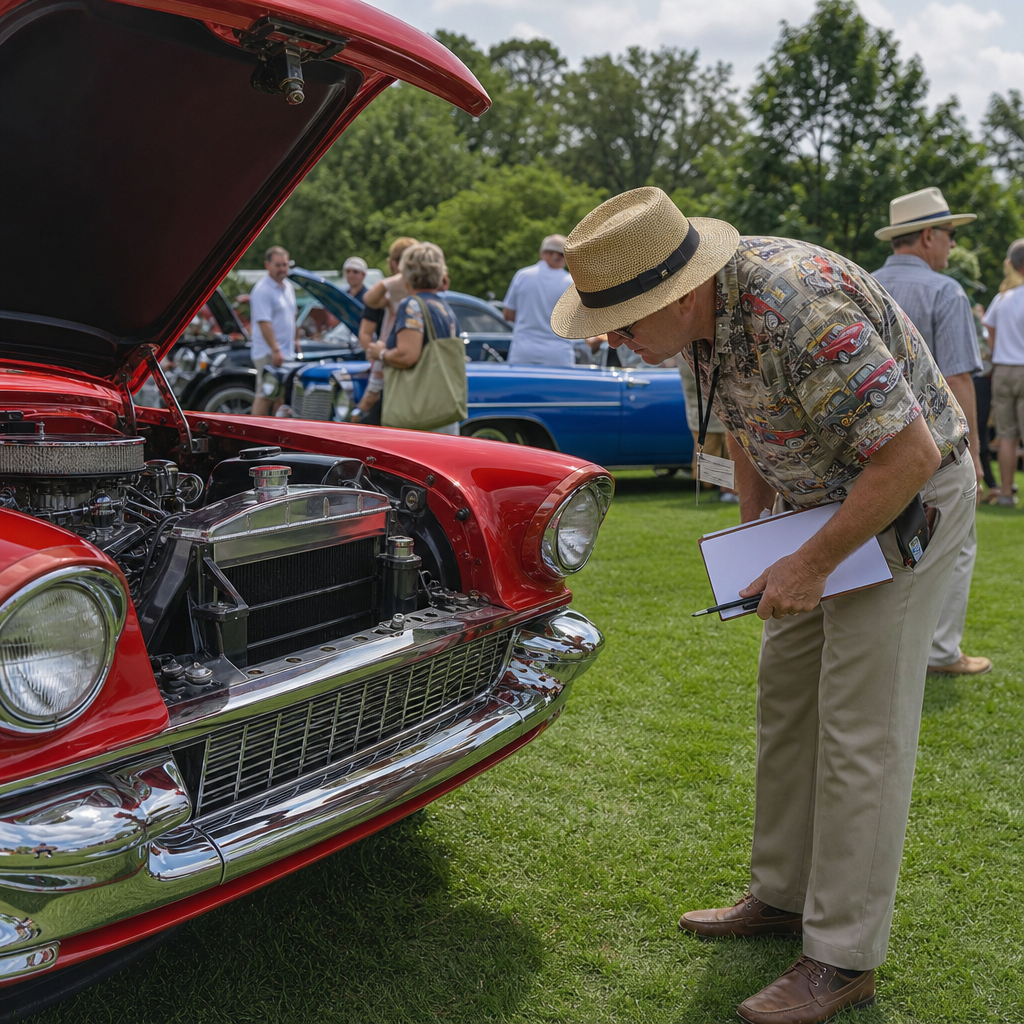
Classic cars have long played a powerful role in advertising because they carry visual authority, cultural memory, and instant emotional meaning in a single frame. In campaigns for fashion, alcohol, finance, travel, entertainment, and modern automotive brands, a well-chosen vintage vehicle can signal freedom, craftsmanship, rebellion, luxury, nostalgia, or Americana faster than a spoken line. Within the broader world of classic car culture and lifestyle, the role of classic cars in advertising sits at the center of movies and media, connecting film history, television aesthetics, celebrity image-making, brand storytelling, and collector culture. This hub article explains how advertisers use classic cars, why those choices work, what specific models commonly represent, and how media exposure can reshape values, reputations, and audience demand.
When marketers refer to a classic car in advertising, they usually mean a vehicle old enough to carry historical identity rather than just age. Depending on the market, that may include prewar models, postwar luxury sedans, 1950s cruisers, 1960s muscle cars, 1970s grand tourers, or even certain 1980s and 1990s icons. The critical factor is recognizability. A 1957 Chevrolet Bel Air, Jaguar E-Type, Porsche 911, Ford Mustang fastback, Mercedes-Benz 300SL, or Volkswagen Beetle arrives on screen with built-in associations. The car is not merely transportation. It is shorthand for era, aspiration, and personality. In practical advertising terms, that shorthand saves time and sharpens messaging.
This matters because advertising works under strict constraints. A television spot may have thirty seconds. A digital pre-roll may have six. A print campaign gets one image and a line of copy. In that compressed environment, classic cars function as narrative accelerators. I have seen creative teams reject technically beautiful modern vehicles because they felt visually anonymous, then switch to a period-correct classic and immediately unlock a stronger campaign concept. Audiences read older cars almost instinctively. Tailfins suggest optimism. Chrome suggests glamour. A weathered pickup suggests honesty and work ethic. A hand-built European roadster suggests taste. These meanings are not universal in every country, but they are reliable enough that brands continue to invest in them.
Classic cars also bridge generations in a way few props can. Older viewers may remember the vehicles firsthand, while younger audiences recognize them through movies, streaming series, video games, music videos, and social media photography. That cross-generational reach is why classic cars remain valuable to advertisers in movies and media. They can make a new brand feel established, give a heritage brand renewed relevance, or turn a lifestyle campaign into something memorable enough to be shared. Understanding that role helps explain not only how ads are made, but how car culture itself circulates through modern media.
Why Classic Cars Communicate So Fast on Screen
Classic cars perform unusually well in visual media because they are designed with strong silhouettes, distinctive proportions, and rich material surfaces. Advertising depends on immediate recognition, and older cars often offer that more effectively than contemporary designs shaped by shared aerodynamics and safety packaging. A 1963 Corvette Sting Ray split-window coupe is identifiable in seconds. So is a Citroen DS, Mini Cooper, or Cadillac Eldorado convertible. Their forms are memorable even when viewers cannot name them. That matters in commercials, posters, magazine spreads, and branded social content where the image must do most of the persuasive work.
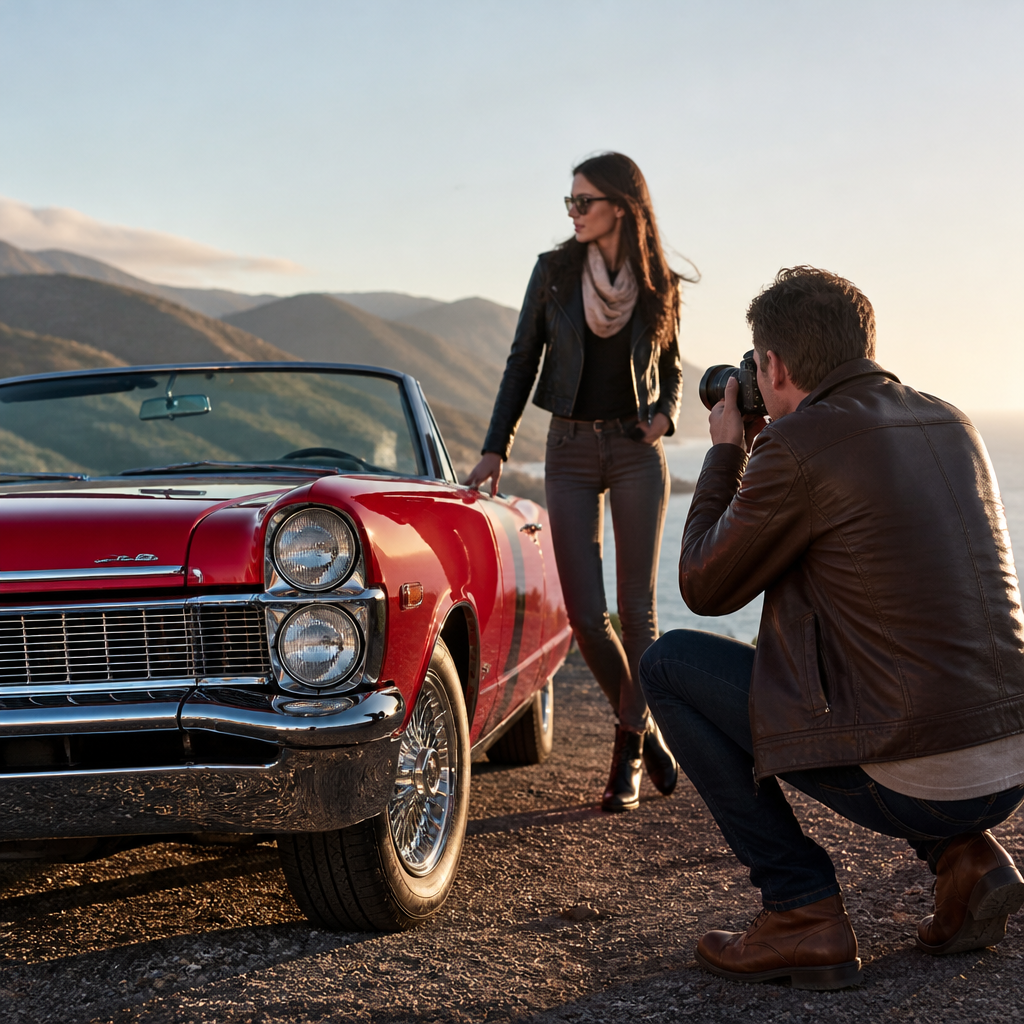
They also provide emotional compression. Instead of explaining heritage, a brand can show a stately Rolls-Royce Silver Cloud gliding past a hotel entrance. Instead of explaining youthful rebellion, it can frame a first-generation Ford Bronco kicking up dust on a coastal road. Instead of stating “timeless quality,” a watch or menswear label can place its product beside a restored Alfa Romeo Spider with patinated leather and analog gauges. The vehicle transmits age, craftsmanship, and permanence without lengthy exposition. Directors and art departments value that efficiency because it leaves more room for product, character, and mood.
Sound contributes as much as shape. The mechanical clatter of a carbureted engine, the thump of a V8 idle, or the solid click of a heavy door creates sensory credibility. Even when a car remains parked, viewers feel machinery with physical presence. Advertisers often layer these sounds carefully in postproduction because they humanize an otherwise polished campaign. A modern luxury ad can become sterile; a classic vehicle introduces texture. That texture is one reason fashion films, fragrance campaigns, and prestige hospitality ads repeatedly return to vintage cars despite the cost of sourcing and handling them.
What Different Classic Cars Symbolize in Advertising
Not every classic car communicates the same message. The vehicle choice acts almost like casting. American 1950s convertibles often signal optimism, leisure, suburban prosperity, or retro romance. Muscle cars from the late 1960s and early 1970s, such as the Dodge Charger or Chevrolet Chevelle SS, usually communicate aggression, independence, and masculine performance. British roadsters like the MG B or Triumph TR6 lean toward approachable style and open-air freedom. Air-cooled Porsche models indicate enthusiast credibility and understated wealth, while vintage Land Rovers suggest utility, adventure, and durable prestige.
Luxury marques have especially stable media meanings. A Mercedes-Benz 300SL Gullwing still communicates engineering excellence and status. A Jaguar E-Type suggests elegance with a dangerous edge. A Bentley S-Series or prewar Packard can evoke old money, formality, or institutional trust. Advertisers use those codes carefully. A bank may choose a conservative sedan from the 1960s rather than a flamboyant custom lowrider because the desired message is steadiness, not counterculture. By contrast, a streetwear label might choose that lowrider specifically to reference Chicano design traditions, hydraulic performance, and neighborhood identity. Context defines whether the car reads as heritage, authenticity, rebellion, or play.
The same model can shift meaning across categories. The Ford Mustang is a useful example. In a performance ad, a 1965 fastback can stand for raw speed and personal freedom. In an insurance campaign, it may represent cherished ownership and the importance of protecting a dream car. In a family-focused travel piece, a restored convertible can suggest intergenerational bonding. This flexibility explains why certain classics stay in constant circulation across media. They are semantically rich, visually durable assets.
Classic Cars Across Advertising Channels
Classic cars do not function identically in every medium. In television commercials and online video, they can support narrative movement. A driver rounds a mountain pass, arrives at a date, escapes a city, or revisits a hometown. In print, the car is more often a compositional anchor, helping communicate tone through stance, color, and location. Outdoor advertising uses classics sparingly because detail can be lost at distance, but a strong side profile or front grille can still deliver immediate recognition. On social platforms, especially Instagram, TikTok, and YouTube Shorts, classic cars thrive because they invite close-up detail: hood ornaments, steering wheels, analog dials, and startup sequences.
Brands also use classic cars differently depending on campaign goals. Awareness campaigns tend to feature instantly recognizable models. Consider the continued use of the Volkswagen Type 2 bus in travel and festival marketing. It reads almost instantly as community, road trip, and bohemian ease. Conversion-focused ads, on the other hand, often pair a classic car with clearer product demonstration. A detailing brand might show paint correction on a 1967 Camaro because the transformation is visible and satisfying. A financing platform may use a restoration project to explain phased investment, insurance, and ownership costs in concrete terms.
Licensing and logistics influence channel strategy too. Some hero cars are too rare or valuable for extended production schedules, so agencies reserve them for key visuals and use replicas or secondary vehicles for motion work. I have worked on shoots where the insurance certificate, transport plan, fuel handling, and backup weather days took more effort than the script. That complexity is worth it only when the classic car materially strengthens the idea.
Examples of Advertising Uses by Message and Medium
| Advertising goal | Typical classic car choice | What it signals | Common media use |
|---|---|---|---|
| Heritage and trust | Mercedes-Benz 300SL, Bentley S-Series | Craftsmanship, longevity, status | Finance, watches, hotels, print and film |
| Freedom and adventure | Ford Bronco, Land Rover Series, VW Bus | Escape, exploration, lifestyle | Travel, outdoor gear, social video |
| Rebellion and speed | Ford Mustang, Dodge Charger, Camaro | Power, individuality, youth | Entertainment, apparel, streaming promos |
| Romance and elegance | Jaguar E-Type, Alfa Romeo Spider | Style, intimacy, sophistication | Fashion, fragrance, luxury editorial |
| Authenticity and work ethic | Vintage pickup trucks, Jeep CJ models | Honesty, utility, rural credibility | Food, tools, insurance, regional campaigns |
The Influence of Movies, Television, and Music Media
Advertising rarely invents a classic car meaning from scratch. It borrows heavily from film and television. The 1968 Ford Mustang GT from Bullitt permanently shaped how audiences read dark fastbacks in chase sequences. The Aston Martin DB5 became inseparable from suave espionage after its Bond appearances. The DeLorean DMC-12 owes much of its continuing media life to Back to the Future, despite its limited original commercial success. The 1977 Pontiac Trans Am, 1969 Dodge Charger, and Ferrari 308 GTS all gained cultural identities far beyond their engineering specifications because screen exposure made them symbolic.
Advertisers use those associations selectively. Sometimes they lean into them directly through homage: framing, wardrobe, or soundtrack cues that evoke a known film grammar. Other times they avoid explicit reference while still benefiting from audience memory. A green Jaguar E-Type in a moonlit city scene does not need to mention a specific movie to feel cinematic. That cinematic residue increases perceived production value. It also helps newer brands borrow legitimacy from established visual culture.
Music videos and celebrity photography matter as well. Hip-hop elevated the media profile of American luxury sedans, lowriders, and classic convertibles. Rock imagery kept hot rods, coupes, and custom motorcycles tied to ideas of outlaw cool. Pop stars continue to use pastel convertibles and vintage grand tourers to shape eras of their public image. Once those vehicles circulate through entertainment media, advertisers inherit a larger symbolic vocabulary. They can speak to niche audiences with surprising precision by choosing the right vehicle.
How Advertising Affects Classic Car Culture and the Market
The relationship runs both ways. Advertising uses classic cars, but it also changes how people value them. Repeated exposure in commercials, branded films, and influencer campaigns can elevate a model’s desirability, especially among viewers who encounter it first through media rather than ownership history. We have seen this with air-cooled Porsche 911s, vintage Toyota Land Cruisers, first-generation Broncos, and square-body pickups. Media visibility contributes to collector demand by making these vehicles feel culturally current rather than merely old.
That can have positive and negative effects. On the positive side, advertising can fund restorations, keep specialist suppliers busy, and introduce younger enthusiasts to preservation. A well-produced campaign often employs mechanics, transporters, wranglers, historians, fabricators, and private owners. It also documents vehicles beautifully, sometimes preserving details that casual archives miss. On the negative side, heavy stylistic use can flatten history. A car associated with working-class life may be repackaged as pure luxury. Regional traditions can be stripped of context. Rising values can price out the communities that sustained interest in the first place.
Responsible creative work acknowledges those tradeoffs. The best campaigns do not use classic cars as empty nostalgia props. They match vehicle, setting, wardrobe, and story to a believable social world. When that happens, the advertisement feels informed rather than opportunistic, and audiences notice the difference.
Best Practices for Using Classic Cars Authentically
Authentic use starts with research. Advertisers should confirm period correctness, trim levels, colors, wheels, and regional fit. A 1960s California surf narrative should not accidentally feature a specification more common in Europe without explanation. Interiors matter as much as exteriors because close-up media now rewards detail. So do driving behaviors. A vehicle with drum brakes, manual steering, or a non-synchronized transmission should be handled accordingly. Small errors can break credibility with enthusiasts and weaken the authority of a campaign.
Brands should also think beyond prestige. Sometimes the right classic car is modest. A Volvo 240, Peugeot 504, or honest older pickup may communicate reliability and lived experience better than an exotic model. The strongest advertising choice is the one that serves the story cleanly. If this hub is your starting point for classic cars in movies and media, the next step is simple: study how specific vehicles shape meaning, then apply that insight to the ads, films, and branded content you watch next.
Frequently Asked Questions
Why do classic cars work so well in advertising?
Classic cars are highly effective in advertising because they communicate multiple ideas at once without needing much explanation. A single vintage vehicle can suggest heritage, craftsmanship, aspiration, freedom, status, rebellion, romance, or adventure depending on the model, color, setting, and how it is filmed or photographed. That kind of shorthand is incredibly valuable in marketing, where brands often have only a few seconds to establish mood and identity. Unlike generic modern vehicles, classic cars usually have distinctive lines, chrome details, mechanical character, and a strong visual silhouette that instantly draws attention and creates memorability.
They also tap into cultural memory. Even viewers who are not car enthusiasts often associate certain eras and vehicles with specific stories, lifestyles, or values. A 1950s American convertible may evoke optimism and open-road freedom. A 1960s European sports car may suggest elegance, sophistication, and jet-set glamour. A rugged vintage pickup might signal authenticity, hard work, and traditional values. Because those associations are already embedded in popular culture, advertisers can use classic cars to deliver emotional meaning quickly and efficiently. In that sense, the classic car becomes more than transportation; it becomes a narrative device that helps a brand say more in less time.
What emotions and brand messages do classic cars typically help convey?
Classic cars are powerful because they are emotionally flexible while still feeling specific and intentional. One of the most common messages they convey is nostalgia. When a brand uses a vintage car, it can create a sense of warmth, familiarity, and remembered simplicity, even for audiences who never lived through the era being referenced. That nostalgic appeal is especially useful for products and services that want to build trust, emotional resonance, or a sense of timeless quality. A classic car can make a campaign feel rooted, reassuring, and human rather than purely transactional.
At the same time, classic cars can also signal luxury, exclusivity, and design excellence. Many vintage automobiles are admired for handcrafted details, elegant proportions, and enduring style, which makes them a natural fit for fashion, hospitality, premium spirits, watches, and high-end financial brands. In other cases, they communicate rebellion, youth culture, and independence. Think of the role old muscle cars, hot rods, desert racers, or stripped-down roadsters can play in framing a product as bold, unconventional, and emotionally alive. Advertisers rely on that range because it allows them to align a brand with a feeling almost instantly. The right classic car can suggest heritage without seeming outdated, excitement without seeming reckless, or luxury without seeming cold.
Which industries and types of brands use classic cars most often in advertising?
Classic cars appear across a wide range of industries because their symbolic value extends far beyond the automotive world. Fashion brands use them to add elegance, edge, glamour, or retro cool to a campaign. Alcohol and spirits companies often pair vintage vehicles with ideas of craftsmanship, ritual, celebration, and mature taste. Travel and hospitality brands use them to frame journeys as romantic, curated, and experience-driven rather than purely functional. Entertainment companies use classic cars because they instantly establish time period, character identity, or cinematic atmosphere. Finance and insurance brands may also use them to suggest longevity, trust, protection, or the value of preserving something meaningful over time.
Modern automotive brands use classic cars in a particularly interesting way. They often include heritage vehicles to establish lineage and connect a new model to a proud past. This can help position a contemporary car as the latest chapter in an ongoing story of performance, innovation, or design excellence. Even technology companies, lifestyle labels, and home goods brands sometimes feature vintage vehicles when they want to soften a modern message with emotional warmth or imply that their products blend innovation with timeless appeal. The versatility of classic cars is exactly what makes them so useful: they can support both premium and accessible brands, and they can fit campaigns centered on aspiration, memory, identity, or craftsmanship.
How does the choice of a specific classic car affect the meaning of an advertisement?
The specific car matters enormously because not all classic cars communicate the same thing. Advertisers do not simply choose “an old car”; they select a vehicle with a particular social history, design language, and emotional tone. A vintage Rolls-Royce conveys something very different from a 1960s Mustang, a Volkswagen Beetle, or a weathered farm truck. Luxury saloons and grand tourers often suggest refinement, inherited status, and quiet confidence. Convertibles can imply freedom, romance, and leisure. Muscle cars may project power, swagger, and individualism. Small European classics can suggest taste, style, and urban sophistication, while working trucks and utility vehicles often symbolize durability, grit, and authenticity.
The context surrounding the car also shapes interpretation. A polished classic parked outside a grand hotel tells a different story than the same model driving down an empty desert road or sitting in a nostalgic suburban driveway. Color, condition, camera angle, wardrobe, soundtrack, and lighting all influence the final message. A flawless concours-level restoration may represent perfection and prestige, while a patina-rich survivor may feel more genuine, lived-in, and emotionally accessible. Successful advertising pays close attention to these details because the car is not just a prop; it is part of the brand language. When the vehicle aligns precisely with the campaign’s goals, it strengthens credibility and helps the audience feel the intended emotion almost immediately.
Are there any risks or challenges when using classic cars in advertising?
Yes, and strong advertisers take those risks seriously. The biggest challenge is mismatch. If a brand uses a classic car simply because it looks attractive, without understanding its cultural meaning, the message can feel shallow or confused. A vehicle associated with rebellion may undermine a campaign built around safety and stability. A highly elite collector car may alienate an audience if the product is meant to feel approachable and democratic. There is also the danger of relying too heavily on nostalgia. If the campaign becomes more about the car than the brand, viewers may remember the imagery but forget the product or message. Effective use of classic cars requires strategy, not just aesthetic taste.
There are practical considerations as well. Sourcing the right vehicle, arranging transport, ensuring authenticity, securing insurance, and working around mechanical limitations can all add complexity to a production. Legal and licensing concerns may also matter depending on the use, especially if the vehicle is strongly tied to a manufacturer identity or a famous cultural reference point. Beyond logistics, brands must be aware of historical nuance. Not every audience interprets vintage imagery the same way, and what feels timeless to one group may feel exclusionary or outdated to another. The most successful campaigns use classic cars with intention: they understand the symbolism, respect the audience, and make sure the vehicle supports the larger story rather than distracting from it.