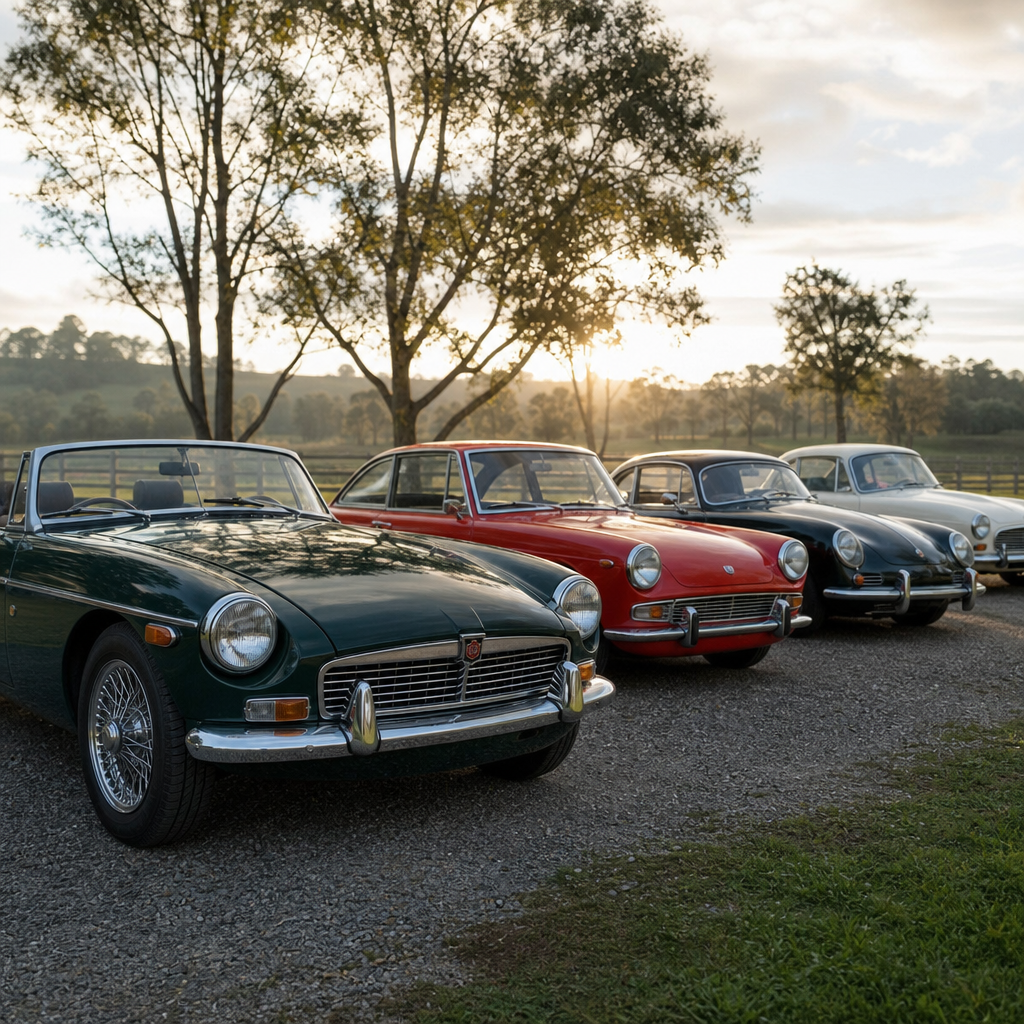
A collector-grade car is not simply old, rare, or expensive. It is a vehicle that stands at the top of its category for authenticity, condition, provenance, and desirability, while also meeting the broader definitions enthusiasts use when asking a foundational question: what is a classic car? In practice, I have seen owners call everything from a tidy 1998 coupe to a fully documented 1967 big-block convertible “collector grade,” but the market does not treat those cars equally. The phrase has a specific meaning shaped by auction results, judging standards, insurance classifications, and decades of enthusiast culture. Understanding that meaning helps buyers avoid overpaying, helps sellers describe cars accurately, and helps new enthusiasts build a stronger framework for evaluating any vintage vehicle.
The term classic car is often used loosely, yet several overlapping definitions matter. Insurance companies such as Hagerty and Grundy usually focus on limited-use older vehicles maintained for hobby purposes. State motor vehicle agencies may define classic, antique, or historic by age thresholds, commonly 20, 25, or 30 years, but those registration labels do not automatically reflect market significance. Clubs and judging bodies add another layer by emphasizing originality, correct restoration methods, and historical relevance. A collector-grade car sits inside this larger universe. It is usually a classic, but not every classic is collector grade. Many older cars are enjoyable drivers, project cars, restomods, or preserved survivors without reaching the highest standard of collectibility.
Why does this distinction matter? Because value in the collector car world is driven by more than nostalgia. Condition can multiply price several times over. Documentation can separate a six-figure example from a car worth half as much. Matching numbers, factory-correct finishes, rare options, production totals, ownership history, and restoration quality all influence whether a vehicle belongs in a local cruise night category or on a serious auction docket. When people search what is a classic car, they are often really asking a bigger set of questions: How old must a car be? What features make it desirable? When does an old car become an investment-grade asset? The answers require context, not just a birthday cutoff.
From years spent around consignments, inspections, and private sales, I have learned that the strongest evaluations begin with categories. First, determine whether the vehicle qualifies as classic in the cultural and market sense. Second, identify where it falls on the condition spectrum: project, driver, very good, excellent, or concours-level. Third, verify whether the car retains the traits collectors pay premiums for. Only after those steps should anyone use the phrase collector grade. This article serves as a hub for classic car basics by explaining the definitions, standards, and practical filters that separate a merely old vehicle from one that commands serious collector respect.
What Is a Classic Car? The Core Definition
The simplest answer to what is a classic car is this: a classic car is an older vehicle recognized for historical interest, enthusiast appeal, design significance, or market desirability. Age alone is not enough. A 25-year-old economy sedan may qualify for antique registration in one state yet attract little collector attention, while a limited-production sports car from the same year may already be highly collectible. In most hobby circles, classic describes vehicles old enough to represent an earlier era of engineering, styling, or cultural importance. Many enthusiasts use 20 to 25 years as an entry point, but the strongest candidates also have a story the market cares about.
That story can come from several sources. Some classics are important because they introduced a major technical idea, such as fuel injection, overhead-cam design, or lightweight construction. Others are remembered because they dominated racing, defined a styling movement, or became icons through film, music, or pop culture. The 1963 Chevrolet Corvette split-window coupe, the 1965 Ford Mustang fastback, and the 1973 Porsche 911 Carrera RS are all classic in ways that go beyond age. Even mainstream models can become classics when they represent the best expression of a period, such as a well-optioned Mercedes-Benz W123 or a BMW E30 M3.
Collectors also distinguish among classic, antique, vintage, and historic. Antique commonly refers to older prewar or early postwar vehicles, though legal definitions vary. Vintage often describes cars from the early twentieth century, especially the 1919 to 1930 period in British usage, but in casual American speech it can mean almost any stylish older car. Historic tends to emphasize preservation and eligibility for special registration. Classic remains the broad umbrella term, and within that umbrella, collector grade identifies the best examples. That hierarchy is essential because it explains why two cars of the same model year can sit worlds apart in market value.
What Makes a Car Collector Grade?
A collector-grade car combines four traits: outstanding condition, verified authenticity, strong provenance, and sustained desirability. Remove one of those pillars and the term becomes weaker. Outstanding condition means more than fresh paint. The body must be straight, panel gaps consistent, trim correctly fitted, interior materials appropriate, and mechanical systems sorted. Verified authenticity means the car’s identity, drivetrain, colors, options, and components align with factory records or accepted historical evidence. Strong provenance includes ownership history, service documentation, restoration receipts, original manuals, window stickers, broadcast sheets, photos, or notable event participation. Sustained desirability means the model has a real collector base, not just temporary internet hype.
Condition grading frameworks help translate these ideas. Hagerty’s condition scale is widely used: condition one cars are concours-quality or better than new; condition two cars are excellent and ready for top-tier shows; condition three cars are good drivers with visible wear; condition four cars need restoration. Collector-grade examples usually live in condition one or strong condition two territory, although a highly original survivor with rare documentation can still earn collector-grade status without a full restoration. In Bloomington Gold judging for Corvettes or marque-specific Porsche and Ferrari events, originality and correctness often matter as much as cosmetic brilliance.
Authenticity is where many “restored classics” fail. A genuine SS, GT, or high-performance package model with matching numbers and correct stampings will usually outrank a tribute car, no matter how shiny the tribute appears. The same applies to engines, transmissions, axle codes, carburetors, trim tags, and date-coded components. I have inspected cars presented as top-level examples only to find reproduction tags, incorrect fasteners, wrong upholstery grain, or replacement blocks from later years. Those details are not nitpicking; they are central to value because serious collectors buy historical integrity, not just appearance.
Market Drivers: Rarity, Demand, and Historical Importance
Collector grade is market-tested, which means rarity must be matched by demand. Thousands of obscure models are rare because few survived, but scarcity alone does not create value. The market rewards cars people actively seek: homologation specials, landmark luxury sedans, championship-related performance models, limited-run convertibles, and iconic design statements. A 1970 Plymouth Hemi ’Cuda convertible is collector grade because production was tiny and demand is global. A common 1970 sedan from a forgotten brand may be rarer on paper yet far less collectible because the audience is small.
Historical importance magnifies desirability. Cars associated with breakthrough engineering, famous designers, motorsport achievements, or cultural moments usually hold collector interest more reliably than novelty models. The Jaguar E-Type remains coveted because it united beauty, speed, and engineering sophistication at a transformative moment in sports car history. The Acura NSX matters because it changed expectations for supercar usability and involved Ayrton Senna in development. The Land Rover Defender and Toyota Land Cruiser have collector followings because their reputations were built in real-world service, not only marketing.
| Factor | Why Collectors Care | Example |
|---|---|---|
| Originality | Preserves historical integrity and reduces uncertainty | Matching-numbers 1969 Camaro Z/28 |
| Condition | Top examples command premium auction results | Concours-restored Mercedes-Benz 300SL |
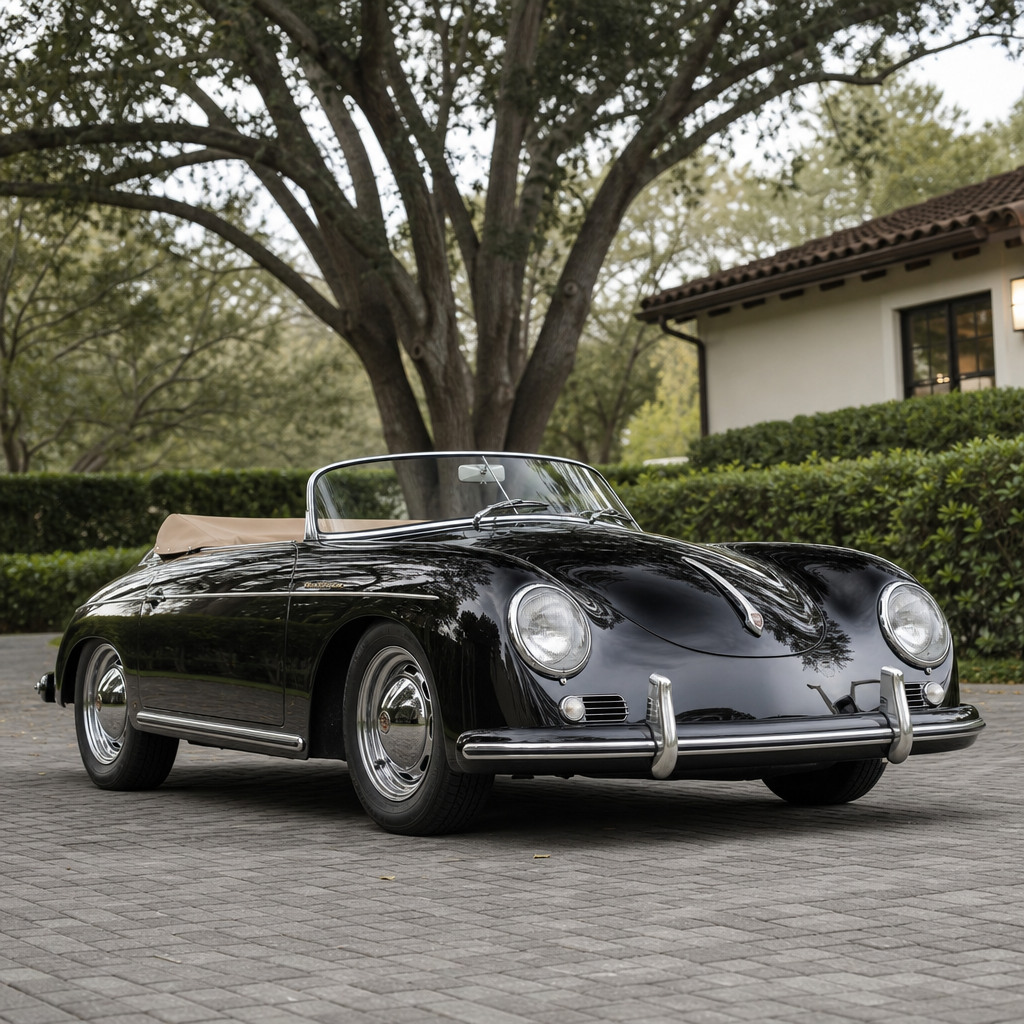
| Provenance | Documented history increases confidence and significance | Single-family-owned Porsche 356 with records |
| Rarity | Limited production can constrain supply | Low-production BMW E28 M5 |
| Cultural impact | Broader recognition sustains long-term demand | First-generation Ford Mustang |
Demand also shifts by generation. Cars from the 1980s and 1990s have risen as Gen X and older millennials bring their peak-earning years into the market. That is why air-cooled Porsche 911s, Japanese performance cars like the Toyota Supra Turbo and Nissan Skyline GT-R, and analog BMW M cars receive growing attention. Still, not every rising model becomes collector grade. The best examples are those with documented originality, low production, and a clear place in automotive history.
Originality, Restoration Quality, and Documentation
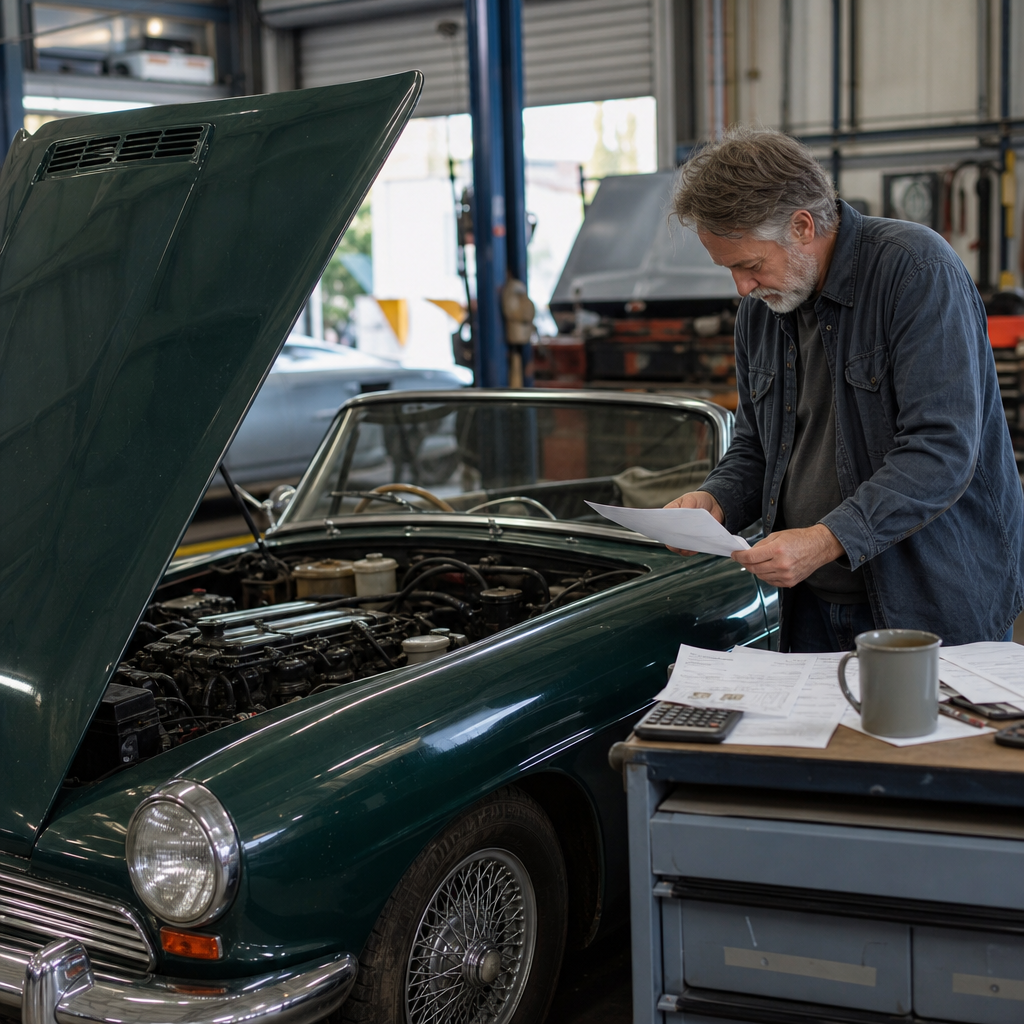
When evaluating whether a classic car is collector grade, I start with the paper trail before admiring the paint. Documentation reduces risk, confirms identity, and explains the car’s life. Essential records include title history, service invoices, restoration receipts, factory build documentation, ownership chronology, judging sheets, and photographs from before, during, and after restoration. For American muscle, items like broadcast sheets, Protect-O-Plates, and original dealer paperwork can add major value. For European classics, a Porsche Certificate of Authenticity, Ferrari Classiche certification, or Mercedes-Benz data card can clarify how the car left the factory.
Restoration quality must be judged on execution and philosophy. Over-restoration can hurt authenticity if finishes become glossier than factory standards or modern materials replace period-correct ones unnecessarily. A truly collector-grade restoration respects original spot-weld patterns, plating finishes, underbody textures, decals, date codes, and hardware styles. Mechanical restoration should be equally rigorous. Rebuilt carburetors, properly calibrated fuel injection, correct suspension bushings, brake system refurbishment, and leak-free drivetrains matter because collector-grade status requires the car to function as convincingly as it presents.
Survivor cars deserve special mention. In some segments, preserved originality is more valuable than a full restoration. An unrestored Alfa Romeo Spider, Chevrolet Corvette, or Porsche 911 with factory paint, original interior, known ownership, and careful maintenance can outperform a restored counterpart because it offers an unrepeatable reference point. Judges and sophisticated buyers understand that original materials reveal manufacturing methods and age honestly. The tradeoff is that preservation requires restraint. Poor storage, corrosion, brittle rubber, and deferred maintenance will erase the survivor premium quickly.
How Buyers and Sellers Should Evaluate a Classic Car
For buyers, the safest path is to treat every candidate as a research project. Decode the VIN, trim tag, engine stamping, gearbox numbers, and axle codes. Compare those with factory references and marque-club databases. Study recent auction comparables from RM Sotheby’s, Gooding, Mecum, and Bring a Trailer, but adjust for mileage, originality, options, and documentation rather than relying on headline prices. Commission a pre-purchase inspection from a specialist who knows the exact model. A general mechanic may miss signs of rebody work, replacement stampings, rust in known weak points, or non-original components hidden beneath cosmetic restoration.
Sellers should describe cars with precision. If a vehicle is a strong driver-quality example, say so. If it has a replacement engine, disclosed repaint, or non-original interior materials, document those facts clearly. The collector market rewards transparency because surprises destroy trust and value. Good listings include compression readings, cold-start videos, underside photos, paint-meter results when relevant, and scans of major records. Accurate presentation attracts better buyers and reduces post-sale disputes. In my experience, honest documentation often narrows the final negotiation gap because the buyer no longer has to price in unknowns.
One final principle anchors the entire classic car basics conversation: collector grade is earned, not claimed. A car becomes collector grade when experts, records, and the market agree that it represents an exceptional version of a meaningful model. If you are learning what is a classic car, use that standard as your compass. Focus on significance, originality, condition, and proof. Study model-specific guides, join enthusiast clubs, and inspect more cars than you plan to buy. The payoff is better judgment, stronger purchases, and a deeper appreciation for the vehicles that truly deserve top-tier status in the collector world.
Frequently Asked Questions
What does “collector grade” actually mean when describing a car?
A collector-grade car is a vehicle that sits at the very top of its class in the eyes of knowledgeable enthusiasts, judges, and buyers. It is not simply a car that is old, somewhat rare, or advertised at a high price. Instead, the term usually refers to a car that excels in the areas that matter most to serious collectors: authenticity, condition, provenance, originality, documentation, and market desirability. In other words, collector grade is a quality threshold, not just an age category.
That distinction matters because many vehicles can qualify as older, special-interest, or even classic under broader enthusiast definitions, yet still fall well short of collector grade. A clean driver-quality car may be enjoyable, valuable, and historically interesting, but if it has incorrect parts, a color change, missing paperwork, or mediocre restoration quality, the market will generally treat it differently than a truly top-tier example. Collector grade implies that the car stands out among similar models, not merely that it belongs to a collectible segment.
In practice, the phrase also signals that the car has been preserved or restored to an exceptional standard. That may mean highly original, low-mileage preservation; a concours-level restoration using correct finishes and components; or a particularly significant example with known ownership history and verified factory specifications. The strongest collector-grade cars tend to check multiple boxes at once. They are the examples buyers pursue when they want one of the best, not just one of many.
Is a classic car automatically considered collector grade?
No. A classic car is not automatically collector grade, and this is one of the most common points of confusion in the market. The broader question of what is a classic car usually focuses on age, cultural significance, style, or enthusiast recognition. By contrast, collector grade is a much narrower and more demanding label. It asks not only whether the car belongs to a collectible era or category, but also whether this specific example is among the finest available.
For example, two cars of the same year, make, and model can be separated by a very large gap in desirability and value. One may be an honest, enjoyable car with some cosmetic wear, replacement parts, and an older repaint. The other may retain its original drivetrain, matching numbers, factory colors, period-correct equipment, extensive records, and outstanding fit and finish. Both may be considered classics by enthusiasts, but only the latter is likely to earn broad agreement as collector grade.
This is why the market tends to reward quality and correctness so heavily. Buyers at the top of the hobby do not pay premiums simply because a vehicle has reached a certain age. They pay for rarity combined with authenticity, excellence of presentation, and confidence in what the car is. A classic car can absolutely be collector grade, but it has to prove that status through its condition, history, and completeness.
What factors most strongly determine whether a car is collector grade?
The most important factors are authenticity, condition, provenance, rarity, specification, and desirability. Authenticity is often the foundation. Serious collectors want to know whether the car still retains its original engine, transmission, chassis identity, body configuration, trim, colors, and factory-correct components, or whether changes have been made over time. A car can still be valuable if restored, but the closer it remains to verifiable factory-correct form, the stronger its collector-grade credentials usually become.
Condition is the next major factor, but condition alone is not enough. A beautifully restored car with incorrect parts, non-original finishes, or questionable documentation may be visually impressive without being truly top tier. Collector-grade condition means more than shiny paint. It includes body integrity, panel fit, interior correctness, mechanical health, undercarriage presentation, and restoration workmanship. If the car is unrestored, preservation quality matters just as much. Original finishes, factory markings, and honest patina can be extremely desirable when properly documented.
Provenance can dramatically elevate a car. Known ownership history, original window stickers, build sheets, invoices, service records, restoration photos, judging sheets, and period documentation all help verify what the car is and how it has lived. Special provenance, such as celebrity ownership, notable competition history, or known placement in important collections, can add even more significance. Beyond that, rarity and desirable options matter. A high-performance engine, limited-production body style, unusual factory package, or historically important specification often pushes a car into more serious collector territory. Ultimately, collector grade is the result of how all these elements come together, not just one standout trait.
Can a restored car still be collector grade, or does it need to be completely original?
Yes, a restored car can absolutely be collector grade. In many segments of the hobby, some of the most admired and valuable cars are restored examples. The key is the quality, accuracy, and documentation of the restoration. A proper collector-grade restoration should respect how the car was built when new, using correct materials, finishes, components, and specifications wherever possible. The best restorations are not merely attractive; they are historically faithful and executed to a very high standard.
That said, originality remains extremely important. A highly original, well-preserved car with verified history can be more desirable than an over-restored example, especially if the restoration erased original details or introduced inaccuracies. Many collectors place a premium on untouched factory features, original stampings, assembly markings, and documented matching-numbers drivetrains. Preservation-class vehicles have become especially respected because they provide a direct link to how the car actually existed when it left the factory and aged over time.
So the real issue is not original versus restored in a simplistic sense. It is whether the car represents the model at the highest possible level. A collector-grade original car should be exceptionally well preserved, complete, and documented. A collector-grade restored car should be exceptionally well researched, correctly executed, and supported by records that validate its authenticity. Both paths can lead to collector-grade status, but shortcuts, guesswork, and cosmetic-only improvements usually do not.
How can a buyer tell if a “collector grade” car is truly top tier and not just marketed that way?
The smartest approach is to verify every major claim with evidence. Start with documentation. Ask for ownership history, title records, factory paperwork, service files, restoration receipts, photographs, and any judging or certification results. If the seller claims matching numbers, rare options, or special provenance, those claims should be backed by serial numbers, stampings, factory records, and expert confirmation. Serious collector-grade cars usually come with a paper trail because informed buyers expect one.
Next, inspect the car closely or hire a respected marque expert to do it for you. Collector-grade evaluation goes far beyond general mechanical inspection. You want someone who understands correct castings, date codes, trim details, paint and upholstery standards, fastener types, production variations, and common problem areas for that specific model. Small inconsistencies can reveal whether a car is an exceptional authentic example or simply a nicely presented car with a strong sales pitch. Independent verification is often the difference between buying confidently and overpaying for image.
It also helps to compare the car against known benchmarks in the market. Look at auction results, concours winners, registry cars, and examples sold by highly regarded specialists. Pay attention to how the very best cars are described and documented. If a car is being labeled collector grade, it should hold up under comparison to those standards. In the end, the phrase should be earned, not assumed. A true collector-grade car tends to make a compelling case through its quality, correctness, history, and consistency from every angle.