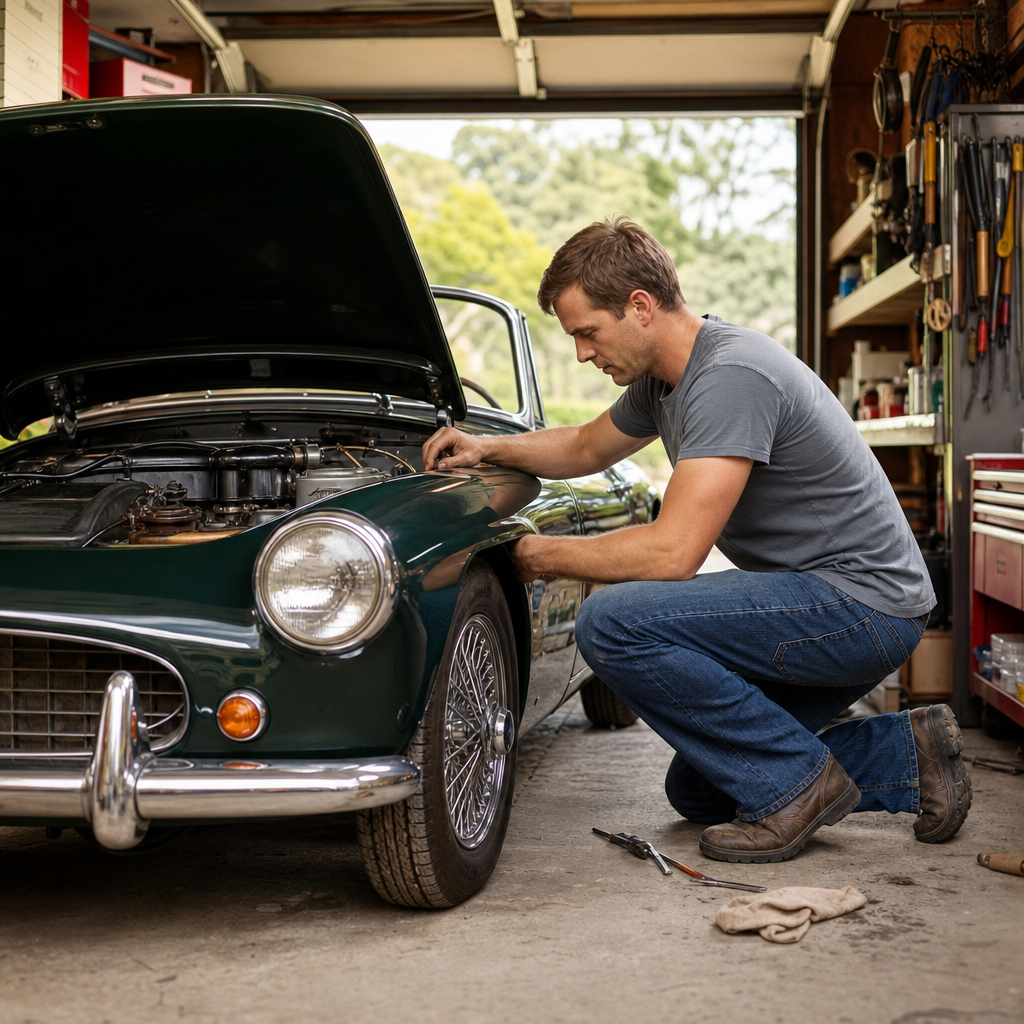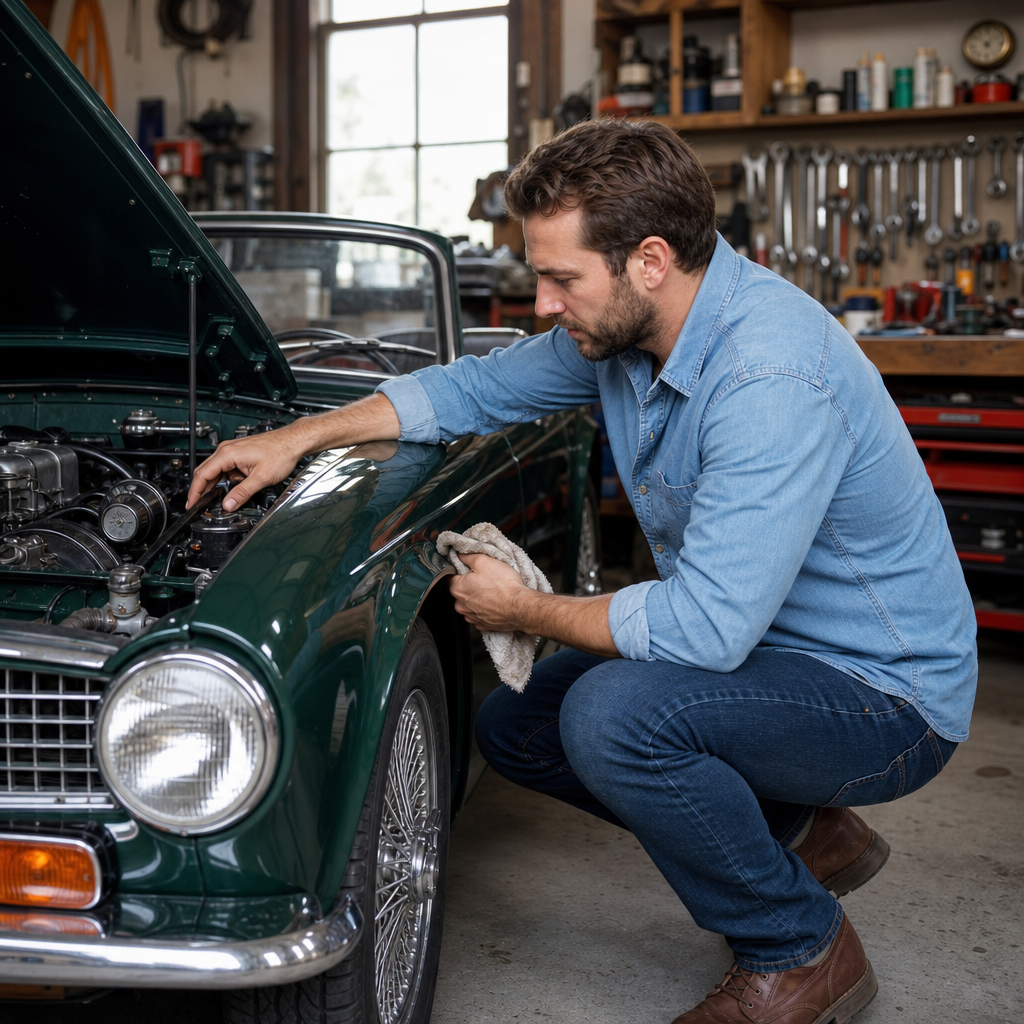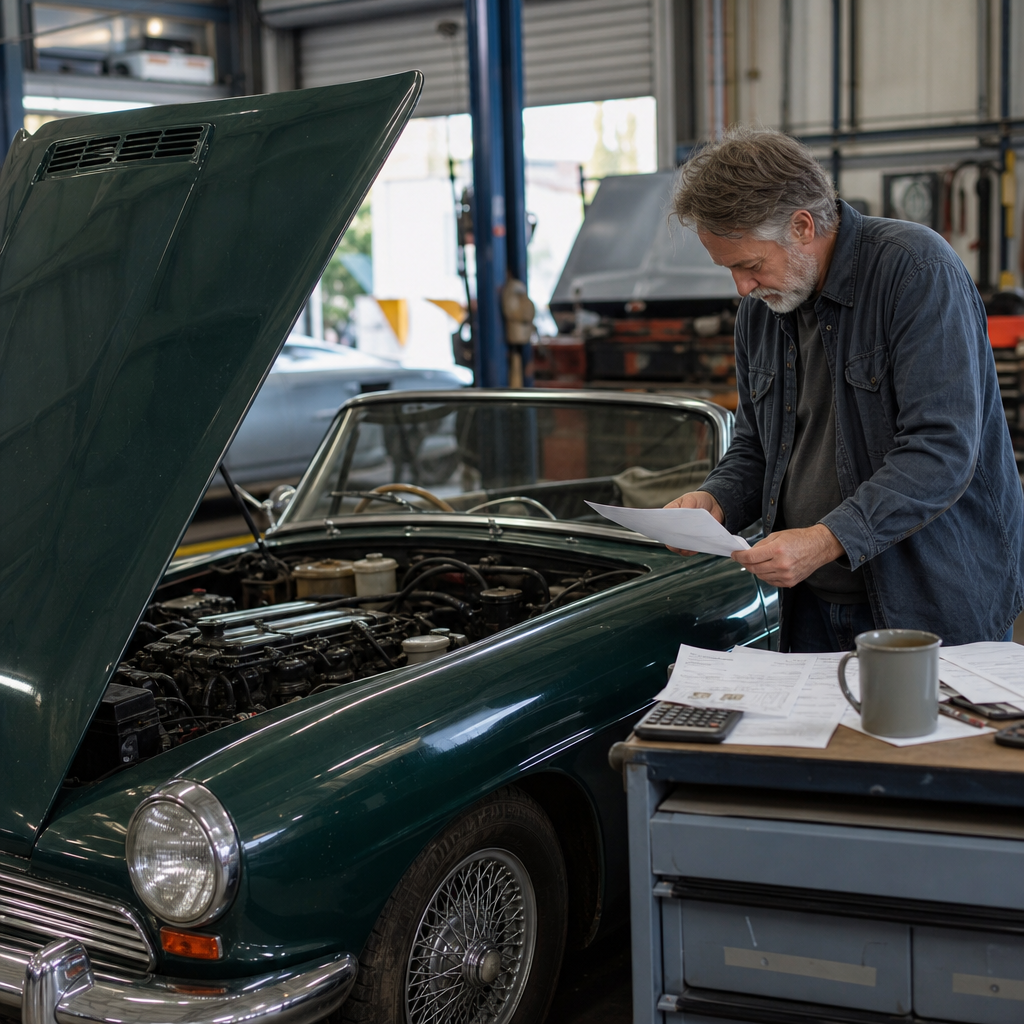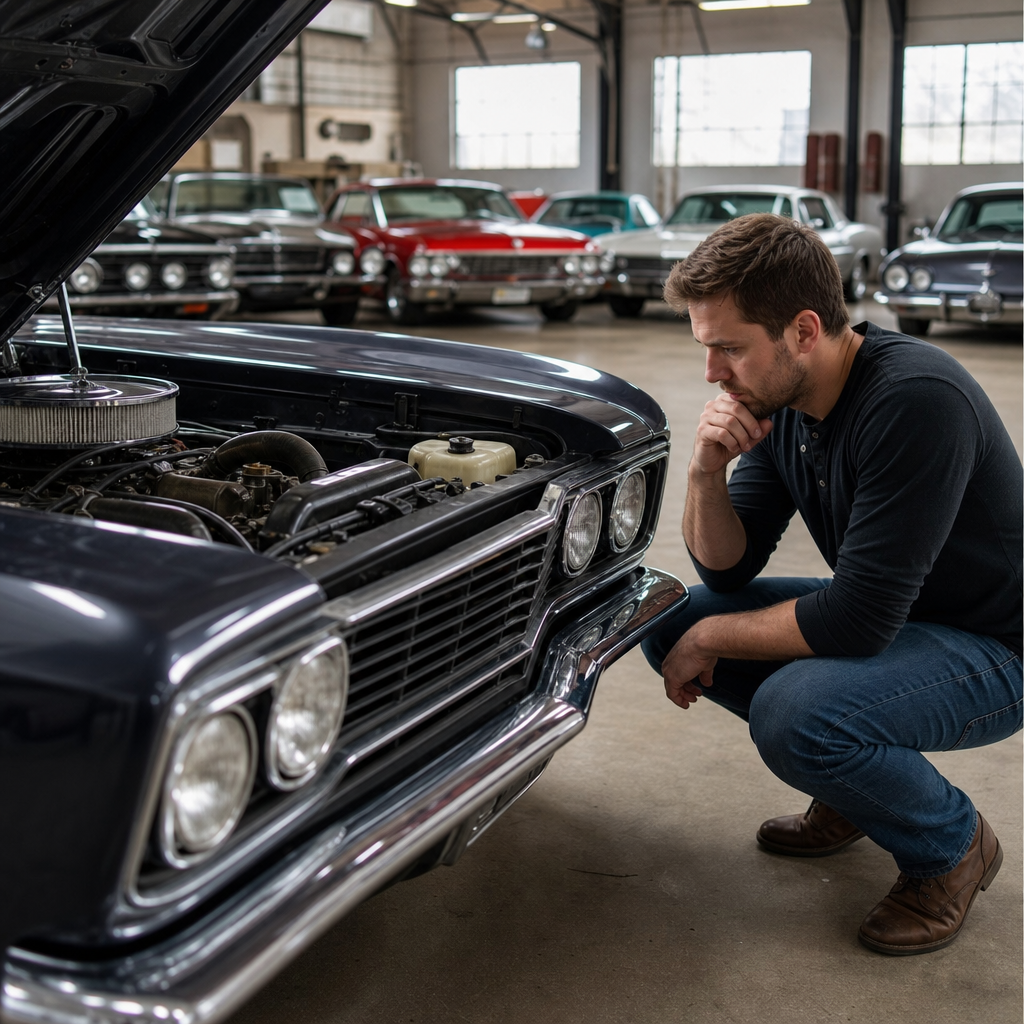
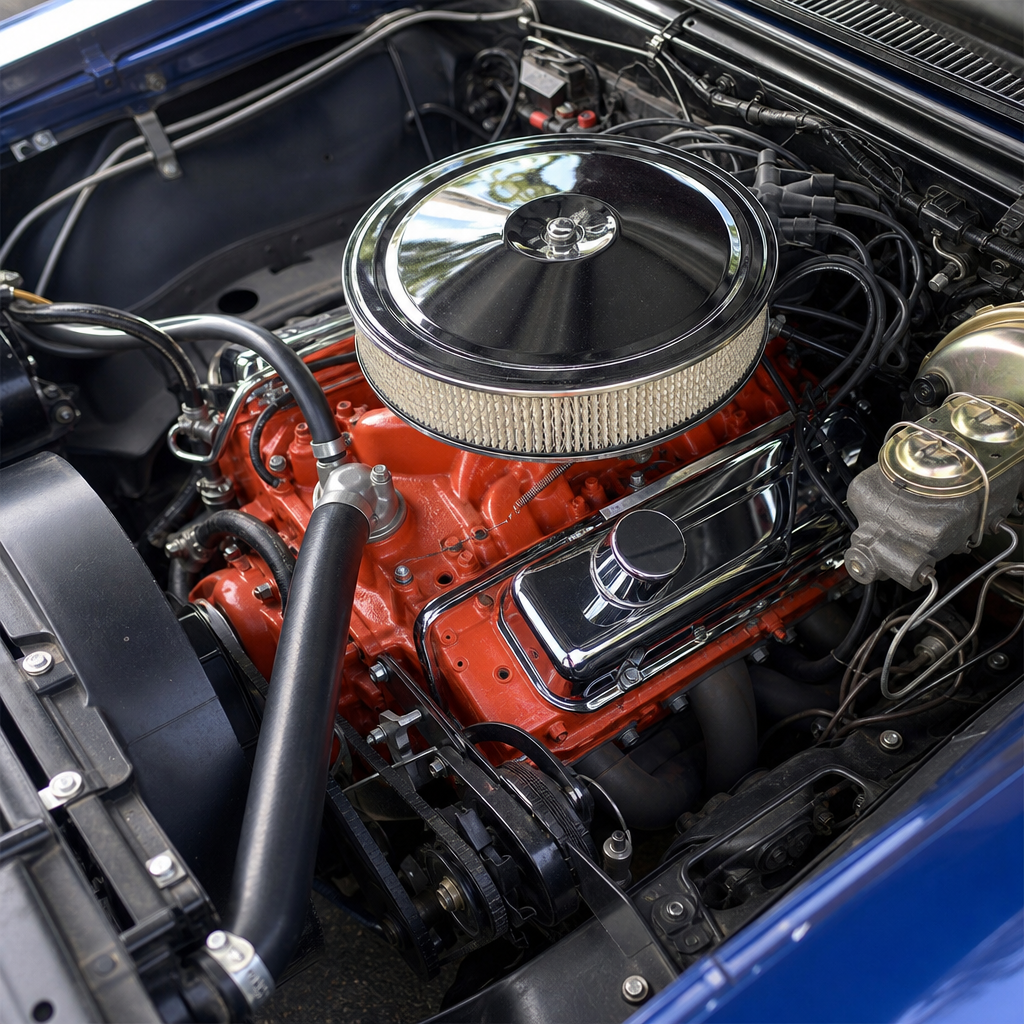
A matching numbers engine is an engine whose identifying numbers correspond correctly to the vehicle it was installed in when new, based on the manufacturer’s production records, date codes, stampings, and assembly conventions. In classic car terminology, the phrase usually means the car still retains its original engine block, but the full meaning can be broader: serious collectors also examine the transmission, rear axle, carburetor, heads, intake, alternator, and even glass date codes to judge how original a car really is. I have inspected survivor cars, auction catalog cars, and amateur restorations where sellers used the term loosely, and that is exactly why the definition matters. In the classic car market, a matching numbers engine can affect authenticity, judging results, insurance value, buyer confidence, and sale price. For some models, especially high-performance muscle cars, Corvettes, air-cooled Porsches, and limited-production European exotics, the presence or absence of the original engine can change value dramatically.
To understand the term clearly, you need a few core definitions. A vehicle identification number, or VIN, is the serial number assigned to the car. An engine casting number identifies the block type or design. A casting date shows when that part was manufactured. A stamped engine assembly code usually reveals where and when the engine was assembled and often what application it was intended for. On many cars, a partial VIN was also stamped on the engine pad or block, linking that engine to a specific chassis. When enthusiasts say a car is “numbers matching,” they are often compressing several different checks into one phrase. Sometimes they mean the engine has the correct suffix code for the model. Sometimes they mean the partial VIN on the block matches the VIN on the dash or chassis. Sometimes they mean every major driveline component is original to the car. Those are not identical claims, and buyers should treat them differently.
This matters because originality sits at the center of classic car terminology and valuation. Terms like original engine, period-correct engine, date-code correct, restamped block, replacement block, dealer-installed warranty engine, and born-with drivetrain all describe different realities. If you are learning classic car basics and education, this topic is foundational because it connects mechanical history, documentation, judging standards, and market value. A buyer who understands matching numbers can ask better questions, avoid expensive mistakes, and evaluate a seller’s claims with confidence. A seller who understands it can describe a car accurately and build trust. In other words, matching numbers is not just jargon. It is one of the most important ideas in classic car terminology because it tells you how much of a car’s original identity still survives.
What “Matching Numbers” Actually Means in Classic Car Terminology
In plain terms, a matching numbers engine means the engine is the one that belongs to that exact car according to factory identifiers. The strongest form of proof is a factory-stamped partial VIN on the engine that matches the VIN on the vehicle, combined with assembly dates that make chronological sense. For example, on many late 1960s and early 1970s American muscle cars, the engine block carries a partial VIN derivative and a suffix code. If the car’s VIN ends with the same sequence found on the block, and the engine assembly date predates the car’s build date by a reasonable margin, that is solid evidence of originality. If the numbers are close but not exact, the engine may be correct for the model but not original to that car.
The phrase also varies by marque. Chevrolet, Pontiac, Oldsmobile, Mopar, Ford, Jaguar, Mercedes-Benz, Porsche, Ferrari, and Alfa Romeo each used different numbering systems and documentation practices. A 1967 Corvette buyer may focus heavily on pad stampings, casting dates, and Protect-O-Plate data. A Porsche 911 buyer may rely on engine type numbers, serial sequences, and a factory Certificate of Authenticity or Kardex-era records where available. A Jaguar E-Type buyer may check chassis, engine, gearbox, and body numbers against a heritage certificate. That is why “matching numbers” is best understood as a verification process, not a single stamp. The exact evidence depends on the manufacturer.
There is also an important distinction between “numbers matching” and “numbers correct.” Numbers matching means original to the car. Numbers correct means the component is correct in type, appearance, and date range for that model, but may not be the exact unit installed at the factory. In the real market, many restored classics are numbers correct rather than numbers matching. That does not make them bad cars. It simply means the originality standard is different, and the price should reflect that difference.
How Collectors Verify a Matching Numbers Engine
Verification starts with documents and then moves to the metal. First, check the VIN plate, cowl tag, build sheet, window sticker, warranty booklet, Protect-O-Plate, broadcast sheet, dealer invoice, or heritage certificate, depending on brand. These records help establish the car’s identity, production date, factory drivetrain, and options. Next, inspect the engine block itself. Look for casting numbers, casting dates, stamped assembly codes, and any VIN derivative. On American V8s, these identifiers are often found on a machined pad near the cylinder head, timing cover, distributor, or oil filter boss. On European cars, engine numbers may appear on a crankcase surface or adjacent boss with a format specific to the manufacturer.
Then evaluate consistency. A genuine original engine should fit the production timeline. The block casting date must come before the engine assembly date, and the engine assembly date must come before the vehicle build date. The gap varies by plant, supplier, and model year, but impossible sequences are red flags. If a car built in March has a block cast in May, the engine is not original. Font style, stamping depth, pad finish, broach marks, and character alignment also matter. I have seen original-looking blocks fail scrutiny because the pad had been decked during machining and re-stamped with characters that were too crisp, too uniform, or in the wrong location. Experts often use magnification, known factory stamp examples, and marque-specific registries to compare details.
Because this page is a hub for classic car terminology, it helps to separate the most common originality labels clearly.
| Term | Meaning | Market Impact |
|---|---|---|
| Matching numbers | Original engine or component tied to that exact car by serial data | Usually strongest value and authenticity premium |
| Numbers correct | Correct type and date range, but not proven original to the car | Good value, lower premium than true matching numbers |
| Period-correct | Component from the right era, though not necessarily right year or application | Acceptable for drivers, weaker for top-tier collecting |
| Replacement block | Service or warranty-installed engine supplied after original engine failure | Can be historically valid, but usually reduces value |
| Restamp | Numbers altered or reapplied to imitate originality | Serious authenticity and legal concern |
Why Matching Numbers Affects Value, Judging, and Insurance
The biggest reason people care is value. In many segments of the collector market, originality commands a premium because it is finite and difficult to recreate honestly. A restored car can be repainted, retrimmed, and mechanically rebuilt, but an original engine linked to the chassis by factory stampings is a historical attribute, not a cosmetic feature. Auction houses such as Mecum, Barrett-Jackson, RM Sotheby’s, and Bonhams routinely highlight drivetrain originality in catalog descriptions because buyers use it as a shortcut for authenticity. On halo cars, the premium can be substantial. A big-block Corvette, Hemi Mopar, Boss Mustang, or Porsche 911 Carrera RS with its born-with engine often brings materially more than a similar car with a replacement unit.
Judging standards reinforce that premium. Organizations such as NCRS for Corvette, MCA for Mustang, AACA, Porsche Club concours programs, and marque-specific registries award or deduct points based on originality, correctness, and documentation. A car with the original engine may score better than one with a date-correct replacement, even if both look identical externally. Insurance is another reason the term matters. Agreed-value insurers want accurate descriptions of originality because provenance supports valuation. If a policy is written using an inflated assumption that the car is matching numbers and a later claim reveals it is not, the disagreement can become expensive.
There is nuance, though. Not every collector segment values matching numbers equally. Prewar cars, coachbuilt cars, race cars, and vehicles with documented period engine swaps can be judged differently. Some genuine competition cars used multiple engines during their active life, and that history may itself be important. Likewise, a dealer-installed warranty engine from the car’s early years can be more desirable than a random later replacement because it preserves period continuity. The right conclusion is not that matching numbers is everything. It is that matching numbers is one of the clearest and most widely understood indicators of authenticity, and market participants price that accordingly.
Common Red Flags, Myths, and Mistakes Buyers Should Avoid
The most common mistake is accepting the seller’s phrase “matching numbers” without asking what exactly matches. Does the partial VIN on the block match the chassis VIN, or is the seller only referring to the casting number being correct for that engine family? Those are very different claims. Another frequent problem is confusion between restoration quality and originality. A beautifully restored engine bay can hide a non-original block just as easily as it can showcase an original one. Fresh paint, reproduction decals, and detailed hardware impress the eye, but they do not prove anything about factory identity.
Buyers should also be cautious of restamps. When an engine pad is machined during rebuilding, original surface texture can disappear. Dishonest sellers may then stamp numbers intended to mimic factory marks. Warning signs include incorrect fonts, uneven spacing, characters that sit too high or too low, stampings that cut through fresh milling marks unnaturally, and dates that do not align with known production patterns. Another myth is that a car cannot be valuable without a matching numbers engine. That is false. Many exceptional classics are prized because of rarity, color, options, ownership history, race history, or restoration quality. Originality is important, but it is part of a broader value equation.
One more mistake is relying only on internet decoder charts. Decoder resources are useful starting points, but they are not a substitute for brand-specific knowledge. Factories changed formats, plants used different practices, and previous repairs can complicate what you see. The best approach is layered verification: documents, stampings, dates, expert references, and, when stakes are high, an inspection by a recognized marque specialist. In my experience, that extra diligence costs far less than correcting a bad purchase later.
How This Term Connects to the Wider World of Classic Car Terminology
Matching numbers sits at the center of classic car basics and education because it connects to nearly every other authenticity term enthusiasts use. If you understand this concept, terms like survivor, restoration, concours, driver-quality, clone, tribute, rebody, provenance, OEM, NOS, date-code correct, and documented history become easier to interpret. A survivor car may have worn paint but gain credibility from retaining its original drivetrain. A concours restoration may look flawless yet still lose points if the engine is only numbers correct. A clone may reproduce the appearance of a rare model convincingly, but it does not possess the factory identity confirmed by VIN and drivetrain records.
This is why a terminology hub should treat matching numbers as more than a simple definition. It is a framework for reading the entire collector-car market. When you see an auction listing, dealer ad, or private-sale description, the wording around engine originality tells you what kind of car is being offered. “Original, born-with engine” signals one level of authenticity. “Correct replacement block” signals another. “Nom engine,” short for non-original motor, signals another again. Once you learn to decode those phrases, you can compare cars more intelligently, ask better questions, and follow internal topics such as VIN decoding, build sheets, trim tags, originality standards, and concours judging with much more confidence.
The practical takeaway is simple. A matching numbers engine is valuable because it preserves the car’s original mechanical identity. Verifying it requires more than spotting a casting number; it means checking VIN derivatives, dates, factory documentation, and stamping characteristics in context. For buyers, that knowledge protects value and reduces risk. For sellers, it supports accurate representation. For anyone exploring classic car terminology, it is one of the essential concepts that unlocks the rest. Use this page as your starting point, then continue building your knowledge around VIN tags, trim codes, documentation, provenance, and restoration standards before you buy, sell, insure, or judge a classic car.
Frequently Asked Questions
What does “matching numbers engine” actually mean?
A matching numbers engine is generally understood to be the engine that was originally installed in a vehicle when it left the factory, verified through the manufacturer’s serial numbering system, production records, date codes, casting numbers, partial VIN stampings, and assembly practices. In everyday classic car language, people often use the phrase to mean the car still has its original engine block. However, among serious collectors, restorers, and marque experts, the definition is often broader and more precise. They may look beyond the block itself to confirm whether major components such as the cylinder heads, intake manifold, carburetor, transmission, rear axle, alternator, and other parts are date-correct, factory-correct, and appropriate for that specific car’s build period and options.
That is why “matching numbers” is not always a simple yes-or-no label. On some makes, the engine will carry a partial VIN or serial number that can be directly tied to the car. On others, the evidence is more indirect and depends on date ranges, casting marks, suffix codes, plant identifiers, and documented production conventions. A car may have its original block but replacement heads from a later year, or it may have a date-correct service replacement engine that looks right but is not technically original to the vehicle. So while the phrase sounds straightforward, its real meaning depends on the brand, model year, and how closely the car aligns with factory documentation.
How do you verify whether an engine is truly matching numbers?
Verifying a matching numbers engine starts with identifying the vehicle’s VIN or serial number and then comparing it to the engine’s stamped and cast identifiers. Depending on the manufacturer, you may be looking for a partial VIN stamped on the engine pad, an engine assembly code, a plant code, a casting number on the block, and date codes that indicate when the engine was cast and assembled. Those dates should make logical sense in relation to the car’s build date. For example, an engine assembled after the vehicle’s production date would clearly be a red flag, while an engine assembled shortly before the vehicle was built may be exactly what you would expect.
The next step is to cross-check those numbers against factory literature, specialist databases, build sheets, protect-o-plates, warranty documents, dealer invoices, broadcast sheets, and recognized marque references. It is also important to examine the physical appearance of the stampings. Original factory stampings usually have known fonts, locations, depths, and alignment characteristics. Restamped or altered numbers may show inconsistent spacing, fresh machining marks, uneven character depth, or incorrect stamp styles. In high-value classic cars, this level of scrutiny matters a great deal, and many buyers rely on experienced inspectors or marque experts to evaluate authenticity. A proper verification process combines documentation, date logic, factory knowledge, and close physical inspection rather than relying on a single number alone.
Does a matching numbers engine always mean the entire car is completely original?
No. A matching numbers engine does not automatically mean the entire vehicle is fully original, untouched, or factory-perfect. In most cases, the term refers specifically to the engine, especially the engine block, being original to the car. A vehicle can have a genuine matching numbers engine and still have had repainting, interior replacement, suspension work, reproduction trim, aftermarket exhaust components, or non-original bolt-on parts installed over the years. That is why knowledgeable buyers separate the issue of drivetrain originality from overall originality and restoration quality.
In the collector market, there are really several layers of authenticity. One car may retain its original engine block but not its original transmission. Another may have its original block and transmission, but replacement heads or a later carburetor. Another may be highly restored with many correct replacement parts that are visually and functionally accurate but not factory-installed. The phrase “matching numbers” can therefore be only one part of a much larger originality discussion. If you are evaluating a car for purchase or appraisal, it is wise to ask exactly which components are original, which are date-correct, which are reproductions, and which have been replaced outright. Precision matters because the term can be used loosely in advertisements.
Why is a matching numbers engine so important in the classic car market?
A matching numbers engine is important because originality has a direct impact on collector confidence, historical significance, and, in many cases, market value. For many enthusiasts, the appeal of a classic car lies not only in its appearance or performance but in how faithfully it represents the exact machine that was built and sold decades ago. When a car retains the engine it was born with, it preserves a key part of that identity. That can make the car more desirable to collectors who value factory authenticity, documented provenance, and long-term investment quality.
The financial impact can be substantial, especially for rare, high-horsepower, limited-production, or historically significant models. Two cars may look nearly identical, but the one with its original engine and supporting documentation may command a meaningful premium over one with a replacement engine, even if the replacement is the correct type. That said, the size of the value difference depends on the specific make, model, rarity, and buyer audience. For some drivers and hobbyists, condition and usability matter more than numbers. For top-tier collectors, though, matching numbers can be one of the first things they ask about because it affects authenticity, judging standards, and resale potential.
What parts besides the engine do collectors check when judging whether a car is “matching numbers” or factory-correct?
Although the engine block gets the most attention, experienced collectors often examine many other components when assessing whether a car is truly numbers-matching or simply factory-correct. Common items include the transmission, rear axle or differential, cylinder heads, intake manifold, carburetor, distributor, alternator, starter, exhaust manifolds, wheels, glass date codes, and even smaller pieces such as radiator tags or smog equipment. The key question is whether those parts are original to the vehicle, or at least correct and date-appropriate for its production period, trim level, engine package, and assembly plant.
This broader review matters because manufacturers built cars according to patterns and timelines, not random parts combinations. A car assembled in a certain month should typically have castings and component dates that precede final assembly by a believable margin. If the heads, intake, and alternator all carry dates from long after the car was built, that suggests replacements even if the engine block appears original. Likewise, mismatched glass dates or an incorrect transmission code can tell a more complete story about the car’s history. In serious collector circles, the strongest cars are not just those with one correct number on the block, but those whose major components, date codes, and documentation all align in a coherent, factory-consistent way.