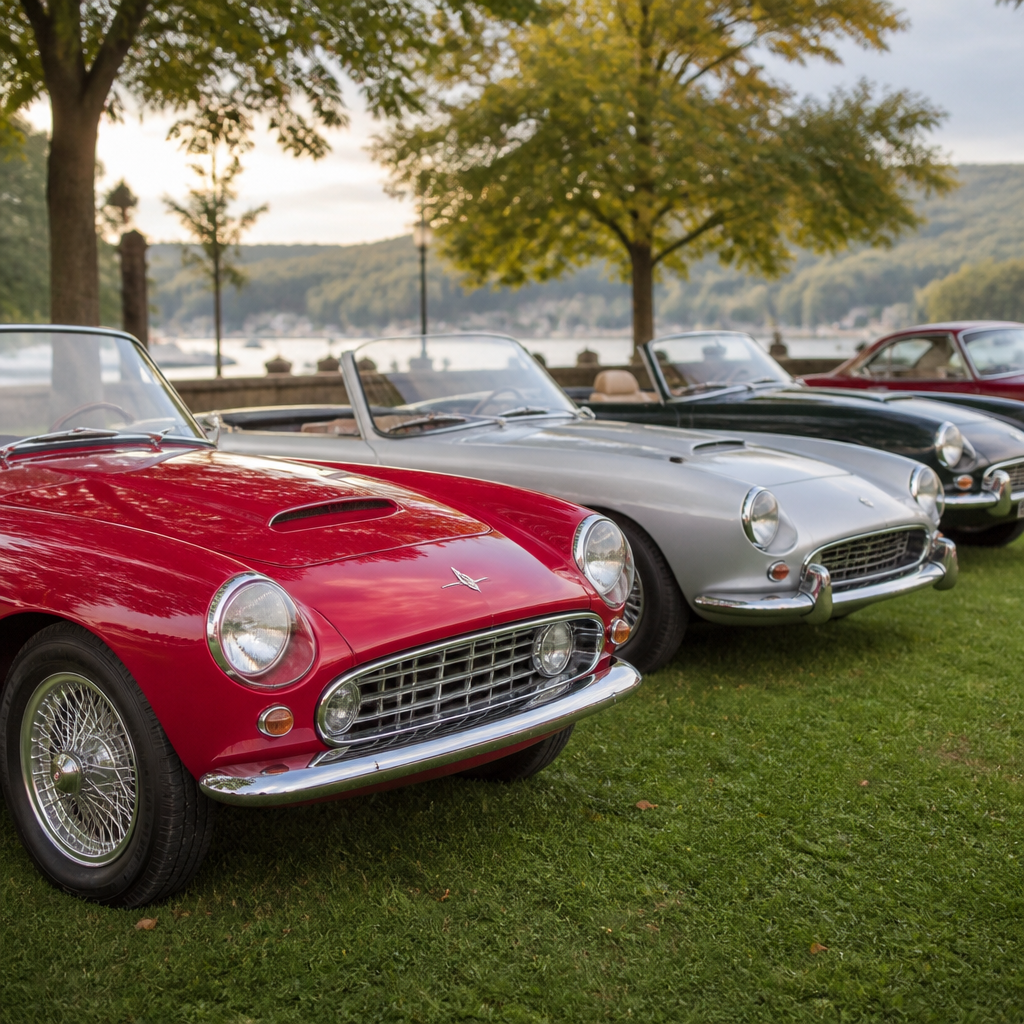
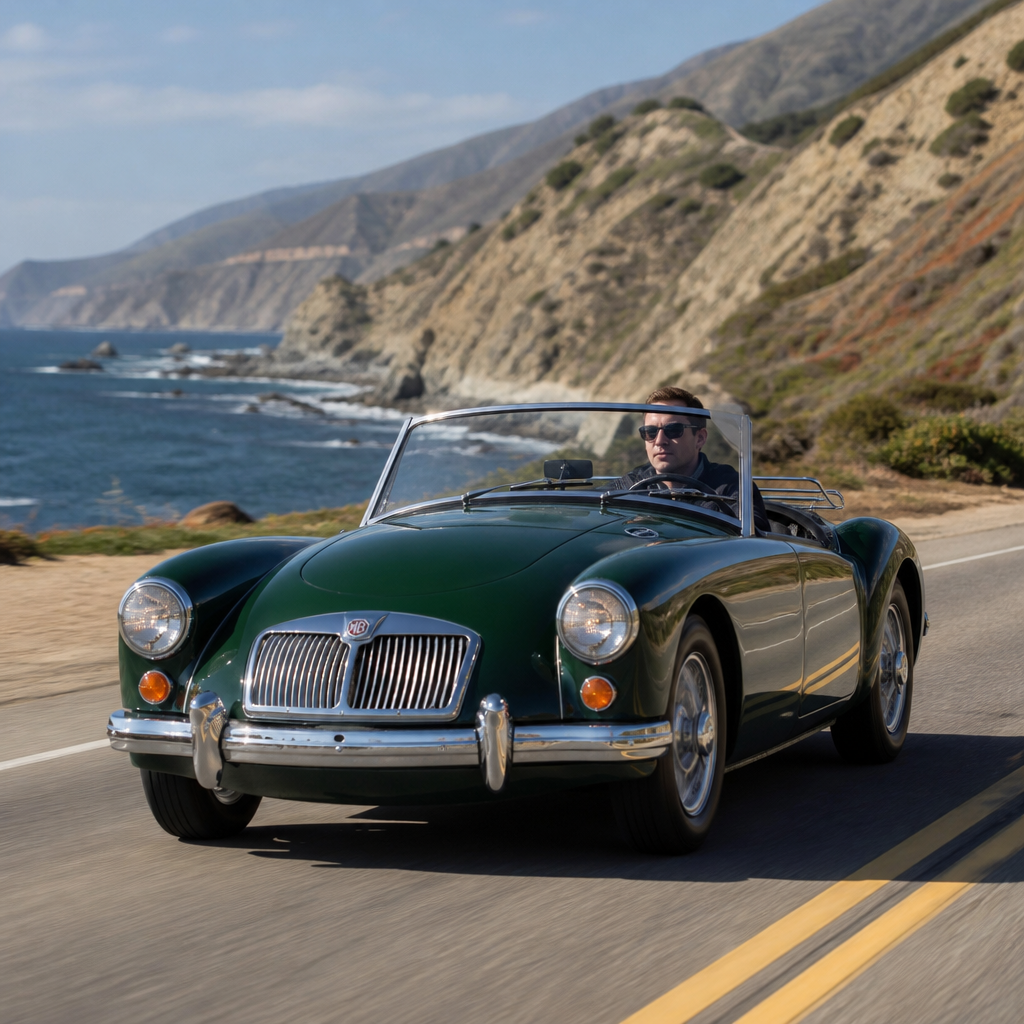
Driving a vintage vehicle every day sounds romantic, but the reality changes quickly once insurance, mileage, storage, maintenance, and valuation rules enter the picture. In classic car ownership, “daily driving” usually means regular commuting, school runs, errands, and routine use in all weather, while “classic car insurance” refers to specialty coverage built for limited-use collector vehicles with agreed value protection. Those definitions matter because insurers separate collectible use from transportation use very clearly, and the policy you qualify for depends on how you actually drive. I have helped owners place coverage on everything from weekend Tri-Five Chevrolets to regularly used air-cooled Porsches, and the same issue appears every time: the more a classic behaves like a normal car, the less it fits a normal collector policy.
This matters because the wrong policy can leave a major gap after a loss. Many owners assume any “full coverage” policy will pay what the car is worth, yet standard auto insurance often pays actual cash value, which can undervalue a restored or appreciating collector car. Specialty insurers such as Hagerty, Grundy, American Collectors, and others generally prefer limited mileage, secure storage, and a separate daily-use vehicle for each licensed driver. If you start driving your classic daily, eligibility can change, premiums can rise, and claims scrutiny becomes stricter. Understanding how insurance for classic cars works is not optional; it is central to protecting the car, your budget, and the time you have invested in ownership.
Why Daily Driving Changes Classic Car Insurance Eligibility
The first thing that happens when you drive your classic car daily is that it may stop qualifying for classic car insurance as most insurers define it. Collector policies are priced on the assumption of lower exposure to risk. A car that goes to weekend shows, club events, and occasional pleasure drives simply spends less time in traffic than a commuter car. Less exposure means fewer chances of collision, theft, vandalism, hail damage away from home, or windshield loss. Once the car enters rush-hour traffic five or six days a week, the underwriting math changes.
Most specialty carriers ask a few core questions: Is the vehicle stored in a locked garage or secure building? Do all licensed household members have regular-use vehicles? How many miles will the car drive annually? Will the vehicle be used for commuting to work or school? Those questions are not formalities. If you answer that the car is used for errands and occasional pleasure drives, then begin commuting fifty miles a day, you may be outside the terms the insurer relied on when issuing the policy. In a claim, that mismatch can become a serious problem.
There is nuance here. Some insurers allow flexible use, occasional commuting, or mileage tiers that fit active enthusiasts. Others offer “modern classic” or enthusiast policies for newer collectible vehicles that are driven more often. But truly daily use usually pushes the vehicle toward a standard auto policy or a hybrid specialty product with more restrictions and higher pricing. The practical rule is simple: if the car is replacing your ordinary transportation, ask whether your current collector policy still fits before you drive it that way.
Agreed Value, Actual Cash Value, and Why Policy Type Matters
The biggest insurance difference between occasional and daily use is often not liability coverage but how the car itself is valued after a total loss. Collector policies commonly use agreed value. That means you and the insurer set a value for the vehicle up front, based on appraisals, photos, restoration receipts, market comps, and recognized valuation guides. If the covered car is totaled, the insurer pays that agreed amount, less any deductible if applicable. For a restored 1967 Mustang fastback insured at $55,000, that number matters enormously.
Standard auto policies usually rely on actual cash value, which is closer to depreciated market value as interpreted by the insurer at the time of loss. That method works reasonably well for ordinary late-model cars but often works poorly for classics, especially cars with documented restoration costs, rare drivetrains, factory-correct components, or strong regional demand. I have seen owners spend $30,000 on paint, trim, and driveline work, only to discover that a generic valuation database did not capture that investment after a claim.
Driving the car daily does not erase the importance of agreed value, but it can affect whether you can still buy that form. Some insurers will not offer agreed value if the usage pattern looks like ordinary transportation. Others may offer stated value, which sounds similar but is not the same. Stated value can cap what the insurer pays without guaranteeing that amount. For classic car ownership, that distinction is critical. Before changing how often you drive, confirm the valuation method in writing, not just the premium.
How Mileage, Storage, and Driver Profile Affect Premiums
Premiums for insurance for classic cars are built from several variables, and daily driving changes nearly all of them at once. Annual mileage is the most obvious. A car driven 2,500 miles a year is exposed to much less risk than one driven 12,000 miles. Storage is another major factor. A locked private garage reduces theft and weather losses compared with street parking, apartment lots, or open carports. Driver profile also matters: age, driving record, prior claims, location, and even how many other vehicles are in the household influence underwriting decisions.
Insurers also care about the car’s repairability. A 1965 Ford Falcon with widely available parts presents a different claims profile than a low-production Italian coupe with scarce trim and specialized body panels. Daily use amplifies this because small incidents become more likely. A parking lot scrape on a modern crossover may be routine; the same hit on a chrome bumper, unobtainable grille, or hand-fitted fender can turn into a lengthy and expensive repair. Specialty carriers know this, which is exactly why they limit regular-use exposure.
| Factor | Occasional Use Classic | Daily-Driven Classic | Insurance Impact |
|---|---|---|---|
| Annual mileage | 1,000 to 5,000 miles | 8,000 to 15,000+ miles | Higher exposure usually raises premiums or changes eligibility |
| Storage | Locked garage | Garage plus public parking | More theft and damage risk away from home |
| Use pattern | Shows, club events, pleasure drives | Commuting, errands, regular transport | May disqualify collector policy terms |
| Valuation | Agreed value common | May shift to stated value or ACV | Total-loss payout certainty can decrease |
| Parts availability | Managed wear and tear | Frequent wear and minor incidents | Repair cost volatility increases |
Coverage Types Every Classic Car Owner Should Understand
If this page is the hub for insurance for classic cars, the essential coverages deserve a clear breakdown. Liability coverage pays for bodily injury and property damage you cause to others. Collision pays to repair your car after an impact, subject to deductible and policy terms. Comprehensive covers non-collision losses such as theft, fire, hail, vandalism, and some animal strikes. Uninsured and underinsured motorist coverage protects you if the at-fault driver lacks enough insurance. Medical payments or personal injury protection may also apply depending on state rules.
Collector-focused policies often add features especially relevant to vintage vehicles. Agreed value is the headline item, but flatbed towing is another practical necessity because many classics should not be dragged on a wheel-lift truck. Spare parts coverage can protect extra components stored in your garage. Some policies reimburse for automobilia, tools, or trip interruption at events. Flexible repair shop choice matters too. For a collector car, the nearest direct-repair body shop is not always the right shop. You may need a specialist familiar with lead seams, lacquer-era finishes, carburetion, or model-specific trim fitment.
When owners begin using a classic every day, liability limits become even more important because the car is simply out in the world more often. I usually recommend reviewing umbrella coverage as well, particularly for owners with meaningful assets. A vintage truck with drum brakes and no ABS can still be used safely, but stopping distances, visibility, and occupant protection are not comparable to modern vehicles. More use means more need for strong liability planning.
Claims Reality: Repairs, Parts, Downtime, and Documentation
Another thing that happens when you daily drive a classic is that claims become more operationally difficult. Even a minor accident can sideline the car for months if parts are scarce or specialist labor is booked out. On paper, insurance may cover the loss, but the owner still faces sourcing delays, quality-control issues, and choices between reproduction, used original, or new-old-stock parts. That matters if the car is your transportation rather than a hobby vehicle.
Documentation becomes your best protection. Keep dated photos of the car, VIN tags, engine numbers where relevant, restoration receipts, appraisal reports, and a written summary of upgrades or factory-correct restoration work. If you installed front disc brakes, electronic ignition, or a rebuilt overdrive transmission, note it. If the car has matching numbers or rare options, preserve evidence. In claims involving classics, details support valuation and proper repair standards.
Owners should also ask about parts settlement practices. Will the insurer pay for OEM-equivalent reproduction parts only, or can the estimate include refurbished original trim? Is diminished value considered in any form for rare vehicles after major structural repair? How are labor rates handled if your chosen restoration shop charges more than a general collision center? These questions separate a policy that looks good on a declarations page from one that actually works when metal is bent.
When a Standard Auto Policy Makes More Sense
There is a point where honesty and practicality outweigh the appeal of a collector policy. If your classic car is your commuter, grocery getter, airport car, and rainy-day backup, a standard auto insurer may simply be the correct home for it. That does not automatically mean poor protection. Some mainstream carriers can insure older vehicles adequately on liability and physical damage, and certain brokers can endorse higher-value specialty vehicles in more customized ways. The tradeoff is often valuation certainty versus usage freedom.
This is common with classics that are mechanically modernized. A restomod with fuel injection, overdrive, upgraded brakes, and air conditioning may be perfectly capable of daily service. Insurance still needs to reflect replacement cost, modifications, and actual use, but the ownership pattern is different from that of a concours car trailered to events. In those cases, asking for a realistic appraisal, disclosing all modifications, and comparing standard versus specialty coverage side by side is the disciplined approach.
The worst choice is trying to force a daily-driven car into a policy built for occasional use just to save money. Premium savings disappear fast if a claim triggers a coverage dispute or if the valuation basis leaves you short by tens of thousands of dollars. Good insurance for classic cars starts with truthful underwriting information and a policy structure that matches the car’s real role in your life.
Best Practices Before You Drive a Classic Every Day
Before making your collector vehicle a daily driver, talk to your agent or broker and explain exactly how the use will change. Ask whether commuting is allowed, whether annual mileage limits apply, whether every licensed household member must have another car, and whether agreed value remains intact. Request the answer in writing. Review deductibles, roadside assistance terms, glass coverage, and towing language. If the car will be parked outside work, mention that too.
Then think beyond the policy. Daily-driven classics need preventive maintenance discipline because reliability affects claims exposure. Tires age out before tread wears out, rubber fuel lines degrade with ethanol-blended gasoline, single-circuit braking systems deserve careful inspection, and electrical fires are not hypothetical on old wiring. A well-maintained classic is easier to insure, safer to operate, and more defensible if a claim leads to questions about condition.
Finally, build your insurance file like an owner who expects scrutiny. Maintain photos every six to twelve months, update appraisals when the market moves materially, save major service invoices, and document secure storage. If you are shopping within classic car ownership topics, use this hub to guide deeper research into agreed value coverage, mileage limits, storage requirements, modified classic insurance, roadside assistance, and claims documentation. The key takeaway is straightforward: driving your classic car daily is possible, but it changes insurance profoundly. Match the policy to the way you actually use the car, review it before habits change, and ask your insurer for written confirmation now.
Frequently Asked Questions
Can you use a classic car as a daily driver and still keep classic car insurance?
Usually, no—or at least not in the way most owners hope. Classic car insurance is generally designed for limited-use vehicles, not for routine commuting, school drop-offs, grocery runs, and all-weather transportation. Specialty insurers typically assume the vehicle is a collectible that is driven occasionally, stored carefully, and paired with another regular-use car for everyday needs. If you begin using the vehicle like a modern daily driver, that can conflict with the policy’s eligibility rules, mileage limits, and use restrictions.
This matters because classic policies often provide benefits that standard auto insurance does not, especially agreed value protection. With agreed value coverage, you and the insurer establish the car’s insured value upfront, which can be a major advantage if the vehicle is rare, restored, or appreciating. But that better valuation treatment usually comes with conditions: secure storage, limited annual mileage, and restricted use. If the car is being driven to work every day or parked in public lots regularly, the insurer may consider that a different risk profile entirely.
The practical takeaway is simple: if your classic car is becoming your everyday transportation, tell your insurer before a claim forces the issue. Some owners assume occasional commuting will slide under the radar, but if the use pattern clearly looks like daily driving, a claim could become complicated if the policy was written for collector use only. In many cases, the solution is moving to a standard auto policy or finding a carrier that can accommodate more frequent use, even if that means giving up some of the perks that made classic coverage attractive in the first place.
What changes when you drive your classic car every day instead of occasionally?
Almost everything changes. A classic car that comes out for weekend drives, local events, and fair-weather cruising lives a very different life from one that handles rush-hour traffic, short trips, stop-and-go wear, rain exposure, and constant parking lot risk. Daily use accelerates mechanical wear, increases the odds of cosmetic damage, and raises the chance of being involved in an accident simply because the car is on the road far more often. Even well-restored classics can develop reliability issues when asked to perform modern-duty transportation every day.
Insurance treatment changes too. A car used occasionally as a collector vehicle may qualify for specialty coverage with agreed value protection, but once it shifts into routine-use territory, insurers may no longer view it as a low-exposure collectible. Mileage becomes more than a number on paper; it becomes evidence of how the vehicle is actually being used. The same is true for storage. A garage-kept classic that spends most nights sheltered is one risk. A vehicle that is repeatedly left outside at work, school, shopping centers, or apartment parking lots is another.
There is also a value and preservation issue. Part of what supports a classic car’s long-term desirability is careful stewardship. Daily driving adds miles, stone chips, interior wear, weather exposure, and mechanical fatigue. None of that automatically ruins a car, but it does shift it away from preserved collector status and toward used transportation. For some owners, that tradeoff is worth it. For others, the romance fades once repair schedules tighten, replacement parts become harder to source, and the car’s collector profile begins to change.
Will daily driving a classic car lower its value?
It can, especially if the vehicle is desirable because of originality, low mileage, high-quality restoration, or documented condition. Collector value is often tied not just to age or style, but to how well the car has been preserved. Daily use tends to add the kind of wear that buyers notice: increased mileage, road rash, paint blemishes, worn interior materials, exposure to moisture, and more frequent mechanical repairs or modifications made in the name of practicality. Over time, that can reduce appeal to collectors who prioritize authenticity and condition.
That said, the effect on value depends on the car itself. A rare, numbers-matching example with significant provenance may be affected more by heavy routine use than a more common vintage driver-grade car that is already viewed as a usable classic. Market segment matters. Some classics are prized as museum-level collector pieces, while others live in a category where regular use is more accepted. Even then, buyers generally pay more for examples that show thoughtful ownership and controlled wear rather than years of commuter-duty exposure.
Insurance valuation is part of this conversation too. If the car is insured on an agreed value basis, that number reflects a certain understanding of the car’s condition and use. If daily driving materially changes either one, the insured value may need to be reviewed. Owners sometimes focus on market price while overlooking the fact that a car’s insurability as a collectible can also change. In short, driving a classic regularly does not guarantee a major drop in value, but it absolutely increases the chances of wear-related depreciation and can alter how both buyers and insurers view the vehicle.
Why do mileage limits and storage rules matter so much with classic car insurance?
They matter because they are central to how specialty insurers price and underwrite collector vehicles. Classic car insurance is usually cheaper than standard insurance in part because the insurer expects the car to be driven less, used more carefully, and stored more securely. Lower annual mileage generally means less exposure to collisions, weather damage, vandalism, and ordinary road hazards. Secure storage—especially enclosed garage storage—reduces the likelihood of theft, storm damage, and gradual deterioration from constant outdoor exposure.
From the insurer’s perspective, these are not minor preferences; they are core assumptions behind the policy. If a car exceeds stated mileage limits or is routinely parked outside despite the policy being issued on the basis of indoor storage, the actual risk may be very different from the one the insurer agreed to cover. That can affect renewals, premiums, eligibility, and, in some cases, the handling of a claim. This is why owners should not treat mileage declarations or storage questions as paperwork formalities. They help define whether the vehicle qualifies as a collectible risk at all.
For a daily-driven classic, these rules become especially difficult to satisfy. Regular commuting quickly consumes annual mileage allowances, and everyday life often means leaving the car in office lots, public streets, school pickups, or retail parking areas. Even if the car sleeps in a garage at night, its daytime exposure may look nothing like limited collector use. The bigger point is that mileage and storage rules are not arbitrary hoops—they are part of the logic that separates classic car insurance from standard auto coverage.
If you want to drive a classic car every day, what is the smartest way to insure and protect it?
The smartest approach is to be honest about how the car will actually be used and insure it accordingly. If the vehicle is truly going to serve as a commuter, errand-runner, and all-weather car, begin by assuming a standard auto policy may be more appropriate than a collector policy. That may mean higher premiums or different valuation terms, but it also means the coverage is aligned with real-world use. Trying to preserve a specialty policy while using the vehicle like modern transportation can create unnecessary risk at the worst possible moment—after an accident or loss.
You should also think beyond insurance paperwork and focus on preservation strategy. Daily-driven classics need more frequent maintenance, more proactive inspections, and a stronger plan for storage and weather protection. Fluids, brakes, tires, cooling systems, seals, and electrical components all face more stress under routine use. If replacement parts are limited or model-specific, even a small breakdown can take the car off the road for weeks. Owners who daily drive classic cars successfully usually do so because they maintain them aggressively, not casually.
Finally, protect the car’s long-term value by documenting condition, keeping service records, and reassessing coverage regularly. If the vehicle has collector significance, take photos, track restoration work, and update appraisals when appropriate. If it transitions back from daily use to occasional use, revisit whether a classic policy becomes viable again. The best outcome comes from matching the policy, usage pattern, and preservation goals instead of forcing a collectible vehicle into a coverage category that no longer fits how it lives.