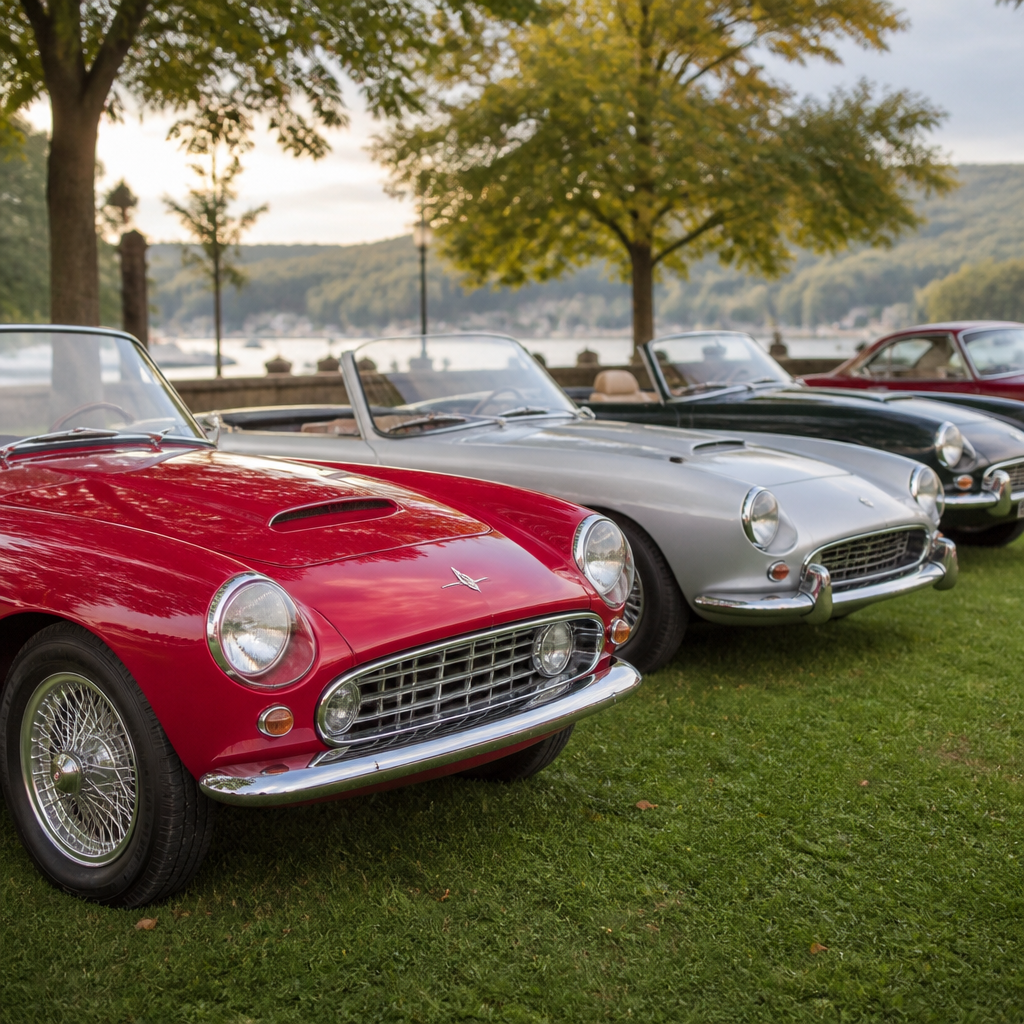
Classic car insurance is a specialized form of auto coverage built for vehicles whose value, use, and repair needs differ sharply from ordinary daily drivers. Unlike standard auto policies that pay actual cash value after depreciation, classic car insurance usually centers on agreed value, meaning you and the insurer set the car’s insured amount in advance and that figure is written into the policy. For owners of restored Mustangs, survivor Corvettes, vintage trucks, air-cooled Porsches, and brass-era antiques, that distinction is not academic; it determines whether a total loss settlement reflects the collector market or a book value that ignores rarity, provenance, and documented restoration work.
Insurance for classic cars also comes with different eligibility rules. Most carriers require secure storage, limited annual mileage, and a separate regular-use vehicle for each licensed household driver. Some define a classic by age alone, often 20 to 25 years old, while others insure newer enthusiast cars if they have collectible status. Modified vehicles, kit cars, hot rods, replicas, and automobilia collections may also qualify, but underwriting standards vary. In practice, I have seen two owners with similar cars receive very different terms simply because one had climate-controlled garage storage, maintenance records, and a realistic valuation package while the other did not.
This matters because collector vehicles are expensive to repair correctly. Parts sourcing can involve new-old-stock components, marque specialists, custom fabrication, and labor from shops with long restoration backlogs. A fender-bender in a 1967 Jaguar E-Type is not handled like a claim on a ten-year-old commuter sedan. The best classic car insurance companies understand flatbed transport, salvage retention, spare parts coverage, and the difference between preserving original paint and authorizing a modern refinish. They also know that owners often attend shows, club events, occasional pleasure drives, and maintenance runs rather than commuting five days a week.
As a sub-pillar within classic car ownership, this guide compares the best classic car insurance companies and explains how to choose among them. It also serves as the hub for the wider subject of insurance for classic cars: valuation, eligibility, mileage limits, restoration coverage, and claims handling. If you are asking which company is best, how agreed value works, whether modified classics are covered, or what discounts matter, the answer depends on how you use the car, where you store it, and how accurately you document it. The strongest policy is the one that matches both the vehicle and the way you actually own it.
What makes a classic car insurance company worth considering
The best insurers in this niche consistently deliver six things: agreed value options, flexible usage terms, knowledgeable claims handling, restoration-aware coverage, strong financial backing, and sensible pricing. Agreed value is the cornerstone because it eliminates most of the argument over depreciation after a total loss. Usage terms matter because collector owners need enough latitude for tours, parades, club meets, and maintenance drives without accidentally violating a policy meant only for static storage. Claims expertise matters because adjusters must understand specialist labor rates, marque-specific parts channels, and whether preserving originality affects repair decisions.
Financial strength should not be overlooked. Many classic car policies are underwritten by large, established insurance groups even when the brand you see is collector-focused. AM Best ratings, complaint patterns, and claims reputation all matter. I also look closely at towing terms, spare parts coverage, automobilia protection, and whether the carrier offers inflation guard to keep agreed value aligned with market movement. Some companies include attendance at automotive events as standard; others allow broad hobby use but exclude routine commuting. The difference is important, especially for owners who blur the line between pleasure use and regular transportation during good weather.
Best classic car insurance companies compared
Hagerty remains the name most owners mention first, and for good reason. The company has deep brand recognition in the collector market, broad eligibility for many enthusiast vehicles, and useful add-ons such as spare parts tools and market valuation content. Hagerty policies are often attractive for owners who want hobby-use flexibility, access to an ecosystem of valuation resources, and a carrier that understands concours cars, drivers, and vehicles in active restoration. The tradeoff is that rates are not always the cheapest, especially in dense urban areas or for higher-risk drivers, but coverage depth is usually strong.
Grundy is widely respected for agreed value coverage and has long appealed to owners who want straightforward collector policies through the Philadelphia Insurance Companies network. In my experience, Grundy is often competitive for well-stored vehicles used primarily for exhibitions, club activities, and occasional pleasure driving. It can be especially appealing for owners with established collections and clean driving records. The underwriting can be less flexible than some owners expect around daily-use patterns, so it is important to describe how the car is actually used and to read hobby-use wording carefully before binding coverage.
American Collectors Insurance is another serious contender, particularly for owners who need options beyond standard classics. The company has programs for collector cars, trucks, motorcycles, and memorabilia, and it often performs well when an owner has a mixed garage. American Modern, while sometimes known for manufactured home and specialty lines, also insures classic and collector vehicles through independent agents. It can be a strong fit if you prefer working through an agent who bundles specialty risks. J.C. Taylor has a long history in the collector space and remains relevant for antique and vintage vehicles that fit more traditional definitions of collectible use.
| Company | Best for | Typical strengths | Watch-outs |
|---|---|---|---|
| Hagerty | Broad enthusiast coverage | Agreed value, hobby-use flexibility, strong collector brand | Rates can be higher in some markets |
| Grundy | Established collections | Competitive agreed value, clear collector focus | Usage expectations may be stricter |
| American Collectors | Mixed collections | Vehicles plus memorabilia options, good specialty fit | Terms vary by state and vehicle type |
| American Modern | Agent-led specialty placement | Wide specialty insurance experience, flexible channels | Owner experience depends on agent quality |
| J.C. Taylor | Antique and traditional classics | Long collector history, focused underwriting | Less ideal for unconventional modern collectibles |
| State Farm or Farmers specialty paths | Mainstream relationship shoppers | One-carrier convenience, local agents | Collector expertise may be less specialized |
Mainstream insurers such as State Farm, Farmers, and occasionally Allstate or Nationwide may also insure collector vehicles through endorsements, specialty programs, or affiliated underwriters. These can be worth considering if you value a long-standing local agent relationship or want umbrella, home, and collector coverage coordinated in one place. However, a mainstream brand does not automatically mean a better collector policy. You must verify agreed value language, mileage expectations, parts sourcing rules, and whether the claims team has real collector-car experience. Convenience is helpful, but coverage details decide whether a policy performs when something goes wrong.
How agreed value, stated value, and actual cash value differ
The most important technical distinction in insurance for classic cars is valuation method. Agreed value means the insurer and owner set a value upfront, usually based on photos, appraisals, receipts, and market evidence. If the car is totaled in a covered claim, that agreed figure is generally the settlement amount, subject to policy terms. Stated value sounds similar but often is not. In many policies, stated value represents a declared amount that may cap payment, while the insurer can still pay actual cash value if it is lower. Actual cash value is replacement cost minus depreciation, which usually works poorly for collectible cars.
Consider a restored 1970 Chevrolet Chevelle SS with $65,000 in documented work and comparable sales supporting a $72,000 market value. On an agreed value policy written at $72,000, a total loss should be settled around that amount under covered circumstances. On a standard auto policy using actual cash value, the insurer may rely on generic valuation tools that miss the drivetrain, originality, or restoration quality, producing a far lower figure. That gap is why collector owners should read declarations pages carefully and confirm valuation language in writing before they assume they have proper classic car insurance.
Eligibility, usage limits, and storage requirements
Most collector insurers ask three core questions before they quote: where is the vehicle stored, how often is it driven, and what regular-use vehicles are available in the household. Secure private garage storage is close to a universal expectation because theft, weather, vandalism, and accidental damage risk drop significantly when a car is enclosed. Annual mileage limits vary widely. Some carriers use firm caps such as 2,500, 5,000, or 7,500 miles; others emphasize pleasure use without a hard number but still expect limited operation. Nearly all want assurance that the insured classic is not your backup commuter.
There are exceptions. Certain newer collectible cars, such as low-production performance models from the 1990s and 2000s, may qualify despite not fitting a traditional antique profile. Some modified street rods and pro-touring builds are insurable if workmanship is documented and the car is street legal. Vehicles under active restoration may need separate project coverage because standard road-use policies often assume the car is complete and operable. If you live in a condo with shared underground parking, own a rural barn-find truck, or use the car for wedding rentals, mention that early. Those facts can change eligibility immediately.
Coverage features that separate average policies from excellent ones
The best classic car insurance policies do more than insure the vehicle itself. They may include spare parts coverage, automobilia or tools endorsements, trip interruption, no-attendance-required show coverage, and towing by flatbed rather than wheel-lift. Some cover newly acquired vehicles automatically for a short period. Others offer inflation guard that increases agreed value over time to reflect market appreciation. These details matter. A collector with a shelf of date-coded carburetors, original trim, and hard-to-find glass can have thousands of dollars in vulnerable parts not protected under a bare-bones vehicle-only contract.
Claims handling is where policy quality becomes obvious. Ask whether you can choose a specialist repair shop, whether OEM or equivalent parts wording applies to vintage cars, and whether the insurer understands diminished value caused by incorrect repairs. Salvage retention is another point many owners miss. After a major loss, some enthusiasts want to keep the vehicle for parts, historical preservation, or a future rebuild. Not every policy handles that the same way. I also recommend asking how transport is arranged after a breakdown at an event. A cheap policy loses its appeal if the car is mishandled by an ordinary tow operator.
How to compare quotes and choose the right insurer
Start by building a clean submission package. Include current photos from all angles, VIN, mileage, storage details, restoration receipts, appraisals if available, and a truthful summary of use. Then compare quotes on more than premium. Review agreed value amount, deductible, mileage or usage restrictions, spare parts limits, towing provisions, and whether modifications are specifically listed. A lower rate may reflect narrower use permissions or lower ancillary coverage. If you have multiple classics, ask about collection discounts and whether values can be updated easily as the market changes or a restoration progresses.
Be realistic about your ownership pattern. If you routinely take long weekend trips, enter driving tours, or attend multiple out-of-state shows, choose a carrier with language that clearly permits those activities. If the car is a top-tier restoration or a rare numbers-matching example, prioritize claims expertise over a marginal premium savings. Review the policy annually, especially after market shifts or major mechanical work. The right insurer is the one that can explain coverage plainly, document agreed value correctly, and handle a specialty claim without treating your collector car like ordinary transportation. Compare carefully, then request quotes and ask hard questions before you sign.
Choosing among the best classic car insurance companies comes down to matching policy structure to the car’s real-world value and your actual habits as an owner. Hagerty, Grundy, American Collectors, American Modern, J.C. Taylor, and selected mainstream specialty options all have legitimate strengths, but no single insurer is best for every collector. The right answer depends on agreed value, storage, mileage, modification level, and the quality of claims support behind the brand. A policy that looks inexpensive on the declarations page can become costly if it restricts hobby use or undervalues a total loss.
For most owners, the priority order is clear. First, confirm the valuation method is agreed value rather than a weaker substitute. Second, make sure your use case fits the policy, including tours, club events, and maintenance drives. Third, verify that towing, repair-shop choice, spare parts protection, and salvage options reflect the realities of collector ownership. Once those pieces are in place, price becomes a meaningful tie-breaker instead of the only decision factor. That approach protects both your vehicle and the time, money, and history invested in it.
This hub page should be your starting point for every question about insurance for classic cars. Use it to compare insurers, then go deeper into valuation, mileage limits, restoration coverage, and claims planning as you refine your ownership strategy. Gather your documents, photograph the car thoroughly, and request quotes from at least three collector-focused carriers. A well-structured policy turns uncertainty into confidence every time you open the garage door.
Frequently Asked Questions
What makes classic car insurance different from a standard auto insurance policy?
Classic car insurance is designed for vehicles that are owned, driven, repaired, and valued differently than ordinary daily-use cars. The biggest difference is how the vehicle is insured. Standard auto insurance typically pays actual cash value, which means the insurer looks at depreciation and current market conditions at the time of a claim. For many collector vehicles, that approach can dramatically undervalue the car because age does not necessarily reduce worth the way it does with a commuter sedan. A well-kept or restored classic Mustang, vintage truck, air-cooled Porsche, or survivor Corvette may be worth far more than a typical book-value estimate suggests.
Most classic car policies use agreed value coverage. That means you and the insurer decide on the vehicle’s insured value upfront, and that amount is written into the policy. If the car is totaled in a covered loss, the payout is based on that agreed amount, subject to the policy terms, instead of a depreciated market estimate. This is one of the main reasons collector car owners choose specialized coverage.
Classic car insurance also reflects the way these vehicles are usually used. Many insurers assume limited pleasure driving, exhibition use, club events, parades, and occasional weekend trips rather than daily commuting. Because the vehicle is generally driven less, stored more carefully, and maintained more deliberately, premiums can sometimes be lower than people expect. In addition, specialty policies often include features that matter specifically to enthusiasts, such as flexible mileage plans, spare parts coverage, roadside assistance tailored to collector cars, and access to repair shops familiar with vintage vehicles. In short, classic car insurance is not just standard insurance with a different label; it is purpose-built protection for collectible automobiles.
How does agreed value coverage work, and why is it so important for classic car owners?
Agreed value coverage is the foundation of most quality classic car insurance policies. Instead of waiting until after a loss to argue about what the car was worth, the owner and insurer establish the insured amount in advance. That number is based on documentation such as photos, appraisals, restoration records, comparable sales, receipts, and the vehicle’s condition, originality, rarity, and market demand. Once both sides agree, the policy reflects that value directly.
This matters because collectible vehicles often do not fit neatly into standard pricing guides. Two examples of the same year and model can have wildly different values depending on originality, drivetrain, trim package, documentation, concours-quality restoration, or even matching-numbers status. A standard insurer may see an older vehicle and apply steep depreciation, while a specialty insurer evaluates it as an asset in the collector market. That difference can mean tens of thousands of dollars in a serious claim.
Agreed value coverage gives owners predictability. If a covered total loss occurs, there is a clear expectation of what the insurer will pay, rather than a dispute over depreciated cash value after the accident. It also helps owners insure the car in line with the real-world collector market, which can change over time. That is why it is smart to review your policy regularly, especially after a major restoration, a jump in market demand, or meaningful upgrades that affect value. The best classic car insurance companies usually make this process easier by allowing policy reviews, updated documentation, and periodic value adjustments so coverage keeps pace with the car’s true worth.
Who qualifies for classic car insurance, and what restrictions should owners expect?
Eligibility varies by insurer, but most classic car insurance companies look at three main areas: the vehicle, the driver, and how the car is stored and used. On the vehicle side, the car generally needs to have collectible value, historical interest, or hobby appeal. That can include antique cars, muscle cars, vintage trucks, hot rods, exotics, replicas, and some modern classics. Age alone does not always determine eligibility. Some insurers will cover newer vehicles if they are limited-production, highly collectible, or considered future classics.
On the driver side, insurers typically want a strong driving record, a valid license, and several years of driving experience. Many companies also require every household driver to have a regular-use vehicle for daily transportation. This supports the idea that the classic car is not being used as a primary commuter vehicle. If the insurer believes the collector car will be used like an everyday car, a specialty policy may not be approved.
Storage is another major factor. Most insurers prefer or require secure indoor storage, such as a private garage, barn, or other enclosed facility. Proper storage reduces theft, weather, and vandalism risk, which is especially important for vehicles with hard-to-find parts or delicate finishes. Usage restrictions are also common. Policies may place limits on annual mileage and may exclude routine commuting, commercial use, racing, or unattended public parking in some circumstances. That does not necessarily make the coverage inconvenient; it simply reflects the lower-risk ownership pattern that allows specialty insurers to price these policies competitively. Before choosing a company, owners should read the usage terms carefully to make sure the policy fits how they actually enjoy the vehicle.
What should you compare when choosing the best classic car insurance company?
Price matters, but it should not be the only factor. The best classic car insurance company for one owner may not be the best for another, because collector vehicles vary so much in value, usage, and repair needs. Start with the valuation method. A strong policy should clearly explain whether it offers agreed value coverage and how easy it is to adjust that amount over time. For a collector, that issue is usually more important than saving a small amount on premium.
Next, compare eligibility and mileage flexibility. Some insurers are very collector-focused and may have stricter storage or usage rules, while others offer more room for occasional tours, events, and pleasure driving. If you plan to participate in car shows, club rallies, or seasonal road trips, make sure the policy supports that use. Also look closely at how modifications, restorations, and spare parts are handled. Owners who have invested heavily in paintwork, engine rebuilding, period-correct interiors, or rare components should confirm that those investments are properly recognized.
Claims service is another major differentiator. A company with collector-car expertise may be better equipped to source proper parts, work with specialty restoration shops, and understand the difference between generic repair and historically appropriate repair. Towing and roadside assistance also deserve attention, especially for older vehicles that need flatbed transport and careful handling. Financial strength and reputation matter as well; the insurer should have the stability to pay large claims and the experience to handle niche vehicles without unnecessary disputes.
Finally, compare customer support and policy options. Some companies offer automobilia coverage, tools coverage, spare parts protection, and no-attendance show coverage. Others may bundle multiple collector cars under one account or provide inflation protection and value review programs. The strongest choice is usually the company that balances fair pricing with clear agreed value terms, practical usage rules, specialized claims handling, and coverage options that match the way you actually own and enjoy your classic vehicle.
Is classic car insurance expensive, and what affects the cost of coverage?
Classic car insurance is often more affordable than people assume, especially compared with standard auto coverage on a high-value vehicle. That is largely because collector cars are usually driven less, stored more carefully, and treated with greater caution than everyday transportation. Insurers recognize that an enthusiast who takes a restored vintage truck out on weekends and keeps it in a locked garage may present a very different risk profile than a daily commuter navigating traffic year-round.
That said, premiums can vary significantly based on several factors. The agreed value of the vehicle is one of the biggest. A six-figure rare Porsche or concours-level Corvette will naturally cost more to insure than a modest local-show cruiser. Mileage allowance also matters. Lower annual mileage often leads to lower premiums, while broader usage flexibility may raise cost. The vehicle’s storage conditions, theft exposure, repair complexity, and parts availability also play important roles. Cars with rare trim, imported components, or difficult-to-source mechanical parts may be more expensive to cover because claims can cost more to settle properly.
The owner’s profile matters too. A clean driving record, prior collector ownership, secure storage, and proof that the car is not used as a daily driver can all help. Geographic location influences rates as well, particularly if the area has higher theft rates, severe weather risk, or expensive repair labor. Some insurers also offer discounts for multiple collector vehicles or memberships in recognized car clubs.
The key takeaway is that cost should be evaluated alongside coverage quality. A cheaper policy is not a better policy if it has restrictive usage terms, weak claims support, or an agreed value that does not truly reflect the car’s worth. For most owners, the best value comes from a policy that protects the vehicle accurately, supports the way it is used, and is backed by an insurer that understands the collector market.