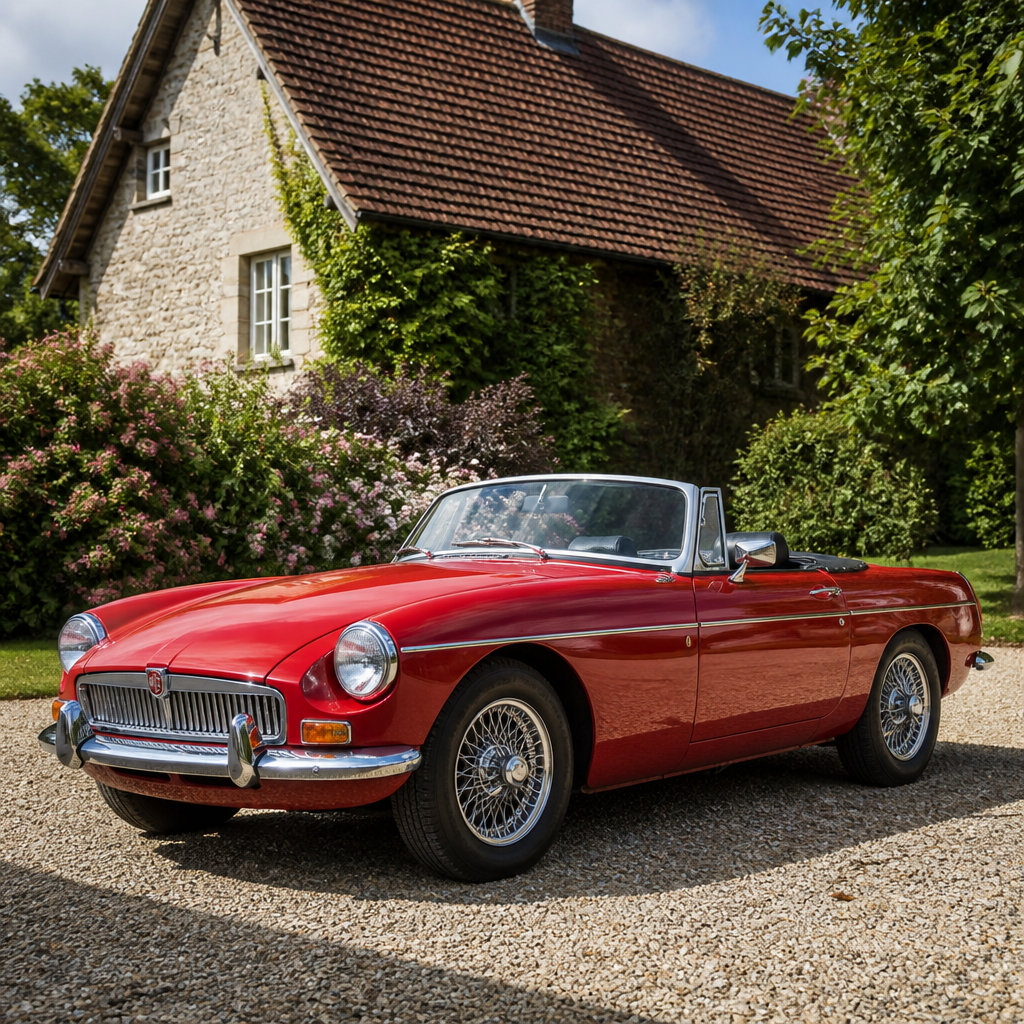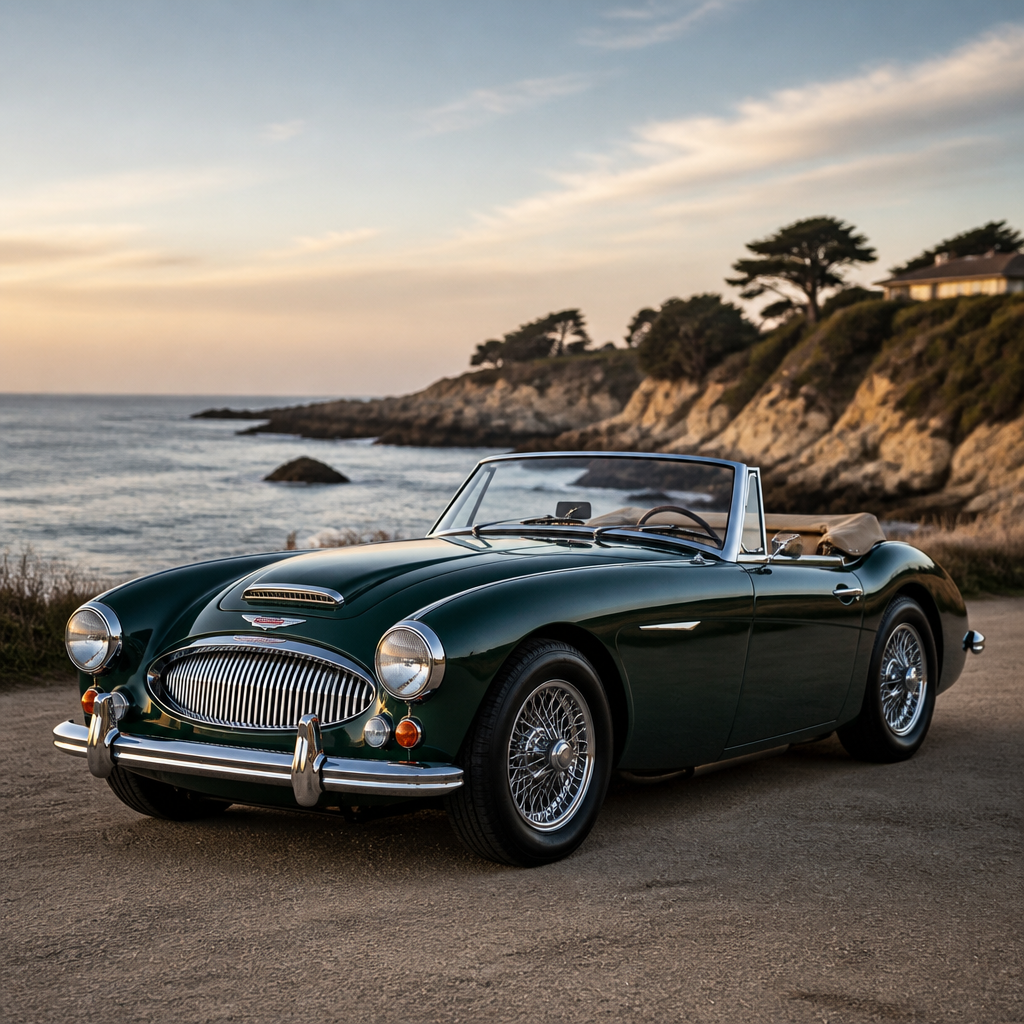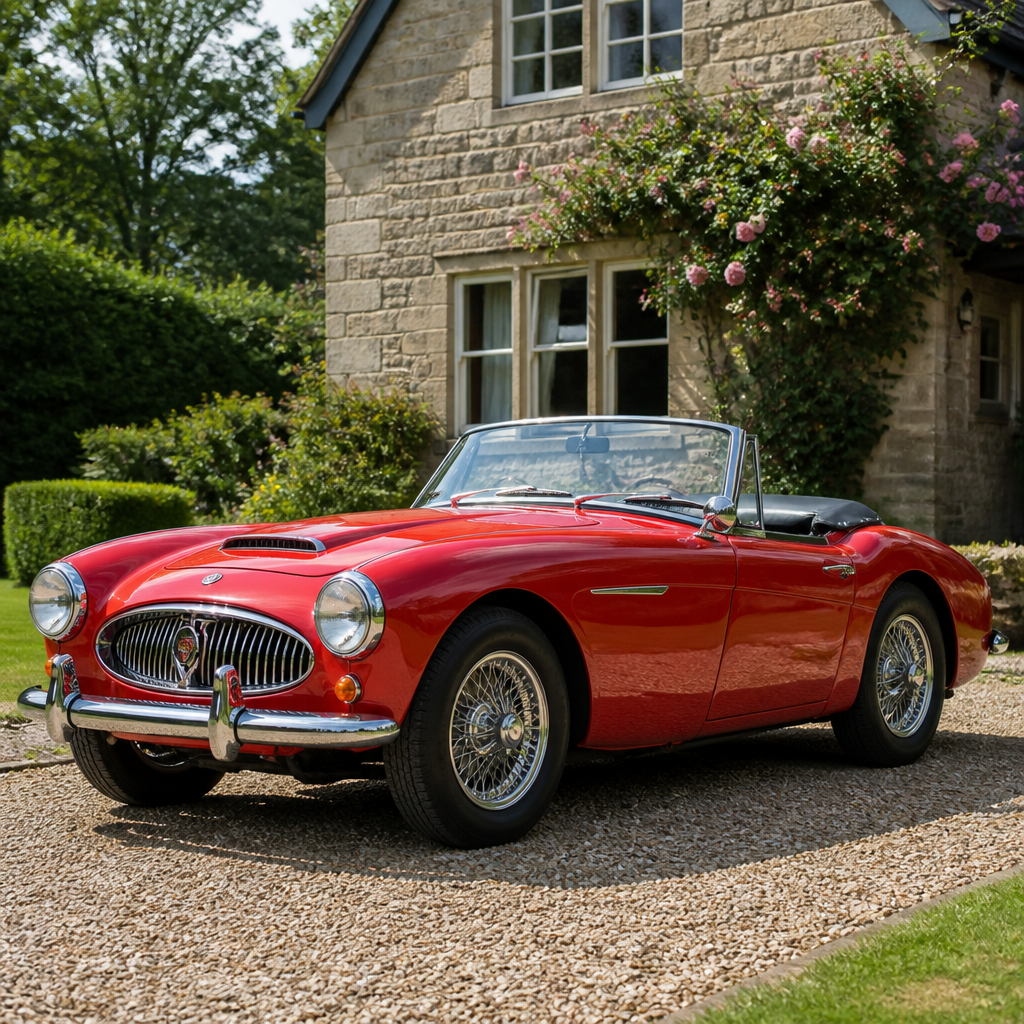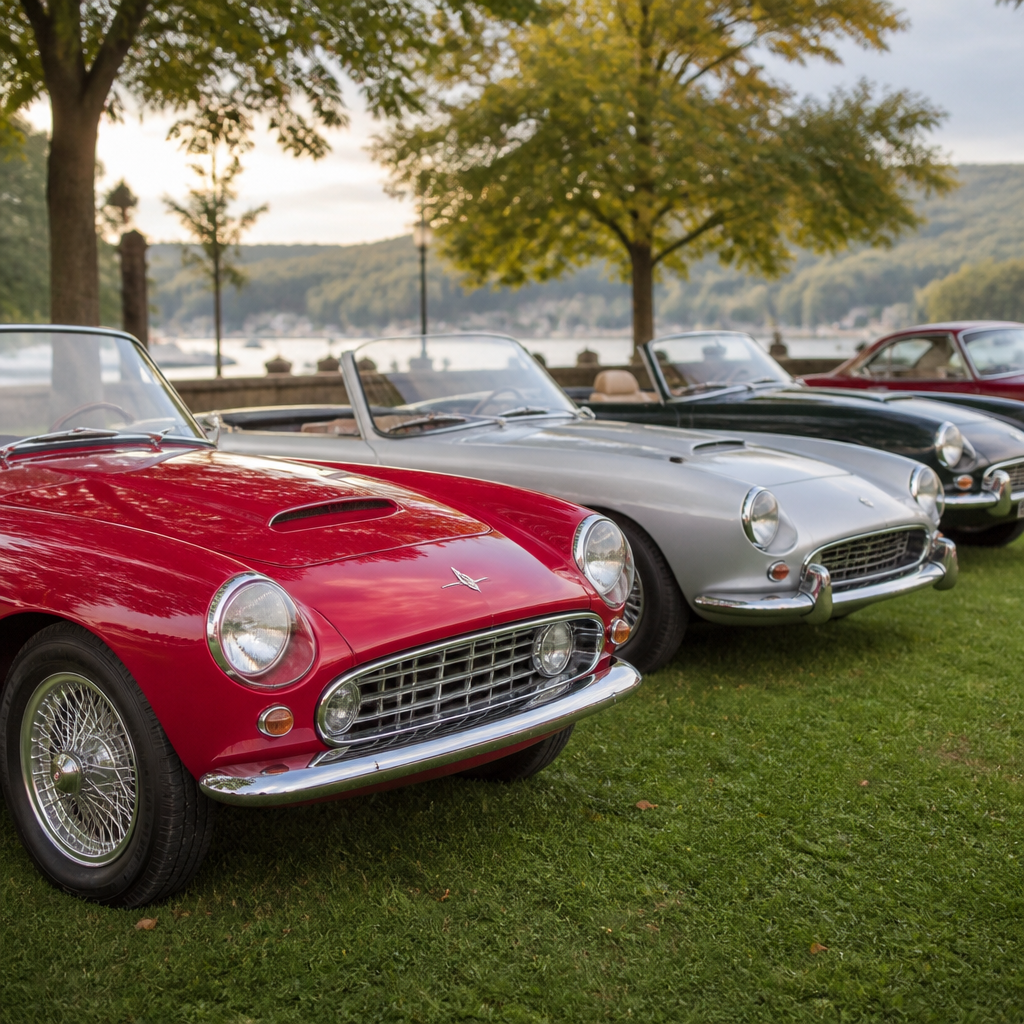

Classic car insurance is a specialized policy built for vehicles that are collectible, driven sparingly, stored carefully, and valued differently from everyday transportation. If you want the best insurance rates for classic cars, you need to understand how insurers price risk, how agreed value coverage works, and which choices lower premiums without leaving a valuable vehicle underinsured. I have worked through these policies with owners of muscle cars, British roadsters, prewar coupes, and modern exotics that have crossed into collector status, and the same pattern appears every time: the owners who prepare documentation, choose the right carrier, and match coverage to actual usage consistently get better rates and better claim outcomes.
Insurance for classic cars differs from standard auto insurance because the underwriting assumptions are different. A collector vehicle is usually not a daily driver, often lives in a locked garage, may be maintained above average mechanical standards, and can appreciate rather than depreciate. That changes the policy structure. Instead of actual cash value, which pays a depreciated market amount after a total loss, many classic car policies use agreed value. Agreed value means you and the insurer establish the vehicle’s insured amount in advance, supported by photos, appraisals, restoration records, or comparable sales. If the car is stolen or totaled under covered terms, that agreed amount becomes the settlement basis, minus any deductible if applicable.
This matters because a low premium is not automatically a good rate. The best insurance rate is the lowest price for the right level of protection, from a carrier that understands collector vehicles and handles claims fairly. A standard policy can look cheaper on paper yet fail badly when a 1967 Corvette, 911 SC, or Series Land Rover is damaged and the adjuster values it like ordinary used transportation. A proper classic car policy should address spare parts, restoration projects, towing, automobilia, flexible usage terms, and mileage limits that fit your real ownership pattern. As a hub for insurance for classic cars, this guide explains how rates are calculated, what information carriers require, which discounts are real, and where owners commonly make expensive mistakes.
What classic car insurers look at when setting rates
Insurers set classic car premiums by balancing vehicle value, probability of loss, severity of loss, and the owner’s operating habits. The core inputs usually include year, make, model, body style, modifications, agreed value, storage method, location, driver history, intended use, annual mileage, and whether you have a separate daily-use vehicle. A 1955 Chevrolet Bel Air insured for $65,000 in a detached locked garage in a low-crime suburb with 2,500 annual miles will usually rate more favorably than the same car parked in an open carport in a dense urban ZIP code. Geography matters because theft rates, weather exposure, repair labor costs, and claims frequency differ materially by region.
Driver profile is also more important than many owners expect. Most specialist carriers want experienced drivers with clean records, limited recent violations, and another insured vehicle for regular transportation. They may decline applicants with major infractions, inexperienced household drivers, or a history of frequent claims. From an underwriting standpoint, this makes sense. Collector policies are priced assuming careful use, mature driving behavior, and lower exposure than standard commuter traffic. If the insurer sees evidence that the classic car could become a backup daily driver, rates rise or eligibility disappears altogether.
Vehicle condition and restoration quality affect premiums because they affect both value and repair complexity. A largely stock 1966 Ford Mustang coupe with common parts availability is different from a fuel-injected restomod with custom paint, upgraded brakes, and a high-output crate engine. Modified classics can still be insured well, but they require better documentation and may cost more because replacement parts and labor are specialized. Insurers also study market volatility. Values for air-cooled Porsches, certain Japanese classics, and first-generation Broncos have moved sharply at times, so maintaining a current agreed value can be just as important as shopping the base premium.
Agreed value, stated value, and actual cash value explained clearly
The single most important concept in insurance for classic cars is valuation method. Agreed value is generally the preferred option because it establishes a binding insured amount before a loss. If your 1970 Chevelle SS is insured on an agreed value basis for $75,000 and a covered total loss occurs, the policy is designed to pay that amount according to the contract terms. This is why owners of collectible cars overwhelmingly pursue agreed value coverage. It removes much of the uncertainty that causes disputes after accidents, thefts, or fires.
Stated value sounds similar, but it often is not as protective. On many policies, stated value means you tell the insurer what the vehicle is worth, yet the claim payment can still be limited by actual cash value at the time of loss. In practice, that means you may pay premium based on a higher number without a guaranteed payout at that number. Actual cash value is the least suitable for most classics because it reflects depreciation and broad used-car market comparisons. That method regularly fails to capture rarity, provenance, restoration quality, or collector demand.
When I review policies with owners, I tell them to read the declarations page and the valuation clause line by line. Do not assume terms mean what they sound like in everyday conversation. Ask the carrier or agent whether the policy includes agreed value, how partial losses are handled, whether original equipment manufacturer parts are considered, and how they value recent restoration work. A low rate attached to the wrong valuation basis is one of the costliest mistakes in classic car ownership.
How to lower premiums without weakening coverage
The best way to get lower classic car insurance rates is to reduce the insurer’s perceived risk using verifiable facts. Secure indoor storage is the strongest lever. A locked private garage lowers exposure to theft, vandalism, hail, falling objects, and accidental contact. If you can add an alarm, battery disconnect, kill switch, GPS tracker, or camera coverage, document it. Mileage discipline matters too. If you realistically drive 1,500 to 3,000 miles per year, choose a policy tier that matches that usage rather than paying for more flexibility than you need.
Another major rate factor is whether every licensed household member is acceptable to the insurer. If your home includes a newly licensed teenager or a driver with recent violations, discuss it early. Some carriers require exclusions or additional documentation. Maintaining a clean motor vehicle record remains one of the most reliable ways to keep premiums low across all vehicle types, and classic policies are no exception. Taking a recognized defensive driving course can help with some insurers, though not all specialist carriers apply a formal discount.
Bundling can help, but only if coverage quality remains high. Some mainstream insurers offer multi-policy discounts when you combine home, umbrella, and auto. Specialist collector insurers may not bundle the same way, yet they can still produce better net value because their underwriting is more precise for collector use. Higher deductibles can reduce premiums, but I usually advise owners to choose a deductible they can comfortably absorb without hesitation. If a $1,000 deductible saves only a small annual amount compared with a $500 deductible, the tradeoff may not be worthwhile.
| Rate factor | What insurers prefer | Typical effect on premium |
|---|---|---|
| Storage | Locked private garage | Lower theft and weather risk, often meaningfully cheaper |
| Usage | Pleasure driving, shows, limited miles | Lower than commuting or frequent errand use |
| Valuation support | Photos, appraisal, receipts, market comps | Improves underwriting confidence and reduces disputes |
| Driver profile | Clean record, experience, separate daily driver | Often one of the biggest pricing advantages |
| Vehicle condition | Well maintained, documented, secure parts sourcing | Can moderate pricing and improve claim handling |
Choosing the right insurer for a collectible vehicle
Not every insurer handles classic cars with the same depth. Broadly, you will compare specialist collector insurers, mainstream carriers with classic programs, and brokers who place business across multiple markets. Specialist insurers usually offer the strongest product design for collector vehicles. Companies such as Hagerty, Grundy, American Collectors, and similar regional players understand agreed value, restoration coverage, and event-based usage far better than a standard personal auto department. They also tend to have underwriting rules built around collector habits rather than commuter assumptions.
That said, the best insurer for your situation depends on the vehicle and how you use it. A pristine 1932 Ford roadster, a concours Mercedes-Benz SL, and a modified 1987 Buick Grand National may fit different markets. Some carriers are more flexible with restomods, some are better with incomplete restorations, and some are strongest for larger collections with several vehicles under one policy. I have seen owners save hundreds annually by moving to a specialist carrier, but I have also seen mainstream insurers remain competitive when home, umbrella, and multiple vehicles are bundled intelligently.
Claims reputation should weigh heavily in your choice. Premium matters, yet claims handling is where policy language becomes reality. Read owner reviews carefully, but give more weight to patterns than isolated complaints. Ask how the carrier handles repair shop choice, whether they allow specialist restoration shops, how they source obsolete parts, and whether diminished value is relevant under the form. A cheap quote from a company that treats your collectible like an old used car is not a bargain.
Documents and proof that help you earn better rates
Preparation improves pricing because it reduces uncertainty for the underwriter. Start with high-resolution photos showing all sides of the car, interior, engine bay, trunk, VIN plate, and any significant restoration details. Collect receipts for paintwork, engine rebuilds, upholstery, chrome, suspension, electrical work, and rare parts purchases. If the vehicle was restored professionally, keep the shop invoice and restoration summary. If it has awards, judging sheets, or provenance linking it to notable history, include that too. These records support agreed value and demonstrate responsible ownership.
Appraisals can be helpful, especially for rare or heavily restored vehicles, but they are not always mandatory. Some insurers accept recent comparable sales from recognized marketplaces such as Bring a Trailer, Mecum, Barrett-Jackson, or marque-specific club listings when the evidence is strong. The point is not paperwork for its own sake. The point is to create a defensible, current picture of market value. When values move, revisit your agreed value at renewal. Underinsuring a car to save premium rarely ends well if the market has climbed substantially.
Membership in recognized car clubs can also help. Beyond occasional discounts, clubs provide valuation data, technical support, event calendars, and access to insurers familiar with the marque. For first-time collector owners, joining a local chapter of the Antique Automobile Club of America, the Porsche Club of America, the BMW Car Club of America, or a strong marque-specific community often improves insurance decisions as much as it improves the ownership experience.
Coverage options every classic car owner should understand
Liability coverage protects you if you cause injury or property damage, and it remains essential even when the car is driven infrequently. Comprehensive coverage addresses theft, fire, weather, vandalism, and similar non-collision losses. Collision covers damage from crashes. Those are the basics, but collector policies often include options that matter disproportionately to classic owners. Spare parts coverage is valuable if you keep hard-to-find trim, wheels, carburetors, or body panels. Tools and automobilia coverage can help if your collection includes signs, memorabilia, or workshop equipment tied to the vehicle hobby.
Roadside assistance for collector vehicles should include flatbed towing and handlers who understand low-clearance cars, fragile trim, and nonstandard jacking points. Standard roadside plans can be inadequate for vintage vehicles. If your car attends shows, ask about coverage during transport and while displayed away from home. If it is under restoration, make sure the policy addresses project status and parts that are off the car. Some standard collector policies reduce or suspend certain protections during major restoration phases unless the situation is disclosed clearly.
Umbrella insurance also deserves consideration. A classic car may be a leisure asset, but liability claims can still exceed auto policy limits. Owners with substantial assets typically benefit from excess liability coverage sitting above home and auto. This does not usually reduce the classic car premium directly, but it materially strengthens overall protection and often fits the risk profile of collector households.
Common mistakes that raise costs or create claim problems
The most common mistake is buying on price alone. Owners compare premiums without comparing mileage rules, usage restrictions, valuation language, deductibles, towing terms, and parts coverage. The second mistake is misrepresenting use. If you commute regularly in a car insured for show-and-pleasure use, you create claim risk and possible coverage disputes. Be candid about how often you drive, where you park, and who has access to the keys.
Another costly problem is failing to update agreed value after a restoration or market shift. If you spend $18,000 on paint and trim and never report it, your premium may stay low, but your insurance can lag far behind reality. The same applies when collector markets move quickly. I have seen owners insure cars for values established five years earlier, then discover after a total loss that the payout would not fund replacement. Documentation solves most of this.
Finally, do not assume all modifications increase value in the insurer’s eyes. Some upgrades improve drivability and safety, such as disc brakes or modern tires, but custom work can narrow the buyer pool or complicate repair costs. Explain modifications fully and insure them properly instead of expecting the carrier to infer their worth after a loss.
How this hub fits the broader classic car ownership journey
Insurance for classic cars sits at the center of responsible ownership because it connects valuation, storage, maintenance, driving habits, and long-term planning. The best rates come from treating insurance as part of the ownership system, not as a last-minute annual purchase. Review your policy whenever you buy a car, complete restoration work, move homes, change storage, add drivers, or start attending more events. Keep photos current, maintain receipts, and compare specialist carriers every renewal cycle or two.
The core takeaway is simple. To get the best insurance rates for classic cars, combine agreed value coverage, accurate usage, secure storage, strong documentation, and a carrier built for collector vehicles. That approach protects the car’s real worth while keeping premiums efficient. Use this page as your starting point, then audit your current policy, gather your records, and request quotes from at least one specialist insurer and one mainstream alternative. A few careful hours now can save money every year and prevent major disappointment after a loss.
Frequently Asked Questions
What makes classic car insurance rates different from standard auto insurance rates?
Classic car insurance is priced differently because the vehicle is not being treated like daily transportation. Standard auto policies assume regular driving, routine parking in public places, and depreciation over time. A classic car policy is built around a very different risk profile: limited annual mileage, careful storage, selective use, and an owner who tends to maintain the vehicle meticulously. Because of that, insurers often see a well-kept collectible as a lower claims-frequency risk than a commuter car, even if the car itself is more valuable.
Another major difference is how the vehicle’s value is handled. With regular auto insurance, claims are usually settled using actual cash value, which factors in depreciation. That approach does not work well for collectible cars that may appreciate or hold strong market value. Classic car insurers typically offer agreed value coverage, which means you and the insurer establish the car’s insured value upfront. If there is a covered total loss, the payout is based on that agreed amount, subject to policy terms, rather than a depreciated book value. That creates more predictability and makes valuation a central part of pricing.
Rates are also influenced by eligibility requirements that reduce risk. Insurers commonly look for secure indoor storage, another vehicle for daily use, a clean driving record, and limited pleasure-use driving. They may also evaluate the car’s age, rarity, restoration quality, replacement part availability, and whether it has modifications. In short, the best rates usually go to owners who can show that the vehicle is collectible, not a daily driver, and that both the car and its storage conditions reduce the likelihood of theft, damage, and heavy road exposure.
How does agreed value coverage work, and how can it help me get the best rate without underinsuring my car?
Agreed value coverage is one of the most important features in a classic car policy because it directly affects both your protection and your premium. Under this arrangement, you and the insurer agree in advance on what the car is worth based on documentation such as appraisals, photos, restoration receipts, auction results, and comparable sales. If the vehicle is later declared a total loss from a covered event, the policy is designed to pay that agreed amount rather than a depreciated figure. For owners of collector vehicles, this is often far more appropriate than relying on standard auto valuation methods.
To get the best insurance rate, the key is to set an accurate agreed value rather than simply choosing the highest number you can justify. Overstating the value can raise your premium unnecessarily, while understating it may save a little money upfront but can leave you badly underinsured if the car is stolen, totaled, or damaged beyond economical repair. The right strategy is to support the valuation with solid evidence and update it when the market changes significantly. This is especially important for vehicles in segments that can move quickly, such as muscle cars, early sports cars, prewar coupes, or highly original low-production models.
It also helps to understand that agreed value alone does not guarantee the best overall policy. You should compare how each insurer defines total loss, whether spare parts or automobilia are covered, what limitations apply to modifications, and whether the policy includes flexible towing, restoration coverage, or inflation guard. A slightly higher premium may be worthwhile if the coverage is clearly stronger. But from a rate standpoint, the best result usually comes from matching the agreed value to the car’s true market position and avoiding both inflated numbers and outdated estimates.
What specific steps can I take to lower my classic car insurance premium?
There are several practical ways to lower your premium, and most of them come down to reducing the insurer’s perception of risk. First, keep the vehicle in a secure enclosed garage or similarly protected storage space. Insurers reward cars that are shielded from weather, vandalism, and theft. If your garage has added security measures such as alarms, cameras, or gated access, be sure to mention them. Storage quality is one of the clearest signals that a classic is being preserved responsibly.
Second, limit how the vehicle is used and choose a mileage plan that accurately reflects reality. Classic car insurers often offer lower rates when annual mileage is modest and the use is restricted to hobby driving, club events, exhibitions, and occasional pleasure trips. If you have another insured vehicle for everyday transportation, that usually strengthens your eligibility and may improve pricing. The less your classic is exposed to crowded parking lots, rush-hour traffic, and weather-related hazards, the more attractive the risk tends to be.
Third, maintain a clean driving record and review deductibles carefully. A strong record can significantly improve rates, especially when combined with mature driving experience and a stable insurance history. Choosing a higher deductible may also reduce the premium, though you should only do that if the out-of-pocket amount would be manageable after a loss. In addition, ask about multi-vehicle discounts if you insure more than one collectible, and check whether membership in recognized car clubs helps. Some insurers also price more favorably when owners provide thorough documentation, professional appraisals, and evidence of consistent maintenance. The overall lesson is simple: the more clearly you can demonstrate low usage, careful ownership, secure storage, and responsible driving, the more likely you are to qualify for better rates.
Do modifications, restorations, and original parts affect classic car insurance rates?
Yes, and they can affect both eligibility and premium in meaningful ways. Insurers want to know whether the vehicle is stock, period-correct, restored, mildly modified, or heavily customized. Originality often matters because it influences collectibility, replacement cost, and market value. A car with factory-correct components and well-documented provenance may be easier to value within the collector market than a vehicle with extensive non-original upgrades. That does not mean modified cars cannot be insured well, but it does mean the details need to be disclosed and documented properly.
Restorations can improve insurability if they are done well and supported by receipts, photographs, and build records. A high-quality restoration may justify a higher agreed value, but it can also change replacement cost significantly, especially if rare trim, specialty paint, rebuilt drivetrains, or hard-to-find imported parts are involved. From a pricing perspective, a professionally restored car stored correctly may still receive a very competitive rate because the owner is demonstrating care and commitment. Problems usually arise when restorations or upgrades are not reported, values are not updated, or parts costs are underestimated.
Modifications can either raise or lower concern depending on what was changed. Safety-oriented upgrades such as improved brakes, modern tires, battery cutoffs, or discreet anti-theft systems may be viewed positively. Performance modifications, custom fabrication, engine swaps, and one-off bodywork can increase complexity and cost, which may push premiums upward. The best approach is to tell the insurer exactly what has been done, keep records for every major component, and confirm that the agreed value reflects those changes. If you hide modifications to save money, you risk claim disputes later. Full disclosure usually leads to the most reliable coverage and, over time, the best value for the premium you pay.
How should I compare classic car insurance quotes to make sure I am getting the best rate and the right coverage?
Start by making sure you are comparing equivalent coverage, not just the premium number. A lower quote is not truly a better rate if it comes with a lower agreed value, tighter usage restrictions, weaker spare-parts coverage, or limited claims support. Review the agreed value amount, liability limits, deductible options, mileage allowance, storage requirements, and any rules about club events, tours, exhibitions, or occasional maintenance drives. Two policies can look similar at first glance but differ substantially in how well they protect a collectible vehicle.
Next, examine the insurer’s experience with classics. A carrier that specializes in collector vehicles is often better equipped to understand valuation, restoration costs, salvage issues, and market fluctuations. Ask how claims are handled, whether you can choose a repair shop familiar with vintage vehicles, and what happens if rare parts are needed. If the article’s context includes owners of muscle cars, British roadsters, prewar coupes, and modified classics, that matters here: specialty insurers tend to recognize the different risks and values associated with each type far better than general auto insurers.
Finally, look beyond price and focus on long-term fit. The best rate comes from a policy that reflects how you actually use, store, and maintain the car. Be honest about mileage, modifications, and condition. Ask whether the policy includes automatic value increases, roadside assistance suited to older cars, and coverage during restoration if the vehicle is not currently roadworthy. Read the exclusions carefully, especially around racing, timed events, commercial use, and unattended transport. When you compare quotes on a true apples-to-apples basis and prioritize specialized protection over a bare-bones premium, you are much more likely to end up with both a competitive rate and coverage that will hold up when you need it most.