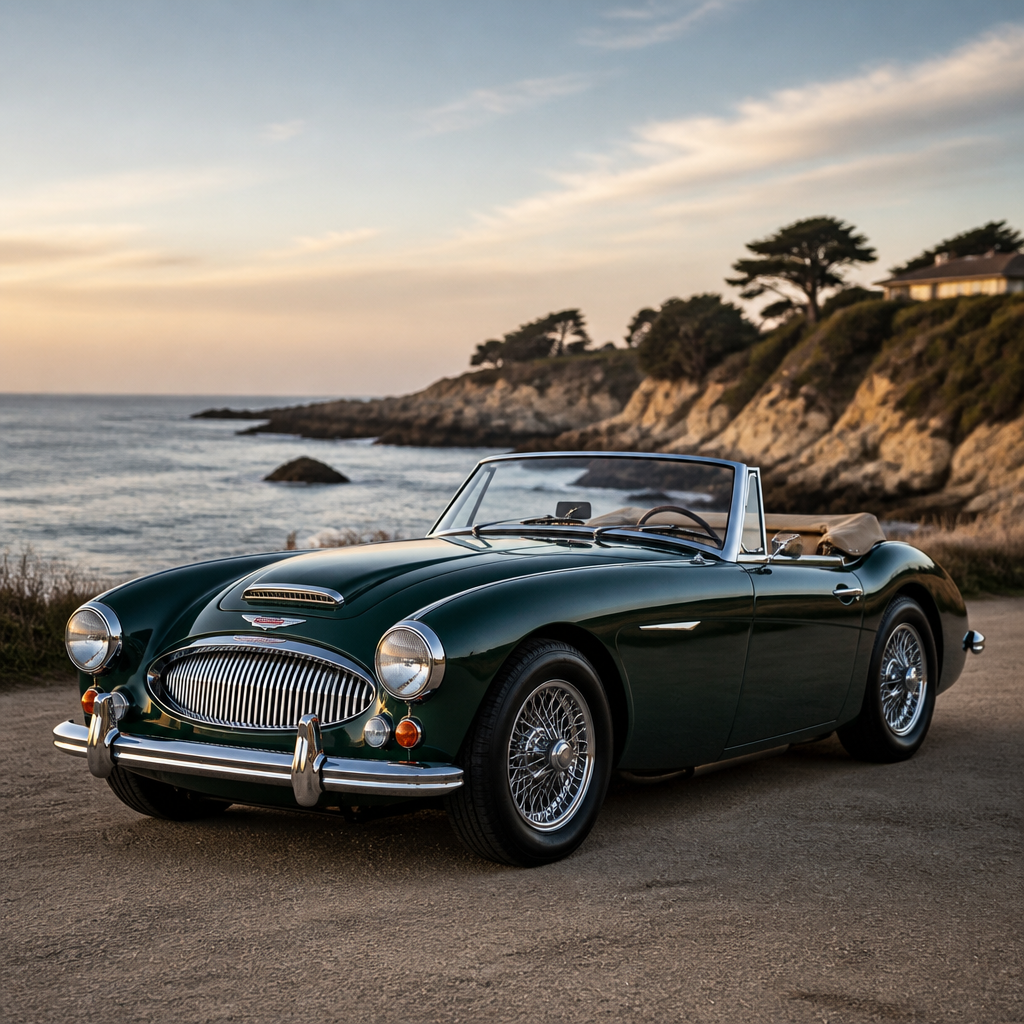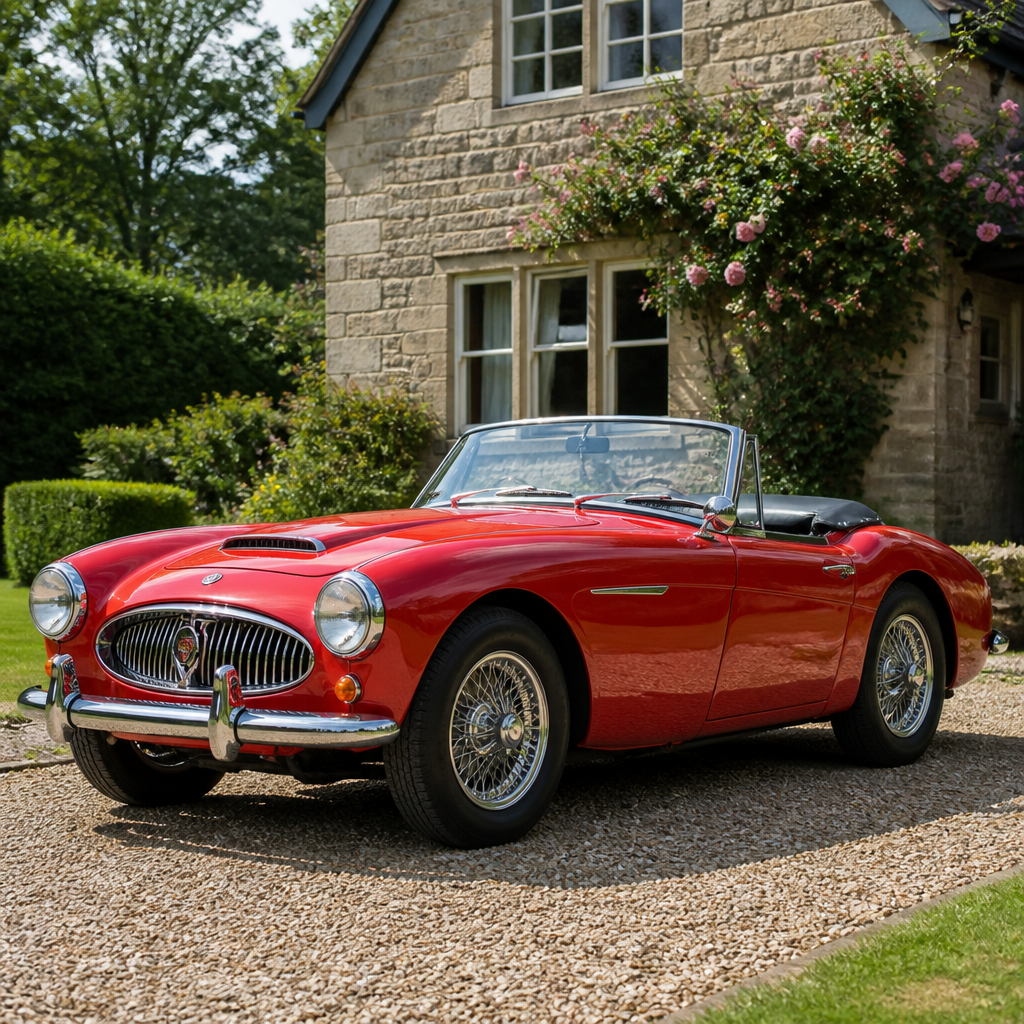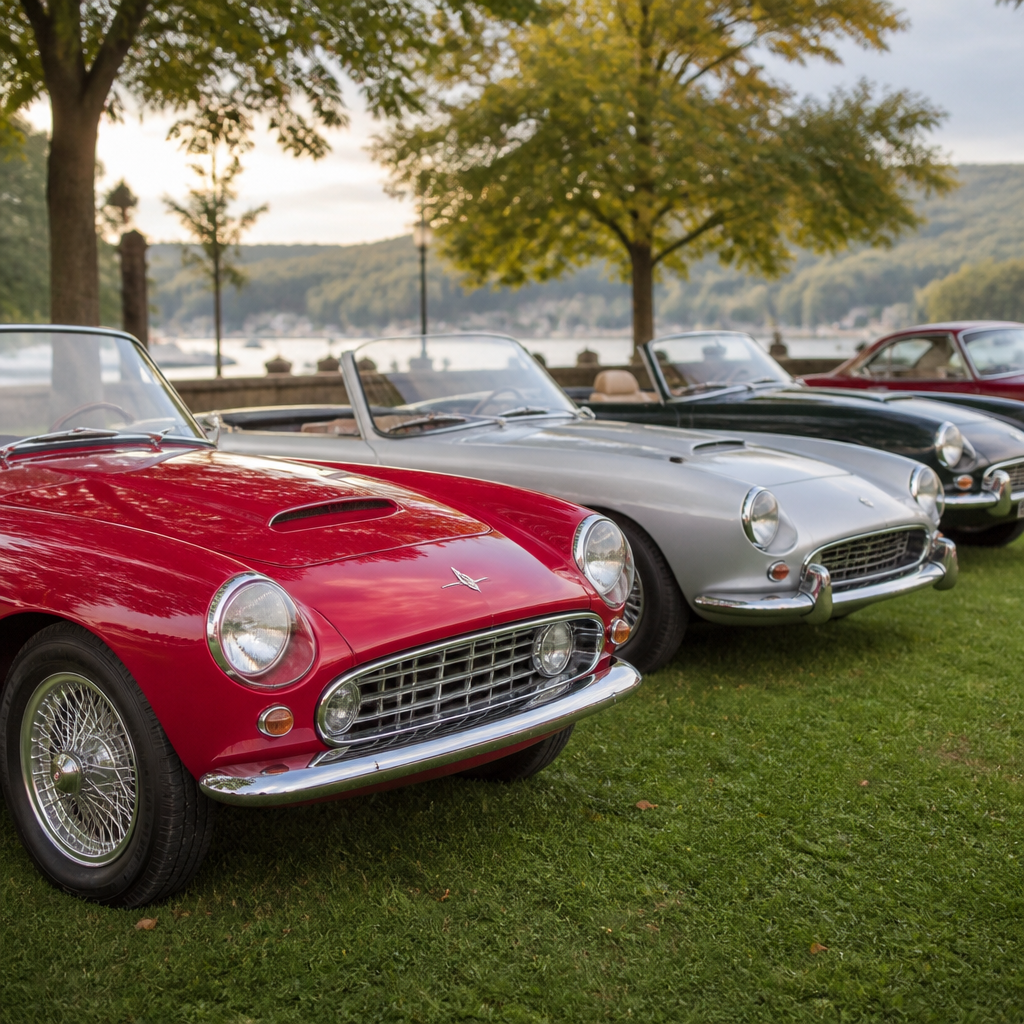
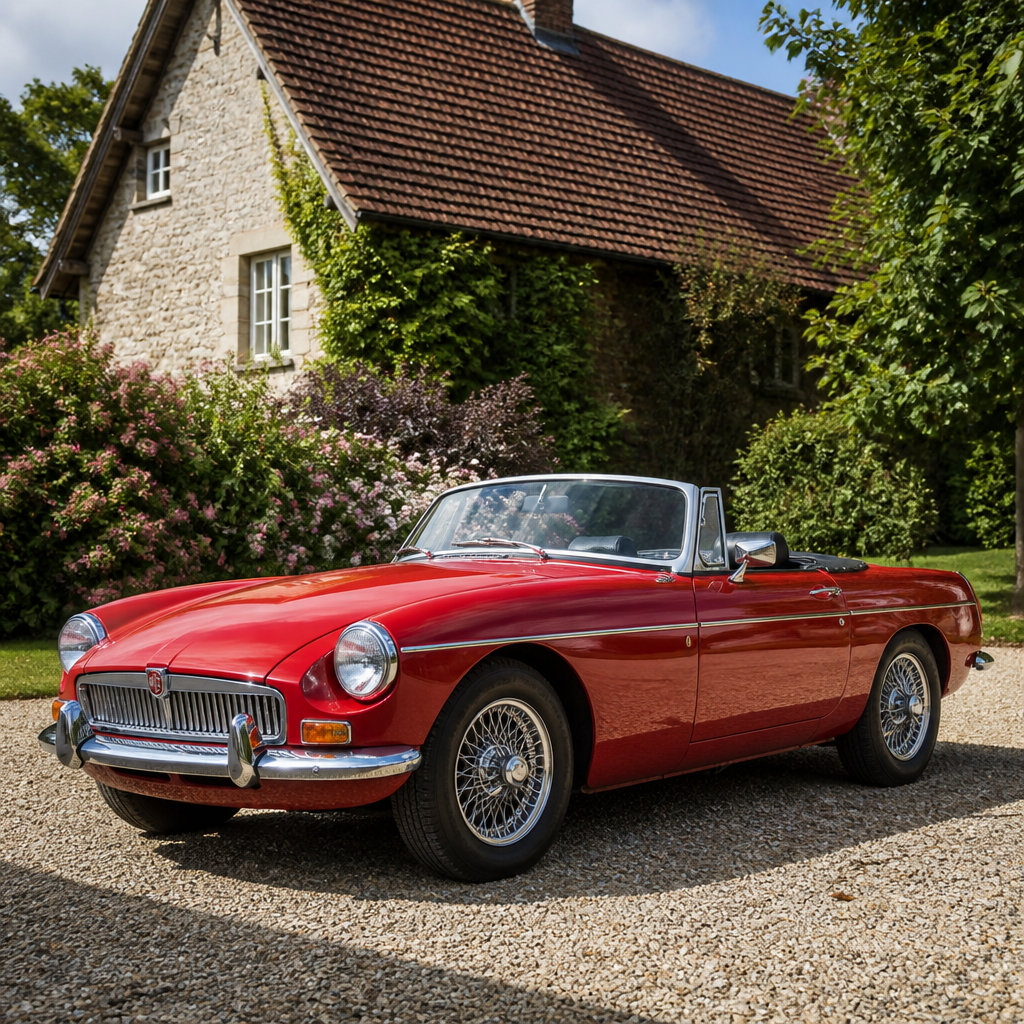
Agreed value insurance for classic cars is a policy structure that pays a preapproved amount if the vehicle is stolen or totaled, rather than relying on standard market depreciation at the time of loss. For owners of antique, collector, vintage, and enthusiast vehicles, that distinction is the difference between being made financially whole and being paid as if the car were just an old used vehicle. In practical terms, agreed value insurance recognizes that a 1967 Chevrolet Corvette Sting Ray, a well-kept Porsche 944, or a carefully restored Ford Bronco may have a value driven by rarity, provenance, restoration quality, and collector demand, not ordinary book value. I have worked with collector-car policies long enough to see the same mistake repeated: owners spend years restoring a car, store it properly, document every part, then assume a standard auto carrier will understand its real worth.
Insurance for classic cars sits inside the broader responsibilities of classic car ownership, alongside maintenance, secure storage, registration, and preservation. The core terms matter. A classic car insurer generally distinguishes between agreed value, actual cash value, and stated value. Actual cash value usually means replacement cost minus depreciation, which is often unfavorable for collectible vehicles. Stated value sounds similar to agreed value but often allows the carrier to pay the lesser of the stated amount or actual cash value. Agreed value is the strongest form for most collector cars because the payout amount is set in advance and confirmed in the policy. Eligibility can depend on vehicle age, condition, storage, annual mileage, and whether the car is used for daily commuting. Understanding those rules matters because the best premium means little if the policy does not fit how the car is really used.
This topic matters because collector vehicles are assets, hobbies, and pieces of history at the same time. According to Hagerty and major auction houses such as Barrett-Jackson and RM Sotheby’s, values can move significantly based on originality, trim level, and documentation. A matching-numbers muscle car can command far more than a visually similar car with replacement components. A classic truck with sympathetic preservation may outperform a fully modified example in some markets, while the opposite is true in others. That makes insurance more specialized than many owners expect. A proper classic car insurance hub should answer the practical questions first: what agreed value means, how to qualify, what coverage you need beyond collision and comprehensive, how claims are handled, and how to review a policy as values change. Those answers are the foundation for protecting a collector car responsibly.
How agreed value insurance works for classic cars
Agreed value insurance begins with a conversation about the vehicle’s insurable value before a loss occurs. The owner and insurer review the car’s year, make, model, condition, originality, restoration history, modifications, mileage, storage, and market comparables. The carrier may accept owner-submitted photos and records, request an appraisal, or use internal valuation tools informed by auction data and collector sales. Once approved, the policy declarations page lists the agreed value. If a covered total loss occurs, that amount is paid, subject to policy terms, deductibles, and any retained salvage arrangement. The central benefit is certainty. You do not have to argue after a fire, theft, or catastrophic collision about whether the car is worth two times or five times a standard pricing guide estimate.
Consider a restored 1970 Dodge Challenger R/T insured on a regular auto policy. A standard carrier might evaluate it through conventional used-car systems that were built for ordinary transportation vehicles. Even if an adjuster acts in good faith, the valuation framework may not account for restoration receipts, date-coded parts, factory options, or current collector demand. Under an agreed value policy, those details are addressed when the policy is written, not during the stress of a major claim. This structure is especially important for cars that are seldom traded in mainstream retail channels. The fewer good comparables available in ordinary databases, the more valuable agreed value becomes.
Agreed value does not eliminate every responsibility. Owners still need to update coverage as markets shift or as a project car moves from driver quality to concours condition. I have seen owners insure a car at the value it had five years earlier, then invest heavily in paint, interior, engine work, and documentation without revisiting the policy. That creates underinsurance even with an agreed value contract. The rule is simple: if the replacement or collector value changes materially, request a review. Good insurers make periodic adjustments straightforward, and serious owners treat valuation review as part of annual policy maintenance.
Agreed value vs stated value vs actual cash value
These three terms are often confused, yet they produce very different outcomes. Actual cash value is the default on many ordinary auto policies. It pays the depreciated value at the time of loss. For a ten-year-old commuter car, that approach is normal. For a collectible Alfa Romeo Spider or first-generation Mustang, it is often inadequate because market appreciation and collector premiums are real. Stated value is more nuanced and frequently misunderstood. In many policies, the owner states a value for rating purposes, but the claim payment may still be limited to the lesser of that amount or actual cash value. That means a stated value policy can look generous on the declarations page while offering less certainty in a total-loss scenario.
Agreed value is usually the clearest option because the carrier accepts a specific amount in writing. That does not mean every claim is automatic or unlimited. Partial losses are still adjusted based on repair cost, parts availability, labor rates, and policy provisions. Also, policy language matters. Some carriers use terms like guaranteed value or agreed amount; owners should verify exactly how a total loss is settled. Reading the insuring agreement is more important than relying on the sales label. If there is one lesson I emphasize to every collector, it is this: never assume two policies with similar names provide the same settlement standard.
| Policy type | How value is set | Total-loss payout basis | Best fit |
|---|---|---|---|
| Actual cash value | Determined at claim time with depreciation | Current depreciated market value | Regular daily-use vehicles |
| Stated value | Owner declares value for underwriting | Often the lesser of stated amount or actual cash value | Special cases where agreed value is unavailable |
| Agreed value | Owner and insurer approve value in advance | Predetermined amount listed in policy | Classic, collector, antique, and specialty cars |
What qualifies as a classic car for insurance
A classic car for insurance purposes is not defined by age alone. Most specialty insurers look at a blend of age, condition, rarity, usage, and storage. Some will insure modern collector vehicles, including limited-production sports cars from the 1990s and 2000s, while others focus on vehicles more than twenty or twenty-five years old. The common thread is that the vehicle is not used like a normal commuter car. It is generally maintained as a collectible, driven occasionally, and stored in an enclosed, secure garage or similar facility. Insurers often ask whether every licensed household member has a regular-use vehicle. If the classic appears to be a substitute daily driver, eligibility can disappear quickly.
Condition and documentation also shape qualification. A largely original 1988 BMW M3 with strong records may fit a collector program easily. A heavily rusted project car can sometimes be insured, but usually with stricter conditions, lower values, or restoration-stage limits. Modified cars are insurable too, but they require accurate disclosure. Engine swaps, suspension changes, custom interiors, and aftermarket paint can increase value in some enthusiast segments and reduce market appeal in others. Specialty underwriters know those differences. They may ask for detailed build lists, dyno sheets, or invoices because modifications change both the loss exposure and the value story.
Storage is not a trivial underwriting question. A locked private garage reduces theft, vandalism, weather, and accidental damage. Covered parking is better than open exposure, but most insurers prefer enclosed storage. In hurricane, wildfire, and hail-prone regions, location affects both availability and price. Owners should answer storage questions precisely. If a policy is written assuming a garaged vehicle but the car normally sits outside, a future claim becomes harder. Collector insurance rewards careful ownership, and secure storage is one of the strongest signals an insurer can receive.
Coverage options every classic car owner should understand
Insurance for classic cars includes more than agreed value collision protection. Comprehensive coverage handles non-collision losses such as theft, fire, falling objects, weather, and vandalism. Because many collector cars spend long periods in storage, comprehensive claims are common and important. Liability coverage remains essential whenever the vehicle is driven or displayed in public settings. Uninsured and underinsured motorist coverage matters too, especially because a serious accident with an inadequately insured driver can leave a large gap. Medical payments or personal injury protection may apply depending on state rules and how the car is used.
Specialty policies often add benefits tailored to collector ownership. Flatbed towing is one of the most useful because low-clearance classics and delicate drivetrains should not be dragged onto standard wreckers. Spare parts coverage can protect hard-to-find components stored off the vehicle. Automobilia, tools, and restoration equipment may need separate endorsement or separate policies. Some insurers include trip interruption coverage, which helps if the car breaks down far from home during a tour or show. Others offer flexible attendance usage for parades, club events, exhibitions, and occasional pleasure driving. These features matter because classic car ownership patterns differ sharply from everyday transportation.
Owners should also ask about repair rights. Can you choose your own restoration shop? Are OEM, NOS, reproduction, or fabricated parts handled sensibly when originals are unavailable? In practice, claims quality depends heavily on the adjuster’s familiarity with specialty repairs. A quarter panel on a late-model sedan and hand-fitted trim on a 1955 Mercedes-Benz 300SL are completely different claims environments. The best policies support qualified specialty shops, realistic labor hours, and repair methods consistent with preservation standards. Cheap premiums lose their appeal if the policy fights the very repair process the car requires.
How premiums are priced and how to lower costs safely
Classic car insurance premiums are usually lower than owners expect because the risk model differs from standard auto insurance. Limited annual mileage, secure storage, careful owners, and selective use all reduce claim frequency. A collector who drives three thousand miles a year to shows and weekend events presents a different exposure than a commuter driving fifteen thousand miles in traffic. Premiums are influenced by agreed value, location, driver history, storage type, vehicle performance, theft appeal, and whether the policy includes broad usage privileges. High-value exotics, convertibles, and models with expensive parts generally cost more to insure, even with limited use.
There are sound ways to reduce premium without weakening protection. Choose an annual mileage plan that reflects actual use rather than a generous estimate. Bundle multiple collector cars if the insurer offers a portfolio discount. Improve storage with alarms, battery cutoffs, and fire suppression. Maintain a clean driving record across all household drivers. Consider a higher deductible only if it fits your financial tolerance. Most importantly, avoid underinsuring the car just to save premium. The savings are usually modest relative to the financial exposure. A policy should match the real replacement value of the vehicle, not a number chosen for comfort.
Price shopping is healthy, but comparisons need discipline. Ask each insurer the same questions about valuation, salvage rights, parts sourcing, usage restrictions, deductibles, and claims handling. Some policies appear cheaper because they narrow use definitions or require more restrictive storage conditions. Others may exclude track activity, timed events, commercial use, or lending the car to certain drivers. Those limitations are reasonable, but they should be understood before purchase. In my experience, owners who compare only the premium often discover important differences after a claim, when changing carriers no longer helps.
How to document value and handle claims correctly
The strongest classic car claim starts long before any loss. Keep clear photos of the exterior, interior, engine bay, trunk, VIN plates, odometer, and notable components. Save receipts for restoration, maintenance, paintwork, upholstery, chrome, glass, and mechanical rebuilds. If the car has awards, judging sheets, historical documents, or factory certificates, keep copies offsite and digitally. For higher-value vehicles, an independent appraisal can be useful, especially after major restoration work or significant market movement. Documentation does not just support value; it accelerates underwriting and reduces disputes.
If a loss occurs, report it promptly, protect the vehicle from further damage, and avoid authorizing major disassembly before speaking with the insurer unless immediate mitigation is necessary. Ask whether the adjuster has collector-car experience and whether a specialty appraiser will be assigned. For theft claims, provide identifying marks, parts numbers, and distinguishing modifications. For repairable losses, involve the shop early so labor methods and parts strategy are realistic. Collector claims often turn on details that ordinary collision workflows miss. That is why specialized carriers and experienced shops tend to produce better outcomes for serious enthusiasts.
This hub article should guide your next step: review your current policy, confirm whether you have true agreed value coverage, update your documented valuation, and close any gaps in storage, usage, or claims preparation. Classic cars deserve insurance built for how they are owned, driven, restored, and valued. When the policy matches the vehicle, you protect more than sheet metal—you protect time, money, provenance, and the freedom to enjoy the car with confidence. Compare specialist insurers, read the policy language carefully, and make insurance part of responsible classic car ownership today.
Frequently Asked Questions
What is agreed value insurance for classic cars?
Agreed value insurance is a type of classic car policy that pays a preapproved amount if the vehicle is stolen or declared a total loss. Instead of using standard auto insurance methods that factor in age, mileage, and depreciation, the insurer and vehicle owner agree on the car’s value when the policy is written. That amount is then listed in the policy and serves as the basis for the payout, subject to the policy’s terms and conditions.
This is especially important for classic, antique, vintage, collector, and enthusiast vehicles because their true worth often has little to do with ordinary used-car pricing. A well-kept or restored 1967 Chevrolet Corvette Sting Ray, for example, may be worth far more than a conventional insurer’s valuation system would suggest. Agreed value coverage is designed to reflect the collectible nature, rarity, condition, originality, and market desirability of vehicles like that, helping owners avoid being compensated as though the car were simply an old daily driver.
How is agreed value insurance different from actual cash value coverage?
The biggest difference is how the insurer determines what your car is worth after a serious loss. With actual cash value coverage, the insurance company typically pays what it believes the vehicle was worth immediately before the loss, often taking depreciation into account. That approach may work for ordinary cars, but it can seriously undervalue a classic vehicle whose collector appeal has increased over time or whose restoration and maintenance have added substantial value.
Agreed value insurance removes much of that uncertainty by establishing the vehicle’s insured value in advance. If the car is later stolen or totaled, the policy is structured around that agreed amount rather than a last-minute valuation dispute. For classic car owners, this can provide far more predictability and financial protection. It helps ensure the settlement reflects the car’s collectible status instead of relying on generic market data that may not account for rarity, historical significance, or specialized upgrades.
How do insurers determine the agreed value of a classic car?
Insurers generally look at several factors to establish an agreed value, including the car’s make, model, year, condition, originality, restoration quality, mileage, documentation, and recent sales of comparable vehicles. Photos, appraisals, maintenance records, receipts for restoration work, and evidence of market demand can all help support the value you are requesting. The more thoroughly you document the vehicle, the easier it is for the insurer to justify a realistic and defensible agreed amount.
In many cases, owners and insurers work together to arrive at a number that reflects the car’s current collector-market value. A professionally restored or exceptionally original example may warrant a higher figure than an average version of the same model. If the market changes significantly, it is wise to review the policy periodically so the agreed value stays current. That way, if values rise for a specific classic or vintage vehicle, your coverage can be adjusted before a loss occurs rather than after.
Does agreed value insurance cover more than just total loss or theft?
Yes, many agreed value classic car policies can include broader protections beyond total loss and theft, although the exact coverage depends on the insurer and policy options selected. In addition to paying the agreed amount when the car is stolen or totaled, policies may also provide coverage for collision damage, fire, vandalism, weather-related losses, and sometimes spare parts or automobilia. Some insurers offer specialized benefits such as flexible repair shop choice, access to restoration experts, or towing designed for low-clearance and collectible vehicles.
That said, classic car insurance is often written with specific usage rules. These vehicles are commonly expected to be stored securely, driven on a limited basis, and not used as regular daily transportation. Owners should read the policy carefully to understand mileage limitations, storage requirements, driver eligibility, and any restrictions on commuting or commercial use. The strength of agreed value insurance is not just the valuation method, but the fact that it is tailored to how collector vehicles are actually owned, protected, and enjoyed.
Who should consider agreed value insurance for a classic car?
Agreed value insurance is a smart option for anyone who owns a vehicle with collectible, historical, sentimental, or enthusiast value that would not be accurately reflected by standard auto insurance. That includes owners of antique cars, muscle cars, hot rods, vintage trucks, classic sports cars, exotics, limited-production models, and even newer enthusiast vehicles that have become collectible. If your car has been restored, preserved in exceptional condition, or customized in a way that increases its market value, agreed value coverage is often worth serious consideration.
It is particularly valuable for owners who want certainty. If you have invested substantial money into restoration, maintenance, paintwork, mechanical upgrades, or authentic parts sourcing, you likely do not want to leave your payout to a depreciation-based claims process. Agreed value insurance gives you a clearer financial safety net and better aligns coverage with the real-world value of the vehicle. For many classic car owners, that clarity is one of the main reasons to choose a specialized collector-car policy over a standard auto policy.