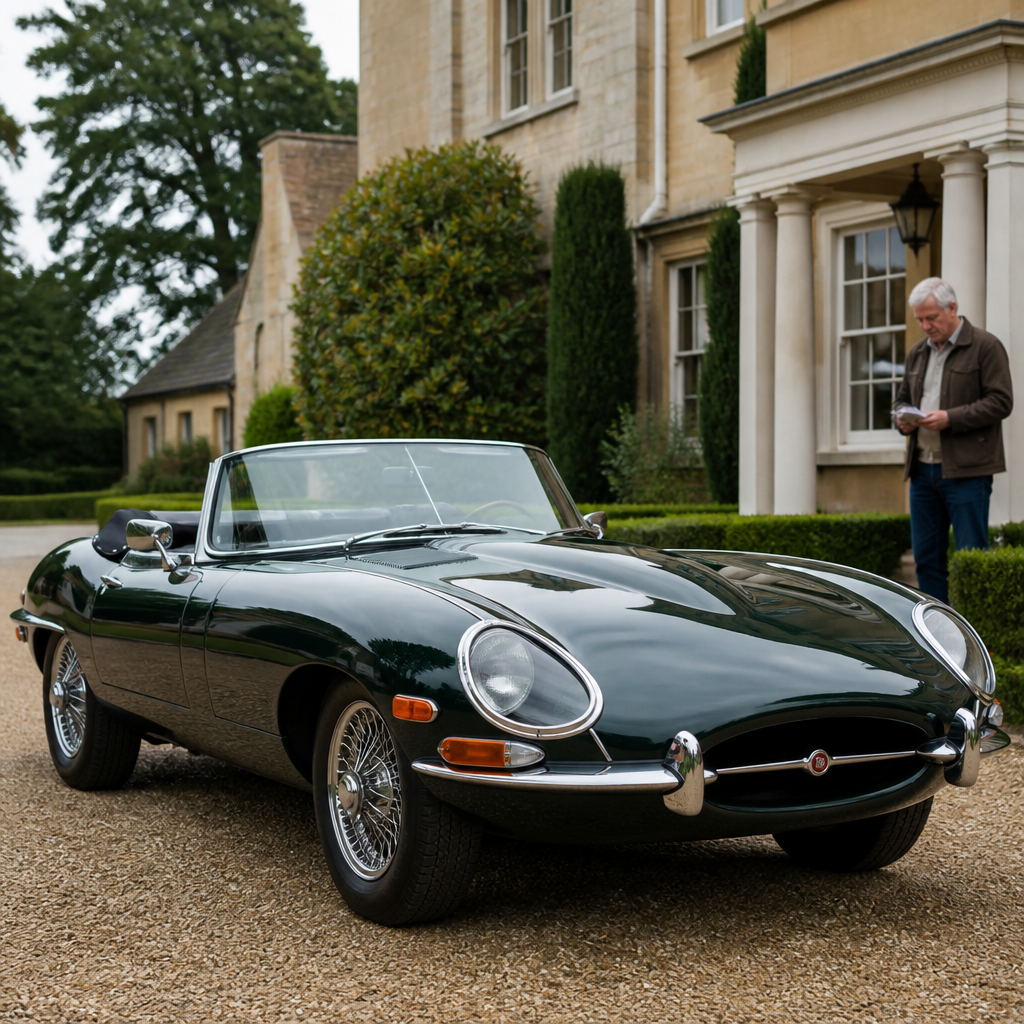
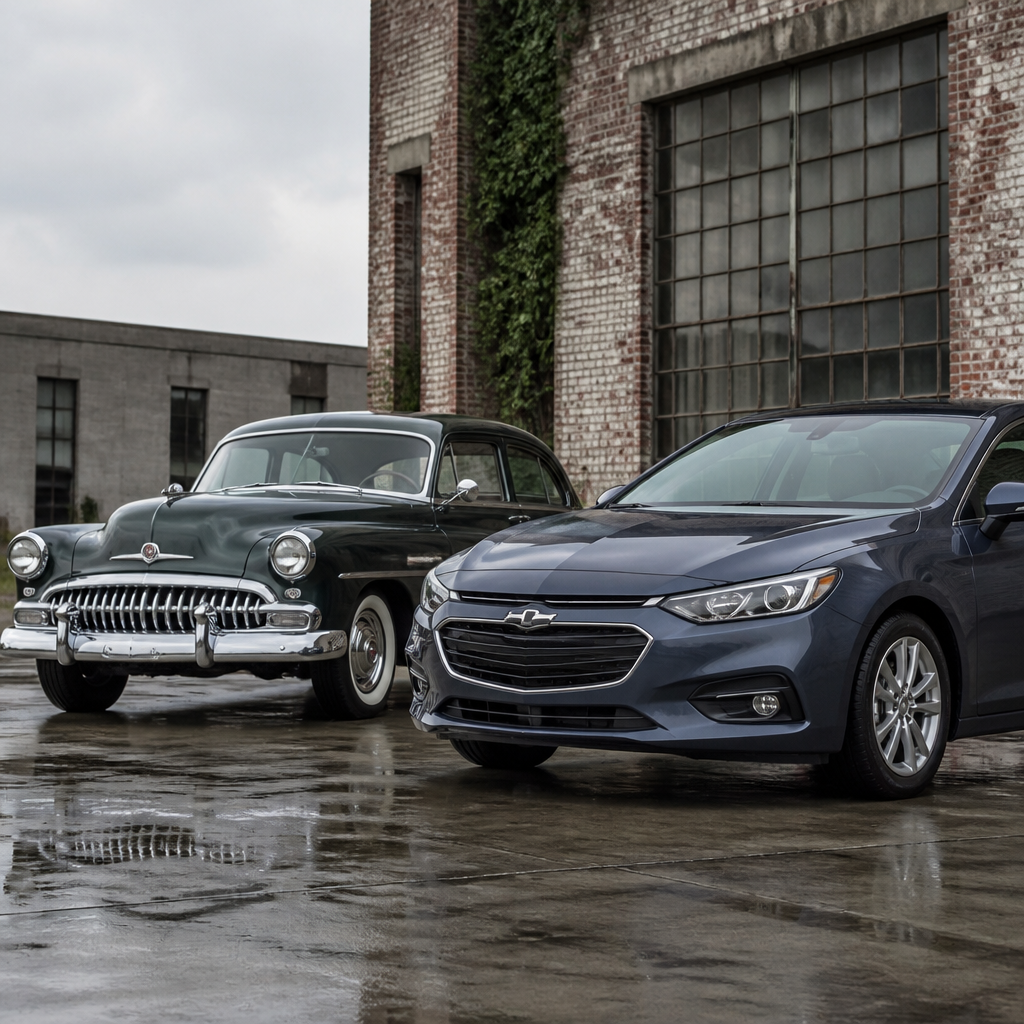
Classic car insurance and regular car insurance protect vehicles in very different ways, and anyone serious about classic car ownership needs to understand that difference before choosing a policy. A regular auto policy is built for daily transportation: commuting, shopping, school runs, and ordinary wear. A classic car policy is designed for a limited-use vehicle whose value often depends on rarity, originality, condition, documented restoration work, and collector demand. In practice, that means the underwriting rules, valuation methods, mileage limits, storage expectations, and claims process are not the same.
When I have reviewed policies with collectors, the biggest misconception is that an older car automatically qualifies as a classic car for insurance purposes. It does not. Insurers usually look at a combination of age, historical interest, usage, condition, modifications, and whether the vehicle is stored securely. A 1994 sedan with high mileage and daily-driver duty may belong on a standard policy, while a carefully preserved 1994 performance coupe used for club events may fit a collector policy. The key question is not just how old the car is, but how it is used and how the insurer defines collectible risk.
That distinction matters because the wrong policy can leave an owner underinsured at the worst possible moment. Standard car insurance generally settles losses using actual cash value, which means depreciation is applied. For many classics, real market value moves in the opposite direction. A well-kept air-cooled Porsche 911, first-generation Ford Bronco, or 1967 Chevrolet Camaro may appreciate over time, especially with matching numbers, documented service history, and period-correct components. If the policy values the car like ordinary used transportation, the payout after a total loss can fall far short of replacement cost.
Insurance for classic cars also matters because ownership risks are broader than collision and liability alone. Collectors often need spare parts coverage, restoration under construction protection, automobilia or tools endorsements, roadside assistance for low-clearance or hard-to-tow vehicles, and options for cars displayed at events. Some policies also contemplate diminished parts availability, specialized repair networks, and the use of agreed value instead of depreciated value. As the hub for insurance for classic cars, this guide explains the differences, outlines how coverage works, and helps you evaluate which type of policy fits your vehicle, your budget, and the way you actually drive.
What classic car insurance covers that regular car insurance often does not
The defining feature of classic car insurance is agreed value coverage. With agreed value, you and the insurer set the vehicle’s value upfront, based on photos, appraisals when required, auction comparables, receipts, and market evidence. If the car is stolen or totaled in a covered claim, that agreed amount is generally what the policy pays, less any deductible and subject to policy terms. This is fundamentally different from regular insurance, which usually relies on actual cash value, a depreciation-based method better suited to mass-market vehicles.
Classic policies also frequently include specialized protections tailored to collector ownership. These can include coverage for spare parts, automobilia, towing by flatbed, trip interruption, and restoration work in progress. If you have ever tried to source original trim pieces, date-coded wheels, or a rare carburetor, you know that replacement cost is not theoretical. It is a real claims issue. Standard insurers may not understand the importance of originality or may authorize repairs with generic parts, while collector insurers are more accustomed to working with specialty shops and marque-specific realities.
Eligibility rules are stricter, and that is partly why premiums can be surprisingly reasonable. Many collector policies require secure indoor storage, another insured daily-use vehicle for each licensed driver, a clean driving record, and limited annual mileage. Those restrictions reduce claim frequency. The insurer assumes the classic is not sitting in commuter traffic, crowded parking lots, or winter road salt. In exchange, the owner gets value protection that aligns more closely with the collector market.
| Feature | Classic Car Insurance | Regular Car Insurance |
|---|---|---|
| Vehicle value basis | Agreed value or stated mechanisms tailored to collectors | Usually actual cash value with depreciation |
| Usage assumption | Limited pleasure use, shows, club drives, exhibitions | Daily driving, commuting, routine errands |
| Storage expectation | Often locked garage or secure private facility | No special storage requirement in most cases |
| Repair approach | Specialty shops and harder-to-source parts commonly recognized | Standard repair networks and typical replacement parts |
| Mileage limits | Commonly capped or usage restricted | Generally unrestricted for normal personal use |
One nuance matters here: not every collector policy is identical. Some use stated value rather than true agreed value. Stated value can sound similar, but depending on the contract language, the insurer may still reserve the right to pay actual cash value if that amount is lower. Owners should read the declarations page and policy form carefully. The wording determines the claim outcome, not the marketing brochure.
How insurers decide whether a car qualifies as a classic
There is no universal legal definition of a classic car for insurance purposes. Each carrier sets its own underwriting guidelines. Age is relevant, but it is only one factor. Some insurers accept vehicles at 20 years old if they have collector interest; others prefer 25 years or older. Many also insure antique, vintage, exotic, muscle, replica, and modified vehicles under a collector program, provided the usage profile fits. A 1980s Mercedes-Benz SL, 1990s Japanese sports car, or restored square-body pickup may qualify if condition and use meet the standard.
Condition is critical. Insurers generally want vehicles that are maintained above ordinary transportation standards. That does not always mean concours perfection, but it does mean the car is cared for as a collectible. Faded paint, deferred mechanical issues, or rust-through can complicate acceptance. Underwriters often review recent photographs of all sides, interior, engine bay, and storage location. Some request appraisals for higher-value vehicles or uncommon models where market comps are thin.
Usage is usually the deciding factor. Collector insurance is intended for hobby use, not primary transport. Policies often permit club meetings, pleasure drives, exhibitions, occasional trips, and sometimes limited workplace visits, but they usually prohibit routine commuting, school parking, food delivery, rideshare, or business hauling. If you plan to drive the car three days a week to the office, a regular policy may be the only realistic fit, even if the vehicle itself has collector value.
Storage and household vehicle access also matter. Most classic insurers want the car stored in a locked private garage, barn, or professional storage facility. Street parking is frequently disqualifying. They also usually require every licensed household member to have access to a regular-use insured vehicle. This is how the insurer confirms the classic is not a disguised daily driver. From an underwriting perspective, that requirement is central to pricing and risk selection.
Cost differences, valuation methods, and why cheaper is not always better
Collectors are often told that classic car insurance is always cheaper than regular insurance. Sometimes it is, but the better statement is that it can be cheaper because the risk profile is narrower. Limited mileage, careful storage, mature drivers, and hobby use reduce exposure. However, premium is only meaningful when paired with the right valuation method and sufficient coverage limits. A low premium on the wrong policy is expensive if a claim pays thousands less than the car is worth.
The valuation method drives most of the financial difference. Actual cash value starts with replacement cost and subtracts depreciation. Agreed value starts with documented collector value and fixes the insured amount at policy issue, subject to updates. Stated value sits between them and must be reviewed carefully. If your 1970 Dodge Challenger has a market-supported value of $65,000 but sits on a standard policy that views it as an old used car worth a fraction of that, you have a major coverage gap.
Premium also changes with driver profile, ZIP code, theft rates, catastrophe exposure, storage type, driving record, and vehicle characteristics. High-value coastal collections face different pricing pressures than a single Midwest cruiser kept in a detached garage. Convertibles, high-horsepower cars, and theft-prone models may cost more. So will cars in wildfire, hail, or hurricane regions. Insurers also look at whether restoration work was professional, owner-performed, or only partially completed.
Deductibles and liability limits should not be overlooked. Many owners focus on the physical damage value of the car and neglect bodily injury and property damage liability. If your classic causes a serious accident, liability exposure can dwarf the vehicle’s value. I generally see knowledgeable owners carry strong liability limits and often add an umbrella policy, especially when they attend events, drive with passengers, or maintain multiple vehicles. The cheapest premium is rarely the smartest metric; policy fit, valuation accuracy, and claims handling quality matter more.
Claims, repairs, and real-world situations owners should plan for
A classic car claim unfolds differently from a standard fender-bender in a late-model commuter car. Repairing a collector vehicle may involve sourcing new-old-stock parts, rebuilding original components, or matching paint over aged finishes. A specialty insurer is more likely to understand why an owner wants a marque-experienced shop rather than the nearest direct-repair facility. That matters because improper repairs can damage value, authenticity, and future resale prospects.
Consider a minor front-end collision in a 1965 Ford Mustang. A regular insurer may see an old coupe needing conventional body work. A collector insurer may recognize the importance of preserving original sheet metal, trim, and date-appropriate components. The same logic applies to a Mercedes W113 SL, a Jaguar E-Type, or a C3 Corvette, where the difference between reproduction parts and correct parts can be material. Good policies also address transportation to specialist repairers and may include flexible shop choice.
Total loss scenarios are where the gap becomes most painful. Theft, fire, flood, or severe crash damage can erase years of restoration investment. If the policy carries agreed value that reflects current market conditions, the owner can recover financially with far less dispute. If the policy relies on depreciated value, settlement negotiations often become adversarial. Documentation helps either way: keep photos, appraisals, receipts, restoration logs, and serial or engine number records. For collector claims, paperwork is part of the asset.
Owners should also ask about salvage retention, spare parts reimbursement, and coverage during transport. Many classics travel to auctions, paint shops, storage facilities, or events on trailers. Losses can occur off the road as easily as on it. If the car is mid-restoration or stored for winter, verify the policy still addresses fire, theft, vandalism, and weather damage during non-driving periods. Good insurance for classic cars accounts for ownership reality, not just a simple weekend cruise.
How to choose the right policy for a classic car collection or a single vehicle
The best way to choose between classic car insurance and regular car insurance is to start with honest use patterns. If the vehicle is a daily driver, regular insurance is usually necessary. If it is a hobby car stored securely and driven selectively, a collector policy is often the better tool. Begin by listing annual mileage, storage type, driver access, restoration status, and market value evidence. Then compare policy forms, not just quotes. The declarations page, valuation language, exclusions, and endorsements determine whether the policy truly fits.
For a single classic, focus first on agreed value, usage permissions, and repair flexibility. For a collection, pay close attention to blanket versus scheduled structures, storage concentration risk, catastrophe deductibles, and whether newly acquired vehicles receive automatic temporary coverage. Owners with multiple cars should also ask how the insurer handles seasonal changes, transport between locations, and spare parts inventories. A collection introduces operational risks that a single-car policy may not address well.
It is also wise to review the insurer’s reputation in the collector community. Companies commonly recognized in this space include Hagerty, Grundy, American Collectors Insurance, and mainstream carriers with collector divisions, though availability varies by state and vehicle type. Ask whether they require appraisals, how often values should be updated, whether modified cars are accepted, and how claims are assigned. If the representative cannot explain agreed value clearly, that is a warning sign.
Finally, revisit your policy regularly. Collector markets move. A vehicle bought for $28,000 five years ago may now support a much higher insured value, or the market may have cooled. Restoration work, engine rebuilds, rare options, and provenance should be reflected in the file. Insurance for classic cars is not set-and-forget coverage. It works best when the owner treats the policy like part of the preservation plan, alongside maintenance records, secure storage, and disciplined use.
Classic car insurance versus regular car insurance comes down to a simple truth: collector vehicles need collector-specific protection. Regular auto insurance is built for daily transportation and usually values losses through depreciation. Classic car insurance is built for limited-use vehicles whose worth depends on condition, originality, rarity, documentation, and market demand. That difference affects everything from eligibility and pricing to repairs, claims handling, and total loss payouts.
If your car is driven occasionally, stored securely, and maintained as a collectible, a specialist policy will usually align better with the real risks of ownership. The strongest policies use agreed value, allow specialist repairs, recognize spare parts and restoration realities, and price the risk according to limited mileage and careful use. If the car is a true daily driver, standard insurance may still be the right answer, but you should understand the tradeoff in valuation and collector-specific protection.
The main benefit of choosing the right coverage is financial certainty. When a loss happens, you want the policy to match how the car is owned, how it is repaired, and what it would cost to replace in today’s market. Review your current declarations page, confirm the valuation method, document the car thoroughly, and compare collector insurers before renewal. For anyone building confidence in classic car ownership, this is one of the most important decisions to get right.
Frequently Asked Questions
What is the main difference between classic car insurance and regular car insurance?
The biggest difference is what the policy is designed to protect. Regular car insurance is built for everyday driving and assumes the vehicle is being used for commuting, errands, school drop-offs, and general transportation. Because of that, the insurer typically values the car based on standard market depreciation. In other words, as a normal vehicle gets older, its insured value usually goes down.
Classic car insurance works differently because it is intended for collector vehicles that are driven less often and maintained more carefully. A classic car may actually hold its value or increase in value over time depending on rarity, originality, restoration quality, historical significance, and collector demand. That is why many classic car policies use an agreed value structure. With agreed value coverage, you and the insurer establish the car’s value upfront, so if there is a covered total loss, the payout is based on that agreed amount rather than a depreciated book value.
Another important difference is usage. Regular auto policies are generally flexible about day-to-day use, while classic car insurance usually comes with mileage limits, storage requirements, and restrictions on how often and why the vehicle is driven. The tradeoff is that a properly structured classic car policy can provide coverage that is much better aligned with how collector vehicles are owned, preserved, and valued.
Why do classic cars usually need agreed value coverage instead of standard actual cash value coverage?
Agreed value coverage is important because standard actual cash value coverage often does not reflect what a collector vehicle is truly worth. Under a regular insurance policy, a claims adjuster may look at age, depreciation, mileage, and broad market comparisons to determine value. That approach can work reasonably well for a late-model daily driver, but it can seriously undervalue a classic car that has been restored, preserved, or carefully documented over the years.
For example, a vintage vehicle may have rare factory options, matching numbers, original trim, period-correct parts, or a high-quality restoration that significantly increases its value in the collector market. A standard policy may not account for those details in a meaningful way. As a result, if the car is stolen or totaled, the owner may receive a settlement that falls far short of the real financial loss.
With agreed value coverage, the insurer and owner determine the insured amount when the policy is written, often using appraisals, photographs, restoration records, and market data. That creates far more clarity before a claim ever happens. For serious collectors, this structure is one of the most valuable features of classic car insurance because it reduces the risk of unpleasant surprises after a major loss.
Can you use a classic car as a daily driver?
In most cases, no—or at least not if you want the protections of a true classic car insurance policy. Most classic car insurers expect the vehicle to be used on a limited basis, such as for club events, parades, exhibitions, occasional pleasure drives, or carefully managed weekend outings. They generally do not intend the policy to cover routine commuting, business use, or constant stop-and-go daily transportation.
These restrictions exist because the risk profile is different. A collector vehicle that is stored securely and driven occasionally is usually exposed to fewer hazards than a car that spends hours each day in traffic, parking lots, and unpredictable weather. Because classic policies are priced around lower usage and careful ownership, using the vehicle as a daily driver can violate the terms of the policy and potentially create issues if you need to file a claim.
Many insurers also require the household to have another regular-use vehicle for each licensed driver. That helps confirm the classic car is not being relied on for ordinary transportation. If you plan to drive your vintage or collectible vehicle frequently, it is essential to discuss that honestly with the insurer. The best policy is one that matches how the car is actually used, even if that means a standard auto policy or a specialty policy with more flexible terms.
What kinds of vehicles qualify for classic car insurance?
Qualification depends on the insurer, but it is not based on age alone. Many people assume any old car automatically qualifies as a classic, but insurers usually look at a broader set of factors. These can include the vehicle’s age, collector interest, condition, originality, rarity, modifications, historical significance, and how it is stored and used. Some insurers are comfortable covering antique cars, muscle cars, hot rods, exotic collector vehicles, vintage trucks, and even newer limited-production collectibles, while others follow stricter guidelines.
Condition matters a great deal. A vehicle that is well maintained, restored, or preserved is generally a stronger fit for classic coverage than one that is heavily worn or used like ordinary transportation. Storage also matters. Many classic insurers want the car kept in a secure garage or enclosed structure to reduce theft, vandalism, and weather-related damage. They may also ask for photos, appraisals, maintenance records, or documentation of restoration work.
Ownership habits are part of the qualification process as well. Insurers often want to see that the owner understands collector vehicle care and has separate vehicles for everyday use. So while age can be a starting point, eligibility really comes down to whether the car and the owner fit the collector-vehicle insurance model.
Is classic car insurance cheaper than regular car insurance?
It often can be, but only because the coverage assumptions are different. Classic car insurance is frequently less expensive than regular auto insurance when the vehicle is driven sparingly, stored securely, and used in lower-risk ways. Insurers may view a collector car that is taken out occasionally for shows or weekend drives as less likely to be involved in the kind of frequent-use accidents associated with commuting and daily errands.
However, lower premiums do not mean the coverage is weaker. In many cases, classic car insurance offers better protection for the specific needs of a collectible vehicle, especially through agreed value coverage and benefits tailored to restoration or specialty repair concerns. What keeps the cost down is mainly reduced exposure, not reduced importance.
That said, pricing varies widely based on the vehicle’s value, the driver’s record, storage conditions, location, mileage limits, and the insurer’s rules. A high-value collectible, a rare imported model, or a heavily customized classic may cost more to insure than a modestly priced standard vehicle. The key point is that classic car insurance is not simply “cheap insurance.” It is specialized insurance for a car that is driven, stored, and valued differently from an everyday automobile.