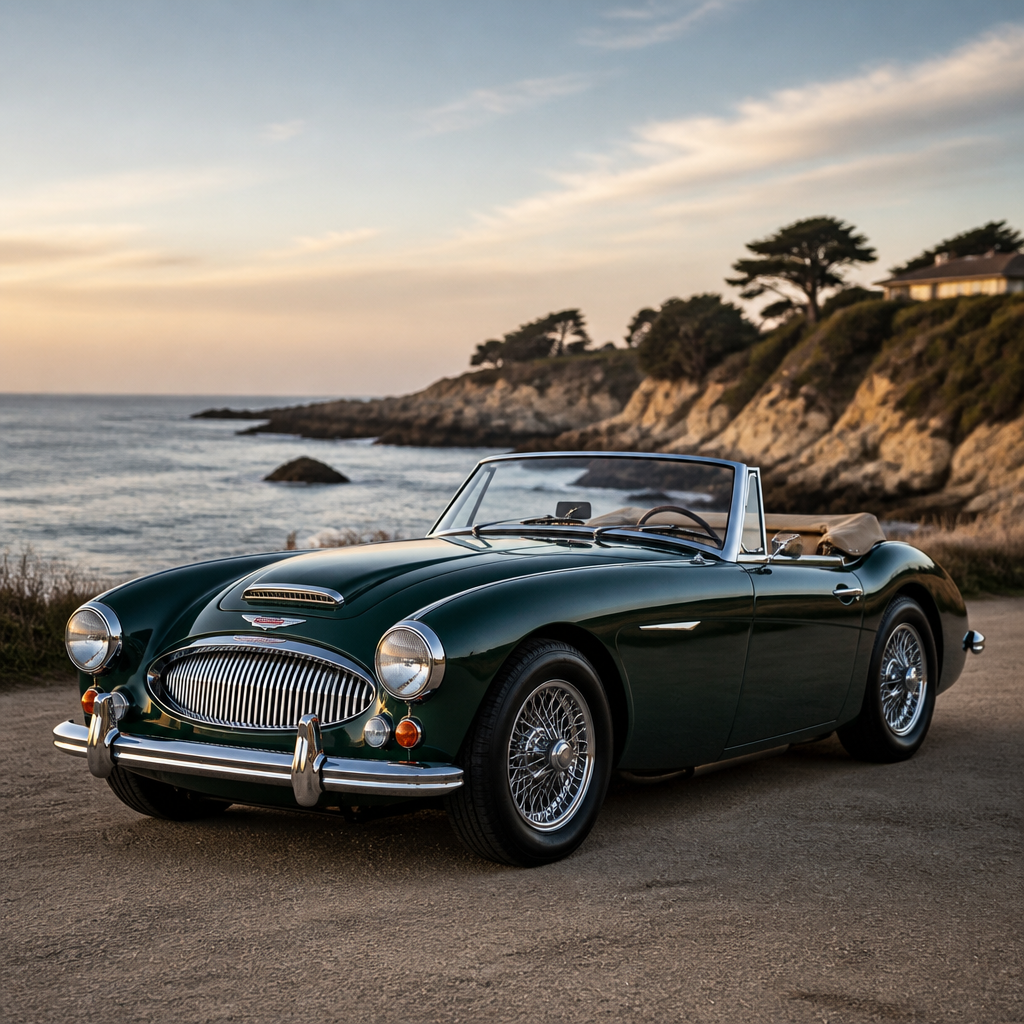
Classic car insurance protects vehicles whose value comes from rarity, age, historical significance, condition, and collector demand rather than simple depreciation. Unlike standard auto insurance, which usually settles a loss using actual cash value, classic car insurance is built around agreed value coverage, limited use, careful storage, and the reality that owners maintain, restore, and preserve these vehicles differently from daily drivers. If you own a 1967 Ford Mustang fastback, a Jaguar E-Type, an air-cooled Porsche 911, or even a 1990s Japanese performance car now entering collector status, the policy structure matters as much as the premium.
Insurance for classic cars is not one-size-fits-all because the collector market is not one market. Some cars are restored to concours standards. Others are survivor cars with original paint and documentation. Some owners trailer their vehicles to shows, while others drive them on weekends, club tours, and charity rallies. I have seen owners assume their regular auto carrier would “take care of it,” only to discover after a claim that the car was valued like an old used vehicle, not a collectible asset. That gap is exactly why classic car insurance exists.
At its core, classic car insurance is designed to match how collector vehicles are owned and used. The key terms to understand are agreed value, stated value, usage restrictions, storage requirements, spare parts coverage, restoration coverage, and automobilia or tools endorsements. Agreed value means you and the insurer set the vehicle’s covered value up front, and that amount is paid in a total loss, minus any deductible if the policy applies one. Stated value often sounds similar, but it may still allow the insurer to pay actual cash value if that amount is lower, so the wording matters.
This topic matters because collector vehicles are financial assets, passion projects, and pieces of cultural history at the same time. Prices for well-documented classics can move sharply based on provenance, production numbers, market trends, and restoration quality. Repair costs are also specialized. A minor fender incident in a modern car might involve routine parts and labor, but a similar loss on a classic may require metal fabrication, scarce trim pieces, specialist paint matching, or sourcing new old stock components. The right policy protects both the market value and the unique ownership realities that come with a collectible car.
What qualifies as a classic car for insurance purposes
A classic car for insurance purposes is generally a vehicle that is older, maintained in good condition, stored securely, and not used as a primary commuter vehicle. The exact definition varies by insurer. Some carriers use age thresholds such as 15, 20, or 25 years old. Others insure newer limited-production vehicles, exotic cars, or “future classics” if collector demand is clear. Insurers look beyond age alone. They evaluate rarity, historical interest, modifications, condition, annual mileage, storage, and whether the vehicle is part of a collection.
That means a 2002 BMW M3, a 1997 Toyota Supra Turbo, or a 2005 Ford GT may qualify more easily than an ordinary sedan of the same age. Conversely, an older car in poor condition used for daily errands may not fit a collector program. Most specialty insurers also want every licensed household driver to have a regular-use vehicle, because collector policies are intended for occasional pleasure use, exhibitions, club events, and limited road enjoyment. This is one of the first underwriting questions owners encounter.
Modified classics require special attention. Period-correct upgrades, safety improvements, and documented performance modifications can often be insured, but only when disclosed properly. I have worked with policies where upgraded engines, custom interiors, and aftermarket wheels were covered because receipts and photographs were submitted in advance. I have also seen claims complicated by undisclosed modifications that materially changed the vehicle’s value. If your car is restomodded, pro-touring, or heavily customized, ask specifically whether the carrier writes modified collector vehicles and how the agreed value is supported.
How classic car insurance differs from standard auto insurance
The biggest difference is valuation. Standard auto insurance commonly pays actual cash value, which factors in depreciation and comparable used-car prices. That approach fails for collector vehicles because market value may rise over time. Classic car insurance usually uses agreed value, sometimes called guaranteed value by consumers, though policy language should be checked carefully. With agreed value, the insurer and owner establish a number based on appraisals, photos, auction results, receipts, and market guides before the policy is issued.
Usage is another major difference. Regular auto policies expect normal driving, commuting, parking at workplaces, and broad exposure to everyday risk. Collector policies usually limit commuting and require secure indoor storage such as a locked private garage or purpose-built facility. Premiums are often lower than owners expect because the insurer assumes fewer miles, better care, and lower loss frequency. Lower premiums do not mean weaker coverage; they reflect a different risk profile.
Claims handling also differs. Specialty insurers often work with repair shops experienced in classic restoration, OEM-correct finishes, chrome work, wood trim, and upholstery. That matters because the cheapest body shop is rarely the right shop for a vintage Mercedes-Benz SL or a split-window Corvette. Some policies include flexible repair options, use of original manufacturer parts when available, and coverage for spare parts, restoration tools, or automobilia kept with the vehicle.
Core coverages every owner should understand
Most classic car policies begin with the same foundation as standard auto insurance: liability, collision, comprehensive, uninsured or underinsured motorist coverage, and medical payments or personal injury protection where required. Liability covers injury or property damage you cause to others. Collision covers damage from impact with another vehicle or object. Comprehensive covers non-collision losses such as theft, fire, vandalism, falling objects, and weather. For collectors, comprehensive is especially important because many losses happen in storage, transit, or during seasonal weather events.
Agreed value is the centerpiece. The insurer and policyholder agree on a covered amount based on evidence. If the vehicle is totaled, that amount is paid according to the policy terms. The evidence should be updated as the car changes. If you complete a restoration, add a rebuilt engine, or the market rises materially, request a review instead of waiting for renewal. I recommend keeping a digital file with current photographs, appraisals, receipts, chassis numbers, and provenance records because those documents strengthen both underwriting and claims resolution.
Optional coverages often separate an adequate policy from a strong one. Examples include roadside assistance with flatbed towing, spare parts coverage, coverage for tools used in hobby maintenance, restoration coverage while the car is being rebuilt, and increased limits for trailers or automobilia. Some carriers will cover a project car under active restoration even if it is not roadworthy, which is critical because parts theft, workshop fire, and transport damage are real risks. If the vehicle attends shows, ask whether display items, signage, and memorabilia are covered on premises or in transit.
How insurers set value, price premiums, and approve eligibility
Underwriting a collector vehicle combines valuation with risk selection. Insurers typically assess the driver’s record, age, experience, garaging address, local theft and catastrophe exposure, annual mileage, intended use, and the car’s characteristics. A clean driving record matters. Secure storage matters. So does documentation. Carriers use auction platforms such as Bring a Trailer, Mecum, and Barrett-Jackson, valuation services such as Hagerty Price Guide, and independent appraisals to justify the agreed value. For rare vehicles, provenance and matching-numbers status can materially affect the insured amount.
Premiums usually reflect less annual driving but more expensive repair economics. A low-mileage, well-stored 1970 Chevrolet Chevelle SS may cost less to insure than a modern luxury sedan despite a higher insured value, because the classic is driven sparingly and kept in controlled conditions. By contrast, a high-theft modern collectible parked in an urban area may cost more than an older but less targeted classic. Hurricanes, wildfire exposure, and hail zones also move premiums, especially for collections concentrated in one location.
| Factor | Why it matters | Typical impact on premium or eligibility |
|---|---|---|
| Agreed value | Sets the insurer’s maximum loss payment for a total loss | Higher agreed value usually increases premium |
| Annual mileage | Measures road exposure and claim frequency | Lower mileage often reduces premium |
| Storage | Reduces theft, weather, and vandalism risk | Locked private garage improves eligibility |
| Driver record | Signals likelihood of future losses | Violations can raise rates or cause declination |
| Vehicle condition | Affects value, repair method, and insurability | Well-maintained cars are easier to place |
| Use type | Separates hobby use from commuting risk | Daily-use plans may be ineligible |
Eligibility rules differ, but several are common across the market. Insurers may require a minimum age for drivers, no recent serious violations, another vehicle for daily use, and enclosed storage. Some restrict youthful operators entirely. Others allow occasional experienced secondary drivers if named. If you plan interstate road trips, rally events, or overseas shipping for a show, raise those issues before binding coverage. Specialty insurance works best when the insurer understands how the car will actually be used, not how an application vaguely describes it.
Choosing the right insurer and avoiding common mistakes
The best classic car insurer is not simply the cheapest. You want strong claims handling, clear agreed value language, repair flexibility, and experience with collector vehicles like yours. Well-known specialty names include Hagerty, American Collectors Insurance, Grundy, and J.C. Taylor, while some mainstream carriers place collector risks through dedicated programs or partner markets. Compare policy forms, not just quotes. Ask whether depreciation applies to parts, whether you can choose the repair shop, how diminished value is handled, and whether spare parts are insured separately or only while attached to the vehicle.
Owners often make five preventable mistakes. First, they insure the car on a standard policy with actual cash value settlement. Second, they underinsure the vehicle by choosing a low agreed value to save premium. Third, they fail to update the value after restoration work or market appreciation. Fourth, they do not disclose modifications, storage changes, or occasional drivers. Fifth, they assume all transport and event-related losses are automatically covered. I have seen enclosed trailer damage, off-site storage losses, and shop-custody disputes create unnecessary friction because the policyholder never confirmed those scenarios in writing.
When comparing options, review exclusions and practical service details. Does the policy cover attendance at driving tours? Are track days excluded even if they are low-speed parade laps? What happens if your collector car breaks down 200 miles from home? Is flatbed towing included with a mileage cap? If your car is in a restoration shop for six months, does the insurer require notice? Strong insurance decisions come from scenario testing. Think through theft, hail, garage fire, trailer accident, and total loss situations, then buy the policy that responds cleanly to those facts.
Claims, storage, and best practices for long-term protection
If a claim happens, document everything immediately. Take photographs from multiple angles, protect the vehicle from further damage, and notify both the insurer and any involved transport company or repair facility. Do not authorize teardown beyond what the insurer or adjuster needs without understanding how supplements will be handled. On valuable classics, independent appraisals, restoration invoices, and pre-loss photos can prevent disputes over condition and originality. Salvage retention also matters. Some owners want the right to keep the vehicle after a total loss for parts or future rebuilding, and that should be addressed in advance.
Storage is a coverage issue, not just a maintenance issue. Enclosed, locked, dry storage reduces theft, rust, mold, rodent damage, and storm loss. Battery tenders, tire cradles, fuel stabilizer, and climate control help preserve the car, but they also demonstrate responsible ownership if questions arise during underwriting. Install smoke detection and consider water leak sensors in collector garages. For high-value collections, alarm systems, GPS tracking, and documented inventory controls are increasingly standard. If you move the car to a second home, shared warehouse, or restoration facility, tell the insurer because location changes can alter risk.
The long-term goal is simple: match insurance to the real value and real use of the vehicle. Reassess your policy at least annually and any time the car’s condition, market value, storage, or use changes. Keep records organized. Ask direct questions about exclusions. Make sure agreed value is truly agreed value. Classic car insurance is best viewed as part of stewardship. It protects the money you have invested, the time you have spent, and the history you are preserving. Review your current policy today, compare it against collector-specific coverage, and close any gaps before the next drive or the next storm.
Frequently Asked Questions
What is classic car insurance, and how is it different from regular auto insurance?
Classic car insurance is a specialized type of coverage designed for vehicles that have collectible, historical, or enthusiast value beyond ordinary transportation use. That usually includes cars whose worth is tied to age, rarity, originality, restoration quality, brand significance, limited production, or strong collector demand. Unlike standard auto insurance, which typically pays a claim based on actual cash value after accounting for depreciation, classic car insurance is usually structured around agreed value coverage. That means you and the insurer determine the vehicle’s insured value upfront, and if the car is covered for a total loss, that agreed amount is generally what is paid, subject to the policy terms.
This difference matters because many classic and collector vehicles do not follow normal depreciation patterns. A well-kept 1967 Ford Mustang fastback, a vintage Jaguar, or another desirable collector vehicle may hold steady in value or even appreciate over time. A regular auto policy often is not built to reflect that market reality. Classic car insurance also recognizes that these vehicles are typically maintained, stored, driven, and repaired differently from everyday cars. Policies often assume limited mileage, occasional pleasure use, secure storage such as a locked garage, and owners who invest in preservation, restoration, and careful upkeep. In short, classic car insurance is not just regular auto insurance with a different label; it is coverage built around the unique risks and value profile of collectible vehicles.
How does agreed value coverage work, and why is it so important for classic cars?
Agreed value coverage is one of the most important features of classic car insurance because it helps eliminate the uncertainty that often follows a serious claim. With an agreed value policy, you and the insurer establish the car’s value when the policy is written. That number is based on factors such as the vehicle’s make and model, condition, restoration history, originality, modifications, documentation, market trends, and recent comparable sales. If the car later suffers a covered total loss, the policy is generally intended to pay that agreed amount rather than a depreciated market estimate created after the accident.
This is especially valuable for collector vehicles because their worth is rarely captured accurately by standard valuation tools. A classic car may have a rebuilt engine, rare factory options, period-correct parts, documented ownership history, or concours-level restoration work that dramatically affects value. Under a standard policy, those details may be overlooked, and the payout may fall far short of what it would cost to replace the vehicle in the collector market. Agreed value helps protect against that mismatch. It also gives owners more predictability, which is critical when insuring a vehicle that may represent years of investment, restoration, and care. To keep coverage accurate, owners should review the agreed value regularly and update it if the market changes or if the vehicle’s condition improves significantly after restoration or upgrades.
What vehicles qualify for classic car insurance?
Eligibility varies by insurer, but classic car insurance generally applies to vehicles that are collectible in nature and not used as everyday transportation. Many insurers look at the vehicle’s age first, often considering cars that are at least 20 to 25 years old, but age alone does not guarantee eligibility. Insurers also evaluate whether the car has collector appeal, historical significance, rarity, special interest status, or established value in the enthusiast market. Some policies cover antique cars, muscle cars, vintage imports, exotics, hot rods, modified classics, replicas, and even newer limited-production vehicles that are already considered collectible.
The insurer will usually also review how the vehicle is stored and used. A car kept in a secure, enclosed garage and driven only occasionally is far more likely to qualify than one parked outside and used for commuting. Owners may need to show that they have a separate daily-use vehicle for regular transportation. Condition matters too. Some insurers prefer restored or well-maintained examples, while others may insure project cars, vehicles under restoration, or partially completed builds if they fit the company’s underwriting guidelines. Because each carrier defines “classic” somewhat differently, the best approach is to provide detailed information about the vehicle, including photos, appraisals if available, restoration records, and documentation of any notable features or provenance. Qualification is ultimately based on both the vehicle itself and the way it is owned and used.
Are there mileage limits or usage restrictions with classic car insurance?
Yes, in most cases classic car insurance comes with usage guidelines because it is designed for collector ownership rather than daily driving. Many policies restrict routine commuting, errands, business use, rideshare activity, and frequent general transportation. Instead, they are meant for occasional pleasure driving, car shows, club events, parades, exhibitions, and limited test drives or maintenance runs. Some insurers set specific annual mileage limits, while others focus more on how the vehicle is used than on the exact number of miles driven. Either way, the underlying expectation is that the car spends most of its time preserved, stored safely, and driven responsibly on a limited basis.
These restrictions are a major reason premiums can be more favorable than many owners expect. Insurers are pricing a vehicle that is exposed to less road risk than a daily driver. However, it is important to understand the exact terms of the policy before buying. Not all insurers define acceptable use the same way. One carrier may allow occasional pleasure trips with no fixed mileage cap, while another may impose stricter annual limits or more detailed driving conditions. If you plan to attend multiple events, take longer seasonal drives, or use the vehicle in a way that falls outside occasional leisure use, disclose that up front. A policy only works as intended when the insurer understands the true exposure. Clear communication helps avoid coverage disputes later and ensures your classic is insured in a way that matches how you actually enjoy it.
What should I look for when choosing the best classic car insurance policy?
Start with the valuation method, because that is the foundation of the policy. In most cases, agreed value coverage should be the priority. Beyond that, review whether the insurer has real experience in the collector vehicle space. A company that regularly insures classic cars will better understand restoration costs, rare parts sourcing, specialized repair needs, and the collector market. You should also examine eligibility rules, usage terms, storage requirements, deductible options, and how flexible the company is if your collection or driving habits change. If you own a restored muscle car, a vintage European model, or a vehicle with custom work, make sure the policy can account for those details properly.
It is also wise to compare optional coverages and claims support. Strong classic car policies may include spare parts coverage, automobilia coverage, roadside assistance tailored to collector vehicles, coverage for cars under restoration, and access to repair shops familiar with vintage models. Ask how the insurer handles partial losses, whether original or like-kind parts are considered, and what documentation is needed to support value. Review the claims process carefully, especially how quickly claims are handled and whether the company works with specialty appraisers. Finally, revisit your policy periodically. Collector values can move significantly over time, and a car that was properly insured a few years ago may now be underinsured. The best policy is one that combines accurate valuation, reasonable usage terms, specialized expertise, and dependable claims handling, so your investment is protected both on paper and in practice.