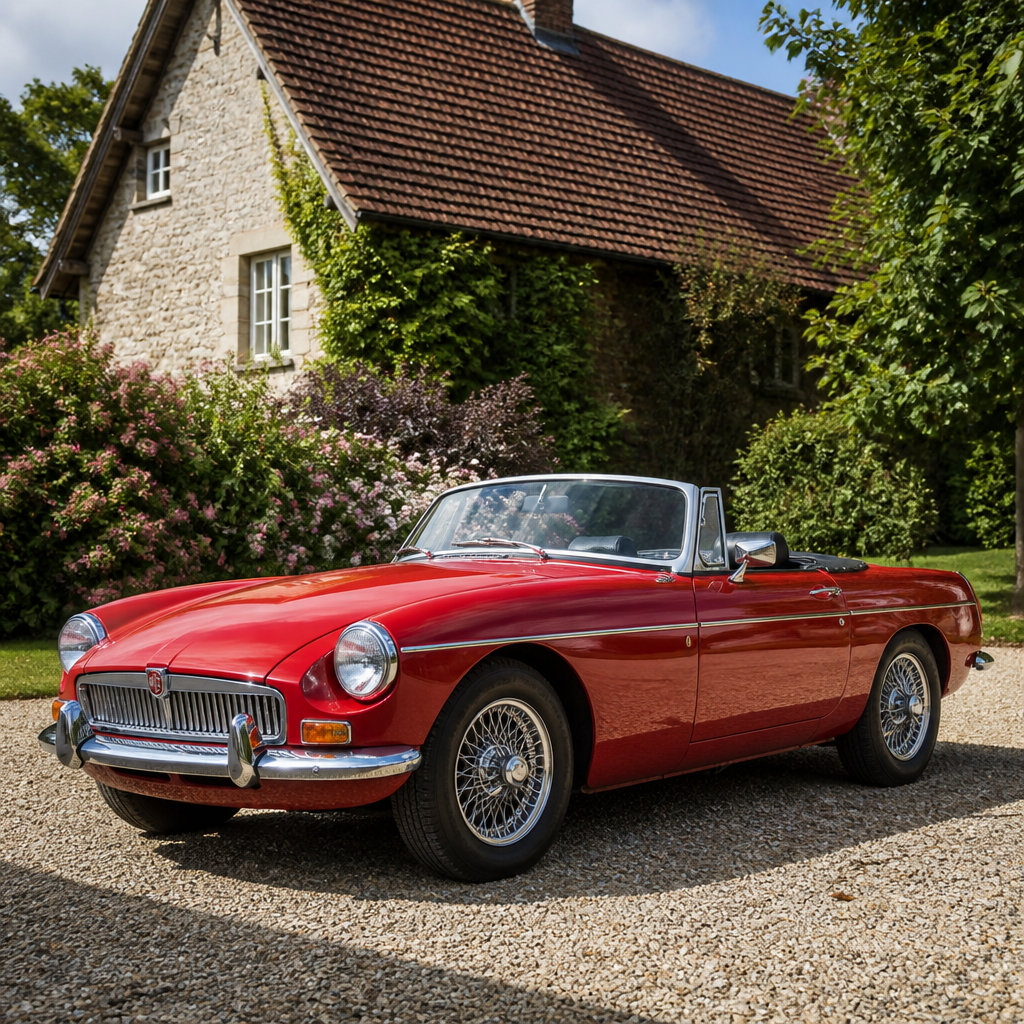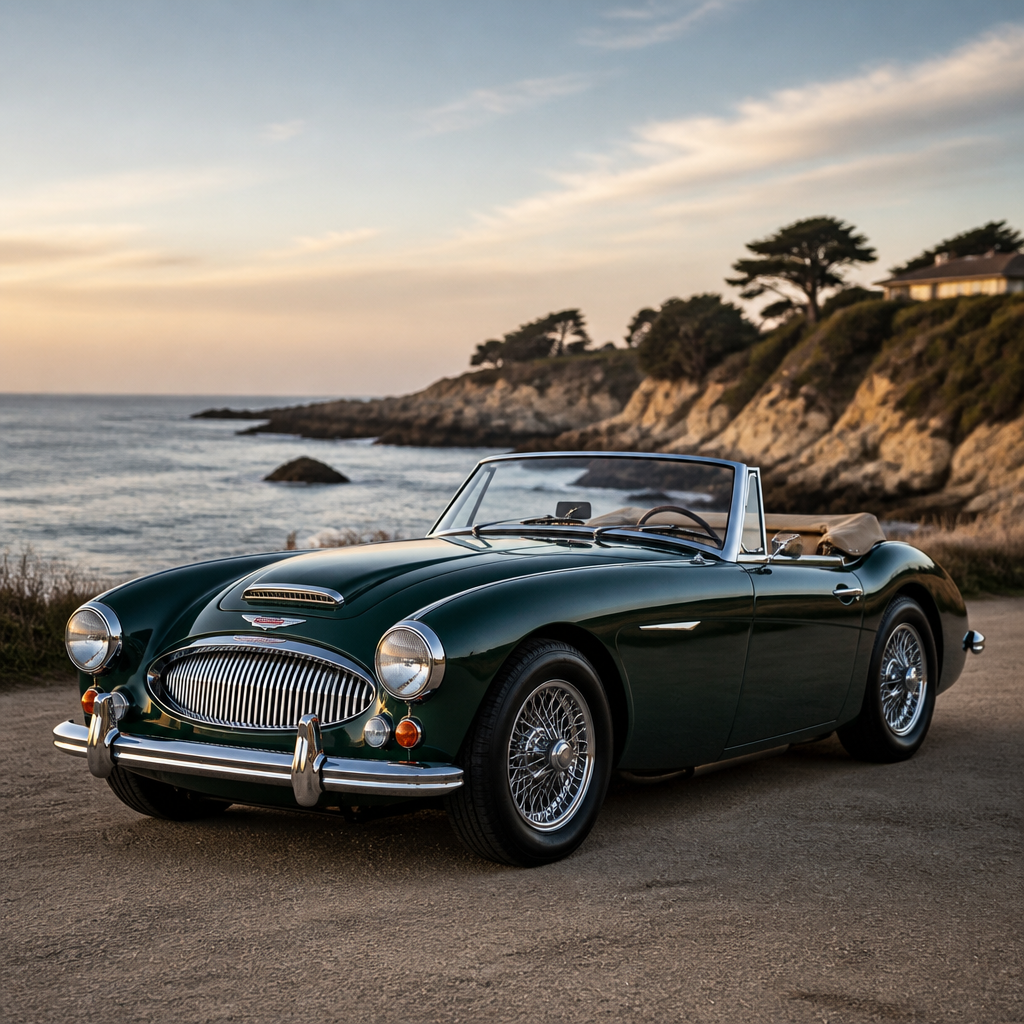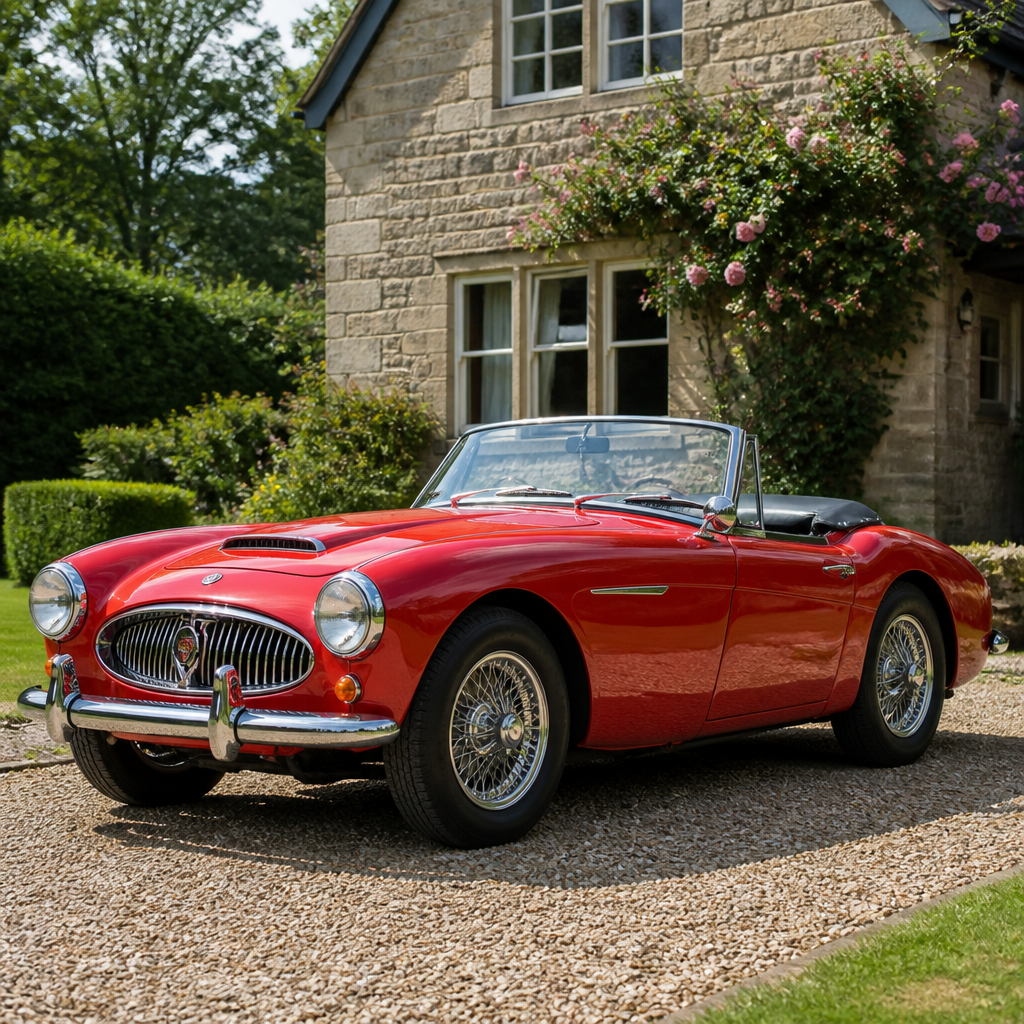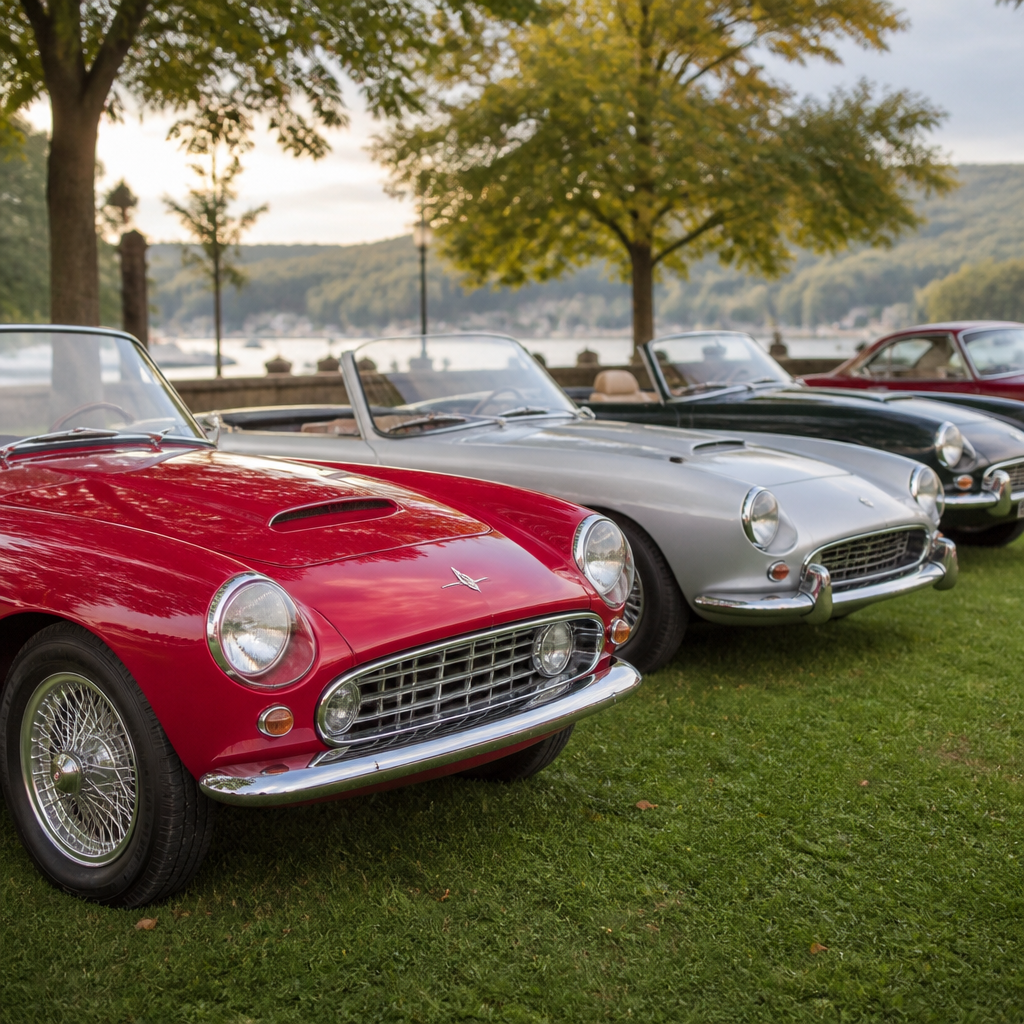
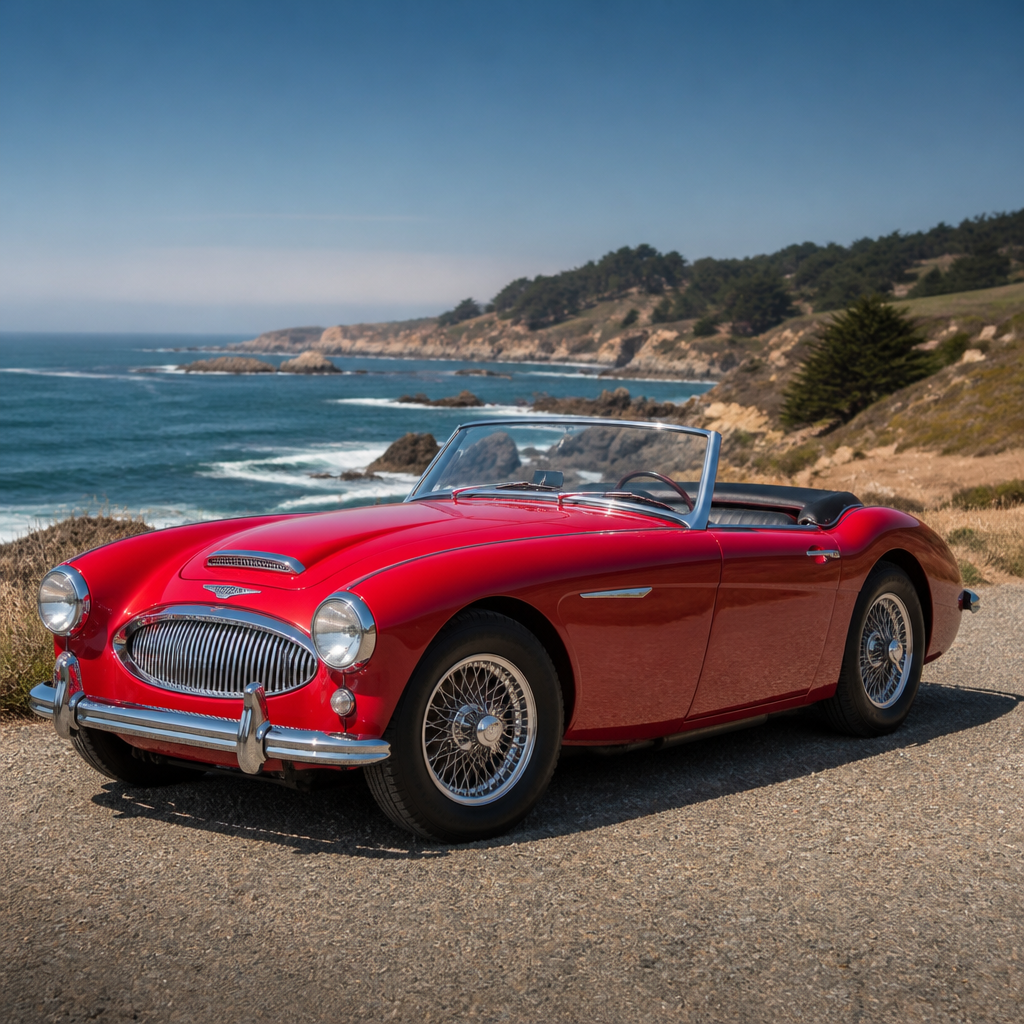
Insuring a restored classic car is different from insuring a daily driver because the vehicle’s value, use, storage, parts availability, and restoration history all affect how a policy should be written. In classic car insurance, the central concept is agreed value, meaning you and the insurer set the car’s insured value in advance rather than relying on depreciated actual cash value after a loss. That distinction matters because a carefully restored 1967 Mustang fastback, a numbers-matching Corvette, or a coachbuilt British roadster can represent years of labor and tens of thousands of dollars in specialist work that standard auto insurance does not recognize. I have helped owners document restorations, compare specialist carriers, and resolve valuation questions after claims, and the pattern is consistent: the right policy protects both the car and the investment, while the wrong one can leave major gaps.
This topic matters because restored classic cars are insured differently at every stage of ownership. During restoration, the car may be a non-running project stored in a shop. After completion, it may be driven only to shows, club events, maintenance appointments, and occasional pleasure drives. Some owners buy finished vehicles at auction through Barrett-Jackson, Mecum, or Bonhams, while others restore family heirlooms over several years using original or reproduction parts. Each path creates different risks. Paint and bodywork may need to be insured while the car is disassembled. Rare trim pieces may take months to source. A total loss settlement must reflect market reality, documentation, and originality. Because this page serves as a hub for insurance for classic cars, it explains the core decisions every owner must make: how agreed value works, what eligibility rules mean, how to document a restoration, what coverage options are worth paying for, and where owners commonly make mistakes.
What makes classic car insurance different
Classic car insurance is designed for limited-use vehicles that are maintained carefully, stored securely, and driven far less than ordinary cars. Most specialist insurers, including Hagerty, Grundy, American Collectors Insurance, and Safeco’s collector programs in some markets, use underwriting criteria that go beyond age alone. A car does not automatically qualify because it is old. Carriers look at how the vehicle is used, whether the driver has a regular-use vehicle, where the car is stored, the owner’s driving record, and the vehicle’s condition. In practice, a fully restored 1970 Chevrolet Chevelle SS kept in a locked garage and driven 2,000 miles per year fits the profile. A rough project left outside and used for errands usually does not.
The reason specialist insurance exists is simple: standard insurers typically settle losses based on actual cash value, which factors in depreciation and broad market averages. That method fails badly for collectible vehicles. A restored Porsche 356, Ford Bronco, or Mercedes-Benz SL may appreciate because of provenance, rarity, and restoration quality. Collector policies instead rely on agreed value or, less ideally, stated value. Agreed value is the stronger form because the payout is established upfront, subject to policy terms, while stated value can still allow a lower settlement if the policy language permits. Owners should always confirm the exact valuation basis in the declarations and endorsements rather than assuming any policy marketed for older cars offers true agreed value coverage.
How to determine the right insured value for a restored classic
The best insured value comes from evidence, not optimism. Start with the restoration file: purchase invoice, photographs before and during the work, receipts for mechanical rebuilding, paint and body invoices, interior trimming, chrome plating, parts sourcing, and any marque specialist reports. Add a recent appraisal if the car is unusual, highly modified, freshly restored, or difficult to price from public comparables. Good appraisals describe condition, authenticity, driveline specifications, VIN and engine stamping details, restoration scope, and current market context. They should not be one-page guesswork.
Market data matters too. Compare recent sales on Bring a Trailer, Hemmings, RM Sotheby’s, Mecum, and marque club classifieds, but compare intelligently. A matching-numbers 1963 Jaguar E-Type roadster restored to near concours condition is not comparable to a driver-quality car with color changes and replacement engine. In my experience, owners often undervalue a car to save premium, then regret it after a theft or fire. Others overvalue based on emotional investment. The target is replacement reality: what it would cost to buy or recreate a similar car in similar condition today. Review that figure annually because labor rates, parts prices, and market demand move quickly, especially for air-cooled Porsches, vintage trucks, and postwar American performance cars.
Coverage options every restored classic car owner should understand
At minimum, owners should evaluate liability, collision, comprehensive, uninsured or underinsured motorist, medical payments where relevant, and specialized collector endorsements. Liability protects you if you injure someone or damage property. Comprehensive is especially important for classics because many losses are unrelated to driving: garage fires, theft, vandalism, flooding, hail, and transport damage. Collision covers impact losses while driving or loading. For a restored car, also ask about spare parts coverage, automobilia or tools limits, roadside assistance for low-clearance vehicles, and coverage during restoration or transit.
Many of the best policies include flatbed towing, flexible repair-shop choice, and access to OEM, NOS, or appropriate reproduction parts when originals are unavailable. That matters because repair quality determines post-loss value. If a shop uses incorrect trim, modern fasteners, or poor panel fit, the car can lose collector credibility. Some policies also offer automatic inflation guard or periodic value review, which is useful when restoration costs are climbing.
| Coverage area | What it protects | Why it matters for restored classics |
|---|---|---|
| Agreed value | Pre-set settlement amount for a covered total loss | Avoids depreciated payouts that ignore restoration investment |
| Comprehensive | Fire, theft, vandalism, weather, falling objects | Many classic losses happen in storage, not on the road |
| Collision | Damage from impact while driving or loading | Body and trim repairs can be costly and parts can be scarce |
| Spare parts coverage | Loose parts, extra wheels, trim, manuals | Restored cars often come with valuable stored components |
| Restoration coverage | Vehicle and parts while under active restoration | Protects unfinished projects that standard policies may exclude |
| Roadside assistance | Towing and breakdown help | Flatbed service reduces damage risk for low or delicate cars |
How insurers evaluate eligibility, storage, and usage
Eligibility rules are not arbitrary; they are how carriers control risk. Most require secure indoor storage, usually a private locked garage, pole barn, or commercial unit. Some accept shared storage with restrictions. Outdoor parking is commonly a disqualifier because it increases theft, vandalism, weather, and rodent damage. Insurers also expect the owner to have a separate daily-use vehicle for each licensed driver in the household. That requirement supports the limited-use assumption behind collector premiums.
Mileage and usage limitations deserve careful attention. Some policies do not specify an exact annual mileage cap, but they still restrict commuting, routine errands, and commercial use. Others set caps such as 2,500, 5,000, or 7,500 miles. Show use, club drives, parades, maintenance trips, and occasional pleasure driving are usually acceptable. Track days, timed competition, ride-sharing, and delivery use are generally excluded. If you plan a thousand-mile touring rally, ask the insurer first. Never assume a broad phrase like hobby use covers every scenario.
Modified classics require another underwriting conversation. Engine swaps, upgraded brakes, air suspension, custom paint, restomods, and non-original drivetrains can absolutely be insured, but not every carrier values them the same way. Some specialize in restomods and pro-touring builds; others prefer factory-correct restorations. Full disclosure is essential because undeclared modifications can create settlement disputes.
Documenting a restoration so a claim goes smoothly
Documentation is the owner’s strongest tool before and after a loss. Keep a digital and physical file with dated photographs of the car as purchased, disassembly, rust repair, paint preparation, drivetrain rebuilding, interior work, glass installation, and final completion. Save invoices from machine shops, upholstery specialists, paint suppliers, and parts vendors. If the car has judging sheets from AACA, NCRS, BMW CCA, Porsche Club events, or marque specialists, include them. These records help establish condition, authenticity, and the seriousness of the restoration.
Photograph identifying details as well: VIN plates, body tags, engine numbers, transmission stamps, axle codes, and unique accessories. If rare parts are removed and stored, inventory them with photos and approximate values. I recommend updating the file every year with current images, odometer reading, and notes on new work completed. Store copies in cloud storage. After a garage fire or theft, paper files can disappear with the car.
When a claim happens, fast and organized communication matters. Notify the insurer promptly, prevent further damage if safe, and avoid authorizing dismantling before the adjuster or agreed appraiser documents the car. For specialty vehicles, insist on a shop with proven classic experience. A modern collision center may be excellent with late-model aluminum panels but still be the wrong place for lead work, lacquer-compatible finishes, wood framing, or carbureted drivability issues.
Choosing between specialist insurers and standard carriers
For most restored classics, specialist insurers are the better fit because their underwriting, valuation methods, and claims networks are built around collectible vehicles. They understand storage, low annual mileage, seasonal use, show transport, and market appreciation. They also tend to be more comfortable with owner input on valuation and repair facilities. Standard carriers can sometimes write a classic through an endorsement or premium division, and that may be useful if the car is only mildly collectible or part of a broader multi-policy account. But owners should compare the wording line by line.
Key questions to ask any insurer are direct. Is the policy agreed value or stated value? Are there mileage restrictions? Is commuting excluded? Are spare parts covered automatically, and up to what limit? Is there restoration coverage for a vehicle that is not yet roadworthy? Can I choose my repair shop? How are aftermarket or reproduction parts handled? Is diminished value addressed in any way for a repaired collector vehicle? Clear answers separate a true collector program from ordinary auto coverage with vintage marketing language.
As a hub within Classic Car Ownership, this page connects naturally to deeper topics owners should also review, including how agreed value appraisals work, how to insure a classic car under restoration, storage and theft prevention for collectible vehicles, and how claims are handled after transport damage or auction purchases. Those subjects build on the decisions outlined here.
Common mistakes and the smartest next steps
The most common mistake is assuming a standard auto policy will somehow “understand” a restoration after a loss. It usually will not. Other frequent errors include setting the insured value once and never revisiting it, failing to disclose modifications, keeping poor records, and overlooking storage requirements in the policy. Owners also underestimate parts inflation. A grille, trim set, or date-coded wheel that was affordable five years ago may now be scarce and expensive, changing the car’s true replacement cost. Another mistake is buying the cheapest premium without comparing exclusions, deductibles, and claims flexibility.
The smartest approach is methodical. Get current photos. Organize receipts. Compare specialist insurers. Ask for agreed value in writing. Confirm usage rules before the first long trip. Review the policy every renewal, especially after major work or market shifts. If the car is mid-restoration, make sure the unfinished project and loose parts are specifically covered. If the vehicle is exceptionally rare or heavily customized, obtain an appraisal from a recognized expert familiar with that marque or build style.
Insurance for classic cars works best when the policy matches how the car is actually owned, stored, driven, and maintained. A restored classic is more than transportation; it is a financial asset, a historical object, and often the result of years of skilled labor. Protecting it properly means using agreed value coverage, maintaining detailed documentation, and working with an insurer that understands collector vehicles from underwriting through claims. Review your current policy today, identify any gaps, and update coverage before the next drive, storm, or garage-door close becomes an expensive lesson.
Frequently Asked Questions
What makes insuring a restored classic car different from insuring a regular daily driver?
Insuring a restored classic car is fundamentally different because the vehicle is usually not valued, used, stored, or repaired in the same way as an everyday car. A standard auto policy typically bases claim payouts on actual cash value, which factors in depreciation. That approach can severely undervalue a restored collector vehicle, especially if you have invested heavily in bodywork, paint, drivetrain rebuilding, interior restoration, or rare factory-correct parts. A classic car policy is usually designed around the idea that the vehicle is collectible, limited-use, and often appreciating or holding value differently than ordinary transportation.
One of the biggest differences is agreed value coverage. With agreed value, you and the insurer establish the vehicle’s insured value up front, often based on appraisals, restoration records, photos, market comparables, and documentation of originality. If the covered vehicle is totaled, the payout is based on that agreed amount, subject to policy terms, rather than a depreciated book value that does not reflect the true worth of the restoration. This is especially important for vehicles like a restored 1967 Mustang fastback, a numbers-matching Corvette, or any classic where originality, rarity, and restoration quality significantly affect price.
Classic car insurance also usually comes with usage restrictions and storage expectations. Most policies assume the car is not used as a commuter vehicle and is instead driven occasionally for pleasure, exhibitions, club events, or limited weekend use. Insurers may also require secure storage, such as a locked private garage, because proper storage reduces theft, vandalism, and weather-related loss. In addition, repair considerations are different. Replacement parts may be scarce, labor may need to be performed by specialty shops, and maintaining authenticity may matter just as much as simply making the car drivable again. All of that is why restored classics need coverage built specifically for collector vehicles, not a one-size-fits-all auto policy.
What is agreed value insurance, and why is it so important for a restored classic car?
Agreed value insurance is the cornerstone of most quality classic car policies because it addresses the biggest risk classic car owners face: being underpaid after a loss. Under an agreed value policy, you and the insurer decide in advance what the car is worth and insure it for that amount. If the vehicle suffers a covered total loss, the insurer pays the agreed value stated in the policy, rather than calculating a lower settlement based on depreciation or a generic pricing database that may not recognize restoration quality, authenticity, or collector demand.
This matters because restored classic cars often have values that are far higher than their age alone would suggest. A fully restored classic may include years of labor, rare trim pieces, rebuilt mechanical systems, factory-correct finishes, and documented provenance. A regular insurer might look at the make, model, and year and produce a value that ignores those details. By contrast, agreed value coverage allows the policy to reflect the vehicle’s real collector-market value. That gives owners much greater certainty and helps avoid disputes at claim time.
To set an appropriate agreed value, insurers often request clear photos, receipts, restoration invoices, appraisals, and information about whether the vehicle is numbers-matching, modified, concours-level, or driver-quality. Owners should review that value regularly, especially if the market for the model rises or if additional restoration work has been completed. The goal is to avoid both underinsuring and overinsuring the car. A strong agreed value should realistically match what it would cost to replace the vehicle with one of similar condition, quality, and authenticity in today’s collector market.
What documentation do I need to get the right insurance coverage for a restored classic car?
The more thoroughly you document the car, the easier it is to secure accurate coverage and support the value you are asking the insurer to agree to. Start with detailed photographs of the exterior, interior, engine bay, trunk, undercarriage if possible, VIN plate, trim tags, odometer, and any special features or rare options. High-quality photos establish the vehicle’s condition at the time the policy is written and can be invaluable if you ever need to file a claim.
Restoration records are equally important. Keep receipts for parts, paintwork, upholstery, chrome work, engine machining, transmission rebuilding, suspension work, electrical repairs, and any specialist labor. If the restoration was done over several years, organize invoices chronologically so the insurer can clearly see the scope of the project and the money invested. Appraisals can also be helpful, particularly for high-value vehicles, rare models, or cars with unusual histories. While not every insurer requires a formal appraisal, one can strengthen your case for a higher agreed value when supported by market data and restoration evidence.
Other useful documentation includes ownership history, matching-numbers verification, awards from judged events, factory build sheets, authenticity certificates, and records of storage and security measures. If the car has modifications, disclose them clearly. Performance upgrades, non-original drivetrains, custom paint, aftermarket wheels, or restomod conversions may affect both value and underwriting. Complete and accurate disclosure is critical. The insurer should know exactly what the vehicle is, how it is stored, how often it is driven, and how it has been restored. Good records not only help you obtain the right policy, they also put you in a much stronger position if there is ever a dispute over damage, repair standards, or total-loss value.
How do mileage limits, storage rules, and usage restrictions affect classic car insurance?
These factors matter because classic car insurance is generally priced on the assumption that the vehicle has lower exposure to risk than a daily driver. Insurers often offer favorable rates because restored classics are typically driven less, kept in better condition, stored indoors, and owned by enthusiasts who take extra care with maintenance and operation. In return, policies commonly include usage rules. For example, the insurer may prohibit routine commuting, commercial use, ridesharing, or regular errand-running. The car may instead be limited to club events, car shows, exhibitions, parades, occasional pleasure drives, and similar low-frequency uses.
Mileage caps are also common, although they vary by insurer. Some policies have strict annual mileage limits, while others are more flexible if the overall use remains clearly recreational. It is important to be honest about how you plan to use the vehicle. If you insure the car as a limited-use collector vehicle but actually drive it to work regularly, you could create serious problems if a claim occurs. The insurer may question whether the loss falls within the terms under which the policy was issued.
Storage requirements can be just as important. Many classic car insurers expect the vehicle to be kept in a locked garage, private storage unit, or similarly secure indoor location when not in use. This reduces exposure to weather damage, theft, vandalism, and accidental impact. Some carriers may also ask whether the storage space has alarms, cameras, fire protection, or climate control, especially for higher-value restorations. Before buying a policy, review all restrictions carefully and make sure they match your real-world habits. The right policy should protect your car without setting rules you cannot realistically follow.
What coverages should I look for beyond agreed value when insuring a restored classic car?
Agreed value is the headline feature, but it should not be the only thing you evaluate. A strong classic car policy should also address how repairs will be handled, what kinds of losses are covered, and whether the insurer understands the realities of restoring and maintaining older vehicles. Comprehensive and collision coverage remain important, but you should also look closely at whether the policy allows for specialty repair shops, original or like-kind replacement parts when available, and repair methods that preserve the car’s collector value rather than using generic shortcuts.
Spare parts coverage can be especially useful if you keep extra trim pieces, wheels, glass, or hard-to-find mechanical parts in storage. Many collectors accumulate parts over time because availability is unpredictable, and those items may not be fully protected under a basic policy unless specifically included. You may also want coverage for automobilia or tools if they are part of a larger collection, though those are often handled separately. Roadside assistance designed for low-clearance or specialty vehicles can also be worthwhile, since towing a classic car improperly can cause expensive damage.
Another key consideration is whether the insurer offers flexible options for restoration projects in progress, newly acquired vehicles, or increased value after additional work is completed. If the car is still being restored, ask whether it can be insured during that phase and how the value will be updated as the project advances. Finally, review the claims reputation of the insurer. The best classic car policy is not just one with a good premium. It is one backed by a carrier that understands collector vehicles, values documentation, works with specialty shops, and can handle a claim in a way that respects both the financial and historical value of your restored classic car.