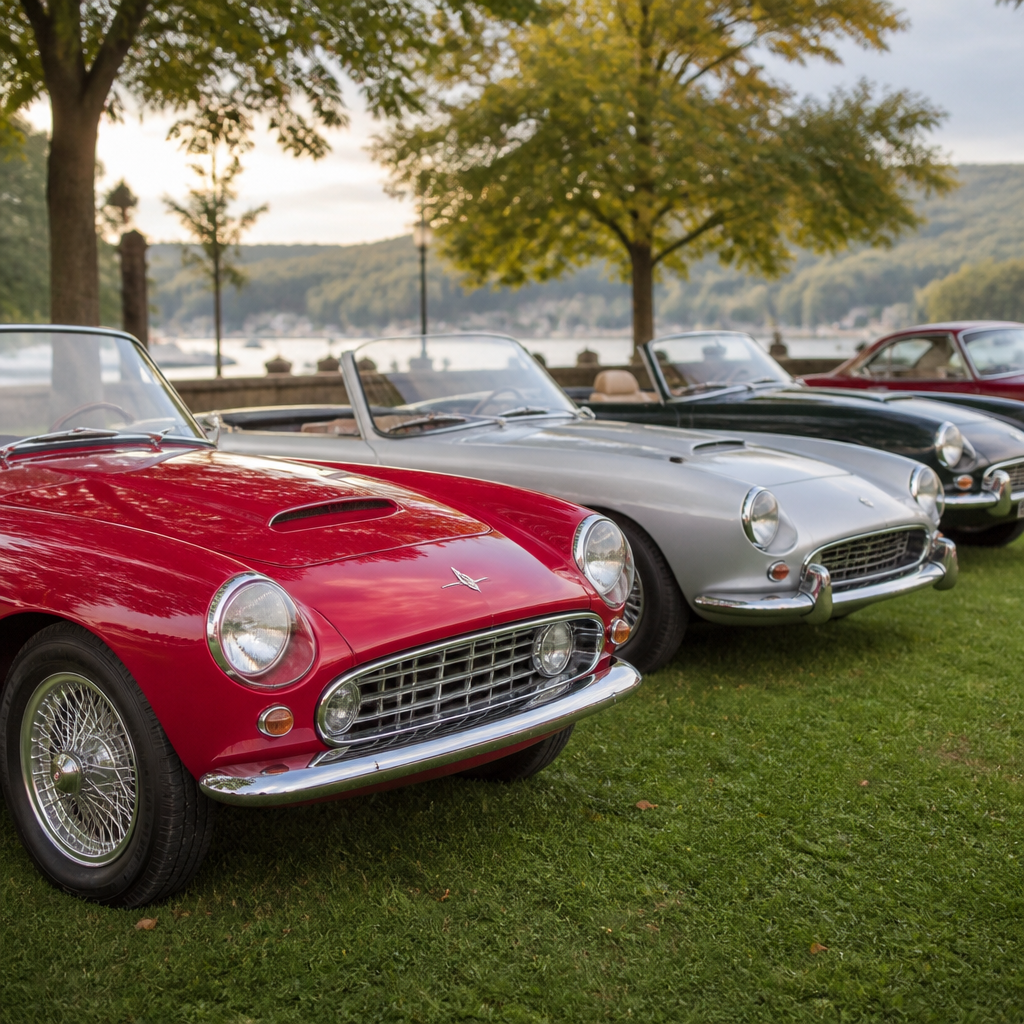

Buying your first vintage machine is thrilling, but insurance for classic cars works very differently from standard auto coverage, and misunderstanding those differences can leave a prized vehicle badly underprotected. A classic car is typically an older vehicle valued for rarity, historical significance, design, or enthusiast demand rather than simple transportation value. Insurers often use terms such as classic, antique, collector, exotic, or modified, and each label can affect eligibility, premiums, mileage limits, and claims handling. In practice, most specialist carriers look at age, condition, storage, usage, ownership history, and whether the car is a hobby vehicle instead of a daily driver.
I have helped owners insure everything from 1960s British roadsters to air-cooled Porsches, and the same problem appears repeatedly: first-time buyers assume their regular insurer can cover a collector car properly. Sometimes it can, but often the policy defaults to actual cash value, meaning depreciation and generic market estimates drive the payout after a total loss. That approach makes little sense for a restored 1972 Chevrolet C10 or a low-production Alfa Romeo Spider whose value depends on originality, provenance, and current collector demand. Specialized classic car insurance exists because mainstream rating models do not capture those realities well.
This matters because values have risen sharply in many segments, repair costs are high, and parts availability is unpredictable. A minor collision involving chrome trim, hand-formed body panels, or discontinued glass can become an expensive restoration project. Good coverage does more than satisfy registration or lender requirements. It protects the money, time, documentation, and emotional investment tied to a collectible vehicle. For first-time classic car owners, the goal is not simply finding cheap premiums. The goal is matching policy structure, valuation method, usage rules, and insurer expertise to the way you actually own and enjoy the car.
Understand how classic car insurance differs from standard auto insurance
The biggest difference is valuation. Standard auto policies usually pay actual cash value, which reflects replacement cost minus depreciation. That is acceptable for ordinary commuter vehicles but not for collectible models whose market value may rise over time. Most specialist policies instead use agreed value, sometimes called guaranteed value by consumers, though the legal wording varies by carrier. With agreed value, you and the insurer settle on a covered amount when the policy is issued. If the car is declared a total loss, that agreed amount is generally the basis for settlement, less any deductible and subject to policy terms.
Usage restrictions are the next major distinction. Collector policies often exclude routine commuting, business errands, rideshare activity, and unrestricted daily use. They may require secure indoor storage, another insured daily-use vehicle for each licensed driver in the household, and annual mileage caps. These are not arbitrary hurdles. Insurers know hobby vehicles usually face lower exposure because they are driven less, maintained carefully, and kept off the road during poor weather. Lower risk supports lower premiums, but only if the owner follows the stated conditions consistently.
Claims handling is also different. Established collector insurers understand OEM versus reproduction parts, marque specialists, period-correct finishes, and the difference between a sympathetic restoration and a concours rebuild. That expertise can shape whether a repair preserves long-term value or unintentionally harms it. When evaluating insurers, ask how they source parts, whether you can choose a restoration shop, how supplemental estimates are handled, and what documentation they expect after a loss.
Choose the right valuation method before comparing premiums
If you remember one insurance tip for first-time classic car owners, make it this: valuation drives everything. Agreed value is generally the best fit because it creates clarity at the start of the policy. Stated value is often misunderstood. On many policies, stated value lets you declare a number for underwriting purposes, but in a claim the insurer may still pay the lesser of actual cash value or the stated amount. That can produce a disappointing settlement. Always read the valuation clause, not just the quote summary.
To support an agreed value, assemble evidence. Use purchase documents, restoration invoices, professional appraisals when appropriate, high-resolution photos, and comparable sales from sources like Hagerty Price Guide, Bring a Trailer results, Hemmings listings, or marque-specific auction data. For very common classics, market comparisons may be enough. For heavily restored, rare, or modified examples, detailed appraisals are more valuable. The insurer is not being difficult by asking for proof. It is trying to avoid disputes later, when emotions and costs are much higher.
Review the agreed value regularly. Collector markets move unevenly. Air-cooled 911s, square-body trucks, Japanese performance cars, and certain analog BMW M models have all seen periods of rapid appreciation. Other segments soften when supply increases or buyer tastes shift. If you restore the drivetrain, repaint the body to a factory-correct standard, or add documented performance upgrades, update the insured value promptly rather than waiting for renewal.
Know the eligibility rules that affect approval and pricing
Most classic car insurers have tighter underwriting guidelines than standard auto carriers. Age of the car matters, but it is not the only factor. Many carriers insure vehicles that are 20 to 25 years old and older, while others focus on pre-1980 or pre-1990 models. Condition matters just as much. A rusted project car with no secure storage is harder to place than a roadworthy vehicle kept in a locked garage. Some insurers accept vehicles under restoration, but often with separate terms and lower allowed use.
Driver profile matters too. A clean driving record, prior insurance history, mature drivers in the household, and proof of another daily-use vehicle all help. Younger enthusiasts can sometimes obtain coverage, but premiums rise and insurer choice narrows. Geographic location also affects pricing. Coastal catastrophe exposure, theft rates, wildfire zones, and hail-prone regions can materially increase costs or impose storage requirements.
| Factor | Why it matters | Typical impact on policy |
|---|---|---|
| Agreed value amount | Sets potential payout for a total loss | Higher value usually means higher premium |
| Storage type | Reduces theft, weather, and vandalism risk | Locked private garage often lowers rates |
| Mileage and use | Limits time on the road and accident exposure | Restricted pleasure use often costs less |
| Driver record | Predicts claim likelihood | Violations or recent claims can raise rates or block approval |
| Vehicle originality | Affects valuation and repair complexity | Well-documented originality can support stronger terms |
| Modification level | Changes performance, theft appeal, and rebuild cost | May require endorsements or specialty underwriting |
Do not guess your way through the application. If a policy prohibits commuting and you occasionally drive the car to work, disclose that and find a policy built for broader use. Misrepresentation can create claim problems that are entirely avoidable.
Build a policy that matches how you own, store, and drive the car
Liability limits deserve the same attention as physical damage coverage. Many first-time owners focus on the car’s value and neglect bodily injury, property damage, uninsured motorist, and umbrella liability considerations. That is a mistake. A collision involving a pedestrian, cyclist, or late-model luxury SUV can create losses far beyond the value of the collector car itself. For most owners with assets to protect, robust liability limits and an umbrella policy are sensible.
Look closely at spare parts coverage, automobilia coverage, roadside assistance, and trip interruption. If you keep hard-to-find trim pieces, an extra engine, or period-correct wheels in the garage, standard policy language may not cover them automatically. Some specialist insurers include a modest allowance for tools or spare parts; others require endorsements. If you attend shows or long-distance tours, trip interruption can reimburse lodging and transportation after a covered breakdown or loss away from home.
Storage language matters more than many owners realize. “Garage kept” should mean exactly what your policy says it means. A locked commercial storage unit, climate-controlled private garage, or shared barn structure may each be treated differently by underwriters. If the car spends winters in a second location or travels enclosed to events, mention that. Clear disclosure makes renewals smoother and claims cleaner.
Document the car like an insurer and appraiser would
Strong documentation lowers friction throughout ownership. Start with a complete photo set: exterior from all sides, interior, engine bay, trunk, VIN plates, odometer, undercarriage if practical, and close-ups of notable features or flaws. Save purchase agreements, title records, restoration receipts, concours judging sheets, and correspondence from recognized restorers. Scan everything and back it up in cloud storage. If a fire, theft, or storm loss affects your home or garage, paper records may disappear with the car.
For restored classics, maintain a chronology. Document when bodywork was completed, who rebuilt the transmission, whether paint codes match factory specifications, and which parts are new old stock, reproduction, or refurbished originals. In a claim, that level of detail helps establish value and repair scope quickly. It also strengthens resale value because future buyers trust complete provenance.
If the car is modified, list every upgrade with part numbers and invoices. Suspension changes, disc brake conversions, engine swaps, electronic ignition, upgraded cooling systems, and aftermarket wheels can improve usability, but they alter replacement cost and sometimes risk profile. An undisclosed five-speed conversion or supercharger kit may not be covered as you expect.
Compare insurers on claims expertise, not just price
The best classic car insurance company for one owner may be wrong for another, but certain evaluation criteria are universal. Ask whether the insurer specializes in collector vehicles or merely writes them occasionally. Ask how total-loss values are set, whether annual appraisals are required, and whether inflation guard is available. Confirm if you may choose your own repair facility. Owners of classics often have trusted body shops or marque experts, and forcing repairs through a generic network can hurt outcomes.
Claims reputation matters enormously because rare parts and specialist labor complicate even simple losses. A front-end bump in a Mercedes-Benz Pagoda may involve hard-to-source trim and a shop that understands panel fit and period finishes. A carrier experienced with classics will recognize why a cheap reproduction bumper is not equivalent to an original straightened and rechromed unit. That judgment is where premium savings can vanish if you chose the wrong insurer.
Also compare flexibility. Some carriers are excellent for stock show cars but less accommodating for restomods or occasional touring use. Others are stronger for modified muscle cars, imported collector vehicles, or cars under active restoration. Read endorsements, exclusions, and salvage provisions carefully. If retaining salvage after a total loss matters to you because the car has sentimental or parts value, discuss that before binding coverage.
Avoid the mistakes first-time classic car owners make most often
The most common mistake is underinsuring the car to save money. A lower agreed value reduces premium, but it also locks in a lower settlement if the worst happens. The second mistake is ignoring usage restrictions. Taking a collector car on an undeclared commute after your daily driver breaks down may seem harmless until a claim adjuster reviews the facts. The third is failing to update coverage after improvements. A $15,000 mechanical refresh and interior retrim can materially change value.
Another frequent error is assuming homeowners insurance covers parts, tools, and automobilia fully. It may cover some items, subject to deductibles and sublimits, but many collections exceed those limits quickly. Owners also overlook transport risk. If the car goes to paint, storage, auction, or a distant event, verify whether the policy covers trailering, enclosed transport, loading damage, and temporary storage at another insured location.
Finally, do not treat insurance as a one-time purchase. Review the policy every year, especially after market shifts, relocation, restoration work, or a change in driving habits. Good insurance for classic cars is an ongoing management task, not a set-and-forget transaction.
Insurance for classic cars protects more than sheet metal; it protects rarity, craftsmanship, market value, and the effort you invest as a steward of automotive history. For first-time classic car owners, the essentials are clear: choose agreed value whenever possible, understand usage limits, document the vehicle thoroughly, disclose modifications and storage accurately, and compare insurers by claims expertise as much as premium. A specialist policy is usually worth it because collector vehicles are repaired, valued, and used differently from ordinary cars.
The strongest coverage starts with honesty and detail. When the application reflects how the car is actually stored and driven, the insurer can price the risk correctly and respond confidently if something goes wrong. That reduces disputes, speeds claims, and helps preserve the car’s long-term value. It also gives you the freedom to enjoy ownership, whether that means local shows, weekend drives, or careful touring.
As the hub for insurance for classic cars, this guide gives you the framework to evaluate every related decision, from valuation and mileage caps to restoration documentation and spare parts coverage. Use it as your checklist before buying a policy and again at each renewal. Then speak with a true collector-car insurer, review the wording line by line, and insure your classic like the asset it is.
Frequently Asked Questions
1. What makes classic car insurance different from regular auto insurance?
Classic car insurance is built around the idea that a collector vehicle is not just an older used car. A standard auto policy usually bases claims on actual cash value, which means depreciation is a major factor. That approach can seriously undervalue a vintage vehicle that has become more desirable over time. Classic car coverage, by contrast, is often designed for vehicles that have rarity, historical importance, special craftsmanship, or strong collector demand, and it usually reflects the fact that these cars are owned, maintained, and driven differently than everyday vehicles.
One of the biggest differences is how the vehicle’s value is determined. Many classic policies use agreed value coverage, which means you and the insurer settle on a value for the car in advance. If the car is covered for a total loss under the terms of the policy, that agreed amount is typically what the insurer pays, rather than a depreciated market estimate. That can be a major advantage for first-time owners who have invested heavily in a purchase, restoration, or carefully documented maintenance history.
Usage rules are also different. Insurers commonly expect a classic car to be driven on a limited basis, such as for club events, exhibitions, occasional pleasure driving, or parades. Many carriers require the owner to have a separate daily-use vehicle and may place mileage restrictions on the classic car. Storage matters too. A secure garage or enclosed building is often required because collector vehicles are more vulnerable to theft, weather damage, and accidental harm when left exposed.
Another important distinction is eligibility. Not every older vehicle qualifies as a classic in the insurance world. Companies may categorize cars as classic, antique, collector, modified, or exotic, and those labels can affect what policies are available, how the car is valued, and what underwriting standards apply. For a first-time owner, the key takeaway is simple: classic insurance is specialized protection for a specialized asset, and assuming a regular auto policy is enough can leave a prized car badly underinsured.
2. How do insurers decide whether my car qualifies as a classic, antique, collector, or modified vehicle?
Insurance companies do not all use the same definitions, which is why first-time classic car owners should never assume eligibility based on age alone. In general, insurers look at a mix of factors that can include the vehicle’s age, rarity, condition, originality, historical significance, market demand, and intended use. A 25-year-old car in poor shape that serves as a commuter may not qualify, while a younger limited-production vehicle with strong collector interest might fit under a collector or specialty policy.
The label attached to your car matters because it can shape both pricing and policy terms. “Classic” often refers to an older enthusiast vehicle that is maintained for hobby use. “Antique” may apply to significantly older vehicles, often 25 years or more depending on the insurer, and sometimes comes with even stricter use limitations. “Collector” is a broader term that can include vehicles prized for uniqueness or market appeal, even if they are not especially old. “Modified” usually means the car has been altered from factory specifications, which can affect value, repair costs, and underwriting risk. “Exotic” may apply to high-performance or rare luxury vehicles that require specialized parts and expertise.
Insurers also pay close attention to how the car is stored and driven. A well-kept vehicle stored in a locked garage and used sparingly for pleasure driving is more likely to fit classic program guidelines than one parked outdoors and driven daily. They may ask for photos, restoration records, appraisals, receipts, and details about any upgrades or non-original parts. Some carriers are stricter about originality, while others are comfortable covering restomods and tastefully modified builds if the value is documented properly.
For a first-time owner, the safest approach is to be exact and transparent. Tell the insurer whether the car is restored, partially restored, survivor-condition, customized, or mechanically upgraded. If the vehicle has a limited production history, a notable provenance, or recent valuation evidence, provide it. The more clearly the insurer understands what you own, the better the policy can be tailored to the real risk and replacement value of the car.
3. What is agreed value coverage, and why is it so important for first-time classic car owners?
Agreed value coverage is one of the most important features in a classic car policy because it addresses the problem that traditional insurance often undervalues collector vehicles. Under a standard auto policy, a claim is commonly settled using actual cash value, which reflects depreciation and general used-car market pricing. That method rarely captures what a sought-after vintage vehicle is truly worth, especially if it has been restored, preserved in exceptional condition, or has become more collectible over time.
With agreed value coverage, you and the insurer decide upfront what the vehicle is worth and insure it for that amount, subject to the terms of the policy. If the car is declared a covered total loss, the payout is generally based on that agreed figure rather than a post-loss debate over depreciation. This creates far more certainty, which is exactly what first-time owners need when they may be making a major emotional and financial investment in a specialty vehicle.
That said, agreed value only works well if the number is realistic and properly supported. If the value is set too low to save on premiums, the owner may still come up short after a serious loss. If the value is inflated without evidence, the insurer may question the basis for it or charge more than necessary. Good documentation is essential. Helpful records include purchase agreements, professional appraisals, restoration invoices, photographs, auction comparisons, maintenance files, and receipts for rare parts or upgrades.
It is also smart to review the agreed value regularly. Collector markets can move quickly, and values may rise after a restoration, an award, increased model popularity, or broader market changes. First-time classic car owners often make the mistake of setting a value once and forgetting about it. A periodic review with your insurer helps ensure the policy still reflects the vehicle’s true market standing and protects you from an unpleasant surprise at claim time.
4. Are there mileage, storage, and usage restrictions with classic car insurance?
Yes, and understanding them is essential before you buy a policy. Classic car insurance is typically priced on the assumption that the vehicle will not be used like an everyday car. Because collector vehicles are generally driven less often and treated more carefully, insurers often offer favorable terms in exchange for restrictions on mileage, usage, and storage. Those rules are not minor fine print. They are a core part of how the policy is underwritten.
Many classic policies limit use to hobby activities such as weekend drives, exhibitions, club gatherings, car shows, tours, and similar pleasure driving. Daily commuting, routine errands, rideshare work, or regular transportation use may be excluded or discouraged. Some carriers set annual mileage caps, while others focus more on intended use than a strict number. Either way, if you expect to drive the car frequently, you need to confirm exactly what is allowed before relying on the coverage.
Storage requirements are also common. Insurers often want the vehicle kept in a locked private garage, barn, storage unit, or other enclosed structure when not in use. This reduces the risk of theft, vandalism, weather exposure, and accidental damage. If the car is parked in a driveway, on the street, or in an open carport, eligibility may be limited or denied altogether. For higher-value vehicles, insurers may also ask about alarms, battery cutoffs, climate control, or other protective measures.
First-time owners should also remember that household circumstances matter. Most insurers want to see that every licensed driver in the home has a regular-use vehicle for daily transportation, which helps show the classic car is truly a secondary hobby vehicle. The best way to avoid trouble is to be completely honest about how you plan to use and store the car. If your habits change, such as moving to a new home or driving the vehicle more often, update the insurer promptly so your coverage keeps pace with reality.
5. What should first-time classic car owners compare when shopping for insurance?
Price matters, but it should not be the only factor. The best classic car policy is the one that matches the way you own, store, maintain, and drive the vehicle. Start by comparing valuation method, because this is often the single biggest difference between policies. A carrier that offers agreed value coverage with clear terms will usually be more attractive than one relying on depreciated value methods for a collector vehicle. Make sure you understand exactly how total losses and partial losses are handled.
You should also compare eligibility rules and usage flexibility. Some insurers are ideal for stock classics stored in private garages and driven only to events. Others are more open to modified cars, younger collectible vehicles, or limited pleasure driving outside show use. If your vehicle has performance upgrades, custom paint, non-original drivetrains, or rare imported parts, confirm that those details are not only disclosed but specifically acceptable under the policy.
Coverage details deserve close attention as well. Ask about spare parts coverage, restoration coverage, automobilia coverage, roadside assistance for specialty vehicles, trip interruption, transport coverage, and whether the insurer allows you to choose repair shops experienced with vintage cars. Original parts, hard-to-find trim, and specialized labor can make collector repairs very different from