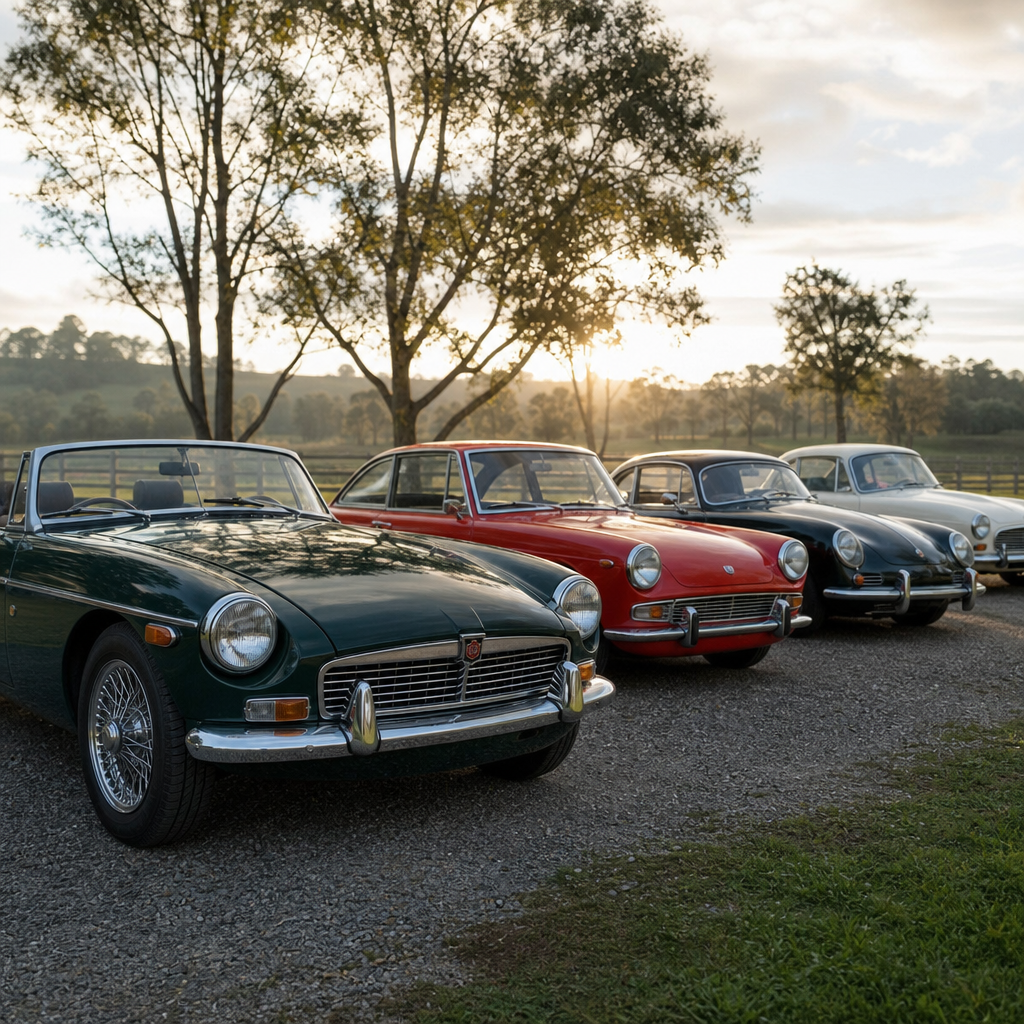
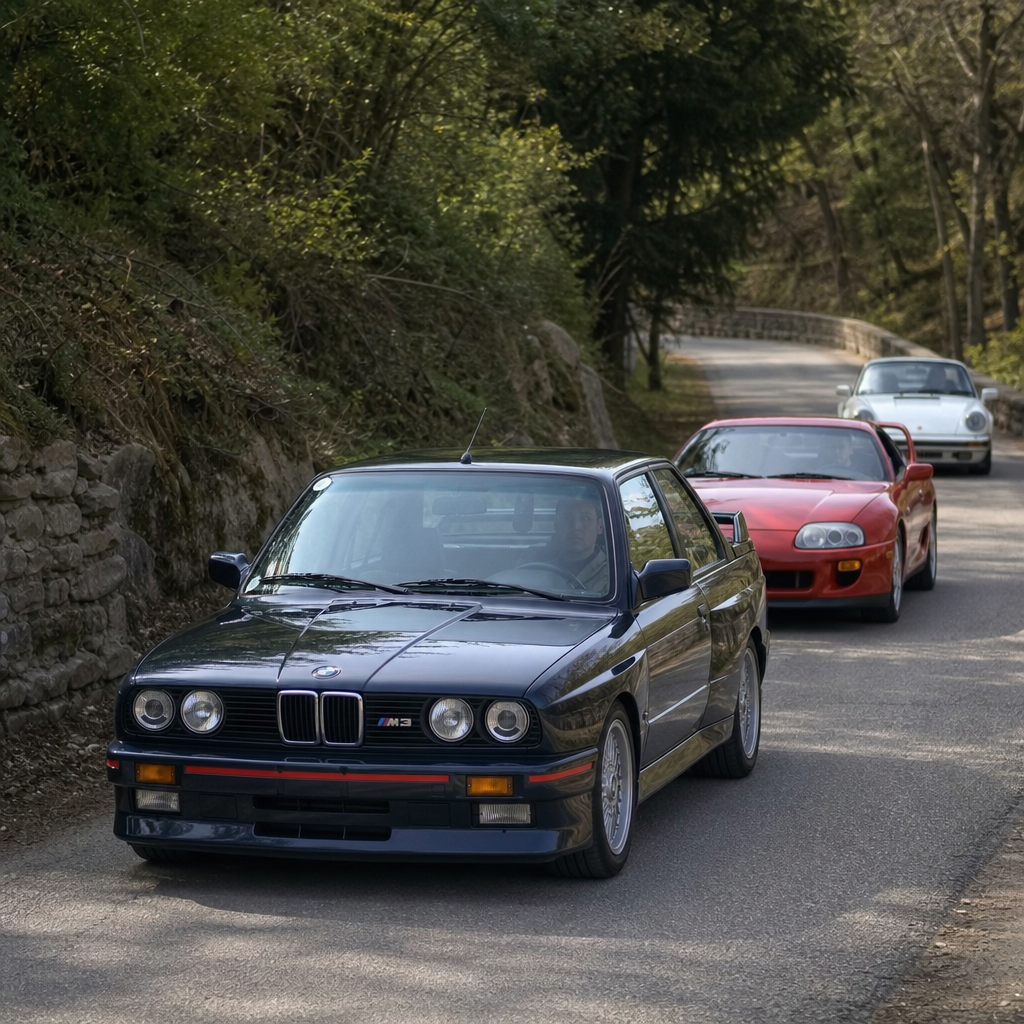
The rise of modern classics has changed how enthusiasts define collectible cars. For decades, the term classic car usually pointed to prewar machines, chrome-heavy cruisers from the 1950s, or muscle cars from the 1960s. Today, vehicles from the 1980s through the 2000s have firmly entered that conversation. In auctions, enthusiast forums, insurance guides, and specialty dealer inventories, these cars are no longer treated as merely used transportation. They are recognized as culturally important, mechanically distinctive, and increasingly valuable.
Modern classics are generally vehicles old enough to evoke nostalgia yet recent enough to be driven, serviced, and enjoyed without the compromises associated with much older collector cars. In practice, that often means cars, trucks, and SUVs built from roughly 1980 to 2009. This period spans the end of carburetors, the spread of electronic fuel injection, the rise of turbocharging, the birth of computer-controlled performance, and major advances in safety and reliability. It also includes the cars many current buyers grew up riding in, learning to drive, or seeing in movies, video games, and motorsport.
Why does this era matter so much now? The answer is simple: collector demand follows memory, usability, and scarcity. Buyers in their thirties, forties, and fifties are chasing the vehicles that shaped their youth, while values rise for models that were once ignored, modified, wrecked, or simply used up. I have watched this shift happen in real time at auctions and local meets. Cars that sat unsold ten years ago, such as clean Fox-body Mustangs, first-generation Mazda Miatas, and unmodified Japanese sport compacts, now draw serious competition because survivors are harder to find and the best examples are undeniably special.
This hub article covers the major eras, segments, and buying considerations that define modern classics within the broader topic of popular classic car eras. It explains what makes 1980s, 1990s, and 2000s vehicles collectible, which categories are leading the market, how condition and originality affect value, and where newcomers should focus next. If you want a practical map of the modern classic landscape, this is the place to start.
What Defines a Modern Classic
A modern classic is not just an old car. It is a vehicle from the recent past that combines historical relevance, enthusiast demand, recognizable design, and enough rarity or originality to stand apart from ordinary aging transportation. Age helps, but age alone does not create collectibility. Plenty of family sedans from the 1990s are simply old cars. A 1994 Toyota Supra Turbo, by contrast, is a modern classic because it influenced performance culture, offered advanced engineering for its day, and became a lasting icon through tuning, media exposure, and limited survival numbers.
Three characteristics usually separate modern classics from used vehicles. First is significance. That can come from engineering, such as the Acura NSX introducing exotic-level usability; motorsport ties, such as Subaru WRX and Mitsubishi Lancer Evolution homologation roots; or cultural impact, such as the DeLorean DMC-12 and the Mk4 Volkswagen GTI. Second is desirability. Enthusiasts need to actively want the model, whether for driving feel, styling, or nostalgia. Third is attrition. If many examples were modified, neglected, or scrapped, clean original survivors become disproportionately valuable.
This era also benefits from practical usability. Compared with many mid-century classics, most 1980s–2000s vehicles start reliably, run at highway speeds without strain, and have workable climate control, disc brakes, and parts networks supported by specialists. The ownership experience is closer to a modern driver’s expectations. That usability broadens the buyer pool and strengthens demand.
The 1980s: Analog Character Meets Emerging Technology
The 1980s were once dismissed as the awkward middle child between muscle cars and modern performance, but that view has changed dramatically. This decade produced angular styling, lightweight platforms, and a mix of analog driving feel with early electronics. Enthusiasts now appreciate the 1980s for its honest character and for introducing technologies that shaped the following decades.
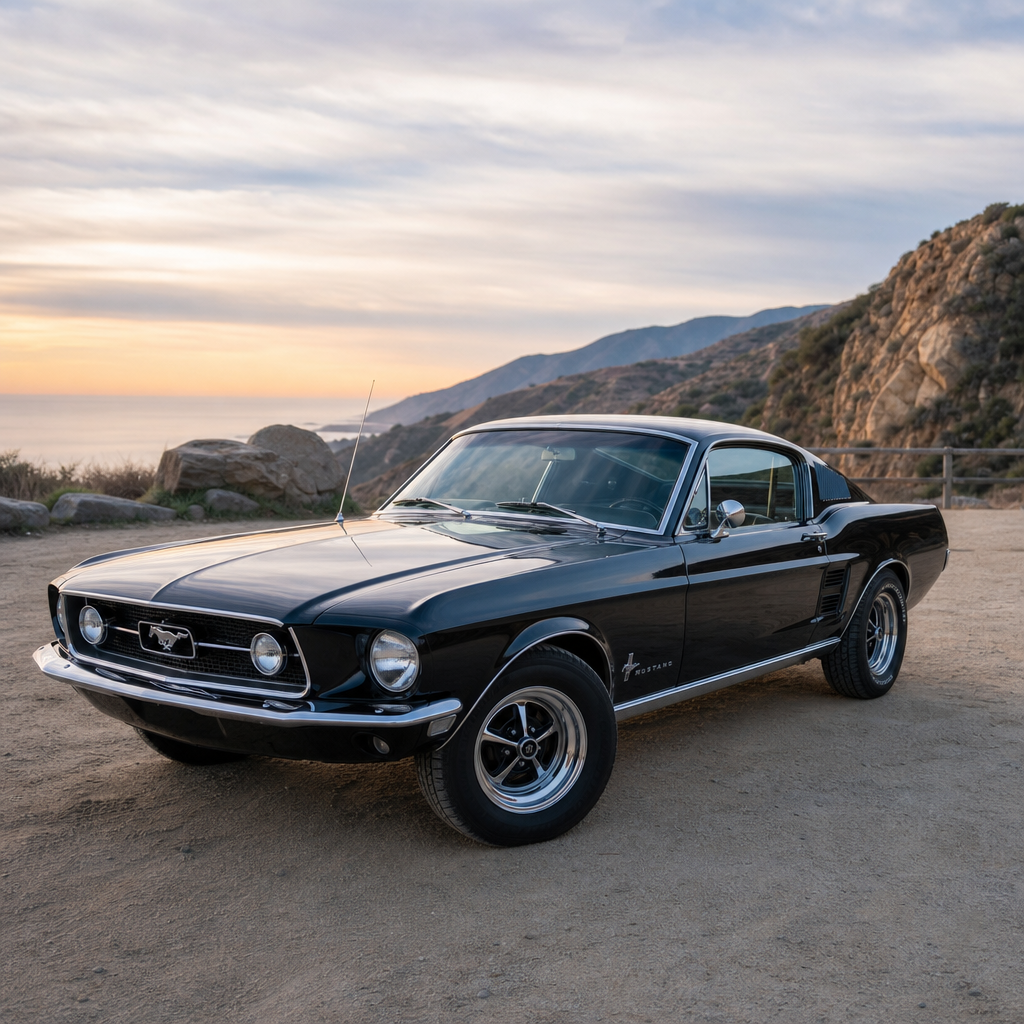
Key examples include the BMW E30 3 Series, especially the M3, which paired compact dimensions with precise steering and homologation credibility. The Porsche 944 and 928 expanded the performance conversation beyond the rear-engine 911. American performance returned through cars like the Buick GN and GNX, proving turbocharged V6 power could embarrass larger V8 rivals. The Fox-body Ford Mustang became a foundational modern collectible because it was affordable, tunable, and deeply tied to grassroots performance culture.
Japanese manufacturers also laid critical groundwork. The Toyota MR2, Honda CRX Si, and Mazda RX-7 delivered lightweight engineering and strong enthusiast followings. These cars are sought not only because they are fun, but because unmodified examples are increasingly scarce. In the 1980s, many were inexpensive enough to become project cars, and originality was rarely protected. Today, factory paint, stock wheels, original interior trim, and complete documentation can transform a decent example into a premium one.
The 1990s: Performance Icons and Global Enthusiast Culture
The 1990s sit at the center of the modern classic boom because they combined robust engineering, memorable design, and a massive cultural footprint. This was the decade when Japanese performance cars reached a golden age, European sport sedans perfected the daily-driver formula, and American brands refined V8 performance with better chassis and drivability.
For many buyers, the 1990s represent the sweet spot between analog and digital. Cars from this era often have airbags, anti-lock brakes, and fuel injection, yet still feel mechanically direct. Steering is usually more communicative than later electric systems, curb weights are lower than most modern equivalents, and interiors remain relatively simple. That makes these vehicles attractive to drivers who want engagement without the compromises of much older collector cars.
Standout models include the Mazda Miata NA, Toyota Supra Mk4, Nissan 300ZX Twin Turbo, Nissan Skyline GT-R R32 and R34, Acura Integra Type R, and Honda S2000 at the edge of the period. Europe contributed the BMW E36 and E39, Mercedes-Benz 190E 2.3-16 and 500E, and Porsche 993. In the United States, the fourth-generation Chevrolet Camaro, C4 and C5 Corvette, and SVT Cobra versions of the Mustang developed loyal followings. These cars anchored enthusiast magazines, early online forums, and import tuning culture.
| Era | Defining Traits | Representative Models | Why Collectors Care |
|---|---|---|---|
| 1980s | Angular design, lighter weight, early electronics, turbo experimentation | BMW E30 M3, Buick GNX, Mazda RX-7, Fox-body Mustang | Analog feel, scarcity of unmodified cars, motorsport and tuner roots |
| 1990s | Balanced performance, strong reliability, rising global enthusiast culture | Toyota Supra Turbo, Acura Integra Type R, Mazda Miata, BMW E39 M5 | Nostalgia, direct driving dynamics, iconic media and motorsport presence |
| 2000s | Higher power, better safety, advanced electronics, usable daily manners | Porsche 996 Turbo, Honda S2000, Nissan 350Z, BMW E46 M3 | Modern comfort with enthusiast credibility and growing collector acceptance |
The 2000s: Usable Performance Becomes Collectible
The 2000s introduced a different kind of modern classic. These vehicles feel familiar to contemporary drivers, yet many already carry serious collector interest. They offer stronger crash protection, improved chassis tuning, and more refined powertrains, but they still predate the full dominance of oversized screens, highly filtered steering, and heavily integrated software ecosystems. For many enthusiasts, this is the last era of relatively approachable mechanical performance.
Examples span many segments. The BMW E46 M3 is a benchmark because it blends motorsport-derived engineering with everyday practicality. The Honda S2000 remains prized for its high-revving naturally aspirated engine, precise six-speed manual, and durable reputation. Nissan’s 350Z and Infiniti G35 revived rear-drive Japanese performance for a new generation. The Porsche 996 Turbo, once overshadowed by older 911s, is now respected for Mezger-engine durability and exceptional value relative to performance.
American models matter here too. The Chevrolet Corvette C5 Z06 and C6, Dodge Viper, Cadillac CTS-V, and Ford Mustang GT and Shelby variants show how domestic manufacturers created genuine world-class performance at multiple price points. Trucks and SUVs from the era are rising as well, especially clean first-generation Cadillac Escalade, Hummer H2, and performance pickups like the Ford SVT Lightning. As with earlier decades, originality and maintenance records increasingly separate collectors’ pieces from tired drivers.
Why Certain Modern Classics Rise Faster Than Others
Not every vehicle from the 1980s–2000s becomes a star. The strongest performers usually check several boxes at once: limited production, enthusiast reputation, distinctive engineering, and survival difficulty. Manual transmissions are often a major factor. So are special trims, homologation editions, and final-year variants. A common car can become collectible if the right configuration is rare enough. For example, a standard E36 3 Series is not equal in market status to a lightweight, well-documented E36 M3 coupe with factory options and original paint.
Cultural visibility matters too. Cars featured in racing series, films, television, or influential games often gain wider recognition. The Toyota Supra’s surge cannot be explained by performance alone; pop culture turned it into a global symbol. The same is true of the Nissan Skyline GT-R, which became legendary well beyond markets where it was originally sold.
Condition remains decisive. In valuation guides from Hagerty and collector car insurers, the gap between excellent and fair condition can be enormous, especially for models with fragile trim, rare wheels, or discontinued interior components. Rust, accident history, incomplete service records, and nonreversible modifications will usually limit upside. I consistently advise buyers to pay more for the best documented, most original example they can afford, because restoration costs on modern classics can be surprisingly high.
Segments Leading the Modern Classic Market
Sports cars remain the headline category, but the modern classic market is broader than many newcomers expect. Japanese performance coupes and sedans lead attention because of limited supply and global demand. European sport sedans and homologation specials continue to attract buyers who want subtle design with serious engineering. American pony cars and Corvettes offer strong performance-per-dollar and deep parts support, making them popular entry points.
Hot hatches are another important segment. Cars like the Volkswagen GTI, Peugeot 205 GTI in markets where available, and Honda Civic Si combine affordability, practicality, and sharp dynamics. Luxury flagships are gaining ground as well, especially V8 and V12 sedans from Mercedes-Benz, BMW, Jaguar, and Lexus, though maintenance complexity can temper values. Even overlooked categories, such as minitrucks, period SUVs, and early sport compacts, are finding collector audiences because nostalgia extends beyond traditional enthusiast hierarchies.
This hub is designed to connect readers to deeper guides on each major branch of the subject: 1980s performance cars, 1990s Japanese icons, 2000s analog-to-digital transition models, collectible trucks and SUVs, and beginner-friendly modern classics. Understanding the overall map helps buyers decide whether they value investment potential, driving experience, historical significance, or ease of ownership most.
How to Buy, Preserve, and Enjoy a Modern Classic
Buying a modern classic requires a different mindset than buying either a brand-new car or a fully vintage collectible. Start with provenance and condition. A pre-purchase inspection by a marque specialist is essential, especially for turbocharged engines, rust-prone chassis, and cars with known weak points such as timing belt intervals, VANOS systems, rotary compression, or brittle interior plastics. Use service records to confirm maintenance rather than assuming low mileage guarantees quality.
Preservation usually rewards restraint. Keep factory parts when upgrading, avoid irreversible modifications, and document everything. Original window stickers, manuals, tools, and even period accessories add value because they reinforce authenticity. Storage matters as much as mileage. UV damage, moisture intrusion, and deferred maintenance age cars faster than careful use does.
The best reason to own a modern classic is that these vehicles can still be enjoyed as intended. Drive them regularly, maintain them properly, and learn the history behind what you own. The rise of modern classics proves that the collector world now values the cars of the 1980s, 1990s, and 2000s as true milestones, not placeholders between older legends and new technology. If you are exploring popular classic car eras, use this hub to identify the decade, segment, and ownership path that match your goals, then dive into the related guides and start your search with confidence.
Frequently Asked Questions
What makes a vehicle from the 1980s, 1990s, or 2000s a “modern classic”?
A modern classic is usually a vehicle old enough to represent a distinct era, yet recent enough to feel familiar to today’s drivers. For cars from the 1980s through the 2000s, that status comes from a mix of cultural relevance, enthusiast demand, limited survival rates, memorable design, and historical importance. These vehicles often introduced features, styling trends, and performance ideas that shaped the industry, whether that meant turbocharged engines in everyday performance cars, the rise of homologation specials, early Japanese sports car dominance, or the transition into electronically managed drivetrains and modern safety systems.
Age alone does not make a car a modern classic. Many ordinary vehicles from these decades are simply older used cars, while certain models have clearly crossed into collectible territory because people actively seek them out. A car becomes a modern classic when it carries emotional weight and market recognition. That may come from motorsport heritage, pop culture visibility, rarity, engineering significance, or a reputation for delivering a driving experience that newer vehicles no longer replicate. In other words, a modern classic is not just old; it is remembered, discussed, preserved, and increasingly valued.
Why have vehicles from the 1980s–2000s become so collectible in recent years?
The biggest reason is generational change. People tend to collect what they admired in their youth, and enthusiasts who grew up seeing 1980s, 1990s, and early 2000s vehicles in magazines, movies, video games, racing series, and family driveways are now in a position to buy them. As this generation gains purchasing power, the market naturally shifts toward the cars that shaped its automotive imagination. This is the same pattern that once elevated 1950s cruisers and 1960s muscle cars into collectible icons.
There is also growing appreciation for the role these vehicles played in automotive history. The 1980s through 2000s were decades of major transition: fuel injection became standard, turbocharging expanded, all-wheel drive performance matured, Japanese and European brands redefined reliability and engineering expectations, and analog driving feel began to merge with early digital technology. That combination makes many of these cars especially appealing. They often offer modern enough usability with old-school personality, meaning owners can enjoy them on real roads without sacrificing the engaging character that newer vehicles sometimes smooth out. As auction results, enthusiast forums, insurance valuations, and specialty dealer inventories have shown, the market no longer sees these cars as disposable transportation. They are increasingly viewed as milestones.
Which types of modern classics from this era are seeing the strongest interest?
Interest is strongest in vehicles that combine nostalgia with a clear identity. Performance coupes, sports cars, limited-production trims, homologation-inspired models, luxury flagships, and enthusiast-oriented sedans have all done especially well. Japanese performance cars from the 1990s and 2000s have drawn enormous attention, but they are far from alone. European sports sedans, German touring cars, iconic hot hatches, American muscle revival models, and influential SUVs and trucks from the era have also developed loyal followings. In many cases, the most desirable examples are the ones that best represent a turning point in technology, design, or brand history.
Condition and originality matter more than ever. Clean, unmodified examples often command the strongest prices because so many cars from these decades were customized, raced, neglected, or driven hard. Vehicles with original paint, factory equipment, service records, and low ownership histories stand out in a crowded marketplace. That said, collectibility is not always limited to high-performance halo cars. Sometimes an ordinary but exceptionally well-preserved model becomes desirable because it captures the look, feel, and everyday experience of its time. As the modern classic market matures, buyers are increasingly rewarding authenticity, provenance, and vehicles that tell a clear story about their era.
Are modern classics a good investment, or should they be bought mainly for enjoyment?
They should be bought primarily for enjoyment, with investment potential treated as a possible bonus rather than a guarantee. While certain models from the 1980s–2000s have appreciated significantly, the collector car market is never uniform, and values can rise or cool depending on trends, production numbers, maintenance costs, and changing tastes. A model that is highly sought after today may level off tomorrow, especially if buyers realize restoration costs, parts availability, or electronic repair complexity are more challenging than expected. The strongest performers tend to be exceptional examples of already desirable models, not average-condition cars purchased solely in hopes of quick profit.
Ownership costs are an important reality. Modern classics often seem newer and easier to manage than older collector cars, but they can bring their own complications. Aging sensors, modules, plastic components, wiring, specialty trim, and era-specific electronics can be difficult or expensive to replace. Insurance, storage, documentation, and preventive maintenance all matter if long-term value is part of the goal. For most buyers, the smartest approach is to choose a vehicle they genuinely appreciate, research common issues thoroughly, buy the best example they can afford, and maintain it carefully. If the car rises in value over time, that is ideal, but the real reward is owning something historically meaningful and enjoyable to drive.
How can buyers identify a worthwhile modern classic before prices climb even higher?
The best approach is to look for vehicles with a strong enthusiast base, a recognizable place in automotive history, and characteristics that are unlikely to be repeated in newer models. That could mean a special engine, a manual transmission, lightweight construction, a distinctive design language, motorsport ties, or a driving experience that feels more analog than what is available today. Watch what enthusiasts discuss consistently, not just what is trending at auction. Cars that maintain long-term respect in owner communities often prove more durable in the collector market than vehicles boosted only by temporary hype.
Buyers should also evaluate survival rates, originality, and support networks. A model can have large production numbers and still become collectible if very few clean examples remain. Conversely, rarity alone does not ensure demand. It helps to focus on cars with available parts, knowledgeable specialist mechanics, active clubs, and documented histories. Pre-purchase inspections are essential, especially for cars from this era, because deferred maintenance can quickly erase any apparent bargain. In practical terms, a worthwhile modern classic is usually one that combines historical significance, emotional appeal, and sustainable ownership. When those factors align, the vehicle stands a much better chance of becoming a respected collectible rather than just an aging used car.