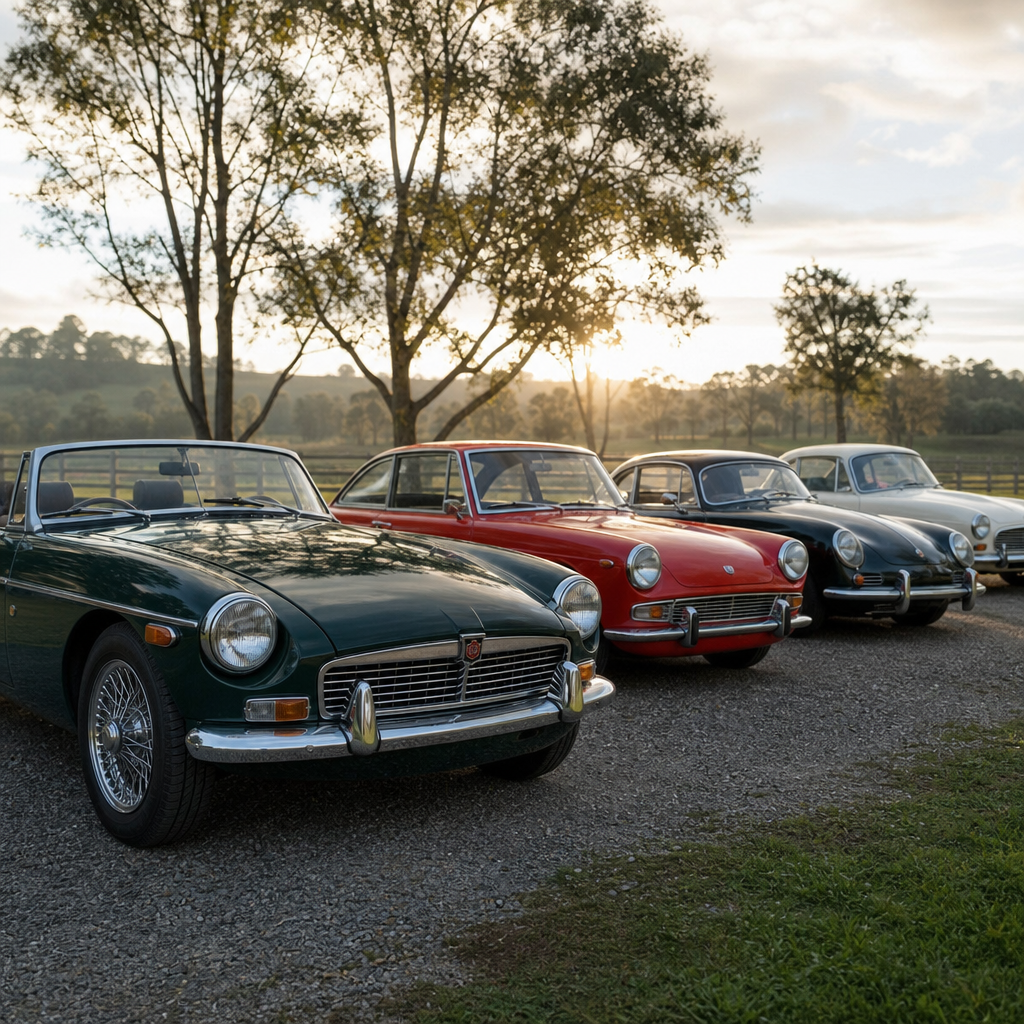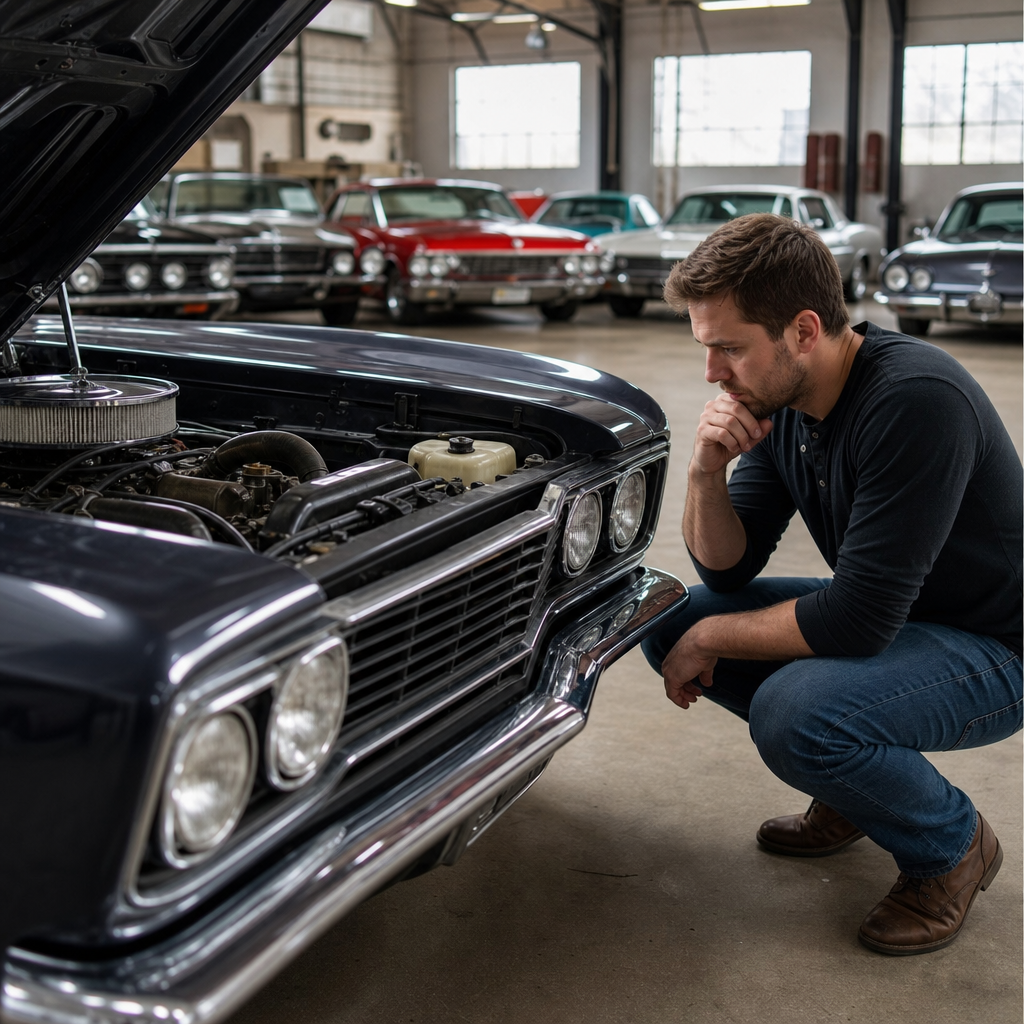
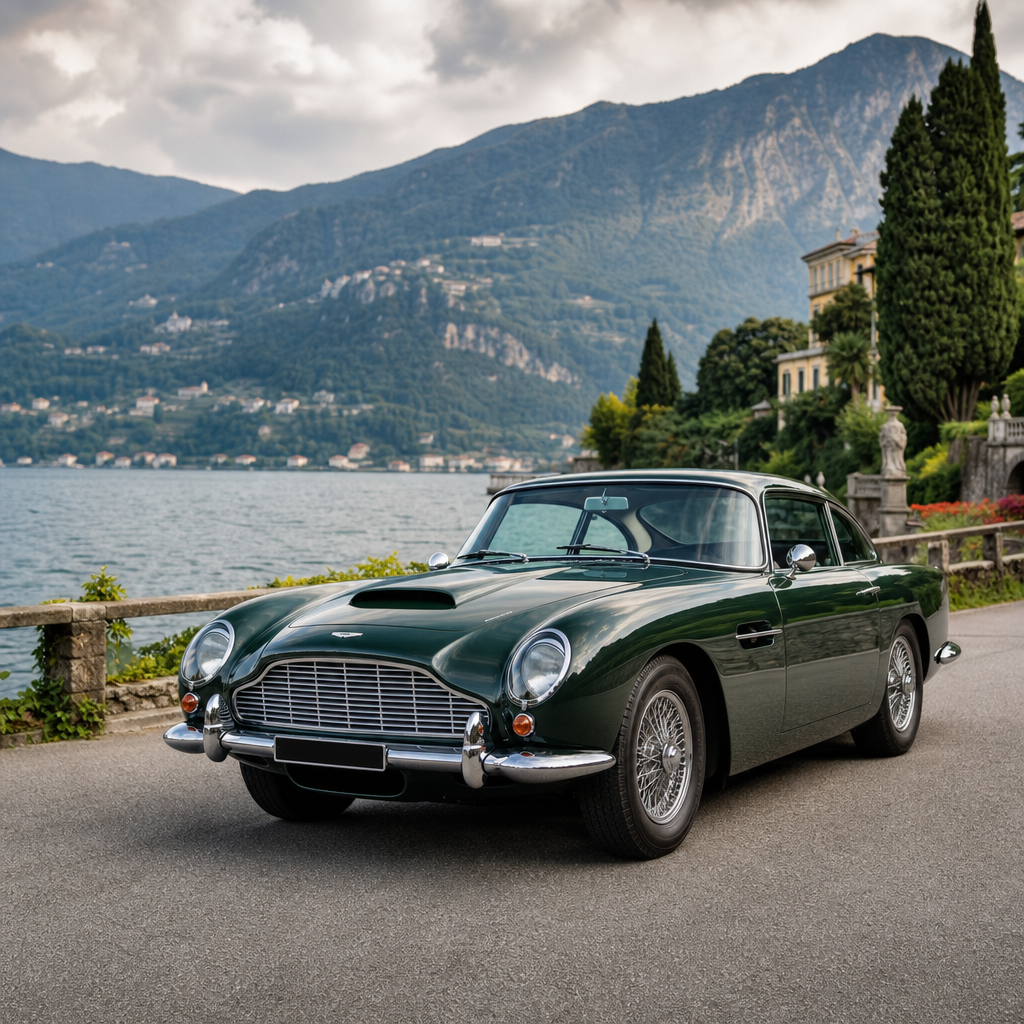
The rise of European classic cars is a story of engineering ambition, cultural change, motorsport rivalry, and enduring design that turned practical transport into collectible history. In the classic car world, “European” usually refers to vehicles built in the United Kingdom, Italy, Germany, France, and Sweden during the twentieth century, while “classic” generally describes older cars valued for historical importance, craftsmanship, rarity, driving character, or influence on later models. Definitions vary by insurer, club, and government authority: some use a twenty-year threshold, others twenty-five or thirty, and many collectors distinguish among vintage, postwar, and modern classics. What matters more than a strict date is significance. A Jaguar E-Type, Mercedes-Benz 300SL, Citroën DS, Porsche 911, or Alfa Romeo Giulia is considered classic because each changed expectations about performance, style, technology, or everyday usability. I have worked around restorations, auctions, and owner clubs long enough to see that buyers are not just purchasing metal; they are buying a chapter of European industrial history they can drive, maintain, and preserve.
Understanding the history of classic cars matters because Europe shaped nearly every major category still recognized by enthusiasts today. The continent produced luxury touring cars, lightweight roadsters, elegant grand tourers, practical family saloons, rally legends, and homologation specials that connected the road directly to the race circuit. European manufacturers also established design languages and engineering standards that continue to influence modern vehicles. Disc brakes, unibody construction, fuel injection, overhead camshaft engines, aerodynamic bodywork, and safety cell design all gained prominence through European development. For readers exploring classic car basics and education, this topic serves as a hub because it connects manufacturing history, coachbuilding, motorsport, restoration practice, valuation, and collecting strategy. To understand why certain cars appreciate, why parts support differs by brand, or why originality commands a premium, you need to know how these cars emerged, what problems they solved, and why they earned loyalty that lasted for generations.
Early Foundations: From Craft Production to National Identity
European classic car history begins before the collector market existed. In the early twentieth century, cars were built in comparatively small numbers, often by firms that combined bicycle, engine, carriage, and metalworking expertise. Britain developed a strong tradition of sporting machines and bespoke coachwork through companies such as Bentley, Lagonda, and Rolls-Royce. France led early innovation with Peugeot, Renault, Delage, Delahaye, and Bugatti, the last of which operated in Alsace and became synonymous with artistic engineering. Italy cultivated speed and drama through Alfa Romeo, Lancia, Isotta Fraschini, and later Ferrari and Maserati. Germany emphasized precision and durability, with Mercedes, Auto Union, BMW, and Adler establishing reputations for technical rigor.
These prewar cars became classics partly because they embodied national approaches to motoring. British cars often balanced gentlemanly touring with competition use. Italian cars pursued lightness, rev-happy engines, and emotional styling. French manufacturers experimented boldly with suspension, streamlining, and body architecture. German brands prized high-speed stability and mechanical quality. Before mass production fully standardized motoring, differences among nations were visible in chassis design, body proportions, dashboard layouts, and even driving ergonomics. That variety is one reason early European cars remain so compelling to historians and collectors.
The interwar years also established the link between racing success and road-car prestige. Bentley’s wins at Le Mans in the 1920s gave the marque a durable aura of performance and stamina. Alfa Romeo’s Grand Prix achievements elevated its road models well beyond simple transport. Mercedes and Auto Union demonstrated advanced engineering under intense competition. This pattern never disappeared. Across decades, European enthusiasts repeatedly valued road cars that inherited components, design thinking, or reputation from motorsport. That heritage still drives prices and demand today.
Postwar Recovery and the Birth of the Modern Classic
After World War II, Europe faced damaged infrastructure, material shortages, and urgent demand for affordable mobility. Yet this difficult period produced many of the cars now seen as foundational classics. Manufacturers had to rebuild quickly, often adapting prewar ideas before introducing more advanced designs. The result was a broad spectrum of vehicles, from tiny economy cars to prestigious touring machines. Volkswagen’s Beetle became one of the defining postwar cars because it was simple, durable, and globally recognizable. Fiat’s 500 and 600 mobilized families in Italy. The Morris Minor and Mini transformed British small-car design. The Citroën 2CV answered rural France’s need for inexpensive, practical transport. These cars are classics not because they were rare, but because they shaped everyday life across Europe.
At the higher end, postwar innovation accelerated. The 1955 Citroën DS introduced hydropneumatic suspension, power-assisted controls, and futuristic bodywork unlike anything else on sale. The Mercedes-Benz 300SL brought fuel injection and iconic gullwing doors to an elite grand touring audience. Jaguar offered XK and later E-Type models that combined speed and beauty at relatively accessible prices. Porsche refined the rear-engined sports car formula through the 356 and then the 911. These cars became blue-chip classics because they united engineering substance with strong visual identity.
| Era | Representative Models | Why They Matter Today |
|---|---|---|
| Prewar | Bentley 4½ Litre, Bugatti Type 35, Alfa Romeo 8C | Established motorsport prestige, bespoke craftsmanship, and national design identities |
| Postwar Recovery | Volkswagen Beetle, Citroën 2CV, Fiat 500, Morris Minor | Defined mass mobility and created emotional attachment through daily use |
| 1950s–1960s Performance Boom | Mercedes 300SL, Jaguar E-Type, Porsche 356/911, Alfa Giulia | Introduced advanced engineering and enduring sports car formulas |
| 1970s–1980s Modern Classic Era | BMW 2002, Lancia Delta Integrale, Golf GTI, Saab 900 Turbo | Connected motorsport, practicality, and enthusiast driving in usable road cars |
In practical collecting terms, the postwar period matters because it marked the shift from craft-built automobiles to industrially produced cars with broad owner communities. That means stronger parts networks, better documentation, and more established restoration pathways than many earlier vehicles. When people begin learning classic car history, they often start here because the cars are easier to identify, the stories are richer in living memory, and the market data is clearer.
The Golden Age of Design, Engineering, and Coachbuilding
From the 1950s through the 1970s, European classic cars reached a level of stylistic and technical distinction that still defines the collector market. This was the era when coachbuilders and in-house design studios had enormous cultural influence. Pininfarina, Bertone, Zagato, Touring Superleggera, Ghia, and Italdesign shaped Italian elegance and experimentation. In Britain, firms like Mulliner, Park Ward, and later independent specialists refined luxury presentation. Germany increasingly integrated design discipline with manufacturing precision, while France continued to reward unconventional solutions.
Several landmark models illustrate why this period is central to the history of classic cars. The Jaguar E-Type, launched in 1961, offered around 150 mph performance with monocoque-derived construction and disc brakes, helping democratize exotic looks. The Mini, designed by Alec Issigonis, revolutionized packaging by using a transverse engine and front-wheel drive to maximize interior space in a tiny footprint. The Porsche 911, introduced in 1964, proved that a distinct engineering layout could be continuously refined rather than abandoned. The Alfa Romeo Giulia sedan combined twin-cam performance with practical family usability. The Volvo Amazon and later 240 series demonstrated that safety engineering could coexist with classic durability and restrained design.
Coachbuilding also mattered because it created layers of rarity within broader model families. A standard Alfa Romeo or Lancia might be valuable, but a Zagato-bodied variant often commands a very different market because production numbers, body construction, and historical context differ dramatically. This is a recurring lesson in classic car education: model names alone are not enough. Series changes, body styles, drivetrain revisions, and coachbuilder involvement can alter desirability, maintenance complexity, and value by large margins.
Another reason this era produced so many lasting classics is that regulations had not yet homogenized design to the degree seen later. Engineers and stylists still had room for idiosyncratic solutions. Citroën could sell advanced self-leveling suspension. Lancia could pursue narrow-angle V engines and inventive packaging. Saab could build aircraft-influenced cars with turbocharged character and strong safety thinking. That freedom created vehicles with unmistakable personalities, a trait collectors prize because it cannot be replicated by modern standardization.
Motorsport, Rallying, and the Making of Legends
No history of European classic cars is complete without motorsport. Racing did not merely advertise road cars; it shaped development priorities, public perception, and collector mythology. Ferrari built its identity around competition from the beginning. Porsche used endurance racing to validate reliability and aerodynamics. Jaguar’s Le Mans wins elevated the C-Type and D-Type and cast a long shadow over the E-Type’s reputation. BMW’s touring car and formula efforts helped define the sporting image that later made cars like the 2002 and E30 M3 so collectible.
Rallying was equally important, especially in Europe where road conditions, weather, and geography made competition visibly relevant to ordinary drivers. The Mini Cooper’s Monte Carlo victories showed that light weight and agility could beat larger rivals. Saab built toughness and winter-road credibility through rally participation. Alpine gained prestige through the A110. Later, the Lancia Stratos, Audi Quattro, Peugeot 205 T16, and Lancia Delta Integrale transformed the idea of the performance road car by tying it directly to homologation rules. These models are now pillars of the modern classic market because buyers understand the direct connection between competition success and road-going specification.
From years of studying auction catalogs and restoration invoices, I have seen that motorsport provenance affects value at multiple levels. A genuine competition car with documented period history sits at the top. Below that are homologation specials, limited production variants created to satisfy regulations. Then come standard road cars that borrow engines, suspension geometry, or styling cues from racing programs. Even when a car was never entered in an event, its association with a successful competition campaign can materially strengthen demand, especially if period advertising and enthusiast press reinforced the link.
From Used Cars to Collectibles: How European Classics Built a Market
European classics did not become valuable overnight. For decades, many now-desirable cars were simply old used vehicles. Their transition into collectibles depended on owner clubs, specialist parts suppliers, marque historians, auction houses, insurers, and media outlets that helped define significance. The Federation Internationale des Vehicules Anciens and national clubs created standards for preservation and historical recognition. Publications such as Classic & Sports Car, Octane, Auto Motor und Sport, and Ruoteclassiche educated buyers on originality, chassis numbers, and restoration quality. Auction firms including Bonhams, RM Sotheby’s, Gooding, and Artcurial brought transparency and international attention to values.
As the market matured, buyers became more sophisticated. Originality started to matter as much as cosmetic appeal. Matching-numbers drivetrains, factory colors, service history, and documented ownership could separate an exceptional car from an average example. At the same time, not every segment followed the same curve. Ultra-rare Ferraris and Mercedes competition cars moved into investment territory, while accessible classics such as MGBs, Triumph Spitfires, Peugeot 205 GTIs, and BMW E30s remained enthusiast-driven markets shaped by condition and maintenance costs. This range is one reason European classic cars remain so popular: there is an entry point for nearly every budget and skill level.
The rise of the modern classic category expanded interest even further. Cars from the late 1970s through the 1990s, once overlooked, gained recognition as analog machines from the last era before heavy digital mediation. The Golf GTI, BMW E28 and E30, Mercedes W123 and W124, Volvo 240 Turbo, Peugeot 205 GTI, and Porsche 944 all benefited from this shift. They offered usability, recognizable engineering, and parts availability, while also evoking a period now old enough to feel historic.
What Makes European Classic Cars Endure
European classic cars endure because they combine story, usability, and identifiable engineering character. A good classic is not merely old; it represents a meaningful development in design, technology, social history, or competition. The best examples still communicate their purpose clearly when driven today. You feel the light steering of a Citroën 2CV, the mechanical precision of a classic Mercedes, the playful balance of a Mini, or the rear-engined rhythm of a Porsche 911, and the car explains itself immediately. That directness is rare in modern automobiles.
They also endure because the support ecosystem is unusually strong. Europe has deep archives, active clubs, marque specialists, reproduction parts suppliers, and restoration workshops with model-specific knowledge. Brands such as Porsche, Mercedes-Benz, Jaguar, BMW, Alfa Romeo, and Volkswagen all benefit from strong enthusiast communities, and in some cases official heritage programs. That support makes ownership more practical and sustains values by reducing uncertainty.
For anyone studying the history of classic cars, European models provide the clearest map of how the hobby evolved. They show the progression from hand-built luxury machines to people’s cars, from postwar necessity to design icons, from motorsport homologation to collectible status. They also teach the central rule of the hobby: context creates value. Learn the era, the engineering, the body style, the production numbers, and the competition or cultural story behind each car. Then explore marque-specific guides, restoration resources, and buying checklists to go deeper. The rise of European classic cars is not just a nostalgic tale; it is the foundation for understanding the entire classic car landscape. Start with the history, and every other part of collecting becomes clearer.
Frequently Asked Questions
What makes a European car a “classic” rather than just an old vehicle?
A European car becomes a classic when it holds value beyond age alone. In most cases, that value comes from a combination of historical importance, engineering quality, design influence, rarity, cultural relevance, and driving character. Many old cars survive, but only a smaller group earns classic status because collectors, historians, enthusiasts, and the market recognize them as meaningful examples of automotive development. A classic may represent a breakthrough in performance, safety, styling, luxury, mass production, motorsport success, or even social mobility in postwar Europe.
In the European context, classics are often associated with cars built in countries such as the United Kingdom, Italy, Germany, France, and Sweden during the twentieth century. These vehicles range from elegant grand tourers and lightweight sports cars to practical family sedans and compact city cars. What unites them is not a single body style or price point, but the fact that they reflect the ambitions and identity of their era. A Jaguar E-Type, Porsche 911, Citroen DS, Alfa Romeo Spider, Volvo Amazon, or Mini all became classics for different reasons, yet each left a lasting mark on car culture.
Condition and originality also matter. A vehicle that remains mechanically sound, visually intact, and close to its factory specification usually carries greater classic significance than one heavily altered or poorly preserved. However, provenance can be just as important. A car with documented ownership, racing history, limited production, or association with a notable event may be considered a classic even if restoration is required. In short, a European classic car is not simply old transport; it is a machine that captures a chapter of engineering and cultural history.
Why did European classic cars become so influential in automotive history?
European classic cars rose to prominence because Europe became one of the most creative and competitive centers of automotive innovation in the twentieth century. Manufacturers across the continent were responding to very different national needs, from affordable transport in recovering economies to luxurious touring machines for wealthy buyers and highly specialized racing cars for international competition. This diversity produced a wide range of vehicles that pushed forward engineering, style, and brand identity in ways that shaped the global car industry.
Motorsport played a major role. Racing and rallying gave European manufacturers a proving ground where technical ideas could be tested under intense pressure. Disc brakes, lightweight construction, improved aerodynamics, refined suspension systems, and high-performance engines all benefited from this competition culture. Brands such as Ferrari, Porsche, Mercedes-Benz, Jaguar, Alfa Romeo, and Lancia built reputations not only through road cars but through victory and visibility in major racing events. Those successes elevated their production models and made them symbols of excellence.
Design was equally important. European carmakers often emphasized proportion, craftsmanship, and distinctive styling in ways that turned automobiles into cultural objects. Italian coachbuilders brought drama and elegance, German firms refined engineering discipline, British brands balanced sporting appeal with tradition, French manufacturers experimented boldly with comfort and technology, and Swedish companies built trust around safety and durability. Because these cars were often designed with a strong sense of national identity, they resonated emotionally with buyers and later with collectors.
Their influence also grew over time because many European classics introduced ideas that later became standard or highly admired. Some made performance accessible, others redefined executive travel, and others still proved that small cars could be efficient, clever, and enjoyable. As generations of enthusiasts looked back, these vehicles came to represent turning points in how cars were built and experienced. That is why European classic cars are remembered not just as products of their time, but as vehicles that helped define the modern automobile.
Which countries contributed most to the rise of European classic cars, and how did their approaches differ?
The countries most commonly associated with the rise of European classic cars are the United Kingdom, Italy, Germany, France, and Sweden. Each developed a distinct automotive character shaped by local industry, geography, economics, and consumer expectations. Together, they created a rich landscape of classic vehicles that appealed to very different kinds of drivers and collectors.
The United Kingdom became famous for sports cars, luxury saloons, and charismatic grand tourers. British manufacturers often emphasized driving feel, elegant styling, and strong brand heritage. Cars from Jaguar, MG, Triumph, Aston Martin, Bentley, Rolls-Royce, and Lotus helped define British motoring identity. Even when reliability could be inconsistent, the appeal of these vehicles was undeniable because they offered personality, craftsmanship, and a uniquely engaging road experience.
Italy contributed passion, beauty, and racing pedigree. Italian classic cars are often celebrated for emotional design and high-revving performance, whether from Ferrari, Alfa Romeo, Maserati, Fiat, or Lancia. Italy also stood out because of its coachbuilding tradition, with design houses creating bodies that transformed automobiles into art. Many Italian classics are admired as much for their visual impact and sound as for their engineering.
Germany built its reputation on precision, durability, and technical sophistication. Mercedes-Benz, Porsche, BMW, Audi, and Volkswagen all played important roles in developing cars that combined long-term build quality with innovation. German classics often appeal to collectors because they feel both usable and historically important. Whether it is the practical charm of an early Volkswagen Beetle, the engineering substance of a Mercedes sedan, or the performance lineage of a Porsche sports car, German vehicles often represent disciplined excellence.
France took a more experimental route, producing classics known for comfort, unconventional engineering, and stylistic boldness. Brands such as Citroen, Peugeot, and Renault created cars that often challenged industry norms, especially in suspension, packaging, and everyday usability. The Citroen DS is one of the clearest examples of a French classic that became iconic through innovation as much as appearance.
Sweden, though smaller in scale, became highly respected for durable, practical, and safety-minded cars. Volvo and Saab brought a different kind of prestige to the classic market by focusing on engineering integrity, reliability in harsh climates, and thoughtful design. These cars may appear more understated than some Italian or British rivals, but their lasting reputation comes from authenticity and everyday strength.
The rise of European classic cars was not driven by one national formula. It was the result of these different traditions developing side by side, competing with one another, and collectively expanding what a car could be.
How did motorsport, design, and culture help turn European cars into collectibles?
Collectibility rarely comes from engineering alone. European cars became collectible because they sat at the intersection of motorsport achievement, memorable design, and wider cultural change. A car that wins races, appears in films, reflects a turning point in society, or captures a specific national identity becomes more than transportation. It becomes a symbol, and symbols tend to endure.
Motorsport gave many European models credibility and mythology. Racing victories create stories that collectors remember for decades, especially when a manufacturer transfers competition technology into road-going cars. When enthusiasts buy a classic with racing roots, they are often buying into that narrative as much as the machine itself. A rally-proven Lancia, a Le Mans-linked Jaguar, or a Porsche with clear competition heritage carries a deeper emotional and historical appeal than a technically similar but less storied model.
Design made these cars visually unforgettable. European manufacturers and coachbuilders were often willing to take risks with form, proportion, and detail. Some classics became collectibles because they were instantly recognizable and unlike anything else on the road. Others achieved lasting value because they represented timeless restraint rather than flamboyance. In both cases, great design helped establish emotional attachment, and emotional attachment is one of the strongest drivers of the collector market.
Cultural context matters just as much. Many European classics emerged during periods of reconstruction, prosperity, youth culture, or social transformation. Small cars reflected urbanization and affordability. Sporting coupes expressed freedom and aspiration. Executive sedans signaled postwar business success. In later decades, films, magazines, celebrity ownership, and enthusiast clubs strengthened the identities of these vehicles even further. As a result, collectors do not simply see metal, glass, and rubber; they see the values and atmosphere of a particular era.
That combination of competition history, standout design, and cultural resonance is what pushes a car from admired old model to serious collectible. The strongest European classics tell multiple stories at once, and that layered significance is exactly what makes them so appealing across generations.
Why are European classic cars still so desirable to collectors and enthusiasts today?
European classic cars remain desirable because they offer something many modern vehicles intentionally smooth out: mechanical character. They engage the senses in a direct way through steering feel, engine sound, gear changes, seating position, cabin materials, and visible craftsmanship. Drivers often describe them as more involving because they communicate their design and limitations honestly. That tactile experience creates a powerful bond, especially for enthusiasts who want motoring to feel personal rather than automated.
Collectors are also drawn to their historical depth. A classic European car often represents a clear moment in industrial, cultural, or sporting history. Owning one can feel like preserving a living artifact from a period when national design philosophies were more obvious and when engineering choices gave cars stronger individual personalities. A 1960s Italian coupe, 1950s British roadster, 1970s German sports car, or French executive sedan from the same era all provide very different experiences, and that variety keeps