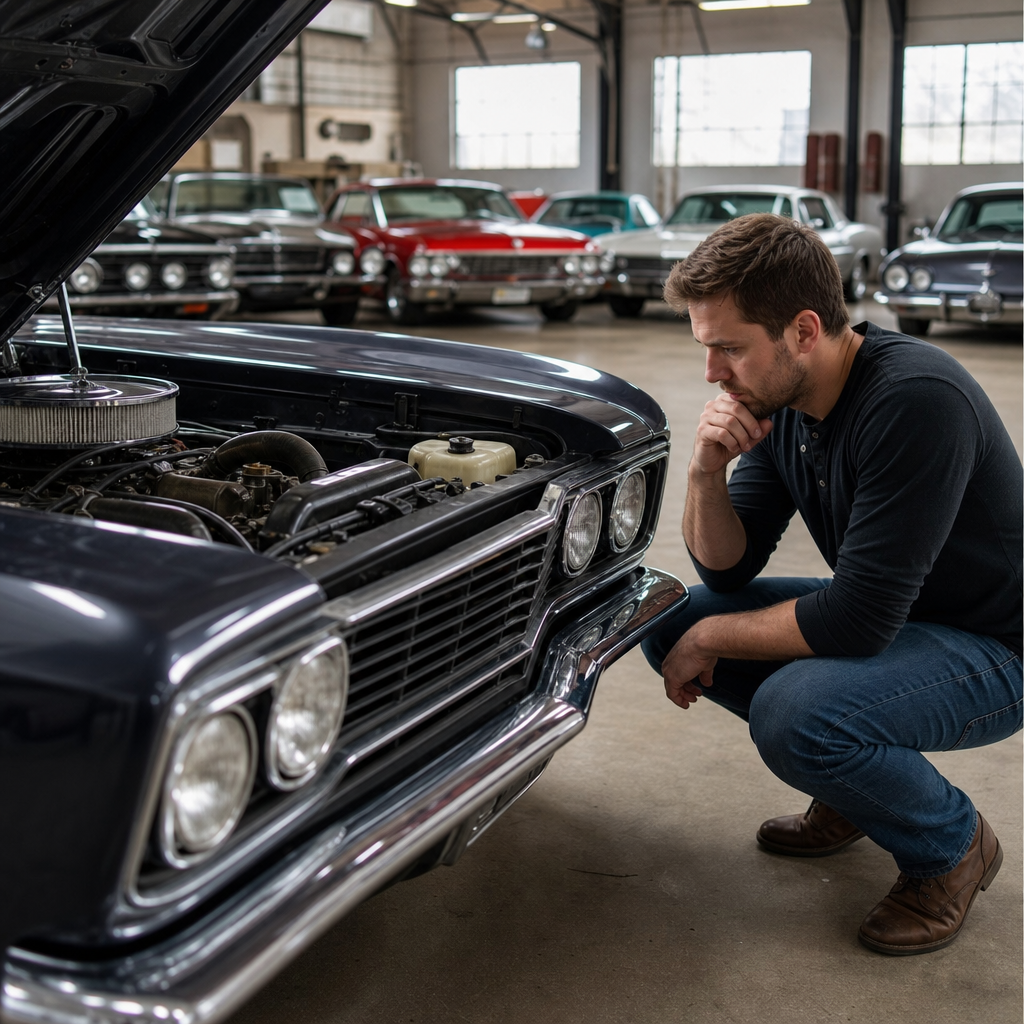
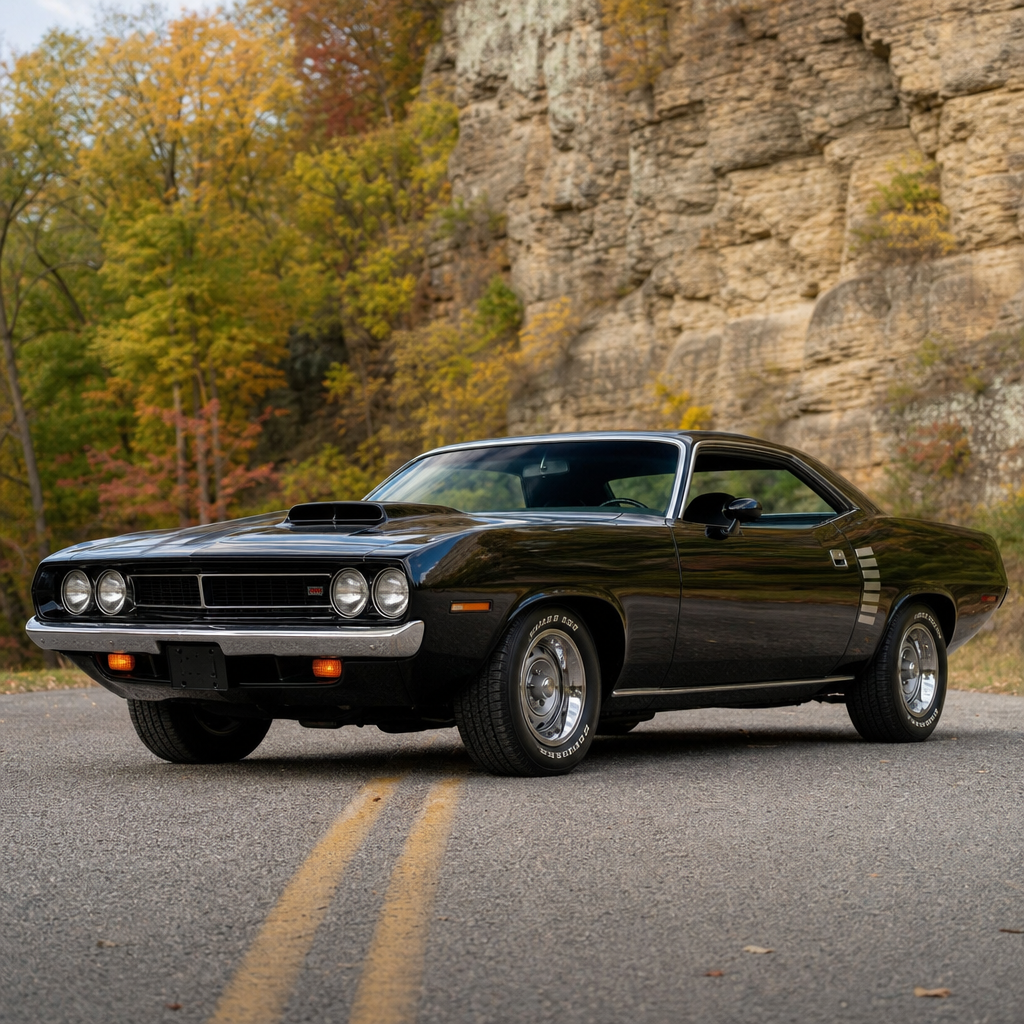
The muscle car era remains the most magnetic chapter in American performance history because it fused accessible speed, bold design, and cultural timing into a formula enthusiasts still chase today. In the broad landscape of popular classic car eras, no period generates more debate, restoration activity, auction buzz, or first-car fantasies than the mid-1960s through early 1970s boom in V8-powered coupes and hardtops. When enthusiasts say “muscle car,” they usually mean an American intermediate or compact model fitted with a large-displacement engine, rear-wheel drive, and a price point that put serious straight-line performance within reach of ordinary buyers. Closely related categories matter too: pony cars emphasized sporty styling and youthful appeal, full-size performance cars delivered big-engine cruising, and drag-oriented factory specials pushed the limits of what dealerships could legally sell.
I have spent years around restored Mopars, survivor Chevrolets, and driver-quality Fords at auctions, shows, and shop floors, and one pattern never changes: people who may disagree about styling, brands, and market values still stop for a healthy cam idle and a set of period-correct stripes. That reaction is not nostalgia alone. The muscle car era matters because it sits at the crossroads of engineering, manufacturing, marketing, and social change. It tells the story of how Detroit responded to youth spending power, new highways, low fuel prices, factory horsepower wars, and the rise of organized motorsport. It also explains why later performance categories, from modern super sedans to today’s retro-inspired V8 coupes, still borrow visual cues and emotional language from that period.
As a hub within classic car basics and education, this overview maps the era comprehensively. It defines what qualifies as a muscle car, identifies the major years, explains the manufacturers and nameplates that shaped the market, and addresses what happened when emissions rules, insurance surcharges, and fuel shocks changed the game. It also places the era among other popular classic car eras, including prewar classics, postwar chrome-heavy cruisers, 1950s hot rods, malaise-era survivors, and analog performance cars of the 1980s and 1990s. Understanding why the muscle car era still dominates enthusiasts gives readers a framework for every related topic: restoration, collecting, valuation, originality, drivability, and the lasting appeal of mechanical honesty.
What Defines the Muscle Car Era
The muscle car era is generally anchored between 1964 and 1973, with the strongest concentration from 1966 to 1971. The commonly cited starting point is the 1964 Pontiac GTO, which packaged a large V8 in a midsize platform and proved there was demand for affordable, high-output street performance. Historians debate whether earlier cars deserve the title, but the GTO established the template in a way the market immediately recognized. The recipe was simple: a big engine, aggressive gearing, modest curb weight by the standards of the day, and styling that announced intent without requiring exotic engineering or hand-built production.
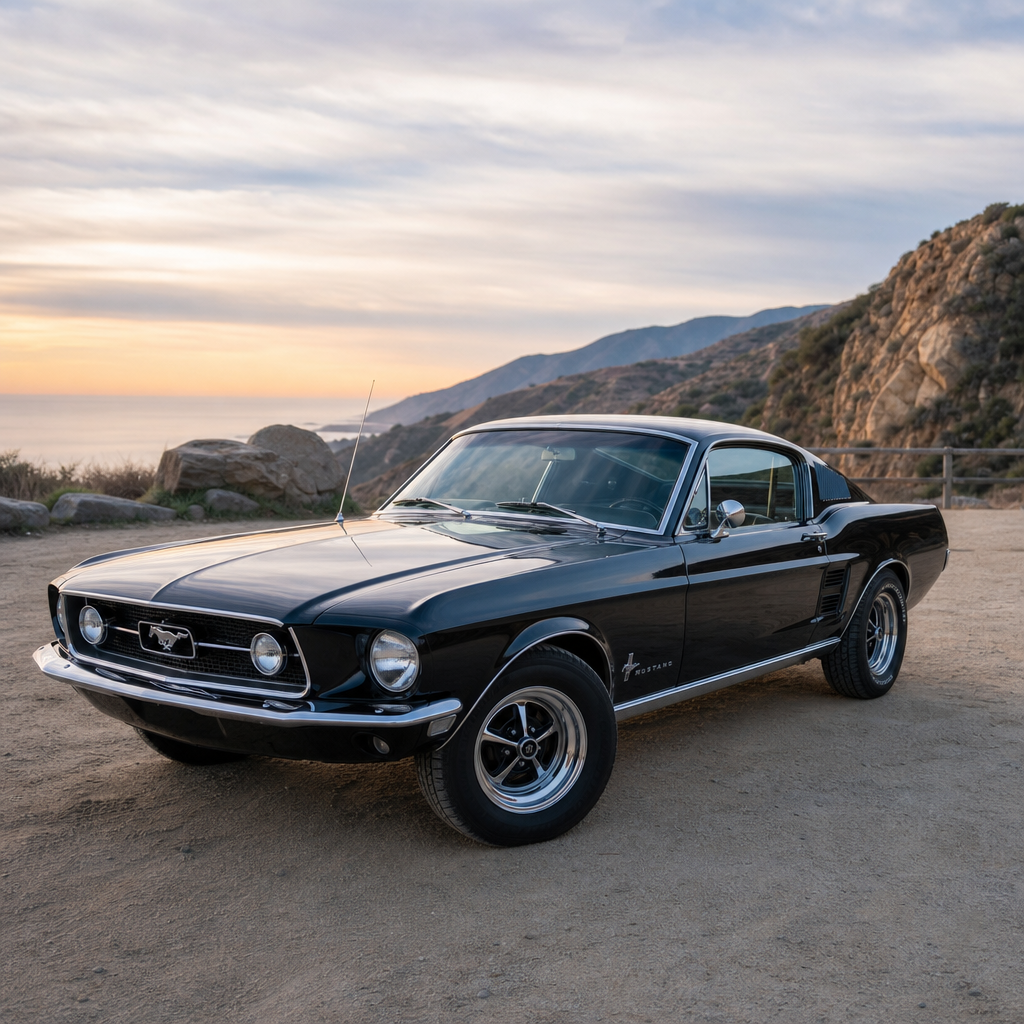
That definition needs nuance. Not every powerful 1960s American car is a muscle car, and not every desirable classic from the period fits cleanly into the category. The Ford Mustang, Chevrolet Camaro, Plymouth Barracuda, and Dodge Challenger are more accurately called pony cars, though high-performance versions overlap heavily with muscle car culture. Likewise, a 1961 Chevrolet Impala SS with a 409 occupies the performance-car lineage that helped create the era, even if many collectors place it slightly outside the classic midsize formula. In practice, enthusiasts use “muscle car” as shorthand for the whole American factory performance movement, but accuracy matters when discussing provenance, values, and historical significance.
The Perfect Conditions for a Performance Explosion
Muscle cars flourished because the market conditions were unusually favorable. The postwar economy had matured, baby boomers were entering driving age, and manufacturers understood that image sold cars as effectively as practicality. Gasoline was inexpensive, interstate travel was expanding, and Detroit had the manufacturing scale to build powerful engines across multiple divisions with shared parts and platforms. A 389, 396, 426, or 440 cubic-inch engine was not a boutique experiment; it was part of a massive industrial system that could deliver performance through dealer networks nationwide.
Marketing amplified the effect. Manufacturers sold aspiration as much as acceleration, using hood scoops, tachometers, stripes, wheel packages, and evocative trim names to turn option sheets into identity. Motorsports mattered too. NHRA drag racing, NASCAR homologation efforts, and street credibility all fed showroom demand. Insurance had not yet fully penalized young buyers for horsepower, and federal safety and emissions regulations had not yet narrowed engineering choices. In plain terms, Detroit had room to be loud, fast, and visually extravagant, and customers were ready to reward it.
The Models That Built the Legend
Several nameplates carry the era’s reputation. Pontiac’s GTO remains foundational because it transformed a divisional experiment into a market category. Chevrolet answered with the Chevelle SS, an archetype of balanced design and brutal driveline options, especially with the 396 and later 454. Oldsmobile’s 442 and Buick’s Gran Sport proved General Motors could express performance in distinct brand voices, from high-rev urgency to torque-rich refinement. At Chrysler, the Road Runner democratized speed with a stripped-down formula, while the Charger, Super Bee, GTX, and Hemi-equipped specials brought visual drama and drag-strip credibility. Ford countered with the Fairlane, Torino, and Mustang performance variants, while Mercury fielded the Cougar and Cyclone for buyers wanting similar hardware with different presentation.
Engine codes and packages are central to the story. A 426 Hemi, Chevrolet’s LS6 454, Ford’s 428 Cobra Jet, Buick’s Stage 1 455, and Oldsmobile’s W-30 are not just labels; they signal combustion-chamber design, intake and camshaft choices, compression ratios, and factory intent. I have watched buyers inspect cowl tags, stampings, and casting dates more carefully than paint finish because authenticity drives both scholarship and value. A genuine Ram Air IV GTO or Hemi ’Cuda commands attention not simply because of peak horsepower claims, but because documented rarity, engineering ambition, and period competition history make those cars touchstones for the entire era.
| Model | Manufacturer | Why It Matters | Typical Enthusiast Appeal |
|---|---|---|---|
| Pontiac GTO | Pontiac | Widely recognized as the segment-defining midsize performance car | Historical significance, balanced styling, strong club support |
| Chevelle SS 454 | Chevrolet | Big-block torque and broad parts availability | Usable restoration path, strong resale demand |
| Plymouth Road Runner | Plymouth | Affordable performance with direct drag-strip image | Raw character, high-recognition branding |
| Dodge Charger R/T | Dodge | Fastback styling and broad engine range, from 440 to Hemi | Cinematic presence, collector prestige |
| Ford Mustang Boss 429 | Ford | Homologation-linked engineering and extreme rarity | Blue-chip collectibility, motorsport connection |
Design, Sound, and Mechanical Character
Enthusiasts remain attached to muscle cars because they deliver sensory clarity that many modern vehicles intentionally mute. Long hoods, short decks, hood scoops, shaker intakes, rally wheels, blackout grilles, and high-contrast graphics made performance visible from a block away. Inside, the formula continued with bucket seats, round gauges, woodgrain trim, Hurst shifters, and optional tachometers mounted where the driver could not ignore them. These were not anonymous transportation appliances. They were designed to telegraph speed before the engine even started.
Then there is the mechanical experience. A carbureted V8 with a lumpy idle, a four-speed manual, and a limited-slip rear axle communicates every input in a direct, analog way. Steering boxes could be slow and brakes could fade by modern standards, but the tradeoff is honesty. You hear valvetrain noise, feel gear engagement, and sense the driveline loading under throttle. That visceral quality explains why even people who know a contemporary sports coupe is objectively quicker still romanticize a 1970 LS5 Chevelle or 1969 428 Cobra Jet Mach 1. Numbers matter, but theater matters too, and muscle cars are exceptional performers in that respect.
Why the Era Outshines Other Classic Car Eras
Every classic car era has strengths. Prewar cars showcase coachbuilt craftsmanship and early engineering milestones. The late 1940s and 1950s celebrate chrome, tailfins, and the optimism of postwar consumer design. The 1980s and 1990s offer analog driver aids, fuel injection, and increasingly usable performance. Yet the muscle car era sits in a sweet spot between collectibility and accessibility. It offers enough mechanical simplicity for owners to understand and maintain the cars, enough production volume to support parts reproduction, and enough cultural visibility that even non-specialists can identify key models.
This balance is one reason the era dominates beginner interest as well as advanced collecting. A prewar classic can require specialized knowledge, wood framing work, and scarce trim sourcing. A 1959 Cadillac may deliver spectacular presence but demands size, storage, and substantial trim restoration budgets. An early fuel-injected import performance car may offer precision yet lack the shared cultural recognition that fuels broad hobby participation. By contrast, a small-block Nova, 383 Road Runner, or 351-powered Torino can be understood quickly, modified sensibly, and enjoyed at local events without requiring museum-level expertise. The era rewards both scholarship and participation.
The End of the Golden Years and What Changed
The original run did not end because enthusiasts lost interest. It ended because the operating environment changed. Rising insurance premiums targeted high-horsepower cars, federal emissions standards forced lower compression and cleaner combustion strategies, and safety requirements added weight and complexity. The 1973 oil crisis changed public perception of fuel consumption, while manufacturers shifted priorities toward compliance and broader-market drivability. Horsepower ratings also transitioned from gross to net measurement, which makes period comparisons tricky and often misunderstood by newcomers.
By the mid-1970s, many formerly fearsome badges remained, but their performance no longer matched the peak years. That decline, however, actually strengthened the legend. Enthusiasts began looking backward toward the unrestrained period when compression ratios were higher, camshafts were bolder, and manufacturers openly competed for quarter-mile credibility. In the collector world, scarcity plus remembered greatness is powerful. The fact that the peak was relatively brief gave the era a clear mythology, and myths with identifiable heroes tend to outlast longer, less defined movements.
Collecting, Restoring, and Living With Muscle Cars Today
Today’s muscle car market ranges from six-figure concours restorations to honest drivers with upgraded ignition, radial tires, and front disc brakes. The first decision is always purpose. If the goal is investment-grade originality, documentation matters as much as condition. Build sheets, broadcast sheets, protect-o-plates, window stickers, matching numbers, and factory-correct finishes can separate a top-tier example from an attractive but ordinary car. If the goal is enjoyment, a restomod or lightly upgraded driver may deliver far better value. I often advise newcomers to buy the best documented and structurally sound car they can afford rather than chasing a rare engine code hidden under poor metalwork and incomplete history.
Ownership also demands realism. Muscle cars are simple compared with modern vehicles, but they are not maintenance-free. Carburetor tuning, cooling efficiency, ignition reliability, bushing wear, drum brake limitations, and rust in quarter panels, floors, trunk pans, and frame sections are common concerns. The upside is that aftermarket and reproduction support is unusually strong. Companies such as YearOne, AMD, Holley, Edelbrock, and Classic Industries help keep these cars viable, and marque-specific clubs preserve technical knowledge that once lived only in dealership service departments. For enthusiasts entering classic car ownership, that support network is one of the muscle car era’s strongest advantages.
Why Enthusiasts Still Choose This Era First
The muscle car era still dominates enthusiasts because it combines story, sensation, and practicality better than any other classic segment. These cars are historically important without being unreachable as a category. They are visually dramatic without requiring esoteric design literacy. They are mechanically engaging without being so fragile or obscure that ownership becomes a specialist-only exercise. Most importantly, they created a language of performance that still shapes how people imagine speed, freedom, and American automotive identity.
For anyone exploring popular classic car eras, this is the essential hub because the muscle car period connects to every major subtopic in the hobby: restoration standards, factory options, originality, valuation, motorsport influence, and the shift from analog engineering to regulated performance. Learn the differences between a muscle car and a pony car, study the landmark engines and packages, and understand why 1964 through 1973 carries such weight. Then use that foundation to explore model-specific guides, buying checklists, and restoration resources. The era still leads enthusiast culture for a simple reason: it delivers an unforgettable driving idea in a form people can still own, hear, fix, and love.
Frequently Asked Questions
What exactly defines a muscle car, and why is the muscle car era usually tied to the mid-1960s through early 1970s?
A muscle car is generally understood as an American-built, mid-size or intermediate coupe or hardtop fitted with a large-displacement V8 and engineered to deliver strong straight-line performance at a price ordinary buyers could realistically afford. That formula matters because it separated muscle cars from earlier hot rods, full-size performance sedans, and later pony cars, even though all of those categories overlap in enthusiast conversation. When most people picture the classic muscle car era, they are thinking of cars such as the Pontiac GTO, Chevrolet Chevelle SS, Plymouth Road Runner, Dodge Super Bee, Oldsmobile 442, Buick GS, and Ford Torino Cobra or Fairlane-based big-block models. These cars were not just fast for the time; they offered a direct, unapologetic kind of performance that felt attainable and rebellious.
The era is usually anchored in the mid-1960s through the early 1970s because that was the peak moment when Detroit fully embraced the idea of stuffing high-output V8s into relatively lighter, more affordable platforms and marketing them aggressively to young buyers. Several forces made that possible: postwar economic optimism, expanding suburban car culture, cheap fuel, growing dealer competition, and a youth market eager for individuality and speed. By the early 1970s, insurance surcharges, tightening emissions rules, safety regulations, and the shift away from gross horsepower ratings began changing the market dramatically. Performance did not vanish overnight, but the original formula that defined the era started to lose its edge. That is why enthusiasts still treat that specific window as the true muscle car golden age.
Why does the muscle car era still have such a powerful hold on enthusiasts compared with other classic car periods?
The muscle car era still dominates enthusiast imagination because it combines several irresistible qualities in one package: dramatic styling, memorable sound, cultural significance, mechanical simplicity, and the idea of accessible speed. Many classic cars are beautiful, rare, or historically important, but muscle cars are often seen as personal. They represent a period when performance was not reserved only for exotic brands or wealthy collectors. A buyer could walk into a dealership and order serious horsepower with stripes, scoops, bucket seats, and a manual transmission, then drive that same car on the street. That emotional accessibility continues to resonate deeply with enthusiasts across generations.
There is also a storytelling advantage that muscle cars possess. They are tied to drag strips, boulevard cruising, dealer ordering wars, magazine road tests, and a larger American identity built around freedom and V8 power. They look loud even when parked, and they sound like motion before they move an inch. Add in decades of reinforcement from movies, television, die-cast collectibles, video games, restoration media, and auction coverage, and the muscle car era becomes more than a slice of automotive history; it becomes a permanent cultural reference point. Even people who never owned one often feel like they know these cars. That broad recognition keeps demand strong and keeps the era at the center of enthusiast debate.
How did muscle cars become such an important part of American automotive culture?
Muscle cars became culturally important because they arrived at exactly the right time in the United States. The country was experiencing a powerful blend of economic growth, youth-driven consumerism, expanding road infrastructure, and a growing fascination with speed and self-expression. Automakers recognized that younger buyers wanted more than transportation. They wanted style, identity, and performance they could talk about with friends and compare at stoplights, on local strips, or at weekend races. Manufacturers responded by turning horsepower into a marketing weapon, and the result was one of the most competitive and exciting periods in Detroit history.
What made muscle cars especially influential was that they turned performance into a mainstream experience. They were featured in advertisements, enthusiast magazines, dealer showrooms, and local cruising scenes in ways that made them visible and aspirational. The cars became symbols of confidence, independence, and mechanical freedom. Their impact extended beyond sales numbers; they shaped language, fashion, music associations, and regional car culture. Even after the original era faded, muscle cars remained central to American nostalgia because they represented a moment when the car was not just transportation or luxury, but a public statement of personality and power.
What makes classic muscle cars so appealing to restore, collect, and drive today?
Classic muscle cars remain highly appealing because they offer a rare balance of visual drama, mechanical honesty, and emotional payoff. From a restoration standpoint, many of these vehicles have strong parts support, extensive documentation, and large enthusiast communities that make ownership more approachable than with many obscure classics. Reproduction sheet metal, interior components, trim pieces, and performance upgrades are widely available for popular models, which helps sustain restoration activity. Collectors also appreciate that muscle cars span a wide range of values, from blue-chip investment-grade examples to driver-quality cars that can still be enjoyed regularly.
From behind the wheel, the appeal is even easier to understand. A classic muscle car delivers a tactile experience modern vehicles intentionally filter out. The steering feels mechanical, the engine dominates the mood, and the car communicates through vibration, sound, and throttle response. These cars are not always refined by modern standards, but that is exactly part of the attraction. They feel alive, direct, and memorable. For many owners, the goal is not just preservation or profit. It is participation in a living tradition of cruising, wrenching, showing, and sharing stories. That combination of collectibility and visceral engagement is a major reason the muscle car era remains so active in the hobby.
Are all high-horsepower American classics from that period considered muscle cars?
Not necessarily. This is one of the most debated topics in the hobby, and the answer depends on how strictly someone defines the term. In the traditional sense, a muscle car is usually an American intermediate or mid-size car with a powerful V8 focused on straight-line performance and sold at a relatively accessible price. Under that definition, not every fast American car from the 1960s and early 1970s qualifies. Full-size performance models, compact performance cars, and pony cars like the Ford Mustang, Chevrolet Camaro, and Plymouth Barracuda are often discussed alongside muscle cars, but some purists treat them as separate categories even when their engines and performance figures overlap.
That said, enthusiast usage has broadened over time. Today, many people use “muscle car” as a catchall phrase for a wide range of classic American performance machines from the era, including pony cars, big-block intermediates, and even some later high-performance models. The broad usage is understandable because these cars share the same emotional ingredients: V8 power, aggressive styling, and a connection to the same cultural moment. Still, for readers who want the most accurate historical framing, it is best to think of muscle cars as a specific subset within the larger world of American performance classics. That distinction helps explain why the term inspires so much passion and so many arguments among knowledgeable enthusiasts.