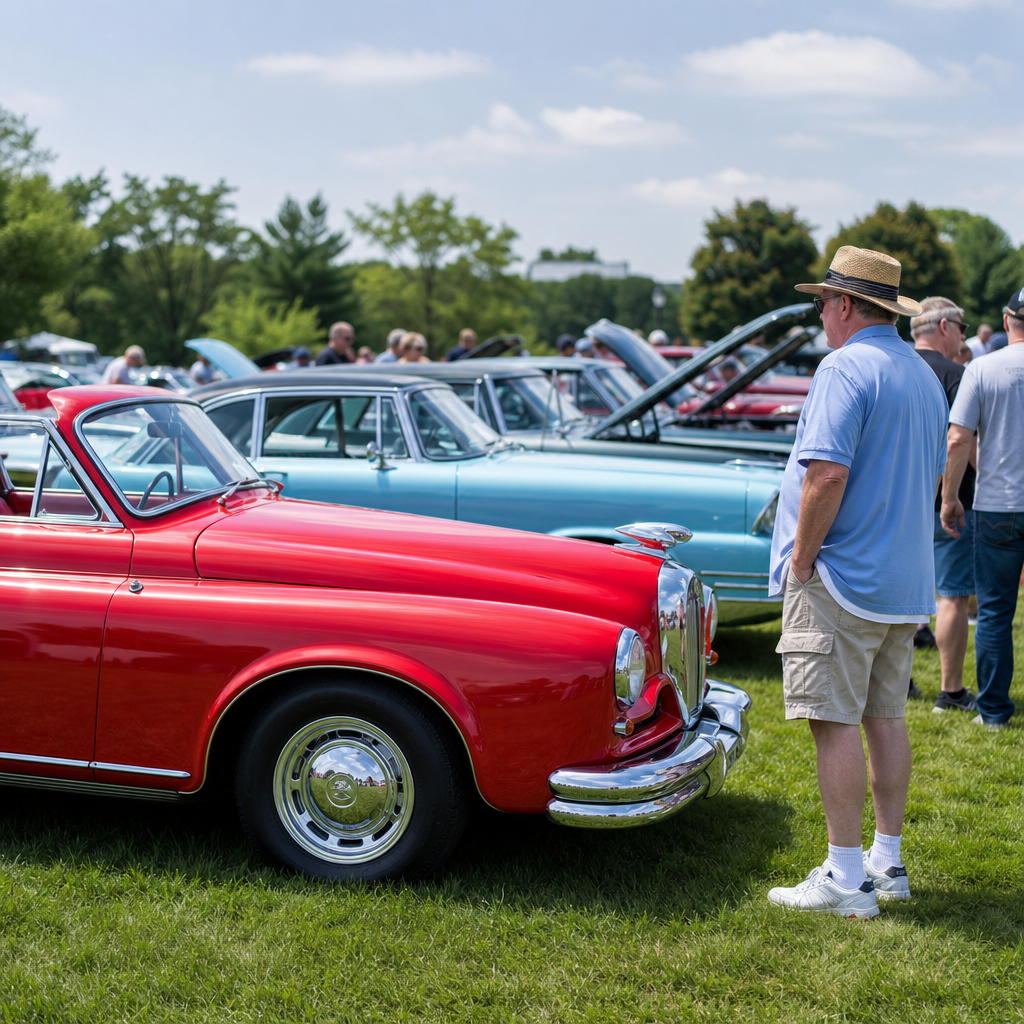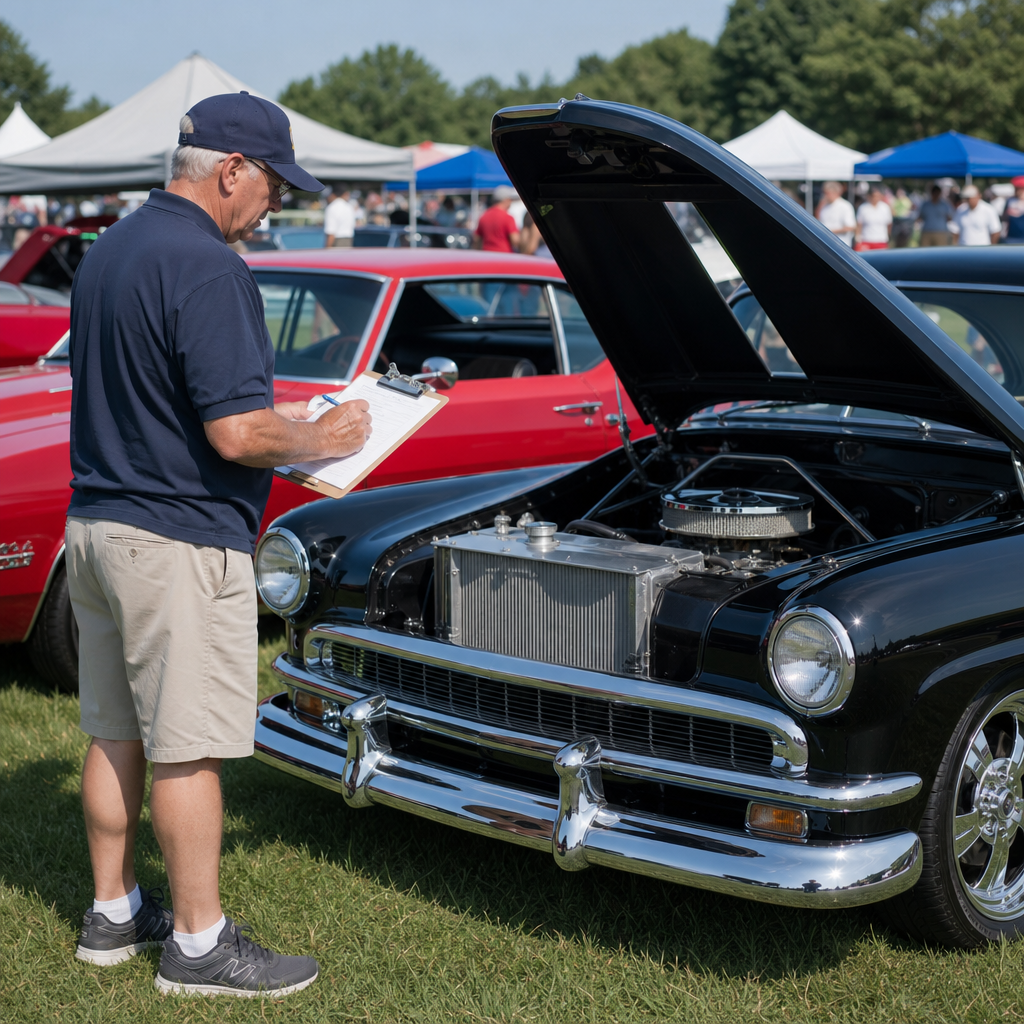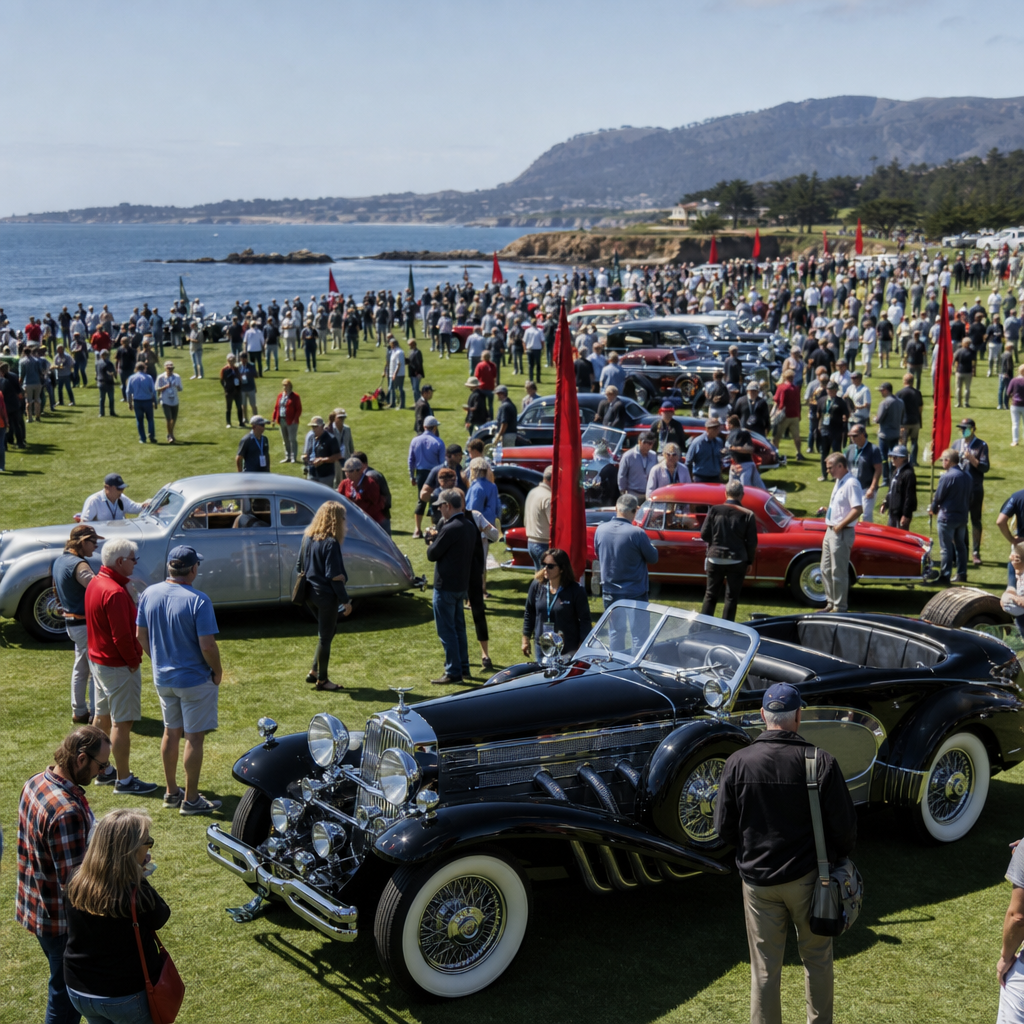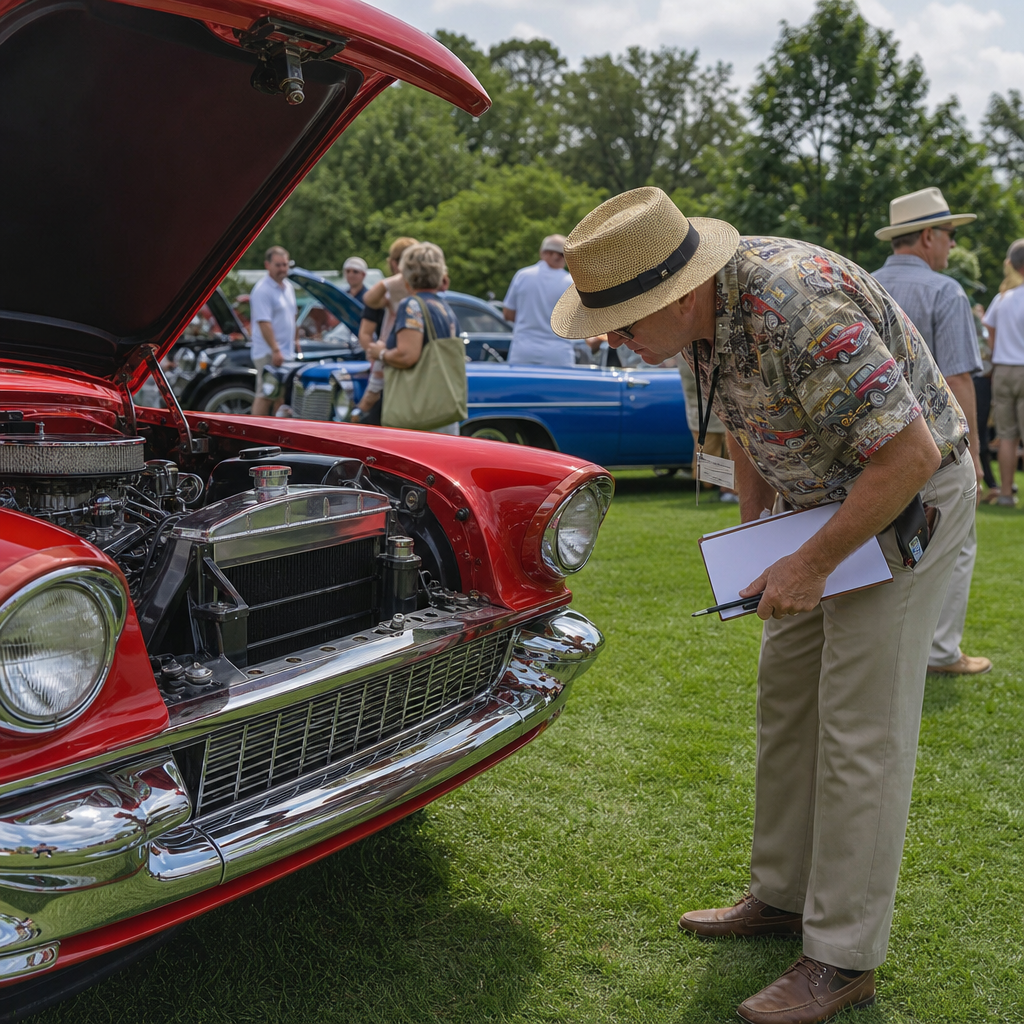
Classic car clubs shape how enthusiasts learn, socialize, buy parts, preserve history, and keep older vehicles on the road. When people ask, “Online vs local car clubs: which is better?” they are usually comparing two ways of belonging to the same larger community: digital groups that meet through forums, social platforms, and video calls, and place-based organizations that gather at garages, cruise-ins, shows, and weekend drives. I have worked with both formats for years, from marque-specific message boards that solved impossible parts questions to local chapter meetings where one afternoon around a lift taught more than weeks of reading. The choice matters because membership affects access to technical knowledge, restoration help, event opportunities, friendships, costs, and even long-term ownership satisfaction. For classic car owners especially, club quality can influence whether a project gets finished, whether a rare model stays authentic, and whether the hobby feels welcoming or isolating. This guide explains how classic car clubs work, where online clubs excel, where local clubs win, and how to choose the right fit for your goals.
What Classic Car Clubs Actually Do
Classic car clubs are organized communities built around shared interest in older vehicles, whether defined by era, manufacturer, model, body style, region, or activity. Some clubs focus tightly on one marque, such as Porsche, MG, Ford Mustang, Chevrolet Corvette, or Jaguar. Others gather owners of broad categories like prewar cars, British roadsters, muscle cars, hot rods, air-cooled Volkswagens, or trucks. In practice, the best clubs do far more than schedule meets. They preserve technical knowledge, document production changes, maintain registries, connect buyers and sellers, publish newsletters, negotiate insurance discounts, support judging standards, and mentor newer enthusiasts. National organizations such as the Antique Automobile Club of America and marque registries have long served this role, while newer digital communities extend it across borders.
As a hub topic within classic car culture and lifestyle, car clubs connect nearly every part of the hobby. Restoration advice, storage solutions, transport recommendations, event calendars, concours preparation, sourcing reproduction parts, valuing originality, and planning road trips all flow through club networks. That is why choosing between online and local car clubs is not simply a social preference. It determines how quickly you can diagnose a carburetor stumble, find a period-correct hubcap, verify casting numbers, learn paint-code history, or hear about a nearby estate sale before the good parts disappear. Club structure also shapes culture. Some communities are highly technical and archival. Others prioritize casual driving, family picnics, or charity events. Understanding that difference is the first step to picking the right club.
The Strengths of Online Car Clubs
Online car clubs offer reach, speed, and depth that local groups rarely match. A digital community can unite thousands of owners of the same model across multiple countries, which matters when production numbers were low or the vehicle has uncommon components. If you own a 1963 Studebaker Avanti, a 1971 De Tomaso Pantera, or an early fuel-injected Mercedes sedan, your nearest local club may have nobody with direct experience. An online forum or social group can produce an answer within hours from people who have rebuilt the exact engine, repaired the exact trim, or decoded the exact chassis plate. This concentration of niche knowledge is the biggest advantage of online clubs.
Online groups also create searchable archives. A well-run forum becomes a living workshop manual filled with restoration threads, wiring diagrams, vendor reviews, and troubleshooting histories. Instead of asking the same question at each meeting, members can search ten years of prior discussions. That archive is especially valuable for common classic car pain points: identifying vacuum leaks, matching upholstery grain, adjusting drum brakes, setting dwell angle, or choosing zinc-rich primers for rust repair. Platforms differ in quality. Traditional forums still outperform fast-moving social feeds because they preserve information by topic, while Facebook groups and Discord servers are better for immediacy and conversation. The ideal digital club blends both.
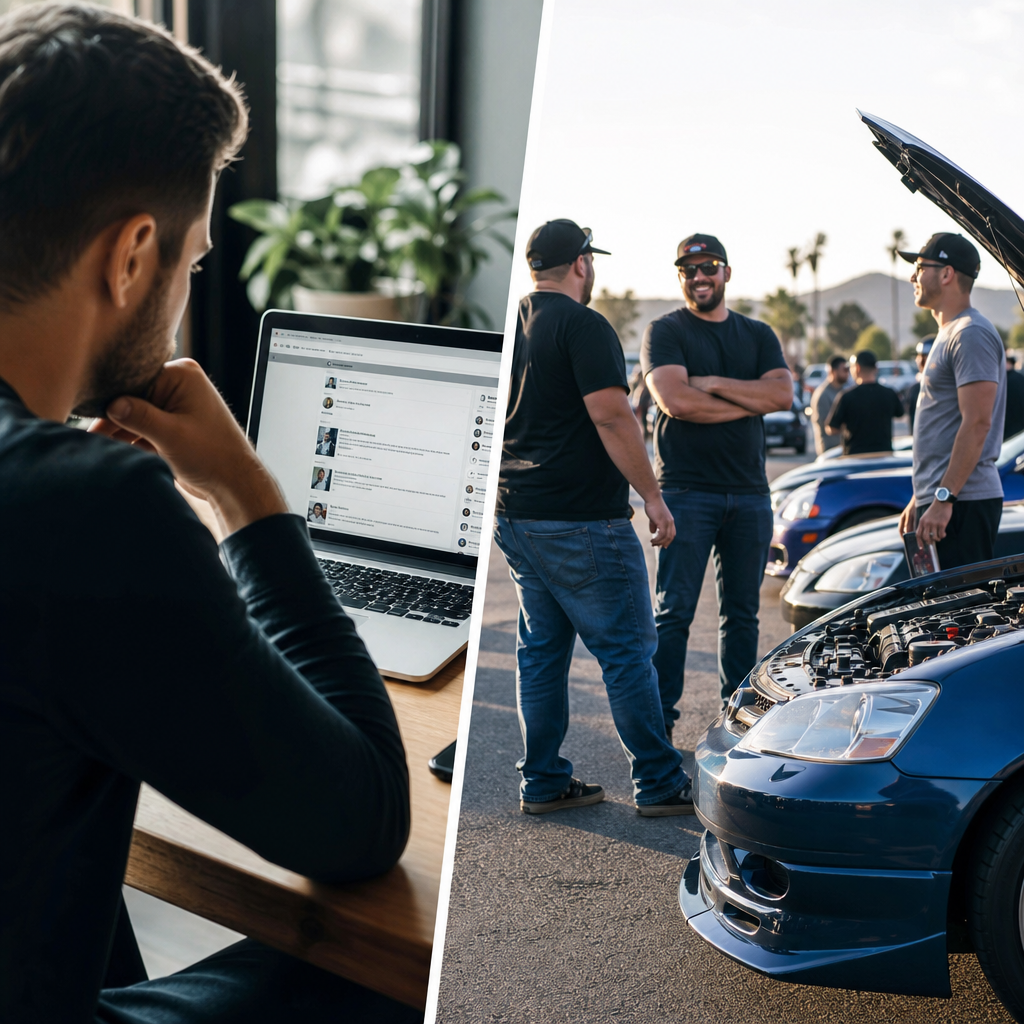
Another advantage is convenience. Owners with demanding jobs, mobility limitations, or rural locations can participate without travel. A member can join from a laptop after work, post photos from the garage, attend a webinar on paint correction, and order a club grille badge from another state. For younger enthusiasts priced out of expensive local scenes, online clubs are often the entry point. They lower social friction, reduce time costs, and make it easier to ask beginner questions. In my experience, newcomers who are hesitant to speak up at in-person gatherings are often much more comfortable posting clear photos and asking for step-by-step help online.
Where Local Car Clubs Have the Edge
Local car clubs are better at turning interest into real-world progress. A nearby member can look at your car in person, hear a valvetrain noise, smell stale fuel, notice an incorrect throttle linkage, or put the vehicle on a lift and spot floorpan rust that photos missed. Classic cars are physical machines, and many problems are sensory. You diagnose steering play by feeling it, panel alignment by sightline, and carburetor tuning by sound and response. That is why local clubs remain essential even in a highly connected era. In-person mentorship shortens the learning curve dramatically.
Local clubs also provide accountability and momentum. If you know the chapter’s spring tour is six weeks away, you are more likely to finish bleeding brakes, replacing weatherstripping, or reinstalling trim. Shared calendars create deadlines that push projects toward completion. Beyond wrenching, local clubs deliver experiences online communities cannot reproduce: convoy drives at sunrise, roadside repairs with borrowed tools, parking-lot conversations after a show, and the practical trust that develops when members help each other load a non-running car onto a trailer. These experiences build stronger bonds than comment threads ever will.
For many owners, local clubs are also the best source of regional knowledge. Members know which machine shop still understands flathead blocks, which upholstery shop can duplicate 1950s pleats, which inspection station is patient with old cars, and which county fairground hosts the most worthwhile swap meet. They may have relationships with museums, parts vendors, insurers, or event organizers that benefit members directly. A local chapter can also advocate for classic-friendly registration rules, emissions exemptions, and zoning accommodations for events or storage. In short, local clubs are embedded in the practical life of ownership.
Comparing Online and Local Car Clubs by Use Case
The better option depends on what you need most from the hobby. If your priority is rare-model expertise, online clubs usually win. If your priority is hands-on maintenance help, local clubs usually win. If your goal is buying and selling parts, both can work, but online communities offer wider inventory while local groups reduce shipping risk and let you inspect items before paying. If your goal is friendship and routine participation, local clubs typically build deeper ties, though active online communities can feel surprisingly close over time. If your goal is event access, local clubs dominate for frequent drives and monthly meets, while online clubs excel at announcing national shows and connecting travelers.
| Need | Online Club Strength | Local Club Strength |
|---|---|---|
| Technical research | Large archives, rare-model specialists, quick global answers | Live diagnosis, physical inspection, hands-on demonstrations |
| Parts sourcing | Broader marketplace, nationwide vendor leads, hard-to-find items | Inspect parts in person, avoid shipping damage, local swaps |
| Social connection | Easy entry, daily discussion, cross-border friendships | Stronger trust, shared drives, face-to-face community |
| Events | National calendars, trip planning, remote seminars | Cruise nights, cars and coffee, charity shows, tours |
| Skill building | How-to threads, videos, downloadable references | Tool access, mentorship, direct coaching in real time |
Cost is another practical lens. Online clubs are often free or low cost, especially on social platforms, though paid forums and national registries may charge annual dues for magazines, archives, and technical support. Local clubs usually have modest dues as well, but the real expense is attendance: fuel, meals, entry fees, lodging for tours, and time. That said, local membership can pay for itself if it helps you avoid one bad parts purchase or one unnecessary shop bill. I have seen a ten-minute in-person diagnosis save an owner hundreds of dollars in misordered ignition components.
Common Problems in Both Types of Clubs
Neither format is automatically good. Online car clubs can become noisy, repetitive, and inaccurate if moderation is weak. Social groups often reward speed over precision, so confident wrong answers spread fast. Photographs may hide damage, and sellers can overstate originality. Advice may also be geographically biased. A rust repair method suitable in Arizona may fail quickly in coastal climates, and fuel recommendations vary by region and ethanol content. The best online clubs counter these problems with pinned guides, active moderators, vendor feedback systems, and members who cite factory manuals, parts books, service bulletins, and judging references.
Local clubs have different risks. Some become insular, dominated by a small inner circle or resistant to younger members, modified cars, women enthusiasts, or owners outside a narrow price bracket. Others drift into pure socializing without maintaining useful technical culture. A chapter that only meets for dinner may be enjoyable but not especially helpful when you need to rebuild a Rochester Quadrajet or verify trim-tag details before repainting. There is also the issue of fit. A concours-oriented club may frustrate a restomod owner, while a casual cruise club may not satisfy someone chasing factory-correct fasteners. Club health depends on leadership, member mix, and clarity of purpose.
Because this is a hub article on classic car clubs, it is worth stating a principle I have learned repeatedly: the best club is not the largest or oldest. It is the one that consistently turns enthusiasm into useful outcomes. Useful can mean reliable information, completed projects, safe events, fair transactions, or genuine belonging. Evaluate clubs by results, not by branding alone.
How to Choose the Right Classic Car Club
Start with your car, your location, and your current stage of ownership. A first-time buyer considering a 1966 Mustang needs a different club mix than a long-term Packard collector with a climate-controlled garage and established suppliers. If your vehicle is common, local support may be enough at first. If it is obscure, online membership should be immediate. Next, define your main objective for the next twelve months: finish a restoration, drive more, learn maintenance, show competitively, find parts, or meet people. That goal will reveal whether digital reach or local access matters more right now.
Then test before committing deeply. Read forum archives. Join a local meeting as a guest. Ask one specific technical question and judge the quality of the response. See whether answers are detailed, respectful, and evidence-based. Look for signs of healthy governance: clear rules, organized events, financial transparency for dues-based groups, and welcoming onboarding for new members. Strong clubs usually have recurring calendars, documented resources, and members willing to explain basics without condescension. If you are comparing several options, choose the community where expertise is shared most generously.
In practice, most serious enthusiasts benefit from both. Use online clubs as your research library and broad marketplace. Use local clubs as your workshop, social circle, and event base. That hybrid approach delivers the highest value because it matches how classic car ownership actually works. You research globally, but you wrench and drive locally. You may learn about a rare NOS part from a forum member three states away, then install it with the help of a chapter friend on Saturday morning. That combination is not a compromise. It is the strongest model available.
Online vs local car clubs is not a question with one universal winner, because each serves different parts of classic car ownership. Online clubs are better for scale, rare-model expertise, searchable technical archives, and low-friction access from anywhere. Local clubs are better for hands-on diagnosis, trusted relationships, regional resources, real events, and the motivation that comes from showing up in person. For most people in classic car culture and lifestyle, the smartest answer is to combine them deliberately rather than choose only one. Join an online community that knows your vehicle deeply, and join a local club that gets cars out of garages and onto roads.
The main benefit of choosing well is simple: you will enjoy the hobby more and make fewer expensive mistakes. Good clubs save time, improve repairs, widen your network, and make ownership feel sustainable over years, not just during one burst of enthusiasm. They also preserve the knowledge that keeps classic cars alive for the next generation, from factory-correct restoration practices to practical road-trip fixes. If you are building your place in classic car clubs, start with one digital group and one nearby chapter, attend consistently for three months, and keep the communities that prove useful, welcoming, and active.
Frequently Asked Questions
1. Are online car clubs better than local car clubs for most classic car enthusiasts?
Neither format is universally better, because they serve different needs within the same hobby. Online car clubs are often better for access to information, speed of communication, and reach. If you own a less common classic, a rare trim level, or a car with hard-to-diagnose issues, an online group can connect you with owners across the country or even around the world in minutes. That means more technical advice, more part leads, more restoration photos, and a wider pool of experience than most local clubs can provide on their own.
Local car clubs, however, tend to be better for hands-on support and real-world relationships. You can walk around a car, hear it run, inspect a repair, compare finishes, and ask questions in person. That kind of learning is hard to replace digitally. Local clubs also make it easier to build trust, find nearby mechanics, discover regional events, and get practical help when you need a second set of hands or a trailer on short notice.
For most enthusiasts, the best answer is not choosing one over the other, but understanding what each does best. Online clubs are excellent for knowledge and reach. Local clubs are excellent for community and hands-on involvement. If your goal is to learn faster, find parts more efficiently, and enjoy the social side of ownership, the strongest position is usually to participate in both.
2. Which type of car club is better for finding parts, technical advice, and restoration help?
Online car clubs usually have the advantage when it comes to sheer volume of information. Digital communities can archive years of technical discussions, vendor recommendations, wiring diagrams, paint-code debates, production-number research, and restoration threads. If you are trying to identify a factory-correct component, cross-reference a part number, or solve an obscure drivability issue, a well-run online group can be incredibly efficient. You can search old posts, upload photos, compare symptoms, and often get feedback from people who have dealt with the exact same problem before.
They are also strong for sourcing parts. Members may list spare inventory, point you toward specialty vendors, or warn you about reproduction parts that fit poorly. In many cases, online communities expose you to a broader marketplace than you would ever reach locally. That matters for rare classics, discontinued hardware, and model-specific trim pieces that may not surface often in your immediate area.
That said, local clubs can be better for practical restoration help that depends on direct inspection. A club member can look at your panel gaps, inspect your carburetor setup, listen for valvetrain noise, or tell you whether a finish looks original under natural light. They may also know the best machine shop, upholstery specialist, chrome plater, or alignment expert in your region. In restoration work, that local referral network can save time and money because it is based on firsthand experience, not just online reputation.
The most effective approach is to use online clubs for research and sourcing, then use local clubs for validation, hands-on troubleshooting, and trusted regional recommendations. That combination often delivers the best results for both authenticity and practicality.
3. Do local car clubs offer more value than online groups when it comes to friendships and community?
In many cases, yes. Local car clubs tend to create deeper day-to-day bonds because members share physical space, recurring events, and real-life experiences. There is a difference between reading someone’s advice online and standing next to them during a cars-and-coffee meet, a weekend cruise, or a garage work session. In-person settings create opportunities for mentorship, storytelling, collaboration, and long-term friendships that often extend beyond the vehicles themselves.
Local clubs also build a sense of place. They connect you to your regional car culture, nearby shows, scenic routes, and local history. Members often know which events are worth attending, which shops understand older vehicles, and which swap meets consistently produce good parts. That local knowledge gives the hobby a more grounded and social dimension, especially for owners who want to drive their cars regularly rather than just research them.
Online groups still have real community value, especially for people who live in areas without an active classic car scene, own a niche model, or have schedules that make in-person events difficult. Digital communities can be welcoming, educational, and surprisingly close-knit over time. Many enthusiasts form lasting friendships through forums, marque groups, and social channels before they ever meet face to face.
Still, when people talk about belonging, club identity, and the emotional side of the hobby, local clubs often have an edge because shared physical experiences tend to strengthen relationships faster. If community is your top priority, a local club is usually the stronger starting point, with online participation acting as a valuable supplement.
4. Are online car clubs easier for beginners to join and benefit from?
Yes, in most situations online car clubs are easier for beginners to access. They usually have a low barrier to entry, which means a new enthusiast can join quickly, observe conversations, ask questions, and learn the language of the hobby without much pressure. That is especially helpful for first-time classic car owners who may feel intimidated walking into an established local club where many members already know each other and have years of experience.
Online groups allow beginners to learn at their own pace. They can read old discussions about maintenance schedules, common weak points, originality standards, insurance, storage, and buying advice before posting anything themselves. They can also compare opinions from multiple owners rather than relying on a single local perspective. For someone trying to decide which car to buy, how to budget for restoration, or what common mistakes to avoid, that broad exposure is extremely useful.
However, ease of entry does not always mean quality of guidance. Online groups can contain conflicting advice, incomplete information, or strong opinions presented as fact. Beginners may struggle to tell the difference between expert help and casual speculation. That is one reason local clubs remain valuable. Experienced members can physically inspect a car, demonstrate maintenance techniques, and provide practical advice based on what works in the real world.
The ideal path for a beginner is often to start online for basic education and confidence, then connect with a local club for hands-on learning and trusted relationships. That sequence reduces intimidation while still giving the owner access to the practical side of the hobby.
5. What is the best choice if you want the full classic car club experience?
The best choice is usually a hybrid approach that combines the strengths of both online and local car clubs. Classic car ownership is rarely just about one thing. It involves research, maintenance, sourcing, preservation, events, storytelling, mentorship, and simple enjoyment behind the wheel. No single format covers all of that equally well.
Online car clubs give you scale. You gain access to specialized expertise, archived technical knowledge, buying and selling opportunities, national or international market awareness, and discussions that continue regardless of geography. If you own an uncommon vehicle or are restoring a car with unusual specifications, that reach can be indispensable.
Local clubs give you tangible experience. You can see workmanship up close, ride along with other members, join cruises, attend shows, get emergency help, and become part of a real network in your area. That kind of participation keeps the hobby active and personal. It also helps preserve automotive history in a visible way, because local events are often where the public encounters classic cars and the stories behind them.
If you have to choose only one, your decision should depend on your current needs. Choose online if you need information, rare parts, or access to a broader expert base. Choose local if you want in-person friendships, practical help, and regular events. But if your goal is the fullest and most rewarding experience, combining both is the strongest strategy. In practice, the enthusiasts who get the most out of the hobby are often the ones who learn globally and participate locally.